Historic Windfall in Layoffs: BMW's Up to €650,000 Compensation Sparks Employee Exodus, Overwhelms System
 10/22 2026
 544
A Scramble for Layoff Opportunities
Author | Zaizhou
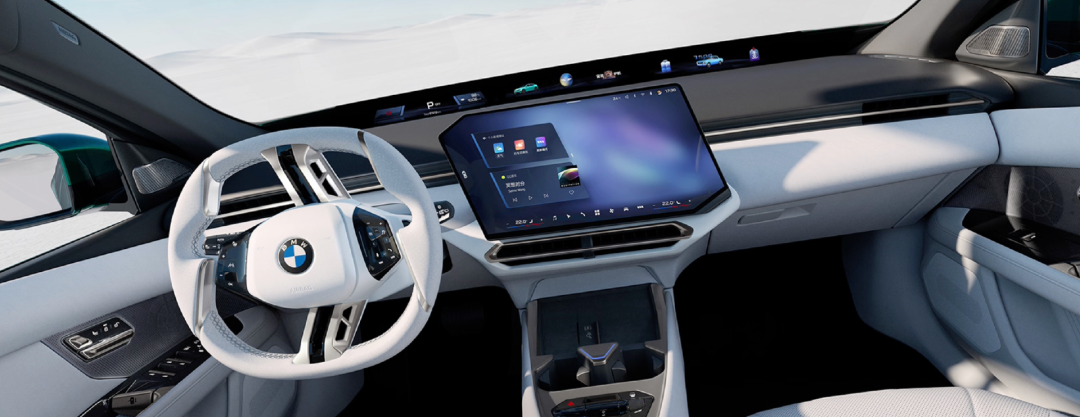
What was initially perceived as unwelcome news about layoffs has transformed into a frenzy of voluntary exits at BMW.
Here's the backstory: BMW is set to reduce its white-collar workforce by approximately 8,000 positions by the end of 2027, with the majority of these cuts occurring in Germany and no impact on production line staff. To execute this downsizing plan smoothly, BMW has unveiled a voluntary exit compensation package offering up to €650,000—equivalent to roughly ¥4.87 million.
What's the significance of this figure? Previously, Volkswagen's highest compensation package stood at €405,000, while Mercedes-Benz offered €500,000. BMW has now set a new benchmark for exit compensation among German automakers.
The compensation package is not only generous but also thoughtfully designed. Employees can choose to receive their compensation as a lump sum, in installments, or have it transferred into a pension account. Those opting for early exit are eligible for an additional "Turbo Bonus," and employees aged 55 or above can retain their employee car purchase discounts even after departure. It's a gesture that respects both financial and personal dignity.
On October 8, when the compensation inquiry portal opened, it triggered an immediate surge in activity. Approximately 40,000 eligible employees flooded the internal HR system to check their compensation amounts. Within hours, the influx of traffic overwhelmed the system, causing pages to freeze and data to fail to load.
BMW worked through the night to restore the system, and while it was back up the next day, even more applicants poured in. Eventually, the system couldn't cope with the load, prompting BMW to temporarily halt new applications to prioritize processing those already submitted...
Transforming a layoff plan into a limited-time rush is quite an unprecedented spectacle in the industry.
Some may view BMW's generosity as a sign of a change of heart among capitalists—but context is key.
However, businesses operate with clear calculations. BMW has made it clear that this compensation is a one-time expense. By letting go of these 8,000 employees, the company anticipates annual savings of around €1 billion (approximately ¥7.5 billion) starting in 2028. The compensation paid out now will be recouped through reduced labor costs within a few years. It's a strategic move to endure short-term pain for long-term gain, buying out burdensome positions to facilitate a smoother transition into electrification—a financially sound decision.
Moreover, the cuts are targeted at non-production roles such as administration, R&D, and planning, with 20% of management positions also being reduced. In essence, it's about streamlining the bloated headquarters and eliminating non-revenue-generating functions. For automakers, the pace in the electrification era is relentless, and traditional giants' bureaucratic systems struggle to keep up. Using this opportunity to downsize—money can resolve issues that aren't truly problematic.
On the flip side, employees rushing to leave aren't necessarily devoid of sentiment towards the company; adults weigh their options.
Everyone is aware of the industry's current state. The transition to electrification means a contraction in fuel-powered vehicle operations, leading to downsizing across major firms. Today, voluntary exits come with hefty compensation; tomorrow, if layoffs are involuntary, the deals may not be as generous. Taking millions in compensation to leave gracefully means having the initiative to rest, adjust, or find a new job. Waiting until the company forces you out might not yield such favorable terms.
In essence, this is a mutual calculation. BMW is calculating long-term costs, trading money for efficiency and transition speed. Employees are calculating personal career benefits, securing financial stability and taking gains when available.
There's no right or wrong, nor is it about a sudden change of conscience—just rational choices in a mature market.
Interestingly, layoffs at automakers used to evoke panic and chaos. With BMW, it's the opposite: employees are eager to leave, overwhelming the system. It's not that BMW is exceptionally good; its peers just make it look better by comparison, with compensation truly substantial.
Of course, this also sheds light on industry realities. German luxury brands are tightening their belts—Mercedes and Volkswagen are also cutting jobs to reduce costs. Electrification is a costly endeavor, self-driving technology is burning money, and Chinese brands are closing in fast. The days of comfort for traditional giants are long gone. Today, BMW can solve problems with money; at other firms, the story might unfold differently.
Finally, a practical note: there are no stable "iron rice bowls" in the workplace, especially during industry shifts. Leaving gracefully with hefty compensation is already a favorable outcome in today's career landscape. What's worth pondering is: when major firms start spending heavily to downsize, how many white-collar jobs will the auto industry need in the next decade?
-
![]()
Post-85s AI Meteorology Entrepreneur from Changzhou, Jiangsu: Secures Multi-Million Funding
-
![]()
Why Is Light Able to Pass Through Holes Smaller Than Its Wavelength?—Exploring the Extraordinary Optical Transmission of Metasurface Infrared Filters
-
![]()
Film and Television Hurricane Delivers a Rigorous Review of the iPhone Duo! Withstands 10,000 Folds, Yet Falls Short in Software
-
![]()
Is the XPENG MONA L05’s Pre-sale Price 40,000 Yuan Steeper Than Its Rivals’?
-
![]()
Historic Windfall in Layoffs: BMW's Up to €650,000 Compensation Sparks Employee Exodus, Overwhelms System
-
![]()
Has Geely’s Debut Boxy SUV Shaken Up Off-Road Pricing?
-
![]()
GM China Reports $210 Million Net Profit in Q3: Two Consecutive Years of Profitability, Though CEO Warns of Tougher Market Conditions
-
![]()
BMW Layoffs: Employees Compete to Leave!