Why I’m Skeptical About the Near-Term Commercial Viability of L3 Autonomous Driving
 10/26 2026
 396
On October 22, at the 2026 World Intelligent Connected Vehicles Conference, Guo Shougang, Director of the First Department of Equipment Industry at China’s Ministry of Industry and Information Technology (MIIT), announced that the second phase of L3 autonomous driving pilot programs is now underway.
The topic of L3 deployment was a major focus of discussion at this year’s event.
Yang Dongsheng, Senior Vice President of BYD Group and President of the Automobile New Technology Research Institute, stated that L3 conditional autonomous driving is projected to be rolled out by 2028, with higher levels of autonomy likely to follow within one to two years of further refinement.
As early as December 2025, two L3 autonomous driving models from Changan and BAIC had already secured conditional approval.
From the first round of road tests to the expansion of the second pilot phase, L3 is clearly gaining practical operational experience.
However, pilot program progress does not equate to commercial success.
While vehicles may receive approval for limited use, consumer willingness to pay for this capability—and automakers’ ability to sustain profitable returns—remain uncertain.
I’m not pessimistic about L3’s technological potential, but I remain cautious about its near-term commercialization.
Just because a technology can function doesn’t mean consumers will pay for it; even if they do, automakers must still ensure a viable return on investment.
Today, I’ll skip the technical details and focus instead on L3’s commercial prospects. Feel free to share your thoughts in the comments.
01 L3 Is Already on the Road—But That Doesn’t Mean Commercialization
As noted earlier, on December 15, 2025, MIIT conditionally approved two L3 autonomous driving models from Changan and BAIC.
The Changan model can operate at speeds up to 50 km/h in traffic congestion scenarios on designated roads in Chongqing. The ARCFOX model can function at speeds up to 80 km/h on specified highways and urban expressways in Beijing.
Clearly, these approvals come with strict operational limits.
Both models can only activate their autonomous functions within predefined road sections and conditions, with designated entities overseeing road trials. Approval does not mean unrestricted nationwide use.
On December 26 of the same year, the first batch of 46 Changan Deepal L3 pilot vehicles began trial operations on designated roads in Chongqing.
This marks significant progress in real-world application, but regional pilot programs are not the same as mass-market adoption by everyday consumers.
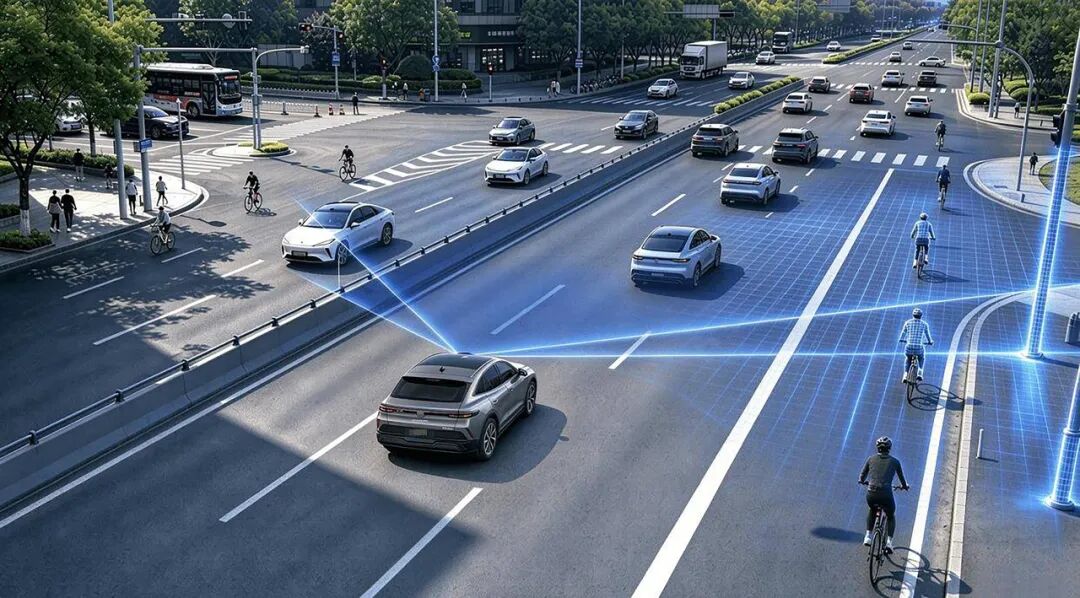
Image Source: Internet
L3’s ability to operate under specific conditions does not guarantee widespread user adoption.
For consumers, the value of a driving feature depends not just on its functionality but also on how often their daily travel aligns with the system’s operational parameters—and whether it can be used reliably and conveniently.
If a driver rarely travels on approved roads, the practical benefits of L3 may be negligible, even if the vehicle supports it.
Consumers may balk at paying a premium for a feature they can rarely use. Of course, current limitations don’t mean L3 will always be confined to these roads.
As product validation, approval processes, and regulatory frameworks improve, the scope of application will gradually expand. However, broadening coverage requires testing new scenarios, meeting safety standards, and addressing operational challenges.
Thus, while the second pilot phase is promising, it doesn’t signal imminent large-scale commercialization.
The real test lies in how many real-world driving scenarios L3 can cover—and whether that coverage drives consistent user demand.
02 Will Automaker Investment Drive Consumer Adoption?
Does increased investment by automakers guarantee consumer buy-in?
The difference between L3 and L2 advanced driver-assistance systems (ADAS) isn’t just automation level.
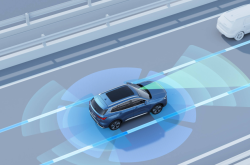
When L3 is active and within its operational design domain (ODD), it handles dynamic driving tasks, freeing the driver from continuous monitoring—unlike L2, which requires constant human oversight.
However, this doesn’t mean drivers can disengage entirely. If the system requests a takeover, the driver must respond promptly; if they don’t, the system must have fail-safe mechanisms.
These requirements impact system design, validation, and safety assurance. Automakers must not only develop the functionality but also verify its safety within defined conditions, address system failures, manage driver transitions, and establish safety protocols.
On July 30, 2026, China’s mandatory national standard GB 44721—2026 "Intelligent Connected Vehicles – Autonomous Driving System Safety Requirements" was officially released, with implementation set for July 1, 2027. This standard applies to M- and N-category vehicles equipped with L3 and L4 systems, specifying technical requirements, safety assurances, and testing conditions.
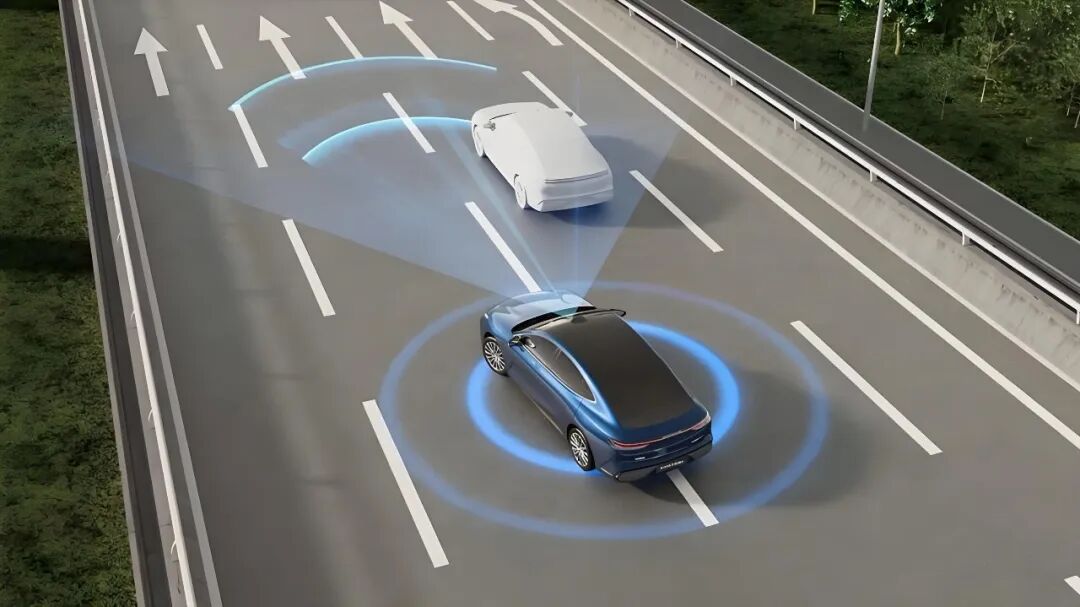
Image Source: Internet
These safety mandates mean automakers must meet rigorous standards in development, validation, and operational oversight.
The exact cost increase varies by company, depending on existing tech infrastructure, system design, and operational strategies—no fixed figure applies universally.
From a business standpoint, can the R&D, hardware, validation, and safety costs be recouped through higher prices, increased sales, or service revenue? If automakers fold some costs into the purchase price, will consumers pay more for L3?
If L3 is bundled as a competitive feature rather than priced separately, can it boost sales and profits?
Currently, public data doesn’t confirm large-scale, stable paid demand for L3 or quantify the incremental revenue it generates for automakers. More critically, user demand won’t materialize simply because the technology is advanced.
For drivers who frequently travel on approved roads and notice a significant reduction in driving burden, L3 may be appealing. For others, the benefits may seem marginal.
This means L3 faces not just cost challenges but also whether user value justifies the premium. How much an automaker invests doesn’t dictate how much a consumer will pay.
Even if system capabilities improve, unclear user benefits may prevent technological superiority from translating into pricing power.
03 The Biggest Commercial Hurdle for L3: Sustaining Returns on Investment
For automakers, L3 holds strategic value.
It can pave the way for higher-level autonomy, refine system safety validation, and potentially upgrade vehicle architecture, software, and safety systems. These benefits may not boost profits for a specific model but could emerge in future products.
However, strategic value ≠ short-term profitability. Suppose an automaker invests heavily in L3 development, adds hardware, completes testing, and secures approval.
If the feature is usable only in limited scenarios and consumer willingness to pay is unclear, recouping costs through pricing, sales, or services remains uncertain. Moreover, L3’s safety requirements mean companies must account for ongoing operational risks, not just upfront R&D.
After deployment, automakers must fulfill safety obligations, handle accident liabilities, and address operational issues.
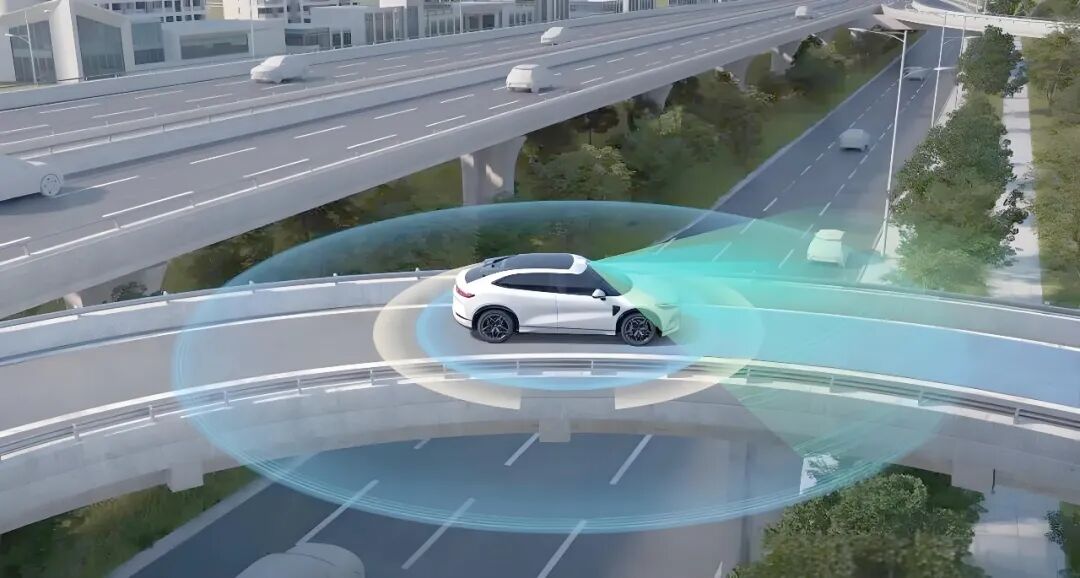
Image Source: Internet
As vehicle numbers grow, monitoring, issue resolution, and service costs may rise. Whether unit costs decrease through scale depends on operational efficiency and usage rates.
To expand L3’s reach, automakers must validate new scenarios, meet regulatory approvals, and deploy more qualified vehicles.
At the same time, they must prove that additional investments create sufficient user value and commercial returns. While scaling up may reduce costs, success hinges on deployment scale, usage frequency, efficiency, and support expenses.
If demand is weak, more tech investment won’t automatically improve profitability.
Thus, being first to secure L3 approval doesn’t guarantee market dominance.
The real challenge is turning limited tech capabilities into products users want—and will pay for—over time.
04 L3 Holds Promise—But Short-Term Commercialization Needs Market Proof
The launch of the second L3 pilot phase shows industry momentum.
As safety standards roll out and testing experience accumulates, future applications may broaden, and product offerings diversify.
However, until use cases, consumer willingness to pay, and corporate profit models are thoroughly validated, approval progress alone doesn’t guarantee L3’s commercial success.
I’m optimistic about L3’s tech potential but skeptical it will quickly become highly profitable.
For automakers, securing approval is just the start. The real test is enabling enough users to consistently leverage L3 in diverse scenarios while meeting safety standards—and generating returns that justify long-term investment.
Operating on roads reflects tech progress; creating lasting commercial value is the true measure of success.
#AutonomousDriving #L3AutonomousDriving #AutonomousDrivingImplementation
-
![]()
He Gang, Yu Chengdong's 'Trusted Partner,' Promoted to Huawei Director: A Pivotal Phone Call 13 Years Ago Altered His Career Path
-
![]()
Breaking News: Huawei Inks Landmark Deal with Century-Old Audi
-
![]()
Laying Cards on the Table! Tesla Q3 2026: Vehicle Sales Peak, All Funds Poured into AI
-
![]()
What We Can Learn from the 2026 WICV Speeches: Where Are Weride, DeepRoute, and ZhiJia Xincheng Betting on the Next Wave of Intelligent Driving?
-
![]()
Why Does Water Still Penetrate Despite IP68 Waterproofing?
-
![]()
Bridging the Gap: From Understanding to Safely Executing Intelligent Driving Commands
-
![]()
Why I’m Skeptical About the Near-Term Commercial Viability of L3 Autonomous Driving
-
![]()
Why Do Similar Problems Persist in Intelligent Driving Systems Despite Growing Training Data?