Finalizing the Deal: FAW and GAC's Strategic Cooperation Enters a New Phase
 10/26 2026
 479
On October 22, Qiu Xiandong, Chairman of China FAW Group, and Feng Xingya, Chairman of GAC Group, jointly attended the launch meeting for the establishment of a joint working group at GAC Group's headquarters. Focusing on the national strategy for building a strong automotive country, both sides engaged in in-depth discussions and reached a consensus on further advancing key cooperation projects and deepening industrial collaboration between northern and southern China. This has injected strong confidence into the orderly progress of their strategic cooperation.
Analysts believe that the establishment of the joint working group marks a solid advancement in the strategic cooperation between FAW and GAC, signaling a new stage of development and entering a critical period of deepened collaboration. 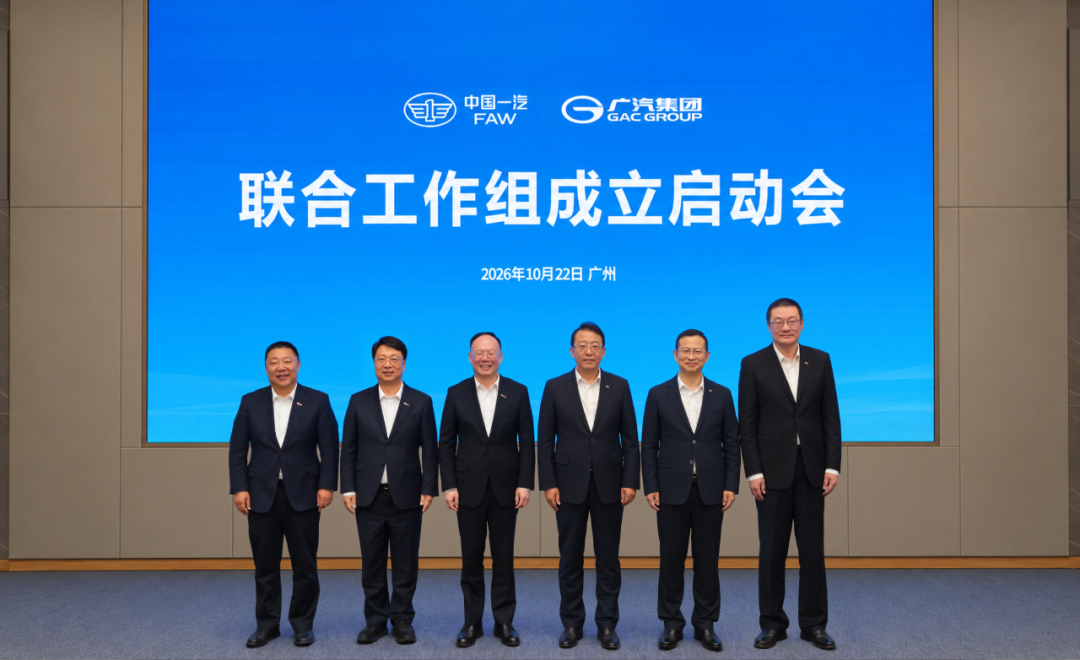
FAW and GAC's Strategic Cooperation Advances Steadily
Qiu Xiandong, Chairman of FAW, pointed out that the cooperation between China FAW and GAC Group is a concrete manifestation of state-owned central enterprises playing 'three roles,' striving to be 'three pace-setters,' and providing 'three services.' It also highly aligns with the development needs of both sides and will serve as a positive example for the automotive industry. Both sides should establish unified will, common goals, and firm confidence to rapidly advance in core areas such as passenger and commercial vehicles, batteries, electric drives, intelligence, and overseas markets, achieving a '1+1>2' synergistic effect. China FAW will demonstrate its utmost sincerity and take practical actions to collaborate with GAC Group in high-level coordination, strengthen institutional guarantees, enhance communication, and fully implement plans, jointly transforming the cooperation blueprint into tangible development outcomes. This will create a new paradigm for cooperation between central and local state-owned enterprises and contribute greater strength to the transformation and upgrading of the automotive industry and the building of a strong automotive nation. 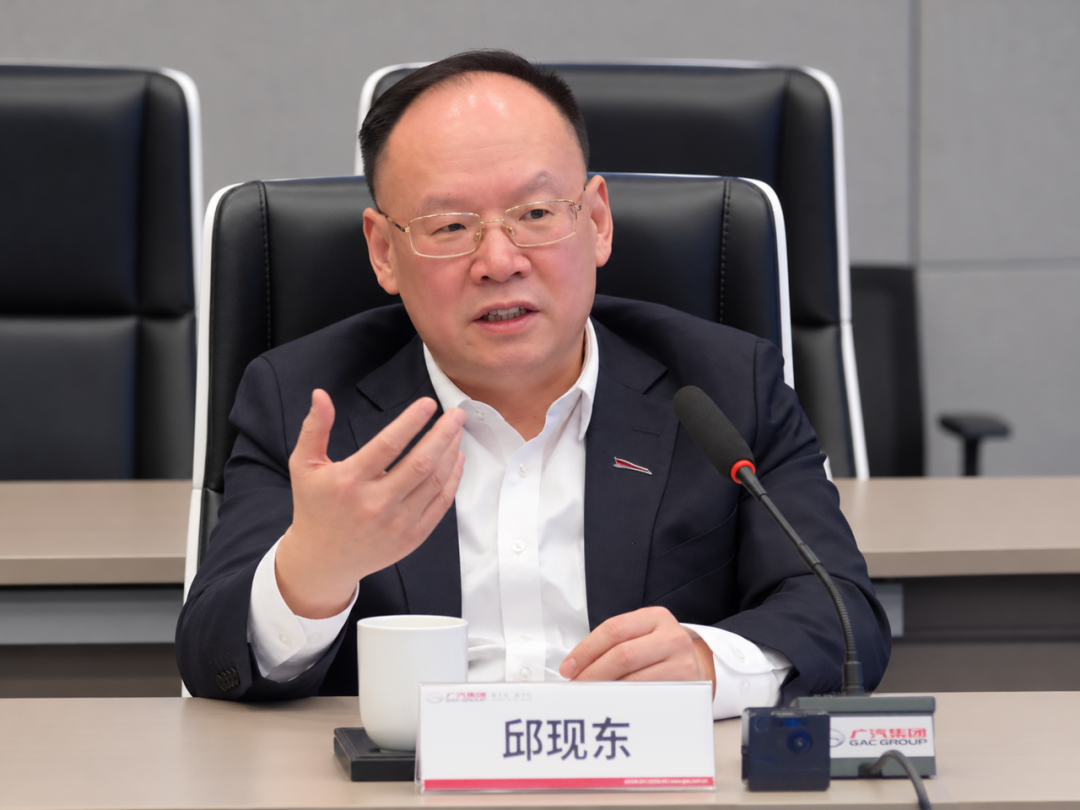
Feng Xingya stated that since the signing of the strategic cooperation framework agreement between GAC Industrial and China FAW on September 29 and the new strategic cooperation framework agreement among China FAW, Toyota Motor, and GAC Group on October 8, the teams from both sides have engaged in close consultations and communication. The holding of this working meeting and the launch meeting for the establishment of the joint working group represent key actions by GAC Group and China FAW to deepen the implementation of the strategic cooperation framework agreement. 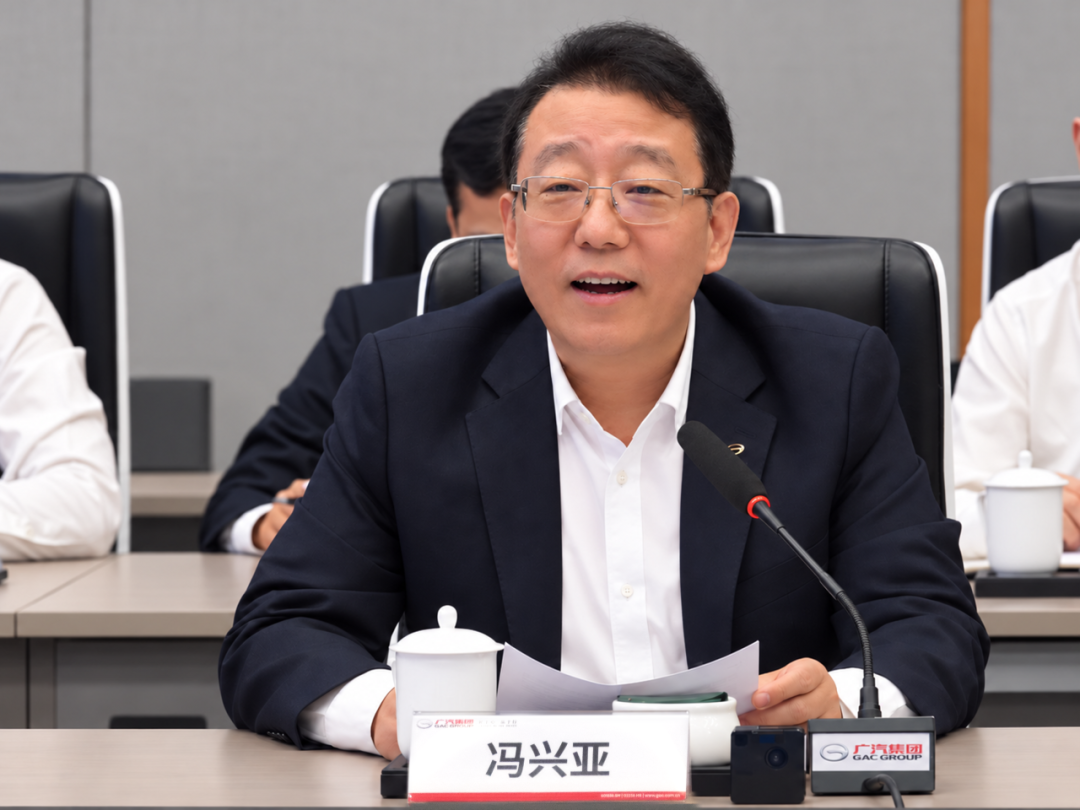
Both sides agreed to take the establishment of the joint working group as an opportunity to continuously deepen strategic mutual trust and ensure the smooth implementation of various plans under the strategic cooperation framework agreement with a pragmatic and efficient attitude. They will sustain the effectiveness of north-south collaboration and central-local synergy, shoulder the mission of building a strong manufacturing nation, and strive to embark on a new journey for China's automotive industry.
The most significant transformation in China's automotive industry is steadily advancing.
Strategic Cooperation Covers All Business Levels
Many people believe that the cooperation between FAW and GAC is merely a simple collaboration between automakers to weather difficulties. However, this is not the case.
FAW, a central state-owned enterprise based in northern China with a rich heritage, and GAC, a local state-owned enterprise with deep roots in southern China and a high degree of marketization, are both leading domestic state-owned automakers. Over the past few decades, they have operated independently and competed on the same stage. Now, their cooperation has escalated to the capital level, which is the most notable aspect of this partnership.
A major move in this cooperation is GAC's issuance of shares to acquire FAW's 50% stake in FAW Toyota. After the transaction, FAW will no longer hold a stake in FAW Toyota but will become an important strategic shareholder of GAC Group. This cooperation goes beyond simple technology sharing and joint procurement; it involves a substantial equity swap and interest alignment, deeply binding the development of the two companies. 
In the past, FAW Toyota and GAC Toyota operated independently with separate R&D, production, procurement, and distribution channels, leading to significant redundant investments and severe internal competition among similar models, resulting in substantial resource waste.
After this deep integration, Toyota operations in northern and southern China will achieve unified planning, R&D, supply chain, and distribution management, completely ending internal conflicts and concentrating all resources on the transition to electrification and intelligence, addressing the shortcomings of Japanese new energy vehicles in the domestic market.
FAW and GAC will maintain their independent legal status and operations, with their respective self-owned brands continuing to develop and compete independently. The core logic is clear: preserve brand independence, integrate all synergistic resources, reduce costs together, share pressures, and achieve mutual success.
Currently, the domestic automotive industry is experiencing intensified internal competition, with price wars becoming normalized. Every sector, including new energy, intelligent driving, and battery R&D, requires substantial and sustained investment. Independent investment and development by a single automaker entail high risks and immense pressure. 
The newly established normalization (regular) joint working group's cooperation extends beyond the Toyota joint venture business, covering the entire industrial chain, including passenger and commercial vehicles, battery electric drives, intelligent connected vehicles, and overseas exports.
On the supply chain front, both sides can jointly procure to reduce component costs and alleviate pressure on vehicle profits. Technologically, they can share platforms and R&D outcomes to avoid redundant investments. In overseas markets, they can collaborate to avoid internal conflicts and jointly seize incremental opportunities.
Exploring a New Model for Cooperation Among State-Owned Automakers
Previous collaborations and mergers and acquisitions among state-owned automakers have seen both successes and failures. However, the strategic cooperation between FAW and GAC differs from previous models, as it explores a new approach.
The FAW-GAC cooperation does not follow the traditional path of mergers and acquisitions but breaks down the barriers between central and local state-owned enterprises, exploring a new model of capital integration, independent operations, and synergistic win-win outcomes that perfectly aligns with the current transformation needs of the automotive industry. 
Future automotive competition is no longer about individual models but encompasses a comprehensive competition of systems, supply chains, and technological ecosystems.
The collaboration between FAW and GAC is not only a significant move for automakers to navigate industry challenges but also a crucial step for China's automotive industry to concentrate its strength and strive for high-end, intelligent, and global development. This deep integration will undoubtedly reshape the future landscape of China's automotive industry.
However, it is important to acknowledge that cooperation in this critical phase presents immense opportunities and significant challenges.
Aligning two mature corporate systems, supply chains, marketing networks, and corporate cultures poses immense difficulties. Simultaneously, balancing Toyota's global technology planning with local development needs requires long-term coordination of multiple interests. Additionally, the overlapping product portfolios of both sides' self-owned brands necessitate resource sharing while avoiding internal competition, which remains a key challenge for the future.
Nevertheless, the strategic cooperation between FAW and GAC provides a new model for the reform and development of China's state-owned automakers and is worth anticipating.
(End)
-
![]()
He Gang, Yu Chengdong's 'Trusted Partner,' Promoted to Huawei Director: A Pivotal Phone Call 13 Years Ago Altered His Career Path
-
![]()
Breaking News: Huawei Inks Landmark Deal with Century-Old Audi
-
![]()
Laying Cards on the Table! Tesla Q3 2026: Vehicle Sales Peak, All Funds Poured into AI
-
![]()
What We Can Learn from the 2026 WICV Speeches: Where Are Weride, DeepRoute, and ZhiJia Xincheng Betting on the Next Wave of Intelligent Driving?
-
![]()
Why Does Water Still Penetrate Despite IP68 Waterproofing?
-
![]()
Bridging the Gap: From Understanding to Safely Executing Intelligent Driving Commands
-
![]()
Why I’m Skeptical About the Near-Term Commercial Viability of L3 Autonomous Driving
-
![]()
Why Do Similar Problems Persist in Intelligent Driving Systems Despite Growing Training Data?