Toyota Can No Longer "Cover Up" for Japanese Cars
 10/30 2026
 558
"There's no room left to stand on the sidelines."
One set of figures is hard to swallow.
September sales: Nissan and Honda each sold just over 20,000 vehicles in the Chinese market. What does that mean? Less than the monthly sales of a single model in their prime. Their combined market share in China has dropped to 10.7%, compared with 23% five years ago.
Of course, a hero does not boast of past glories—because there is no face left to show.
The October trend is no more encouraging. The "Golden September and Silver October" the auto market had hoped for did not materialize as expected, and the situation for Japanese cars has grown even more urgent. Currently, among the Japanese "Big Three," the only one barely holding on to its dignity is Toyota.
Yet that last shred of dignity is no longer enough to serve as a "fig leaf" for Japanese cars.
Following in Nokia's Footsteps?
Collapse, or crash?
Both.
In the Chinese market, Japanese cars have only 10% share left. The result can be called a "crash," but the Japanese carmakers, unable to find a way to stop the decline, are indeed on the verge of "collapse."
"Unless circumstances change, we will not be able to survive."
"The company has reached the brink of survival."
Since entering 2026, Japanese cars have repeatedly issued similar warnings. By September, the Japanese giants could hardly even voice warnings. This sales performance is like a heavy hammer, striking the hearts of Japanese automakers once again.
Two Hondas: Dongfeng Honda relied on two classic SUV models, the CR-V and HR-V, to keep up appearances, selling 17,000 vehicles—still a decline. That is already an awkward number, but even more awkward is GAC Honda, with monthly sales of less than 5,000 vehicles, a drop of more than 80%.
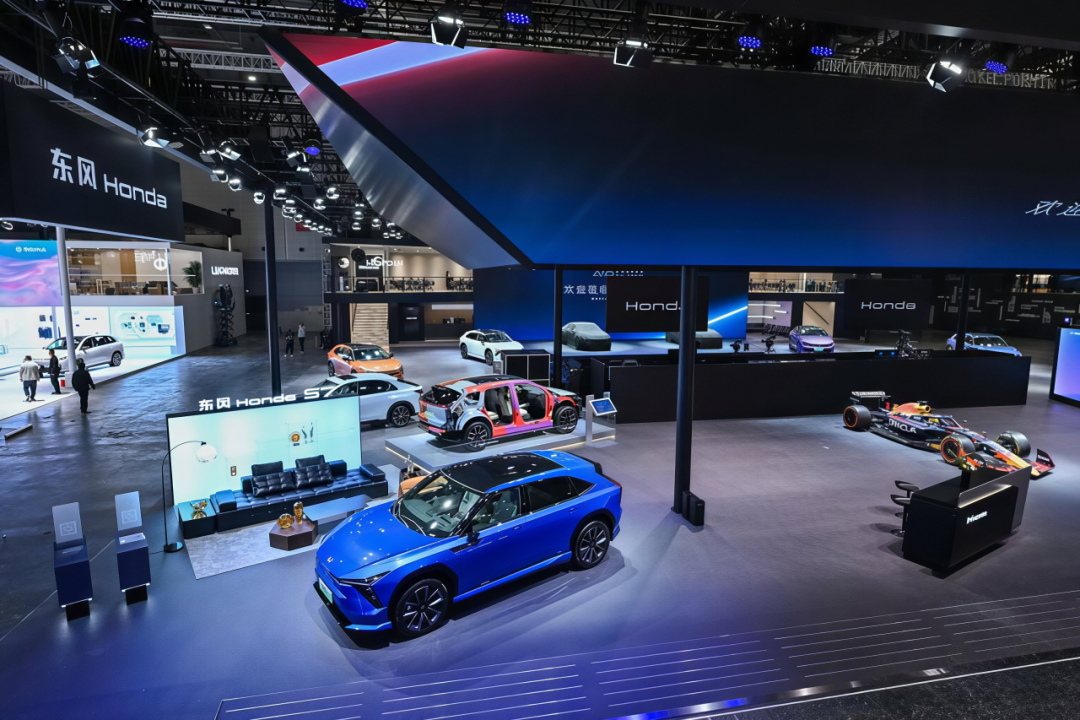
Honda admitted that the sales decline was not only affected by rising gasoline prices, but more critically by internal product problems. From a product-structure perspective, more than 90% of Honda's currently sold models are still fuel-powered vehicles.
Nissan's sales in China were 23,600 vehicles, plummeting 60% year-on-year and declining for consecutive months. Nissan plans to cut 30% of its production capacity in China, intertwined with Chery taking over Nissan's plant in South Africa. Everyone knows this is not just about buying a few machines—it represents a complete change in the logic of the automotive industry.
What is being replaced is the Japanese car.
Only Toyota is still trying, becoming the main support for Japanese car sales in China. Models such as the Corolla, Camry, and RAV4 have accumulated long-term users, and fuel and hybrid models retain competitiveness, with monthly sales maintained at 100,000 vehicles.
But the pace of decline is also accelerating, because in the pure electric market, Toyota has not yet established a scale advantage comparable to that of traditional fuel vehicles.
If we say Japanese cars have reached the Nokia moment, that is no longer an exaggeration.
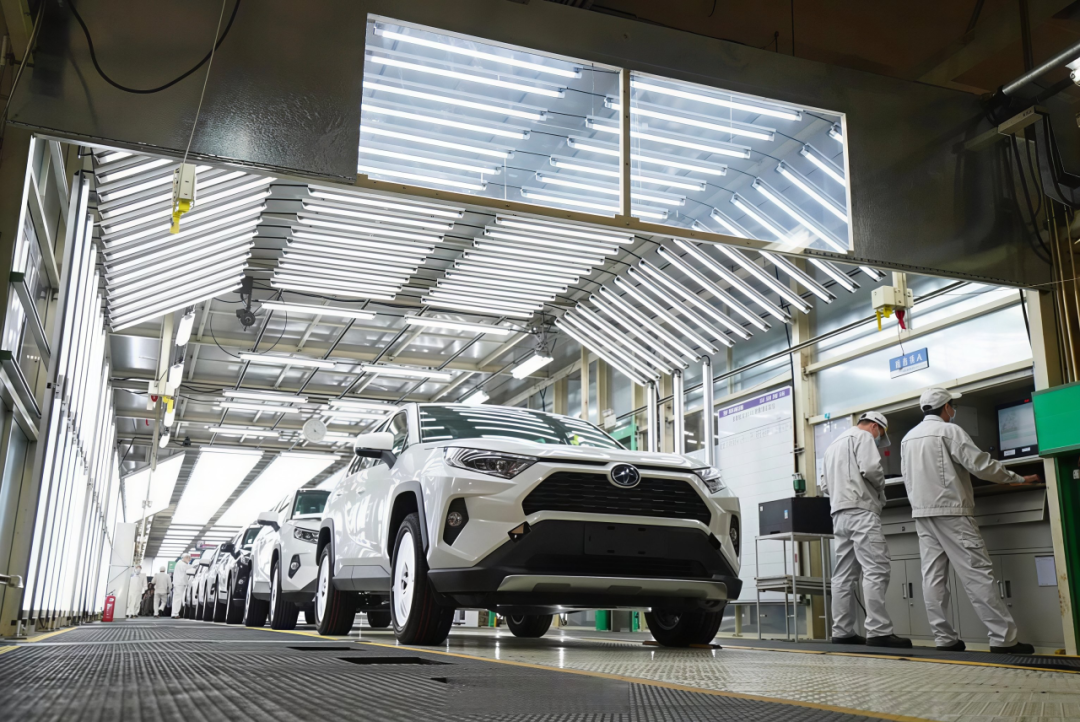
Toyota, too, is unable to cover up for Japanese cars.
Everyone knows where the crux lies.
In the words of the British magazine The Economist, "Japan's automotive industry is facing its most severe structural crisis in decades, with multiple companies simultaneously suffering declining profits, lagging electrification transformation, and strong competitive pressure from Chinese automakers."
In just five years, the share of Japanese cars in China's sales has rapidly fallen from 23% to less than 10%. The speed of the decline, and every disappointing financial report, sends pain along the industrial chain to the nerve endings of Japan's economy.
The performance in the Chinese market is a fatal blow for Japanese cars.
"The Sun Is Setting"
Japanese media have asked more than once, "Is our last pillar industry also about to collapse?"
Looking only at the Chinese market, Japanese cars are indeed not optimistic. They have even reached a moment of "life and death." But in the global market, the situation for Japanese cars is also not optimistic.
A few months ago, The New York Times recorded a striking fact: Honda delivered its first annual net loss since listing in 1957. The trigger for this loss was the retreat from its electrification strategy, with a bill exceeding 9 billion US dollars.
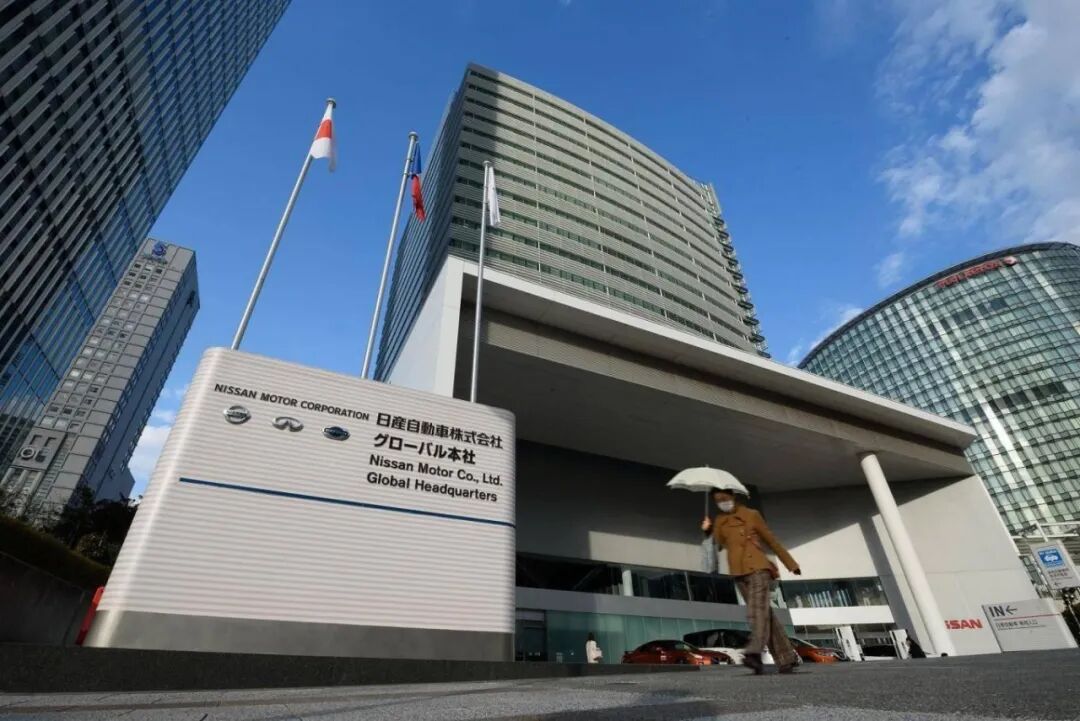
As for Nissan—layoffs, selling buildings, and cutting multiple product lines—life has been so tough that it had to resort to the "all-in" self-rescue measure of "selling buildings," but the effect has not been good.
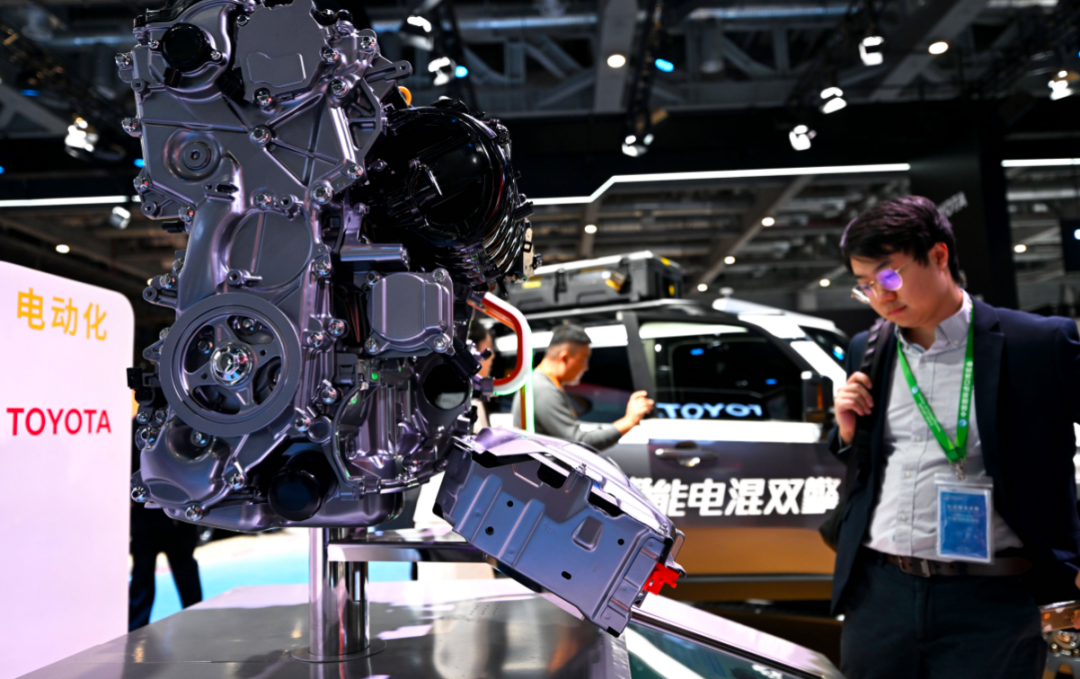
On the choice of technology route, Japan made another wrong bet, with overly concentrated bets, fully believing that hydrogen, hybrid, and oil-to-electric could each score seven points, and unwilling to make heavy bets on pure electric.
For example, Toyota regarded hydrogen fuel cell passenger cars as its future core. The Toyota Mirai sold only about 27,000 units in ten years, and hydrogen refueling station construction fell far below plan, falling into the vicious cycle of "few cars, few stations."
If in the Chinese market Japanese cars were defeated by technology routes, then in another core market—the Middle East—they are severely affected by geopolitics. Geopolitical conflicts have interrupted key supply chain routes, sent logistics costs soaring, and blocked export channels, causing Japanese cars to decline significantly in this core market.
In September, Middle East sales plunged 29.8% year-on-year, which together with the 19.7% decline in the Chinese market in the same period dragged Toyota's global sales down for the third consecutive month.
Toyota said in a statement that because higher gasoline prices suppressed demand for gasoline and hybrid vehicles, the decline in the Chinese market had extended to an eighth consecutive month, the Middle East market had plunged, and Japan and the United States (Toyota's largest market) had grown 1.8% and 8.4% respectively.
In Southeast Asia, where Japanese cars have long dominated, there has also been "a technology suicide ten years late." Japanese cars have shown the same three fatal weaknesses in major markets: betting on the wrong hybrid technology, rigid supply chains, and arrogant pricing.
So, when BYD and others break through the old track with 240% growth, PwC partner Patrick Ziechmann's verdict is becoming reality: "The unbeatable era of Japanese cars in Southeast Asia has completely ended."
When BYD captured Thailand's taxi market with the Atto3, the configuration list of the Honda CR-V in Malaysia was still at the level of 12 years ago. When BYD's Thailand plant began reverse exports to Europe, Toyota hurriedly announced its 2030 electric vehicle plan.
When Southeast Asia, the Middle East, and Latin America—once solid territories for Japanese cars—are filled with Chinese electric vehicles at a glance, the speed at which global automotive power rules are being rewritten is all too obvious.
The lesson for Japanese cars in Southeast Asia is comparable to Kodak missing the digital camera revolution. In the European market, foreign media have not been polite either. Japanese brands are already a "setting sun," and part of the poor performance is because Japanese cars are usually developed in the home market, and their powertrains rarely match the needs of the European market.
Nissan CEO Espinosa once pointed this out: "Competition from Chinese companies is becoming increasingly fierce. In the past, we invested heavily in specific products for the European market. But at our current scale, this model is no longer sustainable."
According to Nikkei Asia Review, seven major Japanese automakers—Toyota, Honda, Nissan, Suzuki, Mazda, Subaru, and Mitsubishi—are expected to post a combined net profit of 3.9 trillion yen in fiscal 2026, down 48% from the historical peak of 7.54 trillion yen in fiscal 2023, nearly halved.
At present, only the US market can still save some face for Japanese car sales, but there are still many difficulties, with the tariff stick always hanging overhead. Japanese automakers are overly dependent on the North American market.
Pointing to the Wrong Technology Tree
Many people have also asked, "Why do Japanese cars always go in the wrong direction on the most correct path?"
In fact, Japanese automakers have not been slow in betting on routes each time, but what often happens is that extreme technology does not match the development of market demand—it is an expensive self-indulgence.
Starting in 2000, Japan held an absolute advantage in hybrid technology. Once the Toyota Prius came out, it became the benchmark for energy-saving vehicles. However, because it clung to internal combustion and lost the initiative, it missed the opportunity to embrace pure electric and gain the upper hand.
Moreover, in many proofs in the technology field over the past years, once Japanese companies mastered a certain advanced technology, their favorite thing to do was to lie back and collect profits from global manufacturing by building impenetrable patent barriers.
In the development of new energy vehicles, Japanese automakers did the same. Previously, Japanese cars bet on hydrogen energy. It can be said that Japan's investment in the hydrogen energy field was a national effort.
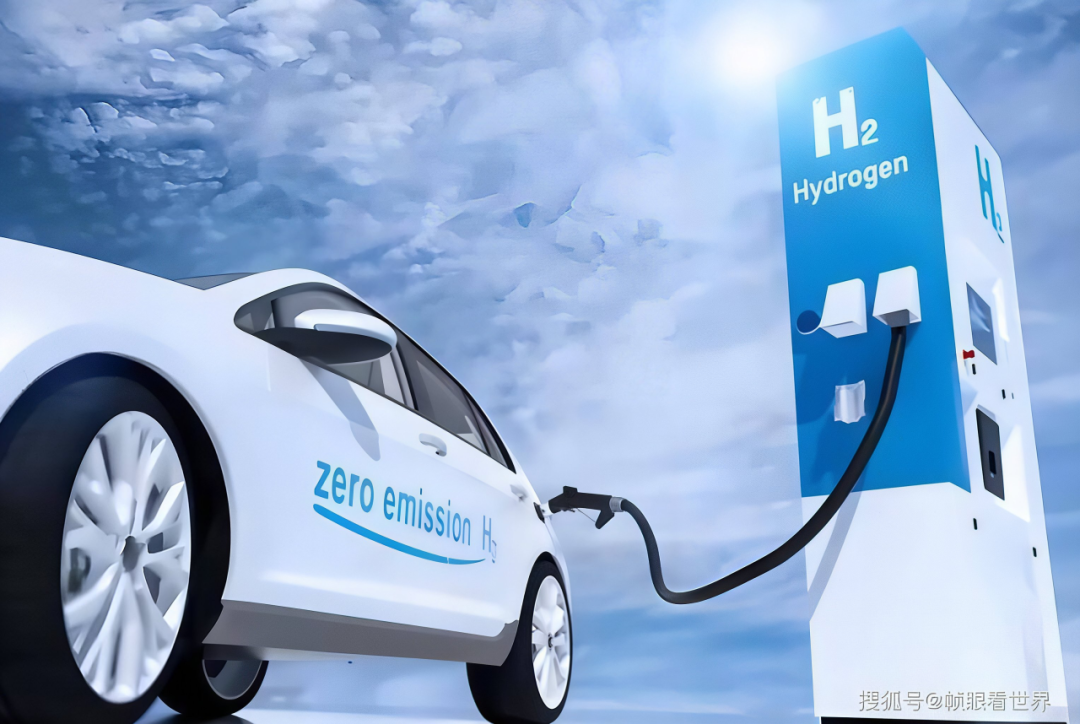
In 2008, Japan began researching fuel cells, and by 2013 it had established an advantage through its revitalization strategy. It can be said that from technology patents to infrastructure, from hydrogen production to hydrogen storage to fuel cells, patent barriers were laid out in almost every link of hydrogen energy.
Japan holds 83% of the world's hydrogen fuel cell patents, attempting to build a "toll booth" to monopolize profits. The intention was so obvious that the global market saw through it.
"The two major markets of China and the United States simply did not follow the script Japan envisioned," industry insiders said. China and the US markets were unwilling to be controlled by others and collectively turned to pure electric. "China chose the pure electric route, and the United States, led by Tesla, also bet on pure electric."
As a result, Japanese technology lost support in the major Chinese and US markets. In addition, hydrogen fuel cell vehicle sales were dismal, hydrogen refueling station construction was slow, there was no vehicle parc, and refueling speed was not advantageous, making these technology patents temporarily useless.
"After betting for so long, they found that the track they invested trillions of yen in had hardly anyone running along with them."
So, when the pure electric market advanced by leaps and bounds, the continued market decline panicked Japanese automakers, but they were unwilling to give up their painstaking hydrogen energy layout, nor could they be "decisive" about pure electric layout, resulting in a situation of "multiple bets, imbalance between primary and secondary." "Fuel + hybrid + pure electric + hydrogen" proceeded in parallel, but resource allocation was seriously skewed toward hydrogen and hybrid, with insufficient investment in pure electric.
"We previously overestimated the pace of popularization of the global pure electric market. The aggressive single pure electric route layout was seriously mismatched with the regional market differentiation pattern and the company's own technology rhythm," admitted Honda President Toshihiro Mibe, acknowledging the misjudgment.
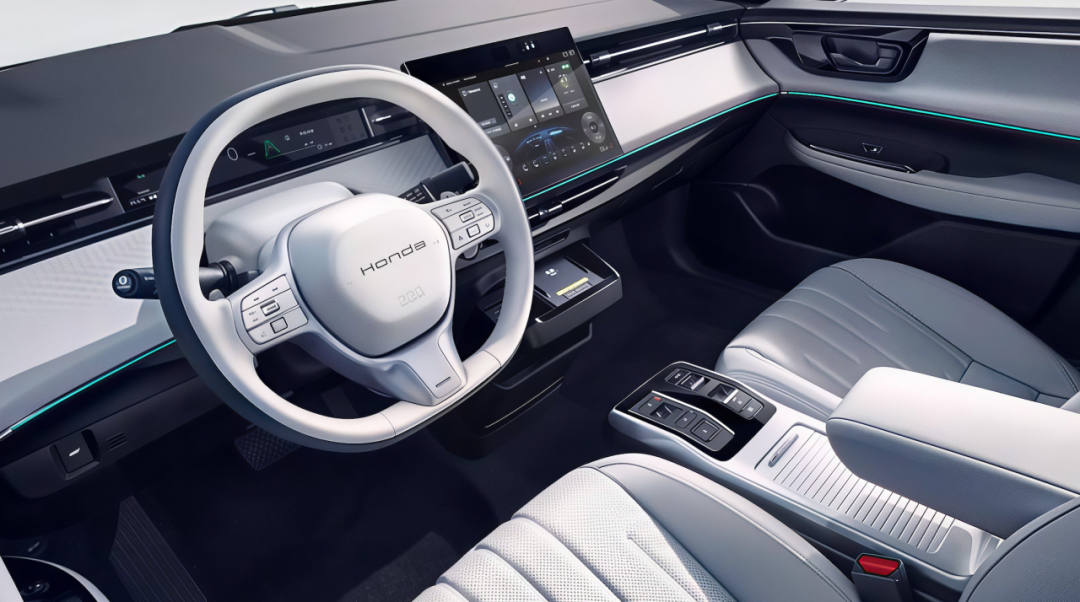
Therefore, many people always joke, "Japanese people always point to the wrong technology tree."
But for Japanese automakers, it is not that they cannot see the trend, but that they see it and cannot fully transform. The huge zaibatsu system and the capillary-like supply chain network also strongly hinder the transformation of Japanese cars. Moreover, when the profit structure of old technologies is deeply entrenched, no matter how tempting new technologies are, no leader has the courage to actively smash the "foundation" on which they rely for survival.
Hesitant and sitting still like an elephant, they often point to the wrong technology tree at moments of technological change. Once they point wrong, all efforts return to zero in a second.
"Whoever lies on the merit book and lives off past achievements is not far from being eliminated."
The wheels of the times roll on, and for any participant, it is a new beginning. The story of Japanese cars is far from over, but the old road is no longer passable.
"There must be a road before the car reaches the mountain, and where there is a road there must be a Toyota." Can Toyota, which is unable to cover up for Japanese cars, find a new road for them?
Note: Some images are from the internet. If there is any infringement, please contact us for deletion.
-END-
-
![]()
When Every Company Dons the AI "Hat"
-
![]()
Toy Giant ZURU Moves China HQ to Shenzhen's China Resources Tower with 30,000 sqm Lease
-
![]()
SDD Spec-Driven Development Tutorial — The More Features You Add, the More AI Starts "Making Things Up"
-
![]()
Xpeng MONA's Three Models Overlap in Price Range of 119,800 to 176,800 Yuan, Beginning to Compete with Themselves
-
![]()
Avatr Cancels Launch Event: Carmakers Spend 8.12 Million Yuan on a Grand Show, Yet 87% of New Cars Peak in Their First Month
-
![]()
XPeng Robotaxi Cleared for Full-Area Demonstration Operations in Guangzhou — the Real Test Has Only Just Begun
-
![]()
BYD Enters the Million-Employee Era: The World's Largest Automaker by Headcount
-
![]()
Tesla's Q3 Earnings: Profits Halved, Yet the Stock Rose—Here's Why