Tesla's Q3 Earnings: Profits Halved, Yet the Stock Rose—Here's Why
 10/30 2026
 462
Ideal is full; reality is thin.
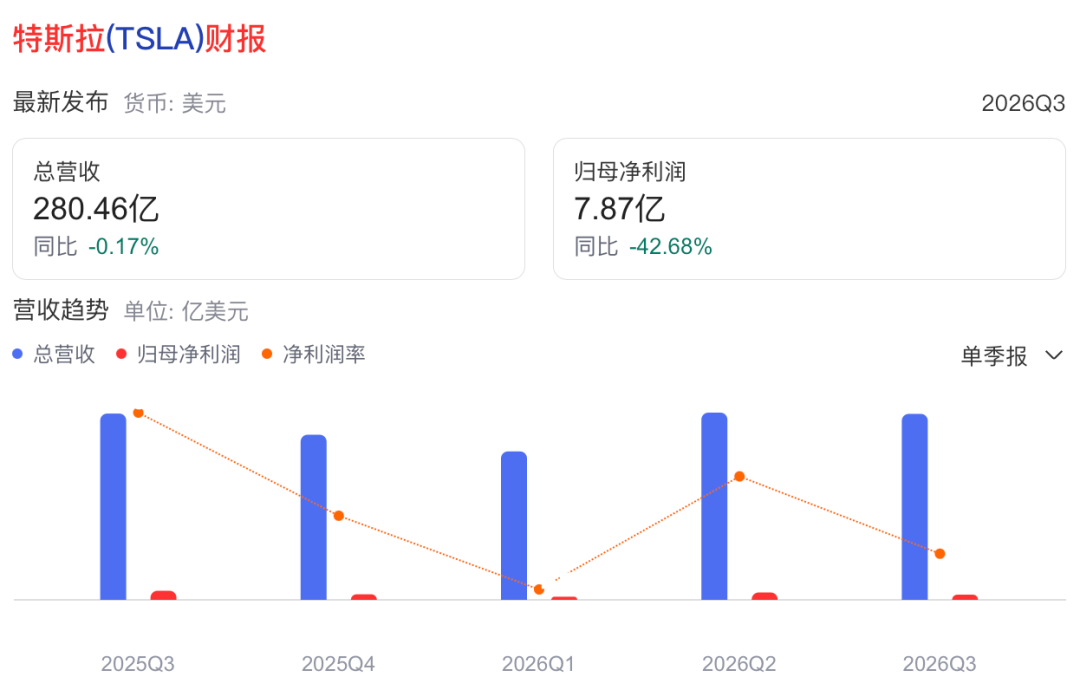
On October 23, Tesla released its Q3 2025 financial report. The data showed that Tesla's Q3 total revenue grew 12% year-over-year to $28.1 billion, cumulative free cash flow reached $4 billion, and the company set dual records for revenue and free cash flow in the quarter.
In terms of overall revenue scale, Tesla continued its steady expansion this quarter and delivered results that exceeded expectations.
Compared with the year-over-year decline in Q2 revenue, the company achieved a strong reversal and fully emerged from its temporary revenue trough. The core drivers of this growth came from the simultaneous strength of two main businesses. Both vehicle production and sales and the energy storage business hit record highs, becoming the core pillars underpinning revenue.
Among them, the automotive segment contributed $21.205 billion in revenue, achieving positive year-over-year growth of 6%, reversing the sluggish trend of a 16% year-over-year decline in automotive business revenue in Q2 and returning the core business to a growth trajectory.
In terms of sales volume, Tesla's global vehicle deliveries this quarter reached 497,000 units, setting a new quarterly delivery high and laying a solid foundation for revenue growth. Shanghai Gigafactory delivered more than 90,000 vehicles in September, and sales in the Chinese market exceeded 71,000 vehicles, up 25% quarter-over-quarter.
This sales surge had a clear policy-driven attribute. On September 30, 2025, the U.S. $7,500 federal EV purchase tax credit officially expired. Many consumers concentrated purchases before the policy window closed, creating a short-term buying rush that directly drove a sharp increase in North American market sales and also gave Tesla a temporary sales dividend.
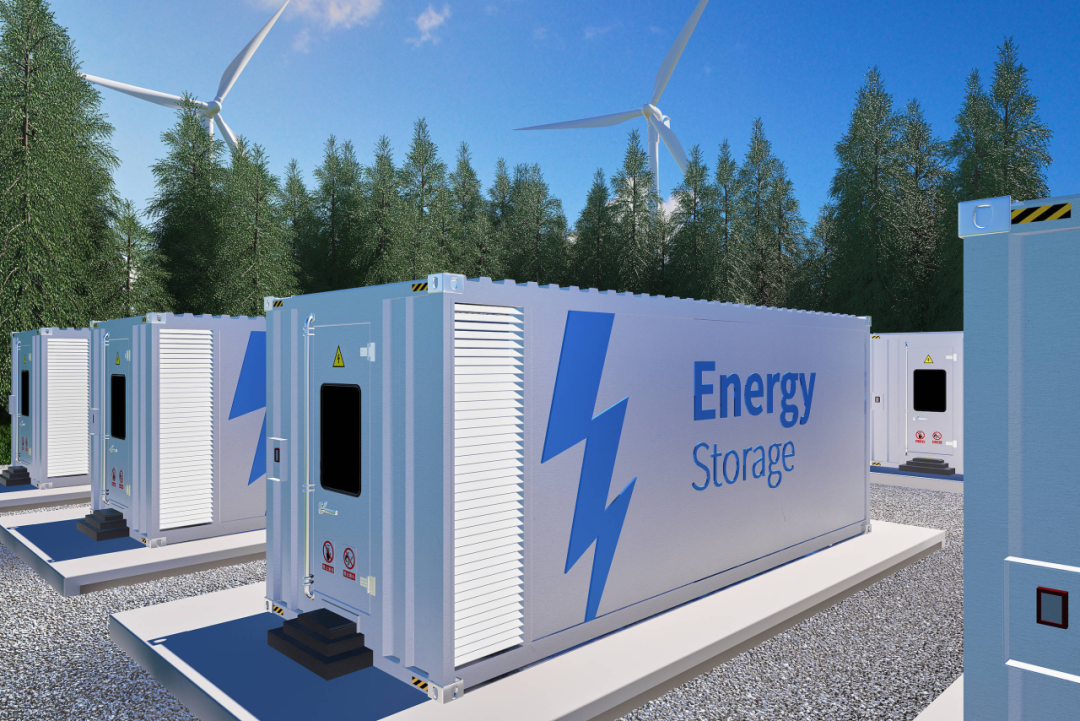
At the same time, Tesla's energy storage business experienced explosive growth. Single-quarter energy storage product deployments reached as high as 12.5 GWh, once again setting a company record. The rapid growth of the new energy business effectively offset the profit pressure of the automotive business and became the core increment of the company's second growth curve.
Compared with the impressive scale data, Tesla's profit data moved in the opposite direction, and the contradiction of revenue up but profit down became fully prominent.
Core profitability indicators in the financial report weakened across the board. GAAP net profit attributable to common shareholders was $787 million, down 43% year-over-year, with net profit nearly halved. However, gross profit data revealed another side. In Q3, Tesla's gross profit was $5.494 billion, up about 9% year-over-year, and overall gross margin rose to 19.6%. At the gross profit level, the company's operations have not deteriorated comprehensively; the pressure mainly comes from R&D expenses and investment.
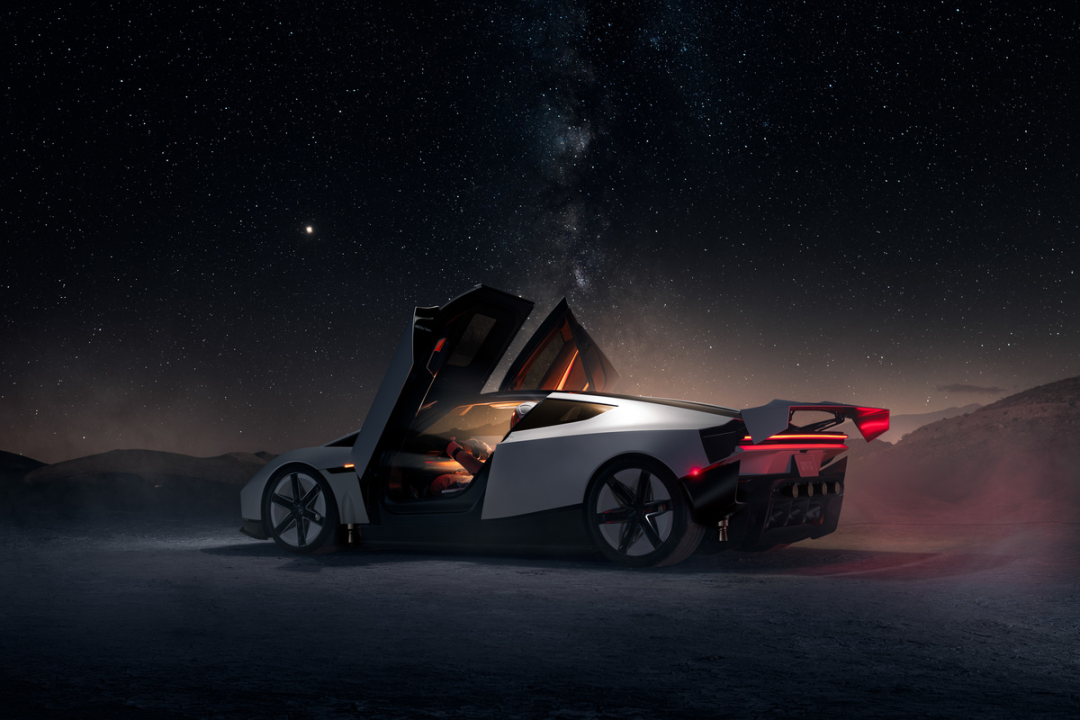
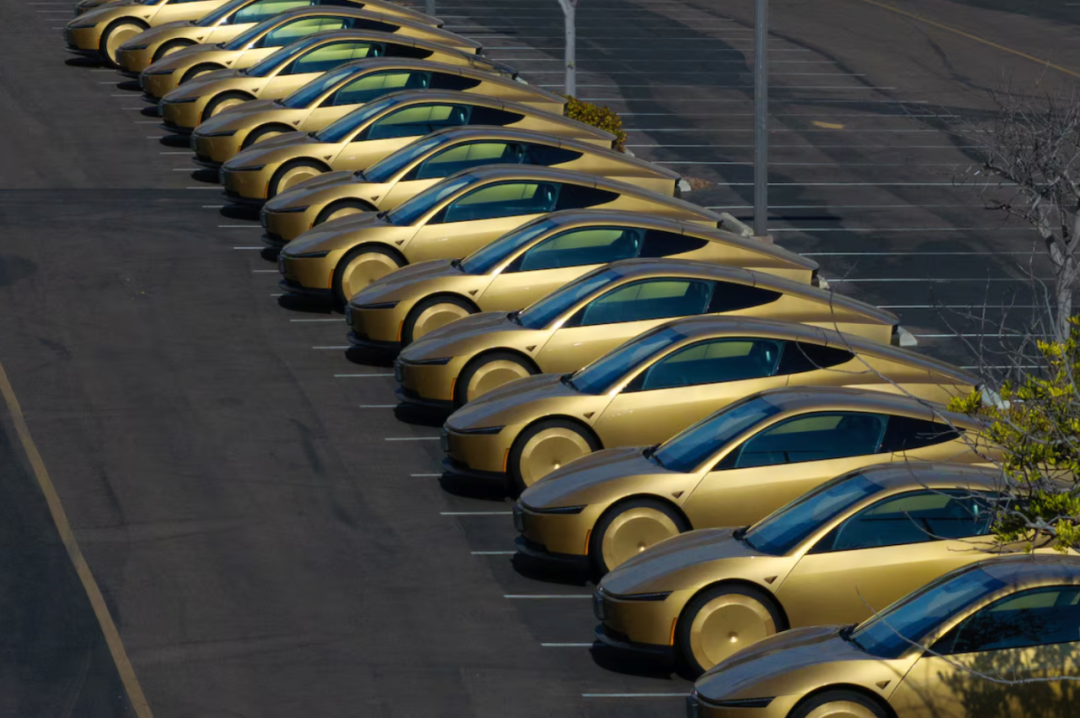
The highly anticipated new-generation Roadster sports car was officially released this quarter, becoming the brand's performance icon. On the commercial track, the Tesla Semi electric truck entered the stage of large-scale production. The performance data of this heavy truck is very impressive. Under a full-load condition of about 37.2 tons including vehicle, trailer, and cargo, its range can reach 805 kilometers, and energy consumption is only 1.06 kWh per kilometer—about one-third that of diesel trucks of the same class—with outstanding advantages in carbon reduction and operating costs.
According to the company's plan, Megapack 3 will be launched as scheduled in 2026. The iterative upgrade of the new-generation energy storage products is expected to further consolidate its technological and market advantages and drive continued rapid growth of the energy business.
Compared with the intense competition in the automotive business, the energy storage track currently has a better competitive landscape and more stable profit margins. It is expected to become a stable profit growth pole for Tesla in the future and make up for the profit shortcomings of the passenger vehicle business. On the automotive business side, the company is currently focusing on capacity optimization and new product launches, with new products such as Cybercab and Tesla Semi steadily advancing.
Faced with such a financial report, Barclays raised its 12-month target price from $370 to $450 and upgraded the stock rating to "Overweight." Analysts believe that the improved growth prospects of Tesla's core automotive business, signs of a turning point in the Robotaxi business, and strong demand for the energy storage business are all expected to support the company's valuation.
From October 23 to October 27, Tesla's stock price rose more than 9% cumulatively, closing at $391.62, with a market capitalization of $1.55 trillion, hitting a nearly three-month high.
It is worth noting that during the same trading period, the stock prices of three Chinese new automakers listed in the U.S.—Li Auto, XPeng, and NIO—all fluctuated within their 52-week low ranges. Li Auto fell 0.35% to $11.35, with a market capitalization of $11.697 billion; XPeng fell 0.98% to $9.12, with a market capitalization of $8.725 billion; NIO fell 0.91% to $3.26, with a market capitalization of $8.168 billion.
At present, the combined total market capitalization of the three automakers is less than $30 billion—a scale even smaller than Tesla's market value fluctuation in a single trading day.
For a long time, the core logic behind the market's ultra-high valuation of Tesla has not been the manufacturing attributes of a traditional automaker, but its growth attributes as an intelligent technology company. FSD full self-driving, artificial intelligence technology, and humanoid robots are the core stories on which the capital market bets on its future.
However, judging from this quarter's financial report, Tesla's intelligent business has not yet formed large-scale profitability. High R&D investment continues to consume profits but has not delivered corresponding commercialization increments.
At present, the pace of FSD implementation, paid penetration rate, and feature iteration speed are all below previous market expectations. Tightening autonomous driving policies in many parts of the world have also hindered the global commercialization of FSD.
At the same time, Tesla's humanoid robot R&D continues to advance, but it is still in the technical refinement stage, and there is still a long cycle before mass production, commercial use, and contribution to revenue and profit. The high-investment, slow-return intelligent business continues to drag down short-term profitability and has also caused the market to raise doubts about Tesla's long-term growth logic at this stage.
One can only say that it is not just the A-share market; the investment orientation of the U.S. stock market is also diverging from value.
Overall, Tesla's Q3 2025 financial report demonstrates the leading company's strong scale resilience and cash reserve capacity. In an environment of widespread industry competition, it still achieved counter-trend growth in revenue, sales, and energy storage installations, and its core foundation remains solid.
But it cannot be denied that the end of the high gross margin era, the normalization of revenue up but profit down, and the lagging commercialization of intelligent operations have become the three core pain points restricting the company's development. For the capital market, the market needs to readjust to Tesla's new development stage of "low growth, stable scale, and heavy R&D," and abandon the inherent expectations of high growth and high profitability from the past.
After the earnings release, Musk said that around 2030 the company aims to achieve annual production of 5 million vehicles. From the current perspective, one can only say that the ideal is full, but reality is thin.
Note: Some images are from the internet. If there is any infringement, please contact us for deletion.
-END-
-
![]()
When Every Company Dons the AI "Hat"
-
![]()
Toy Giant ZURU Moves China HQ to Shenzhen's China Resources Tower with 30,000 sqm Lease
-
![]()
SDD Spec-Driven Development Tutorial — The More Features You Add, the More AI Starts "Making Things Up"
-
![]()
Xpeng MONA's Three Models Overlap in Price Range of 119,800 to 176,800 Yuan, Beginning to Compete with Themselves
-
![]()
Avatr Cancels Launch Event: Carmakers Spend 8.12 Million Yuan on a Grand Show, Yet 87% of New Cars Peak in Their First Month
-
![]()
XPeng Robotaxi Cleared for Full-Area Demonstration Operations in Guangzhou — the Real Test Has Only Just Begun
-
![]()
BYD Enters the Million-Employee Era: The World's Largest Automaker by Headcount
-
![]()
Tesla's Q3 Earnings: Profits Halved, Yet the Stock Rose—Here's Why