Final Word: Why Has the "Golden September and Silver October" Disappeared from China's Auto Market This Year?
 11/02 2026
 548
No sooner had October ended than many automakers rushed to release their October sales figures. Some of these results were impressive, while others were dismal. Overall, October continued the trend set in September: the domestic auto market kept declining year-on-year, and exports became a lifeline.
The domestic auto market has a long-standing convention: every year in September and October, a car-buying climax takes shape—what people commonly call "Golden September and Silver October."
In previous years, the Mid-Autumn and National Day holidays, combined with dealers pushing to meet year-end targets, led consumers to focus on browsing and placing orders. Sales in these two months were often the high point of the year. But in 2026, this traditional peak season completely failed to materialize.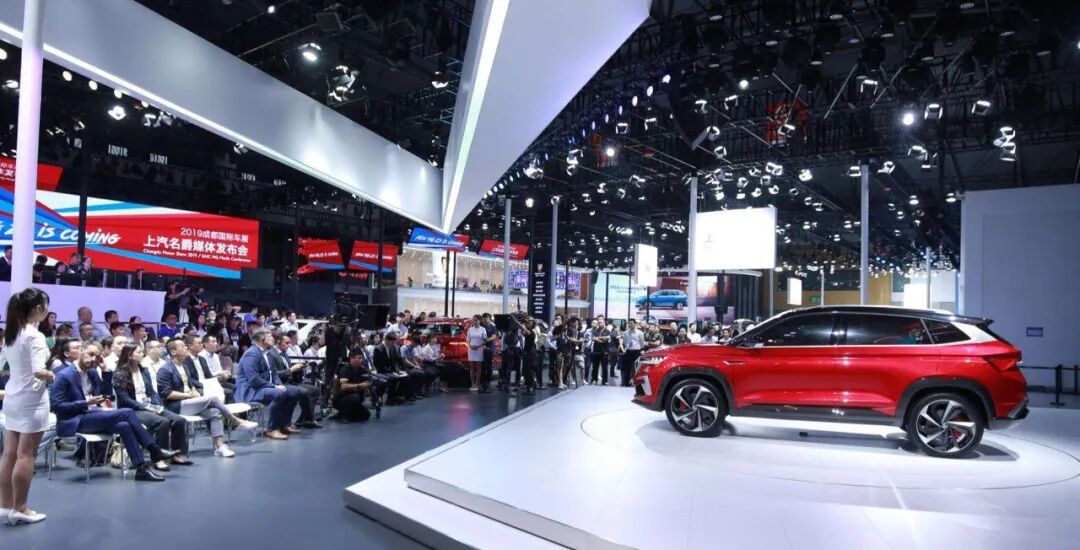
Statistics from the China Association of Automobile Manufacturers show that in September this year, domestic passenger car sales stood at 1.668 million units, a sharp year-on-year decline of 27.4%. October sales also fell short of expectations and are expected to continue falling by double digits. Many dealers said frankly that this year they could scarcely feel the heat of "Golden September and Silver October," and that the sales dividend of the traditional peak season is fading.
Major automakers launched a dense wave of new cars and rolled out discounts in September and October—so why is the market still so quiet?
It is not that automakers' promotional efforts are insufficient, but that the underlying logic sustaining "Golden September and Silver October" has been thoroughly broken under conditions of stock competition.
The first reason is that earlier car-buying demand was front-loaded, while the marginal effect of policy dividends weakened, leaving the overall market foundation relatively fragile. In 2025, China's trade-in policy was implemented on a large scale, with more than 11.5 million vehicles completing replacement throughout the year. A large amount of car-buying demand that should have been released in 2026 was consumed in advance. Entering 2026, the rules for automobile replacement subsidies were adjusted, with the average subsidy intensity falling by 20% to 30% compared with last year; at the same time, the purchase tax preference for new energy vehicles was reduced, and the ability of policies to stimulate consumption weakened significantly. Simply put, the domestic auto market this year has entered a "window period of digesting demand," with insufficient new car-buying groups to support a peak-season outbreak. This is an important factor behind the failure of this year's peak season.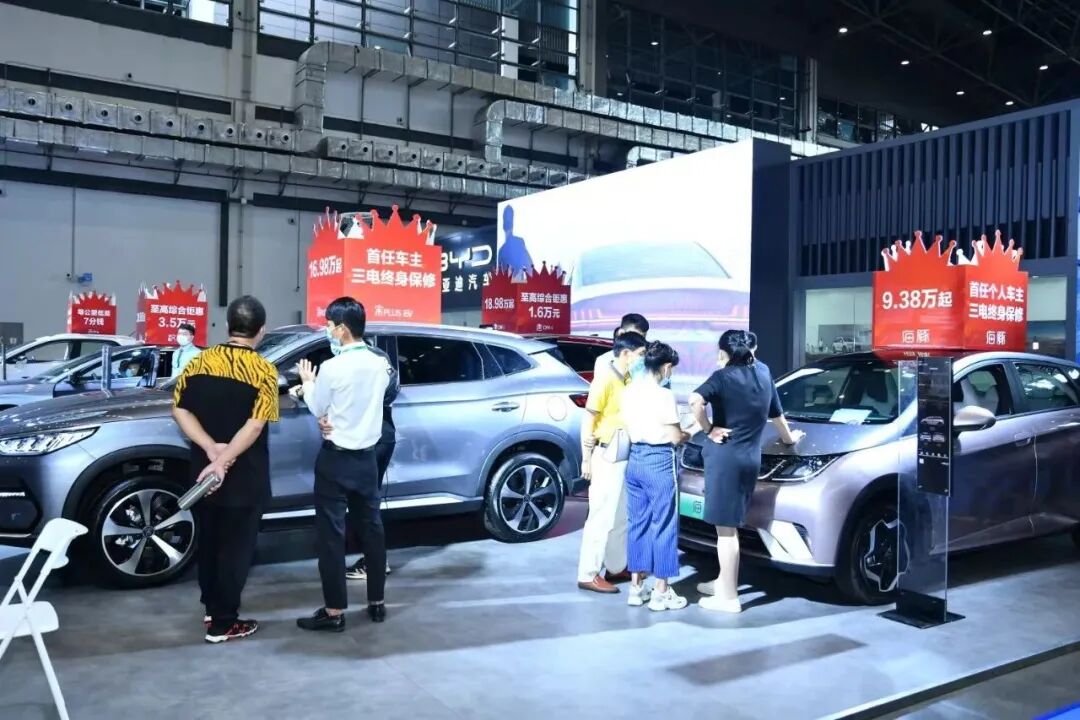
Second, normalized price wars have made the exclusive discounts of "Golden September and Silver October" a thing of the past. In the past two years, auto price wars have run throughout the year. With Spring Festival promotions, mid-year major sales events, and off-season inventory clearing, automakers have been cutting prices and offering concessions in almost every quarter. The daily transaction prices of many models are even lower than the quotations at National Day auto shows. Consumers have formed a stable expectation: there is no need to wait until September or October; discounts are available whenever you buy, and if you buy later, the price might drop even further. This continued wait-and-see mentality directly dissolves the motivation for concentrated car buying. Even if automakers ramp up publicity during "Golden September and Silver October," it is difficult to drive an outbreak of concentrated orders.
Third, the market has shifted from an incremental market to a stock market. New car consumption is mainly driven by replacement, making explosive growth difficult. More than a decade ago, the auto industry was in an incremental era, when a large number of families bought cars for the first time, and demand was easily released in concentrated form during holidays. Now, however, China's car ownership has reached a high level, and new car sales basically rely on replacement and additional purchases, while the proportion of first-time buyers continues to shrink. The hallmark of a stock market is stable demand, making it difficult for orders to suddenly surge in any given month. At the same time, fuel vehicles continue to shrink, and fuel vehicles were once the base supporting "Golden September and Silver October." The overall fuel vehicle market continues to contract. Although the penetration rate of new energy vehicles continues to rise, internal competition is extremely intense and brand divergence is serious. Sales growth of a few leading brands cannot offset the sharp decline in the fuel vehicle segment, making it difficult for the overall market to usher in a broad peak season.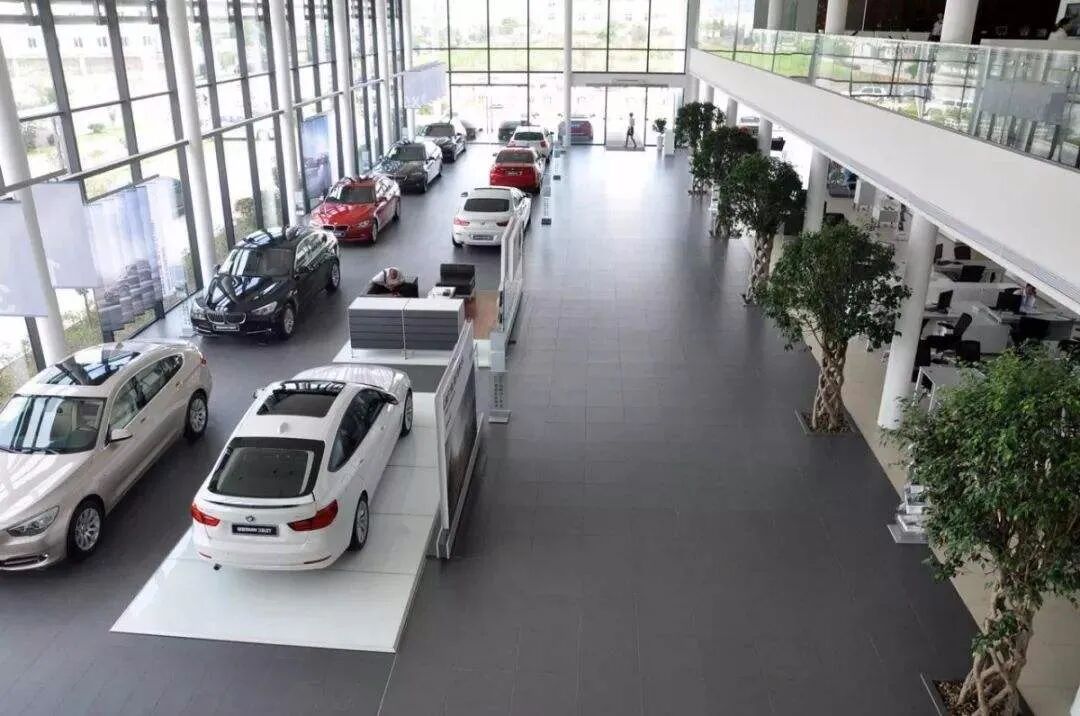
Fourth, the rapid iteration pace of new energy models has disrupted the traditional peak-and-off-season cycle of the auto industry. In the fuel vehicle era, most new cars were concentrated in the second half of the year and launched in line with Golden September and Silver October. But now new energy vehicle technology iterates extremely quickly, with new cars, facelifts, and OTA upgrades launched continuously throughout the year. Market heat no longer follows the calendar month, but follows the rhythm of new car launches. When a blockbuster new car is launched, it drives a wave of orders in the short term; after the heat of the new product fades, the market quickly returns to calm. Consumers' car-buying decisions now depend more on models, smart configurations, and battery technology than on the season. New car launches are spread throughout the year, demand continues to be diluted, and it is difficult to form a concentrated car-buying market in September and October.
Fifth, consumer confidence in the end market is relatively weak, and the car-buying decision cycle has lengthened. Under the current macroeconomic environment, residents tend to be cautious about large expenditures. Cars are big-ticket consumer goods, and consumers are taking longer and longer to choose models and compare prices, no longer placing orders impulsively. Many users choose to keep waiting and watching, or even postpone their car-buying plans, waiting for greater inventory-clearing discounts at the end of the year. Pressure on the dealer side is also considerable, with the inventory warning index remaining above the boom-or-bust line and inventory pressure staying high. On one side is accumulated inventory; on the other is sluggish order conversion. Although foot traffic has rebounded somewhat at many stores, more people are looking and fewer are placing orders, with conversion rates clearly lower than in previous years.
Of course, the disappearance of Golden September and Silver October does not mean the market has no opportunities at all. This year's market shows an obvious structural pattern: the overall market is declining, but leading new energy brands and overseas business continue to grow rapidly. Domestic market competition is intensifying, and more and more automakers are shifting their growth focus to overseas exports. It is not that there are no sales in the market, but that there is no longer broad-based growth. The dividends are concentrated among a small number of automakers with strong product strength and excellent cost control, while the vast majority of brands must withstand the pressure of insufficient domestic demand.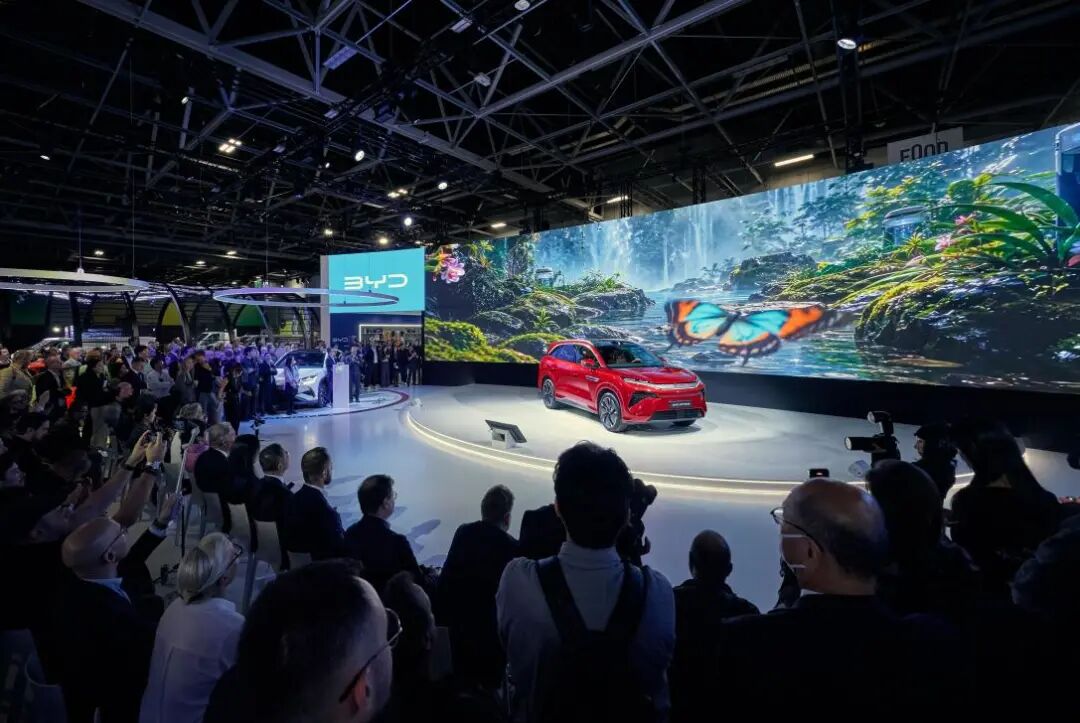
Overall, the failure of "Golden September and Silver October" in 2026 is not an accidental phenomenon, but a landmark change marking the auto industry's entry into the era of stock competition. The era of relying on seasons and holidays to drive concentrated car buying has passed, and the boundary between peak and off-season is becoming increasingly blurred. In the future, competition in the auto market will no longer be about short-term volume sprints during peak seasons, but about stable product strength, cost control, and sustained cash-generating ability throughout the year. For automakers, they need to abandon the short-term volume-chasing mindset during peak seasons and shift to refined operations; for consumers, there is no need to insist on waiting for the so-called peak-season car-buying window. Choosing the right time to buy according to their own needs is the more rational choice. (End)
-
![]()
Apple Finally Announces Beta Timeline for Apple Intelligence in China
-
![]()
A Nonexistent Poor Child Is Draining Your Parents' Wallets
-
![]()
Is Automatic Parking Really the Touchstone for Intelligent Driving?
-
![]()
Final Word: Why Has the "Golden September and Silver October" Disappeared from China's Auto Market This Year?
-
![]()
Behind the 18-Satellite Launch: Who Determines the Fate of China's Commercial Rockets?
-
Anthropic's IPO Challenge: Can It Outrun Compute Bills and Loss Pressures?
-
Insta360 Innovation Q3 Report: New Products Accelerate, Ecosystem Synergy Builds Strength for a New Cycle of All-Scenario Intelligent Imaging
-
New Forces Reshuffle: Xiaomi Breaks 50,000 Again, Secures Top 3 — Has "Xiao-Wei-Li" Taken Shape?