Porsche Cayenne Slashed by ¥200,000, Audi A8 by ¥300,000—Are Luxury Car Price Cuts Really This Drastic?
 11/02 2026
 501
In recent years, talk of luxury car price cuts has become commonplace. A few months ago, you could pick up a Land Rover for just over ¥100,000; by this National Day holiday, reports surfaced of the Porsche Cayenne dropping ¥200,000 and the Audi A8 dropping ¥300,000. This begs the question: are luxury car price cuts really this drastic?
1. Luxury Cars Are Cutting Prices Again?
According to a report by Jimu News, since the beginning of this year, the topic of major price cuts by luxury brands has repeatedly trended, sparking buying interest among many potential consumers.
Not long ago, Jimu News reporters visited several local dealers in Wuhan and learned that multiple models from Porsche, Mercedes-Benz, BMW, and Audi all carried substantial discounts—though the margins were not as large as online rumors suggested.
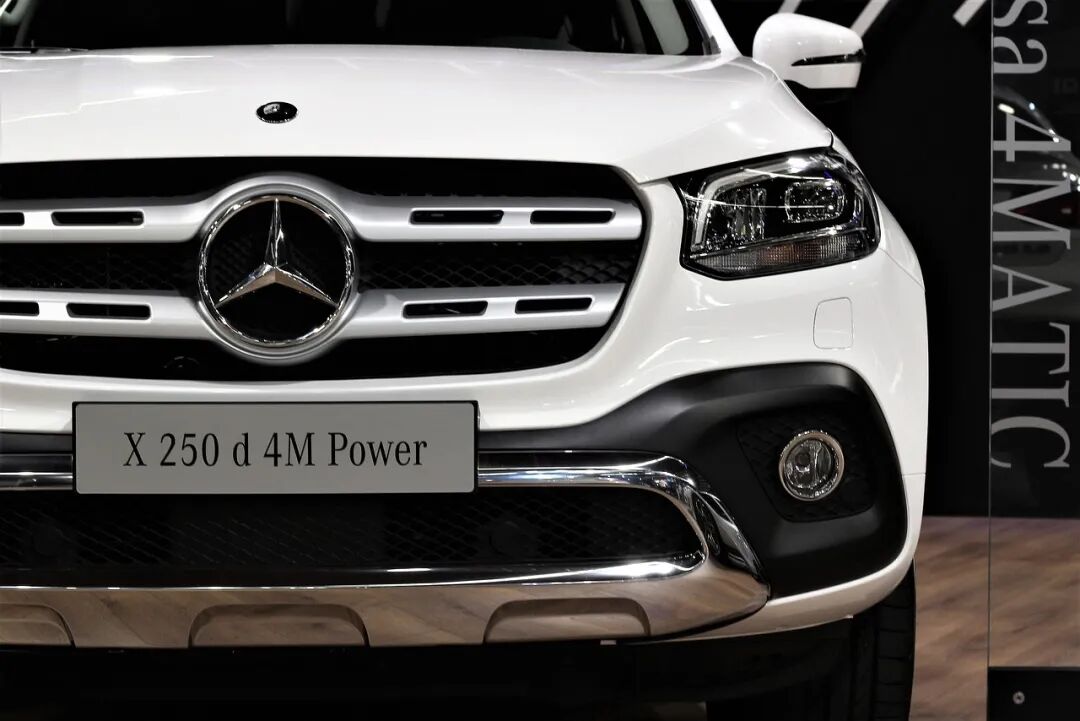
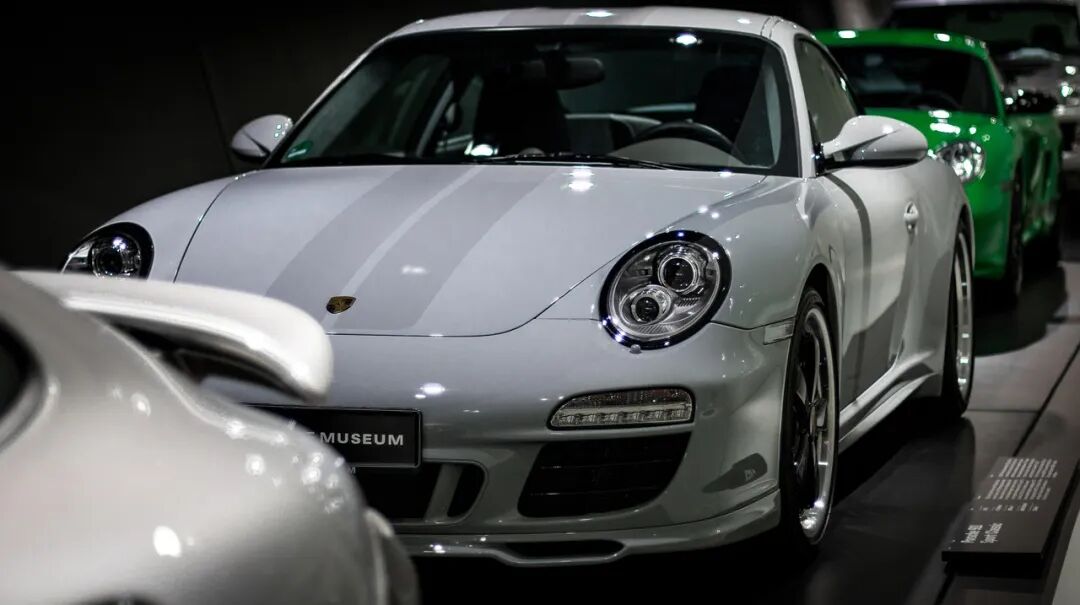
At a Porsche 4S store in Optics Valley, a salesperson told the reporter: "The current bare-car guide price for the 2026 Cayenne Dream Edition is ¥918,000. This batch of in-stock cars comes with about ¥100,000 worth of optional packages installed. On the total vehicle price, there's a 23% discount for full payment and a 26% discount for installment payment. We don't accept orders with zero options. Including purchase tax and insurance, the on-road price for this batch of in-stock cars is around ¥860,000."
Regarding online rumors that the Cayenne is discounted by ¥300,000 outright, this salesperson—a ten-year industry veteran—admitted that such a price is very difficult to achieve in actual store transactions. "This is already the largest discount in recent years. From 2020 to 2023, this model generally had an on-road price of more than ¥1.2 million."
Similarly, regarding the online rumor that "you can drive away a GLC for ¥250,000 on-road," the salesperson said flatly that it's impossible. In daily life, some consumers do indeed come into the store to negotiate using quotes they saw online. In his view, compared with last year, prices of these main models have already dropped considerably this year, and toward the end of the year, as car-buying demand increases, store discounts may be appropriately raised.
Why is there such a large discrepancy between online quotes and actual terminal transaction prices? Multiple salespeople said that some online quotes are mostly intended to drive traffic, requiring not only low-down-payment financial loans but also stacking various subsidies. Some bare-car prices that are even below normal market levels require purchasing expensive maintenance packages in the store to qualify.
2. Are Luxury Car Price Cuts Really This Drastic?
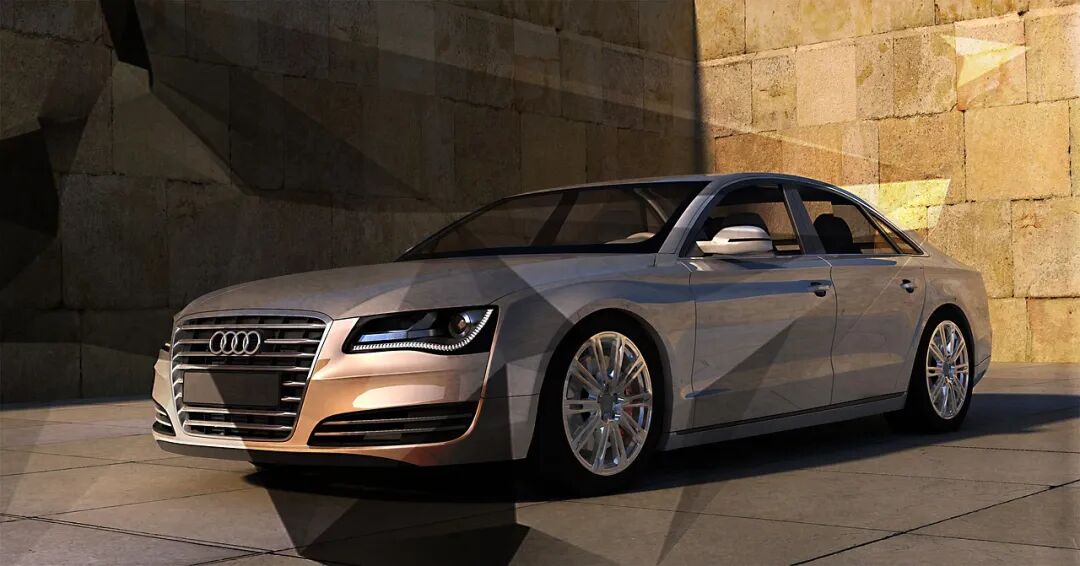
Recently, a highly impactful piece of news has been circulating in the auto circle: Porsche Cayenne discounted by ¥200,000, Audi A8 directly reduced by ¥300,000. When many consumers see such quotes, their first reaction is that the luxury car market has completely collapsed—that the once high-and-mighty top luxury cars are now lowering themselves and offering huge concessions. But is that really the truth?
First, the luxury car market is indeed cutting prices substantially. In the past, when we talked about luxury cars, we talked about a century of mechanical heritage, brand premium capability, and the so-called "German craftsmanship." But today, this logic is being reconstructed. With the rise of China's new energy vehicle industry, especially the emergence of high-end new energy brands, the market supply structure has undergone fundamental changes. Today's consumers—especially the younger generation—no longer define "luxury" solely by traditional engines, transmissions, and chassis tuning, but increasingly by intelligent experience, cabin interaction, and three-electric technology. When brands such as NIO, Li Auto, and AITO have secured footholds in the ¥300,000 or even ¥500,000-plus price segments and provide configurations and experiences surpassing traditional luxury cars, the moat of traditional luxury brands has been filled in.
For high-end consumer groups, the criteria for judging luxury cars have fundamentally changed. In the past, people measured a luxury car by engine displacement, transmission quality, and chassis tuning; today's high-end car buyers place more importance on smart cabins, autonomous driving capabilities, and the overall digital experience of the vehicle. Traditional fuel-powered luxury brands do not have an advantage in these new tracks, and shortcomings in product competitiveness continue to be exposed. When, under the same budget, consumers can buy high-end new energy models with stronger intelligent experience and richer configurations, the brand moat of traditional fuel luxury cars is no longer unbreakable. The shift in preference on the demand side is directly transmitted to the supply side. The product appeal of traditional luxury brands continues to decline, and inventory pressure keeps accumulating. Facing such market changes, price cuts have become the most direct and fastest hedging method for dealers. We must clearly recognize that this is not a short-term marketing operation of individual stores, but an inevitable choice for the entire fuel luxury track collectively facing substitution pressure from new energy. The loosening of the luxury car price system has already become a long-term industry trend.
Second, the so-called extreme low prices are mostly just traffic-driving gimmicks. Most so-called extreme prices are traffic-driving products, using highly contrasting price gaps to attract users to stores and close deals. This model of online traffic generation plus offline price increases has become the norm. It is not that these extreme prices do not exist, but that qualifying for them requires relying on large amounts of financial installment plans, subsidies, and added configurations. In the internet traffic era, the marketing logic of auto dealers has changed dramatically. What most easily catches the eye in online communication is highly impactful low-price quotes. Information such as the Cayenne dropping ¥200,000 or the A8 dropping ¥300,000 naturally has dissemination ability and can attract large numbers of interested customers to leave contact information and visit stores. But there is a basic logic in economics: no commercial behavior can operate below the cost line for the long term, and dealers cannot sell cars at a loss without limit. Most of the extreme low prices circulating online belong to price anchors set by stores, and the corresponding vehicles often have very strict additional conditions.
Many of these special-price cars are in-stock vehicles that have been in inventory for a long time or specially configured batch-sold models, with very limited choices of colors and versions. To get the low price advertised, consumers often need to accept financial installment plans from the manufacturer or store, bear corresponding loan interest and financial service fees, and also purchase high-priced in-store insurance and add decorative accessories. Some stores also charge additional fees such as registration service fees and extended warranty packages. Looking only at the bare-car quote, the discount is indeed shocking, but after all additional costs are included, the total actual car purchase cost paid by the consumer is significantly higher than the advertised price. After many consumers arrive at the store and learn about the harsh purchase conditions, they ultimately give up on the special-price car and instead choose a regular configuration model—and the store has thereby completed traffic conversion. In other words, extreme discount prices are more of a marketing tool used to reduce customer acquisition costs and cannot represent the general market transaction level. We cannot judge solely based on quotes circulating online that luxury cars have fully entered an era of deep discounting. We must distinguish between the huge gap between advertised quotes and real on-road transaction prices.
Third, this round of price cuts is not a one-time promotion but a market regression. If we go back ten years, the luxury fuel car market was a seller's market. Many popular luxury models not only had no discounts, but consumers also had to pay additional markups to take delivery. At that stage, brand premium was the core source of profit for luxury cars. Consumers buying luxury cars were not just buying transportation but also identity labels and social symbols. Under this business logic, manufacturers maintained high official guide prices, dealers further amplified premiums through scarce vehicle sources, and the entire industrial chain could maintain very considerable profit levels. But after the market environment continued to evolve, this business model relying on premiums became unsustainable.
The automobile industry is essentially a mature manufacturing industry. In the long run, the prices of manufactured goods will ultimately return to the value of the product itself. Brand premiums can only play a role in specific market stages and cannot exist permanently. The rise of the new energy vehicle industry has accelerated this process of value regression. Domestic high-end new energy vehicles do not have a century-old luxury brand history and do not rely on brand story premiums. Instead, they invest costs in visible product capabilities such as intelligent hardware, batteries, and autonomous driving, reconstructing the value evaluation system for high-end cars. When consumers gradually become accustomed to judging a high-end car by comprehensive product strength rather than pricing solely by the badge, the brand premium space of traditional luxury brands naturally continues to shrink.
Therefore, this round of luxury car price cuts is not simply a short-term inventory-clearing promotion, but a systematic downward shift in the industry's price center. In the future, fuel luxury cars will find it difficult to return to the golden era of high premiums and markup sales. Automakers and dealers must both accept the reality of continuously compressed gross profit margins. The underlying business logic of luxury cars has shifted from selling brand symbols to competing on comprehensive vehicle product strength.
Fourth, extreme low prices are indeed a gimmick, but the trend has already formed. Those low prices flooding screens are essentially just anchor symbols in the process of the price system collapsing. Their function is to create topics, attract attention, and complete traffic generation, rather than truly reflecting the transaction value of a car. What is truly worth thinking about is how traditional luxury brands will win back the market after price tools gradually fail. We have seen Porsche's statement insisting on "value over volume," and we have seen BBA successively adjust their China management, accelerate the launch of pure electric platforms, and promote localized R&D. The direction of these actions is right, but the core issue lies in speed.
The iteration pace of China's new energy vehicle market is measured in quarters, while the product development cycle of traditional luxury brands is still measured in years. This time gap is the biggest test they face. Price cuts can buy breathing time, but they cannot buy generational catch-up in product strength. If within one or two years they cannot produce convincing products in intelligent and electrified experience, then today's so-called "price cuts for volume" will become tomorrow's "price cuts that cannot even buy volume."
My lord, the times have indeed changed. The rules of the game in the luxury car market have shifted from "brand defines price" to "experience defines value." How to rediscover their place in this rapidly changing era tests the strategic resolve and execution efficiency of every traditional luxury brand. Price cuts are only the prologue. The real competition has just begun.
END
Daily quote: Things will not crush a person, but emotions will. If a person wants good fortune for a lifetime, they must learn not to be mentally swayed. Do not punish yourself for the mistakes of others, and do not let the emotions of others interfere with yourself. Do not respond to anything that is unfavorable to you. Once you respond to negative energy, you will become entangled with it, which will inevitably lead to self-depletion. As long as your heart does not respond, all evil thoughts will return along the original path.
-
![]()
Tech Stocks Plunge: Is Faith in AI Still There? New Energy Weekly Summary
-
![]()
After the Hundred-Billion-Yuan Financing Closed, DeepSeek Unveiled Its Super-Agent Architecture
-
![]()
October New Energy Vehicle Sales Revealed: Leapmotor Up 51% Year-on-Year, While NIO, Li Auto and Harmony Intelligent Mobility All Decline
-
![]()
Apple Chooses Qwen—and There's More to It Than Meets the Eye
-
![]()
The Battle Against DJI: How Ying Shi Lost 100 Billion Yuan in Market Value
-
![]()
Modern China's Predicament: Hard to Break Through by Merely Changing the General Manager
-
![]()
Cutting Corners or Compliance? iPhone Duo Teardown Reveals China-US Structural Differences — Apple Says Component Variations Are Normal
-
![]()
Leapmotor Retains the Crown as Xpeng and Xiaomi Break 50,000: The New Forces Sales Landscape Gets Another Shake-Up