The All-New Xiaomi SU7 Ultra Laps the 'Ring Undisguised — Can Chinese Performance Cars Earn a 'Seat at the Table'?
 11/02 2026
 371
Editor | He Weiran
Not long ago, a fluorescent yellow-green all-new Xiaomi SU7 Ultra appeared at the Nürburgring without camouflage, sporting a plate reading "650." The car world quickly settled into a familiar narrative: Chinese performance cars are here to crash the party again. The new car is expected to feature four motors, 2,054 horsepower, and a DRS swan-neck rear wing, with its sights set squarely on a sub-7-minute lap.
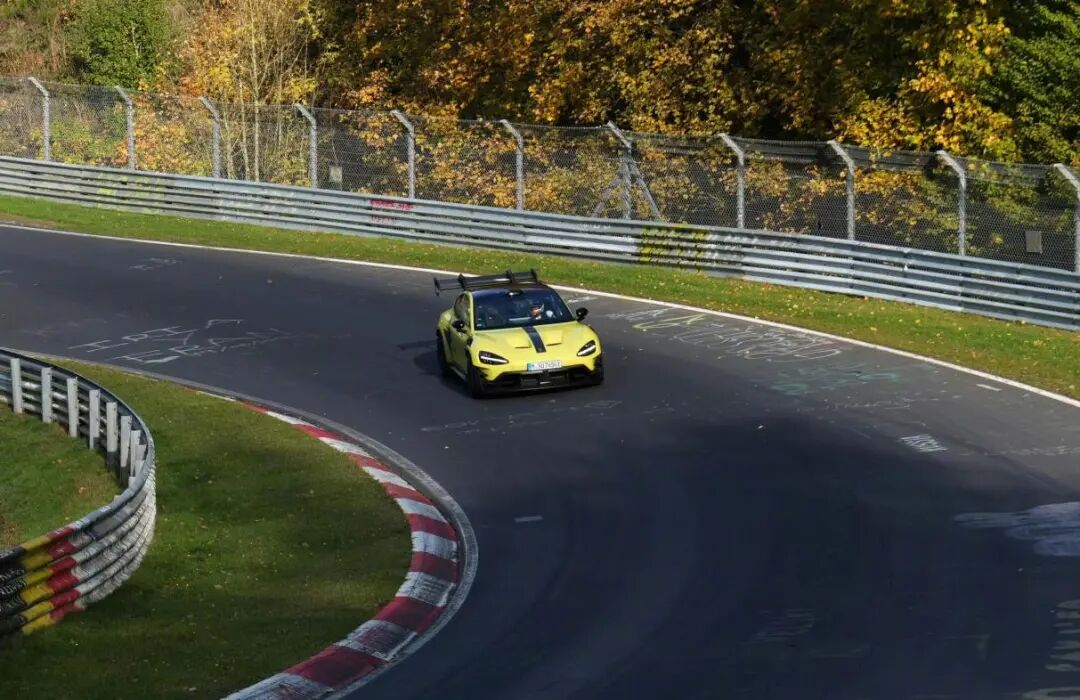
But the cruelest thing about the "Green Hell" is that it is never swayed by a single appearance. It recognizes only one thing: can the same car, across different days and different drivers, repeatedly approach a certain number? What is truly worth discussing about this car is not whether it can break 7 minutes, but "why must a brand that has only been building cars for a few years go to the Nürburgring — and what has actually changed after going there."

The Nürburgring Is Not the "Gaokao"; It Is a "Common Language"
Comparing the Nürburgring to the "gaokao" for performance cars, and Xiaomi to a top student handing in the exam early, is a vivid metaphor — but not accurate enough. The gaokao delivers a one-shot verdict, whereas the Nürburgring is more like a public defense with no invigilator: weather, tires, driver, aero kit status, vehicle specification — any variable can rewrite the result.
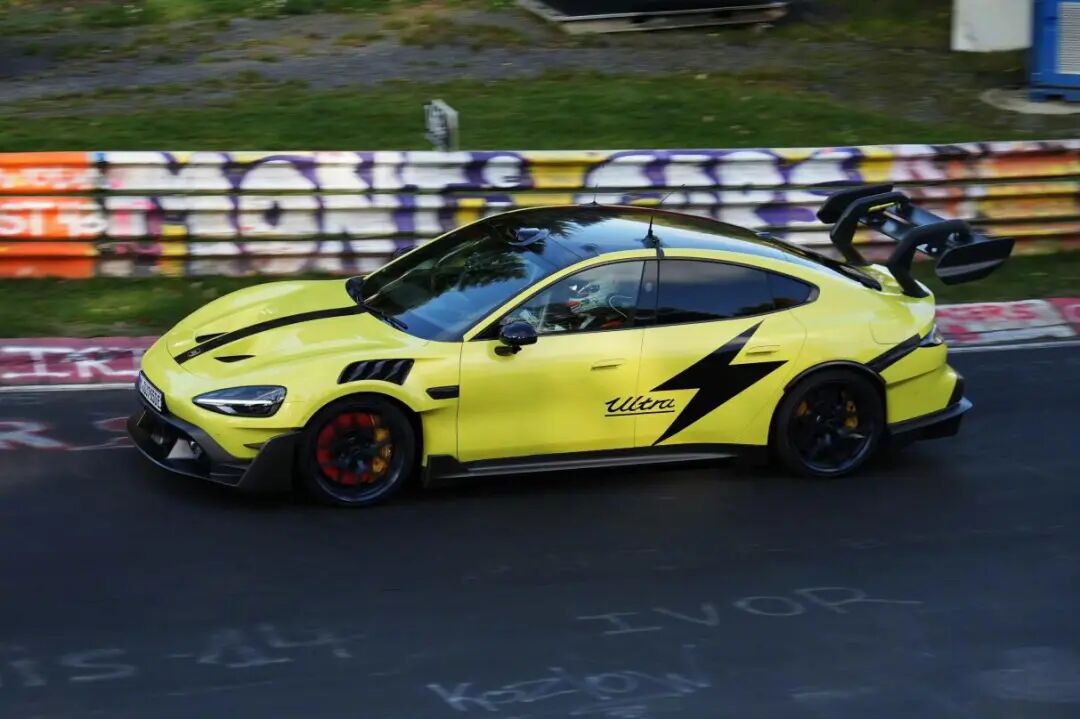
More importantly, the role that Nürburgring lap times play in the industry is far more complex than a "score." Some analyses point out that Nürburgring lap results serve as a "common language" that can lower the threshold for a brand to enter the high-end market. For a brand well known in the phone industry but still a newcomer in the auto industry, the value of this "common language" lies not in proving it is faster than anyone, but in "forcing those who would otherwise never look at it seriously to enter the same coordinate system for dialogue."
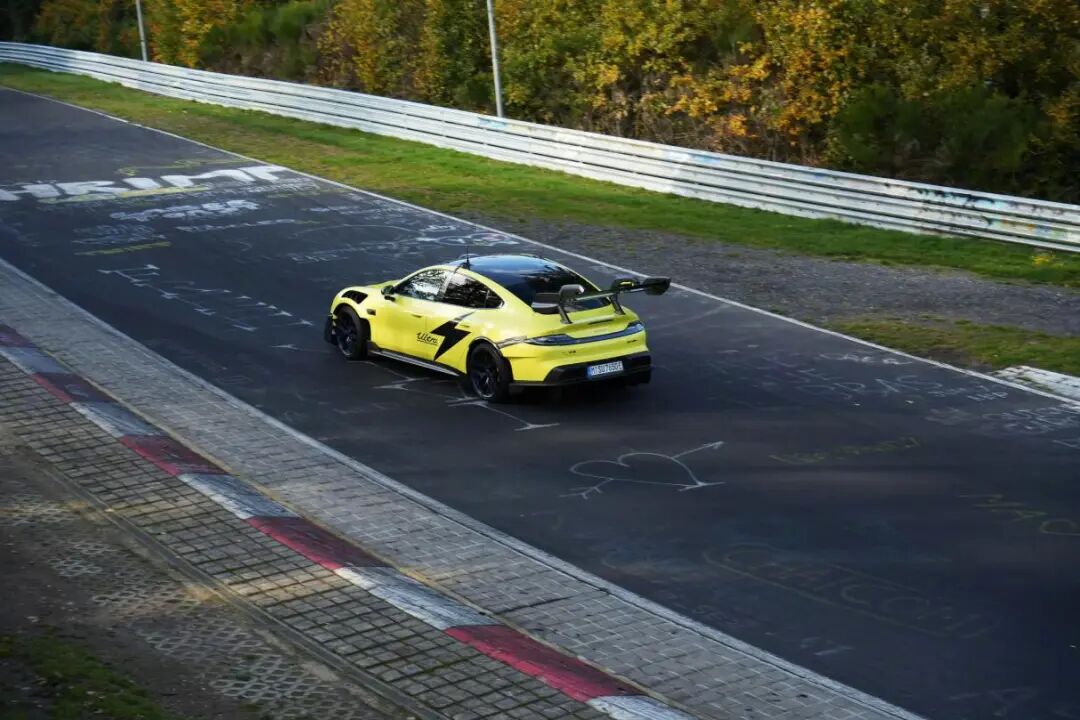
In June 2025, the production version of the SU7 Ultra ran 7:04.957, setting a new lap record for production electric vehicles and ending the long reign of European and American brands at that position. The significance of this result is not the dramatic statement of "beating Porsche," but that for the first time it put the name of a Chinese brand on a list where it did not originally belong.
Subsequently, the Porsche Taycan Turbo GT with the Manthey kit overtook it at 6:55.533. Xiaomi CTO Hu Zhengnan's response was: "Congratulations to Porsche on the great result. The track only believes in technology + strength + luck... a back-and-forth race is what excites people." No excuses, no emphasis on "the other side used a kit" — he simply accepted it.
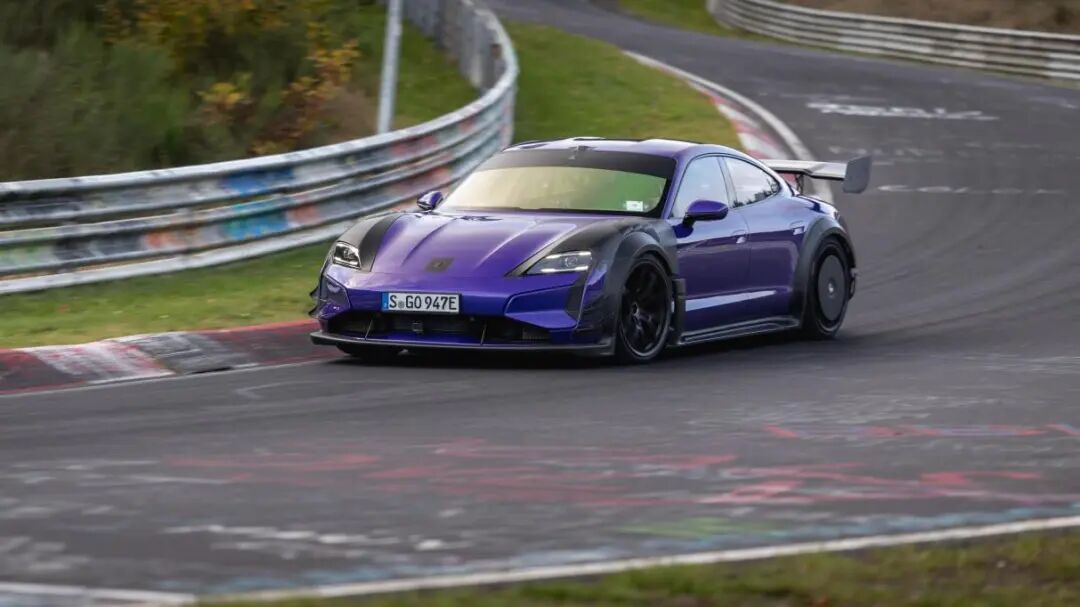
This attitude itself is a signal: "Chinese brands have begun to speak to their rivals in their rivals' language."

Porsche and Xiaomi: Not a "Revenge Narrative," but a "Seat at the Table"
Porsche overtaking Xiaomi is easily written as a story of "slap in the face" or "revenge." But viewed in a longer industrial context, it is more like a simpler signal: Porsche has begun to treat Xiaomi as a rival that must be taken seriously.
When Porsche fitted the Taycan Turbo GT with the Manthey kit, one of its goals was to reclaim the record taken by Xiaomi. Five years ago, this would have been almost unimaginable. As one commentary pointed out: "The Nürburgring used to be an internal game for European brands, with Tesla occasionally stirring things up. Now Chinese brands can not only sit at the table, but can also make Porsche develop a dedicated kit to respond."
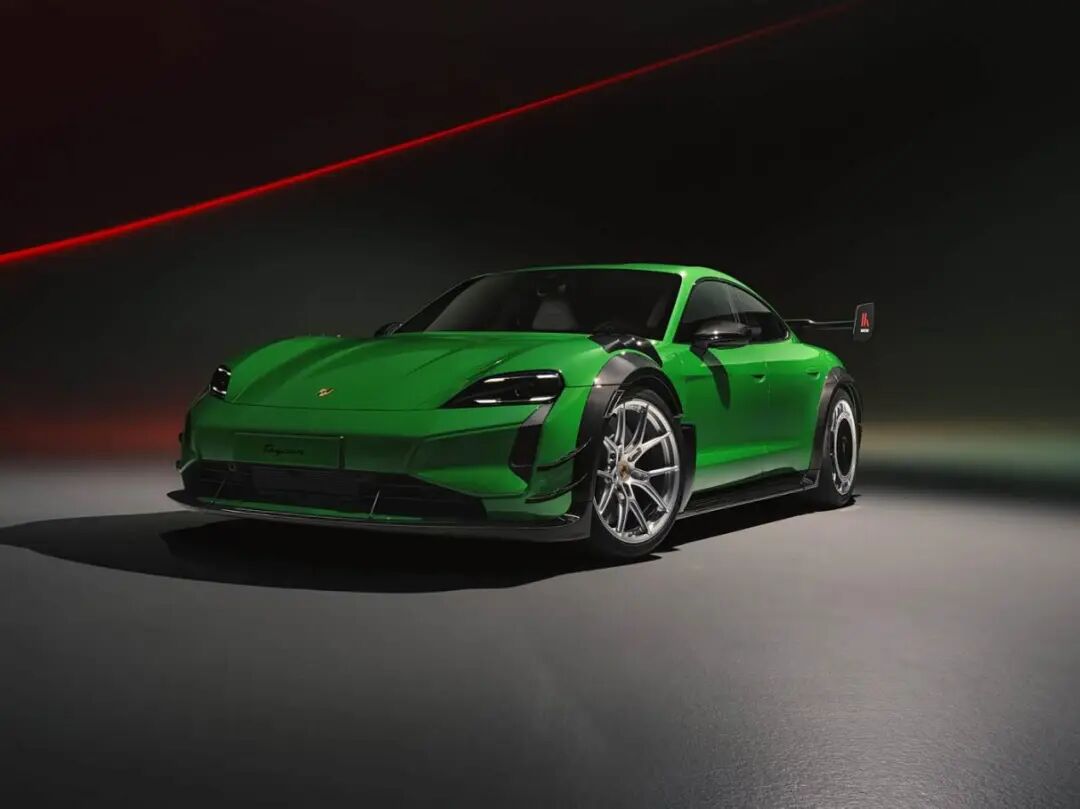
But "sitting at the table" does not mean "securing the seat." Porsche's Manthey kit raised downforce at 200 km/h from 95 kg to 310 kg, increased discharge current from 1,100 amps to 1,300 amps, and widened the tires from 265/305 to 305/335.
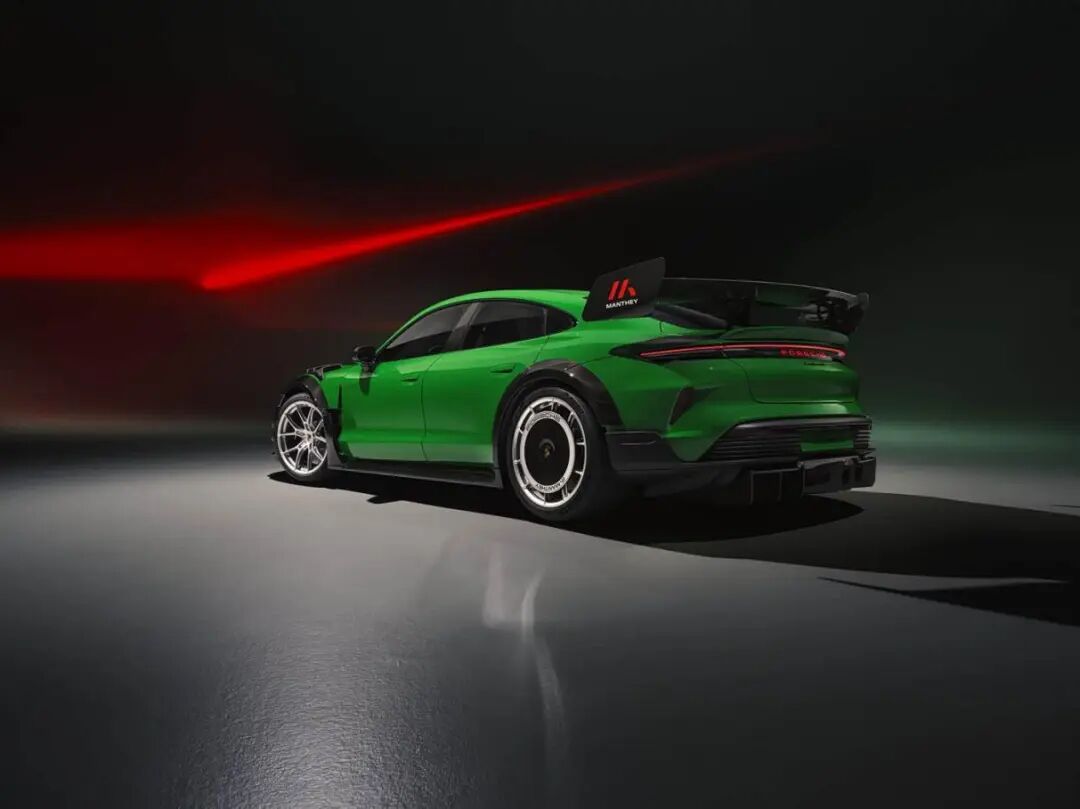
Compared with the regular version, the current SU7 Ultra's improvements beyond power are relatively conservative in overall aerodynamic layout, so strictly speaking, its 7:04 and Porsche's 6:55 are not fully comparable. That is why the all-new Xiaomi SU7 Ultra also adopts a more aggressive track-oriented kit — and I believe the outcome of this duel will be even more interesting.

What Exactly Is Xiaomi Building with This Car?
If you only look at the Nürburgring, it is easy to understand the all-new SU7 Ultra as a "lap-time machine." But its product definition hides a more complex intention: the test car has a lidar on the roof and retains perception hardware on the front fenders, showing that it is not intended to be a pure track toy. It must be legal on the road, capable of daily commuting, and able to run advanced driver assistance.
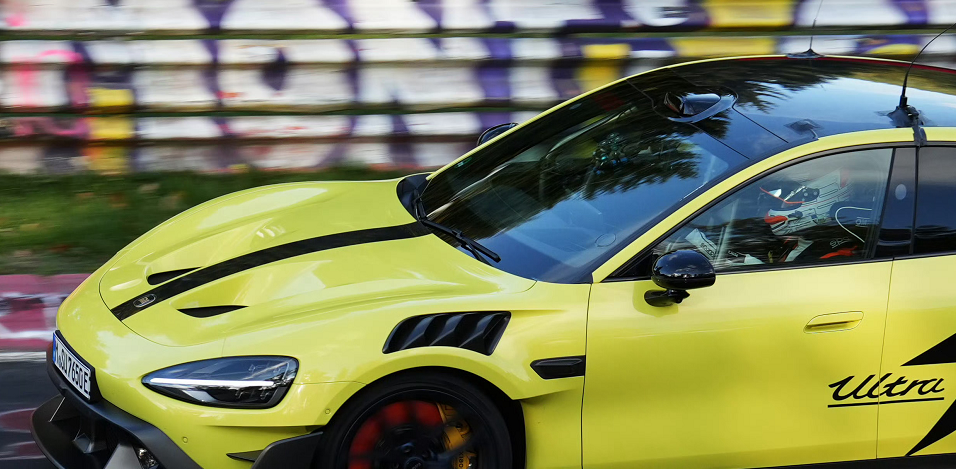
This means the role this car plays goes far beyond "performance flagship." At the SU7 Ultra launch event, Lei Jun positioned it as "the beginning of the march toward ultra-high-end," benchmarking Porsche, Tesla, and BBA, attempting to accomplish both brand elevation and technical validation with one car. The role of the track here is to push the chassis, thermal management, electronic control, and aerodynamics to extreme operating conditions to expose problems, and then feed the validated experience back into the production system.
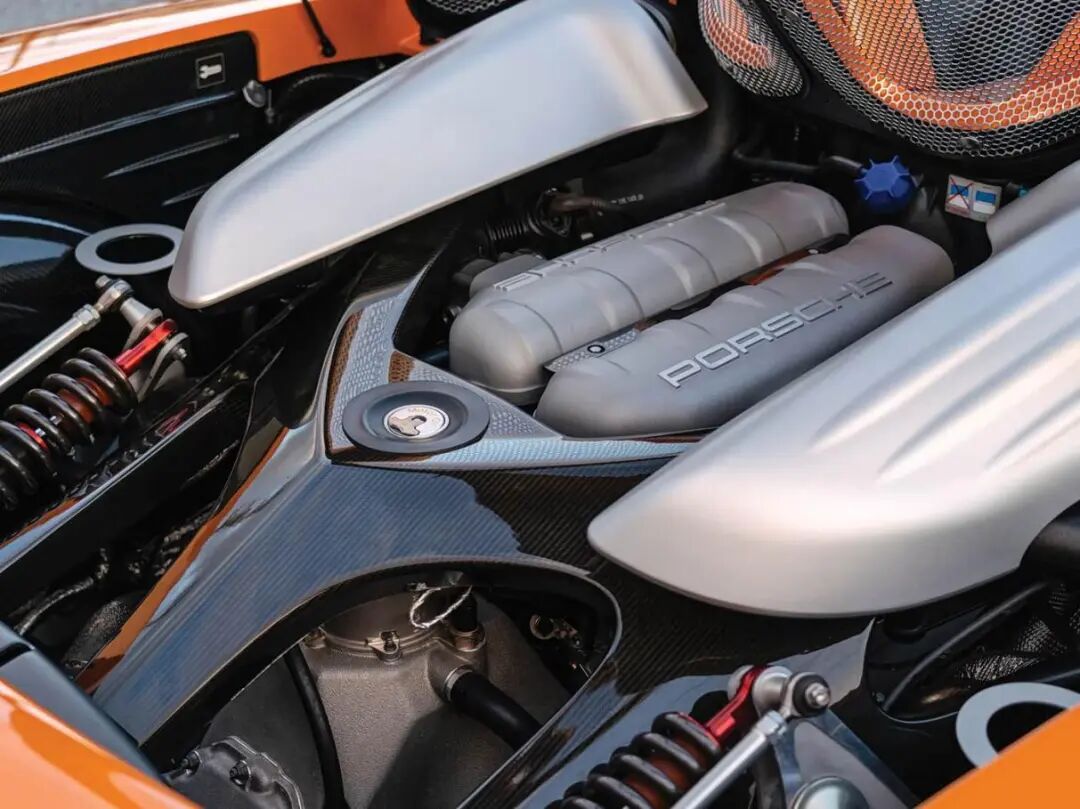
This logic itself is not wrong. The V10 engine of Porsche's Carrera GT came from Le Mans racing cars, and the KERS system of the Ferrari LaFerrari came from F1. Transferring track technology downward is the most classic R&D path in the performance car industry. Xiaomi's problem is not the direction, but "time." For a brand to go from "being able to build a fast car" to "being able to consistently build reliable, consistent, and maintainable fast cars," what lies in between is not one or two parameters, but countless repeated validations, continuous improvement, and the accumulation of user trust.

What Chinese Performance Cars Need Is No Longer "Being Seen"
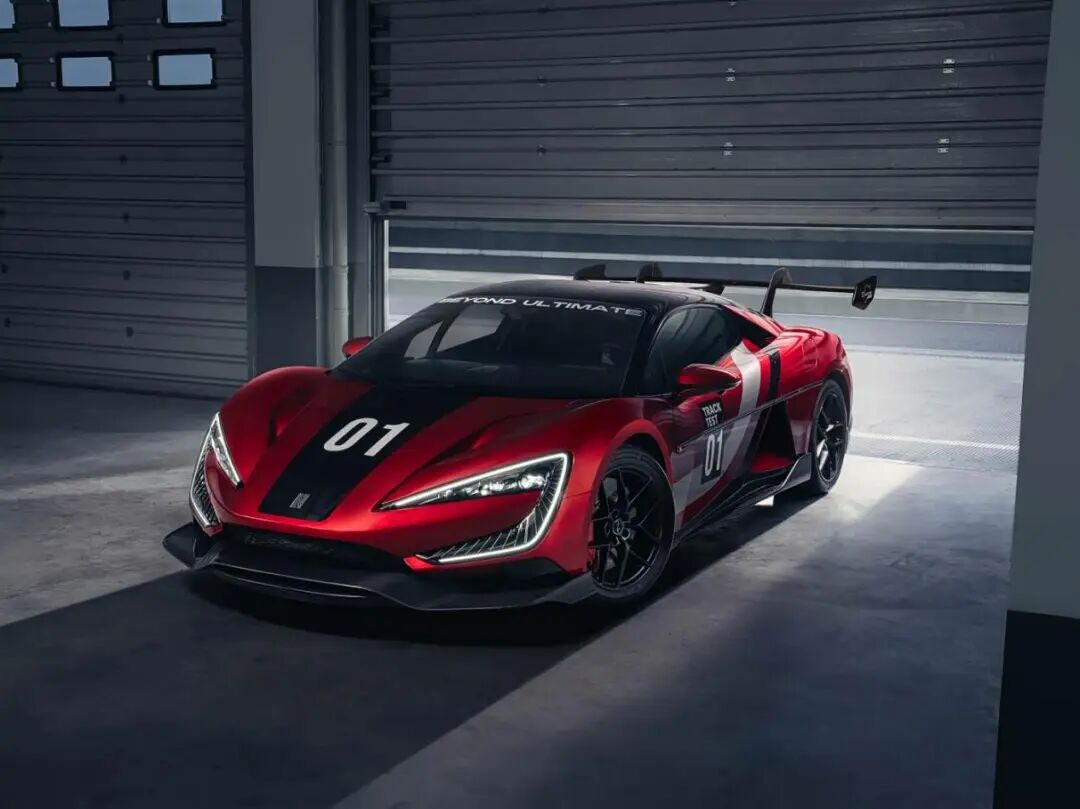
Viewed in a larger coordinate system, Xiaomi's Nürburgring journey is a footnote to the stage transition of China's auto industry. CCTV's report placed the SU7 Ultra's lap time under the framework of "from following to leading," pointing to the transformation of China's new energy vehicles from "cost-effectiveness" to "technical benchmark." The Yangwang U9X became the first production pure electric supercar to break 7 minutes with 6:59.157, also obtaining official certification at the Nürburgring. The presence of Chinese brands at the Nürburgring has gone from isolated cases to a collective phenomenon.
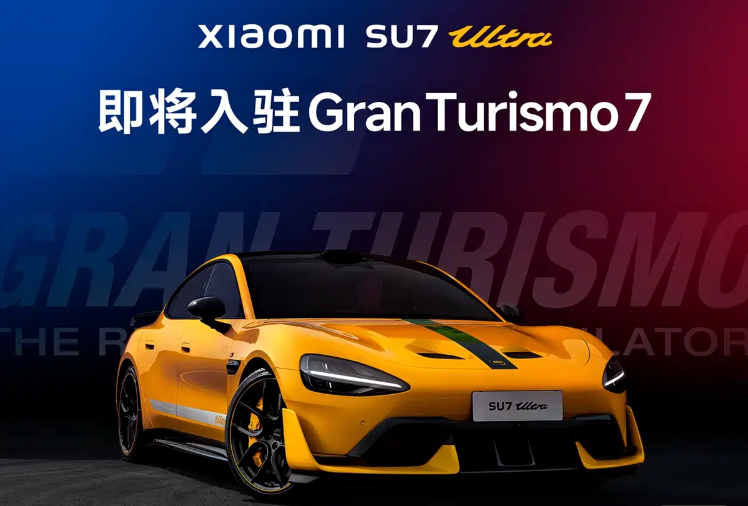
But there is still a long way between "being seen" and "being trusted." When early Chinese brands came to the Nürburgring, lap times were mostly used as material for technical marketing. Today Xiaomi faces a different context: it is taken seriously by Porsche, asked by overseas owners "can you sell this car to me," and included in Gran Turismo 7 as the first Chinese model. These signals show that Chinese performance cars have passed the stage of "whether they are qualified to sit at the table."
The question for the next stage is no longer "can it be fast," but "is the speed repeatable, are the promises deliverable, and is the brand worthy of long-term trust." A car running a beautiful number at the Nürburgring can make the whole world remember its name in seconds; but for a brand to still be taken seriously ten years later, it depends on things that will not be recorded by a stopwatch: how a recall is handled, the response speed of an after-sales system, and every owner's experience outside the track.

In Closing
The romance of the Nürburgring lies in compressing engineering capability into a number that everyone can understand. But the cruelty of carmaking lies in the fact that number is only one link in a long chain.
The "bare-faced" appearance of the Xiaomi SU7 Ultra is a slice of Chinese performance cars moving from "followers" to "interlocutors." It makes overseas users re-examine the possibilities of Chinese electric cars, and forces the industry to admit: this brand that crossed over from the phone industry has indeed delivered something worthy of serious attention in the extreme calibration of chassis, aerodynamics, and electric drive systems.
Chinese performance cars no longer need to prove "I can be fast." What they need to prove next is "my speed is worthy of your trust."

Welcome to share, like, and comment
The copyright of this work belongs to New Cockpit or the relevant copyright owner. No third party may reproduce it without authorization, otherwise it constitutes infringement.
-
![]()
AI Office Track Head-to-Head: After the Battle for Entry Points, the Renewal Period Is the Real Test
-
![]()
Why Is the Eyebox Always "Bright in the Center, Dark at the Edges"? — The Polarization Multiplexing Solution
-
![]()
Why Can't the Smartest Coding Assistant Reply to Your Messages Instantly?
-
![]()
Half of Domestic Tokens Used to Make Wish-Fulfillment Dramas? Large Models Face a Compute Bloat Bubble
-
![]()
Apple Picks Qwen — and There's More to It Than Meets the Eye
-
No Blackening, No Fanning—Xiaomi Auto's Goal of Delivering 550,000 Vehicles This Year Is Easier Said Than Done
-
![]()
Automakers' KPI Collapse
-
![]()
The All-New Xiaomi SU7 Ultra Laps the 'Ring Undisguised — Can Chinese Performance Cars Earn a 'Seat at the Table'?