Why Is MONA Accelerating Its Split from XPeng—Planning Dedicated Stores for 2027 and Leaving the Door Open to Independence
 11/05 2026
 415
MONA has taken its first step toward independence.
At the Paris Motor Show, XPeng President Wang Fengying said in an interview that starting in 2027, some cities will open standalone MONA stores, and that the possibility of MONA eventually becoming an independent brand has not been ruled out.
Before its official debut, MONA was expected to launch as a standalone brand. In the end, XPeng may have worried that without the backing of the main brand, MONA would struggle to gain a foothold in the fiercely competitive new energy vehicle market, so it ultimately positioned MONA merely as a new series alongside the G and P lines.
Now MONA has once again moved a step closer to independence.
From Lower-Tier Markets to a Sales Pillar: MONA Becomes XPeng's Top Performer
MONA originated from Didi's "Da Vinci" project and was initially reported to target the ride-hailing market. In 2023, XPeng acquired Didi's smart EV assets for a maximum consideration of HKD 5.835 billion, turning MONA into a sub-brand under the company.
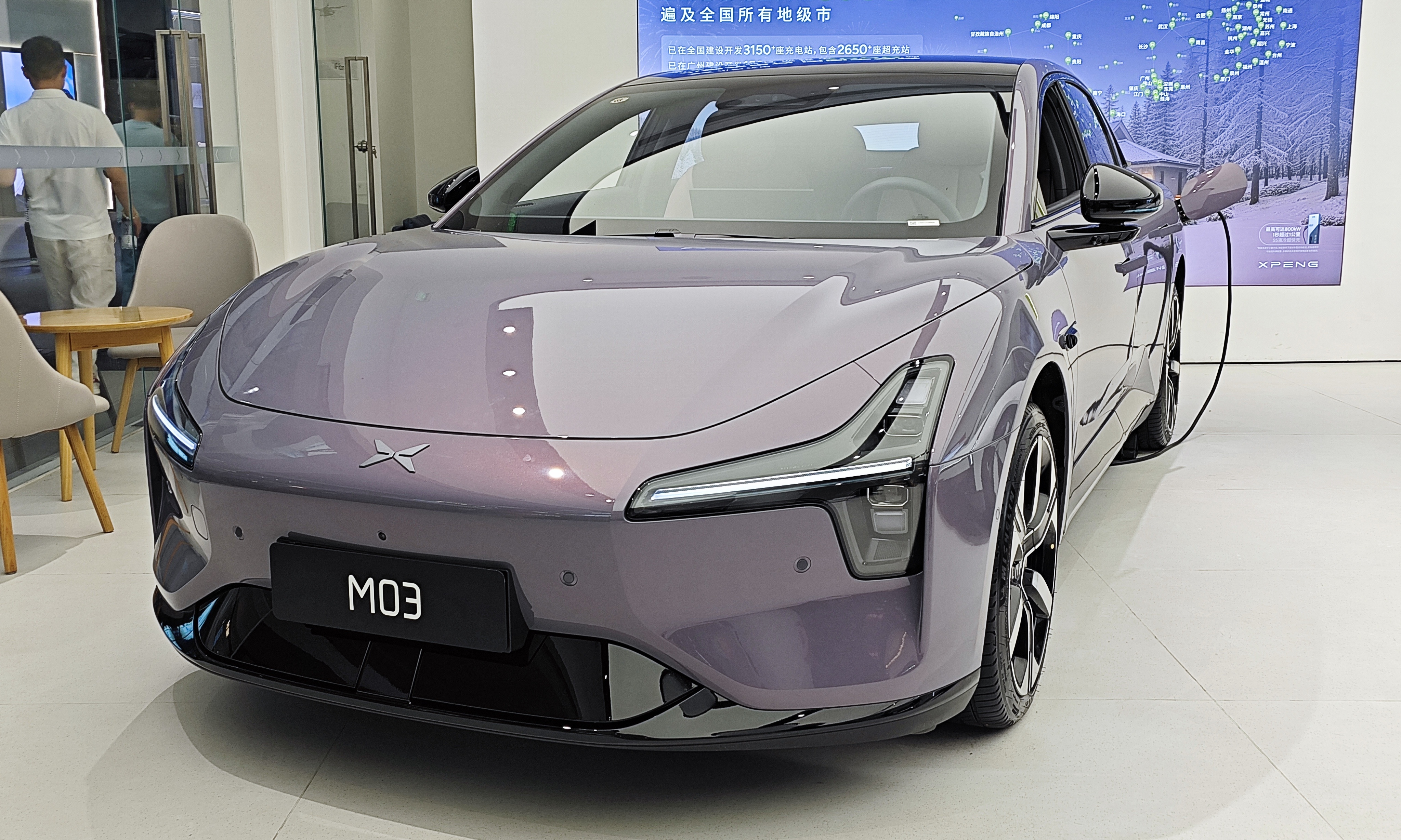
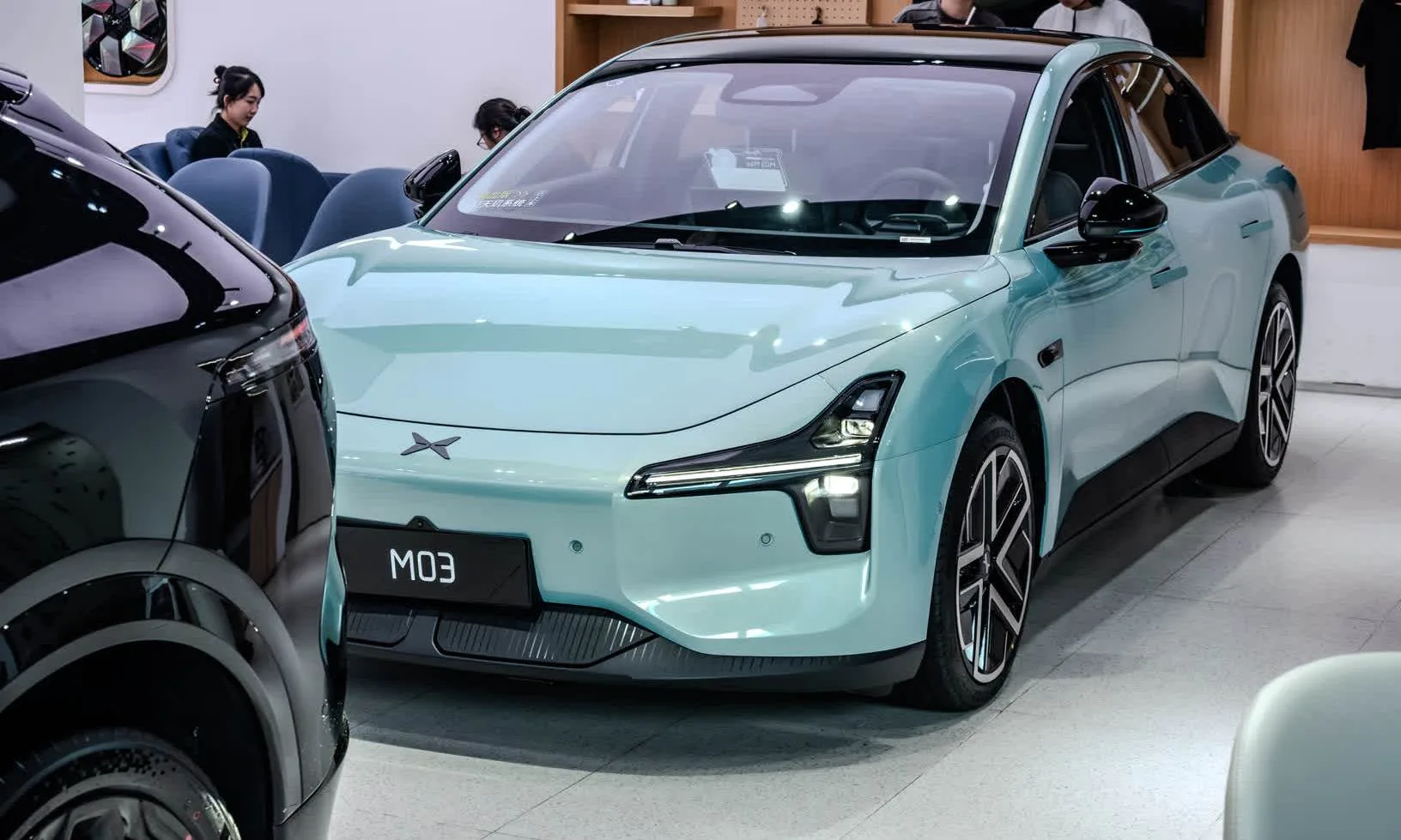
However, in July 2024—one month before the launch of MONA's first model, the M03—XPeng CEO He Xiaopeng decided to reposition MONA as a "product series under XPeng."
(Image source: produced by DiChentong)
XPeng's reasoning was eminently practical. In the first half of 2024, XPeng's average monthly sales were under 10,000 units, and its net loss reached RMB 2.65 billion—hardly enough to support a brand-new sub-brand. By leveraging XPeng's existing sales channels and service network, MONA was able to complete its product rollout with lower investment.
What He Xiaopeng may not have anticipated was that the vehicle project acquired from Didi at considerable cost would later become XPeng's sales pillar.
Official data shows that as of the end of August 2026, MONA's cumulative sales had exceeded 310,000 units, and by the end of October that figure had surpassed 360,000. Driven by the strong sales of the MONA series, XPeng's total sales soared as well, surpassing 50,000 units in a single month for the first time this October.
In DiChentong's view (ID: dianchetong233), MONA has brought XPeng far more than sales. The series' greatest significance lies in giving more consumers firsthand exposure to XPeng's smart driving technology. When the first-generation MONA M03 launched, few models in its price range supported urban navigation-assisted driving. For budget-conscious consumers seeking advanced smart driving, the MONA M03 was a rare choice.
Even today, automakers such as BYD, Leapmotor, and Dongfeng continue to bring advanced smart driving to lower-tier markets, yet within RMB 200,000, XPeng's Ultra SE smart driving solution equipped with dual Turing chips still ranks firmly in the first tier in terms of overall capability, with few models able to match it.
It is precisely thanks to this industry-leading smart driving technology and XPeng's youthful approach to product design that the MONA M03 became an instant hit upon launch.
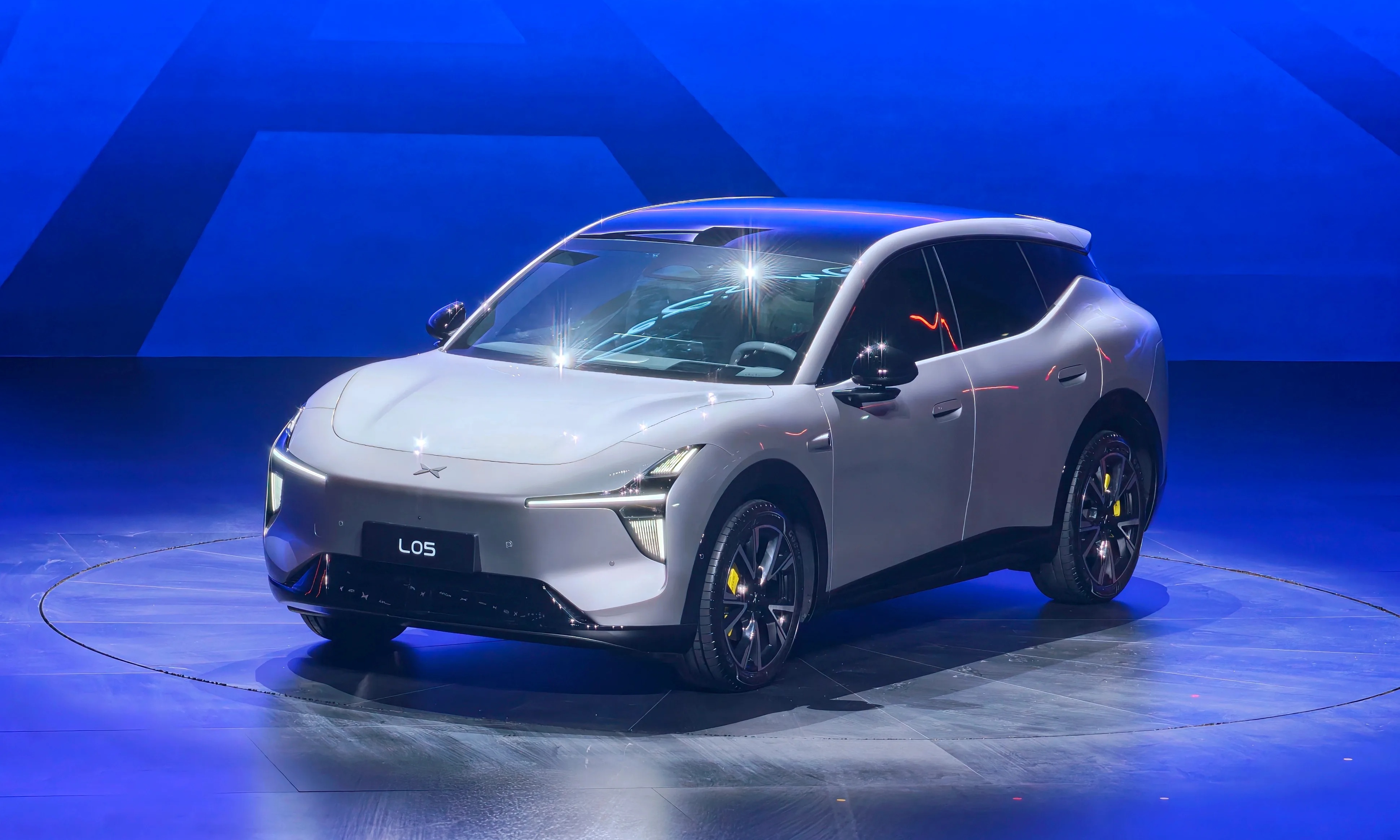
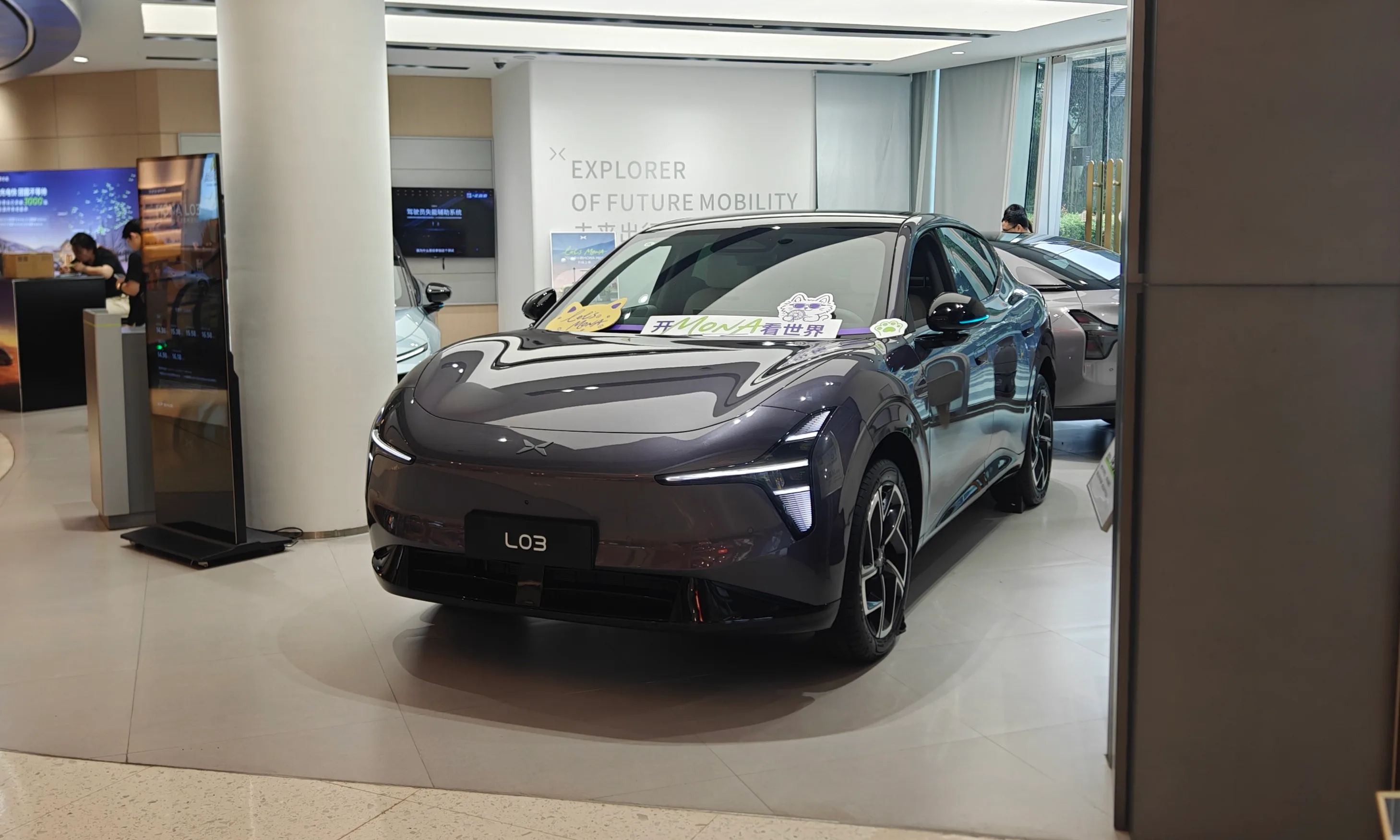
In July this year, the MONA series' first SUV model, the L03, was launched. With greater headroom and equally outstanding smart driving and performance, it too became a hit, helping XPeng sustain sales growth through September and October. At the end of October, the larger MONA L05 was launched, which will help XPeng push toward monthly sales of 60,000 units in the final two months of 2026.
(Image source: produced by DiChentong)
Yet despite MONA's strong sales, doubts persist in the industry: while sales are growing, the XPeng group has still not achieved full-year profitability. Financial report data shows that in the second quarter of this year, XPeng group's total revenue was RMB 19.744 billion, up 8.04% year on year, while net loss attributable to shareholders was RMB 1.337 billion, with the year-on-year loss widening by 179.86%.
But the other side of the coin is that XPeng's gross margin rose rather than fell. In the first and second quarters of this year, XPeng's comprehensive gross margins reached 20.6% and 20.7% respectively, up about 5 and 3.4 percentage points year on year, supported by economies of scale, service and other revenue, carbon credit trading revenue, and overseas revenue.
XPeng's losses also stem from investment in R&D, operations, and new businesses. Smart driving, Robotaxi, flying cars, humanoid robots, and many other ventures each require substantial capital investment. In the first half of 2026, XPeng's R&D investment reached RMB 5.82 billion, up 39% year on year.
DiChentong believes that what MONA brings is a scale dividend, not a short-term profit dividend. MONA helped XPeng complete a strategic pivot—from selling an intelligence premium to prioritizing scale first and discussing profitability later. Scale is the prerequisite for all subsequent moves and also the confidence behind MONA's willingness to discuss independence.
Brand Unbinding Accelerates: MONA for Affordability, XPeng for Premium
As for opening independent stores for the MONA brand, Wang Fengying's reason was that there are too many models and existing stores cannot accommodate all products. Indeed, the MONA series has already launched three models, and together with the G series, P series, and the MPV model X9, small stores simply cannot display them all.
But store capacity is only the surface. The real reason MONA is moving toward independence is to unbind from XPeng.
At present, XPeng has clearly defined its plan for the main brand to take the mid-to-high-end route and the MONA series to target lower-tier markets. If the two are not separated, consumers may easily form the impression after entering a store that "XPeng = low-end."
(Image source: produced by DiChentong)
In addition, the official guide price of the MONA L05 ranges from RMB 144,800 to RMB 176,800, which is almost the same as the starting price of the XPeng G6 and may cannibalize sales of the G series. Separating the brands is more conducive to XPeng building a premium image and leaving room for upward pricing.
MONA also needs to unbind from the main brand. The brand targets young people, and its product design and pricing fit the needs of young consumers. If the main brand and the MONA series share showrooms and sales teams for a long time, sales pitches, display design, and user operations will constrain each other. After independence, MONA can build channels, develop communities, and arrange after-sales according to its own style, which in theory allows more precise operations.
Before the Paris Motor Show, there were already signs of MONA's independence. In late September this year, XPeng was reported to have integrated its product lines, consolidating the original four—D (MONA), F (P series sedans), I (overseas products), and G (large SUVs such as GX and G9L)—into two, D and G. MONA series models still correspond separately to the D product line, while F and I were merged into the G product line.
(Image source: produced by DiChentong)
While enjoying the benefits of "separation," MONA's independence also carries certain risks for XPeng. Building independent stores means additional channel rent, staffing, and marketing expenses, and it will also raise market awareness costs.
Take NIO as an example. When the Onvo brand was created, it had an independent team, channels, and brand identity, but sales fell short of expectations. In the end, NIO merged the sales and service resources of the two brands and opened NIO House to Onvo users, thereby revitalizing Onvo.
Perhaps having learned from NIO's lesson, Xiaomi's Pengcheng is positioned very differently from the SU and YU series, yet it still belongs to a series under Xiaomi Auto rather than being an independent brand.
DiChentong believes that MONA's "independent stores" are only a channel experiment in the short term, not a brand spin-off. For XPeng group, which still lost RMB 3.12 billion in the first half of this year, full independence would not be worth the cost. Piloting in selected cities, investing lightly, and continuing to share middle- and back-office functions such as R&D, procurement, manufacturing, and after-sales would carry lower risk.
XPeng's Grand Vision Has Never Been Just Making and Selling Cars
In an interview after the launch event of the 2026 XPeng MONA M03, He Xiaopeng revealed that last year XPeng group's R&D expenses were nearly RMB 10 billion, and including investment in the flying car sector, R&D expenses exceeded RMB 10 billion. Excluding R&D investment in entirely new fields such as chips, next-generation AI, and robots, XPeng's automotive business had already achieved full-year profitability last year.
This news indicates that XPeng group has already achieved profitability in its automotive business, and the current losses mainly come from sacrificing short-term interests to invest in the future. The problem is that, compared with grand promises, shareholders want to see XPeng group deliver substantive returns.
Fortunately, XPeng group's long-term investment has already begun to pay off. Building on its smart driving technology, XPeng Robotaxi has been approved for full-area operations in Guangzhou. Sales of main-brand and MONA series models are increasing day by day, and the all-new MONA L05 is expected to exceed 10,000 units in its first month, and after capacity ramp-up it will become another hit product.
Given that XPeng's total loss in the first two quarters of this year was still as high as RMB 3.12 billion, even if sales exceeded 50,000 units in October, it will not achieve full-year profitability this year. DiChentong predicts that with the support of the MONA L03/L05, XPeng is highly likely to achieve a single-quarter profit in the fourth quarter and may have a chance to achieve full-year profitability in 2027.
As for whether MONA will ultimately become an independent brand, the key lies in its performance during the pilot. If independent stores have high customer acquisition efficiency and dealer profitability is guaranteed, MONA is very likely to become an independent sub-brand. After all, when scale reaches a certain level, automakers inevitably need to create sub-brands to segment price bands, customer groups, and scenarios, avoid internal competition, and at the same time maximize market share and diversify risk.
Source: Leikeji
Images in this article are from: 123RF licensed image library Source: Leikeji
-
![]()
Are AI Imaging Features About to Become Paid? Rising Cloud Token Costs for Phone Makers Make On-Device Computing Power the Right Path
-
![]()
Why Is MONA Accelerating Its Split from XPeng—Planning Dedicated Stores for 2027 and Leaving the Door Open to Independence
-
![]()
Apple Is Also Starting to "Save Tokens": The AI Money-Burning Frenzy Has Reached Its Reckoning
-
Behind Musk's Election Campaign Defeat: Who Pays the Bill for AI Expansion?
-
![]()
Second Search War: Buyers Shift from Humans to Models
-
![]()
More Than a Car Key: AI Agents Drive Into Cars as vivo Teams Up with BYD to Redefine the Smart Cockpit
-
![]()
A $500 Million Company Lasted Only Three Months: Former Feishu VP Shi Kaiwen Resigns and Joins StepFun
-
![]()
Automotive SiC Still in Adjustment Phase as ON Semiconductor Posts 23% Net Profit Growth to $314 Million, AI Data Center Revenue Up 175%