Audi Innovates in China to "Take the Lead," Launching Four New AUDI Models Starting from 2028
 11/06 2026
 466
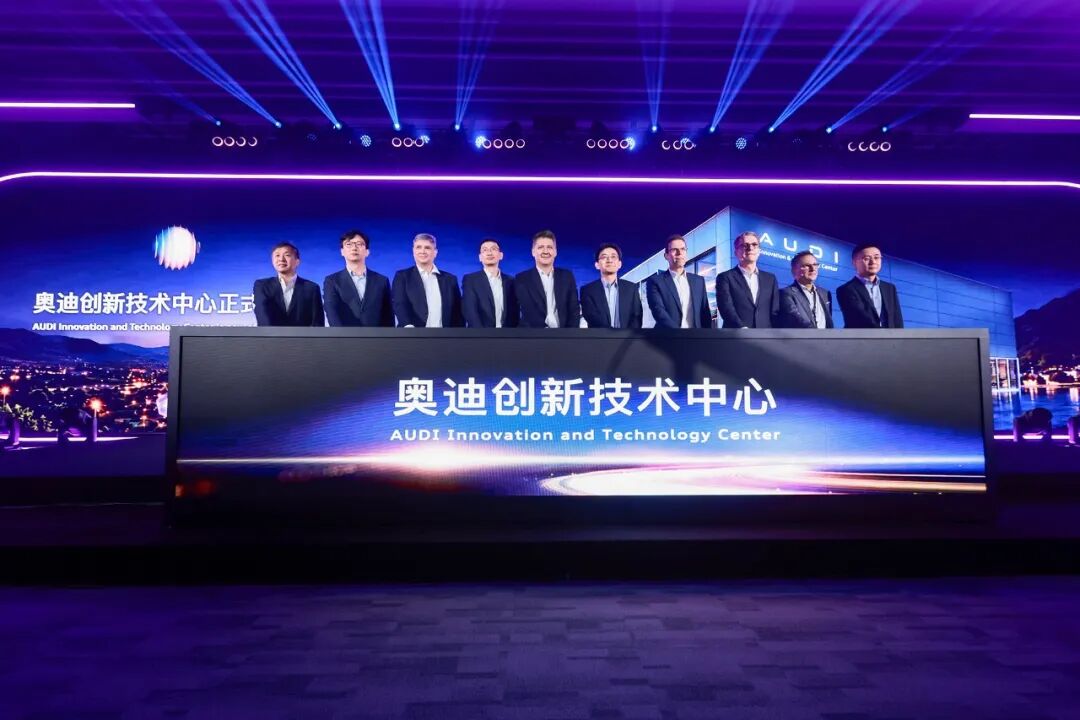
On November 5, the Audi Innovation Technology Center (AITC) officially opened in Shanghai, coinciding with the second anniversary of the AUDI brand. Gao Deyu, Chairman of the Board of Management of AUDI AG, and Jia Jianxu, President of SAIC Motor, attended the opening ceremony together. The presence of senior executives from both parent companies at the same event speaks volumes about the weight of this R&D entity in Audi's China strategy.
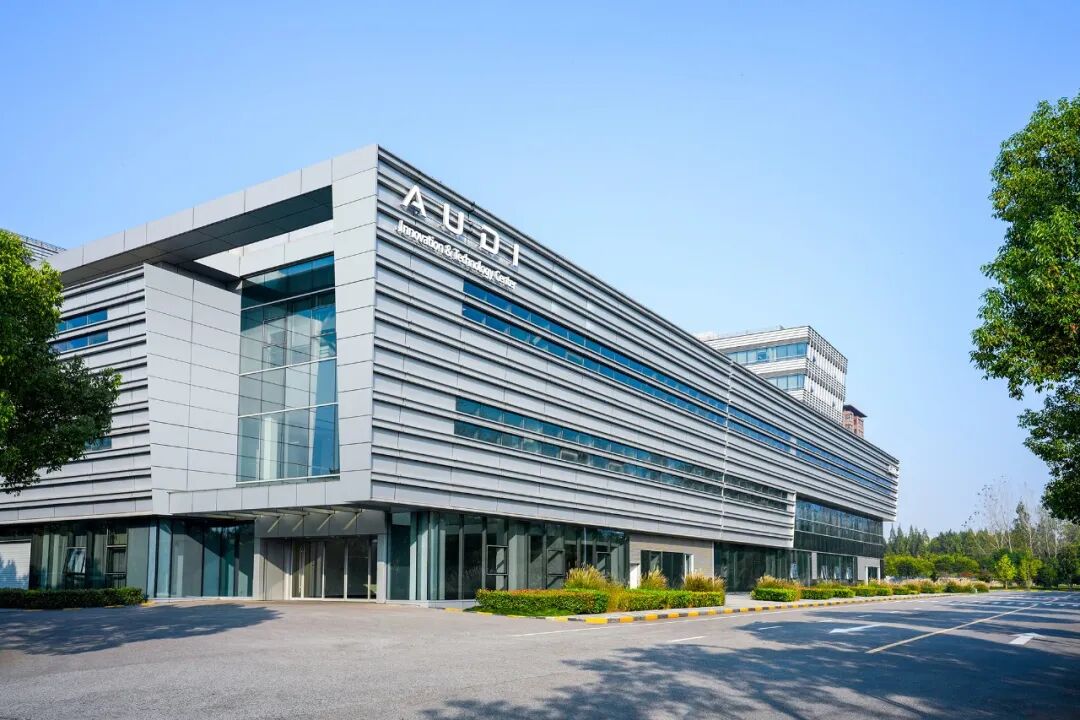
What is noteworthy is not the ceremony itself, but the authority granted to AITC. In the past, R&D in China by multinational automakers mostly followed the same process: headquarters was responsible for product definition, and the Chinese team handled localization implementation. The emergence of AITC is upending this division of labor that has lasted for many years.
The industry context is also clear. Data from the China Association of Automobile Manufacturers shows that in May 2026, the penetration rate of new energy vehicle sales in China reached 56.9%, and electrification has shifted from a trend judgment to reality. After the market track switched, intelligence has continued to gain weight in consumers' car purchase decisions, and multinational automakers need a faster R&D pace to remain competitive in the mainstream market.
R&D Leadership Handed to the Chinese Team
From the timeline, AITC was established in Shanghai on September 3, 2026, and officially opened on November 5—only two months apart. It is not an ordinary regional R&D department, but a joint venture jointly established by Audi and SAIC, maintaining relative independence in legal entity and organizational authority.
According to official disclosure by Audi, AITC coordinates the complete chain of AUDI models from concept definition and vehicle development to mass production delivery, and key links such as supplier selection, function definition, and engineering sign-off are independently decided by the center. The general manager of the center is Feng Siyuan, and the deputy general manager is Shan Yunwei, with a team of about 300 people. Feng Siyuan once was responsible for the Shanghai pre-series center at SAIC Volkswagen and is familiar with both the Chinese and German R&D systems. This arrangement itself carries the consideration of bridging collaboration between both sides.
Chinese ergonomics research is a representative example. Audi no longer directly uses overseas human body models, but recalibrates parameters for seat contours, spatial layout, screen interaction, and other links around the physical characteristics and driving and riding habits of Chinese users. The human-machine, interior, and interaction teams enter jointly at an early stage of vehicle development. Changes in basic links such as seats and visibility explain the actual meaning of "defined in China" better than slogans.
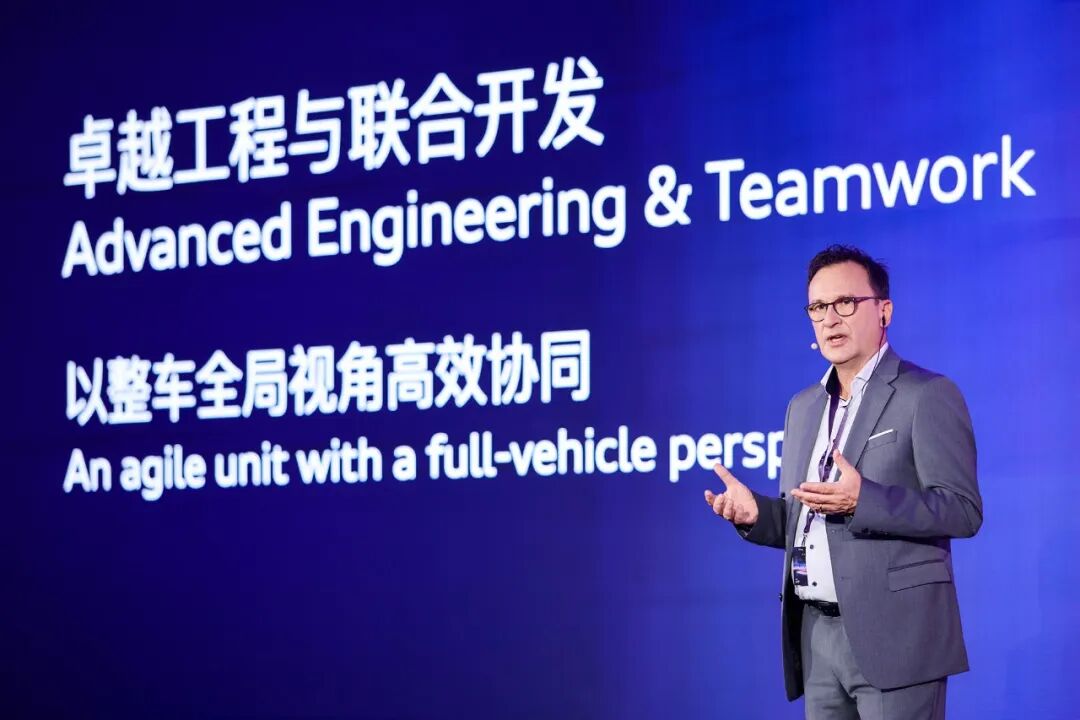
There is still distance between authorization and exercise. The transfer of decision-making power in the organizational structure does not mean that the decision-making chain will immediately become smooth. The running-in between headquarters and the local team, and differences between Chinese and German engineers on engineering standards, all require time to resolve. Audi has already taken this step, while the actual operating effect remains to be observed.
Native Integration of Intelligent Technology into Vehicle Architecture
The second pillar of AITC is "native intelligence." Its core meaning is that artificial intelligence is not a function added after the vehicle is formed, but enters the underlying architecture from the project initiation stage. According to official disclosure, ADAS, the electronic and electrical architecture, the intelligent cockpit, and the vehicle system are developed in parallel from day one, with software and hardware sharing the same timeline.
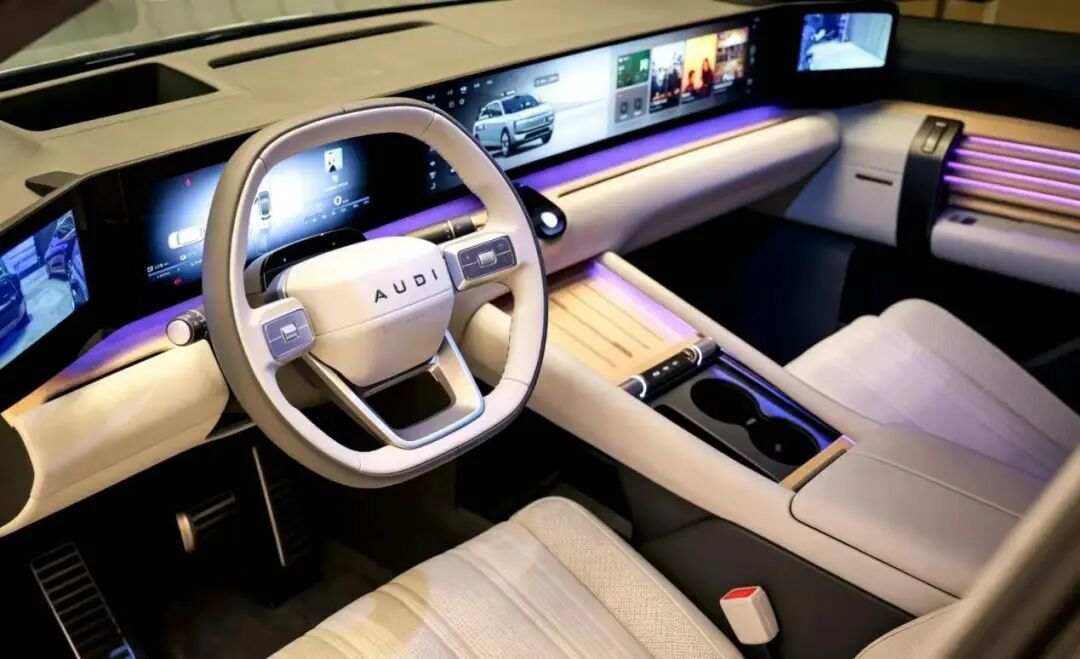
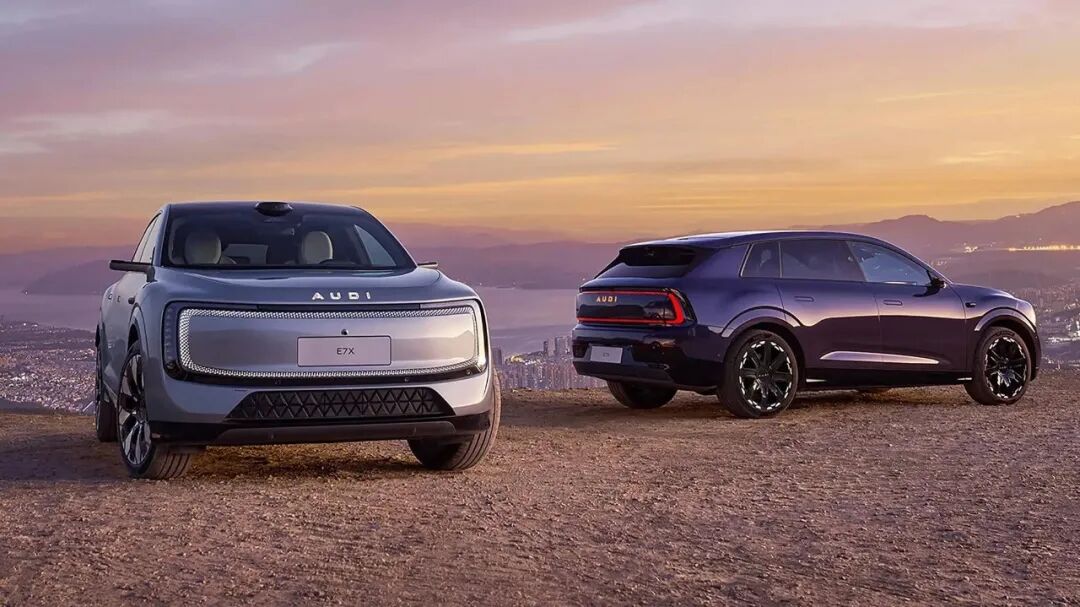
Ecological cooperation is an important window for observing this logic. AUDI signed a memorandum of cooperation with Volcano Engine, relying on the Doubao large model to jointly explore the next-generation intelligent cockpit, AUDIOS, and multimodal interaction, with the direction pointing toward deep integration of the cockpit and driving assistance. Audi has repeatedly emphasized that the goal of cooperation is not to integrate an application, but to embed model capabilities into the product at the function definition stage. The already-launched E7X is equipped with Audi Assistant 2.0, supporting multi-turn dialogue and anthropomorphic voice, which can be regarded as a preliminary result of this approach.
In the field of intelligent driving, Audi chose to cooperate with Momenta. The lidar panoramic assisted driving system equipped in the E7X was jointly developed by both parties, covering highway and urban assisted driving nationwide, and Momenta's official website also lists the E7X as the first model for its L3 mass production capability.
At the level of luxury texture, Audi has not completely handed the cockpit over to screens and algorithms. The rear seats of the E7X four-seat executive version have a maximum recline angle of 120 degrees, and the 21.4-inch QD-MiniLED starry sky screen and BOSE Performance audio together form the audio-visual system. The interior materials have also obtained OEKO-TEX full-cabin health certification. Local technology partners are responsible for improving intelligence, and Audi is responsible for safeguarding luxury texture. This division of labor is relatively clear.
For current foreign brands, building a list of local technology partners has already become common practice. The real difference lies in whether suppliers can participate in product definition, rather than merely providing function modules. Audi hopes to prove that it belongs to the former. At the same time, Audi is also reiterating its bottom line: artificial intelligence can improve R&D efficiency, but validation links will not be reduced because of this. Whether this commitment can be fulfilled will ultimately be answered by the performance of mass-produced vehicles.
Four New Models to Test the Quality of the New Cooperation
All architectures and concepts must ultimately land on products. The core project currently advanced by AITC is the second-generation intelligent digital platform ADP2.0. Official materials show that the platform adopts an electronic and electrical architecture of central computing plus zone controllers, reserving space for L3 and L4 assisted driving at the level of computing power and AI integration. Starting from 2028, four all-new AUDI models based on this platform will be launched in the Chinese market one after another.
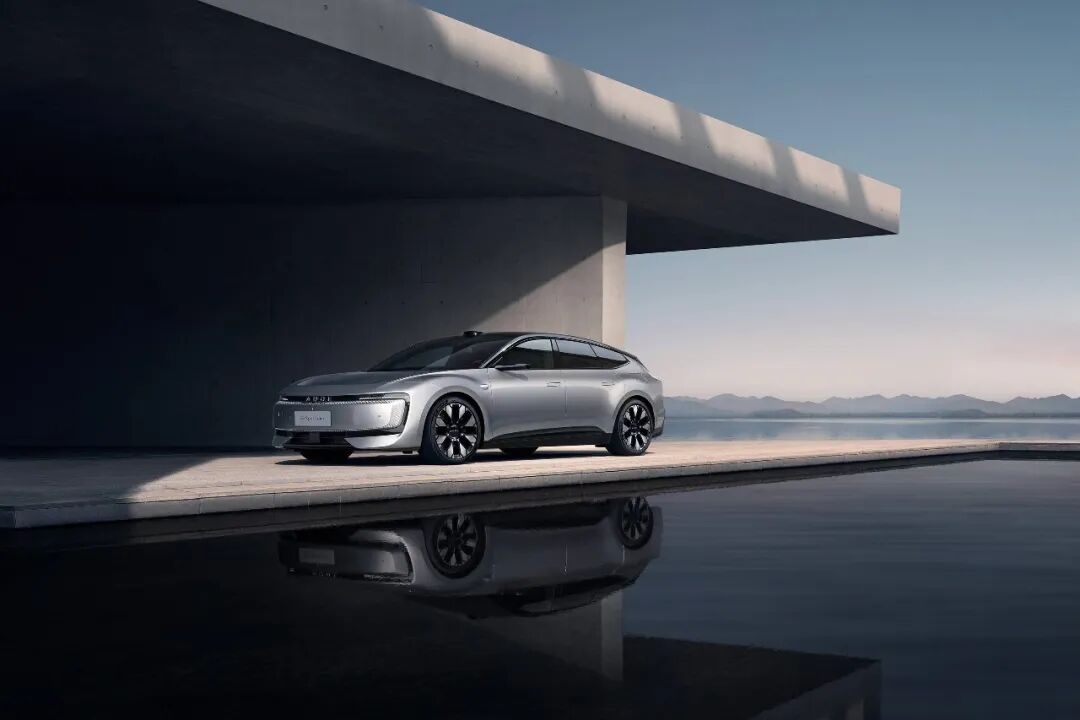
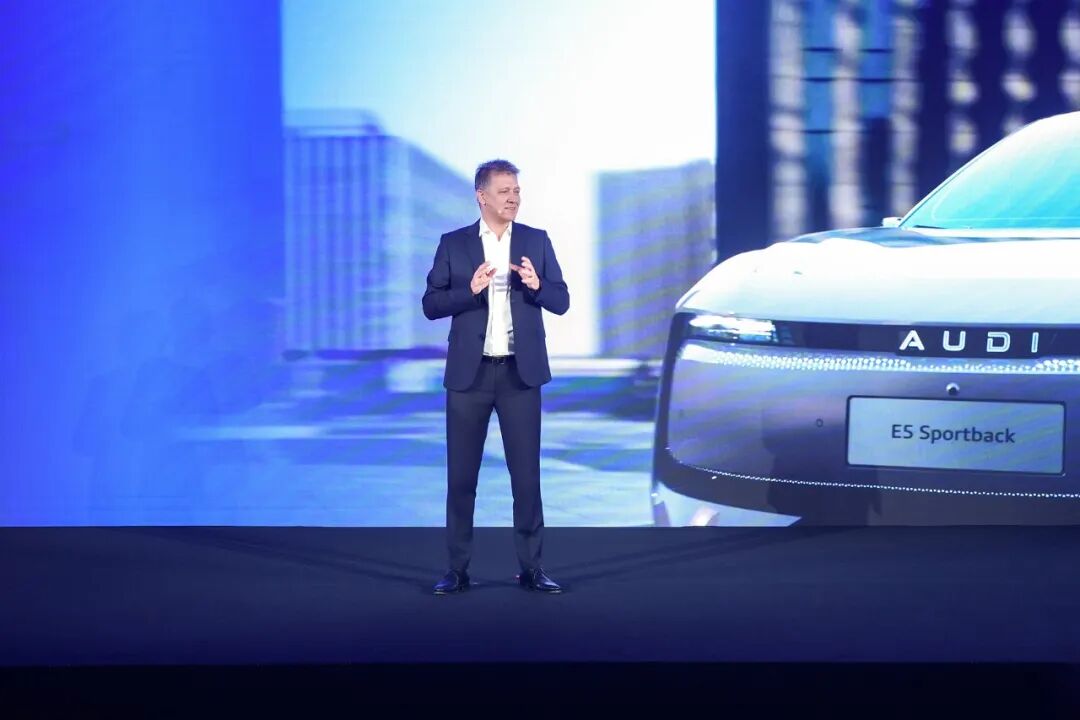
Before that, the AUDI brand had already completed preliminary groundwork with two models. The E5 Sportback was launched in September 2025, with a starting price of 235,900 yuan, and won the "China Car of the Year 2026" award in January 2026. The E7X was launched in May 2026, with a limited-time exclusive price starting at 269,800 yuan, offering two powertrains: a 300kW rear-wheel drive and a 500kW four-wheel drive. The four-wheel drive version accelerates from 0 to 100 km/h in 3.9 seconds. The vehicle is equipped with a 900V high-voltage platform and 4C fast charging. The 109kWh battery pack corresponds to a CLTC range of 751 kilometers, can add up to 429 kilometers of range in 10 minutes of charging, and takes about 13 minutes to charge from 10% to 80%.
In terms of chassis, the all-aluminum architecture is combined with Continental air suspension and ZF CDC continuously variable damping, plus rear-wheel steering of up to ±7 degrees, keeping the turning radius at 5.14 meters. The Audi team completed tuning over two winters and two summers in five locations including China, and the foundation of German driving control remains solid. Placed in the price band of 250,000 to 300,000 yuan, these parameters are quite competitive.
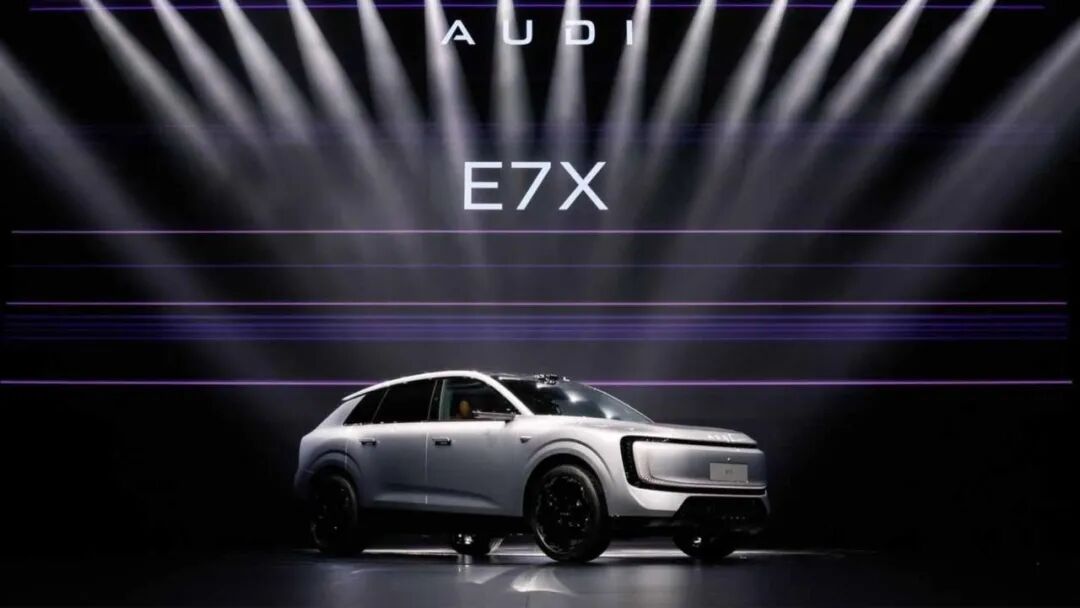
It should be pointed out that the E5 and E7X are still products under the old rhythm. The four new models on the ADP2.0 platform are the first complete report of results under the new R&D paradigm. Whether the platform can support the promise of native intelligence, and whether models independently defined by the Chinese team can gain market recognition, the answers must wait until after 2028. Consumers ultimately still focus on the product itself, not the process of delegating decision-making power.
"Defined in China" means that the Chinese team moves from the execution link to the responsibility center. If the product succeeds, the new paradigm will gain recognition; if the product falls short of expectations, the new paradigm must also bear the consequences. From this perspective, decision-making power is more like a ticket to participate in the next round of competition, rather than victory itself.
From intelligence to driving, in between lie engineering accumulation, the test of time, and the choices of real users. Audi has already directed R&D resources and decision-making authority toward China, and how fast and how steadily this road can be traveled will not be answered in the speeches at the opening ceremony, but in the four new models rolling off the production line several years from now.
-
![]()
Why Can Longgang's Cross-Border E-Commerce Keep Its Lead Steady Despite Industry-Wide Headwinds?
-
10 Years On: Chip Performance Has Grown 40-Fold and Memory 8-Fold—So Why Do Phones Still Lag?
-
![]()
B2B Buyer's Guide: Waveguide Supplier Directory and Technology Roadmap Comparison
-
![]()
Will Automotive Chips Keep Getting More Expensive in 2027? How Much Will Cars Cost Across Four Price Tiers?
-
![]()
Gree Electric: Draining the Reservoir
-
Volkswagen Is Feeling the Pain—Badly
-
![]()
Five-Meter Body and Magnetorheological Suspension: Can the Second-Generation Seal 07 Max Out Driving Control?
-
![]()
Global Automotive Glass Leader with a Strong Dividend Track Record