Five-Meter Body and Magnetorheological Suspension: Can the Second-Generation Seal 07 Max Out Driving Control?
 11/06 2026
 552
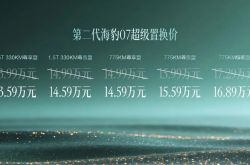
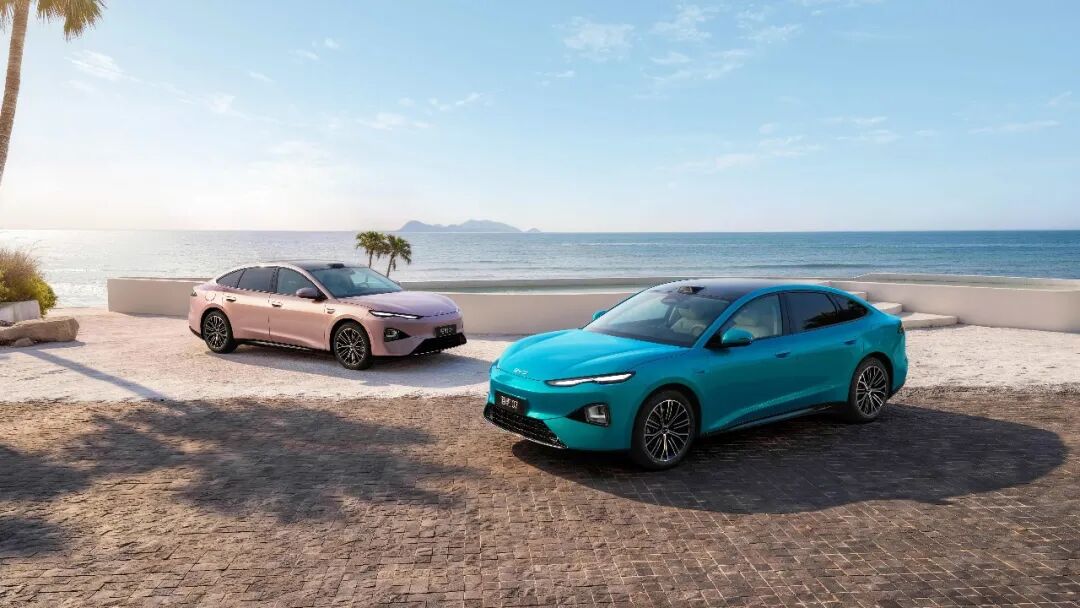
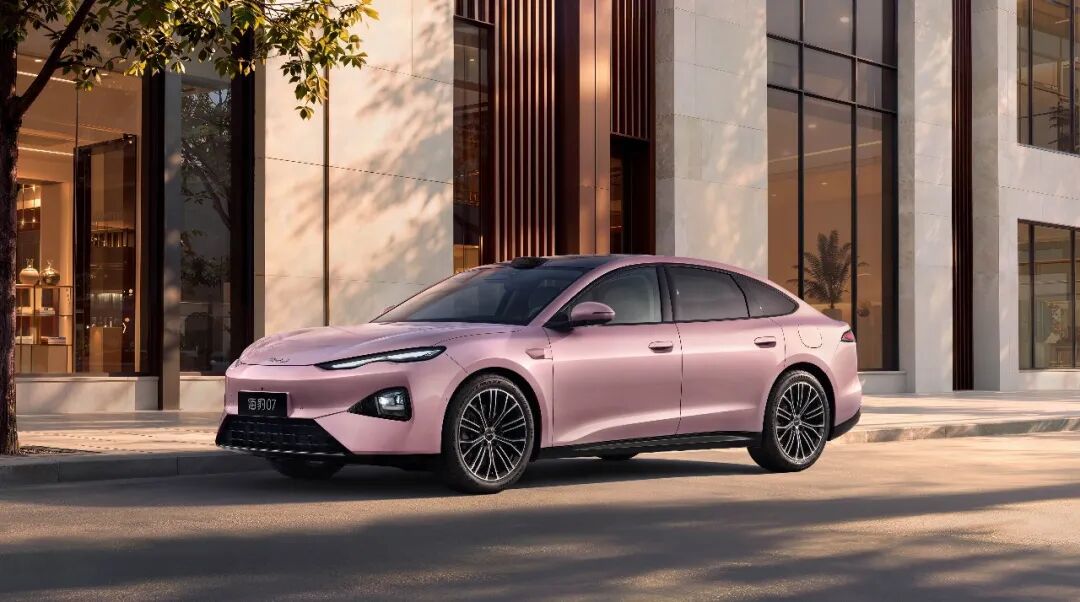
On November 5, BYD's second-generation Seal 07 officially launched with five models, carrying an official guide price of 139,900 to 172,900 yuan and a super trade-in price of 135,900 to 168,900 yuan. The new car is positioned as a mid-to-large sedan, measuring 5,080 mm in length with a 2,960 mm wheelbase, and is the first BYD-brand model to feature the YunNian-M intelligent magnetorheological body control system.
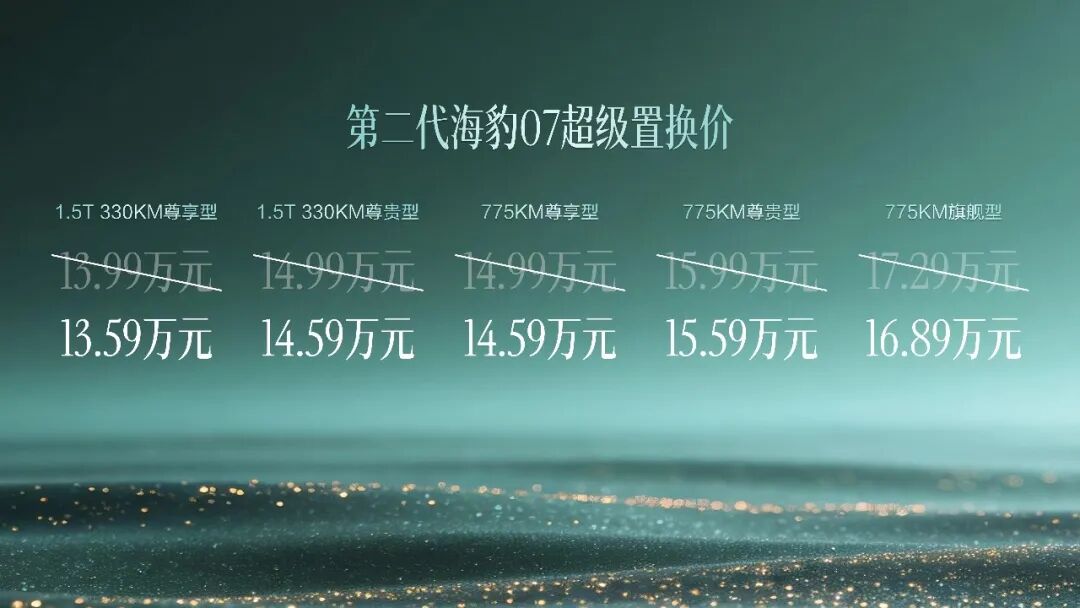
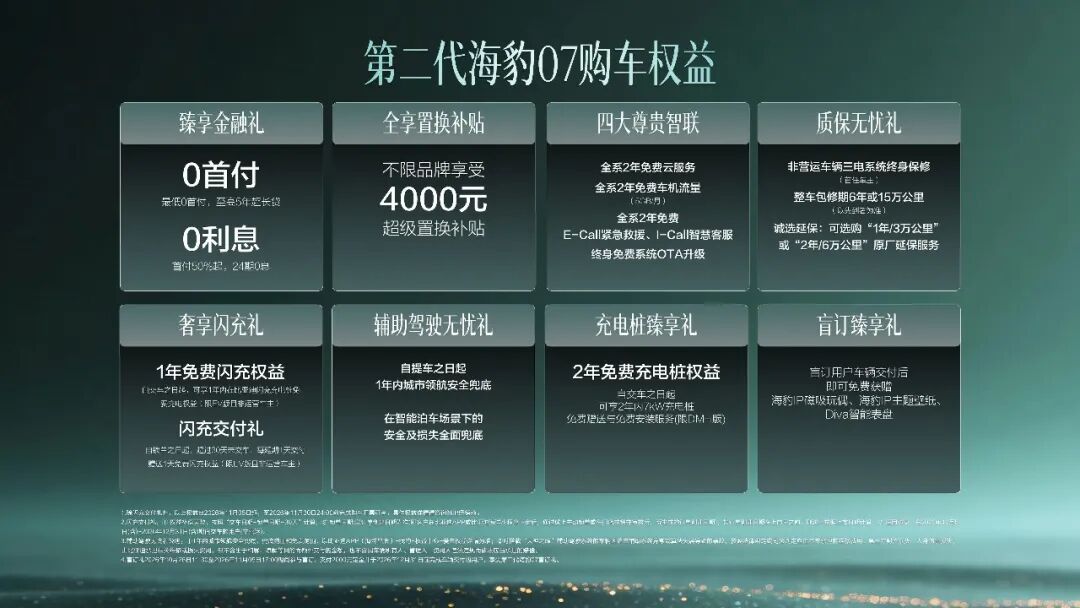
The Ocean Network bills it as a "C-class full-enjoyment flagship." Behind that claim is BYD's product strategy of bringing hardware configurations from higher-priced models into the 150,000-yuan price band. Changes across the three dimensions of driving control, space, and price constitute the main highlights of this generational change.
Magnetorheological suspension strengthens driving control quality
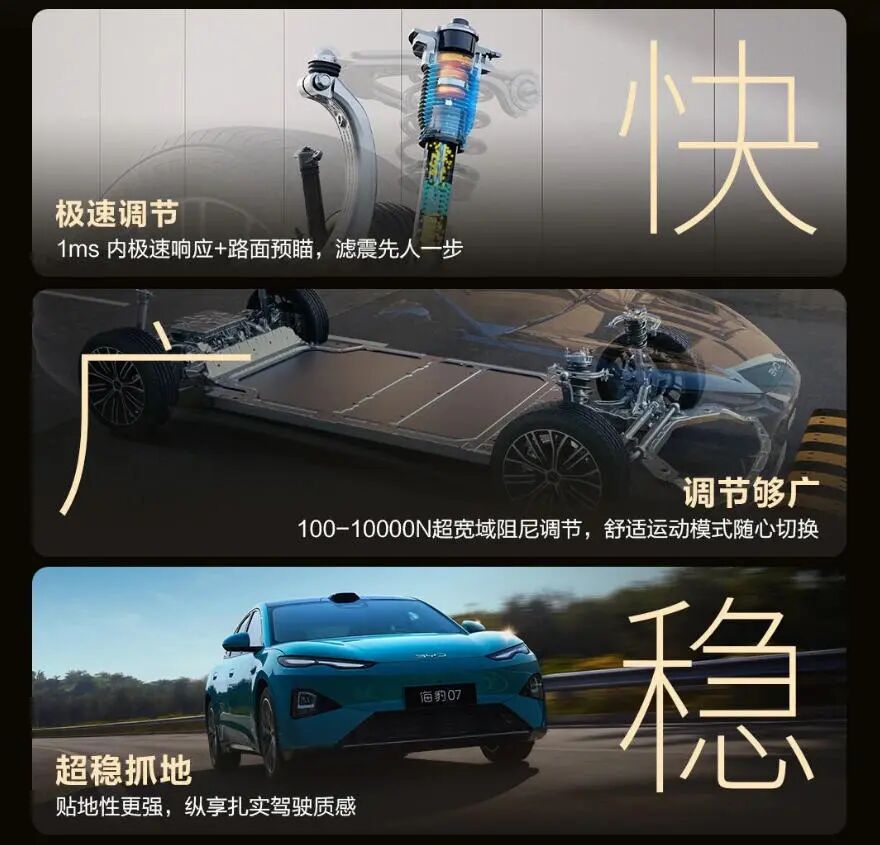
Magnetorheological dampers are nothing new. Their working principle is to change the viscosity of the magnetorheological fluid inside the damper through a magnetic field, eliminating the mechanical valve components of traditional dampers and thereby achieving more finely tuned damping adjustment. According to BYD's official materials, YunNian-M adopts magnetic fluid direct drive, with a response time of about 1 millisecond, a damping force adjustment range covering 100 to 10,000 N, and a camera-assisted road preview function that adjusts damper firmness in advance.
From an industry background perspective, the magnetorheological suspension MagneRide was developed by Delphi, first mass-produced in 2002 and fitted to the Cadillac Seville STS, and thereafter mainly applied to luxury brands and performance models. It is currently exclusively mass-produced globally by the Jingxi Group. Such configurations have long remained distant from ordinary family cars, which is why this hardware trickle-down has become the most closely watched aspect of this generational change.
One configuration detail is worth noting. YunNian-M is only fitted to the pure electric 775KM flagship model, i.e., the top-trim model at a super trade-in price of 168,900 yuan, while the other four models are equipped with YunNian-C intelligent damping suspension. Front double wishbone and rear five-link independent suspension are standard across the range, and the pure electric version additionally features the iTAC2.0 intelligent torque control system. Official materials show that this system can suppress sideslip on slippery roads through torque adjustment.
Hardware specifications determine the upper limit of the chassis baseline, but the actual feel still depends on calibration and overall vehicle coordination, which requires a dynamic test drive to verify. The long-term performance of the magnetorheological system at lower price points also remains to be tested by the market. Overall, BYD, relying on vertical integration and scale manufacturing, has made fairly clear its intention to push high-priced chassis technology down by one price segment.
Five-meter body carries comfortable travel for the whole family
At the family-use level, the second-generation Seal 07 measures 5,080×1,960×1,495 mm, with a 2,960 mm wheelbase. Official materials state that both body width and wheelbase have increased by 60 mm over the previous generation. The pure electric version features a 160-liter front trunk and a 618-liter rear trunk, while the plug-in hybrid version has a 595-liter trunk. The entire vehicle offers 39 storage spaces, and rear legroom reaches 961 mm.
Comfort configurations are fairly comprehensive. The driver's zero-gravity seat, front and rear seat ventilation and heating, big-bed mode, 20-speaker Devialet audio, a 6.8-liter intelligent hot-and-cold refrigerator, and an electric sunshade curtain all appear on the configuration list. The cabin debuts BYD's Smart Ecosystem 2.0, equipped with a 15.6-inch central control screen and a 10.25-inch ultra-narrow-bezel instrument panel, and offers a 26-inch W-HUD head-up display as well as magnetic and threaded expansion interfaces.
The core of "full enjoyment" lies in reducing trade-offs in family car use. The space upgrade is the most intuitive part, while the actual frequency of scenario functions such as big-bed mode varies by family. In terms of intelligent driving, the new car is equipped with the God's Eye B-assisted driving laser version, covering urban navigation, highway navigation, and parking scenarios, and the official side also provides a one-year guarantee for urban navigation and intelligent parking. It should be emphasized that this system is assisted driving, and the driver still needs to maintain attention and bear driving responsibility.

Range figures need to be understood in the context of test conditions. The pure electric version's 775 km and the plug-in hybrid version's 330 km of pure electric range are both CLTC figures. CLTC is a light-vehicle test standard implemented in China since October 2021. Bench testing differs from real road conditions, and temperature, speed, and air conditioning use all affect actual range, so 775 km is better regarded as a reference upper limit.
B-class price releases C-class product value
At the level of price and cost of ownership, the pure electric version carries the second-generation Blade Battery with a capacity of 76.744 kWh, and the rear motor has a maximum power of 245 kW, with an official 0-100 km/h acceleration of 5.5 seconds. Flash charging is the main selling point of the pure electric version. Official materials show that at room temperature, charging from 10% to 70% takes 5 minutes and from 10% to 97% takes 9 minutes, while in a minus 30 degrees Celsius environment, charging from 20% to 97% takes only 3 minutes longer than at room temperature. The above charging speeds need to be achieved on BYD flash charging piles, and the coverage of the charging network will directly affect the actual experience.
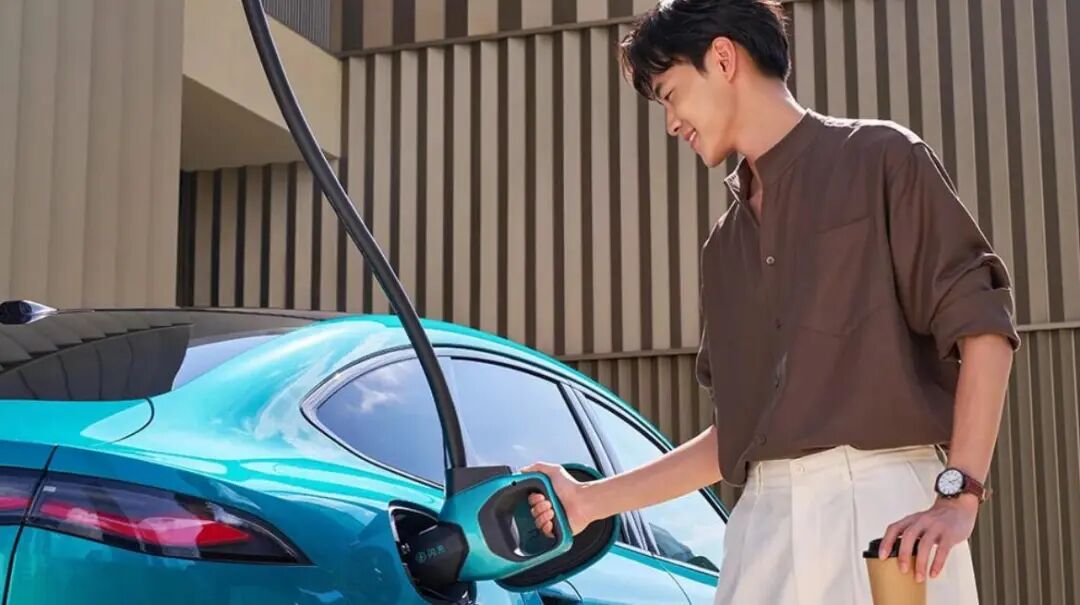
The plug-in hybrid version is equipped with a 1.5T plug-in hybrid dedicated engine, with an NEDC fuel consumption of 3.3 liters per 100 km in charge-depleting mode, and the official claim is a combined range of up to 1,700 km. It should be noted that the range uses the CLTC standard while fuel consumption uses the NEDC standard, and both standards appear on the same configuration sheet, so consumers should pay attention to distinguishing them when making horizontal comparisons.
The super trade-in price is premised on trading in an old car. Consumers who do not trade in are subject to the official guide price, and the 4,000-yuan trade-in subsidy is likewise tied to trade-in conditions. In the official recommendation index, both Premium models are rated five stars, corresponding to super trade-in prices of 155,900 yuan and 145,900 yuan respectively, and this recommendation signal has reference value.
BYD official materials show that the Ocean Network's cumulative sales have exceeded 7.96 million units, and scale constitutes the confidence behind the downward pricing pressure. The second-generation Seal 07's impact on the mid-to-large sedan segment is fairly evident, and the pricing room for products in the same class may narrow further. For consumers, beyond price, charging conditions, usage scenarios, and after-sales radius also need to be taken into consideration.
Overall, the value of the second-generation Seal 07 lies not in a breakthrough in a single technology, but in a systematic hardware trickle-down, with magnetorheological suspension, a large body, flash charging, and Smart Ecosystem 2.0 jointly brought into the 140,000 to 170,000 yuan price range. Whether "full enjoyment" can truly hold up ultimately needs to be verified through owners' long-term use. Consumers interested in the new car may wish to visit a store to compare the actual differences between the YunNian-C and YunNian-M chassis, and then make a choice based on their own budget.
-
![]()
Why Can Longgang's Cross-Border E-Commerce Keep Its Lead Steady Despite Industry-Wide Headwinds?
-
10 Years On: Chip Performance Has Grown 40-Fold and Memory 8-Fold—So Why Do Phones Still Lag?
-
![]()
B2B Buyer's Guide: Waveguide Supplier Directory and Technology Roadmap Comparison
-
![]()
Will Automotive Chips Keep Getting More Expensive in 2027? How Much Will Cars Cost Across Four Price Tiers?
-
![]()
Gree Electric: Draining the Reservoir
-
Volkswagen Is Feeling the Pain—Badly
-
![]()
Five-Meter Body and Magnetorheological Suspension: Can the Second-Generation Seal 07 Max Out Driving Control?
-
![]()
Global Automotive Glass Leader with a Strong Dividend Track Record