Under 2.8 Meters Long, 410 km Range: Smart Elf No.2 Launches from 99,900 Yuan
 11/06 2026
 550
On November 5, the all-new smart Elf No.2 officially went on sale. The new model is offered in a single configuration—the Premium Luxury Edition—with an official guide price of 102,900 yuan and a limited-time promotional price starting at 99,900 yuan.
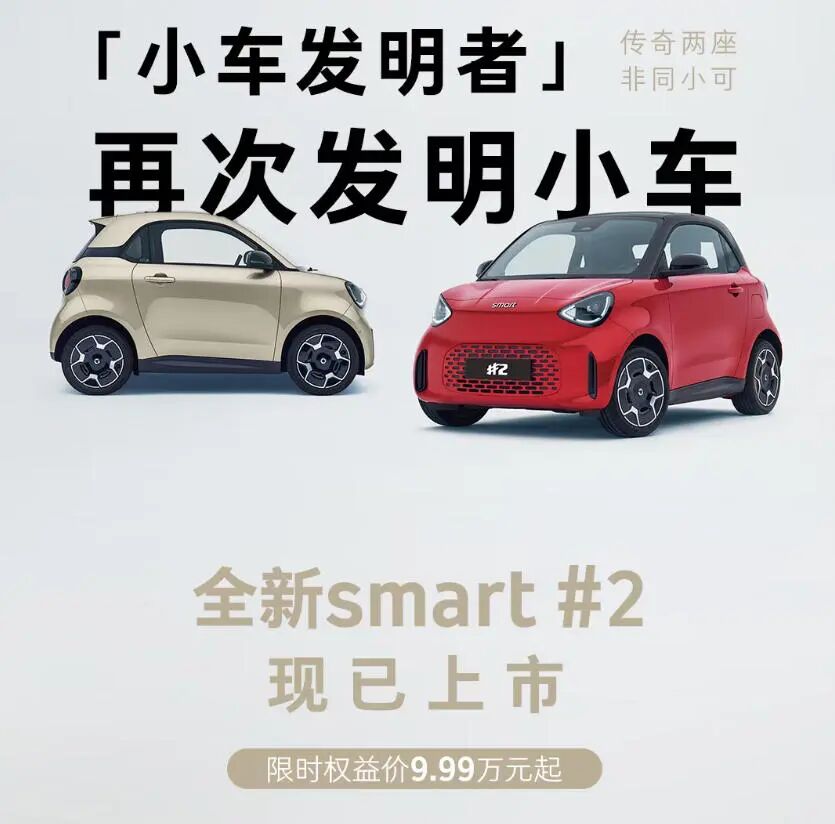
Controversy followed swiftly after the price was announced. With a body length of under 2.8 meters and seating for just two, many argue that a six-figure price tag is steep. Yet features rarely seen in this segment—frameless doors, a split tailgate, and a five-link rear suspension—have convinced another group of buyers that the pricing is justified. Still, the pricing logic behind the all-new smart Elf No.2 only becomes clear when viewed against the current compact car market.
Compact Car Market Cools as Two-Seat Models Make a Comeback
The compact car market is under broad pressure in 2026. Industry statistics show that in the first half of the year, domestic passenger vehicles priced below 50,000 yuan sold a total of 130,000 units, down 55% year on year, with market share falling from 2.8% to 1.4%. Other data show that from January to May, A00-class sedans sold 192,000 units in total, down 64% year on year. Once hot-selling models such as the Wuling Hongguang MINIEV have seen sales fall sharply from their peaks.
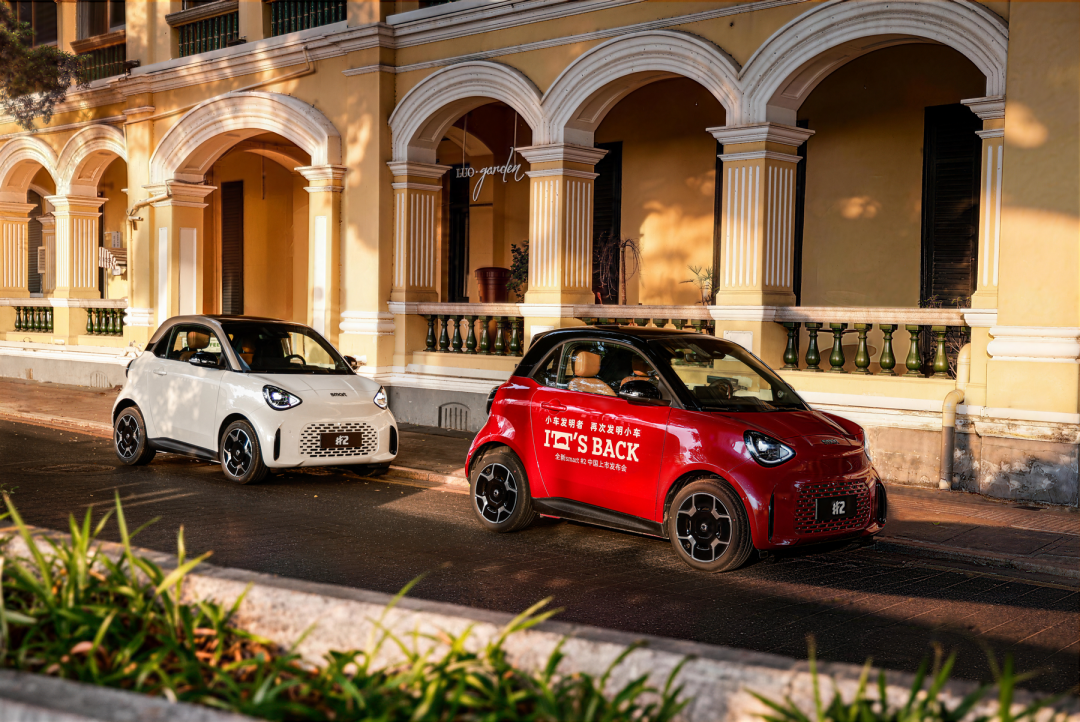
With the phase-out of subsidies, adjustments to purchase tax policies, and users' continuously rising expectations for range and safety, the market space for low-priced mobility vehicles is narrowing.
Against this backdrop, smart chose to revive its most iconic two-seater. In 1998, the first-generation smart fortwo (chassis code 450) debuted, establishing the urban two-seat vehicle category with a body length of about 2.5 meters. The 451, launched in 2007, stretched the length to 2.7 meters, and the 453 in 2014 further refined handling. Across three generations, smart's officially announced cumulative user count has exceeded 2 million. For smart, the Elf No.2 is not a foray into new territory but a return to the roots of the two-seat car.
smart's assessment is that the cooling of the low-priced compact car segment has eroded demand for "good enough to drive" mobility—not users' desire for design, quality, and brand. Demand for premium compact cars has not disappeared. Public reports show that compact cars with monthly sales exceeding 5,000 units are mostly priced between 60,000 and 90,000 yuan, and few players compete in the higher-priced premium tier.
The Engineering Behind a Price Close to 100,000 Yuan
To judge whether the 99,900-yuan price is reasonable, one must first examine the technical substance of the product itself. The Elf No.2 is built on smart's self-developed ECA electric compact architecture, which the company officially bills as "the world's first mass-production pure electric architecture purpose-built for two-seat cars." The architecture was developed from the ground up—not shortened from a larger-car platform or converted from a combustion-engine vehicle.
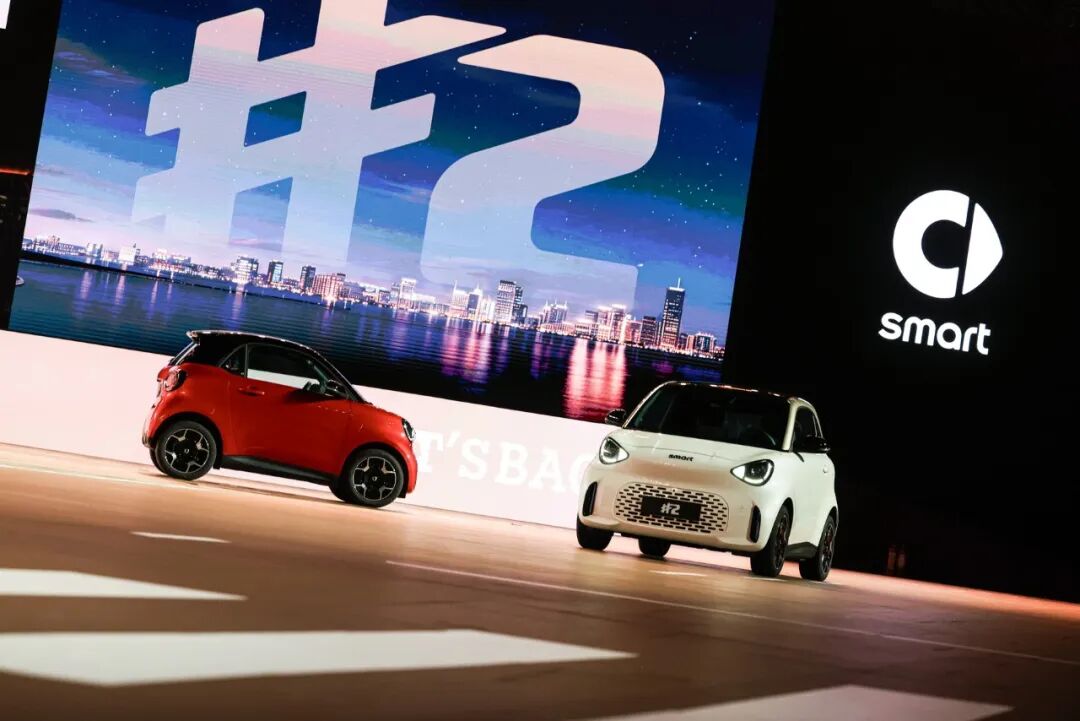
Within a body of under 3 meters, the new car packs a 35.8 kWh CATL lithium iron phosphate battery, delivering a CLTC range of 410 kilometers; the rear-mounted motor produces a maximum 60 kW, drives the rear wheels, and achieves a 50:50 front-to-rear weight distribution.
The chassis setup is a key focus of the product investment. The new car features MacPherson struts up front and an independent five-link rear suspension, while most competitors in the same class still use torsion beams. The tires follow a performance-oriented staggered layout—narrower at the front, wider at the rear. The minimum turning radius is 3.35 meters, making U-turns on narrow roads easier. Acceleration from 0 to 50 km/h takes 3.8 seconds, and top speed is 140 km/h. For fast charging, the official figure for 30% to 80% is 15 minutes, and 10% to 80% takes no more than 20 minutes.
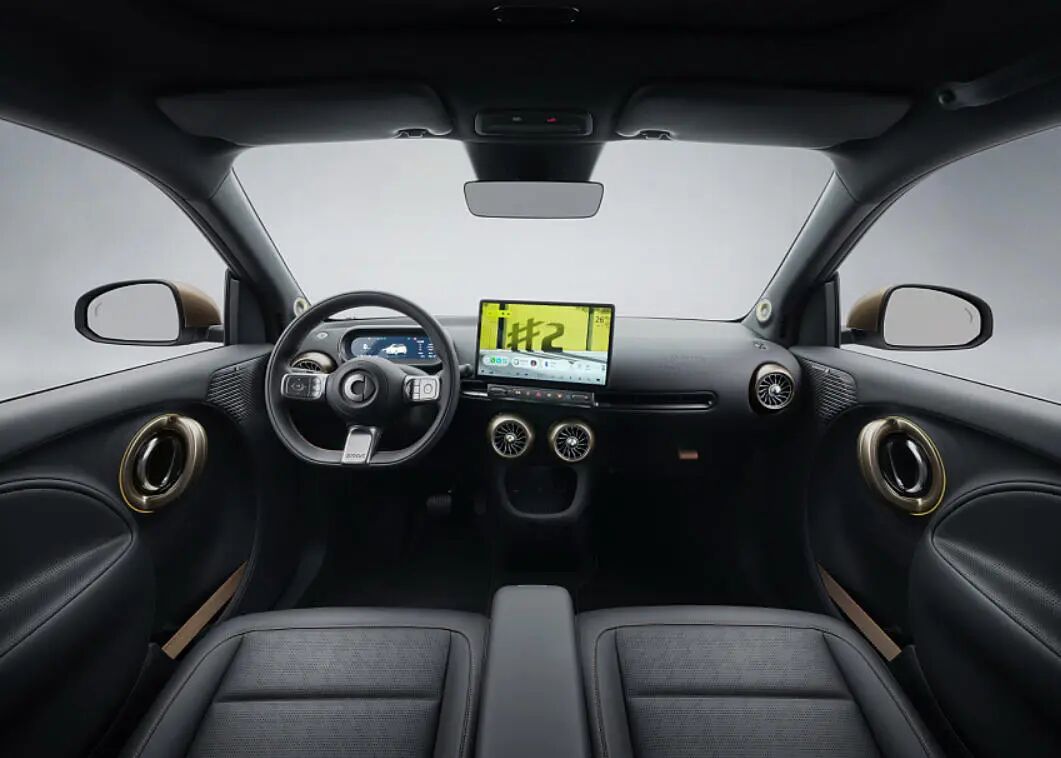
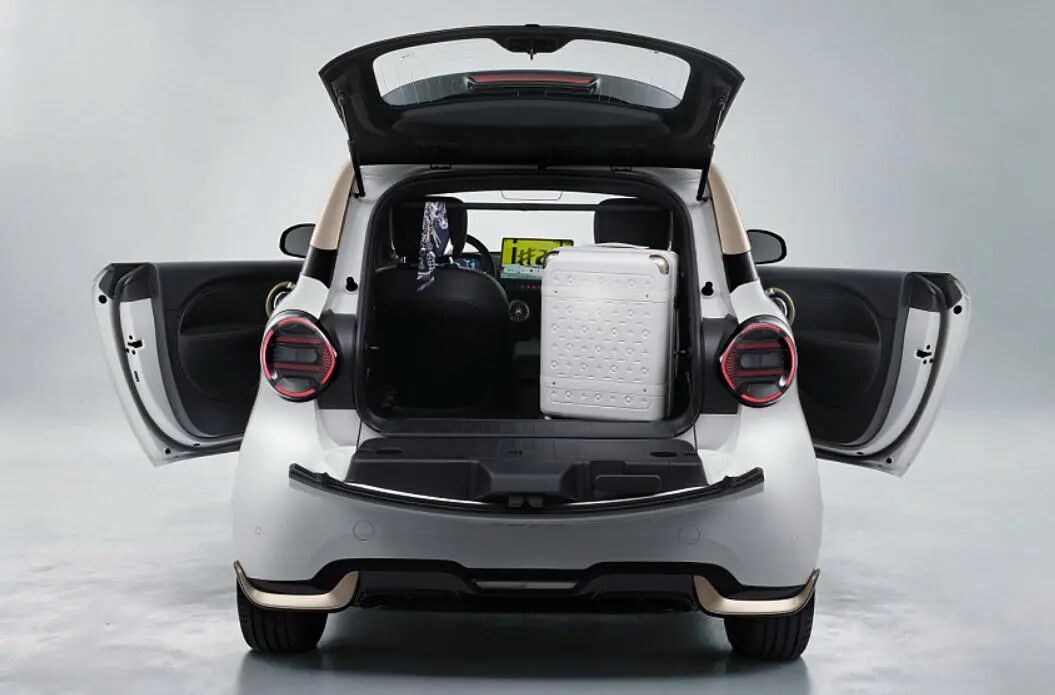
In terms of equipment, the new car offers 7 airbags, frameless doors, a split tailgate, and bench seats. The higher-trim model comes with a Sennheiser audio system with 7 speakers, paired with a 12.8-inch central control screen and an 8.8-inch instrument panel, with the infotainment system customized on the FlymeAuto platform. The trunk has a standard volume of 305 liters, expandable to a maximum of 527 liters with the front seats moved forward.
Compared with competitors, the 2026 BYD Seagull has a guide price of 69,900 to 97,900 yuan and adopts an A00 four-seat, front-drive torsion beam layout; the Geely Xingyuan starts at 71,800 yuan and is an A0 five-seat, rear-drive multi-link model focused on space; the higher-positioned NIO Firefly has a guide price of 119,800 to 150,300 yuan. The Elf No.2 sits within the price ranges of the above models and is the only two-seat product among them.
Breaking down the configuration, the pricing premium is mainly reflected in the native architecture, five-link independent suspension, and standard equipment levels. At the same time, it should be noted that the 60 kW power output and two-seat layout mean this car is unlikely to handle full-family travel and is not suitable for families with rigid space requirements. Its target buyers are more likely to be those who already own a family car and are adding an urban commuter vehicle.
Demand for a Family's Second Car Is Heating Up
The product logic of the Elf No.2 focuses more on precisely matching the real needs of its target users. The Gilded Custom Edition, simultaneously unveiled at the Paris Motor Show on October 12, is priced at 112,999 yuan, limited to 1,998 units worldwide, with a quota of 999 units for the Chinese market—and sold out quickly after launch. Core users are willing to pay for a higher-priced limited edition, reflecting that smart's user base has stable purchasing power and brand loyalty.
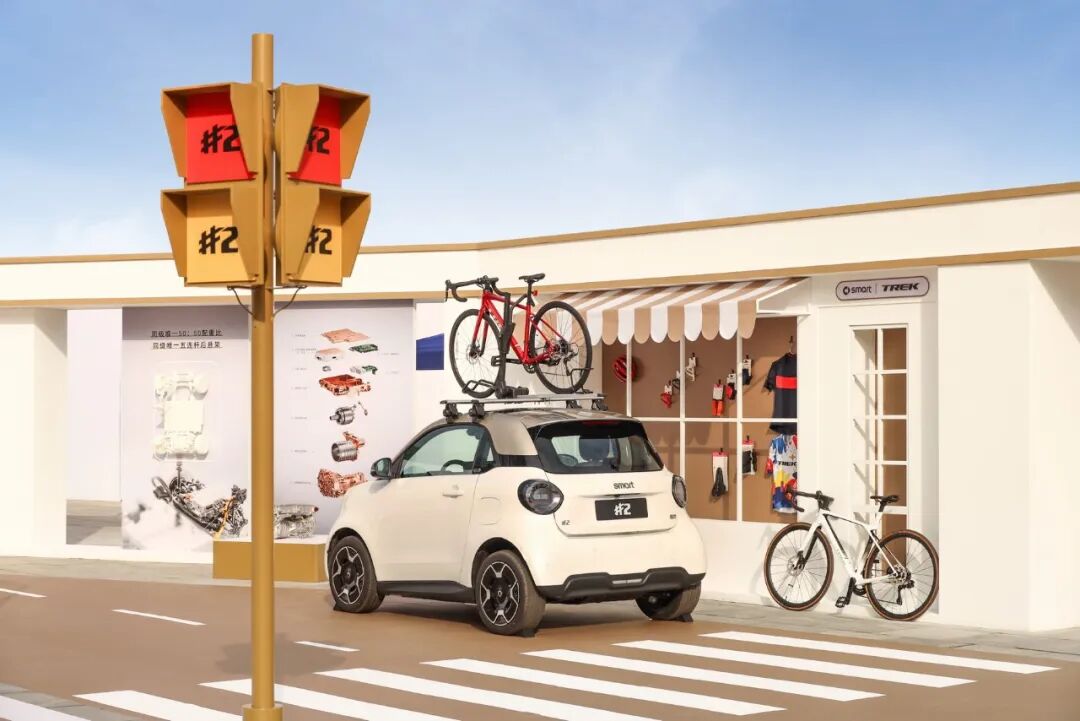
The Elf No.2 targets the family's second-car segment. For solo commuting, the compact body makes parking and U-turns easier; for weekend getaways, the split tailgate can be unfolded as a temporary platform, and the 1/4-inch threaded interface can mount cameras and other accessories; when traveling with pets, the two-seat cabin and pet mode are also better suited. These are exactly the usage scenarios that large vehicles struggle to accommodate.
From a longer-term perspective, self-pleasing consumption is becoming an important part of urban car-buying demand, and market attention for premium compact cars in the 100,000-yuan range continues to rise. For smart, the task for the Elf No.2 is to convert the brand awareness accumulated over 28 years into more users' actual choices—and its subsequent market performance is worth continued observation.
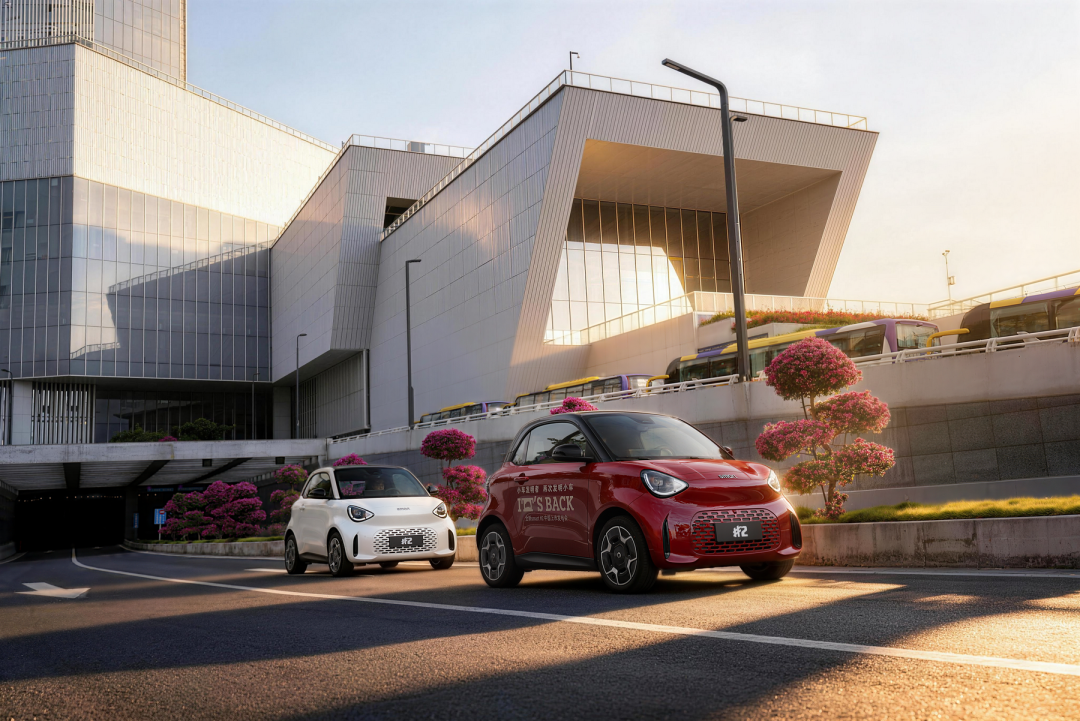
Over the past 28 years, smart has built up a wealth of brand stories, while the Elf No.2's presentation is more pragmatic. It does not attempt to use one compact car to cover every need; instead, it deepens the product around two seats, driving dynamics, and a refined feel—and leaves the choice to users.
Whether it is worth spending 100,000 yuan on a two-seat car has no unified answer. For consumers who need an all-around family vehicle, it may not be suitable; for users who already own a large car and hope to add urban driving pleasure, there is currently a lack of comparable products at this price point. Today's auto market is not short of large, all-encompassing models—but products that can deeply explore a niche segment are rare. The market performance of the Elf No.2 will still need time to provide an answer.
-
![]()
Why Can Longgang's Cross-Border E-Commerce Keep Its Lead Steady Despite Industry-Wide Headwinds?
-
10 Years On: Chip Performance Has Grown 40-Fold and Memory 8-Fold—So Why Do Phones Still Lag?
-
![]()
B2B Buyer's Guide: Waveguide Supplier Directory and Technology Roadmap Comparison
-
![]()
Will Automotive Chips Keep Getting More Expensive in 2027? How Much Will Cars Cost Across Four Price Tiers?
-
![]()
Gree Electric: Draining the Reservoir
-
Volkswagen Is Feeling the Pain—Badly
-
![]()
Five-Meter Body and Magnetorheological Suspension: Can the Second-Generation Seal 07 Max Out Driving Control?
-
![]()
Global Automotive Glass Leader with a Strong Dividend Track Record