Joint Venture Car Brands at the CIIE: A Distinctly "Local Flavor"
 11/11 2026
 430
And yet, the Import Expo was steeped in an atmosphere of local manufacturing.
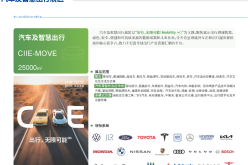
On the morning of November 5, after navigating the crowded entry checks and squeezing through the throng up to the second floor, I finally reached the Automobile and Smart Travel exhibition area of the ninth CIIE. Unlike previous years, this year's auto booths had been relocated to the second floor. Compared with the neighboring agricultural and food products area, the auto exhibition hall seemed somewhat quiet.
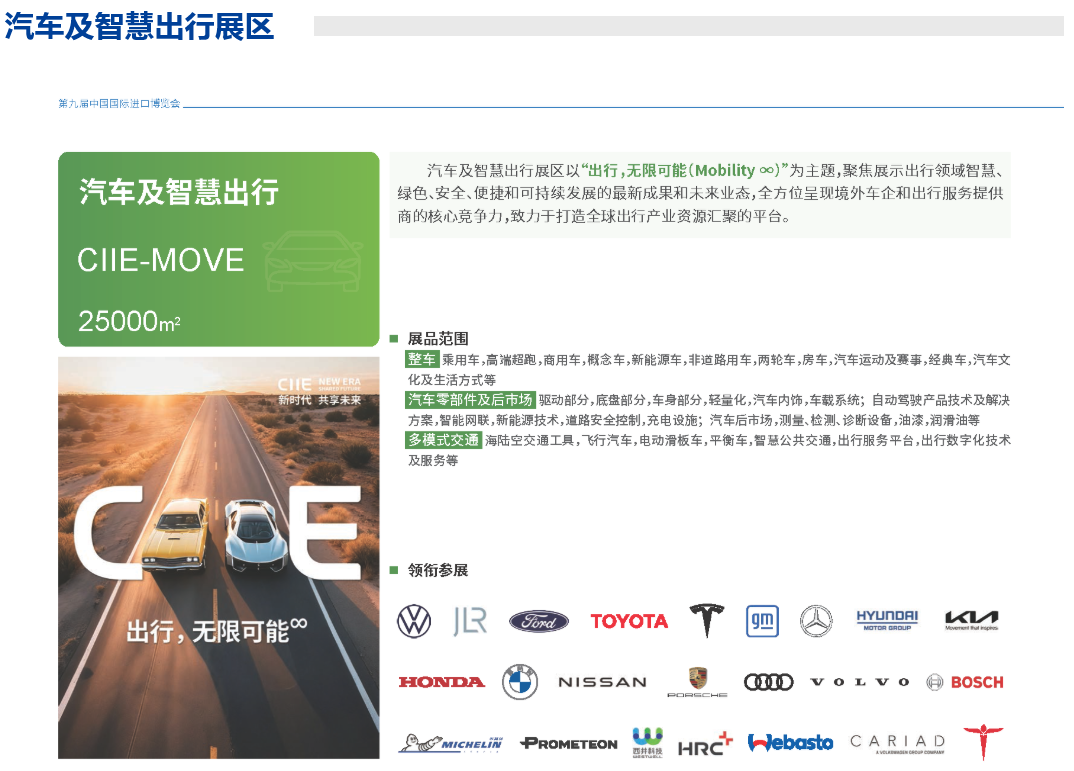
Beyond the quiet, there was also a sense of familiarity. The participating automakers were the same as ever. According to official reports, Volkswagen, Mercedes-Benz, BMW, Toyota, Honda, Hyundai, Jaguar Land Rover, Volvo, and GM have all participated for nine consecutive years, while Nissan is participating for the eighth time. These are all old acquaintances—and not only were the brands familiar, but so were the models on display, carrying an even stronger local flavor.
How strong was this local flavor? Let us start with the booths of these full-attendance automakers.
Changes at the Booths
The most dramatic changes at the booths were undoubtedly those of the German automakers. Whether it was the Volkswagen Group booth or those of Mercedes-Benz and BMW, they were all brimming with Made in China.
Take the Volkswagen booth first. Of the seven display cars, apart from two Porsche models and the Audi S5 Avant, the remaining four models were all 100 percent locally manufactured, with contributions from Chinese teams in both design and manufacturing.
In particular, following Volkswagen's Tech Day, the first models featuring locally self-developed integrated technology—the ID. ERA 5X and ID. AURA L5—debuted at the CIIE booth. At the same time, the 09, equipped with the VLA solution provided by XPeng, was even more steeped in local flavor.
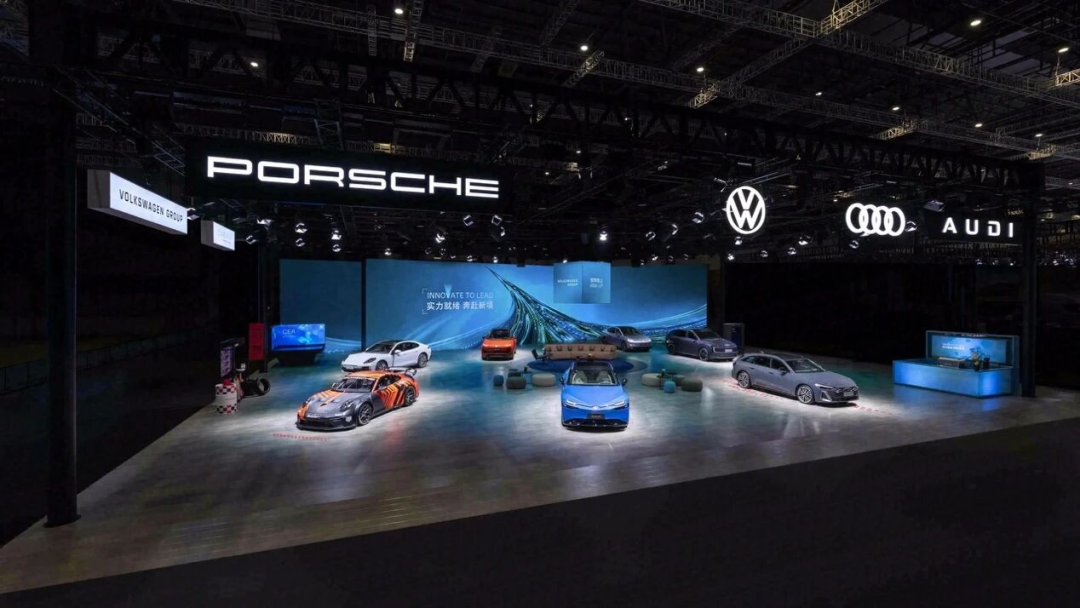
As a luxury brand, Audi may have had the limited-edition S5 Avant as a draw, but the rarity of its imports was overshadowed by the AUDI E7X displayed on the same stage. Moreover, on November 4, the first day of the CIIE, the Audi Innovation Technology Center opened in Shanghai. As the technology center shifts from Ingolstadt in Germany to Shanghai in China, German manufacturing is no longer the core of the technology.
Looking at this CIIE alone, nothing may seem out of place. But by comparison, one can see that Volkswagen's strategy in China has long undergone a dramatic shift. At the first CIIE, Volkswagen brought the pure electric Audi e-tron and the Tiguan L PHEV. At the second, it brought the ID.3, the first electric vehicle on the MEB platform. These were all models defined and developed by German engineers, representing 100 percent German technology.
The same changes took place at the Mercedes-Benz and BMW booths. The pure electric GLC SUV at the Mercedes-Benz booth was equipped with a virtual assistant developed by a Chinese team, and the rear-seat entertainment system of the Mercedes-Benz S-Class was developed under the leadership of a Chinese team. At the BMW booth, the i3 long-wheelbase version was led by a Chinese team, and the sixth-generation power battery—the core of new energy—was developed in cooperation with CATL and EVE Energy and put into production at the Shenyang plant.
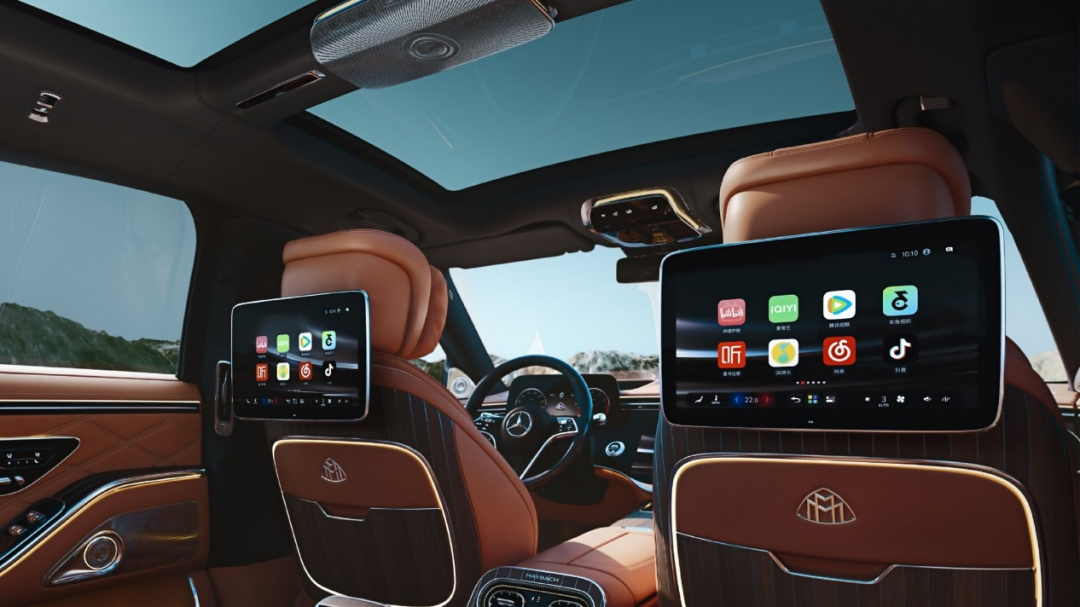
Judging by the models, the cars showcased at the Mercedes-Benz and BMW booths were still facelifts of those from the first CIIE, but the technology was no longer 100 percent German. The domestic supply chain is penetrating from components to deeper levels.
At the GM booth, the penetration of domestic technology was even more evident. The centerpiece at this year's GM booth was the Cadillac XT5 PHEV, based on a locally self-developed architecture and equipped with the Momenta R7 world model. Behind it, the Chinese R&D team had taken control of core decision-making over product definition, technology routes, and mass production implementation.
Eight years ago, at the second CIIE, GM was still displaying full-size SUVs and pickups, attempting to sell the most popular models in the U.S. market to the Chinese market.
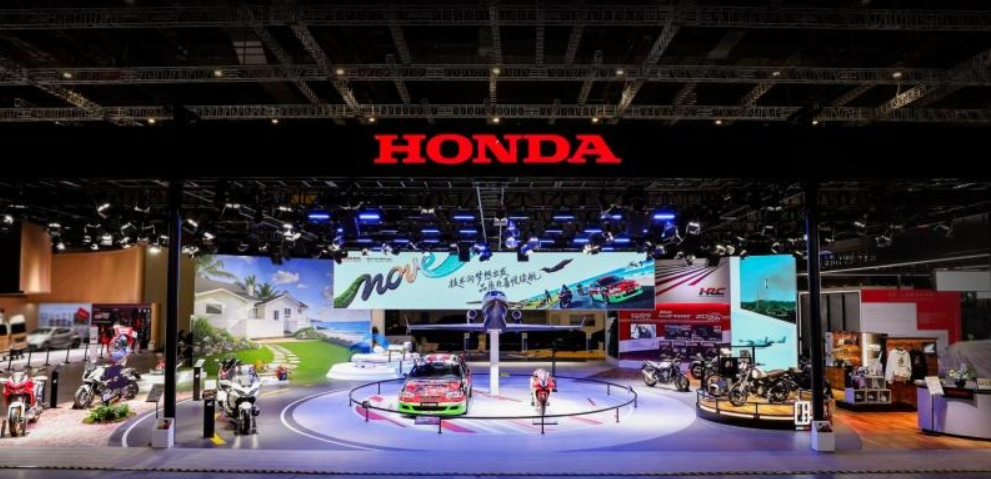
As for the Japanese automakers, they presented the most divided picture. On one hand, there was Honda R&D, which, although still continuously participating, seemed to have given up on its automotive layout in China. Its CIIE booth featured more content on motorcycles, power products, aviation, and so on, with only a single modified Honda Accord—boasting a million kilometers—on the stand.
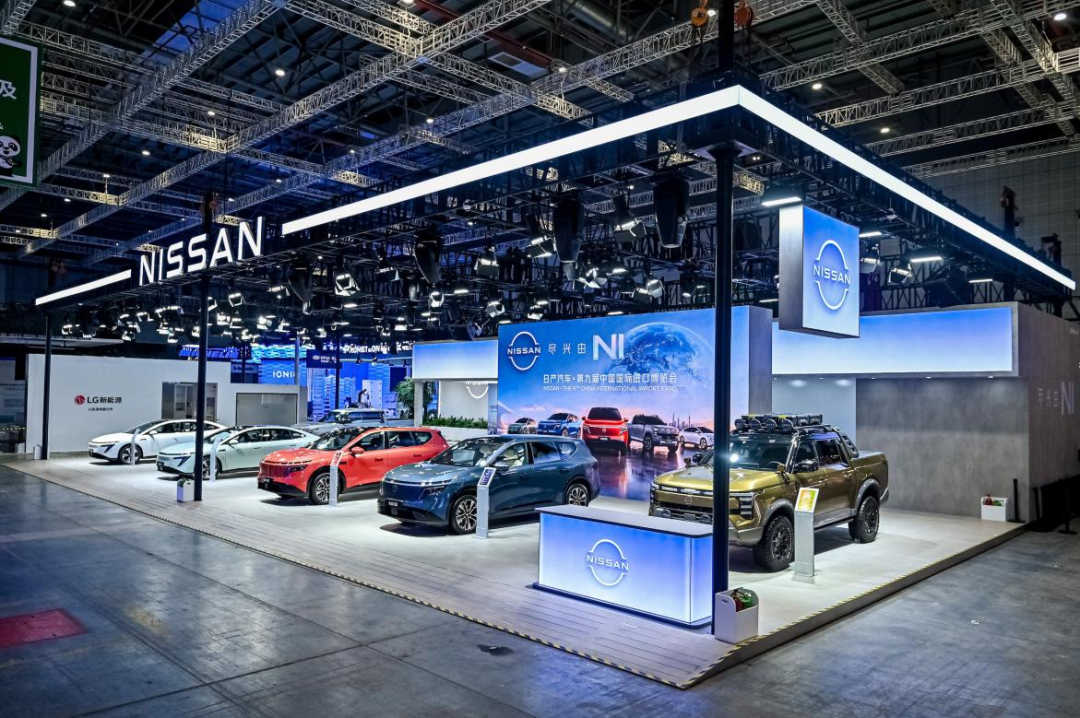
In contrast, Nissan, participating for the eighth time, was almost betting on the Chinese market. The NX8 and the new N7 on its booth were models focused on local manufacturing and supply chains. In addition, the Frontier Pro plug-in hybrid pickup—the first model designed, developed, and produced in China—also made a simultaneous appearance, becoming Nissan's first model exported from China to global markets.
At the most important Toyota booth, it was clear that Toyota was still wavering. On one hand, there were its traditional strengths in hydrogen and hybrid models; on the other, there were the bZ3X and bZ5 pure electric models, led by Chinese chief engineers under the RCE system, with product definition and supply chain selection decided in a closed loop in China.
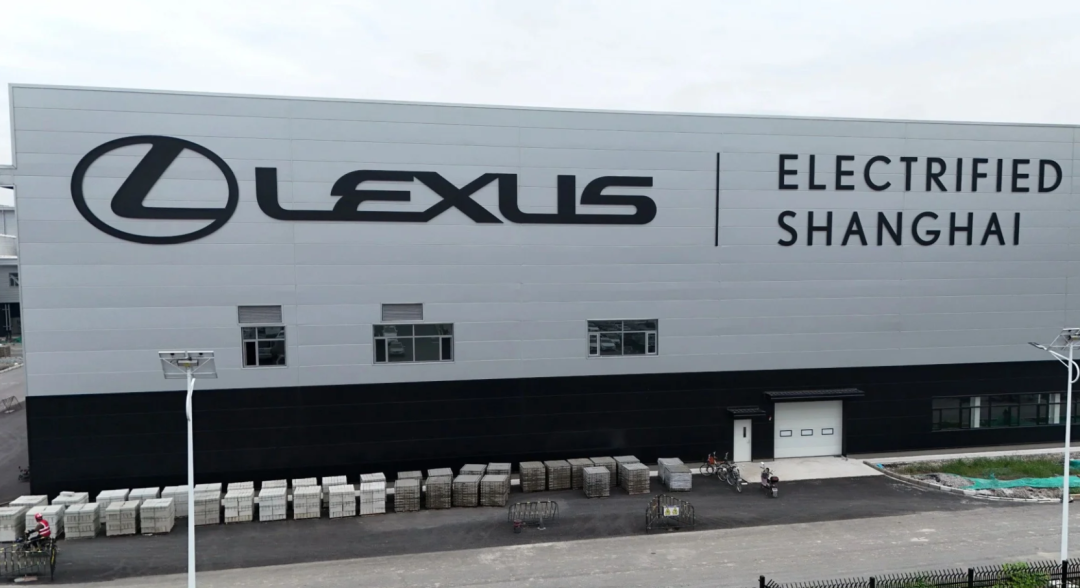
Toyota still finds it difficult to choose between the two routes and can only grasp both. But with Lexus, Toyota placed greater emphasis on Made in China. Its first new energy plant has essentially been completed and is scheduled to put its first model into production in 2027. Although the booth still featured the purely imported LX OVERTRAIL Black Horse Hidden Gold Edition, the anchor point for the future had shifted from Kyushu to Shanghai.
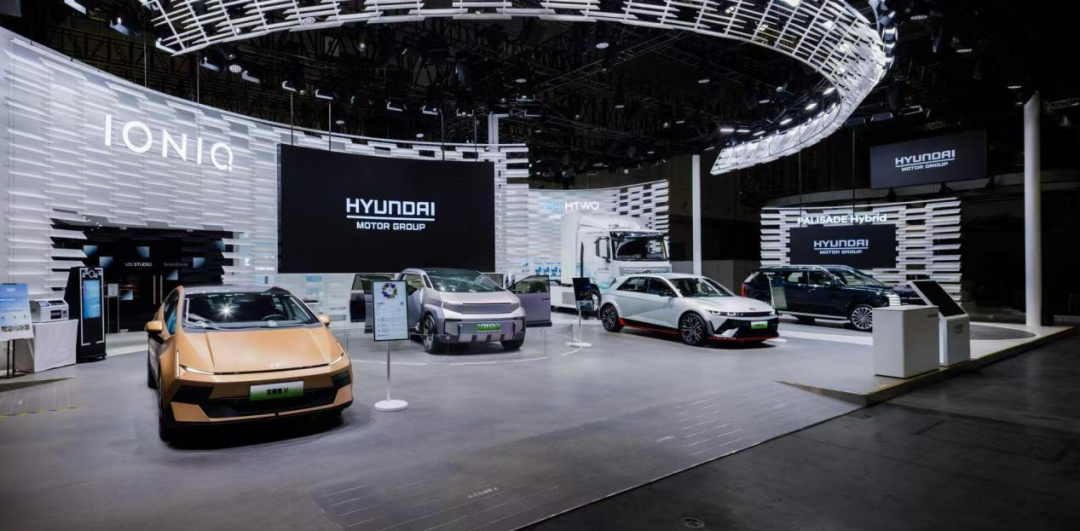
Including Hyundai Motor, whose market share was already marginal, the CIIE booth was no longer a stage for imported cars. The IONIQ V created by the Chinese team became the most eye-catching model, while on the symmetrical other side of the booth was the imported Palisade. Hyundai also found it difficult to make a choice in the Chinese market and could only rely on limited resources to cover both sides.
The Market Behind the Changes
Behind such changes is the transformation taking place in China's auto market.
Nine years ago, at the first CIIE, the market share of joint venture brands was 56 percent, occupying more than half of China's auto market, while import sales exceeded 1 million vehicles, earning huge profits for multinational automakers.
Nine years later, data from the China Passenger Car Association shows that the market share of joint ventures has fallen to only 23 percent. In the first nine months, imported car sales were only 290,000 vehicles, with only 21,000 imported in September—a year-on-year decline of more than 20 percent.
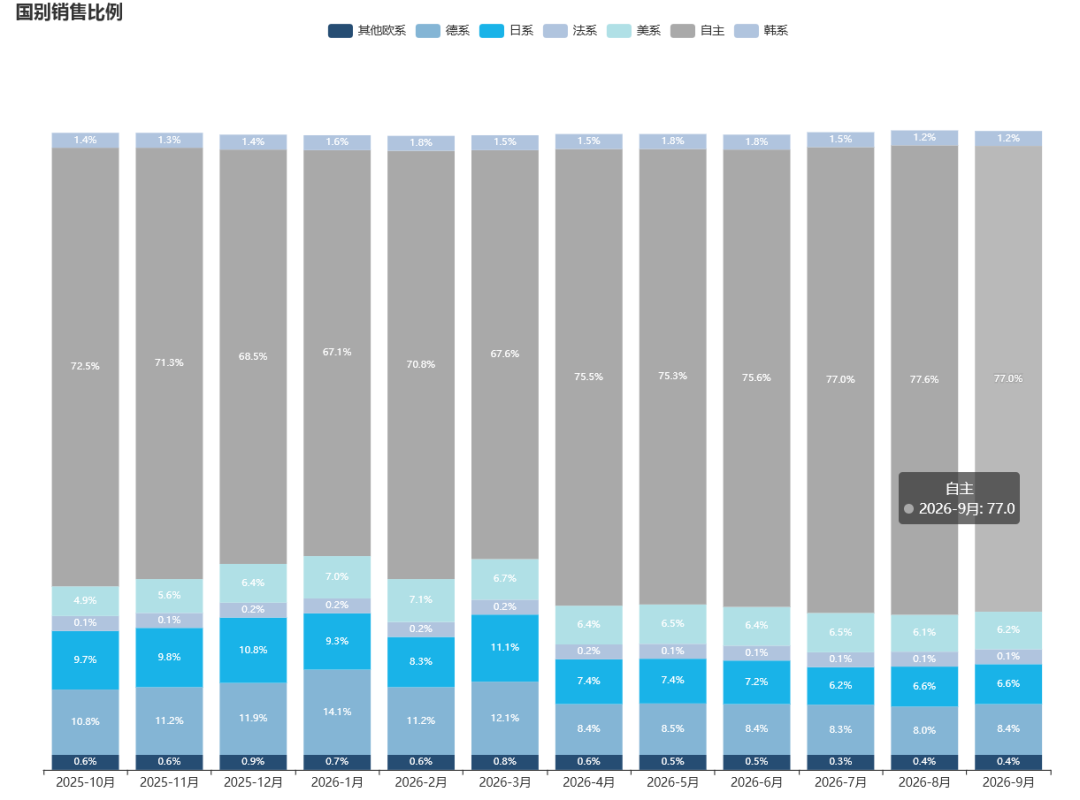
Such changes were not concentrated in a particular brand or country but were being felt across the entire joint venture auto sector in the form of decline and shrinking sales. When joint venture automakers are no longer the mainstream of the market and have become marginal players, it means the time for transformation has come.
Over the past three decades, joint venture automakers have witnessed the supply chain's transformation from "import dependence" to "partial localization" and then to "deep embedding."
When Tesla entered China in 2018, the localization rate of components had already reached 95 percent, and now it has risen to 98 percent. Apart from the chips and software ecosystem that Tesla tightly controls, the Shanghai plant has achieved near-total localization.
In addition to localizing components, joint venture automakers have also chosen to delegate R&D decision-making power. Chinese teams no longer focus on current sales as their core work but have become the new backbone of R&D. For example, the Mercedes-Benz Shanghai R&D Center has become Mercedes-Benz's largest digital R&D base outside Germany.
The intensity of competition in the Chinese market has exceeded the limits of what "local adaptation of global models" can handle. The traditional approach of joint venture automakers can hardly succeed in the Chinese market anymore. R&D and product definition must be pushed forward to create a product that fits the Chinese market.
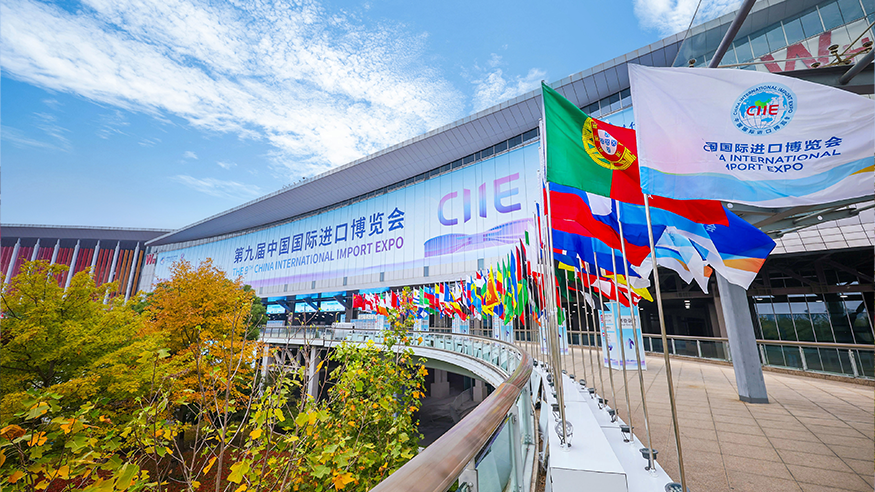
On the other hand, Made in China has more convenient advantages for going global, especially with a complete new energy supply chain, enabling China to upgrade from the largest consumer market to the largest automobile exporter. The CIIE, in addition to facing the Chinese market, also provides these automakers with an international stage.
Models and technology solutions polished based on Chinese demand naturally have the competitiveness to be exported to the Global South market and other regions. Volkswagen has explicitly stated that technologies developed in China will serve the Global South market. GM will use Chinese platforms for next-generation global models. Nissan and Ford have incorporated China-made new energy vehicles into their global export systems.
The changes on the CIIE booths precisely demonstrate that joint ventures are no longer merely channels for foreign brands to enter China. They are more likely to become the starting point for technology supply and capacity output within the global systems of foreign companies.
Note: Some images are from the internet. If there is any infringement, please contact us for deletion.
-END-
-
![]()
Sea: Heavy Bets on Both E-commerce and AI—Is the "Little Tencent" Also Heading for Troubled Waters?
-
![]()
Musk Says the Cybercab Costs Two Dimes per Mile—Institutions Crunch the Numbers and Laugh: Not Even Enough to Cover Insurance
-
Anthropic's Valuation Shrinks, Putting Pressure on Chinese Large-Model Companies
-
Ecovacs' Single-Quarter Profit Plunges 70%: What Went Wrong?
-
![]()
Financial AI Agent Tenders Drop by One-Third in October, Winning Bid Amounts Hit Four-Month Low
-
![]()
Anthropic Sets Sights on $1 Trillion Market Cap — Is This a Double Eleven 50% Off Sale?
-
![]()
Joint Venture Car Brands at the CIIE: A Distinctly "Local Flavor"
-
![]()
"Golden September and Silver October" Is a Thing of the Past: In the Domestic Stock Market Game, Breaking Through Overseas Is the Only Way Out