BMW: No Room for Error
 11/13 2026
 364
Is BMW's grip on the club still correct?
Good things come to those who wait—but these two models have indeed arrived a bit late.
Recently, BMW China announced that the new-generation BMW iX3 and the new-generation BMW i3 will be launched during the Guangzhou Auto Show, both adopting a nationwide unified pricing model. From pricing to sales methods, BMW is striving to adjust the way it competes in the Chinese market.
BMW is clearly determined to win with its "Neue Klasse" models this time. But the market is cruel: it never reserves trophies for latecomers.
BMW Is All About "Local Flavor"
"I have witnessed countless technological innovations, but a car like this comes only once in a lifetime." "In the Chinese market, we feel as if we are running hard in an intense marathon."
Those were the words of BMW's former leader, Zipse. In 2025, standing on the stage at the Munich IAA, he revived the name "Neue Klasse," and the first mass-production model, the BMW iX3, made its global debut.
Morgan Stanley analysts once described the Neue Klasse platform in a research report as BMW's "biggest leap ever," believing it represents a transformation in BMW's electronic and electrical architecture and software-defined capabilities that exceeds any previous generation of products.
It can also be understood as BMW's first true transition from the engineering system of the combustion engine era to the underlying system of the intelligent electric era. The ambitious Zipse clearly sought to set the tone for the next era with a single car.
He had hoped to lead BMW in reclaiming its voice in the Chinese market through the Neue Klasse strategy. But before the Neue Klasse models were even launched, Zipse officially stepped down as Chairman in May of this year. His successor is Neukirchen, who has long overseen the production system.
With his ambitions unfulfilled, Zipse may feel regret—the final form of the Neue Klasse did not come to fruition under his watch.
In the six months since his departure, the Neue Klasse models are finally about to land in the Chinese market. The new-generation BMW iX3 and new-generation BMW i3 will be launched in the Chinese market on November 25 and November 27 respectively, both adopting a nationwide unified pricing model.
According to the plan, on the launch day of the new-generation iX3 on November 25, customer deliveries will also commence simultaneously, with the small deposit step cancelled so that users can lock in their orders directly. The i3 will follow two days later. It will be launched on November 27, the media day of the Guangzhou Auto Show, with the major deposit channel opening simultaneously.
With unified pricing and adjustments to the new product sales model, BMW's intentions are clear: facing performance pressure in the Chinese market, BMW hopes to find solutions through its Neue Klasse models.
In the first three quarters of 2026, the BMW Group delivered a total of 1,707,800 vehicles globally, down 4.9% year-on-year. Among them, the Chinese market delivered 376,400 vehicles in the first three quarters, down 21.8% year-on-year.
The magnitude of the decline has made BMW deeply concerned.
Therefore, this is also a key factor in adjusting the sales model, with one of the core goals being to compress the delivery cycle. A prolonged delivery cycle makes it easy to be impacted by new product iterations and lose customers. Shortening the time from order placement to delivery has become key to industry competition and an important means of safeguarding sales performance.
In addition to changes in the sales model, BMW is also committed to integrating "local flavor." On the Neue Klasse models, it has increased localized adaptation efforts for the Chinese market.
On the intelligent front, it is cooperating with Momenta on intelligent driving solutions. Moving beyond the logic of simply purchasing hardware solutions, the two parties are engaged in deep joint development, with BMW providing exclusive tuning, achieving the integration of intelligent assisted driving with BMW's signature driving pleasure.
In terms of localized production, the sixth-generation power battery used in the Neue Klasse models is mass-produced at the Shenyang powertrain plant. In terms of range, the new-generation BMW i3 achieved a tested extreme range of 1,213 kilometers, not only setting the record for the longest single pure electric driving range in BMW's history, but also ranking among the top tier of long-distance range performance for mass-production pure electric vehicles in the Chinese market.
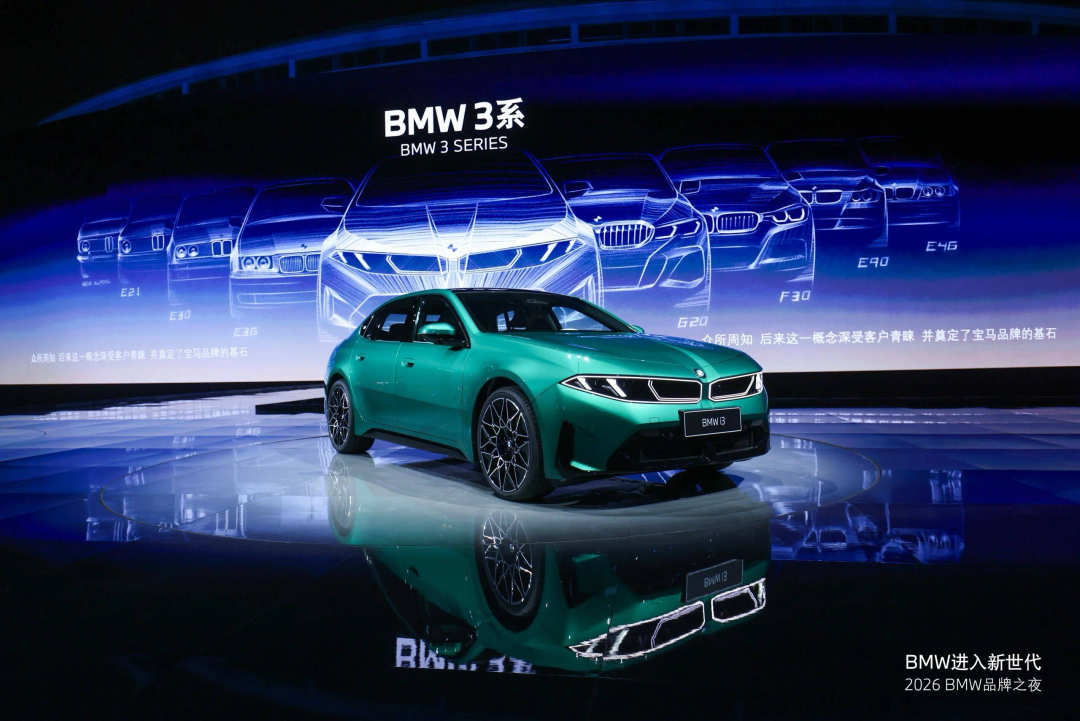
The "Neue Klasse" is undoubtedly BMW's most precise aim in recent years, comprehensively upgrading core shortcomings such as range, intelligence, and space, and attempting to re-understand the Chinese market through a deep localization strategy.
In addition, BMW will further expand localized production of high-selling key models in China, and plans to increase the proportion of domestically produced models specially customized for Chinese customer preferences to over 95% by 2030—all with "local flavor."
The purpose is also clear.
BMW hopes to first use these two Neue Klasse models to explore the way, re-finding the balance between brand value, product structure, and market rhythm. Then, with a brand-new model matrix, it aims to reclaim the "right to serve" in the luxury car market.
At the end of the tunnel, is it still the "BMW era"?
The key to answering this question lies in whether BMW's grip on the club is correct this time.
Can the Tactics Be Implemented with a Resolute Attitude?
Before the launch of the Neue Klasse models, there is still an unresolved question.
What BMW truly needs to answer in the next stage is not just "how to expand electric vehicle sales," but how to re-establish the value expression and user identity of a luxury brand in the intelligent era.
This is a question that many luxury brands still have not found the answer to. Moreover, the former right to serve has been dismantled, and the definition of luxury in the electric and intelligent era is already completely different.
The right to serve is already in someone else's hands.
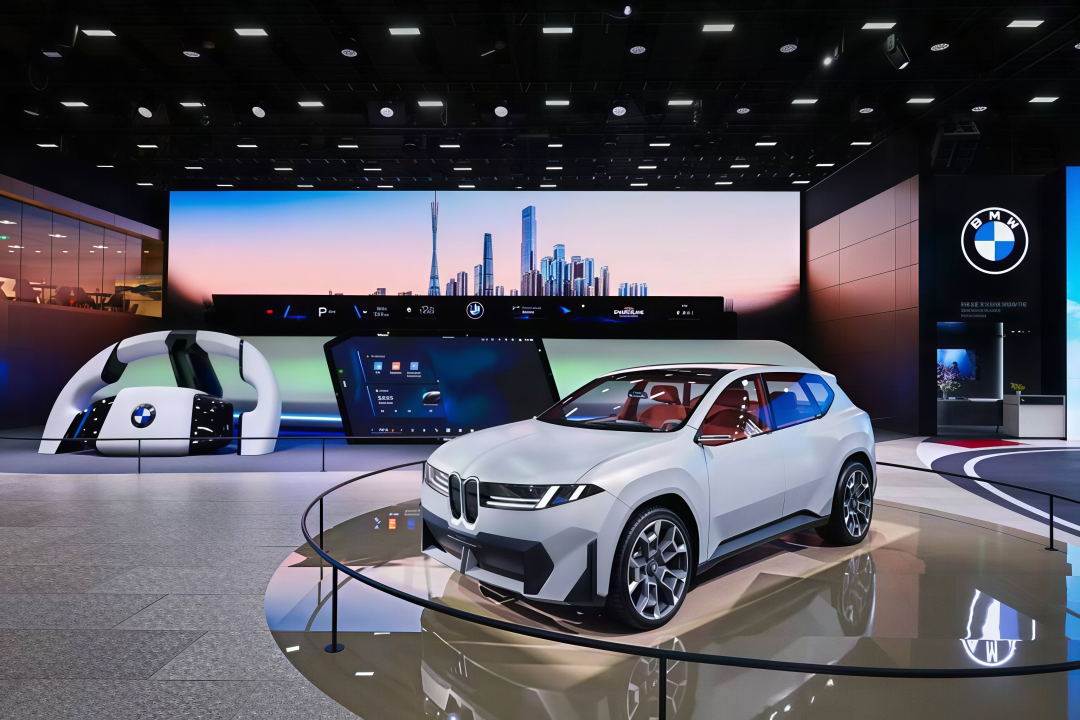
When the horn of the Neue Klasse sounds, has BMW already missed the era? Perhaps some clues can be found with Zipse's successor.
Neukirchen, who succeeded Zipse, joined BMW as an intern in 1993 and has worked at the company for over 30 years, long responsible for the production system. He led the planning and construction of the "Neue Klasse" plant in Debrecen, Hungary, managed BMW's 31 manufacturing bases worldwide, and drove a 25% reduction in per-unit production costs over the past five years.
Several German media outlets interpreted this appointment as a signal that the strategy definition phase has been basically completed, and the focus going forward is execution.
In other words, BMW, having chosen the "Neue Klasse" strategy, has cast aside its past wavering and is firm in its strategy.
In April of this year, BMW, with its all-new Neue Klasse architecture, 800V high-voltage platform, range exceeding 900 kilometers, and an intelligent cockpit deeply integrated into China's local technology ecosystem, conveyed a strong signal: this is an all-out electric counteroffensive.
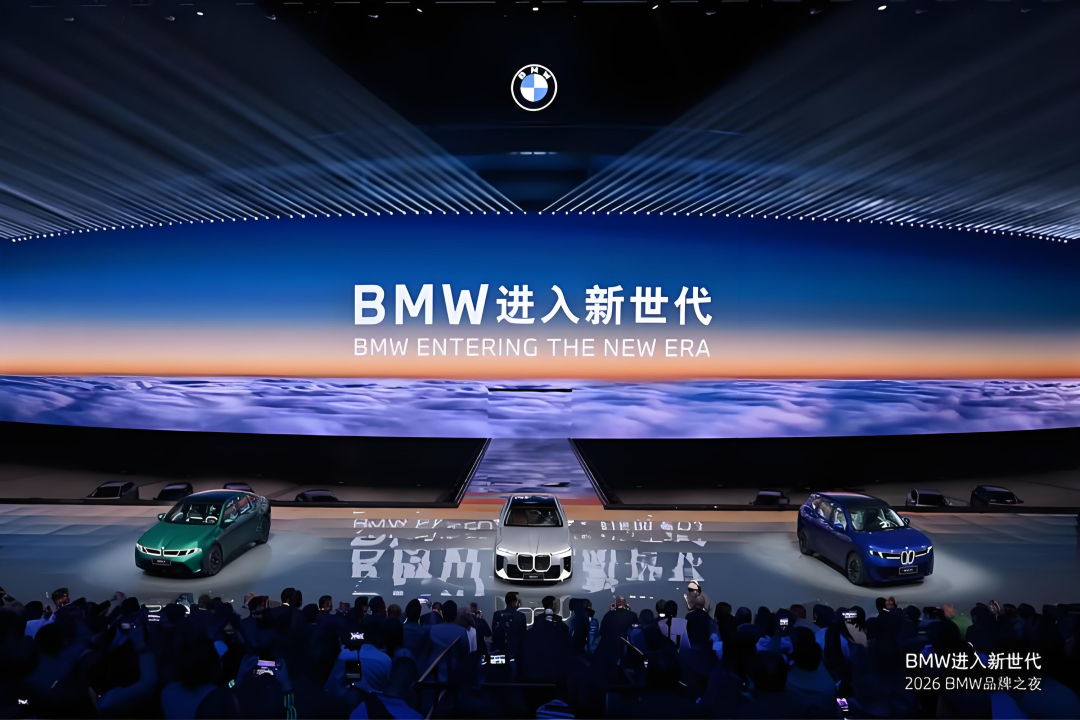
It is reported that over 10 billion euros were invested in developing the Neue Klasse platform. This is not only the largest single investment in BMW's century-long history, but also a strategic decision to "bet the entire company." The "Neue Klasse" strategy is BMW's key battle to "subvert itself," reshape its brand image, and reclaim its voice.
No room for error.
However, having a strategic direction is one thing—can the tactics be implemented with a resolute attitude? This remains to be seen.
After all, for many years, BMW had early insight into the direction of electrification, yet lacked resolve and speed at the execution level. As a result, it stumbled into almost every pitfall on the road to transformation.
Moreover, the execution of the Neue Klasse strategy still stands before several formidable mountains. Organizational DNA, global landscape, and profit structure—is BMW willing to make a comprehensive "transformation"?
The situation BMW faces is a classic transformation dilemma.
All multinational automakers are facing it. Profits from combustion engine vehicles continue to decline amid price wars, while electric vehicles, due to high R&D costs, cannot contribute substantial profits. In the next two to three years, there is likely to be a profit vacuum period, requiring the ability to "endure loneliness."
BMW has a premonition too.
On November 3, the BMW Group lowered its automotive business margin forecast for the second time this year. The company expects the automotive business EBIT margin in 2026 to be between negative 0.5% and positive 0.5%, compared with the previous expectation of 1% to 3%. Some old models will be discontinued ahead of schedule, organizational adjustments will also accelerate, and related costs will be booked in the fourth quarter.
A day later, BMW reported its third-quarter results, showing that the automotive business EBIT margin for the quarter was 3.4%, 1.8 percentage points lower than the same period last year. BMW estimates that this round of adjustments will lower the full-year automotive business margin by about 2.5 percentage points. Excluding this impact, the full-year margin is still expected to be above 2%.
These figures indicate that BMW is bearing costs in advance for a new round of product cycles. However, BMW has given itself only a one-year transition period to restore profits.
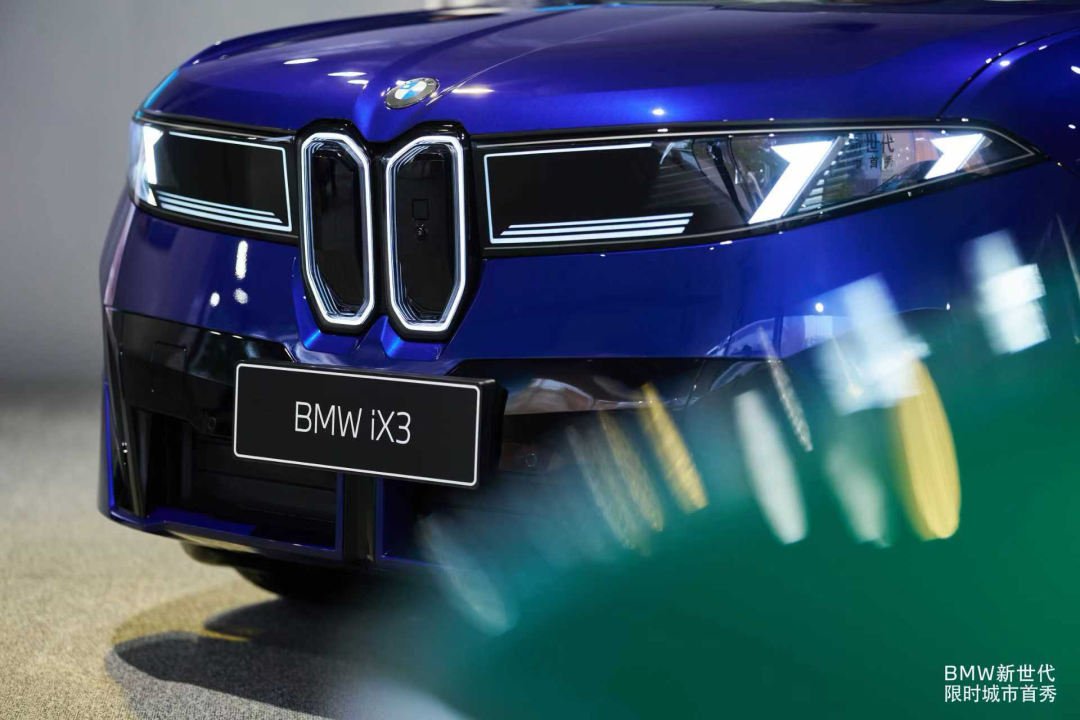
In BMW's plan, the automotive business margin target for 2028 is 3%–5%. This means the Neue Klasse models must win "another round" of transformation.
Starting from July this year, BMW fully discontinued production of all CLAR-platform pure electric models including the domestically produced i3, i5, and iX1. This is not only a product generational change, but also BMW's proactive choice to corner itself, and a thorough negation of BMW's "oil-electric coexistence" approach.
BMW has decided to start this comprehensive revolution from the Chinese market. This is the frontline of competition. Therefore, from pricing to sales methods, BMW is adjusting the way it competes in the Chinese market.
This will create another painful period: the channel.
Fully implementing a "one-price" sales model for pure electric vehicles means taking pricing power back from dealers and transitioning to an agency or direct-sales model. The previous channel model will inevitably go through a painful period of "survival of the fittest."
With the launch of the Neue Klasse models, the test follows. After all, the new forces who currently hold the right to serve rose to prominence over ten years, not by winning with one or two cars, but by relying on a system that is already up and running.
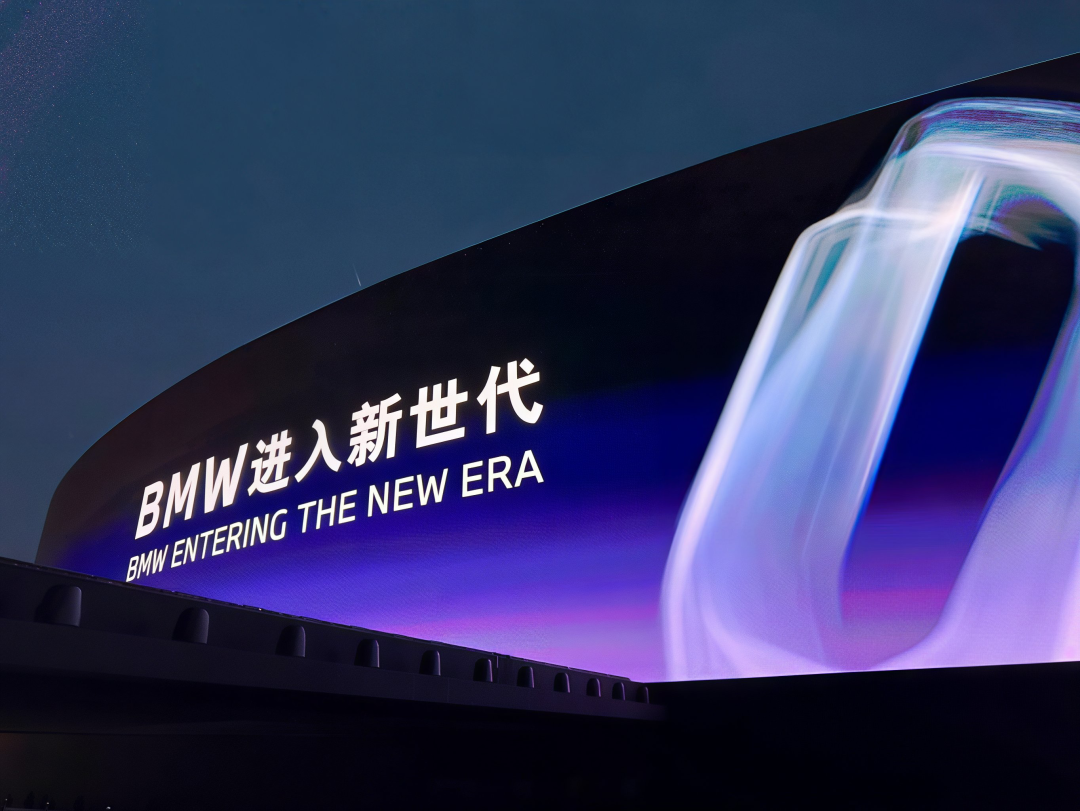
This new battle will test whether BMW's system capabilities are sufficient to support issues such as "global factory transformation, battery supply chain coordination, software architecture stability, cost control, and production ramp-up efficiency"—all of which will become the real variables determining success or failure.
In other words, having missed the starting advantage and taken wrong directions mid-race, BMW is now staking everything on the "Neue Klasse," and what it must complete is a major exam in "systematic warfare," rather than simply launching a good car.
BMW has no room for error.
Note: Some images are from the internet. If there is any infringement, please contact us for removal.
-END-
-
![]()
Five Charts Show China's Auto Exports Soaring | Total Volume, Automakers
-
![]()
Half of the Second-Tier Luxury Brands Are Already Preparing to Exit the Field, Yet Lincoln Wants to Bet on the EX8
-
![]()
BMW: No Room for Error
-
![]()
October SUV Sales Roundup: Yuan UP Takes the Crown as Three Fuel Vehicles Secure Top Ten Spots
-
![]()
New Energy Rides the Wave, While "Old Energy" Drifts
-
![]()
Ten Questions on Intelligent Organizations: If the Decision-Makers Don't Change, It's Still the Same Old Factory
-
Kaojiang Embraces AI: A Deep Empowerment Journey Begins
-
When Will Interstellar Glory Hit the Bullseye with a Single Shot?