Caught Between Blocking BYD and Letting Tesla Thrive: Korean Automakers' Glory Days Are Gone
 11/18 2026
 556
New energy is here to stay, and the glory of South Korean automobile manufacturing has faded.
Although South Korea's auto market has no formal trade protectionism, under the long-term subtle influence of national consciousness, it has long been monopolized by domestic manufacturers.
Walking the streets of Seoul, almost all you see are Hyundai and Kia, with very few foreign brands. But with the surge in international oil prices, new energy vehicles—especially pure electric models—have finally emerged from the trough in the South Korean market and ushered in a strong recovery.
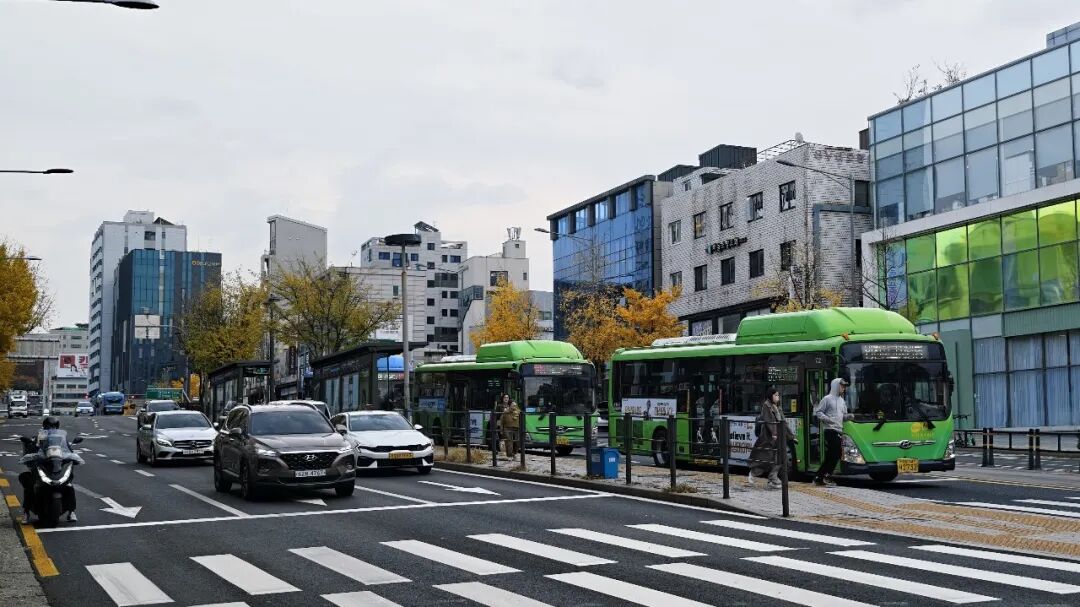
However, while pure electric models are selling well, domestic brands are being overtaken by overseas models, and the closed monopoly market formed over a long period is being broken.
More importantly, even as the South Korean government tries every possible means to protect domestic manufacturing, it cannot stop the impact from Chinese manufacturing.
Under the influence of high oil prices, the South Korean auto market is accelerating its reshuffle.
With new energy past the halfway mark, South Korea's auto industry has only its pride left
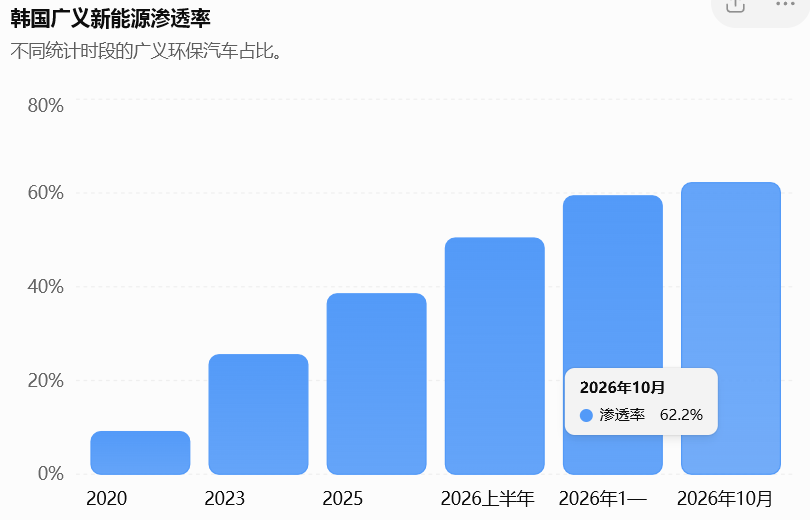
According to the assessment report released by the National Assembly Budget Office (NABO) of South Korea on November 16, 2026, and statistics from the Korea Automobile & Mobility Association (KAMA), in the first ten months of this year, the broad new energy penetration rate exceeded 59.4%, and the pure electric vehicle penetration rate exceeded 24.4%, setting a new historical record.
For a long time, South Korea's auto market has been a stock market. Since new vehicle registrations exceeded 1.76 million in 2023, they have stayed below 1.7 million for the next two years, and the penetration rate of pure electric vehicles has also remained at a low level of 10%.
Especially after the Incheon electric vehicle spontaneous combustion incident in August 2024, pure electric vehicles faced a decline. That year, pure electric vehicle sales fell by nearly 10%, and the penetration rate dropped to 8.9%.
Although the South Korean government began subsidizing pure electric vehicles in 2021, limited by issues such as price, range, and charging convenience, there are still huge obstacles for consumers.
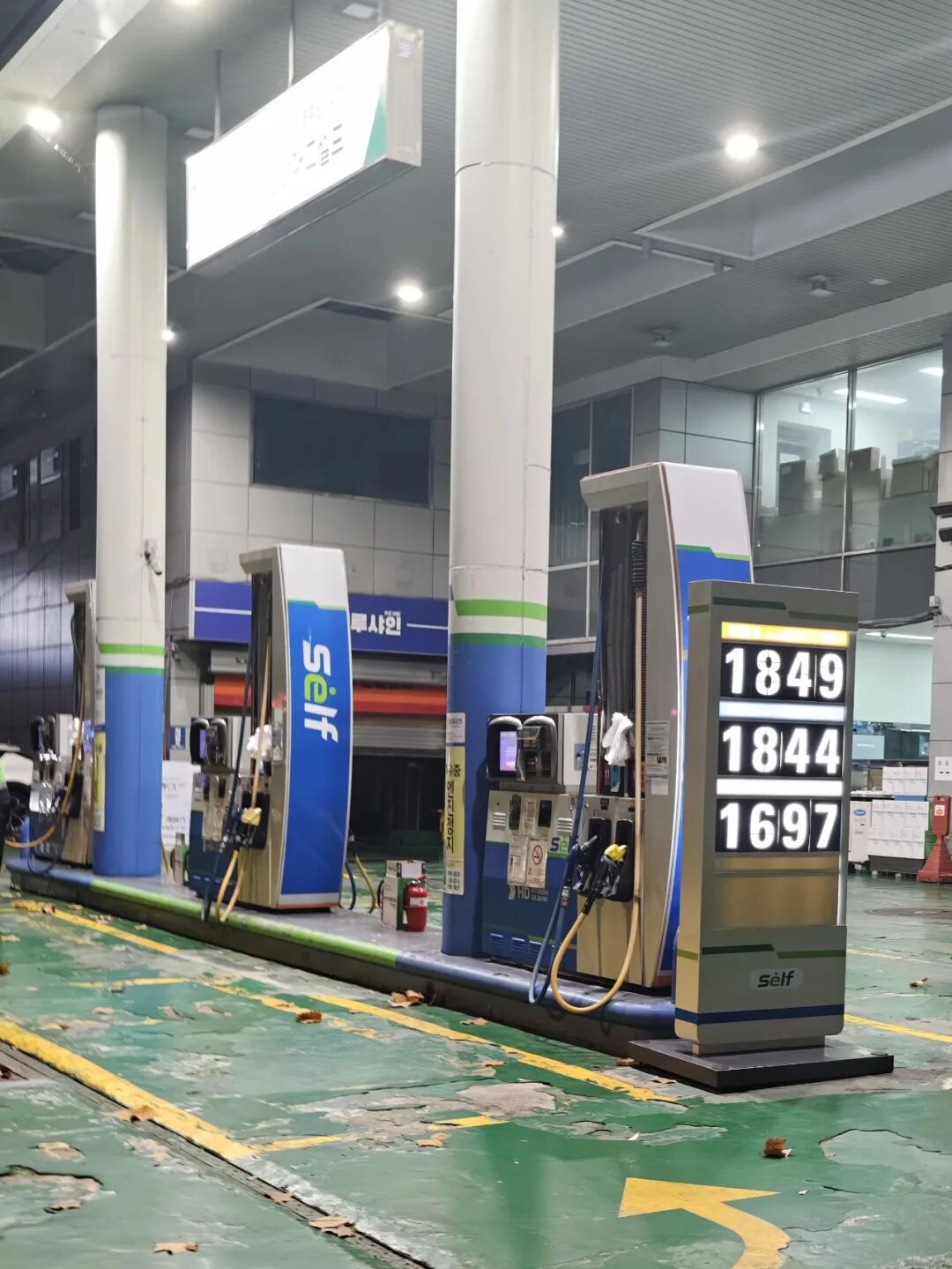
As tensions in the Middle East intensified in early 2025, global oil prices soared. Oil prices in Seoul, South Korea, once exceeded 2,000 Korean won (about 9.98 yuan), directly driving sales of pure electric vehicles.
According to KAMA statistics, in 2025, South Korea's pure electric vehicle registrations rose from less than 150,000 the previous year to 221,000, and the penetration rate exceeded 10% to reach 13%, also driving South Korea's new vehicle registrations up by more than 50,000.
Entering 2026, the South Korean auto market has ushered in an accelerated reshuffle. On the one hand, on top of the original electric vehicle subsidies, the government added a subsidy for replacing electric vehicles, with a maximum subsidy of 1 million Korean won per vehicle. On the other hand, the South Korean government has set an ambitious zero-emission vehicle sales target, planning to achieve a 50% sales share by 2030.
To achieve this goal, the South Korean government plans to invest 545.7 billion Korean won to build more than 70,000 charging facilities in total.
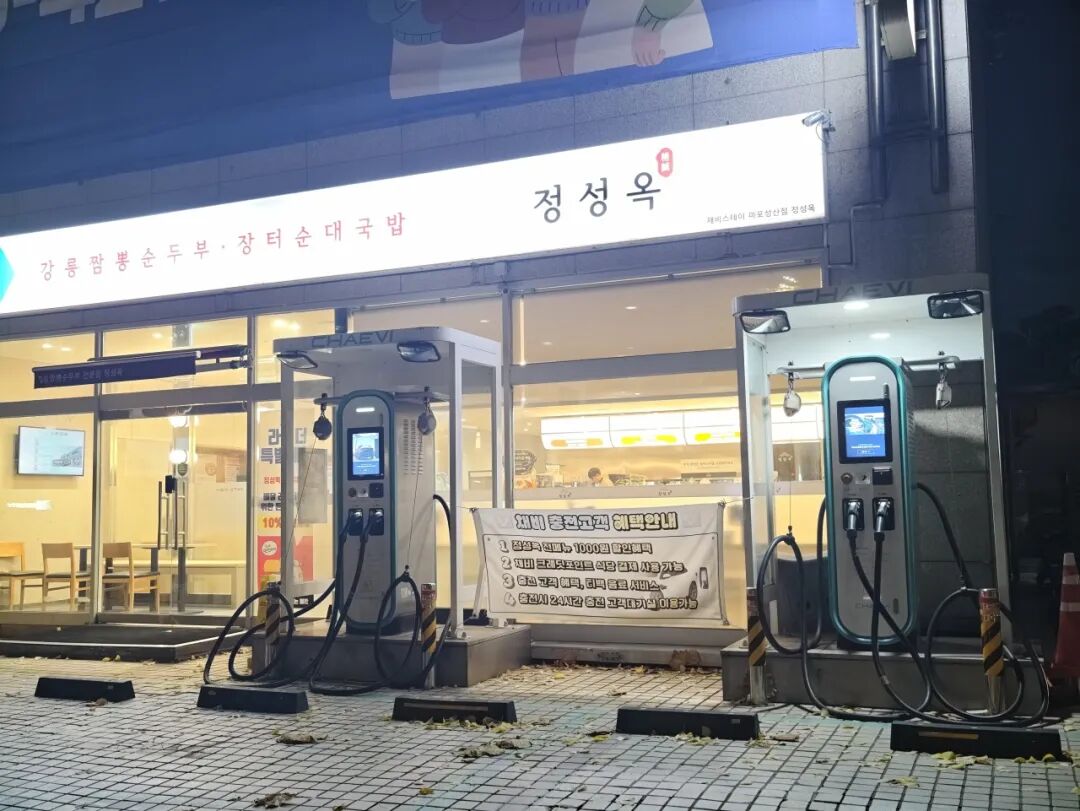
Driven by high oil prices and a series of policies, South Korea's pure electric vehicle sales have accelerated. In the first half of this year, 199,000 new vehicles were registered, with a year-on-year growth rate of over 110%. In contrast, gasoline vehicles fell by 14.6% year-on-year, and HEVs fell by 0.6% year-on-year.
This change has also altered the layout of South Korea's auto market. Data shows that as of the first half of 2026, among new vehicle registrations, the share of gasoline vehicles dropped to 39%, and the share of broad new energy vehicles, including HEVs and hydrogen fuel cell vehicles, exceeded half, reaching 50.4%.
At the same time, the sales gap between pure electric vehicles and HEVs is constantly narrowing. Specifically by brand, Kia still maintains the top sales position with a market share of 35.4%, but Hyundai Motor's growth has slowed and it has been surpassed by Tesla, with its market share dropping from 25.2% to 19.6%.
More importantly, with BYD's expansion in the South Korean market, the share of imported car sales in South Korea rose from less than 20% to 23%, among which the share of pure electric models was close to 50%, breaking the long-standing closed situation.
However, in the face of the surge in imported new energy vehicles, the South Korean government quickly took measures, trying to use administrative means to block the penetration of imported electric vehicles.
Excluding BYD will not stop Tesla
First, look at a set of data. In October 2026, Tesla's sales in South Korea were 9,165 vehicles, making it the top-selling imported car brand for the ninth consecutive month.
At the same time, BYD's sales in the South Korean market surged by 770% in the first half of 2026, with registrations reaching 11,667 vehicles and a market share of 5.9%, averaging about 2,000 vehicles per month.
But on June 30, South Korea's Ministry of Climate, Energy and Environment announced the list of electric vehicle subsidy eligibilities for the second half of the year. BYD failed the comprehensive review and became the only passenger car company not selected; Tesla, BMW, Mercedes-Benz, Hyundai, Kia, Renault Korea, KG Mobility, as well as Volvo and Polestar were all included.
Starting from July 1, newly registered BYD models no longer enjoy government purchase subsidies.
On the surface, the South Korean government found a suitable excuse for this list revision by revising the new subsidy evaluation system and raising the weight of supply chain contribution to 40%. BYD was excluded from the subsidy list precisely because of this item, but power batteries produced in Japan were recognized.
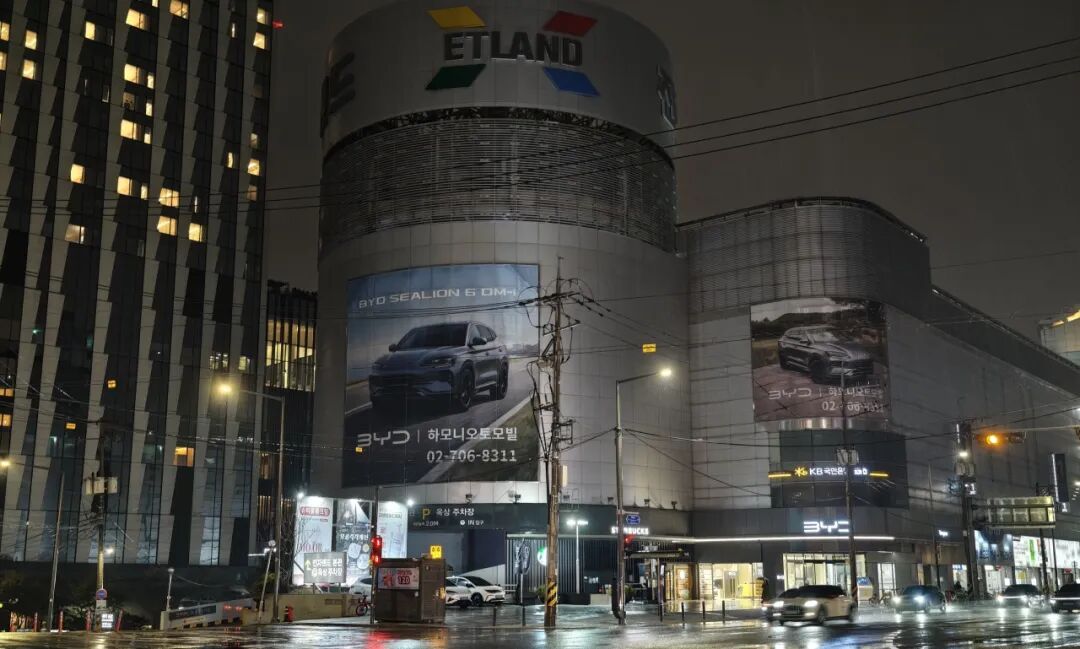
Just two days before the subsidy list was announced, BYD launched the Sealion 6 DM-i plug-in hybrid model in Busan, priced at 37.5 million Korean won, clearly targeting Korean consumers' preference for hybrids and trying to use plug-in hybrids as an alternative path after pure electric subsidies were blocked.
The short-term effect of this policy combination is direct. After BYD lost subsidies, the actual purchase cost of its models in South Korea rose, and price competitiveness was weakened. Data shows that BYD's sales in South Korea in October were 1,594 vehicles, a month-on-month decline.
According to staff at a BYD store in Seoul, monthly sales are currently maintained at 40-50 vehicles, and the cancellation of subsidies has indeed had some impact on sales.
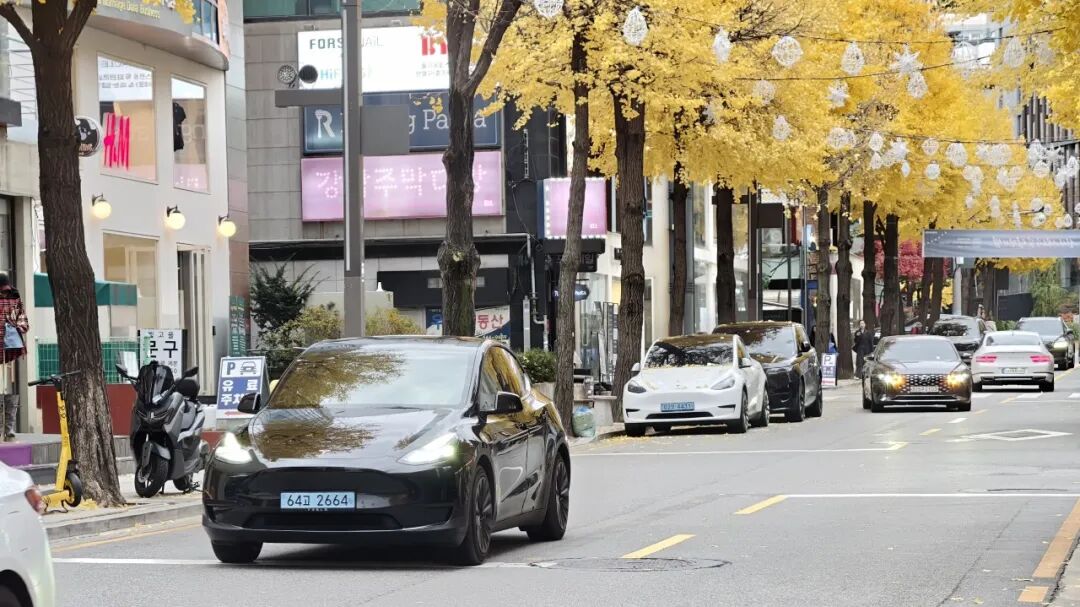
However, the South Korean government can only prevent BYD's rapid growth, but cannot truly shake the penetration of China's entire new energy industry. Tesla, made in China, is becoming South Korea's most popular electric vehicle.
The Tesla Model Y, starting at 49.9 million Korean won, is still a dimensional strike for the South Korean market. After including subsidies, the actual purchase price in some regions can drop to around 45 million Korean won.
Facing Tesla's strong offensive, and under the deterrence of U.S. forces stationed in South Korea, the South Korean government does not dare to adopt the same strategy as it did with BYD, and can only rely on Hyundai and Kia to compete for the market. Hyundai and Kia can only respond with a combination of price and finance, lowering the prices of models such as IONIQ 5, IONIQ 6, EV3, and EV5, while simultaneously launching low-interest plans.
But with Tesla backed by the advantages of China's new energy supply chain, simply cutting prices only puts more pressure on itself. Data shows that Hyundai Motor's operating profit margin in the first half of 2026 was about 5.6%, below the lower limit of its full-year target range.
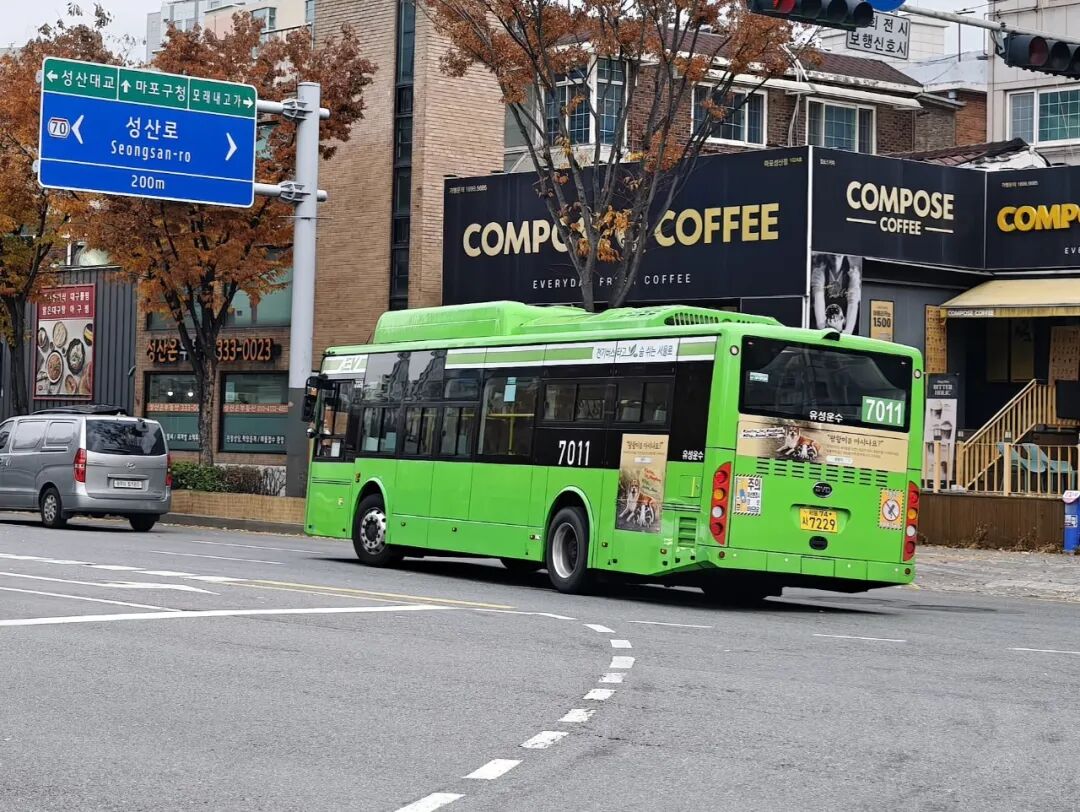
A price war can protect sales figures in the short term, but it cannot protect the profit structure and the space for industrial upgrading.
After years of industrial layout, South Korea's auto market has developed more around fuel vehicles. Among South Korea's approximately 21,000 auto parts companies, only 578 specialize in new energy parts, and only 6.1% of companies say they are promoting transformation. The main obstacles are financing difficulties, lack of technological competitiveness, and insufficient talent.
For example, in the field of power batteries, although South Korea has three major battery companies—LG Energy Solution, Samsung SDI, and SK On—it still has not been able to manufacture products such as lithium iron phosphate batteries, and its competitiveness is far lower than that of CATL and FinDreams.
Although the South Korean market has slowed the short-term pressure on domestic brands through policies, in the long run it is still difficult to prevent the penetration of imported new energy vehicles. If breakthroughs cannot be achieved in the industrial chain, South Korea's 1.7 million vehicle market will ultimately be breached by imported electric vehicles.
Note: Some images are from the internet. If there is any infringement, please contact us for deletion.
-END-
-
![]()
Share Link Won't Open: Tracing a URL Parameter Placement Bug
-
![]()
BAIC Group | October Terminal Sales: Product Mix Across Four Brands and 31 Models
-
![]()
Mercedes-Benz China Retail Sales in October: 28,820 Units — How Did Beijing Benz and smart Perform?
-
![]()
Tesla Invests €3 Billion to Upgrade German Factory, Sells Robotaxi — but You Still Pay Monthly to Drive
-
![]()
ARCFOX Slashes Huawei Smart Driving Threshold to the 150,000 Yuan Mark
-
![]()
The Korean Car Conundrum: Boxed In by the Supply Chain, Outmatched in Overseas Markets
-
Has Apple Really Cured the "Rogue App" Epidemic Among Domestic Apps?
-
![]()
AI Short Dramas: A Successful Capital Relocation?