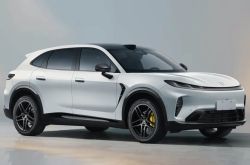
ARCFOX Slashes Huawei Smart Driving Threshold to the 150,000 Yuan Mark
 11/18 2026
 328
Lead
ARCFOX has begun deliveries of its Alpha T7, a mid-to-large five-seat SUV priced from 136,800 to 172,800 yuan across nine configurations—or from 132,800 yuan after subsidies. Measuring 5,020 mm long with a 3,040 mm wheelbase, the T7 offers Huawei Qiankun ADS 5 Pro (with urban NCA) from the MAX Qiankun trim upward. The pure electric version delivers a maximum CLTC range of 715 km, while the extended-range version offers 320 km of pure electric range and 1,315 km combined. According to the company, presale orders exceeded 60,000 in 21 days, with more than 30,000 locked-in orders placed within one hour of launch.
Produced by | Heyan Auto Review Studio
Written by | Cai Yan
Edited by | He Zi
1,910 words in total
3 minutes to read
By pushing the entry point for a 5-meter-class vehicle equipped with Huawei smart driving into the 130,000 yuan range, the ARCFOX T7 enters the market with a highly aggressive posture. That said, the actual entry threshold for Huawei Qiankun ADS 5 Pro remains stuck at 158,800 yuan. Lowering expectations with the entry version while relying on the high-end version for profit is a conventional playbook for mature automakers. The real suspense is not how ARCFOX plays its cards, but how the strong rivals already entrenched in this segment will fight back once this car forcibly squeezes into the 150,000-level market.
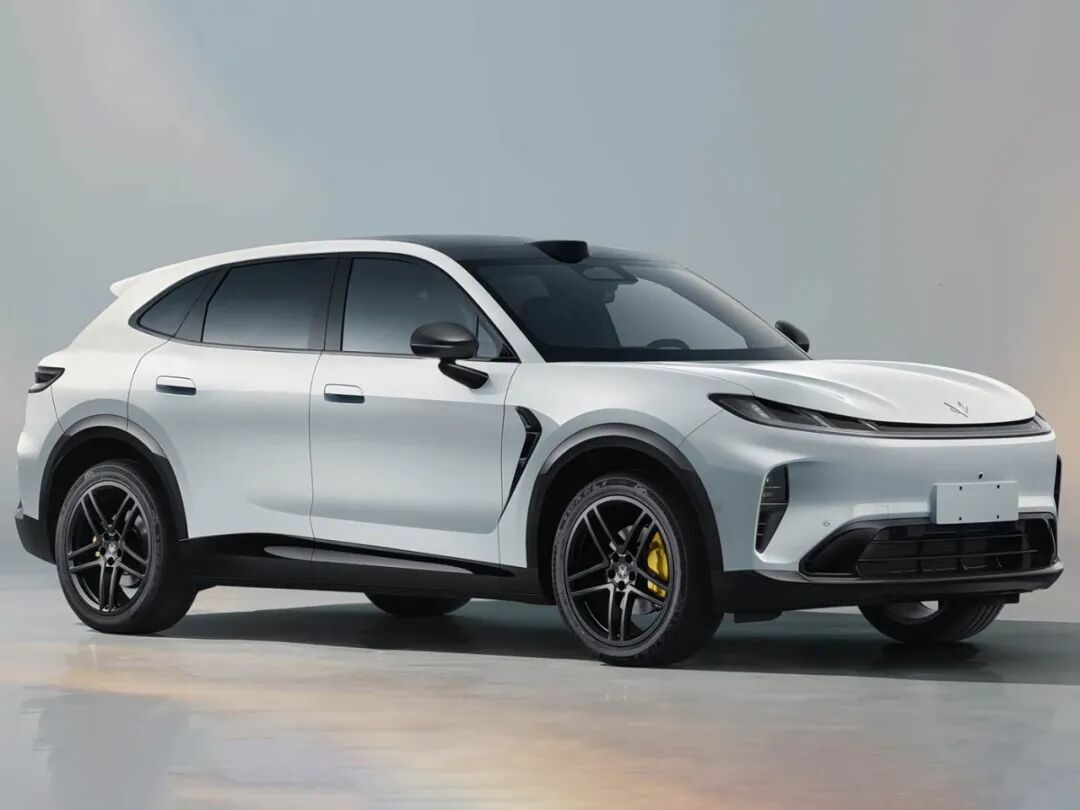
△ARCFOX Alpha T7 starts at 132,800 yuan after subsidies
Has ARCFOX Pulled Down Huawei Smart Driving's "Price Anchor"?
To understand the impact of the ARCFOX T7, one must first grasp where Huawei Qiankun ADS 5 Pro sits on the price spectrum in 2026. Among models equipped with the same system, the Dongfeng Yipai M8 carries a standard-equipment threshold of 169,800 yuan across the lineup, the Deepal G318 starts at 196,800 yuan, and the Voyah FREE+ is priced at 229,900 yuan. The MAX Qiankun version of the ARCFOX T7 drags this threshold down to the 150,000 level—153,800 yuan for the extended-range version and 158,800 yuan for the pure electric version, roughly 15,000 yuan below the Yipai M8 and more than 40,000 yuan below the Deepal G318. Within Huawei's smart driving ecosystem, the 150,000-level Deepal S07 comes equipped with the ADS SE basic version, which lacks urban NCA; to obtain urban NCA capability, the Deepal S07 AI Laser version starts at a limited-time price of 149,900 yuan, but it adopts a self-developed one-stage end-to-end solution rather than Huawei Qiankun. The ARCFOX T7 Qiankun version, at a similar price, offers the complete ADS 5 Pro hardware suite—27 sensors including a hidden lidar, with forward AEB capable of stopping at speeds up to 130 km/h. This is not a case of "Huawei smart driving becoming cheaper," but rather ARCFOX choosing to forgo both the size premium and the brand premium of a mid-to-large SUV in exchange for a place on mainstream family car-buying lists.
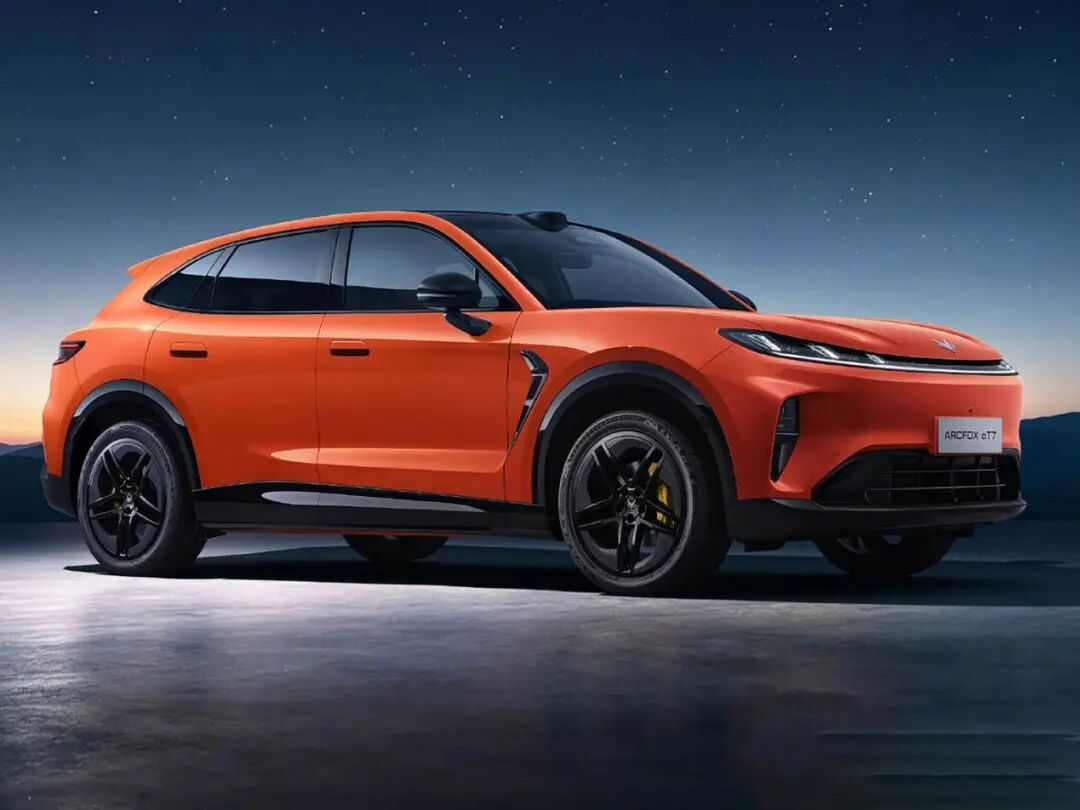
△Huawei smart driving's "price anchor" has been pulled down by ARCFOX
What this pricing directly squeezes, first and foremost, are independent competitors at the same price point. The Leapmotor C16 starts at 145,800 yuan, with a 128-line lidar and Qualcomm 8650 chip as standard across the lineup, following a full-domain self-developed cost-effectiveness route—and it has topped sales among mid-to-large SUVs under 200,000 yuan for 14 consecutive months. The Deepal S07 sits in the 149,900 to 176,900 yuan range, using the ADS SE version to guard the entry level and the ADS 4 Pro laser version to guard the high end—the latter starting at a limited-time price of 154,900 yuan, equipped with Huawei Qiankun ADS 4 Pro enhanced version plus 27 sensors, supporting urban NCA. The ARCFOX T7 is noticeably larger than both—5,020 mm versus the Leapmotor C16's 4,915 mm and the Deepal S07's 4,750 mm, with a 3,040 mm wheelbase versus 2,825 mm and 2,900 mm. When a contender "a class larger" carrying the Huawei ADS 5 Pro badge enters the same price band, both the Leapmotor C16's "self-developed equality" narrative and the Deepal S07's "Huawei entry" positioning take a hit. The ARCFOX T7's pricing is not simply "trading price for volume"; it reveals a deeper trend: the hardware cost of Huawei Qiankun ADS 5 Pro is falling rapidly, and ARCFOX has chosen to be among the first to translate that cost decline into end prices.
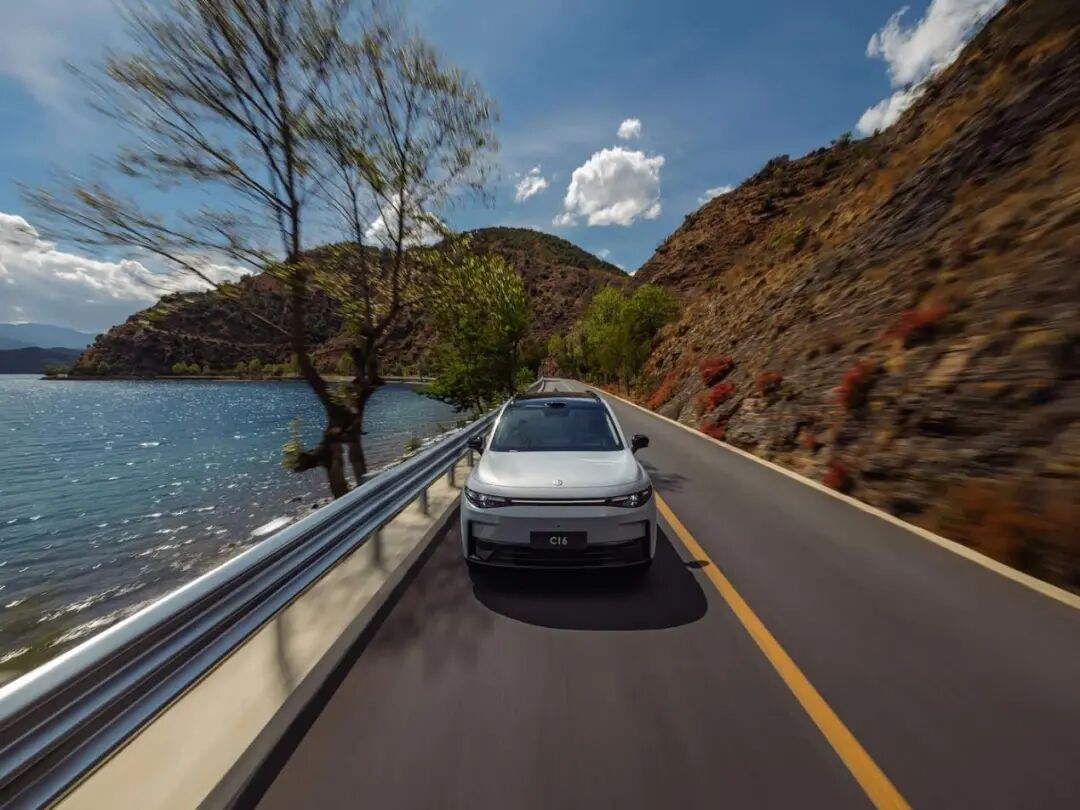
△The Leapmotor C16 follows a full-domain self-developed cost-effectiveness route
After 60,000 Orders, What ARCFOX Needs to Improve Isn't on the Configuration Sheet
The ARCFOX T7's configuration list is indeed impressive, but behind the 60,000 presale orders and 30,000 locked-in orders, two variables warrant a calm assessment. The first is order quality. The 132,800 yuan entry PLUS version offers only basic L2 assisted driving, while the Qiankun version truly equipped with Huawei ADS 5 Pro starts at more than 153,800 yuan. Yet October data shows that the Qiankun version accounts for over 60% of orders, with users under 35 making up over 63%—indicating that the actual transaction mix is healthier than the usual tactic of "lowering the psychological threshold with an entry price."
The second variable is ARCFOX's channel capacity. ARCFOX currently has more than 710 stores nationwide, covering 262 cities, but compared with the scale of BYD and Leapmotor's two to three thousand outlets, coverage density still lags. Whether 60,000 orders can be converted into 60,000 deliveries depends on production ramp-up and whether stores can simultaneously handle test drives, financing, trade-ins, and after-sales during the delivery peak. ARCFOX has introduced a delayed delivery compensation policy—150 yuan per day for waits exceeding 21 days, capped at 3,000 yuan—showing that the company is well aware of the considerable delivery pressure.
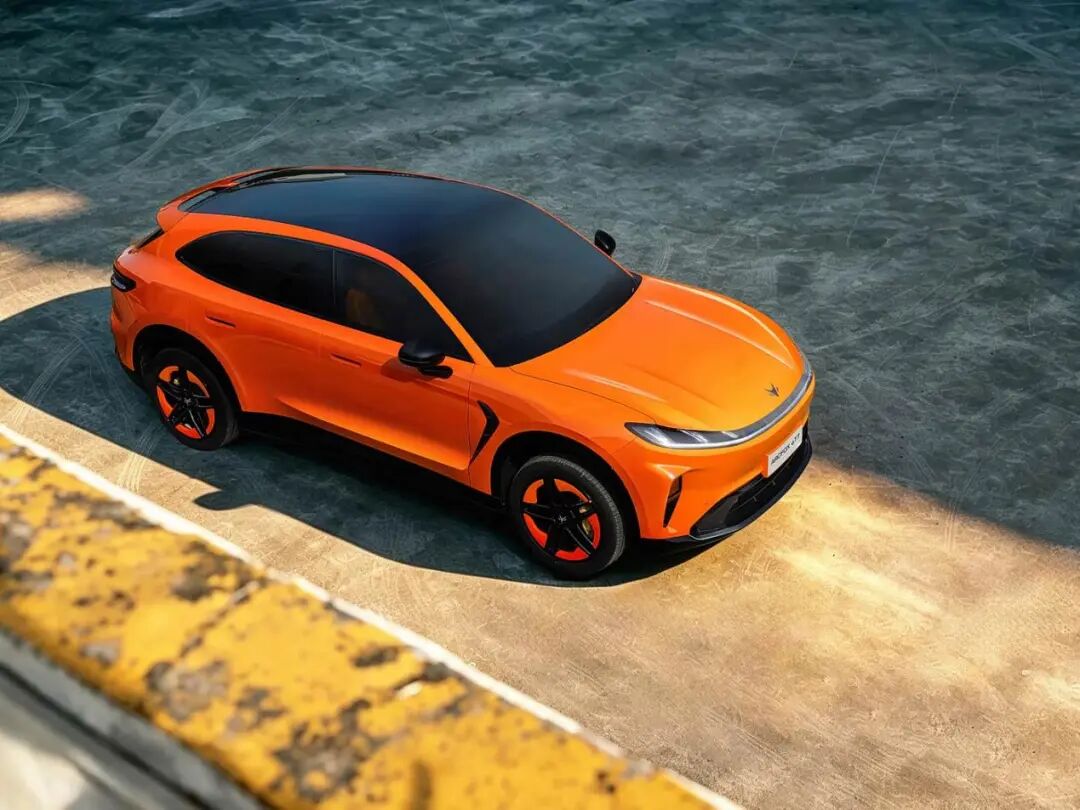
△ARCFOX store coverage density needs improvement
A deeper issue is ARCFOX's brand role. The Alpha T7 is not a car "defined by ARCFOX"—Huawei provides the smart driving, CATL provides the batteries, Magna provides chassis tuning, and what ARCFOX does is closer to system integration and cost control. This is not a shortcoming in itself. In 2026, with a highly mature supply chain, being able to integrate top suppliers' solutions into a 5-meter-class SUV at the lowest cost is an underrated capability. But it also means ARCFOX will find it hard to build an irreplaceable brand moat with the T7: with the same Huawei smart driving, the Yipai M8 offers a six-seat layout and HarmonyOS cockpit (Qiankun version), the Deepal G318 has boxy styling, four-wheel drive, and light off-road attributes, and the Voyah FREE+ features air suspension (four-wheel-drive sport version) and dual motors. The T7's differentiation lies in "large and comprehensively cost-effective," and cost-effectiveness is the easiest thing to be overtaken by the next even more cost-effective car.
ARCFOX delivered a cumulative 80,581 units in the first half of the year, a year-on-year increase of 65.88%. The growth rate is not low, but the base remains relatively small—26,325 units in October alone, and 161,800 units cumulatively in the first 10 months. The T7's mission is not to turn ARCFOX into a first-tier brand, but to give ARCFOX a sufficiently large user base in the 150,000-level market, so that subsequent model iterations and channel expansion have a foothold to stand on.
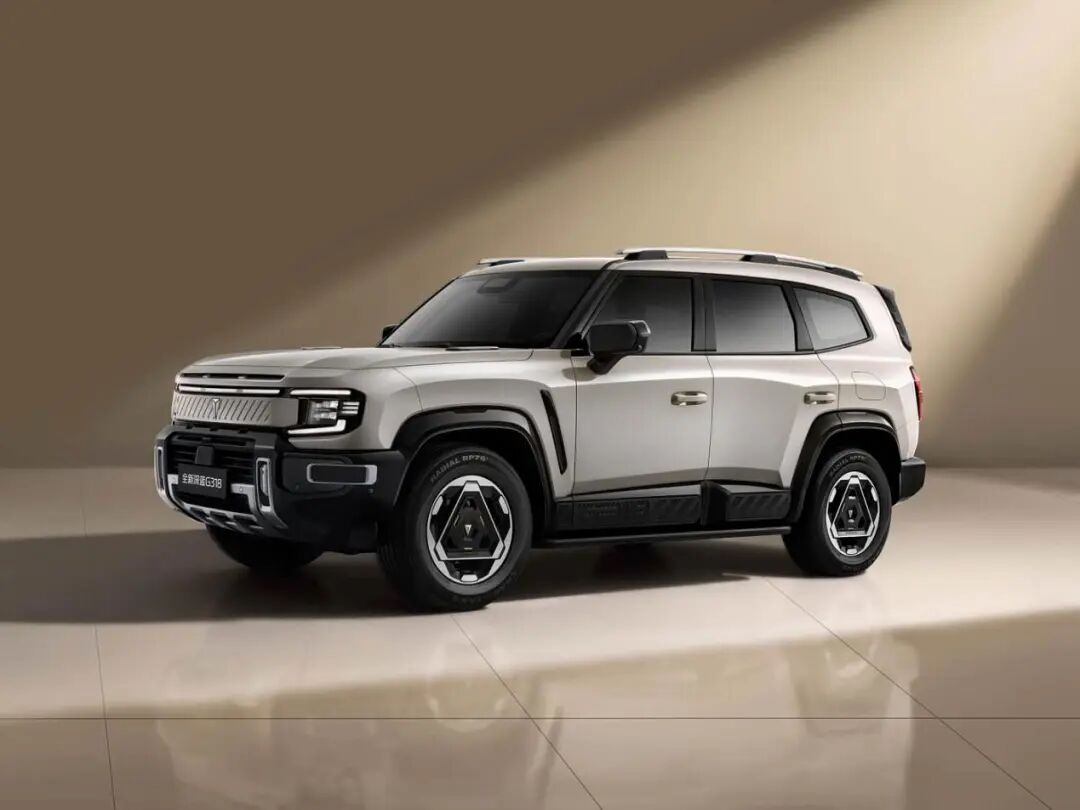
△The Deepal G318 has boxy styling, four-wheel drive, and light off-road attributes
Commentary
The ARCFOX T7 has dragged the threshold of Huawei Qiankun ADS 5 Pro into the 150,000 level, and this fact itself carries more weight than the 60,000 orders. Hardware parity is only an admission ticket; experience parity is the real decisive factor—when the available range of urban NCA, takeover frequency, and parking experience become daily topics passed along by word of mouth, what ARCFOX needs to prove is no longer how long the configuration sheet is, but whether, once that Magna chassis and Huawei algorithms are welded together, it actually drives like the most worthwhile choice among 150,000-level cars.
(This article is original to "Heyan Auto Review" and may not be reproduced without authorization)
-
![]()
Share Link Won't Open: Tracing a URL Parameter Placement Bug
-
![]()
BAIC Group | October Terminal Sales: Product Mix Across Four Brands and 31 Models
-
![]()
Mercedes-Benz China Retail Sales in October: 28,820 Units — How Did Beijing Benz and smart Perform?
-
![]()
Tesla Invests €3 Billion to Upgrade German Factory, Sells Robotaxi — but You Still Pay Monthly to Drive
-
![]()
ARCFOX Slashes Huawei Smart Driving Threshold to the 150,000 Yuan Mark
-
![]()
The Korean Car Conundrum: Boxed In by the Supply Chain, Outmatched in Overseas Markets
-
Has Apple Really Cured the "Rogue App" Epidemic Among Domestic Apps?
-
![]()
AI Short Dramas: A Successful Capital Relocation?