The Korean Car Conundrum: Boxed In by the Supply Chain, Outmatched in Overseas Markets
 11/18 2026
 481
Introduction | Lead
China's automotive supply chain is rising fast and reshaping the competitive landscape of the global auto industry. For Hyundai-Kia, the real challenge is no longer product competition alone, but a wholesale overhaul of its supply chain system, cost structure, and global competitive strategy.
Produced by | Heyan Yueche Studio
Written by | Zhang Dachuan
Edited by | He Zi
Full text: 2,781 words
Reading time: about 4 minutes
As standard-bearers for Korean automotive brands, Hyundai and Kia find themselves at a new crossroads in the Chinese market.
△ Hyundai-Kia Group is struggling in the Chinese market
In September this year, combined retail sales for Hyundai and Kia in China totaled roughly 9,000 vehicles, down 39% year-on-year—the first time this year that monthly sales for the two brands fell below 10,000. Hyundai sold about 4,000 vehicles, down 47%; Kia sold about 5,000, down 31%. For the first nine months of the year, cumulative Hyundai-Kia sales in China came to about 115,000 vehicles, a 22% decline year-on-year.
The contrast with the group's former standing could hardly be starker. In 2016, Hyundai Motor Group (including Hyundai and Kia) sold a combined 1.788 million vehicles in China, with market share at one point exceeding 8%. To fall from a market of over a million vehicles a year to monthly sales below 10,000 is a story not just of declining volume, but of deeper challenges in brand positioning, product competitiveness, and future direction.
Beijing Hyundai's revival plan loses its champion
Beyond the sales slide, there is another blow: Li Fenggang, the former Audi executive brought in as a key piece of Hyundai's localization push, has left his post as general manager of Beijing Hyundai after just one year—casting fresh doubt on the company's revival prospects. The past two years should have been the critical window for Li to exercise his full capabilities and drive Beijing Hyundai's transformation.
In October 2025, Beijing Hyundai unveiled its "Smart Start 2030 Plan," pledging to launch 20 new products over the next four to five years and to reach annual sales of 500,000 vehicles within five years. The first of these, the EO Yio all-electric SUV, launched in October 2025.
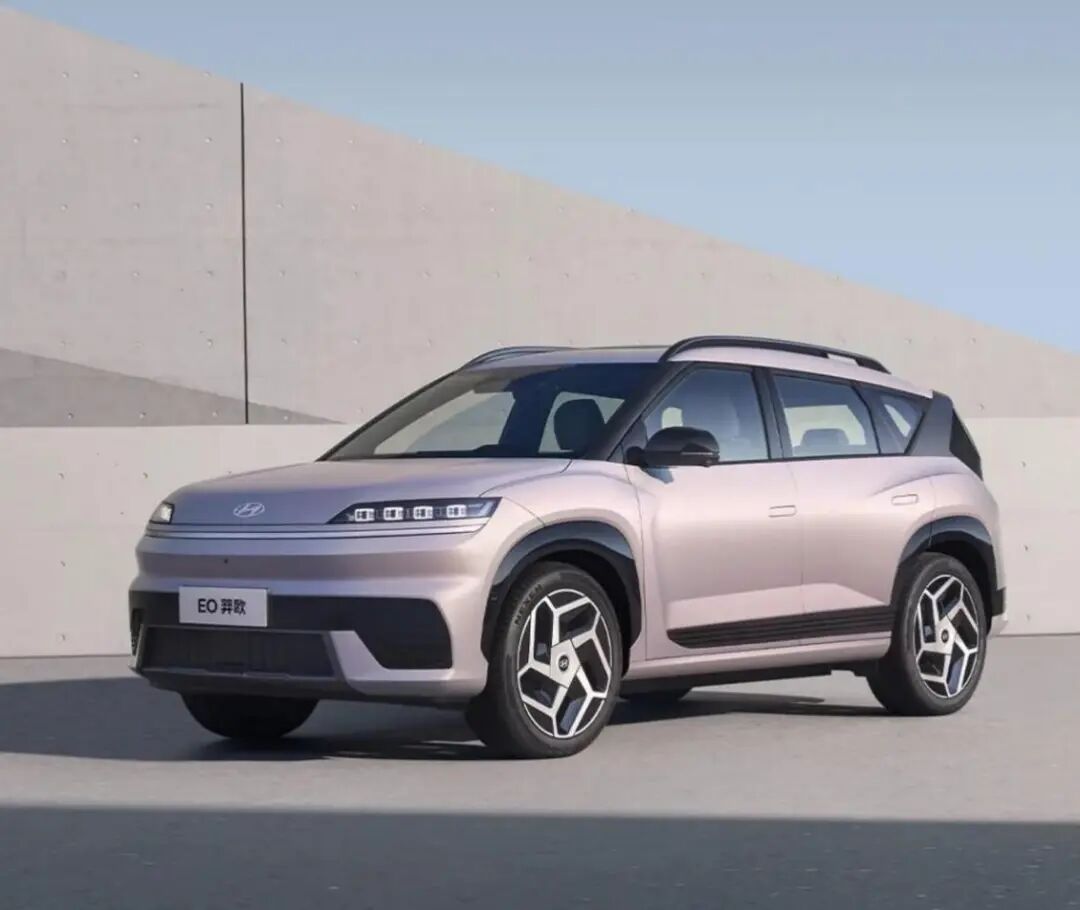
△ Sales of Beijing Hyundai's first all-electric SUV have been lackluster
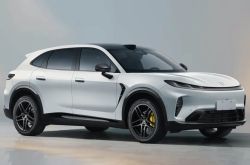
In April this year, Hyundai's premium EV brand IONIQ officially entered the Chinese market, with its first model, the Ioniq V, launching on September 29. The car packs CATL batteries, Momenta driver-assistance technology, and Qualcomm's Snapdragon 8295 chip—a spec sheet with no obvious weak spots. Under the plan, Beijing Hyundai will roll out five more new-energy models in rapid succession from 2026 to 2027, all equipped as standard with L2+ advanced driver assistance.
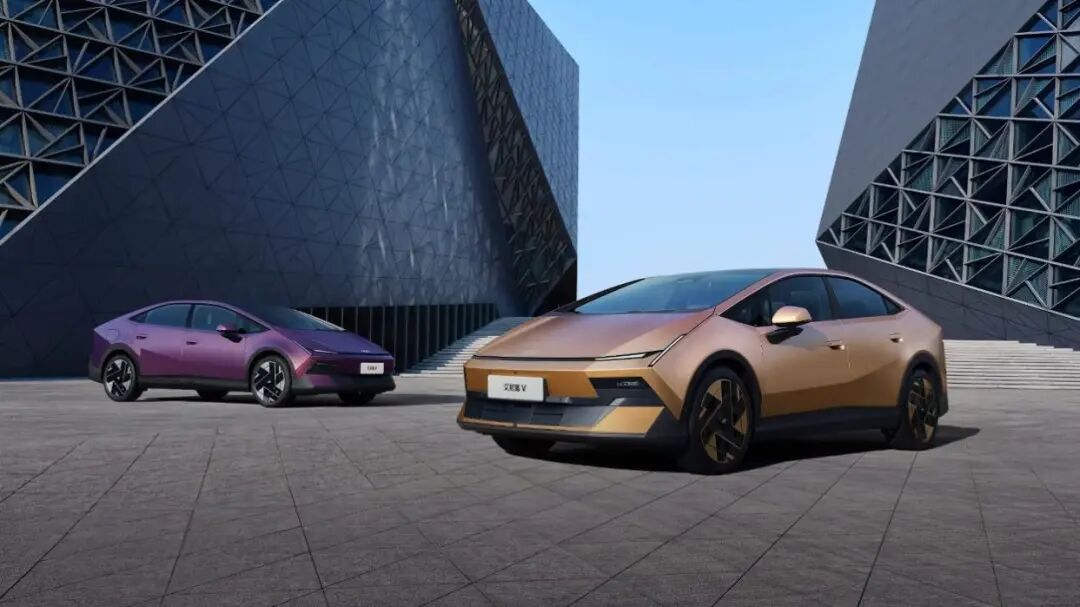
△ Beijing Hyundai has high hopes for the IONIQ brand in China, starting with the Ioniq V
Li's departure, however, has raised plenty of questions about where Beijing Hyundai goes from here. Unconfirmed reports suggest the Chinese and Korean shareholders have repeatedly failed to reach consensus on several core issues, including annual operating targets. At one point, Beijing Hyundai was reportedly unable even to issue clear sales targets and promotional policies to its dealers—conditions that made it difficult for Li to do his job, and he ultimately chose to leave early.
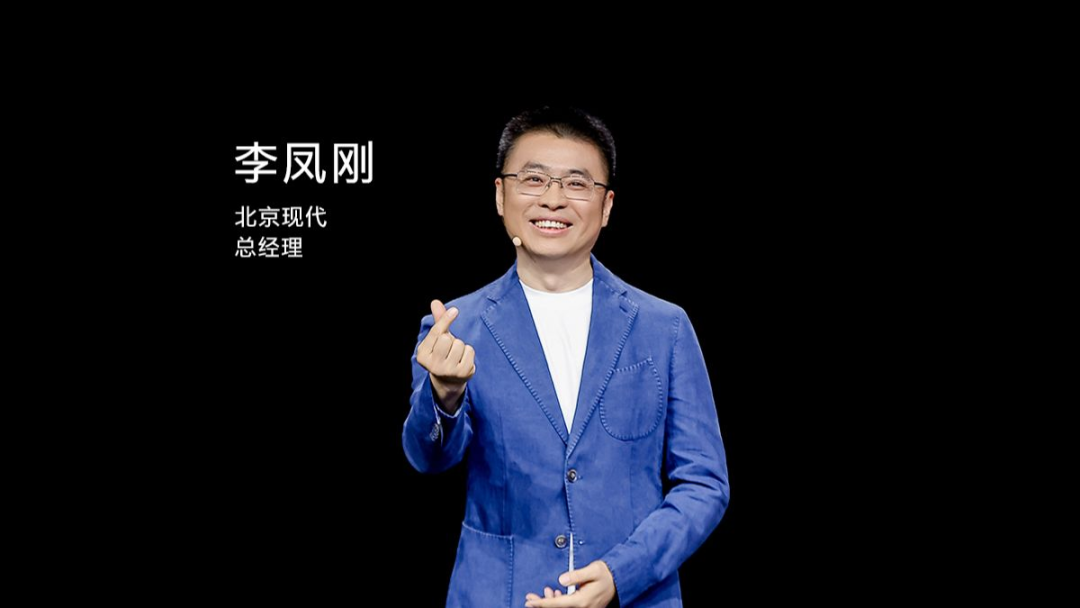
△ Beijing Hyundai chief Li Fenggang departed after just one year in the job
Other reports point to clear differences between the two shareholders over Beijing Hyundai's next-stage strategy. The Chinese side wants higher sales targets; the Korean side would rather protect profit and accept some sacrifice in short-term volume. The resulting tug-of-war left Beijing Hyundai unable to settle on company-wide operating targets and sales policies for an extended period, leaving dealers without clear sales guidance. Under those circumstances, the continued sales decline is hardly surprising. It was not until September that the two sides reached consensus again—setting a full-year sales target of about 160,000 vehicles and capping losses at around 1.9 billion yuan. But for Beijing Hyundai and its dealers, after such a long internal standoff, this year's valuable market window has likely already closed.
Korean cars need a radical transformation
If Korean automakers want to regain sales momentum in China, the first problem to solve is probably not product design or R&D—it's the supply chain.
Chinese independent brands have risen rapidly in recent years. Beyond seizing the initiative in the "three electrics" (battery, motor, and electronic control) and intelligent technologies, a more competitive cost structure has been key to their leapfrog development. For Hyundai-Kia, bringing in Chinese local suppliers for the three electrics and intelligent connectivity is relatively straightforward; achieving deep localization in traditional components—interiors and exteriors, chassis, and powertrains—faces far greater resistance.
Behind that resistance lies the long-entrenched interest structure of Korean automakers' supply chains. Take Hyundai Motor Group: Hyundai Mobis has long supplied core modules such as chassis and powertrains to Hyundai and Kia and is a pillar of the group's supply chain. Handing those businesses to Chinese component makers would affect not only the automaker's procurement system but the distribution of interests across the entire Korean supplier ecosystem.
△ Korean suppliers tied to Hyundai-Kia Group have become a major obstacle to Beijing Hyundai's transformation
Beijing Hyundai has tried to change. Hyundai Motor Group's 2022 social responsibility report showed that Beijing Hyundai replaced more than 30 suppliers with local companies that year. But measured against the entire supply chain system, that is still a long way from true deep localization.
The divergence in business philosophy between the Chinese and Korean shareholders is closely tied to this. The Chinese side wants to grow sales, which means product pricing must benchmark against Chinese local brands—and even undercut them. The Korean side would rather sacrifice some volume to protect profit. What it is protecting is not just the automaker's own profitability but the interests of the vast component supplier system behind it.
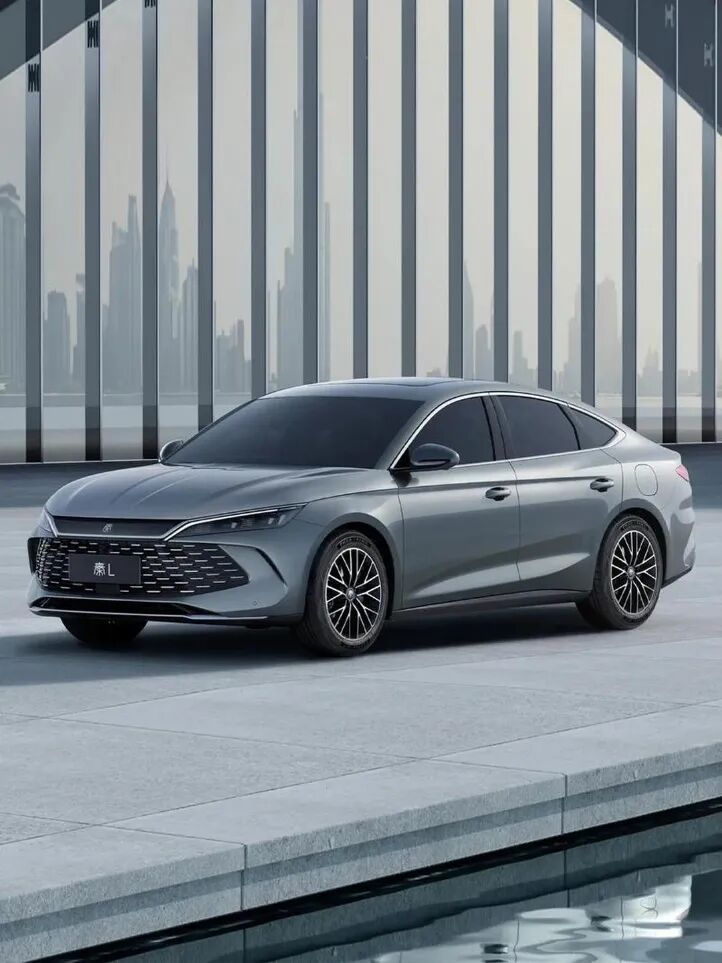
△ Without across-the-board local sourcing, Beijing Hyundai models will struggle to solve the cost-effectiveness problem
For now, Hyundai-Kia retains strong operational resilience thanks to solid global performance, and healthy profits in Europe and North America give it the wherewithal to sustain its existing supply chain system. In other words, pressure in the Chinese market is not yet severe enough to force the group into thorough reform. But as the competitiveness of China's automotive supply chain keeps strengthening, if Hyundai-Kia cannot genuinely advance supply chain reform and meaningfully cut costs, what it stands to lose may be more than the Chinese market—its global competitiveness will inevitably suffer too.
Can the reliance on exports be broken?
Beyond the supply chain, Hyundai-Kia faces another practical issue: its dependence on export business.
For the past two years, both Beijing Hyundai and Yueda Kia have treated exports as a key pillar of performance growth. In 2025, Beijing Hyundai exported about 82,000 complete vehicles, up 48% year-on-year; Yueda Kia exported about 170,000 complete vehicles. Yueda Kia also exported engines at scale, shipping 122,000 units for the full year in 2025.
Yueda Kia in particular was among the earlier joint-venture automakers in China to reap export dividends. Since launching complete-vehicle exports in 2018, its Yancheng plant has gradually evolved into Kia's global production and export base. By the end of 2025, Yueda Kia's cumulative complete-vehicle exports had exceeded 500,000 units, with products sold to numerous countries and regions worldwide.
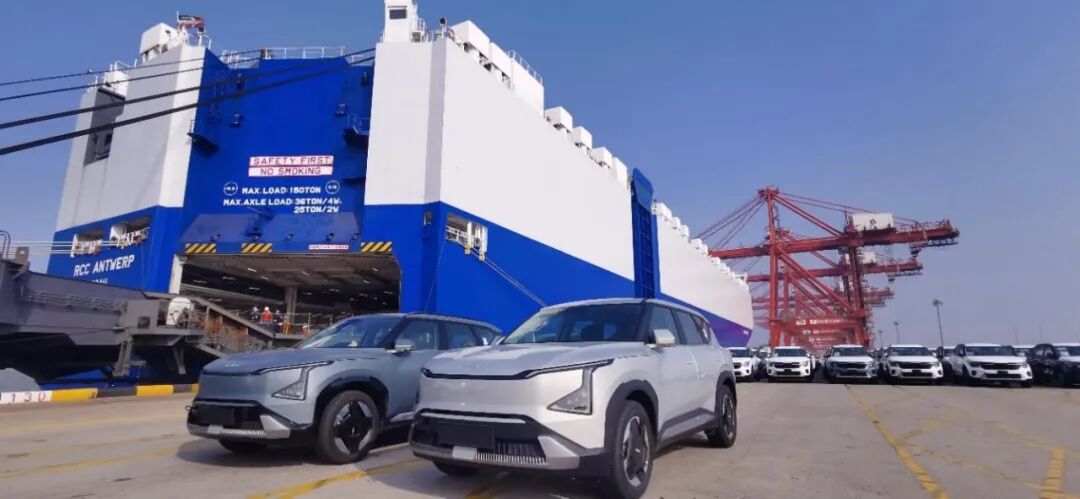
△ Vehicle and component exports have become important pillars supporting Beijing Hyundai and Yueda Kia
Leveraging China's mature supply chain and manufacturing quality on par with other plants to supply global markets is highly significant for Hyundai Motor Group's efforts to optimize its global production footprint and raise capacity utilization at its Chinese plants. In the short term, export business is also an important support for Beijing Hyundai and Yueda Kia as they ease the pressure of declining domestic sales and keep their existing production systems running.
In the long run, however, exports cannot substitute for rebuilding competitiveness at home. If Hyundai-Kia can never lift domestic sales, it will likely be difficult to reverse the marginalization of Korean brands in the Chinese market. It is worth noting that as Chinese automakers accelerate their entry into global markets, Hyundai-Kia will face intensifying competition from Chinese brands overseas as well.
In the past, Hyundai-Kia could leverage China's supply chain and manufacturing advantages to export overseas; in the future, those export markets will gradually become battlegrounds for Chinese automotive brands, and Hyundai-Kia will find itself in direct confrontation with them in global markets. If it cannot establish a competitive edge even in the Chinese market, how will it withstand the continued onslaught of Chinese brands globally?
Commentary
From an industry perspective, the difficulties Korean cars now face are also a microcosm of how traditional multinational automotive groups are being transformed in the Chinese market. Competitive barriers once built on global supply chain systems, mature manufacturing capabilities, and scale advantages are being steadily eroded by the efficiency and cost advantages of China's local automotive supply chain. For Hyundai-Kia, exports can ease short-term operating pressure but cannot replace the rebuilding of domestic market competitiveness. Real change requires not only adjusting products and pricing, but also breaking the existing supply chain interest structure and re-examining global resource allocation and the strategic positioning of the Chinese market.
(This article is original by Heyan Yueche and may not be reproduced without authorization.)
-
![]()
Share Link Won't Open: Tracing a URL Parameter Placement Bug
-
![]()
BAIC Group | October Terminal Sales: Product Mix Across Four Brands and 31 Models
-
![]()
Mercedes-Benz China Retail Sales in October: 28,820 Units — How Did Beijing Benz and smart Perform?
-
![]()
Tesla Invests €3 Billion to Upgrade German Factory, Sells Robotaxi — but You Still Pay Monthly to Drive
-
![]()
ARCFOX Slashes Huawei Smart Driving Threshold to the 150,000 Yuan Mark
-
![]()
The Korean Car Conundrum: Boxed In by the Supply Chain, Outmatched in Overseas Markets
-
Has Apple Really Cured the "Rogue App" Epidemic Among Domestic Apps?
-
![]()
AI Short Dramas: A Successful Capital Relocation?