Low Prices No Longer the Whole Story: Joint Venture EVs Are Finally Catching Up
 11/23 2026
 360
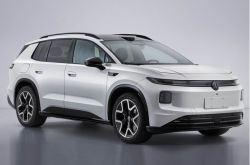
Recently, the prices of several joint venture new energy vehicles have been repeatedly shattering people's conventional impressions, with some joint venture models even priced lower at launch than comparable independent brand models. Among them, the SAIC Volkswagen ID.ERA 5X has a dealer quote starting at 99,900 yuan, while the ID.ERA 5S has pushed the threshold down to 89,900 yuan. As for the FAW-Volkswagen ID.AURA T6, launched in September, its starting price is 129,900 yuan. As a mid-size all-electric SUV redeveloped from the ground up for the Chinese market, it sells for even less than Volkswagen's own gasoline models of the same size. Joint venture automakers, once seen as lofty, have now become one of the main forces in the wave of price cuts sweeping the auto market.
In fact, joint venture vehicle prices began to loosen long ago. The official guide price of the Passat has fallen to 118,000 yuan, the dealer quote for the 2025 Teana Business Edition starts at just 110,500 yuan, and the entry-level Volkswagen ID.3 is priced at only 97,900 yuan. Clearly, whether traditional fuel models or new energy products, joint venture vehicle prices are trending downward. But the problem is that previous price cuts looked impressive yet failed to win over consumers in a sustained way. Moreover, with the accelerated rise of independent automakers and a shift in ordinary consumers' car-buying attitudes, people no longer focus only on brand labels when choosing a car. The halo effect that joint venture automakers once enjoyed has gradually faded. If they stick to past pricing strategies, their products will struggle to stay competitive in the market. So now, joint venture automakers have simply set the pricing of their new-generation products on par with comparable local models.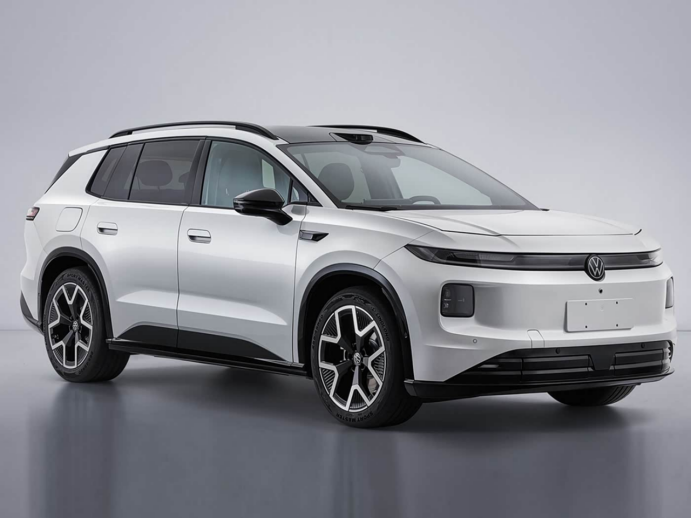
However, lower prices alone are not enough. With the same budget, consumers can already buy independent brand models with richer features for the money they would spend on a mid-range joint venture model, and these often lead in electrification and intelligent experience. Therefore, being cheap alone cannot retain customers. Joint venture vehicles' product strength and iteration speed must also keep pace in order to compete head-on with independent brands. Since they must compete on product strength, joint venture automakers can no longer simply tweak overseas models and sell them in China as before. China's domestic automotive technology and supply chain system are now very mature, so joint venture automakers have adjusted their approach accordingly, no longer simply importing overseas models directly into China, but instead adopting a "China-defined, locally developed" model.
Volkswagen's R&D center in Hefei has gathered about 3,000 local technical talents and handed the underlying definition authority of the CEA architecture to the Chinese team, compressing the new vehicle development cycle to less than two years. GAC Honda, meanwhile, has implemented a "product director system," with local teams leading vehicle definition and setting product direction based on domestic user needs. Relying on China's mature component supply resources, joint venture automakers have significantly reduced the R&D costs and cycles of their electric and intelligent transformation. As a result, the repeated downward movement of joint venture new vehicle prices is no longer simply sacrificing margins to buy market share, but is genuinely supported by cost structure.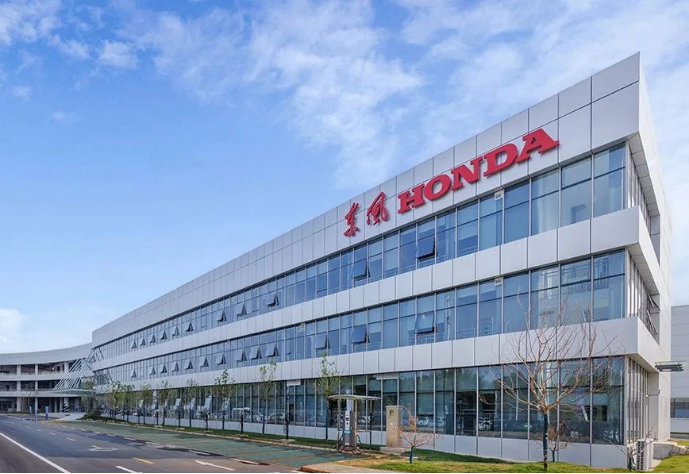
It must be said that the combination of "localization strategy + low prices" has something to it and has already achieved initial results in some models. Among them, GAC Toyota's bZ3X stands out in particular. This model has ranked first in joint venture pure electric sales for 13 consecutive months and has delivered 150,000 units cumulatively since launch. The recently launched FAW-Volkswagen ID.AURA T6 is also very popular. Official information shows that the model locked in 33,022 orders in its first month on the market and sold 12,032 units in October, its first full delivery month. These impressive figures prove that joint venture brands can indeed secure a certain number of market orders through localization strategies and lower pricing. Final thoughts: In the final analysis, the price cuts of joint venture automakers' new vehicles are an overall adjustment from product definition and supply chain system to pricing system under the pressure of competition in the Chinese market. The collective price reductions by joint venture brands also confirm that the era of brand premiums is long gone, and solid product strength is the core foundation for automakers to stand firm in the market. At this stage, joint venture automakers' localization strategies have achieved initial results, but whether they can continue to bear fruit still depends on whether future new vehicles can keep up with domestic user needs and stabilize sales.
(Images are from the internet and will be deleted if infringing)
-
![]()
After a Bloodbath, Nvidia Wipes Out 18 Trillion Yuan in Value—Is the AI Feast Coming to an End?
-
![]()
Weekly Stock Review | Profit Margin 1.4%: When 'Golden September and Silver October' Becomes 'Golden September, Silver Losses'
-
![]()
Ultrafast Nonlinear Optical Technology Series, Part 108: Multi-Pass Cells Generate Terawatt-Class Sub-Two-Cycle Pulses
-
![]()
Why Do Voyah and Luxeed Still Need This "Birth Certificate" in 2026?
-
![]()
Mary Barra's Exit Looms as General Motors Hunts for a Successor
-
![]()
First-Tier Joint Ventures Launch Counteroffensive—What About Second-Tier Players?
-
![]()
A New Wave of Overseas Cars with a Full "Chinese Flavor" Is About to Debut at the Guangzhou Auto Show
-
![]()
Low Prices No Longer the Whole Story: Joint Venture EVs Are Finally Catching Up