Can Carmakers No Longer Sustain the Price War?
 11/25 2026
 378
Introduction | Lead
After years of price wars, China's auto market is entering a new period of adjustment. As profit pressure mounts for carmakers, the room for price cuts is narrowing, and with adjustments to the purchase tax policy for new energy vehicles, has the trend of continuously falling car prices been curbed?
Produced by | Heyan Yueche Studio
Written by | Zhang Dachuan
Edited by | He Zi
Full text: 1,964 words
Reading time: about 3 minutes
Auto prices, it seems, can finally fall no further.
On November 16, Wang Guanhua, spokesperson for the National Bureau of Statistics, said at a press conference held by the State Council Information Office that work such as comprehensively rectifying disorderly low-price competition and governing capacity in key industries is being advanced in an orderly manner. Notably, prices in the automobile manufacturing industry ended three consecutive months of month-on-month declines and turned flat this month—a signal that price competition in the industry has eased somewhat.
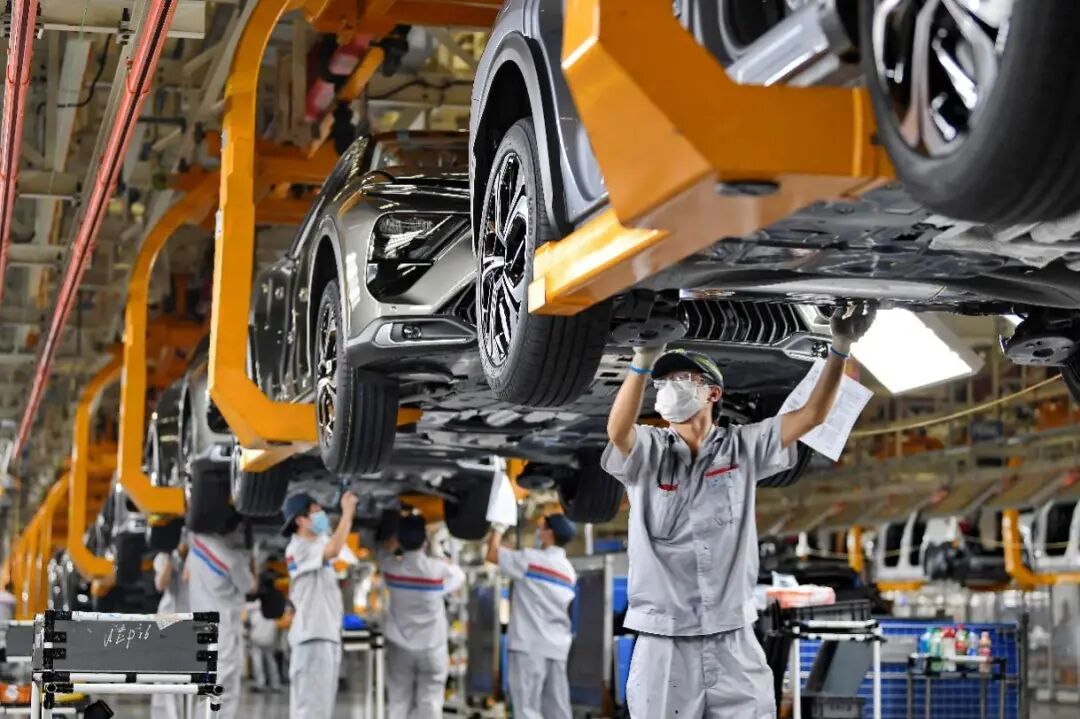
△ Carmakers are beginning to find the price war unsustainable
Why are car prices no longer falling?
In recent years, it is not that carmakers have been unwilling to fight a price war, but that they are increasingly unable to sustain one. In 2025, the sales profit margin of the auto industry was 4.1%, and from January to September 2026 it had dropped to 3.3%—significantly lower than the average of 5.68% for industrial enterprises above designated size; in September alone it was just 1.4%, a low not seen in nearly four years.
Behind the continued pressure on profitability lies the dual pressure of rising costs and declining profits. From January to September 2026, the auto industry's operating revenue was 8,043.5 billion yuan, up 2.6% year on year; operating costs were 7,162.7 billion yuan, up 3.8%; total profits were 267.5 billion yuan, down 23% year on year. Batteries, chips, intelligent R&D, as well as channels and after-sales services all require continuous investment, and the pattern of rising revenue without rising profit in the industry is very obvious.
As a result, carmakers have begun to adjust their competitive strategies, no longer readily lowering official guide prices but instead offering concessions more through limited-time benefits, financial interest subsidies, and trade-in subsidies. For example, in November 2026, some Tesla models offered 5-year 0-interest financing and down payments starting at 39,900 yuan. The price war has not ended; it has merely shifted from direct price cuts to indirect concessions.
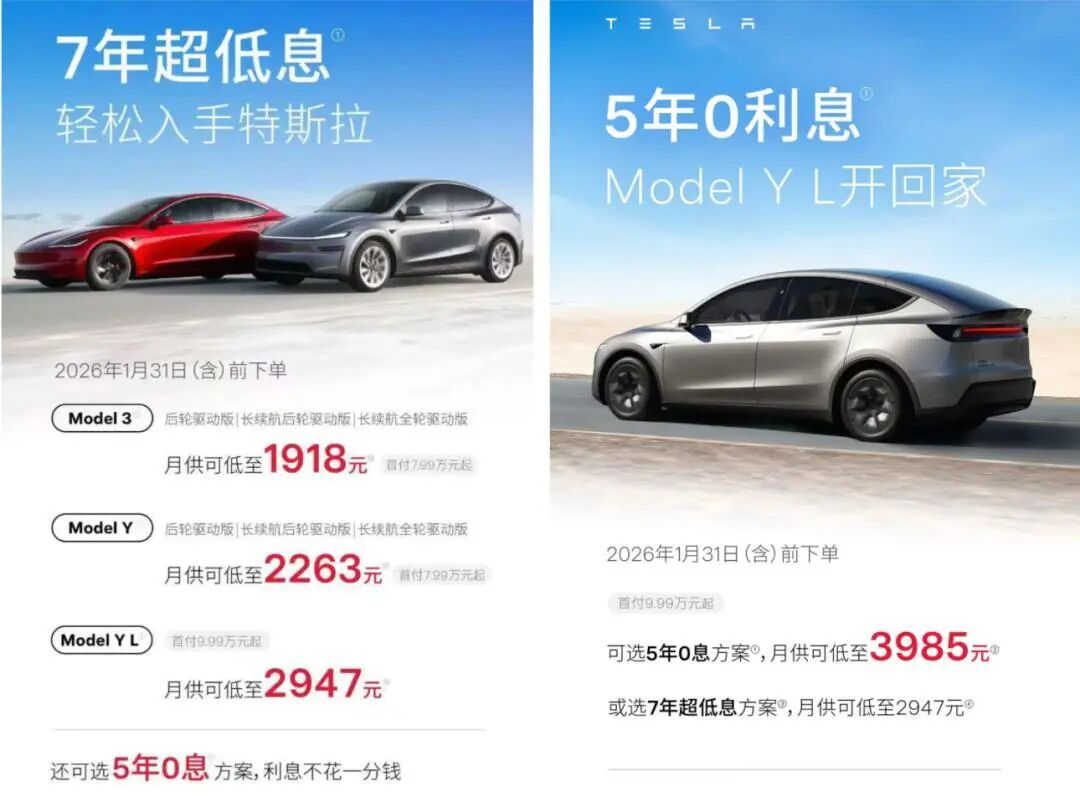
△ Carmakers have begun to adjust their competitive strategies
From an international market perspective, mainstream automakers still maintain strong profitability. In the first three quarters of 2026, General Motors' net profit was about 7.3 billion US dollars, Mercedes-Benz about 4 billion euros, BMW about 4.3 billion euros, and Ford about 3.3 billion US dollars; Toyota's net profit for the first half of the fiscal year ending at the end of September 2026 was about 2.24 trillion yen. By contrast, the profit pressure in China's auto industry is more prominent.
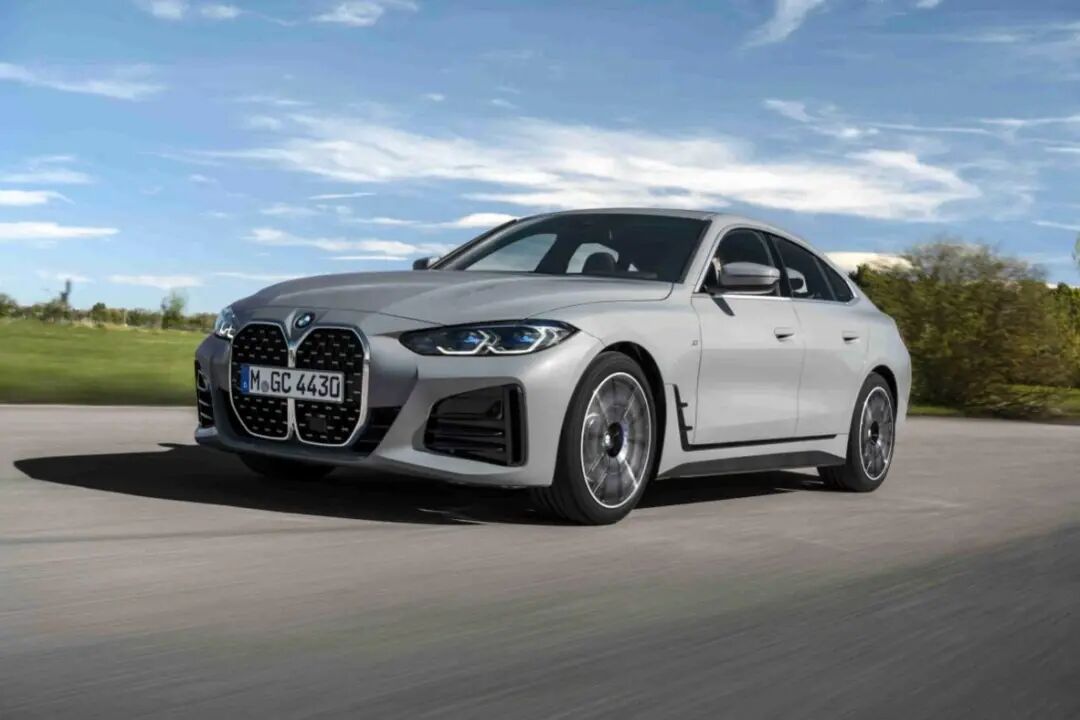
△ The profits of some multinational auto groups remain considerable
Will car prices continue to fall? Local price cuts still exist, especially for inventory vehicles, older models, and during the year-end sales push, but the possibility of another large-scale official price cut across the entire industry is decreasing. The fact that carmakers can no longer sustain the price war does not mean car prices will immediately rebound, but rather that the model of relying on continuous price cuts to exchange for market share has approached its limit.
Where should carmakers go from here?
Stopping the price war is only the first step; the real way out lies in supply-side reform.
In the third quarter of 2026, the capacity utilization rate of automobile manufacturing was only 66.2%, and in October the dealer inventory warning index reached 62.2%—insufficient capacity utilization and high channel inventories coexisting. For enterprises and factories that have long been loss-making and lack competitiveness, they should exit in an orderly manner through market-based methods such as mergers and reorganizations, bankruptcy liquidation, and shutdown, merger, transformation, or relocation, promoting the clearing of inefficient capacity.
At the same time, it is necessary to accelerate the revitalization of existing assets and reduce duplicate investment. After Beijing Hyundai's Chongqing plant stopped production, it was taken over by a Chongqing local state-owned capital platform and transformed into a Deepal automobile production base; Li Auto also took over Beijing Hyundai's first plant. These cases show that integrating existing production resources and revitalizing idle factories is more valuable than blindly building new capacity. Local governments should also strictly control new projects to avoid duplicate construction.

△ Beijing Hyundai's first plant was taken over by Li Auto
In addition, carmakers also need to shift from pursuing sales volume and market share to valuing profitability and return on investment. In the first three quarters of 2026, China's exports of complete vehicles were 8.205 million units, up 65.8% year on year, and overseas markets have provided new growth space for domestic carmakers. However, they cannot simply rely on low-price exports; they should accelerate the construction of overseas localized production, sales, and service systems, shifting from "product going global" to "system going global."
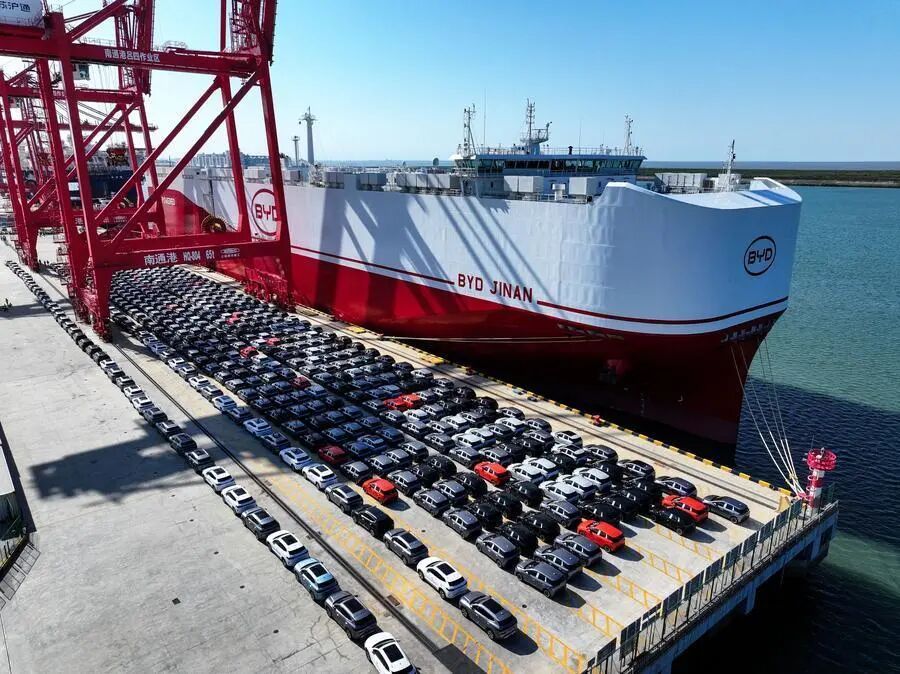
△ Carmakers cannot rely solely on complete vehicle exports to drive sales
The next two to three years will be a critical window period for deep integration of the auto industry. The focus of competition will shift from scale expansion and price wars to capacity efficiency, brand premium, and sustainable profitability. What China's auto industry needs to call a halt to is not only the price war, but also the development model of low-price competition, duplicate investment, and inefficient expansion.
Can consumers make a move now?
For consumers with actual car-use needs, now is already a time worth considering making a purchase. But this does not mean car prices have bottomed out.

△ For consumers with actual car-use needs, now is already a time worth considering making a purchase
On the one hand, during the year-end sales push, carmakers and dealers still have some room for negotiation, and limited-time benefits, financial interest subsidies, and trade-in subsidies can also reduce the actual cost of purchasing a car. Consumers do not need to focus only on the official guide price; they should compare the final total price after discounts.
On the other hand, the configuration level of domestic cars is already quite rich. Air suspension, which mainly appeared on high-end models in the past, has now been extended to the 200,000 yuan market; configurations such as zero-gravity seats, multi-screen interaction, automatic parking, and seat ventilation, heating, and massage are also becoming increasingly common in models priced between 200,000 and 300,000 yuan. Consumers do not necessarily need to keep waiting for new models to bring substantial configuration upgrades.
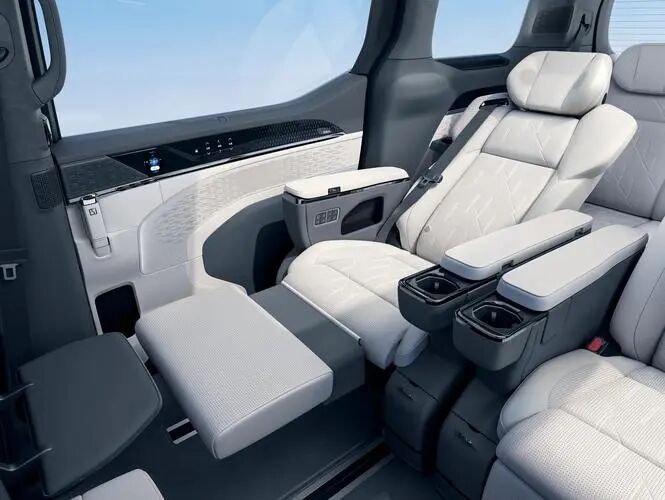
△ At present, the configurations of domestic cars are already very rich
In addition, consumers also need to consider changes in car purchase policies. Starting in 2026, the purchase tax on new energy vehicles will be adjusted from exemption to half collection, with the maximum tax reduction set at 15,000 yuan. Compared with 2025, consumers' actual car purchase costs have changed, and the past tax-free prices can no longer simply be used as a reference.
Therefore, consumers with clear car-use needs who have already chosen a model do not need to keep waiting for the next round of price cuts; those without urgent needs also do not need to consume in advance for the sake of discounts. The key to buying a car now is not to bet on how much further car prices can fall, but to comprehensively compare discount margins, vehicle configurations, purchase tax, and long-term car-use costs, and buy the car you truly need at a suitable price.
Commentary
The auto price war has not ended, but the way competition is conducted is changing. In the future, carmakers will gradually shift from cutting prices to exchange for sales and piling on configurations to compete for the market, to competition in cost control, technological innovation, and profitability. For consumers, now is a car-buying window worth considering; for carmakers, the real test is how to break away from low-price competition and establish sustainable competitive advantages. China's auto market is moving from price competition to value competition.
(This article is original by "Heyan Yueche" and may not be reproduced without authorization.)
-
![]()
Xiaomi: Out of the Woods, but What Lies Ahead?
-
![]()
AI Enters the Factory: The First Revolution Is in the Enterprise
-
![]()
Shenzhou-24: Reallocating Time in Space
-
![]()
Han Xinyi's 150 Million Users Are Not Ant Afu's Ticket Into the AI Era
-
![]()
The Profit Fulcrum Shifts Outward as the Arbitrage Window Closes
-
Lei Jun Is Having a Really Tough Time: Xiaomi Auto Made Only 900 Million Yuan in Profit Last Year, but Lost 9.1 Billion Yuan in the First Nine Months of This Year!
-
After Raising Over HK$24 Billion, Luxshare Precision Issues Bonds Again: Just How Cash-Intensive Is Its Automotive Expansion?
-
![]()
Can Carmakers No Longer Sustain the Price War?