Huawei Mate 90 Pro Max Review: Stellar Imaging, HarmonyOS Ecosystem Excels
 10/10 2026
 413
413
At first glance, it may seem like not much has changed, but using it reveals a host of surprises.
As Huawei's true flagship of the year, the Mate 90 Pro Max showcases remarkable innovation: a cutting-edge Kirin processor, a brighter and clearer display, streamlined and user-friendly imaging capabilities, and the impressive Ruiying Z10 10x zoom modular camera H1.
Priced starting at 9,499 yuan, this device, with a starting price nearing 10,000 yuan, has set high expectations at Leitech, as it is positioned as the top flagship smartphone on the market. The question remains: Does the Mate 90 Pro Max live up to its 'Pro Max' moniker? Here's Leitech's comprehensive experience report.
Design: 'True to Its Roots,' Yet Refined in Detail
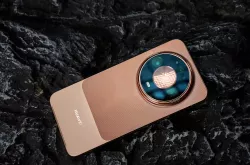
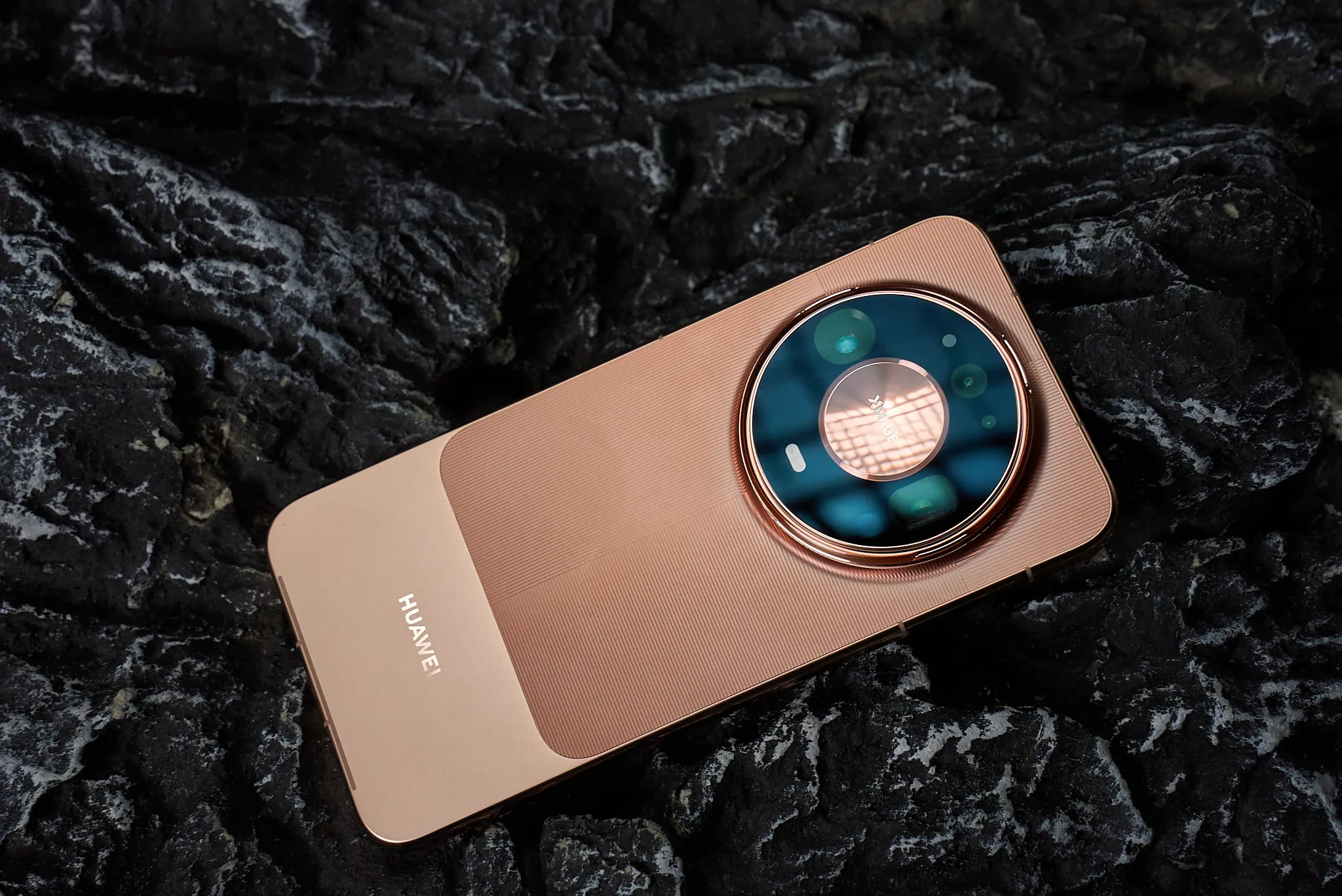
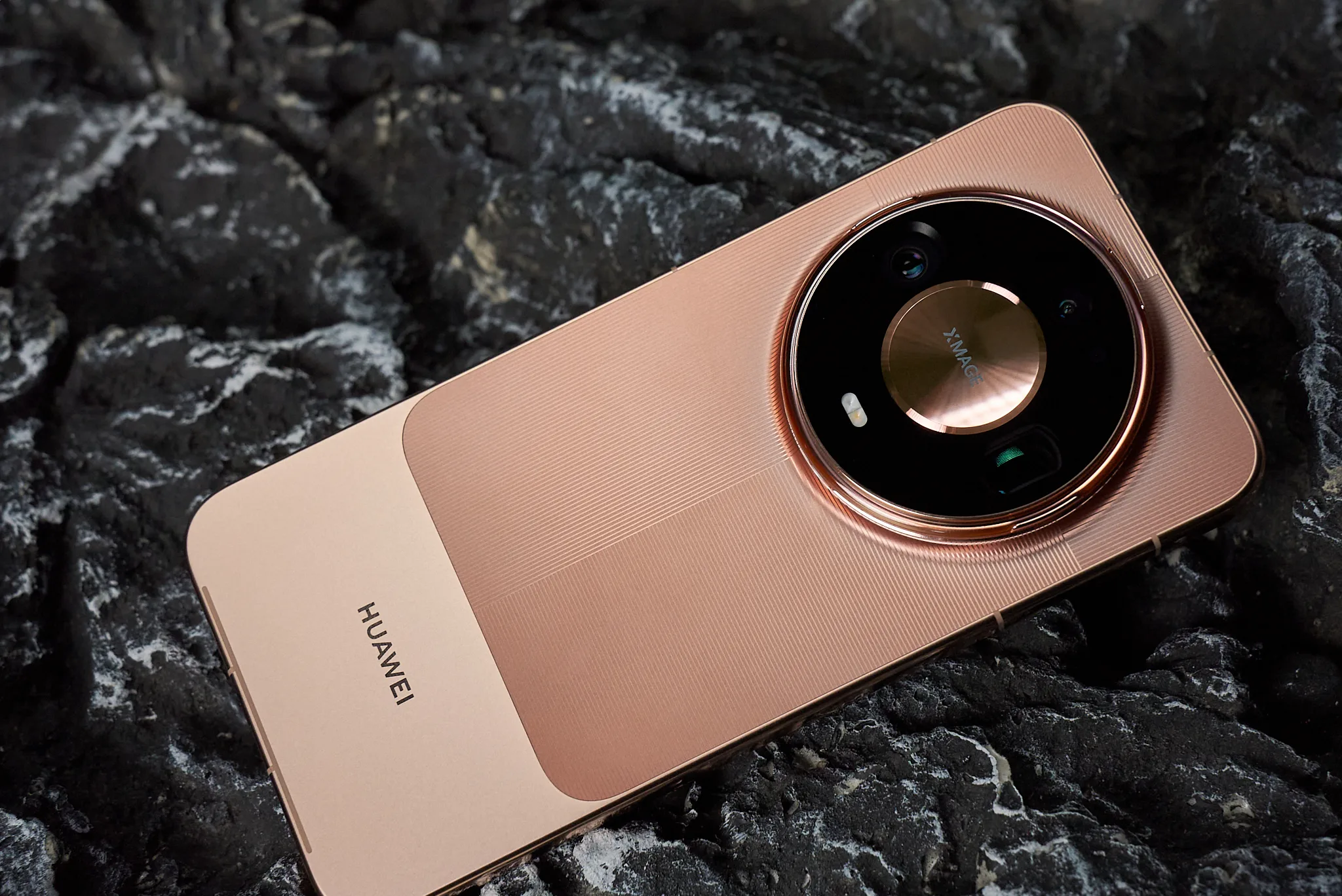
Huawei stands out as the sole domestic smartphone manufacturer that consistently adheres to its design heritage. The circular Oreo-style camera Deco design, carried over from the Mate 40 series to the present, makes the Mate 90 Pro Max instantly recognizable as a Huawei Mate, even without glancing at the logo. While some may perceive this as a design shortcut, for a top-tier flagship smartphone, visual distinctiveness is paramount.
(Image Source: Leitech)
Despite the noticeably larger camera Deco, the device maintains excellent overall balance, preventing an overly top-heavy feel. The smooth edge transitions ensure a comfortable grip, making the phone feel less cumbersome than its 234g weight might suggest.
However, as an imaging flagship, the camera bump on the Huawei Mate 90 Pro Max is quite prominent, and it can still tilt like a 'seesaw' when placed on a flat surface—this is a matter of personal preference.
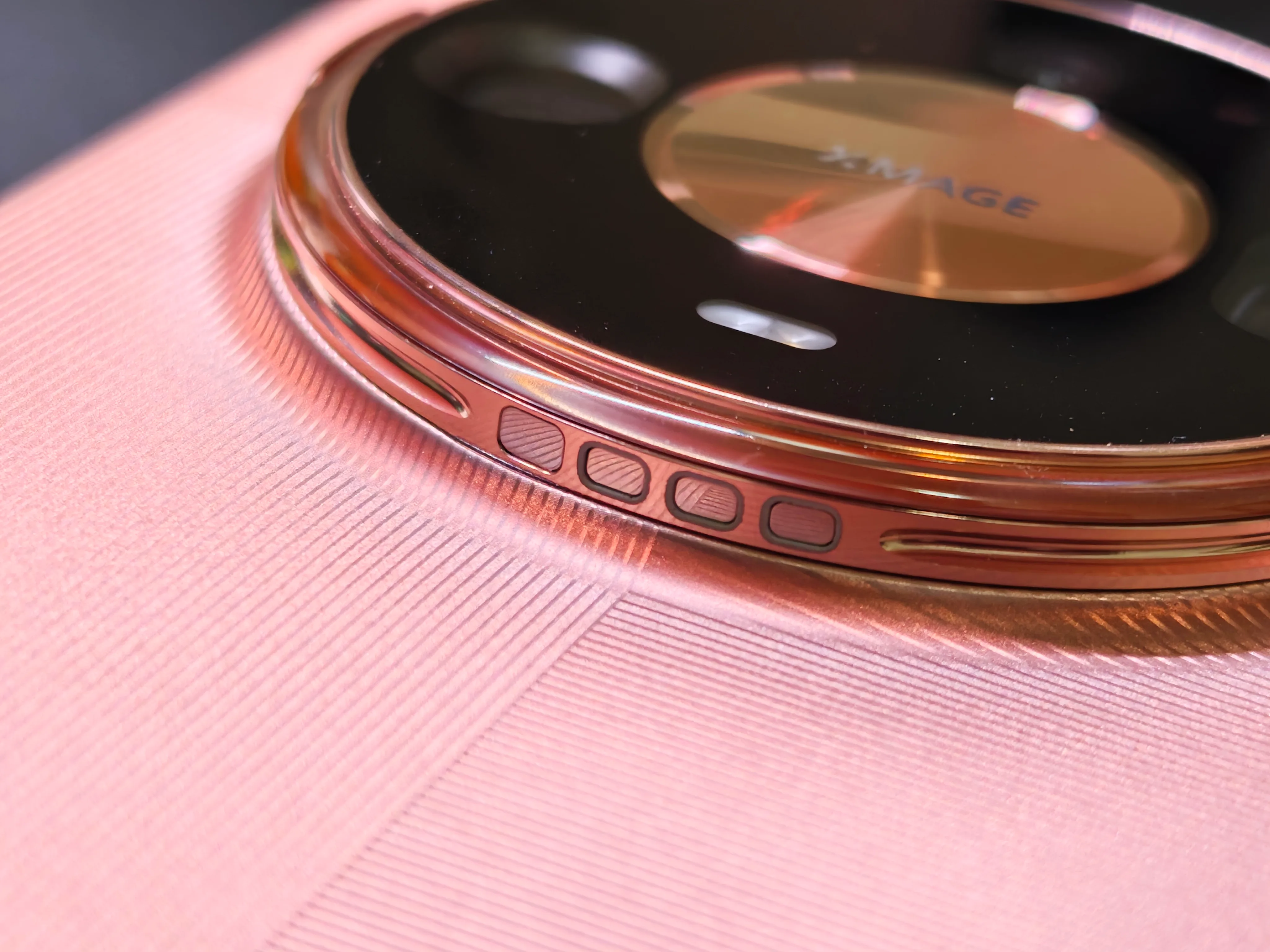
Interestingly, the model Xiao Lei received is the Mate 90 Pro Max Collector's Edition, which features dedicated external contact points below the camera module for attaching the Huawei Ruiying Z10 modular camera.
(Image Source: Leitech)
Upon first hearing the term 'modular camera,' Xiao Lei initially thought it resembled the external teleconverter lenses popular among domestic imaging flagships in recent years. However, it is entirely different. Traditional teleconverters essentially add an optical lens in front of the phone's existing telephoto lens, with the CMOS responsible for imaging still being the phone's own. In contrast, the Z10 features a built-in sensor, lens, and motorized zoom mechanism, covering a focal range of 24mm to 240mm and supporting 10x continuous optical zoom with a maximum aperture of F2.0-F4.5. Attaching it to the back of the Mate 90 Pro Max Collector's Edition feels like adding a complete zoom camera to the phone.
Unfortunately, Xiao Lei did not receive the Ruiying Z10. If readers are interested, Xiao Lei can obtain one for a separate test.
Moving to the front, the Mate 90 Pro Max boasts a 6.9-inch second-generation Linglong display with a dual-layer OLED structure, supporting a 1–120Hz LTPO adaptive refresh rate, 1.07 billion color display, and BT.2020 ultra-wide color gamut, with a local peak brightness of up to 12,000 nits.

(Image Source: Leitech)
At this price point, it's challenging to find fault with the display of a 10,000-yuan flagship. However, the Mate 90 Pro Max's true advantage lies in its outdoor visibility. Xiao Lei tested it in strong sunlight while using maps, WeChat, or the camera, and the screen content remained clearly visible without needing to seek shade.
(Image Source: Leitech)
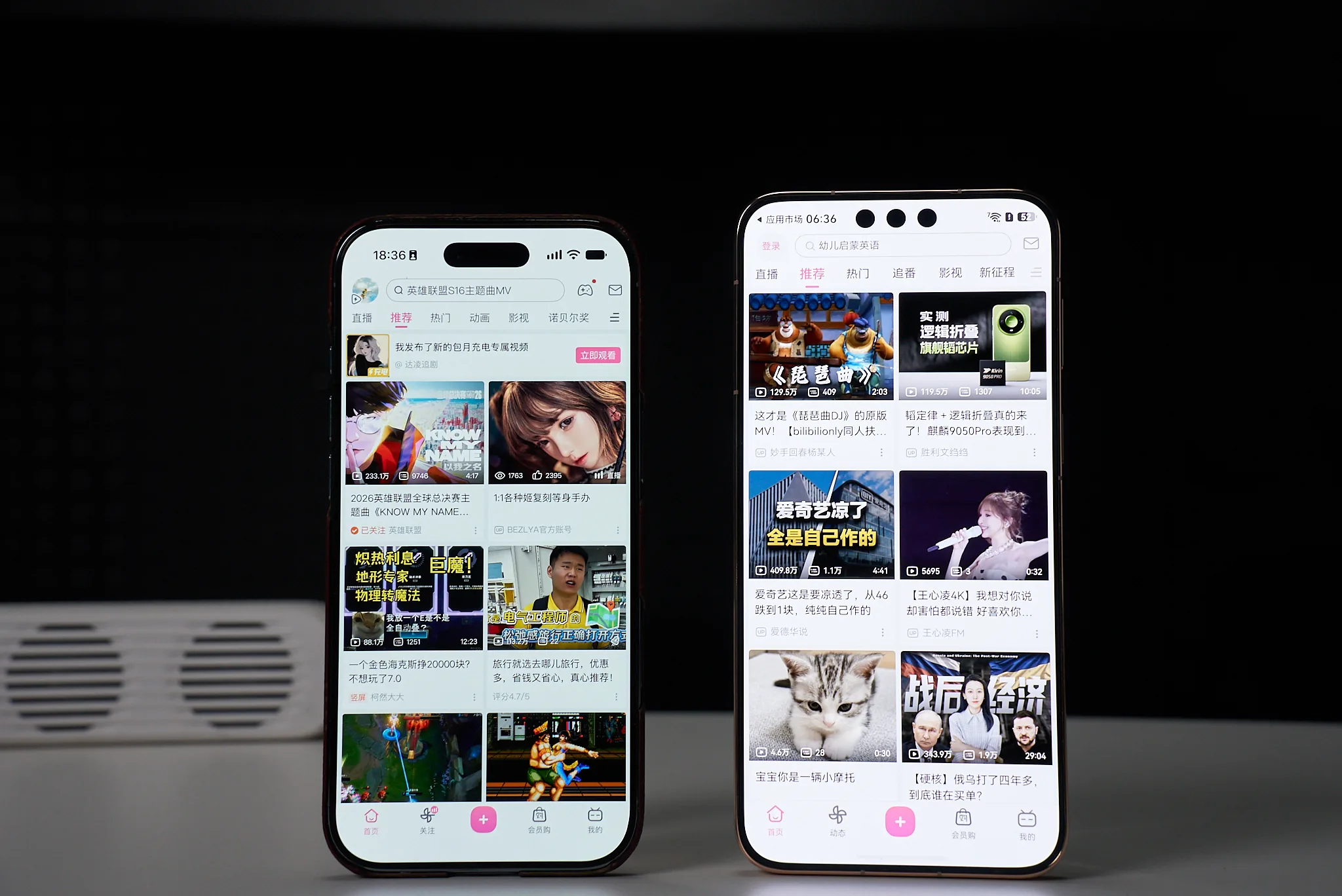
Xiao Lei also compared it with his iPhone Air. Indoors, at the same brightness level, both phones were manually set to maximum brightness, and the Huawei was noticeably brighter than the iPhone.
Overall, the changes in the Mate 90 Pro Max's appearance are mainly in the details, especially the floating star ring and external modular structure of the Collector's Edition, which give the circular Deco new functionality. It does not deliberately pursue extreme thinness, nor does it overhaul the Mate's appearance for the sake of novelty. It remains the familiar business flagship but has begun to explore new possibilities in imaging.
200-Megapixel Telephoto Lens: Huawei's Unique Vision for Imaging
As one of the most significant upgrades of the Mate 90 Pro Max, Huawei has invested heavily in imaging. For a long time, the P series has had a slight edge over the Mate series in imaging, but this time, the Mate 90 Pro Max delivers all available technologies.
In terms of specifications, the main camera features a 50-megapixel RYYB sensor with an equivalent focal length of 24mm, supporting F1.4-F4.0 variable aperture and OIS optical image stabilization, with an official emphasis on its 18EV dynamic range. The ultra-wide camera uses a 40-megapixel RYYB sensor with an equivalent focal length of 13mm and an aperture of F2.2. The telephoto lens has been upgraded to a 200-megapixel RYYB periscope telephoto lens with an equivalent focal length of 89mm, an aperture of F2.6, and also supports OIS optical image stabilization. Additionally, Huawei has introduced the third-generation Red Maple true-color camera to further enhance color performance in complex lighting conditions.
(Image Source: Leitech)
After reviewing numerous imaging flagships over the years, it's clear that specifications only set a phone's lower limit; the quality of the photos depends on the manufacturer's tuning. Currently, domestic flagships are competing in terms of large sensors, high-pixel telephoto lenses, and computational photography, boasting dynamic ranges of over ten EV, hundreds of millions of pixels, or extreme zoom levels during launches. The numbers may seem increasingly exaggerated, but the final photos may not differ significantly.
(Image Source: Leitech)
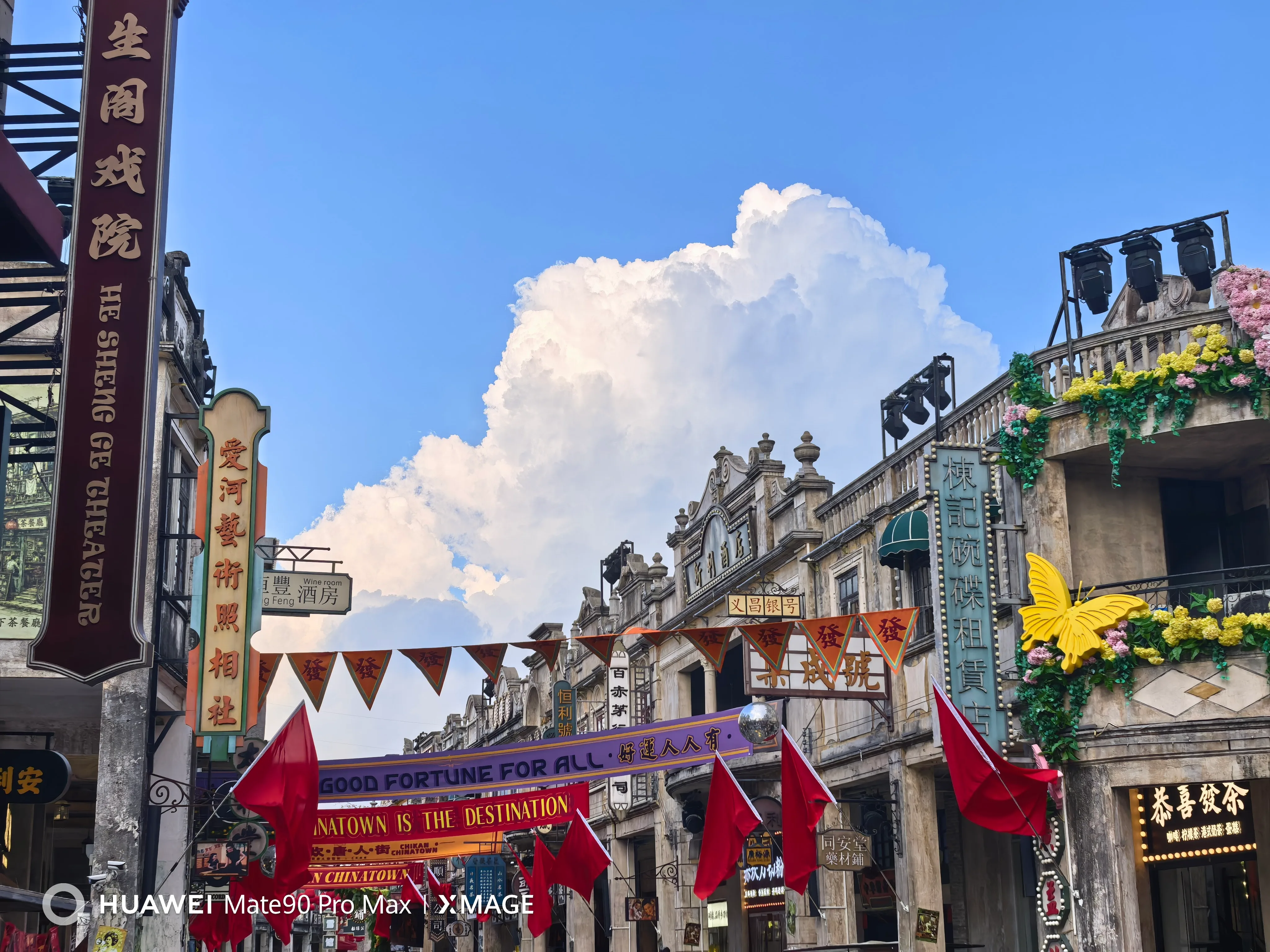
Especially in bright daylight, almost all flagship smartphones can capture clear and beautiful photos. The true test of a manufacturer's capabilities lies in complex lighting, indoor low light, and performance across different focal lengths. Therefore, Xiao Lei did not specifically seek out extreme test scenarios this time but mainly used the Mate 90 Pro Max to capture common everyday scenes.
 (Image Source: Leitech)
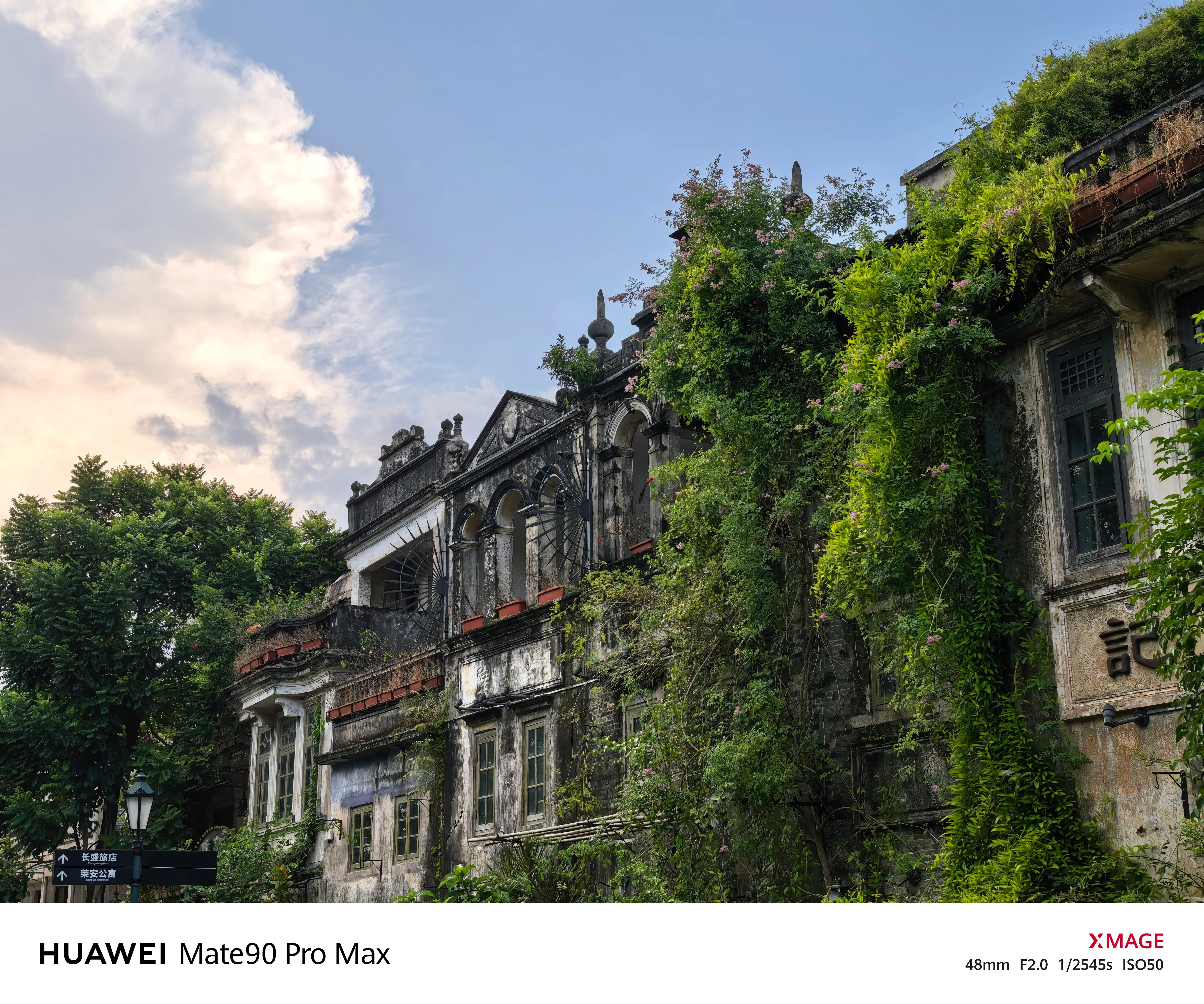
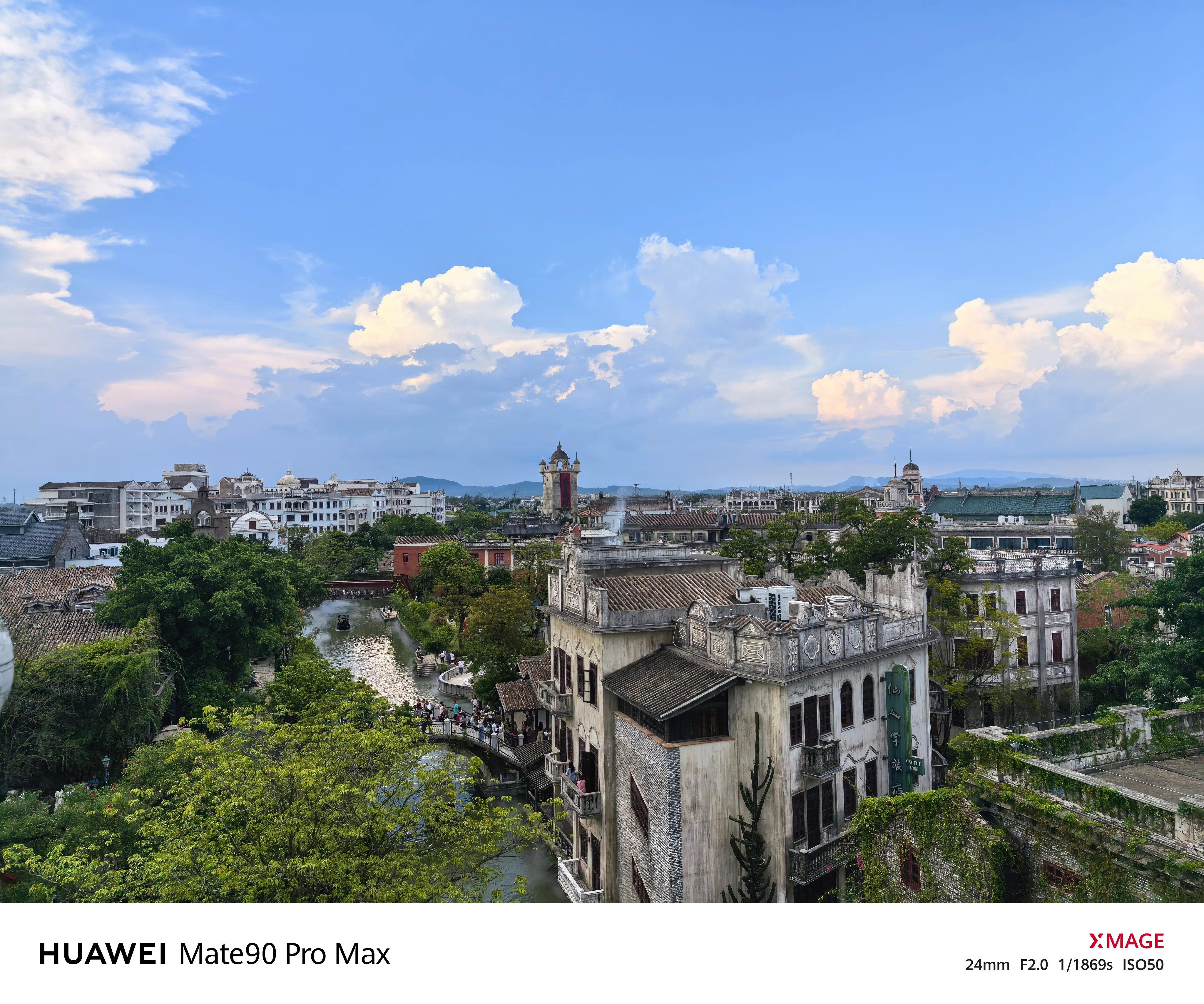
Let's start with these architectural samples. The lighting on the day of shooting was quite complex, with a bright sky and clouds on the left side of the frame and old buildings and plants in shadow on the right, creating a stark contrast. If the phone's dynamic range is insufficient, the sky can easily become overexposed, and details in the building's shadows can be lost.
The photos taken by the Mate 90 Pro Max align with Huawei's consistent style: the sky does not appear overly exposed, cloud details remain visible, and the textured surface of the building, window frames, and plant details are well-preserved. Especially the green plants in the shadows on the right retain clear layering between the leaves, indicating Huawei's mature HDR processing in high-contrast scenes.
(Image Source: Leitech)
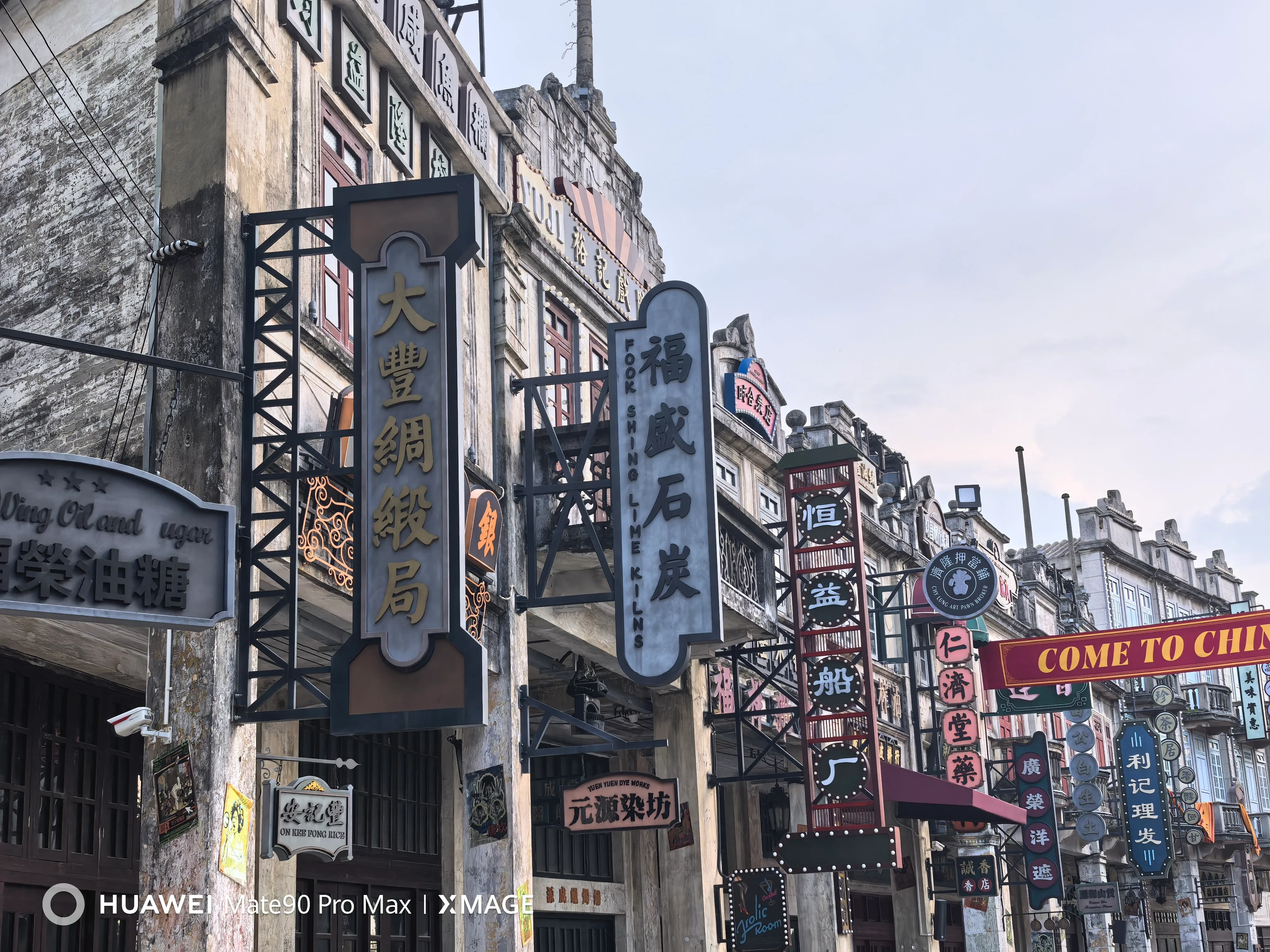
Compared to the default wide-angle view of the phone's main camera, Xiao Lei prefers using a focal length closer to 50mm for architectural and casual everyday shots because the perspective is more natural and easier to highlight the subject. The Mate 90 Pro Max retains rich details at this focal length, and the texture of the building's surface does not become loose due to cropping, resulting in a pleasant overall look. However, upon closer inspection, Huawei's color processing remains quite aggressive, giving the photo strong visual impact but differing somewhat from the colors seen with the naked eye.
This color tendency is even more pronounced when shooting food. Xiao Lei took a series of photos of hairy crabs with the Mate 90 Pro Max, and the shooting environment for the raw crabs was quite challenging, with water droplets on the shells, a stainless steel steamer underneath, and strong lighting creating various highlights throughout the frame. Phones can easily encounter two issues in such environments: either darkening the entire image to suppress reflections or over-sharpening, making the shell's texture appear overly harsh.
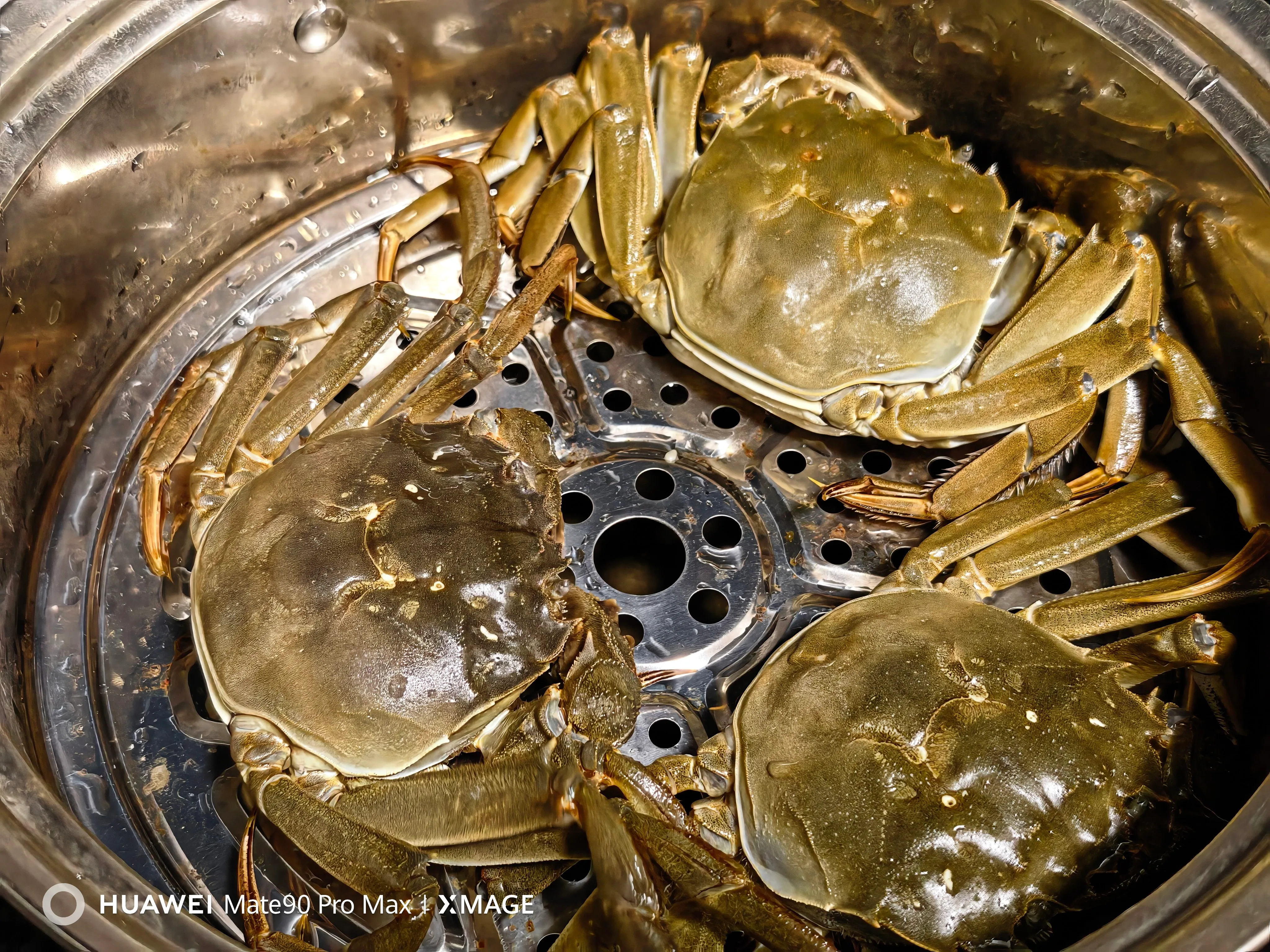
The Mate 90 Pro Max performed reasonably well, preserving the grain, water droplets, and edge textures on the crab shells while retaining details on the metal steamer, resulting in a natural-looking image. However, Huawei did not forcibly suppress all highlights, and some bright white reflections remain visible on the crab shells and metal surfaces. Xiao Lei finds this approach more natural because strong reflections in real-world environments cannot retain all details, and overly suppressing highlights for the sake of ultra-high dynamic range can make photos lose their realistic lighting relationships.
At least in these samples, the Mate 90 Pro Max maintains clear tonal gradation, allowing the subject to be seen clearly without making the photo appear overly flat.

(Image Source: Leitech)
After the hairy crabs were cooked, the Mate 90 Pro Max's color style became even more pronounced. The oranges, reds, and yellows in the photo are highly vibrant, especially the red on the crab shells, which appears quite glossy.
However, from a color accuracy standpoint, Huawei still seems to be pushing it a bit too far, with noticeably high saturation in some reds and yellows, differing from the colors seen with the naked eye. The addition of the third-generation Red Maple true-color camera does not mean Huawei has completely abandoned its past color style—at least from these samples, the Mate 90 Pro Max still leans toward producing visually pleasing photos.
Clear and Distant Shots: Concerts and Landscapes Captured Perfectly
Compared to the main camera, what truly interests Xiao Lei is the 200-megapixel RYYB periscope telephoto lens. In recent years, domestic flagships have gradually shifted from merely pursuing larger main camera sensors to improving the resolving power and versatility of telephoto lenses. Especially with the popularization of 200-megapixel telephoto lenses, phones can use high-pixel cropping to cover more focal lengths, turning them into 'photography magic tools' for more users.
The shooting scenarios for this test were quite diverse, including outdoor hanging fish lanterns, indoor stage performances, and boats along the river, with varying shooting distances and lighting conditions. To Xiao Lei's satisfaction, the Mate 90 Pro Max maintained consistent image quality across these scenarios, especially in bright light, where the resolving power advantage of the telephoto lens was evident.
(Image Source: Leitech)
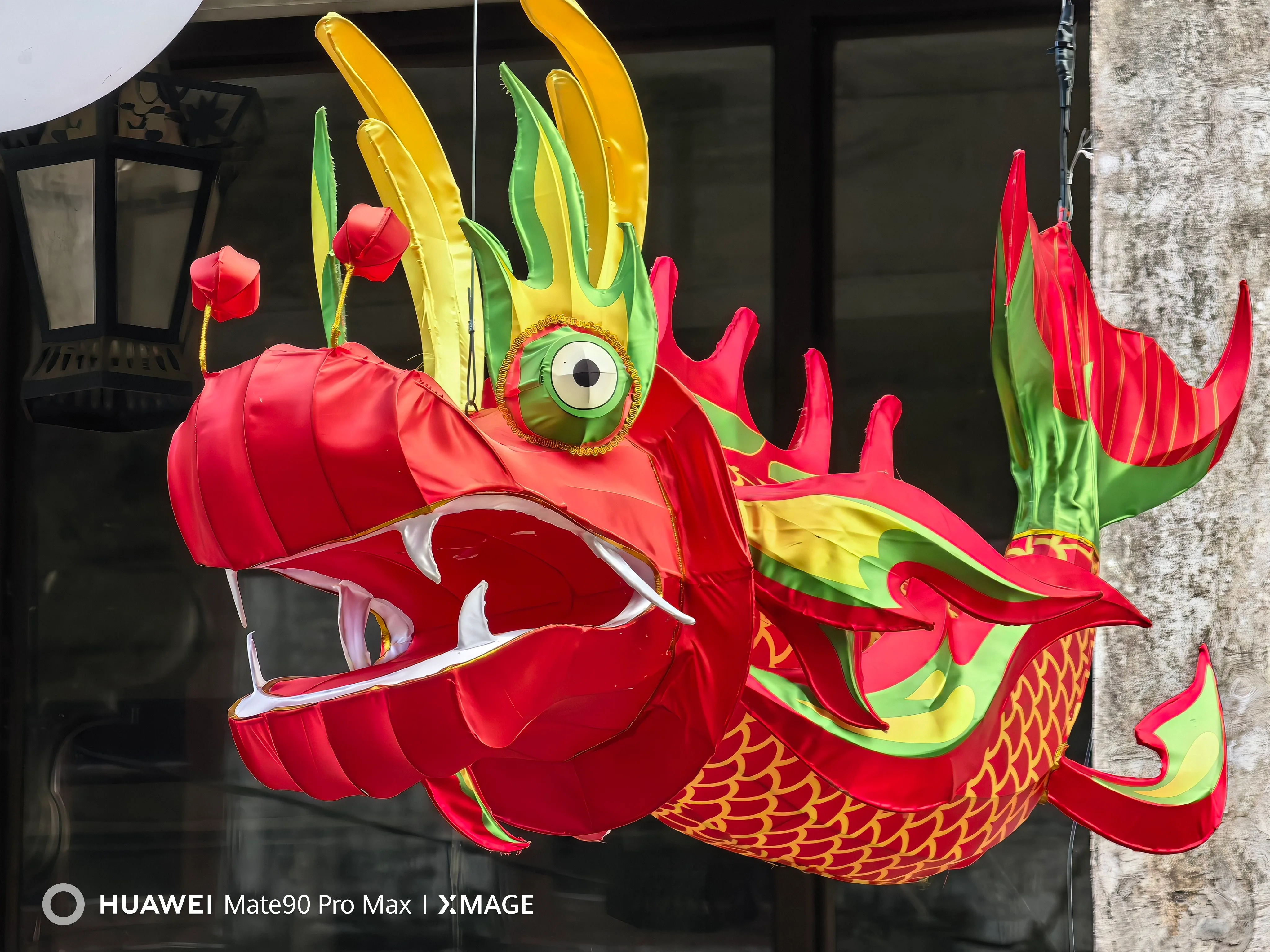
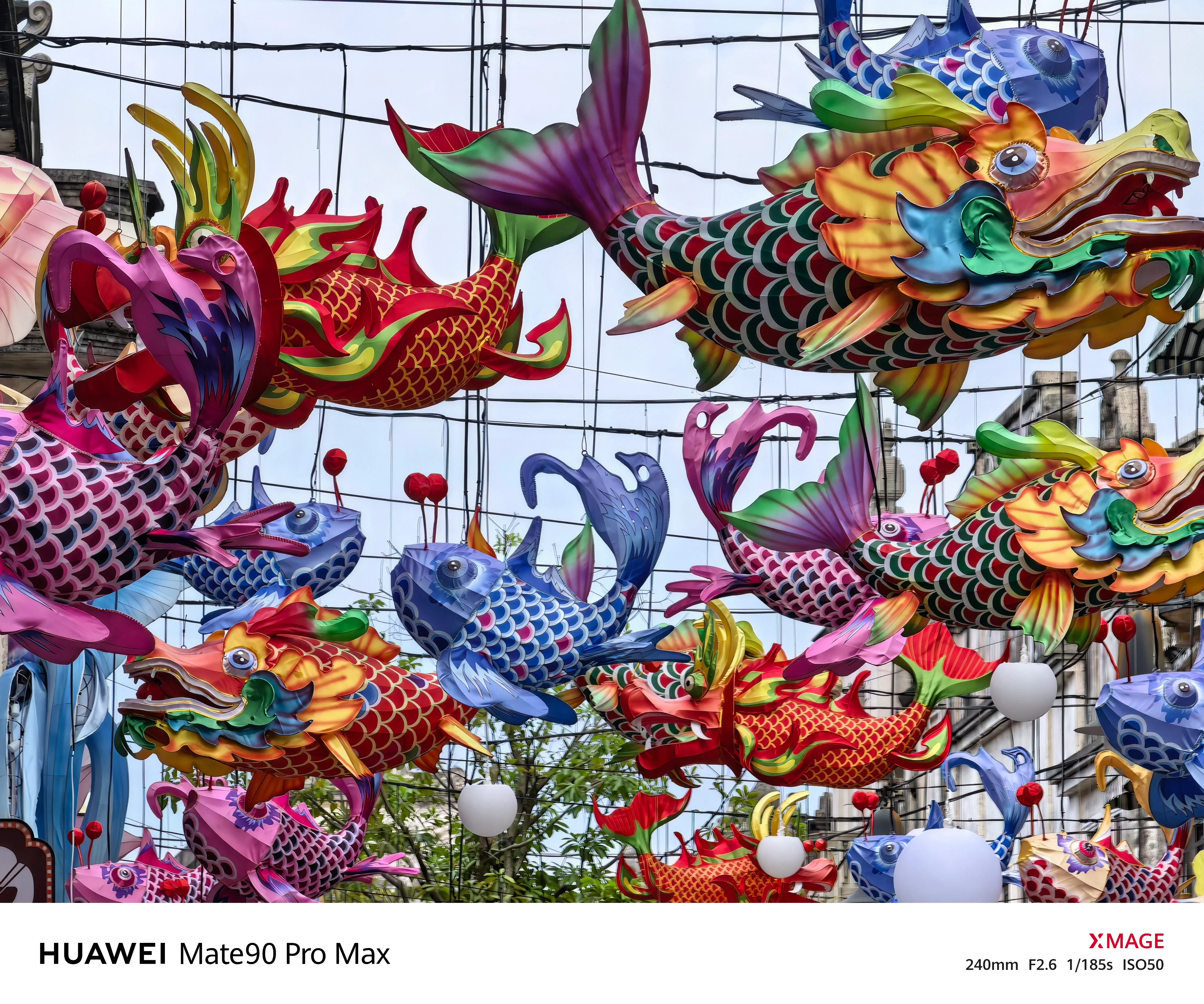
For objects like fish lanterns with numerous scales, stitches, and fabric wrinkles, even at a focal length of 240mm, the textures remain clearly visible, and the outlines of the fins are well-defined without becoming blurred due to high cropping ratios. More importantly, the photo does not show excessive sharpening artifacts.
(Image Source: Leitech)
Of course, Huawei's color style remains prominent. The fish lanterns feature heavy use of red, green, and yellow, and after processing by the Mate 90 Pro Max, the colors appear even more vibrant, especially the red lanterns, which immediately draw attention. However, some reds are overly saturated, compressing the tonal gradation in the bright areas of the image. If you prefer colors closer to what the naked eye sees, Huawei's 'true-color' palette may not be for you.
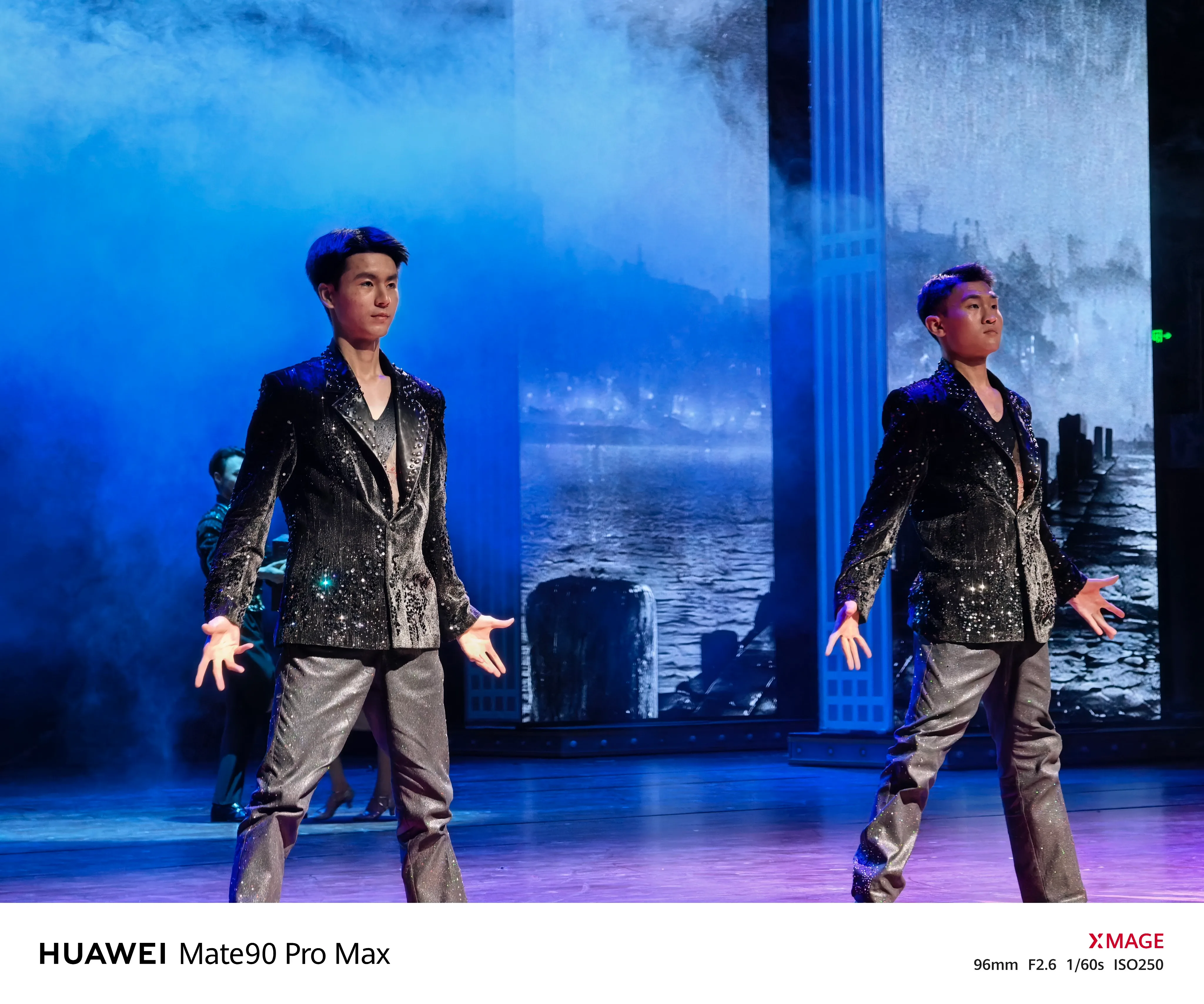
Another advantage of telephoto lenses is that they allow us to achieve a more suitable composition without changing the shooting position. For example, when shooting a stage performance, if you are seated far back, the main camera on your phone often only captures the entire stage, with the performers occupying very little space in the frame. Subsequent cropping makes it difficult to ensure clarity.
(Image source: Shot by Lei Technology)
With the aid of telephoto, we can make the performers the main subject of the image, and even retain details like the sequins on black suits and the reflective textures of pants. Considering that the scene is primarily lit with blue and purple lights, and the performers' faces are in relatively dim areas, Huawei's performance is quite satisfactory. At least, it avoids issues like faces being overly smoothed or clothes turning into solid black blobs.
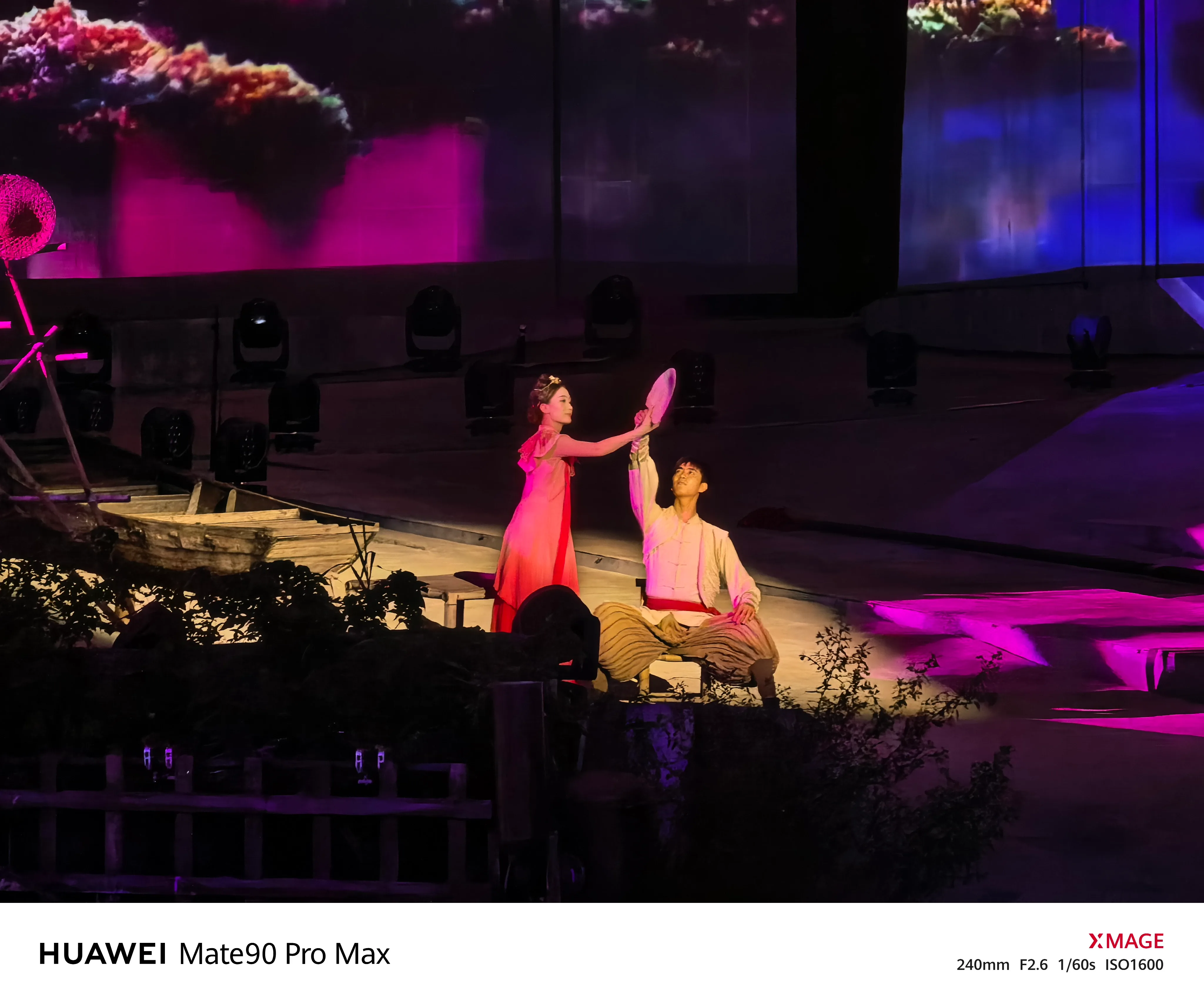
(Image source: Shot by Lei Technology)
However, stage performance scenes also highlight a few minor issues associated with telephoto lenses. While the main subject may appear crisp, a closer look at elements like hands may reveal slight motion blur. After all, the shutter speed for this shot was only 1/60s, which is somewhat insufficient for completely freezing the motion of performing actors. The phone's optical image stabilization (OIS) can mitigate the effects of hand shake but cannot counteract the movement of people. Therefore, for performances with significant motion, a faster shutter speed is necessary. However, since a lower shutter speed is also employed to boost overall image brightness, it's a trade-off.
(Image source: Shot by Lei Technology)
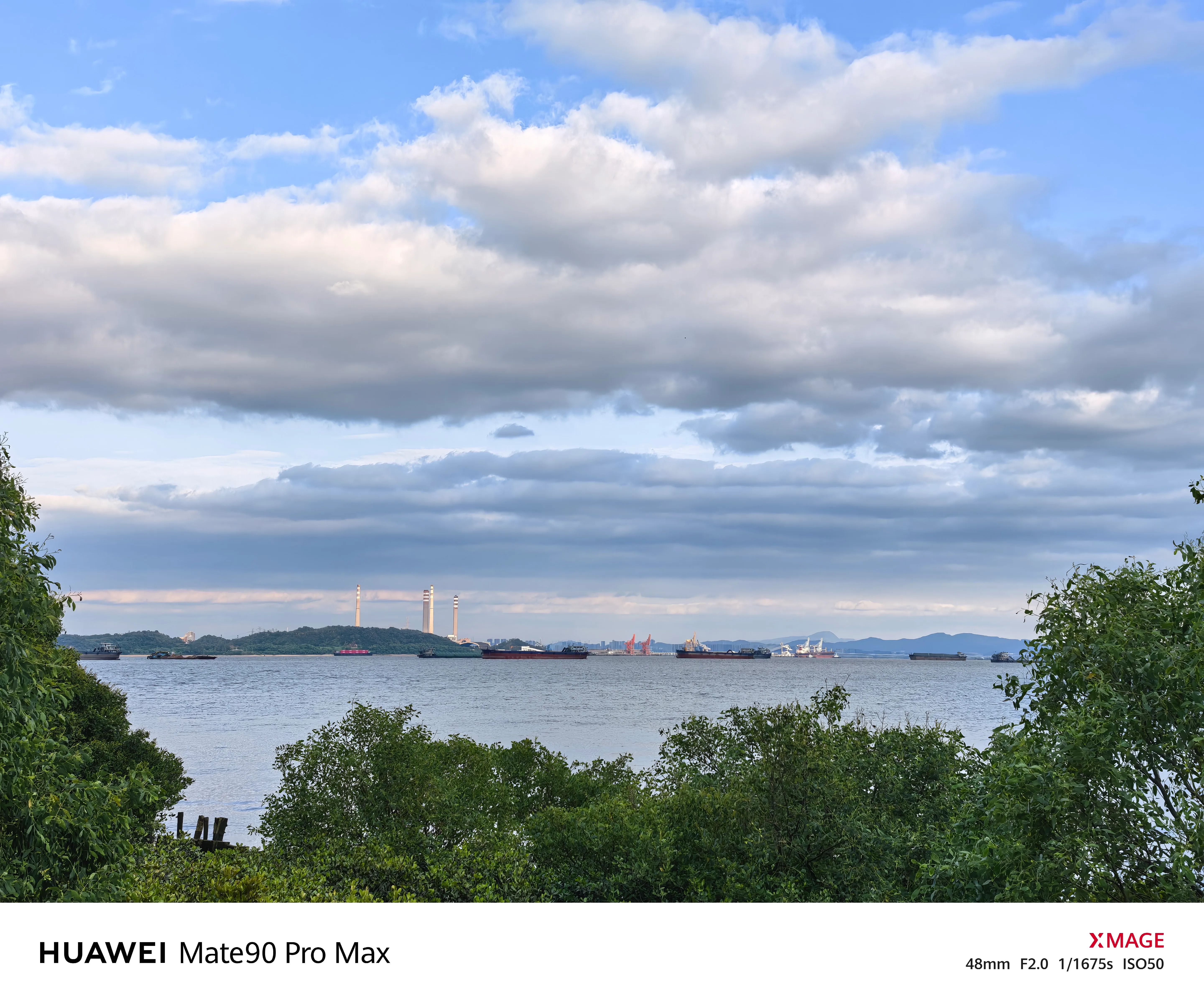
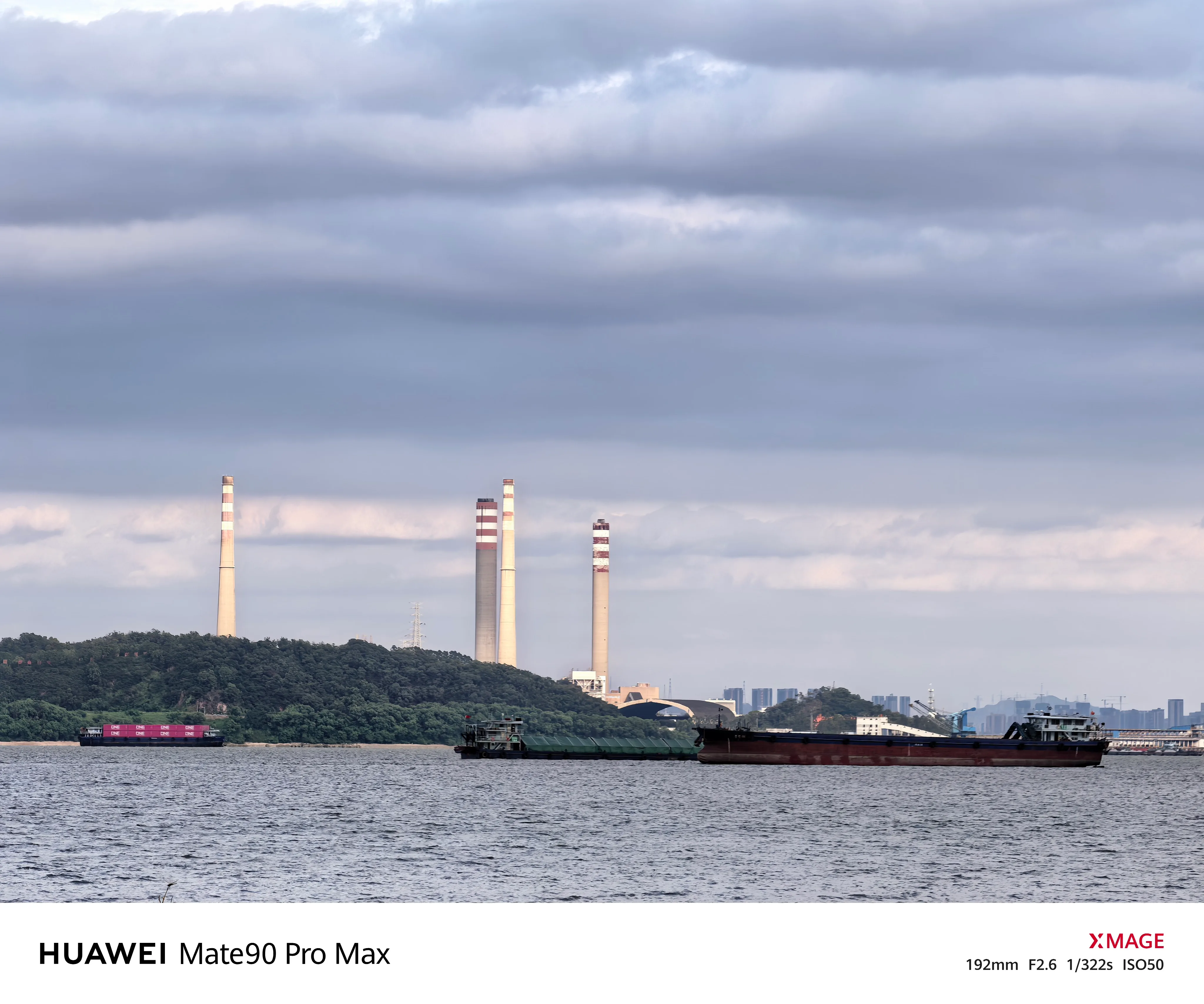
When capturing distant buildings and rivers, the Mate 90 Pro Max also delivers quite satisfactory results. Even when zoomed in to 192mm, the red and white stripes on distant chimneys, boats on the river, and buildings along the shore remain reasonably clear, with some details discernible upon magnification.
Of course, at around 8x zoom, some sharpening artifacts may become visible at the edges of certain buildings, and the details are not as rich as those captured at the native focal length. However, comparing it with photos taken at 48mm reveals some color discrepancies between the two, especially in the sky. The telephoto image appears noticeably grayer and cooler, with the originally warm-toned clouds becoming more subdued. There is still room for improvement in white balance consistency. Fortunately, this difference primarily manifests in color tone and has little impact on the overall clarity and detail of the photos, which still look good overall.
After taking these sets of photos, Xiaolei is quite pleased with the telephoto capabilities of the Mate 90 Pro Max. Especially the high-magnification cropping ability enabled by the 200-megapixel sensor allows it to capture reasonably clear photos even at 8x or even 10x zoom, making it quite practical for shooting performances, buildings, or distant landscapes. However, this telephoto lens is not without its drawbacks. In addition to some scenes having overly saturated colors, there are occasional differences in white balance between different focal lengths, especially in monotonous environments like cloudy days, where they become more apparent.
However, considering its overall performance, these issues do not significantly detract from Xiaolei's evaluation of this telephoto lens. After all, the most crucial aspects of smartphone photography are whether you can capture the shot and whether it is clear, and the Mate 90 Pro Max excels in these areas.
The Hongmeng ecosystem is becoming increasingly mature. What changes does this bring to our daily experiences?
After discussing imaging, let's delve into HarmonyOS 7.
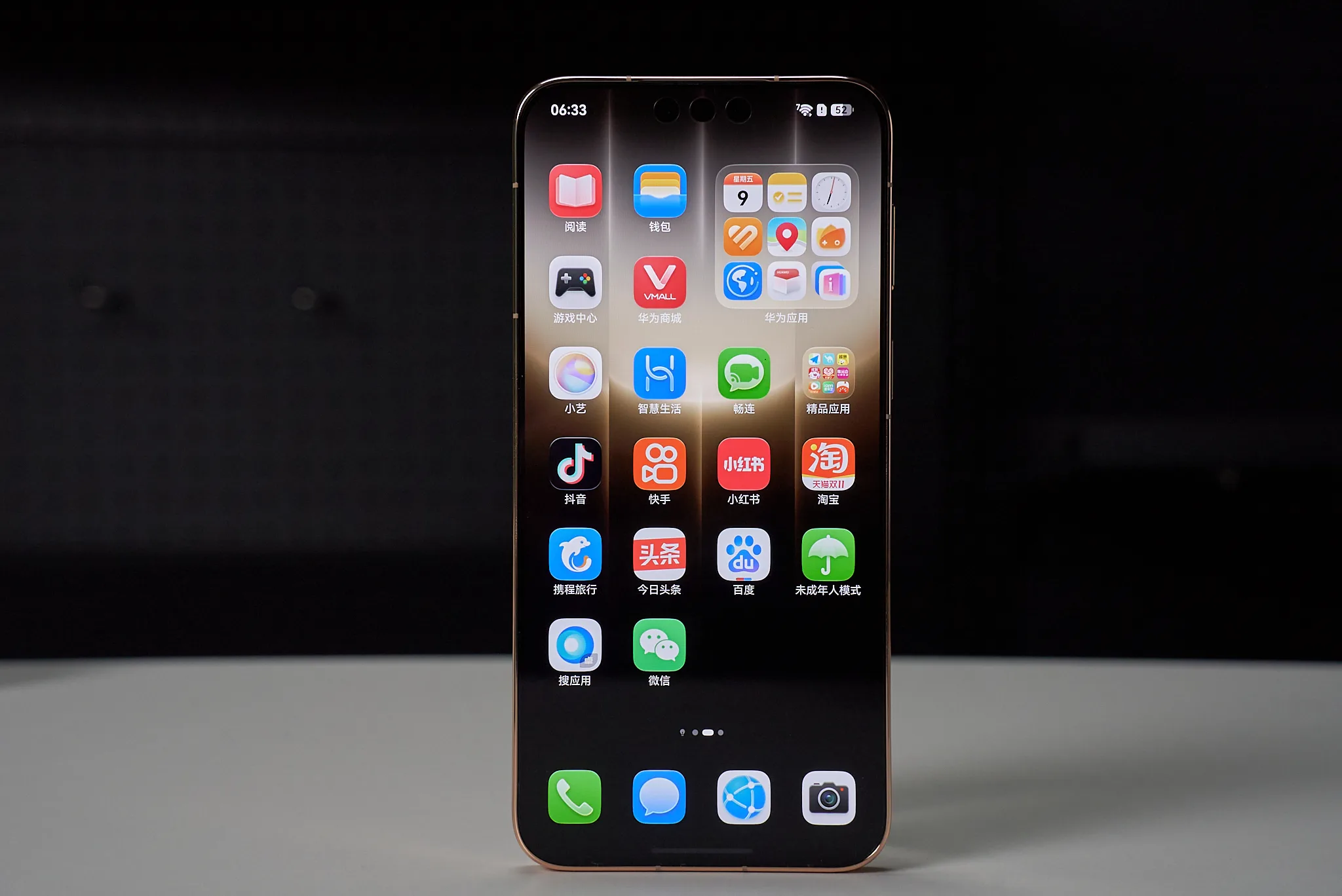
As a pivotal component of Huawei's flagship devices, the evolution of the Hongmeng system over the years has been quite remarkable. Especially since HarmonyOS NEXT, Huawei has gradually established an independent application ecosystem. Now, after several generations of updates, mainstream apps like WeChat, Alipay, Douyin, and Taobao generally function without issues for daily use.
(Image source: Shot by Lei Technology)
However, the application ecosystem issue has not been entirely resolved. While the adaptation of mainstream domestic apps is relatively mature, some less frequently used software, overseas apps, and certain professional tools may still have incomplete functionality or may not be directly installable. If you primarily use common domestic apps, then HarmonyOS 7 can generally meet your needs. However, if you frequently use overseas software or rely on niche tools for work, it's advisable to check compatibility before making the switch.
 (Image source: Produced by Lei Technology)
As for the system's smoothness, the Mate 90 Pro Max generally performs flawlessly. As one of the few self-developed operating systems, whether it's daily scrolling, app switching, or multitasking, the overall response is quite swift, and the animations are relatively fluid. Considering that the performance of the Kirin 9050 Pro has significantly improved over previous generations, coupled with the optimizations in HarmonyOS itself, the overall smoothness is definitely among the best in the smartphone market.
AI remains a key update direction for HarmonyOS 7, especially with the increasingly rich functionality of Xiao Yi. Now, Xiao Yi can comprehend some of the content on the screen, assist users in finding information, organize documents, and even invoke different apps to complete some daily operations. For example, when encountering a long article, you can directly ask Xiao Yi to summarize the key points; when dealing with information that needs to be organized, there's no need for repeated copying and pasting—just let Xiao Yi handle it.
As Xiao Yi can handle more and more tasks, many operations that used to require manual completion can now be done with simple voice commands, which is quite convenient once you get accustomed to it.

(Image source: Produced by Lei Technology)
At least from a daily usage perspective, HarmonyOS 7 is already a quite mature smartphone operating system, with no need to worry too much about mainstream app compatibility or system smoothness.
Conclusion: The Mate 90 Pro Max is worth its price.
Finally, following Lei Technology's review tradition, here's a brief overview of the pros and cons of the Mate 90 Pro Max:
Pros:
1. It's instantly recognizable as a Huawei Mate device.
2. The camera's imaging style is consistent and generally pleasing.
3. The system's smoothness remains among the best.
4. The build quality and overall feel are impeccable.
Cons:
1. The current application ecosystem is not particularly complete.
2. It still falls short in some particularly demanding scenarios.
3. The battery life is average.
Priced starting at 9499 yuan, the Mate 90 Pro Max is not a phone for everyone. However, after this period of use, Xiaolei believes that Huawei has indeed delivered a highly competitive product this time, especially in terms of imaging and screen performance, which left a deep impression. Of course, there is still room for improvement in areas like device weight, imaging colors, and extreme performance.
As for whether it's worth buying, Xiaolei believes it ultimately depends on personal needs. If you're already using a Huawei phone and value photography and the Hongmeng ecosystem, then the Mate 90 Pro Max is definitely worth considering. However, if you prioritize gaming performance or frequently need to use overseas apps, there are other options worth considering at the same price point.
After all, at the 10,000-yuan price range, users don't need a phone that can do everything; they need a product that excels in the areas they value most and is easy to use.
Source: Lei Technology
The images in this article come from the 123RF Authentic Library (123RF Royalty-Free Image Library). Source: Lei Technology
-
![]()
The Rise of AI Travel in a New Era | WeTides
-
![]()
Huawei Mate 90 Pro Max Review: Stellar Imaging, HarmonyOS Ecosystem Excels
-
![]()
The Enigma of the $1.2 Billion Loan and the Flagship Price Surge: Why is OPPO Raising Funds Amid an Industry Slump?
-
![]()
A Puzzle Behind $1.2 Billion Loan and Flagship Price Hike: What Is OPPO Preparing for During Industry Adjustment Period?
-
![]()
BYD’s 8T8R Millimeter-Wave Radar Chip Delegates Perception and Computation to Central Brain
-
![]()
Did the 'Golden September' Phenomenon Fail to Materialize? Auto Market Experiences Sales Dip Amidst High Base, Yet 'Not Cold'
-
![]()
Circular Aperture, Square Aperture, Double Slit: Three Optical Fingerprints of Diffraction and Interference
-
![]()
Post-90s Tsinghua PhD Raises 300 Million Yuan for AI Video Startup