What a Pleasant Surprise! Lei Jun Has Started Selling Houses—and Netizens Say: Truly Impressive
 10/30 2026
 558
 Image source: Weibo
On October 25, big news quietly broke from Xiaomi in Wuhan Optics Valley.
The Wuhan Optics Valley Mengxiangjia project opened with just 4 buildings and a total of only 297 apartments, at a filed average price of 13,885 yuan/㎡. A look at the developer entity—Mi Space Wuhan Information Technology—makes it plain: it is a wholly owned subsidiary of Xiaomi. Once the news came out, it shot straight to trending searches, and many netizens' first reaction was: "Xiaomi is building houses in Wuhan at 13,800 per square meter, and it's even cheaper for employees—only 12,000."
Good heavens—has Lei Jun really started selling houses?
Many people's first reaction was that Lei Jun had gone back on his word.
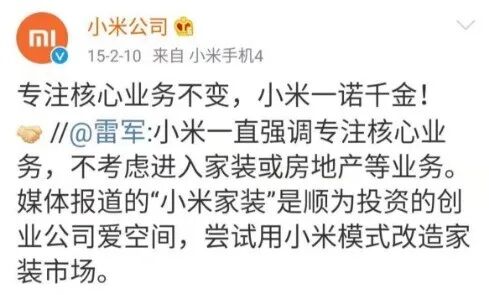 Image source: Weibo
In earlier years, countless netizens camped out in Lei Jun's comment section making wishes, urging Xiaomi to get into housing construction and sales. Lei Jun said very bluntly at the time: "Xiaomi will definitely not do real estate, so don't count on it."
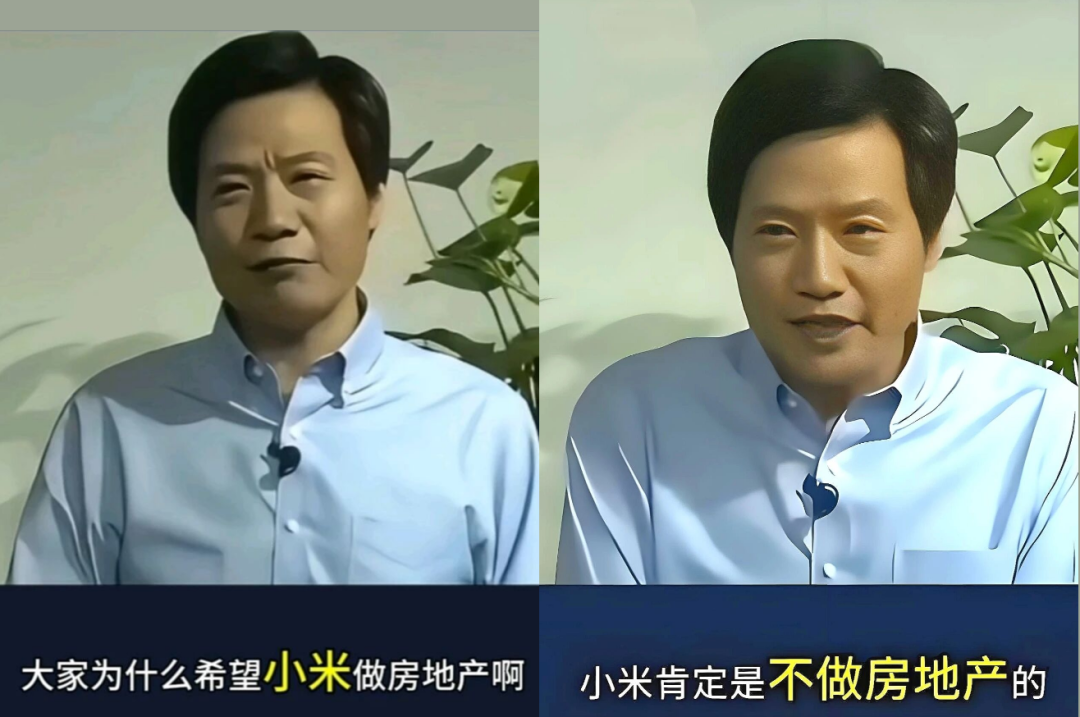 Image source: Video Account
But this time, it really is not what everyone thinks.
The pre-sale permit states clearly that the houses are sold only to formal Xiaomi employees; only those who have signed labor contracts and are paying social insurance normally are eligible, and outsiders cannot get in line no matter how rich they are. These are not commercial housing units circulating on the market, but welfare housing specially prepared for internal employees. Naturally, some people joked in the comments: "President Lei: people, cars, homes—real estate is finally conquered," followed by a teasing line, "Xiaomi still lacks loans and food delivery," as if the ecosystem map were almost complete.
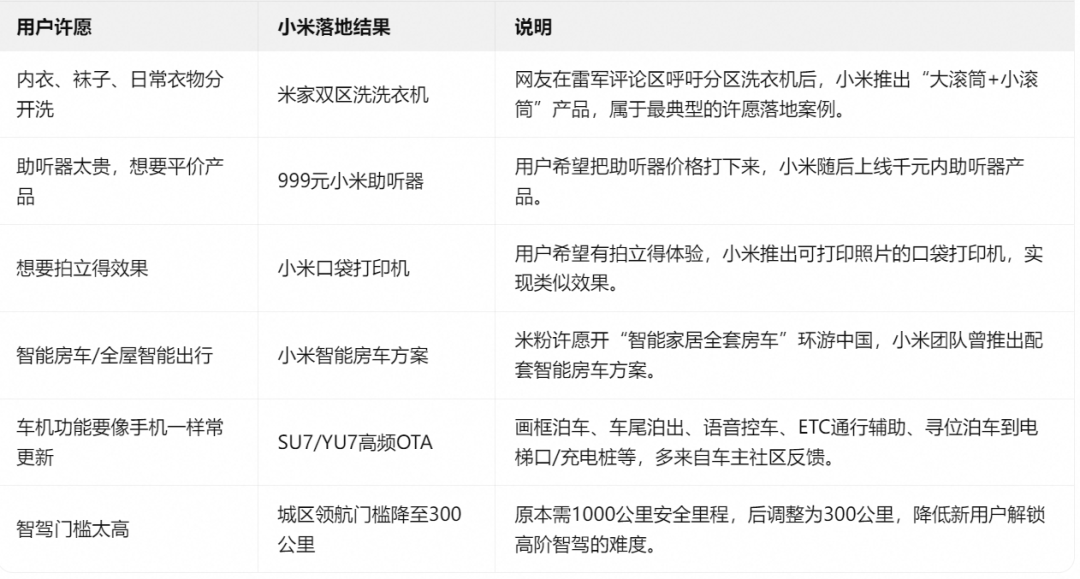 Mi fans make wishes, Xiaomi delivers
To be honest, after seeing the configuration of these houses, it is hard not to be tempted.
Built according to fourth-generation residential standards, the layouts range from 110㎡ three-bedroom units to 143㎡ four-bedroom units with sky gardens. The 143㎡ unit has a 6-meter double-height space and comes with a 16㎡ sky garden. Inside the community, covered corridors, sunken courtyards, a gym, a yoga room, and shared reception rooms are all fully equipped. Smart linkages are also maxed out: face recognition to enter the building door, and the elevator automatically comes down to pick you up.
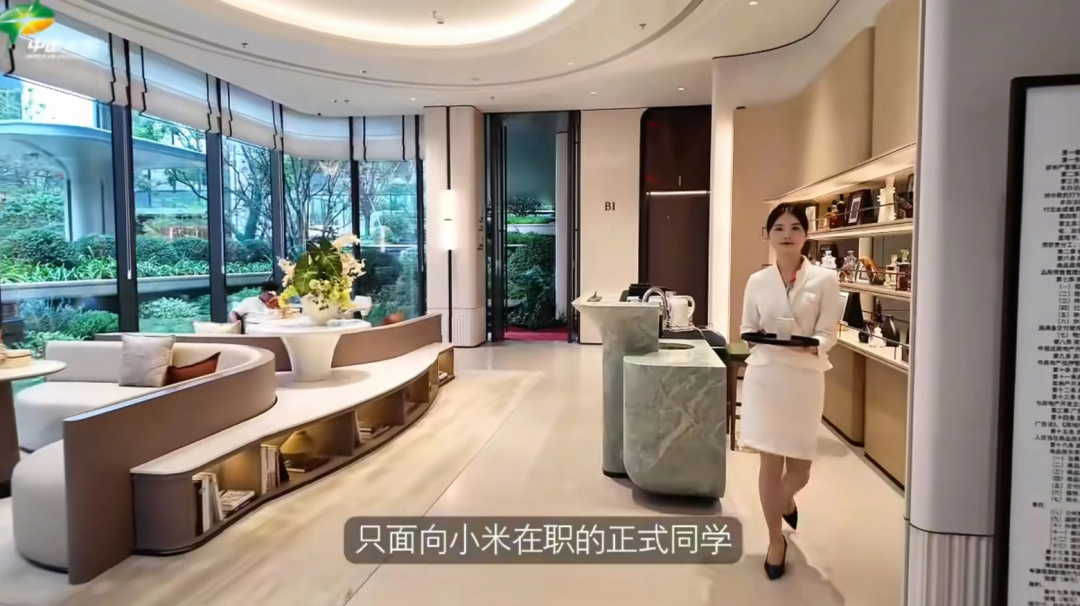
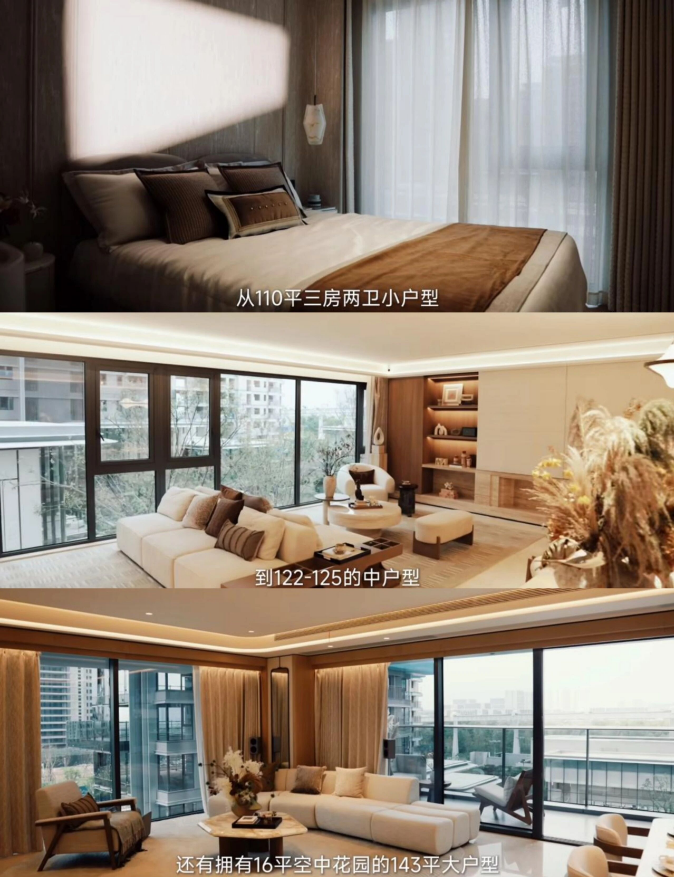
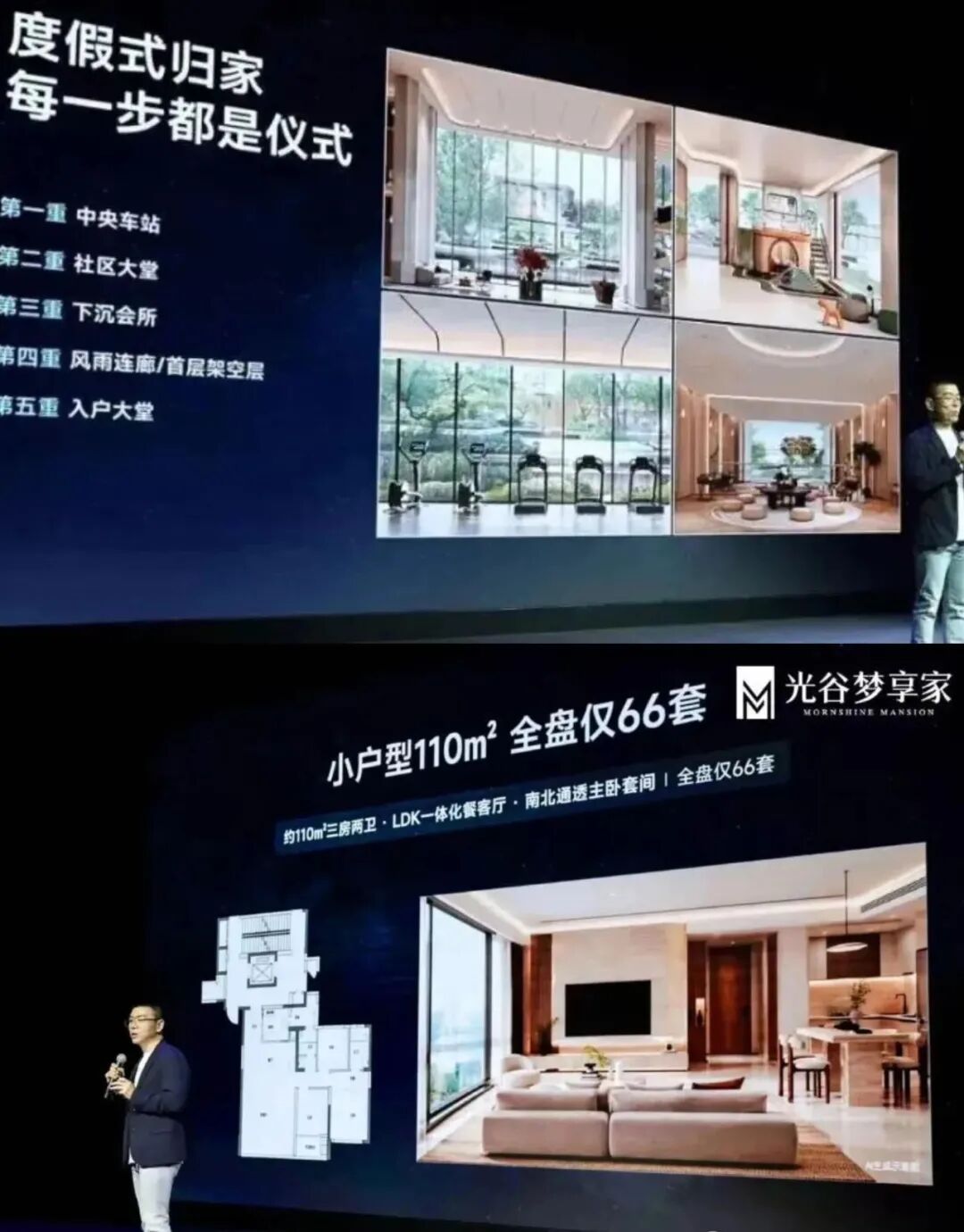 Image source: Changjiang Yun News
The most attractive point is that it is only 700 meters from Xiaomi Wuhan Science and Technology Park—a ten-minute walk to the office. Anyone working in Optics Valley understands how rare it is not to have to commute across districts for one or two hours every day. However, some people also raised different concerns: "It's already hard enough being together at work, and now we'd still be together after work." With living, eating, and commuting all in one circle, personal space would be compressed instead.
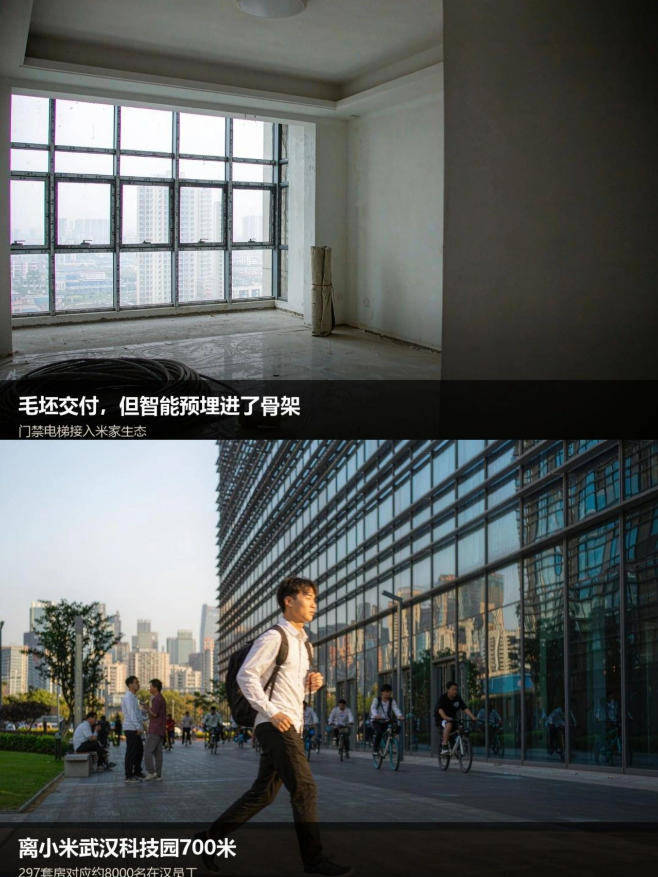 Image source: Changjiang Yun News
The price is also quite sincere.
The neighboring Zhongjian Yipin has a filed average price of 15,084, and Hubei Ketou's project sells for 16,260, while Xiaomi's filed price is directly more than a thousand cheaper. According to online reports, the internal employee price is about 12,000, and some units are even as low as 11,400. Calculated for one apartment, tens of thousands can be saved with ease. Someone could not help asking: "Can't this price be considered honest and generous?"
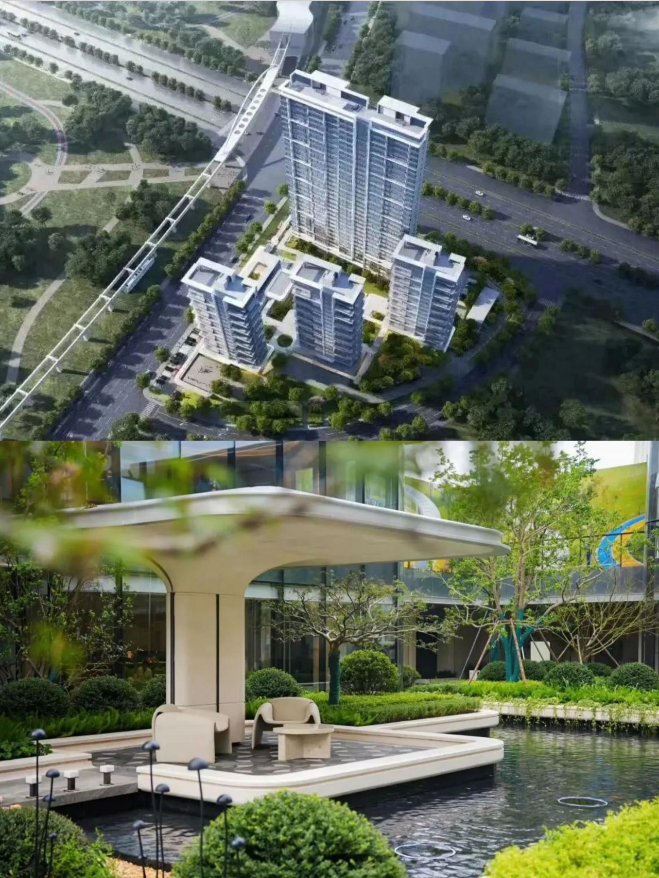
Image source: Changjiang Yun News
But doubts also emerged at the same time. Some netizens saw it rationally: "It's neither free housing for employees nor free allocation of apartments to employees. How different is this from renting or buying a house yourself?" A sharper view pointed it out directly: "The money you worked hard to earn is being taken back by them again." Other attentive netizens reminded everyone: "Pay attention to the small print and the multiple functions of load-bearing walls." What they meant was that subsequent restrictions on sale, transfer, and repurchase clauses are all hidden in the detailed rules, and every item must be read clearly before buying.

Netizens hotly discussing. Image source: Weibo
This is not the first time Xiaomi has solved housing problems for employees.
In June this year, Wuhan Xiaomi Youth Apartments had already launched, with 990 fully furnished studio units at a monthly rent of only 1,099, including heating and internet fees—roughly 70 percent of the surrounding market price.
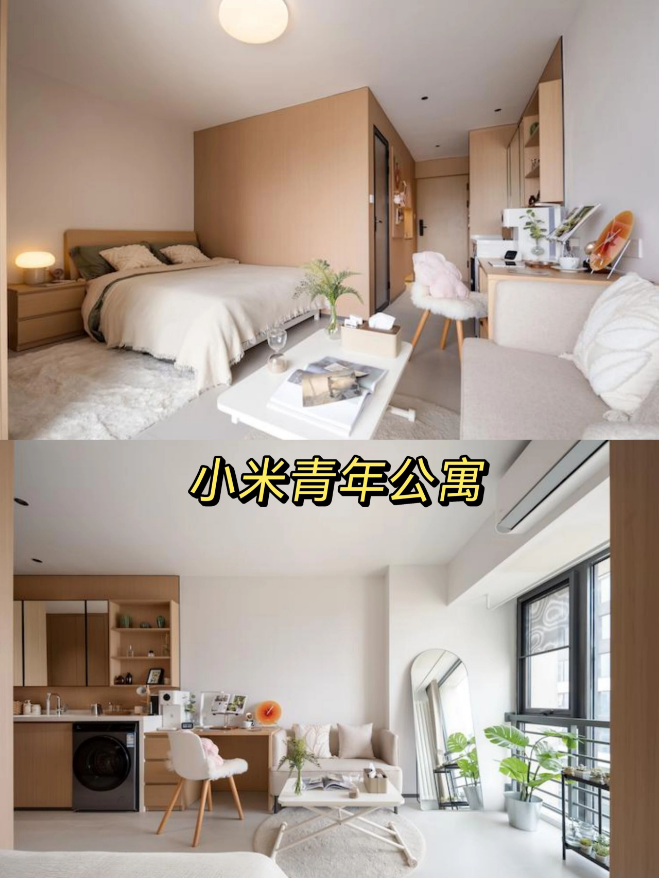 Image source: Weibo
Not only in Wuhan. In Beijing, Nanjing, and Wuhan combined, Xiaomi has already built 12 apartment buildings with 4,214 housing units. The approach is clear: fresh graduates first settle down in low-priced apartments; veteran employees who have worked at the company for years and are preparing to start families use employee housing to put down roots.
Once the news spread, the comment section was filled with the phrase "heartburn."
This term originally meant stomach discomfort, but after being popularized by short videos recently, its meaning has long changed.
Some said: Other people spend 12,000 to buy one square meter of housing, while my 12,000 is only enough to pay one year's rent. That really gives me heartburn.
Others complained: Other people's bosses worry about whether their employees live well, while our company even requires registration to take coffee packets from the pantry.
Envy is human nature, but directly concluding that Lei Jun is crossing sectors into real estate is actually a misunderstanding.
This plot was acquired in 2021 at a floor price of 8,327 yuan/㎡. Anyone familiar with Optics Valley land auctions knows that at that time, floor prices for surrounding plots had already surged to over 20,000. The premise for Xiaomi to obtain land at this price was fulfilling its industrial commitments: establishing its headquarters, investing 8 billion yuan, and bringing in a research and development team of thousands of people. Some netizens even interpreted it from the broader market perspective: "Follow the trend, real estate is about to rise," treating the matter as a signal of a recovery in the property market.
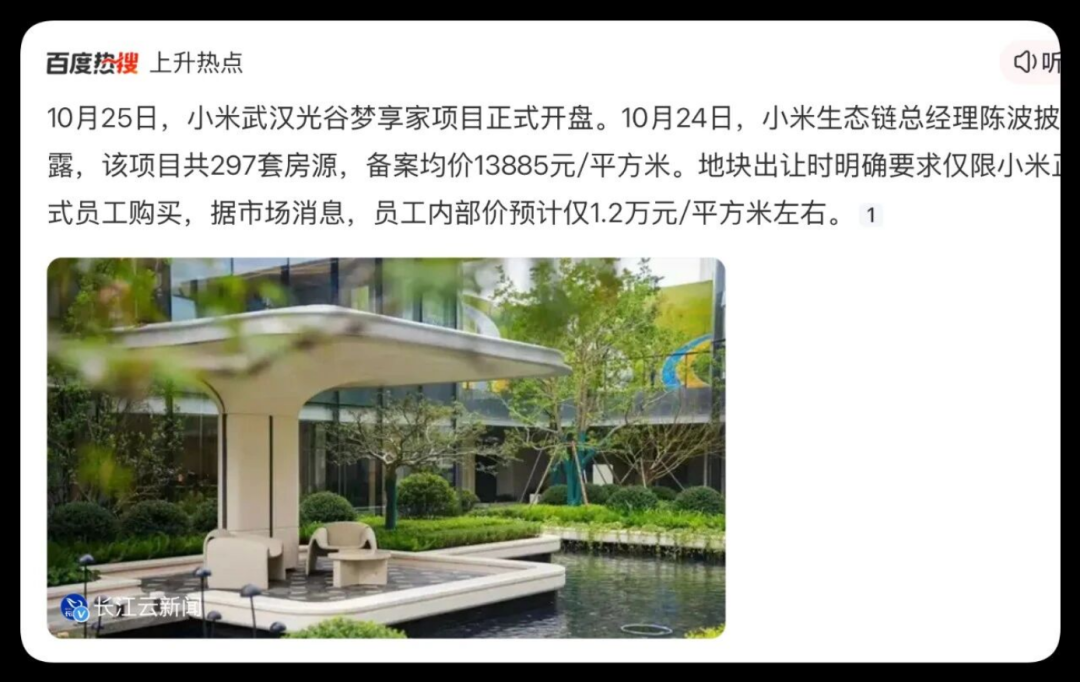 Image source: Baidu Hot Search
It is not running off to build and sell houses, but a talent account that benefits all three parties
In essence, it is a win-win or even three-win cooperation. The government offers preferential land prices in exchange for industrial landing and retaining talent; Xiaomi provides targeted housing to stabilize its key employees; and employees obtain homes below market price and no longer need to be held hostage by high housing prices.
Many people online compare it with Huawei's employee housing in Songshan Lake, saying Huawei's is 8,500 per square meter with a much larger discount, and that Xiaomi lacks vision. Others bring up another reference point and ask: "Geely gives employees a 200,000 housing subsidy. Which is more attractive?" The methods different companies use to retain people are being placed side by side.
Such comparisons are actually not very fair.
The underlying logic of Huawei's low-priced housing in Songshan Lake is likewise preferential local land supply policy. The land price itself is very low, and there are strict sale restrictions. It is not Huawei spending huge sums on subsidies out of its own pocket. Xiaomi's floor price for this plot was not low to begin with, and the rumored internal price of 12,000 basically runs close to cost. Making money by selling houses is hardly plausible.
Gree, JD.com, Vipshop, and big companies have all been working on employee housing in recent years. Everyone knows clearly that when recruiting and retaining people now, raising salaries alone is very difficult. With housing prices so high, housing has already become a trump card in the competition for core talent.
Of course, there are different voices: Isn't this just binding employees tightly to the company?
That is indeed how it works. A house is an asset and also a long-term choice. Most people willing to take on this welfare benefit already recognize Xiaomi and plan to work in Optics Valley for the long term; if someone is already thinking about job-hopping, this house instead becomes a difficult multiple-choice question. Welfare is, to some extent, also a filter, keeping those willing to go the distance together.
From phones to houses, Xiaomi's ecosystem has completed the living link
Many people joke that this is the last piece of the puzzle in Xiaomi's full ecosystem of people, cars, and homes.
Xiaomi started with phones, then gradually expanded into home appliances and various smart hardware, and then Xiaomi cars, always focusing on cost-effectiveness and broad accessibility. Now that employees have moved into these Xiaomi smart-linked homes, phones, cars, and home smart devices are connected together, bringing every aspect of life into the Xiaomi ecosystem.
In the past, Xiaomi's cost-effectiveness was for outside consumers; this time, that generosity has been given to its own employees.
It has been 16 years since Xiaomi released its first phone.
Xiaomi is no longer just a company selling digital products. From 1,999-yuan phones to electric cars costing over 100,000 yuan, and now to these 297 residences with sky gardens in Optics Valley, it has been doing one thing all along: bringing cost-effectiveness into the real lives of ordinary people.
But we should also be rational. There are only 297 apartments at Optics Valley Mengxiangjia, while Xiaomi has more than 8,000 employees in Wuhan. Too many wolves for too little meat—it is a scarce benefit, and not everyone can grab one. It cannot solve everyone's housing purchase problem, let alone represent some new real estate market model. Against the broader backdrop of the stock-market era, it is more like a sample of industrial support facilities and cannot be treated as a universal remedy.
 Image source: Changjiang Yun News
A comment online has spread widely: "Excellent companies earn profits, great companies win hearts."
Lei Jun did not go back on his word. He did not sell houses to ordinary homebuyers for profit, but simply used a corporate approach to solve the most troublesome housing issue for his own employees.
Envy is envy, but one saying is very true: ordinary people cannot get their hands on Lei Jun's housing, but the logic behind retaining people is worth understanding.
A company is willing to back you up on the premise that you yourself are worth that price.
Lei Jun is selling houses. What we ordinary people can take out to exchange with the world is a reputation for reliability, steadiness, and being trustworthy in what we do.
When you build up that reputation, you will also have the confidence to settle down in a home of your own.
Interactive topic: If your company could provide low-priced employee housing, would you be willing to stay for the long term?
Disclaimer: This article is only a financial commentary on big companies and does not constitute any investment advice. The corporate data and regulatory events mentioned in the article all come from public information and are for reference only; specifics should be based on official releases. Image sources are from the internet. If there is any copyright issue, please contact us for deletion.
-
![]()
When Every Company Dons the AI "Hat"
-
![]()
Toy Giant ZURU Moves China HQ to Shenzhen's China Resources Tower with 30,000 sqm Lease
-
![]()
SDD Spec-Driven Development Tutorial — The More Features You Add, the More AI Starts "Making Things Up"
-
![]()
Xpeng MONA's Three Models Overlap in Price Range of 119,800 to 176,800 Yuan, Beginning to Compete with Themselves
-
![]()
Avatr Cancels Launch Event: Carmakers Spend 8.12 Million Yuan on a Grand Show, Yet 87% of New Cars Peak in Their First Month
-
![]()
XPeng Robotaxi Cleared for Full-Area Demonstration Operations in Guangzhou — the Real Test Has Only Just Begun
-
![]()
BYD Enters the Million-Employee Era: The World's Largest Automaker by Headcount
-
![]()
Tesla's Q3 Earnings: Profits Halved, Yet the Stock Rose—Here's Why