1 Billion Yuanbao Distributed! Pony Ma Kicks Off the Spring Festival Red Packet War, But Is Democratizing AI a Tough Nut to Crack?
 02/02 2026
 722
722
The Spring Festival serves as a litmus test for internet innovations.

This year, AI behemoths are dishing out red packets during the festive season.
On the stroke of midnight on February 1, 2026, Tencent's AI offering, Yuanbao, officially rolled out its "1 Billion Cash Red Packet" campaign. Users simply need to download the Yuanbao App and complete designated tasks to earn chances to snag red packets and withdraw the accumulated amounts on specified cash-out days (4th, 10th, and 17th).
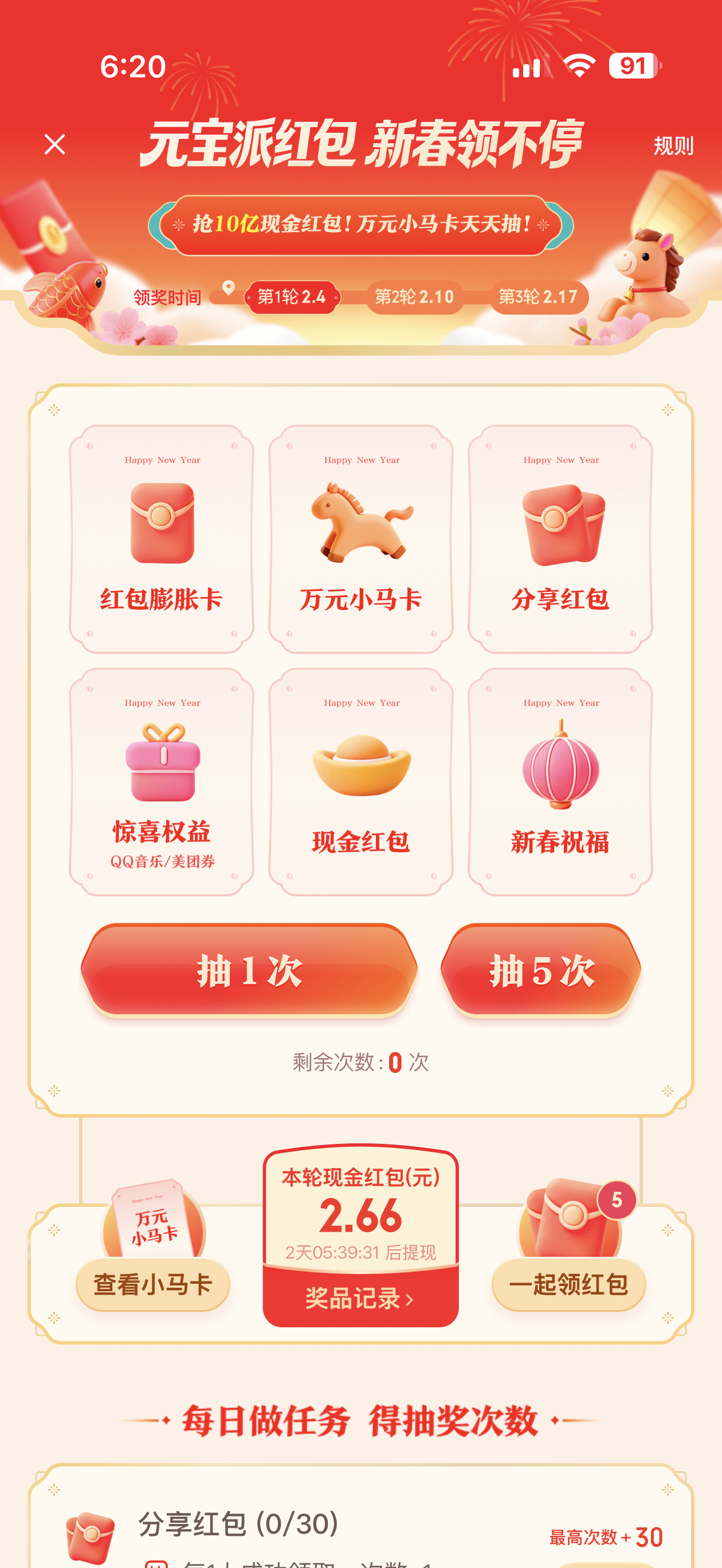
Image Courtesy: Leitech
Despite Xiaolei's 'bad luck' in only securing 2.66 yuan in the initial red packet draw, screenshots from colleagues in the group revealed substantial rewards. After all, Tencent anticipates distributing a staggering 1 billion yuan in cash red packets through this event. At Tencent's annual gathering on January 26, CEO Pony Ma even proclaimed, 'We aim for Yuanbao's Spring Festival initiative of distributing 1 billion yuan in cash to replicate the past success of WeChat's red packets.'
From Leitech's vantage point, this could indeed 'hit the mark.' On the same day, Baidu's Wenxin Assistant announced its participation in the 2026 AI Red Packet Frenzy: From January 26 to March 12, users can partake in a 500 million cash red packet event simply by utilizing Wenxin Assistant within the App. Although Wenxin trails Yuanbao in terms of total cash red packet allocation, it exhibits commendable sincerity in terms of duration.
Xiaolei also offered a brief comparison of the performances of these two entities.
Yuanbao's red packet gameplay is relatively straightforward. Users can earn red packet drawing opportunities by clicking on the red packet tab in the Yuanbao App and completing tasks such as using Yuanbao and sharing it with friends.
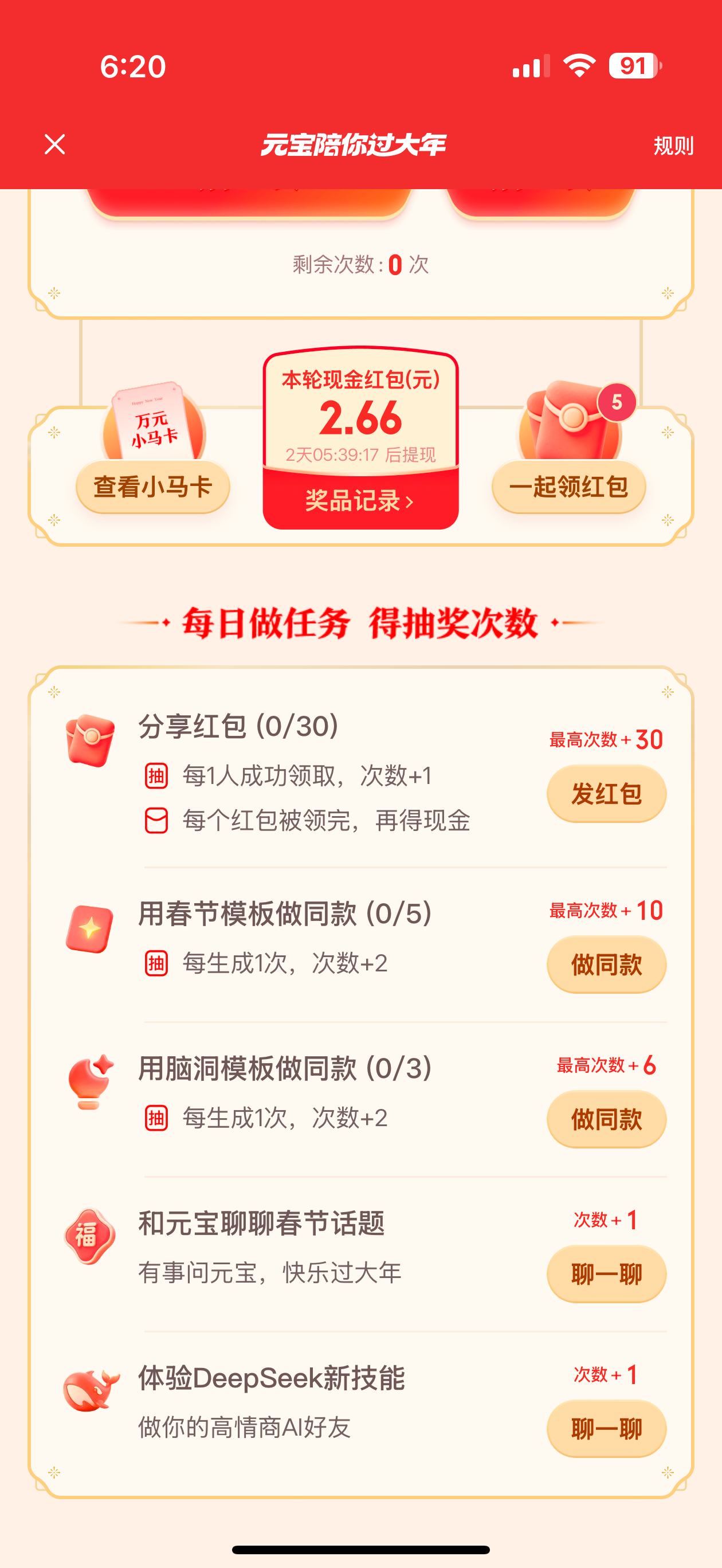
Image Courtesy: Leitech
Wenxin's event is more intricate, with the event entrance located not within the Wenxin App but in the Baidu App: Users can launch Wenxin Assistant by clicking on the AI tab at the bottom of the Baidu App and then access the red packet event page through the Spring Festival red packet tab. It's worth noting that Wenxin's red packet page plays sound by default upon opening.
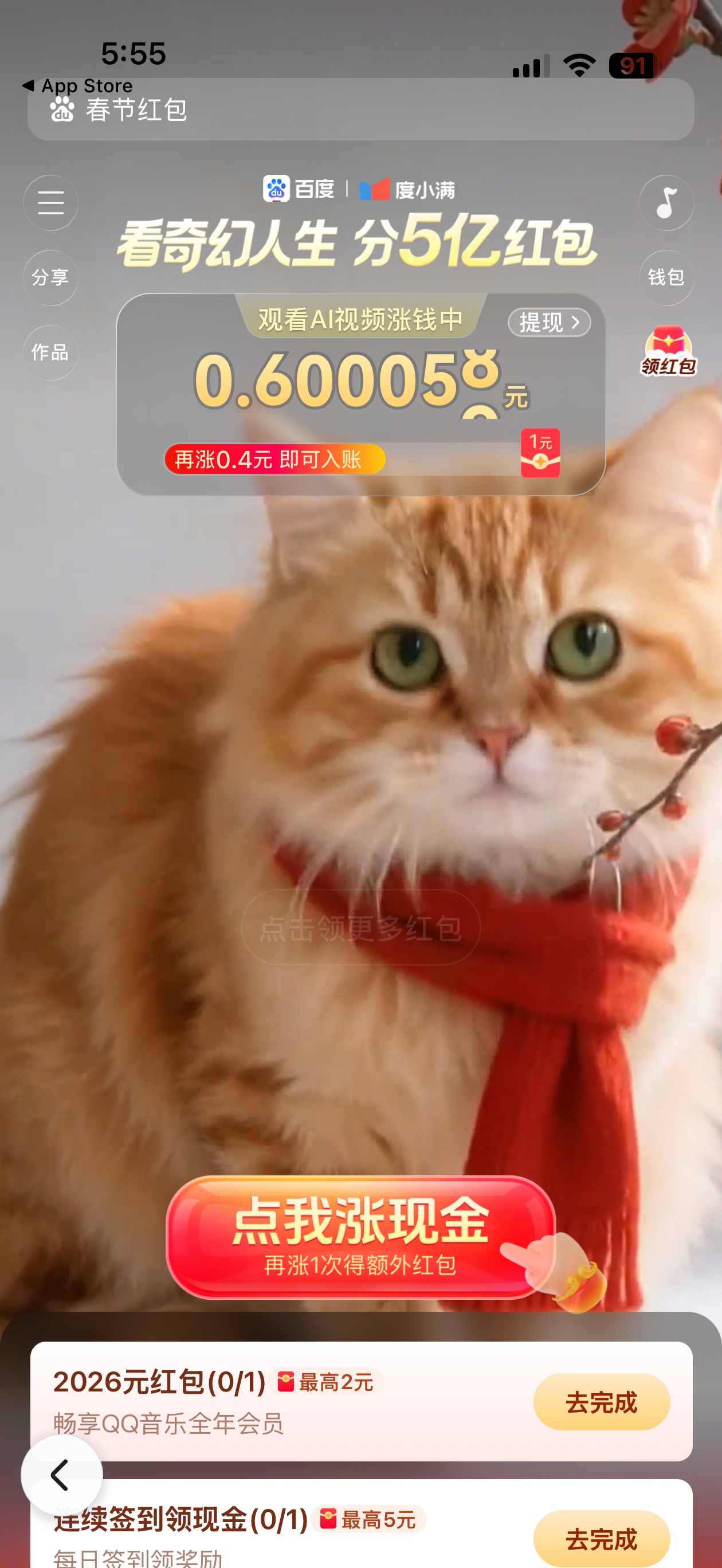
Image Courtesy: Leitech
In terms of specific gameplay, Wenxin also revolves around the model of completing tasks, earning opportunities, drawing red packets, and withdrawing cash.
Image Courtesy: Leitech
As for Alibaba, according to a report by Jiemian News, Qianwen will also roll out red packet benefits during the Spring Festival, with a 'total amount reaching the hundred-million level.'
As early as 2025, ByteDance's Volcano Engine had already secured the position of the exclusive AI cloud partner for the '2026 CCTV Spring Festival Gala.' Its AI application, Doubao, will also deeply participate, crafting its own AI gameplay around the CCTV Spring Festival Gala.
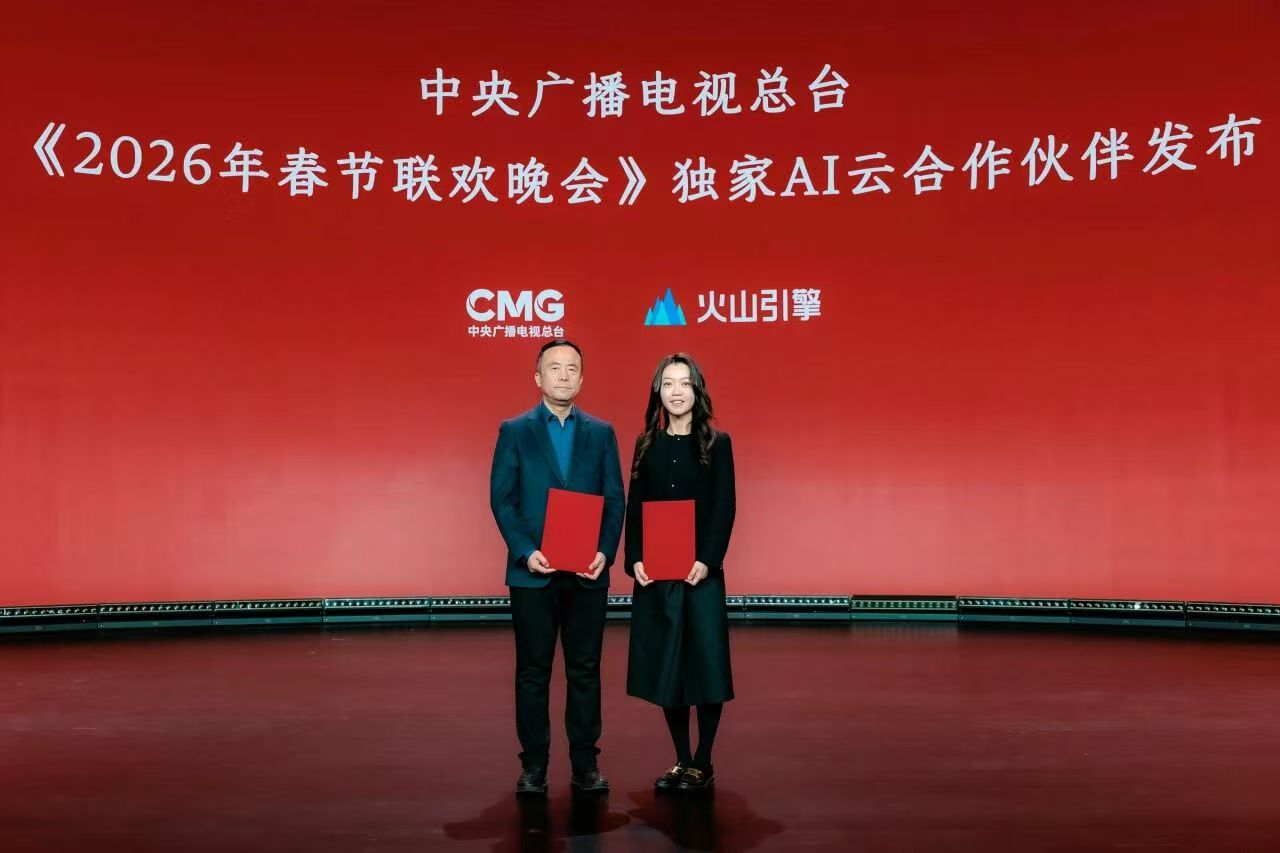
Image Courtesy: Volcano Engine
It's evident that the four major domestic AI giants all regard the Spring Festival as the paramount stage and battlefield at present. So, where does this unanimous 'tacit understanding' stem from? Or, to put it another way:
Why is the Spring Festival so pivotal for AI?
The Spring Festival: A Critical Moment for Nationwide Outreach
If we rewind 10 years, the answer to this question is not unfamiliar. Even the mobile payments we are accustomed to today serve as a prime example.
Before 2015, some individuals were already utilizing QR code payments, but it would be inaccurate to claim that mobile payments were already 'ubiquitous' at that time. The real turning point arrived during the Spring Festival—while people were exchanging New Year's greetings and snatching red packets, they were also compelled to learn how to bind cards, transfer money, and receive payments. Once the holiday concluded, many suddenly realized: It seems that eschewing cash isn't that inconvenient after all.
Since then, our payment habits have undergone a permanent transformation.
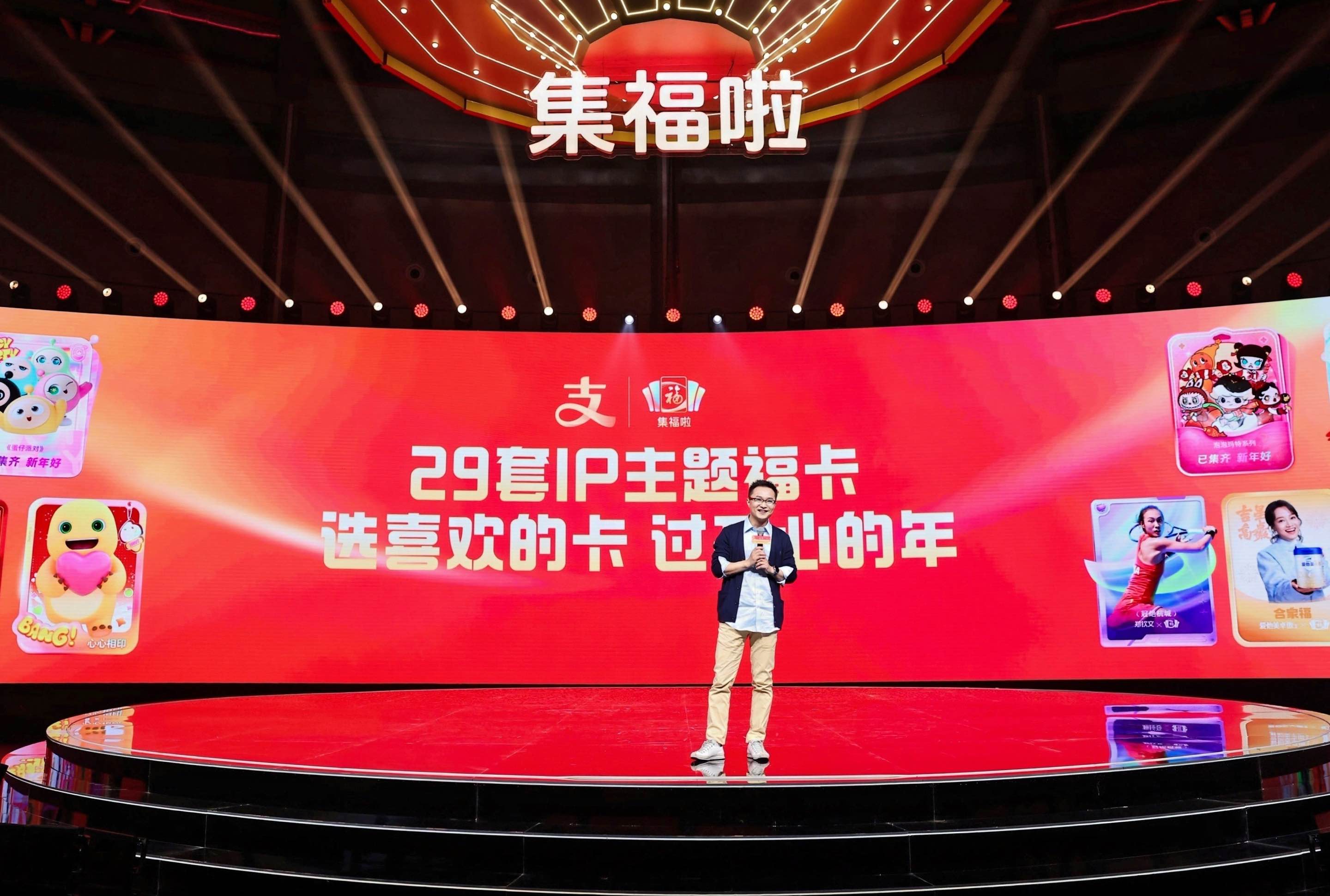
Image Courtesy: Alipay
Subsequent developments followed a similar trajectory. Short videos first gained traction during the Spring Festival, and services like food delivery, ride-hailing, and various subsidies also tended to launch major promotions during the holiday season when 'everyone is glued to their phones.'
Simply put, the Spring Festival itself is a colossal 'offline gateway.' It encompasses the most users, the widest range of circles, and the most intensive usage. Whether something is user-friendly or not can be determined within minutes.
Because of this, from Leitech's perspective, the Spring Festival has never been solely about distributing red packets and watching the Spring Festival Gala. It's more akin to a 'final exam' for new internet concepts: Whether an internet concept can be comprehended and widely adopted by the public, and whether it can thrive in family and relative group chats, the Spring Festival can almost instantaneously filter out more than half of them.
Now, it's AI's turn to step into this arena.
Ultimately, for many ordinary individuals, AI has always felt somewhat 'distant'—they've heard of it, seen it, and even tried it, but it's challenging to assert that AI has seamlessly integrated into their daily lives. For most ordinary users, AI resembles a tool that 'needs to be remembered to be utilized' rather than a capability naturally embedded in life.
This is why the 2026 Spring Festival has emerged as an exceptionally crucial time point. From Leitech's perspective, Yuanbao, Wenxin, Qianwen, and Doubao's focus on red packets, the Spring Festival Gala, and Spring Festival scenarios is essentially an attempt to genuinely integrate AI into the lives of thousands of households.
Of course, compared to mobile payments, AI faces significantly steeper challenges: Payments address a clear and singular need, whereas AI's value is more dispersed and heavily reliant on product design. Even if the Spring Festival can facilitate AI's rapid dissemination, whether it can genuinely endure hinges on whether users are willing to continue utilizing it after the initial excitement subsides.
Because of this, Leitech believes that this wave of AI Spring Festival events is not merely a straightforward promotion to acquire new users but will also serve as a milestone for 'AI's rural outreach.'
Can Spring Festival Red Packets Spark an AI Super App?
However, distributing cash red packets during the festive season can undoubtedly flood AI with traffic. But whether users can be retained post-event depends on the genuine capabilities of each AI. After all, red packets can only address the issue of 'first-time use' and cannot tackle the challenge of 'long-term use'—they can attract users but cannot determine whether users will stay.
The reason why mobile payments were able to swiftly gain a foothold after the Spring Festival back then is not complex: Once payment habits are formed, they are almost irreversible. The efficiency advantages of QR code payments are continuously amplified in daily life, and users have no incentive to revert to the past.
But the scenario AI faces is considerably more intricate.
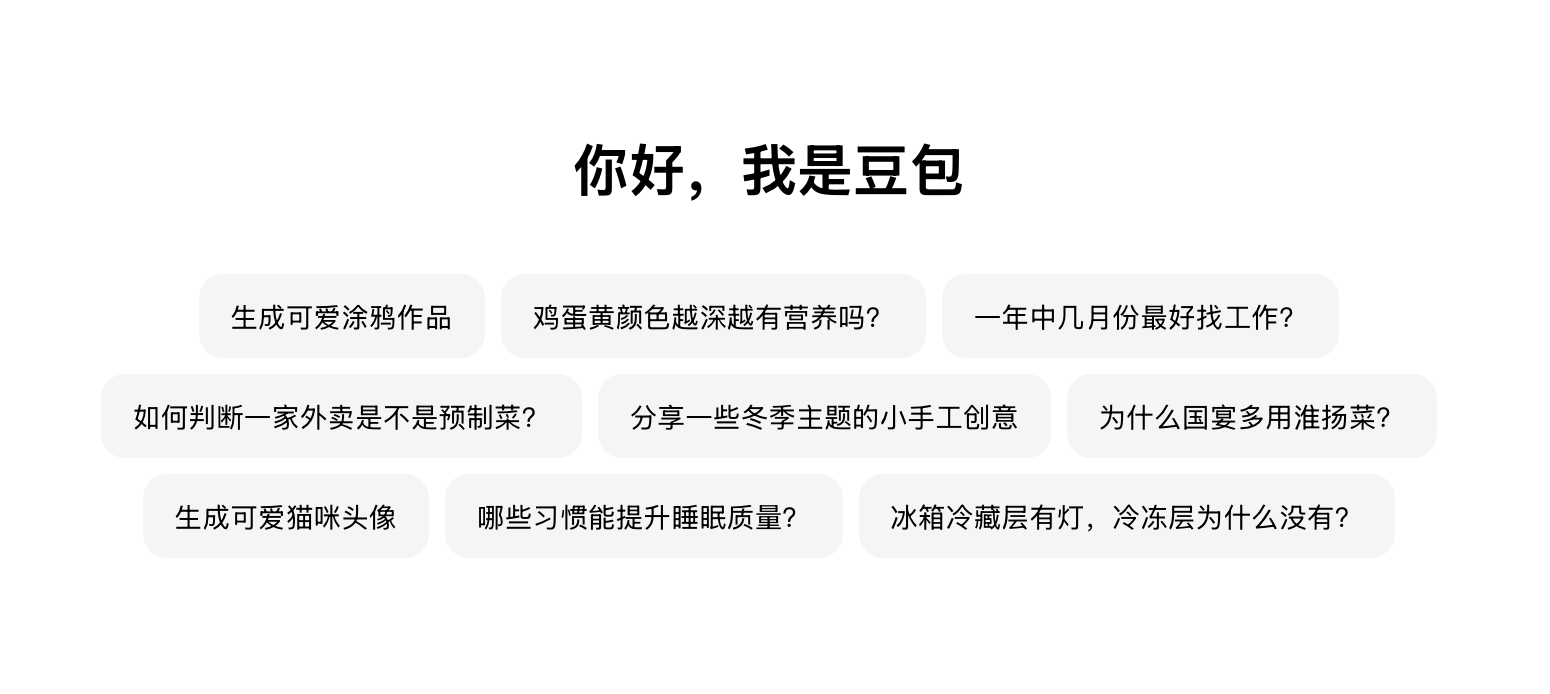
Image Courtesy: Doubao
Firstly, despite differences in technological paths, the current development directions of various AIs in terms of use cases are actually converging. For ordinary users, the disparity between different AI products in terms of 'usability' is no longer as pronounced as it was in the early stages. Additionally, AI usage scenarios are inherently more dispersed, as AI is often not the 'go-to' tool in many situations.
This is why Leitech believes that relying solely on 'distributing red packets' to gauge the effectiveness of this wave of AI Spring Festival events is inherently flawed. In reality, for AI giants, what merits observation is not how much their download volumes surged during the Spring Festival but whether, post-holiday, AI has commenced being repeatedly utilized in specific scenarios.
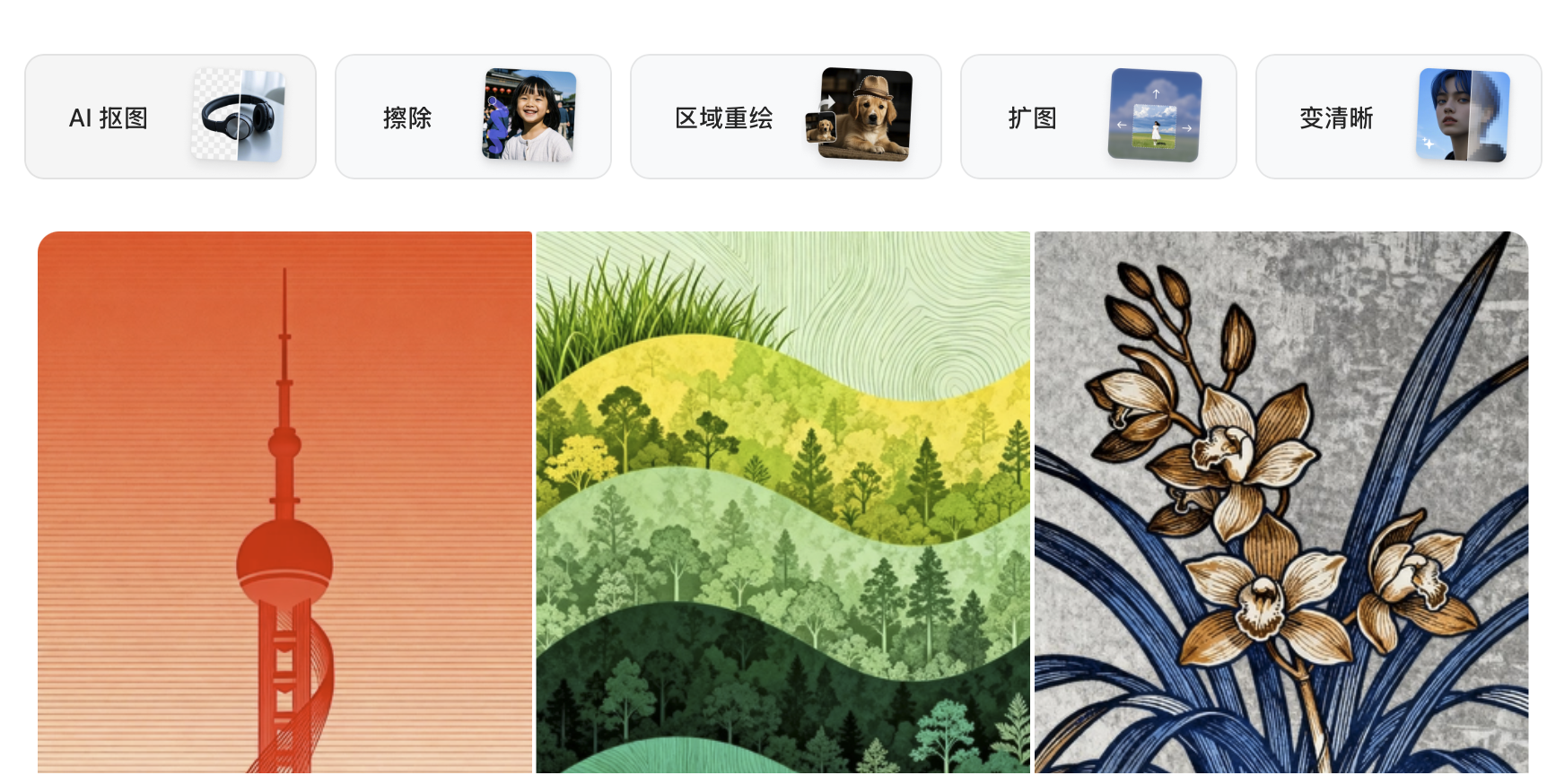
Image Courtesy: Doubao
From this perspective, the significance of this Spring Festival for AI is actually more akin to an industry-driven event. If, in the past few years, AI's popularization has largely remained at the stage of 'hearing about it and trying it once,' then as long as more and more individuals are willing to incorporate AI into their daily lives in 2026, even if the scale isn't substantial yet, AI is not far from becoming a 'national-level application.'
After all, true breakthroughs never occur overnight.
The Era of AI Democratization Is Approaching
Reflecting on the major milestones in China's internet industry over the past decade, we observe that those new technologies genuinely possessing 'infrastructure potential' have all relied on a nationwide, high-intensity concentrated usage scenario. This held true for mobile payments, short videos, and subsequently for food delivery, e-commerce, and ride-hailing, which all followed similar paths.
Over the past few years, AI's technological capabilities have evolved rapidly, but a barrier has always persisted on the user side: high cognitive costs and unstable value perception. This is why, despite repeated discussions, a truly 'national-level application' for AI has yet to materialize. It wasn't until the emergence of Spring Festival red packet events that AI was genuinely introduced into a sufficiently accessible, dense, and authentic scenario.
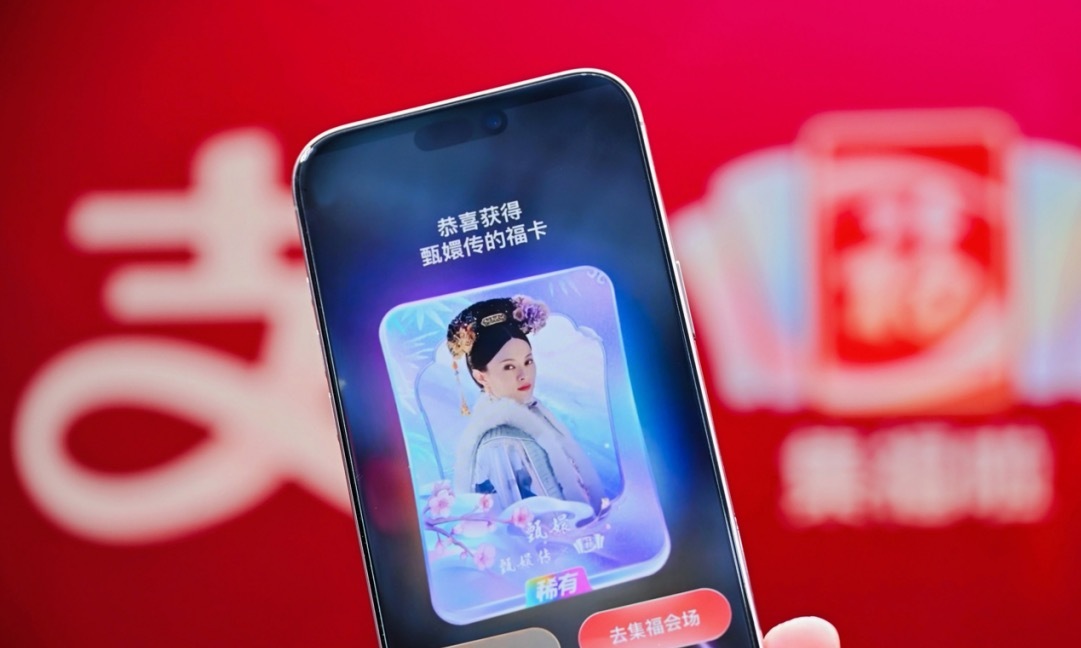
Image Courtesy: Alipay
Because of this, Leitech believes that this year's Spring Festival red packet battle can, at best, be considered the 'inception' of China's internet AI era. For internet products, a quantitative shift in user numbers will inevitably lead to a qualitative transformation. It is certain that AI, which leverages red packets to penetrate lower-tier markets, will inevitably expedite the emergence of richer application scenarios with higher user coverage, thereby driving the development of the AI industry.
Just as ride-hailing platforms utilized subsidies to cultivate user habits, as long as everyone becomes accustomed to utilizing AI, won't the golden era for AI be just around the corner?
Yuanbao, Doubao, Qianwen, Wenxin
Source: Leitech
Image Credits: 123RF Licensed Image Library
-
![]()
DJI Osmo 360 II In-Depth Review: How Does It Achieve Significant Image Quality Enhancements Without Sensor Changes or Excessive Spec Stacking?
-
![]()
Samsung’s Latest Foldable Phone Skips S Pen Again! Is AI Ushering in the End of Styluses?
-
![]()
Registered Capital Slashed to 372 Million Yuan! Yutong Optical Finalizes Industrial and Commercial Change Registration
-
![]()
Zhuque-3 Successfully Lands, and 'Time Traveler' Secures Another ¥100 Million in Funding: China's Commercial Space Industry Experiences a 'Dynamic August'
-
![]()
Autohome Faces a Shrinking Window of Opportunity
-
![]()
Even a Titan Like Musk Has Faced Setbacks in Fulfilling Promises
-
![]()
AI Office: The End of the Racing Era, Context Becomes the Key to Success
-
![]()
Domestic Vehicle Chassis Revolution ②: The Steering Wheel Remains, But Mechanical Connections in the Steering System Are Decreasing