AWE2026: Robots Are No Longer Out of Reach
 03/16 2026
 649
649
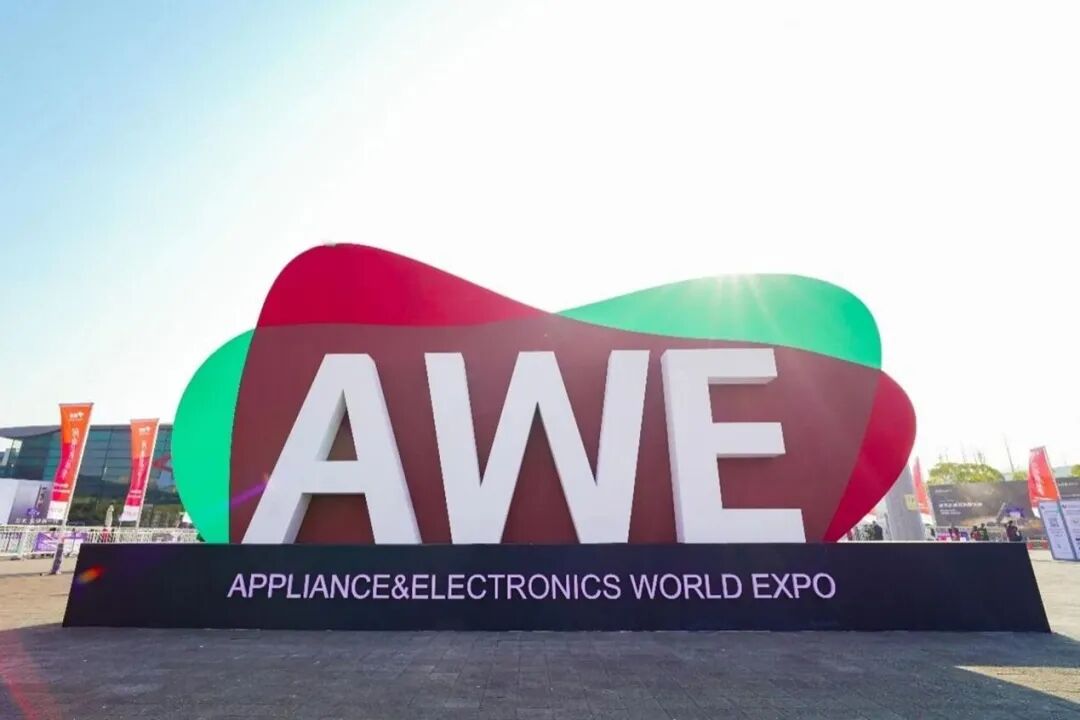
If your impression of home appliance exhibitions is still limited to refrigerators, TVs, and washing machines, AWE2026 is set to redefine your perspective.
As one of the world's top three home appliance exhibitions, alongside Germany's IFA and the U.S.'s CES, AWE2026 pushes human-robot integration to new heights.
Fotile, a leading player in the home appliance sector, brought the world's first robotic kitchen to the event.
Mechanical arms and humanoid robots perform specialized tasks in the kitchen. High-precision robotic arms handle cup positioning, water dispensing, and precise tableware arrangement, while humanoid robots execute complex cooking operations such as oil pouring, stir-frying, and plating.
From food preparation to post-meal cleaning, the entire process is fully automated, enabling even kitchen novices to effortlessly prepare a full meal.
Fotile's exploration at AWE2026 is not an isolated case.
From kitchen cooking to yard cleaning, from interactive companionship to precision operations, robots have transcended laboratory confines to become a new frontier pursued by both home appliance manufacturers and tech companies.
Once distant from everyday life, robots now serve as kitchen assistants, family companions, and versatile task performers.
From being talkative to actually getting work done, AWE2026 sends a clear message: robots are increasingly becoming part of our daily lives.

The Most Life-Integrated Robot Exhibition Zone: JD
Within this year's AWE pavilions, JD's exhibition zone offers a direct window into how robots will integrate into our daily lives.
Featuring over 60 robot products in various forms—humanoid, quadrupedal, exoskeletons, service robots, companion robots—it stands as one of AWE's most concentrated and interactive robot zones.
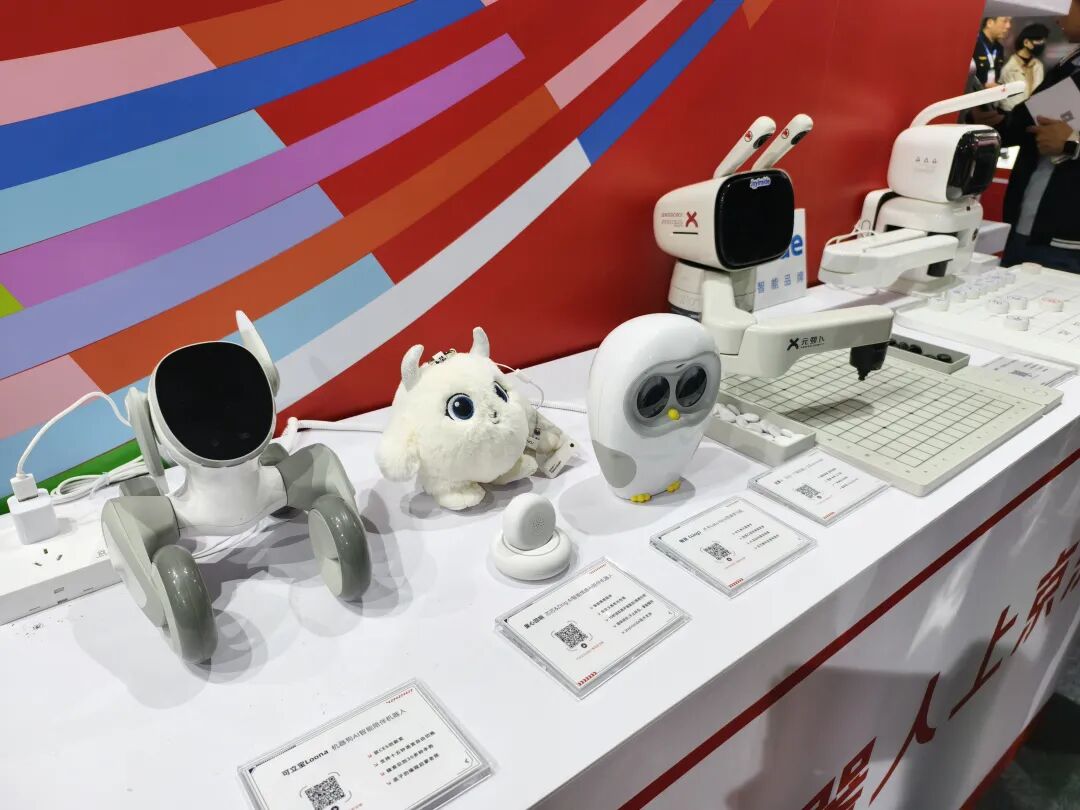
Unlike traditional industrial-focused robot displays, JD's robots emphasize approachability and family-oriented attributes. Placed in specific life scenarios, they provide companionship, perform household chores, facilitate learning interactions, and offer entertainment and emotional exchange.
Most robots on display focus on "life skills," corresponding to dexterous operational capabilities.
Stardust Intelligence's wheeled humanoid robot Astribot S1 completes a full tea-making process on-site. Qianxun Intelligence's humanoid robot Moz 1 demonstrates fine grasping abilities by threading fruit onto skewers.
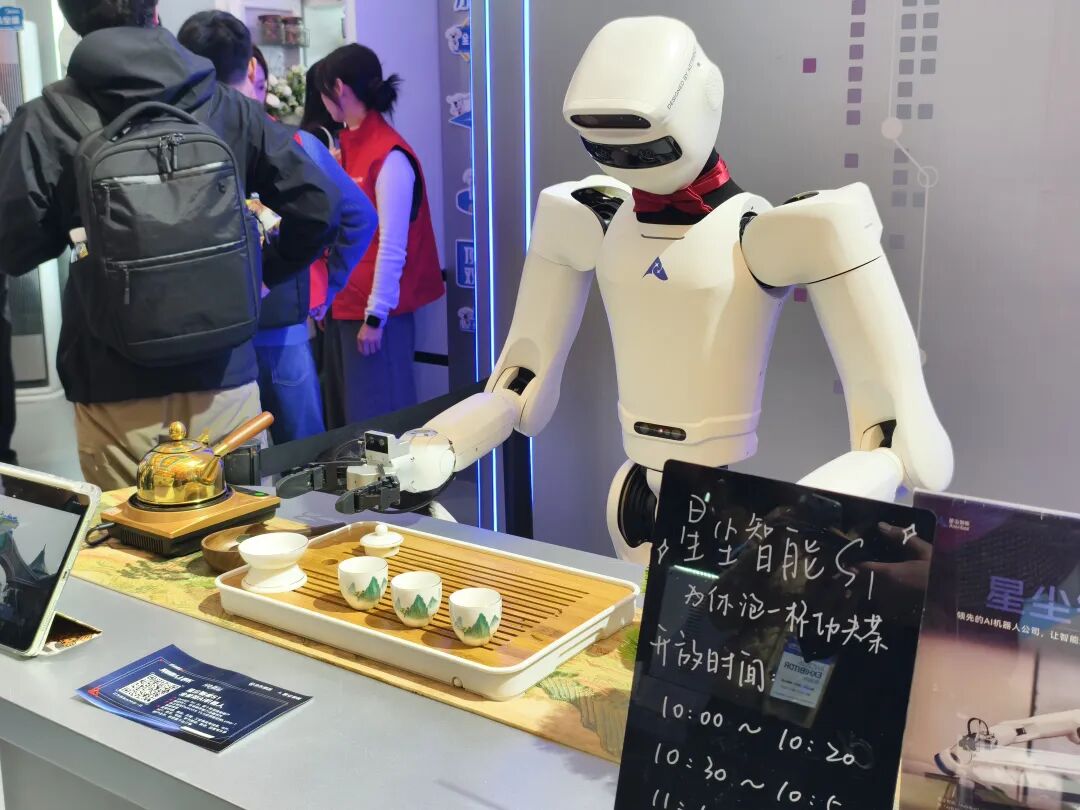
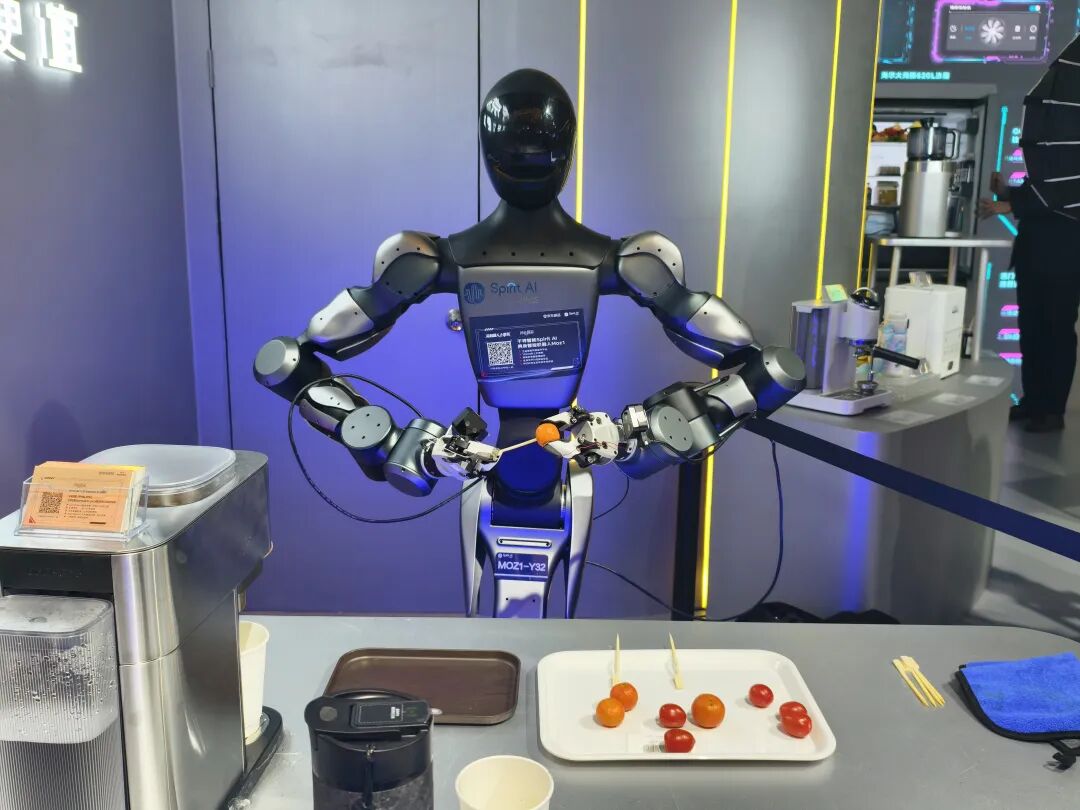
Xinghaitu's humanoid robot undertakes a 24-hour continuous towel-folding challenge, showcasing its technical accumulation in flexible fabric manipulation, automatic error correction, and continuous folding.
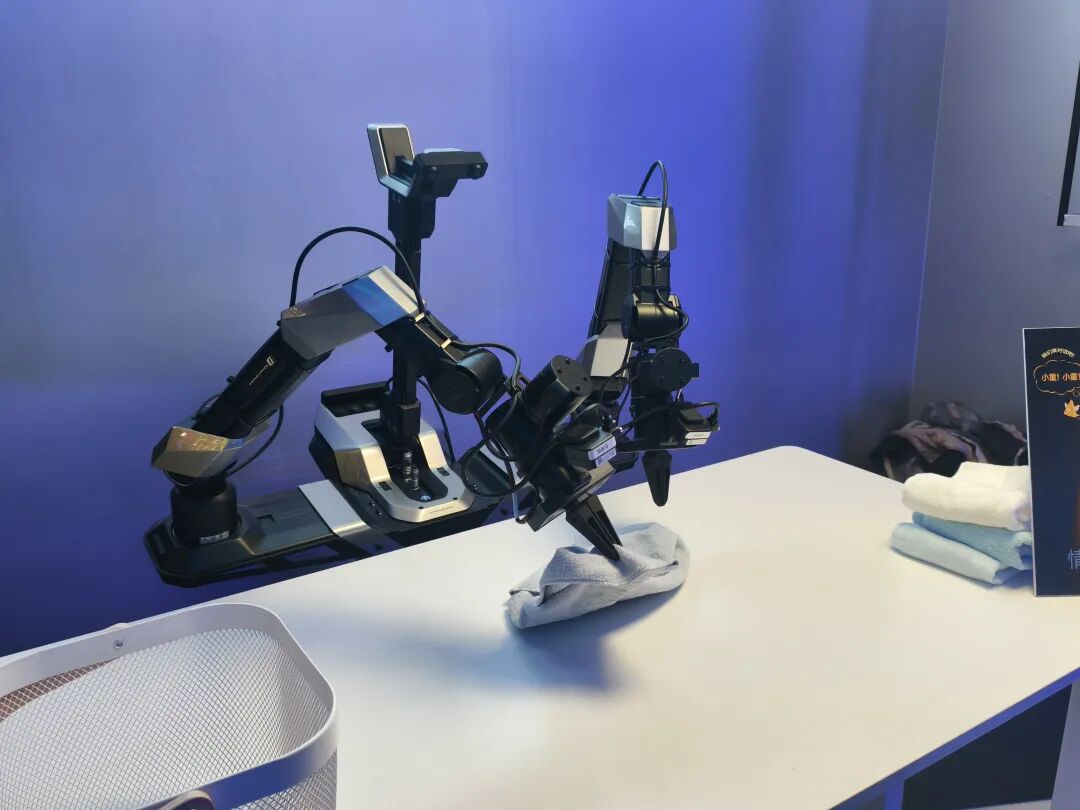
Proverse's robot creates sugar paintings on-site, with AI algorithms mimicking traditional sugar painting strokes to write the character "Spring" in sugar syrup.
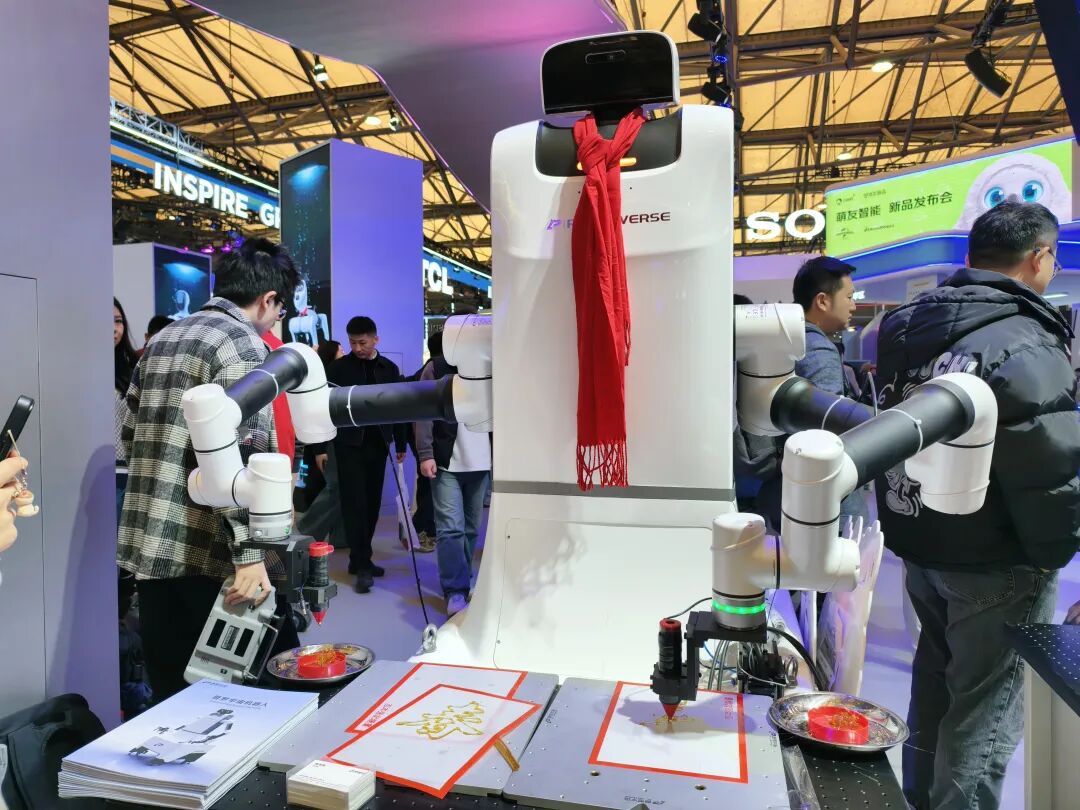
Beyond operational capabilities, some robots also showcase entertainment and companionship attributes.
Lingxin Qiaoshou displays multiple dexterous robotic hands and has one robot perform a piano piece on-site. Zhongqing's humanoid robot continues its popular boxing demonstration.
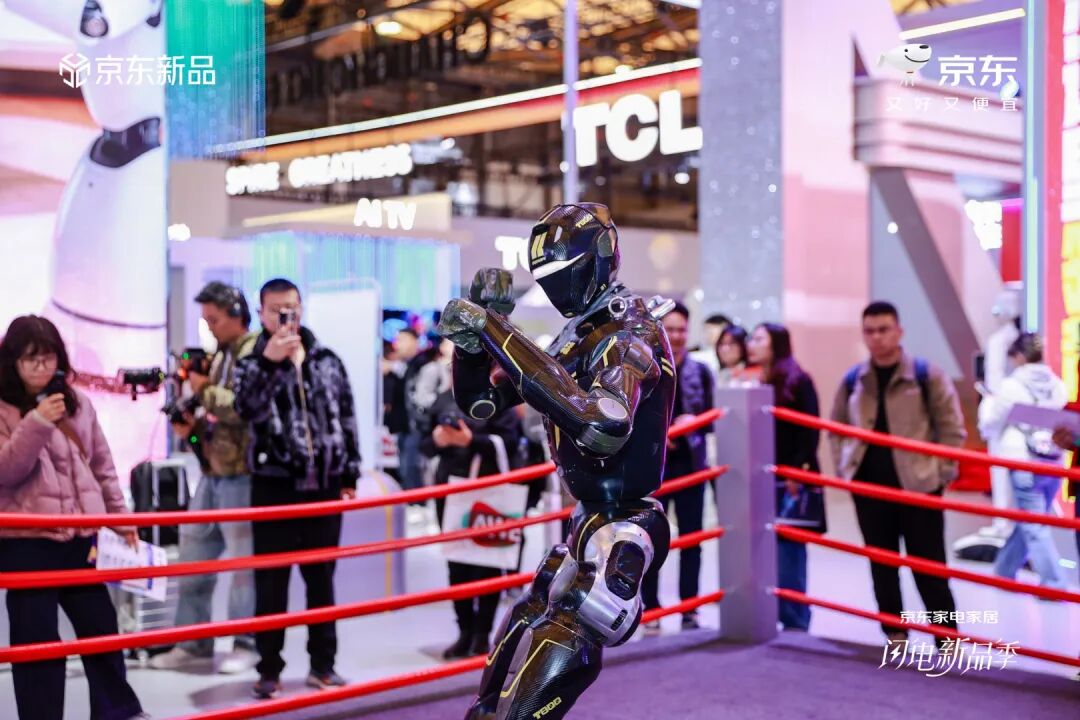
Jingshi Technology's BaoBao robot innovates in form, switching between humanoid and canine shapes while supporting intelligent following and AI study companionship functions.
These demonstrations offer glimpses of robots becoming integral family members in the future.
At JD's exhibition zone, a hidden technological thread runs through—JoyInside.
JoyInside is JD's embodied AI platform, providing intelligent interaction capabilities for hardware devices such as robots, AI toys, and smart home systems, enabling more complete voice understanding, emotional interaction, and task execution abilities.
Many robots on-site integrate this platform. Unitree Technology's JD-customized R1 JoyInside humanoid robot incorporates the JoyAI voice model for natural voice interactions; Jingshi Technology's BaoBao robot also features the built-in JoyInside system.
At the exhibition, JD announced plans to advance JoyInside technology integration with over 20 robot brands, attempting to build a more comprehensive AI smart home ecosystem.
This reflects JD's strategic approach in the robotics sector: while robot bodies come from different companies, JD aims to platformize underlying interaction capabilities and service systems, connecting with robots in various forms.
Indeed, JD has been strengthening its robotics ecosystem over the past two years. At last year's World Robot Conference, JD not only became the exclusive global strategic partner but also established an exhibition zone featuring multiple robot brands.
JD's repeated large-scale robot displays reveal its ambition to become a key gateway to the future robot consumer market.
Currently, JD has onboarded over 200 robotics-related brands, including Unitree Technology, Zhiyuan Robot, DeepRobotics, Ubtech, Galaxy General Robotics, and Songyan Power, covering companionship, education, development platforms, and industrial applications.
For many ordinary consumers, their first robot purchase may well occur on an e-commerce platform.
As robots transition from laboratories to consumer markets, e-commerce platforms are becoming vital entry points into households, with JD clearly aiming to secure an early position in this emerging market—both for technological penetration and user mindshare.

From Showcases to Everyday Life: Robots Come Alive
Entering AWE's Innovative Technology exhibition zone this year reveals that traditional white goods are no longer the sole focus—robots in diverse forms have become attention-grabbing highlights.
Unitree Technology, which gained fame through this year's Spring Festival Gala performance of "Wu BOT," still sets up a boxing ring at its booth. Straight punches, jabs, and front kicks—Unitree G1 executes these moves smoothly.
More amusingly, an elderly gentleman at the venue mimicked G1's movements, punching at the robot and creating a playful "virtual brawl."
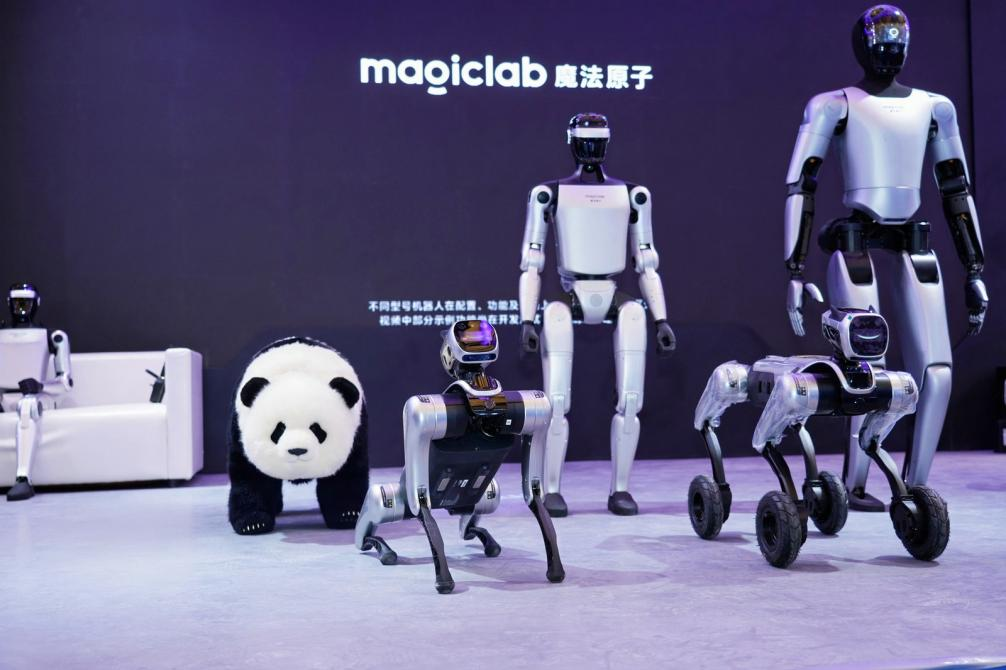
Magic Atom, another Spring Festival Gala participant, showcased a full range of products identical to those featured in the show.
These include the industrial humanoid robot GEN1, quadrupedal robot dog Y1, commercial humanoid robot Z1, and family-oriented MagicDog.
From industrial settings to commercial services and home environments, Magic Atom has created a comprehensive product commercialization landscape across all scenarios through its self-developed technological foundation, strong cross-scenario adaptability, and rapid deployment capabilities.
At the joint booth of Zhiyuan Robot and Qingtian Lease, the Expedition, Lingxi, Elf, and Kuto series robots comprehensively demonstrate robotic productivity in cultural, entertainment, and commercial performance directions.
Qingtian Lease, responding to diverse C-end scenario demands, deployed interactive performances such as robot calligraphy writing and robot costume-changing dances at the venue.
While bipedal humanoid robots have traditionally drawn more attention than quadrupedal robot dogs, the post-Spring Festival surge in robot popularity has elevated robot dogs into star products.
At AWE2026, DeepRobotics, Vital Power, and Zhishen Technology exhibited robot dogs with distinct styles.
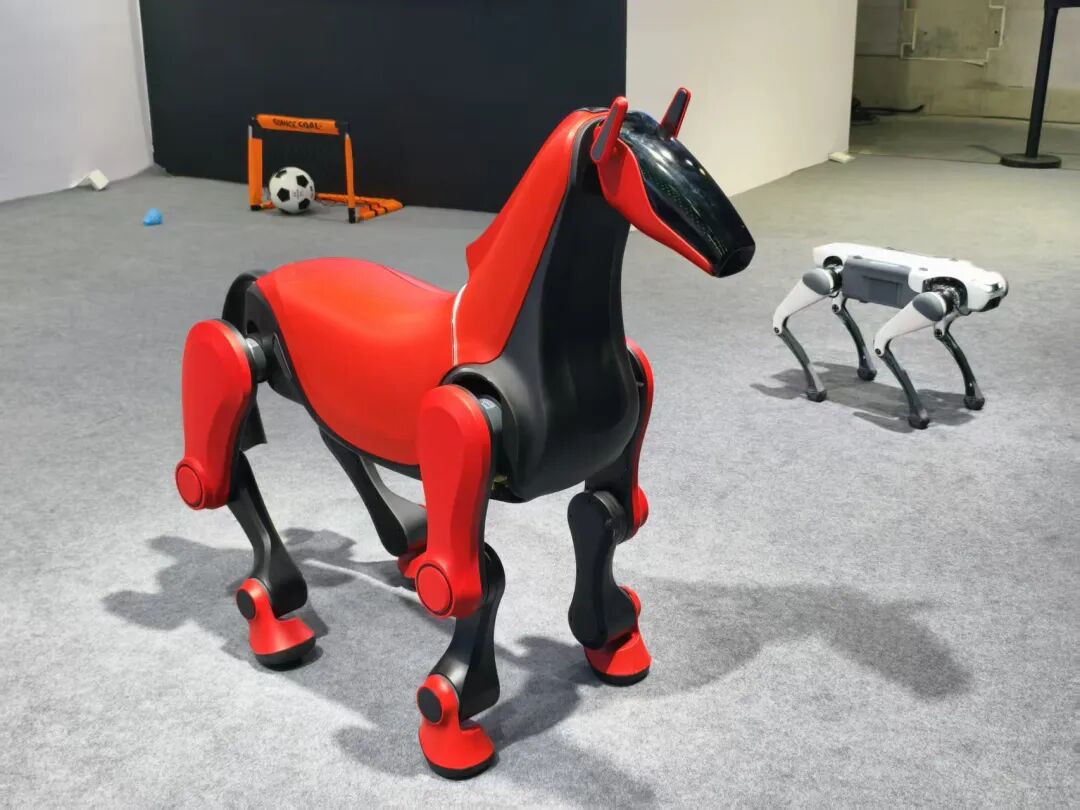
DeepRobotics showcased its Year of the Horse limited-edition robot horse Yunju alongside its robot dog series—Jueying Lite3, Shanmao M20, and Jueying X30.
The robot horse, painted in Chinese red and demonstrating stable movement capabilities, became a scene-stealer, while the other three robot dogs showcased human-robot interaction possibilities through dialogue and human-robot soccer games.
Vital Power's Vbot robot dog partnered with MiniMax, deploying the latter's latest M2.5 model to achieve world understanding, autonomous following, navigation, and task decomposition capabilities.
Zhishen Technology demonstrated the hard application capabilities of its champion robot dog Gangbeng L1 and medium-sized robot dog Tongchui M1 in specialized high-risk scenarios through complex obstacle avoidance and deep-water scenarios.
Among numerous robot booths, Yuandian Intelligence stands out as the sole player exclusively focused on consumer-grade robots.
Its comprehensive product lineup includes the household bipedal robot M1, collaborative robot N1, full-sized robot Jupiter, and family companion robot WAWA.
Currently deployed in Chinese, North American, and European markets, its products primarily target B-end scenarios such as healthcare, education, and shopping malls.
Tashi Zhihang emerged as the most dazzling embodied AI company at this AWE exhibition.
Tashi Zhihang released AWE3.0, the world's first operational general-purpose embodied AI model. Based on AWE3.0, robots completed complex tasks on-site, including industrial cargo handling, service scenario item packaging, and long-sequence embroidery requiring flexible operations.
In the Embodied Brain Experience Zone, offline audiences could, through interactive interfaces, witness for the first time how robot brains understand spaces, reason according to physical laws, and execute tasks based on selected scenarios—offering a glimpse into robotic "mental" processes.
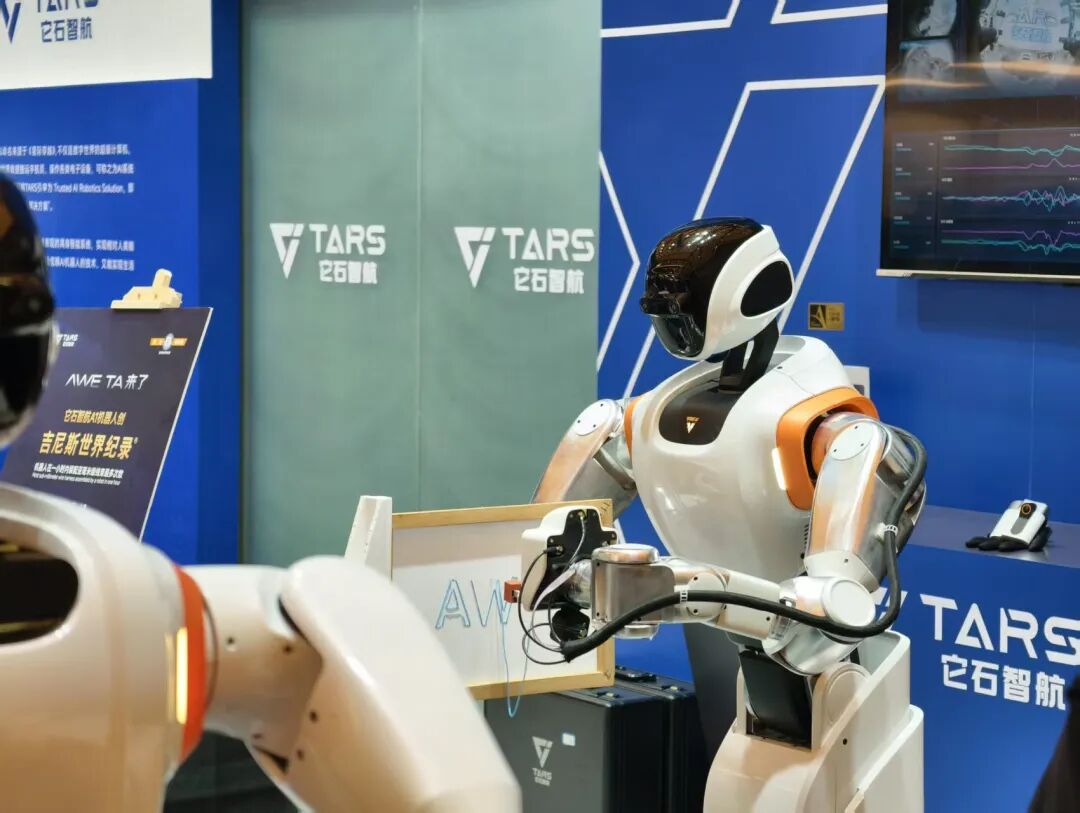
Meanwhile, the SenseHub data acquisition suite, TARS-DexHand dexterous hand, and other data collection devices attracted significant industry attention.
While demonstrating these practical operational capabilities, Tashi Zhihang's self-developed A1 robot also achieved a Guinness World Record, completing 105 effective assembly operations to set a new record for the most sub-millimeter wire harness assemblies by a robot in one hour.
Whether performing practical tasks in industrial settings, providing guidance in service scenarios, or offering companionship in family environments, these robots are progressively reducing the distance between humans and machines, trending toward seamless integration into daily human life.

From Indoors to Outdoors: Home Appliance Brands' New Embodied Narratives
While humanoid robots continue striving to enter households, various cleaning robots have already conquered domestic spaces.
Robot vacuum cleaners, lawn mowing robots, and pool cleaning robots not only see increasing penetration in households but also have their global leadership positions largely occupied by Chinese companies.
Among these, lawn mowing robots and pool cleaning robots, with expanding overseas business and rising market shares, illustrate a new narrative of cleaning robots moving from indoors to outdoor yards.
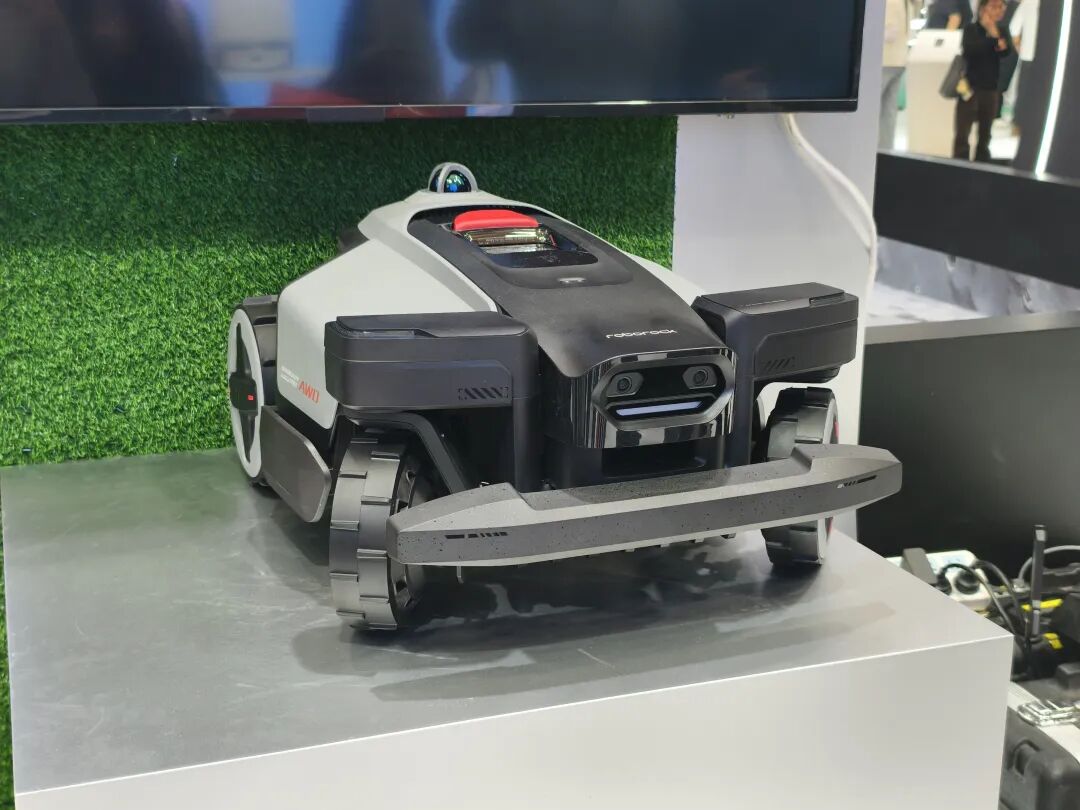
Roborock showcased three intelligent lawn mowing robots—RockMow Z1, RockMow S1, and RockNeo Q1—offering customized solutions for lawns of different sizes and terrains.
All models feature Digibot's rising sun 5 chip and Sentisphere™ AI system, enabling precise sensing and boundary-free operation.
The Z1 flagship model handles 80% slopes and 6 cm obstacles, maintaining stable fuselage (body) positioning without damaging grass through its full-wheel suspension and active steering system. The S1 and Q1 models emphasize AI rapid mapping and 3 cm edge-cutting capabilities, easily managing 45% slopes and narrow passages.
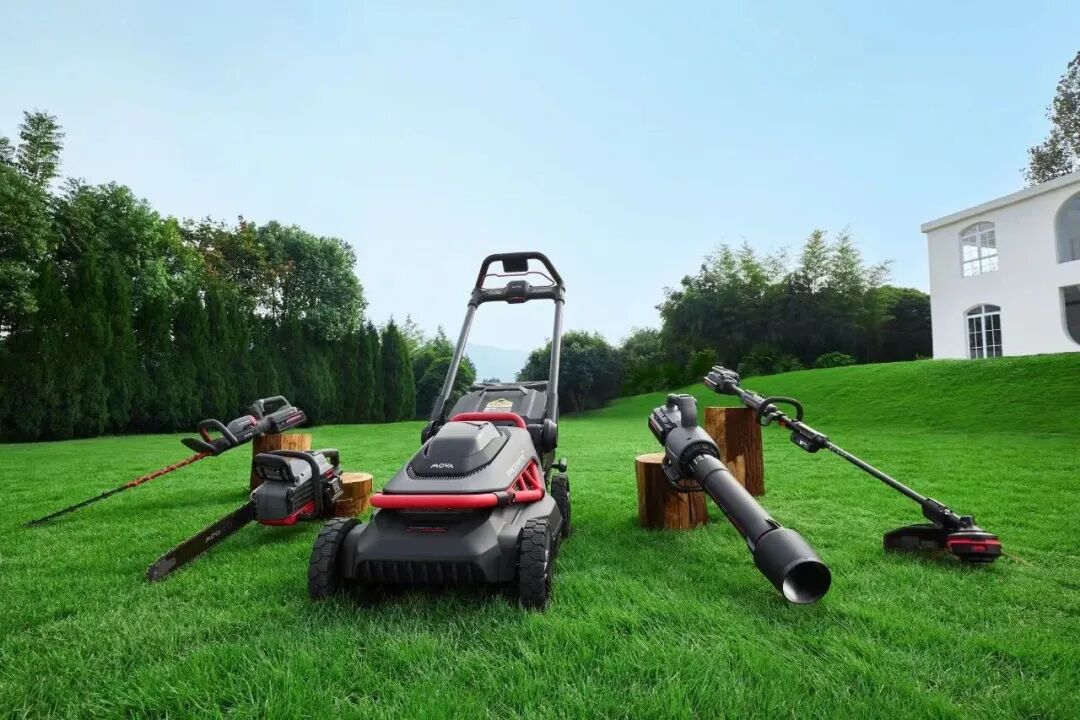
With the advantage of full-scene coverage, MOVA has introduced both lawn mowing robots and pool cleaning robots, establishing an intelligent cleaning ecosystem that integrates yards and pools to meet the diverse cleaning needs of overseas households.
In the lawn mower category, it showcased two major series: NAVAX AWD and LiDAX Ultra.
The former is designed for large lawns over 1.25 acres, utilizing Hesai LiDAR for efficient intelligent planning and precise obstacle avoidance, positioning it as an all-terrain off-road lawn mower.
The latter targets small to medium-sized lawns ranging from 0.25 to 0.5 acres, offering cost-effective integration of high-level sensing capabilities suitable for both household and commercial use.
Meanwhile, MOVA's debut pool cleaning robot, the Diver A10, also demonstrated strong practicality.
It features a powerful suction capacity of 22,700L/hour and can cover a 180㎡ pool in four hours of continuous operation. Its magnetic wheel EdgePulse navigation technology enables wall-hugging cleaning, and two cleaning cycles can effectively remove floating debris from the water surface, addressing the pain points of labor-intensive and time-consuming pool maintenance.
Surprising attendees was ECOVACS, a veteran brand with over two decades of expertise in cleaning robots.
At this year's AWE, ECOVACS is telling a new story about embodied intelligence with a fresh approach.
It showcased its first pool robot, ULTRAMARINE, the overseas bestselling GOAT series lawn mowing robots, and introduced new robot models—"Bajie" and "Maotuaner."
"Maotuaner" is ECOVACS' first AI bionic companion robot, modeled after a Maltese dog. It integrates multimodal perception and pet-like behavioral technology, offering emotional value through five distinct personality traits.
"Bajie" is an even more imaginative product—ECOVACS' first OpenClaw butler robot.
In daily use, "Bajie" can autonomously identify and store scattered items, organize spaces based on family members' habits, and precisely return objects to their designated locations.
Powered by the Lobster OpenClaw intelligent agent, "Bajie" eliminates the need for traditional repetitive training. By deploying the robot in real households for continuous learning, users can cultivate their own personalized butler robot.
Whether through proactive organization based on long-term memory or remote response to task requests, "Bajie" embodies ECOVACS' goal of delegating the most tedious and time-consuming household chores to robots.
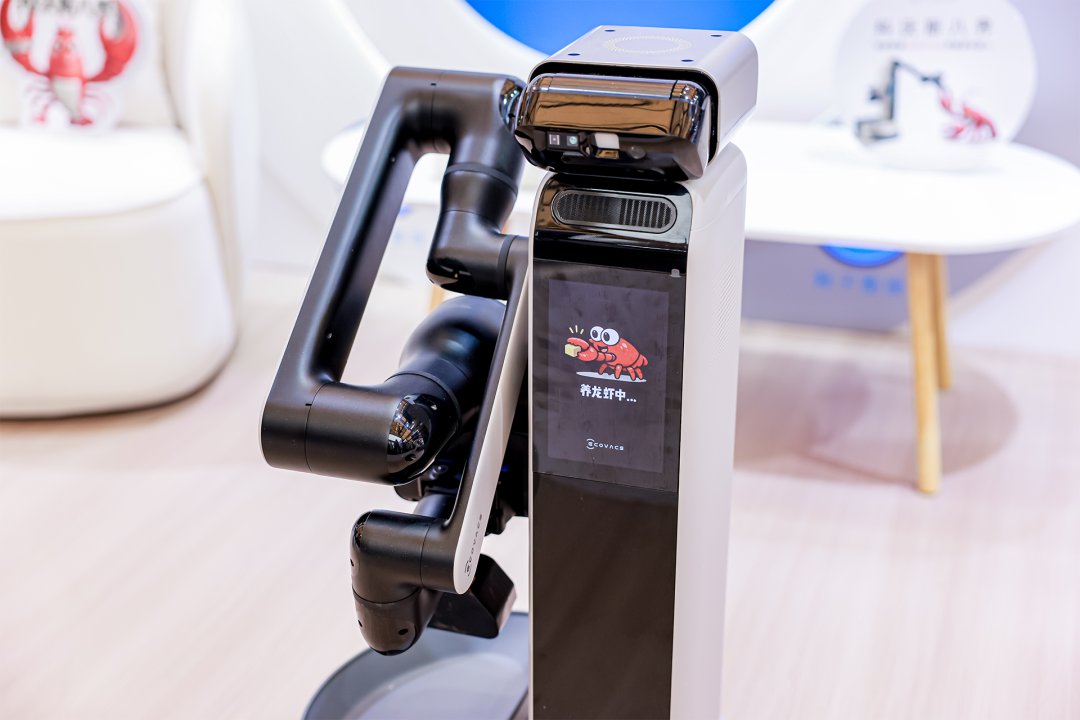
Through its indoor-to-outdoor product lineup, ECOVACS has clearly outlined an evolutionary path from tools to butlers and finally to companions.
This represents not just ECOVACS' new narrative on embodied intelligence but also the industry's ultimate answer to how robots can integrate into human life.

The Hottest Exhibit: The Dreame Universe
At this year's AWE, Dreame was undeniably the center of attention. It took over the entire E7 Hall, creating a massive, highly diversified exhibit area dubbed the "Dreame Universe," with the entrance packed with eager visitors.
The pavilion showcased not only smart home appliances but also robots, smartphones, automobiles, aircraft, and chips, attempting to sketch out a future lifestyle ecosystem connected by intelligent devices.
Within Dreame's product ecosystem, robots represent a crucial expansion direction.
How does Dreame extend its product line from smart home appliances to robots? One clear strategy is to upgrade mature home appliance products by adding robotic arms, transforming them into embodied intelligent devices.
For example, Dreame introduced its first embodied intelligent lawn mowing robot, APEX. Building on traditional lawn mowing robots, it adds an extendable robotic arm, transforming it from a single-purpose lawn maintenance tool into a device capable of raking leaves, collecting and disposing of garbage, organizing toys and tools, and more.
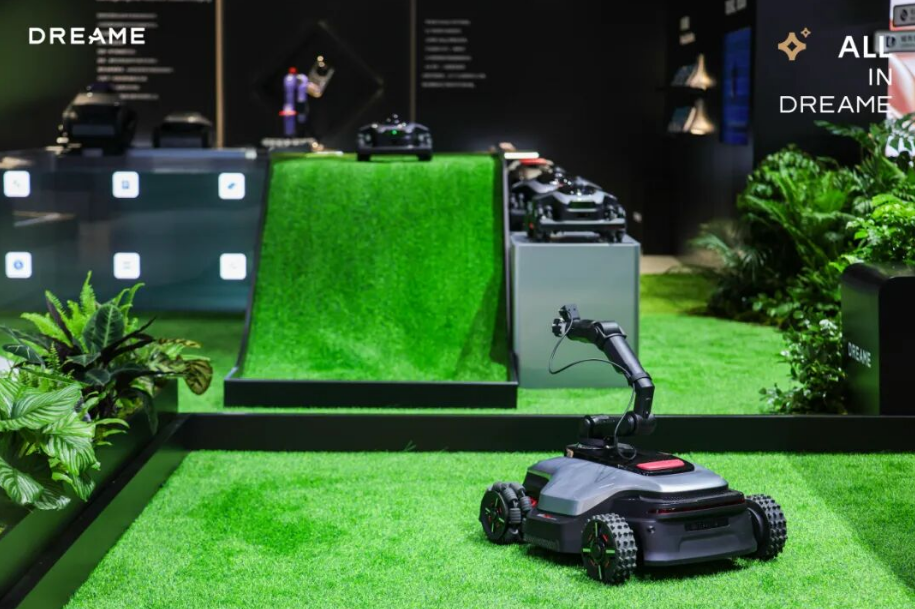
Through the extendable capabilities of the robotic arm, this device can also perform automatic watering, fruit picking, and even serve as an interactive companion for children and pets on lawns.
A similar approach appears in indoor cleaning equipment.
Dreame's DreamHome T70 series floor washer, showcased at AWE, uses a robotic arm to achieve edge cleaning, actively reaching into corners and furniture edges to address dead zones that traditional cleaning devices struggle to reach.
Dreame's second robot strategy involves expanding from household scenes to broader applications in agriculture, space exploration, and geological sampling.
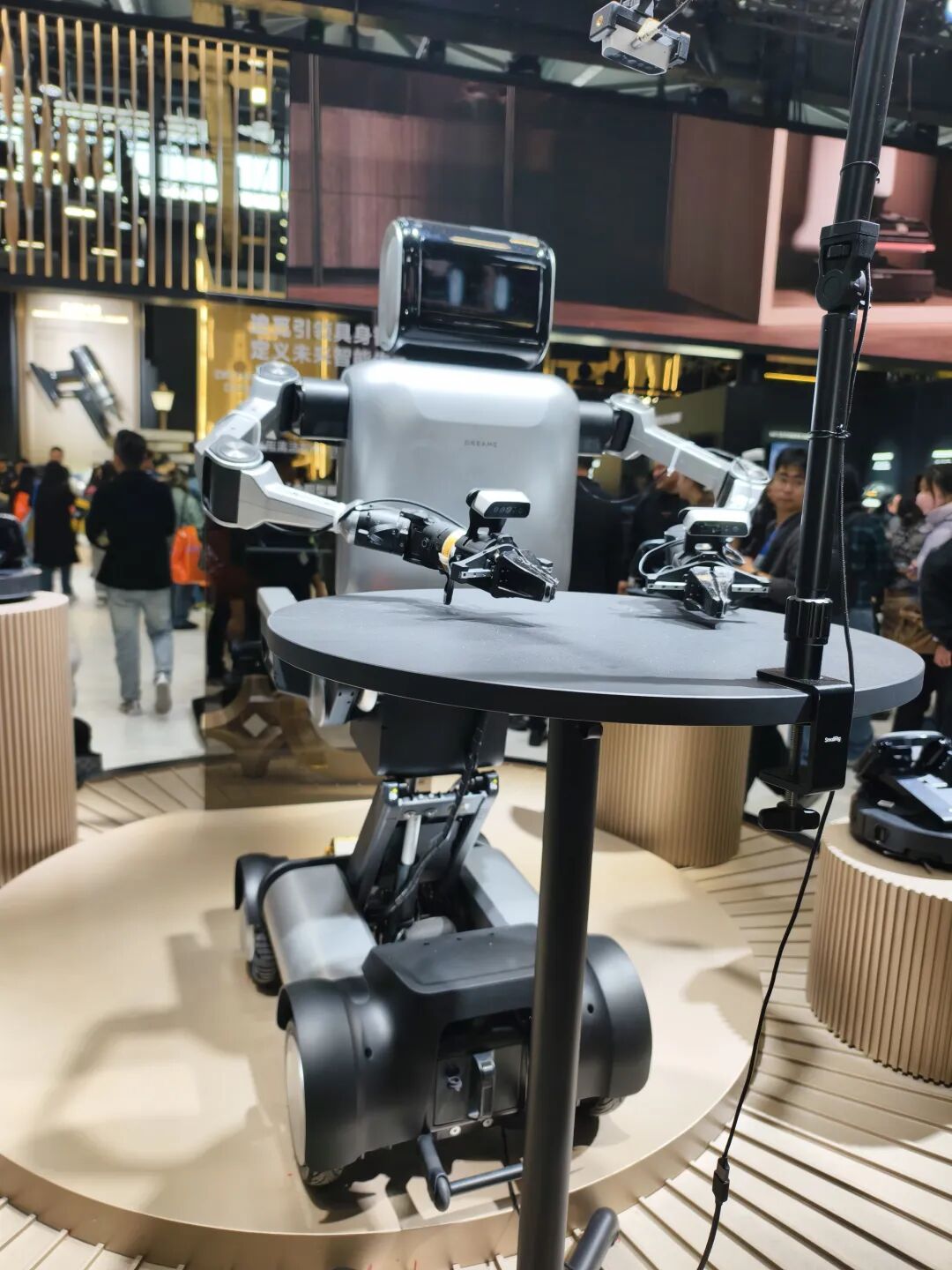
In household settings, Dreame also presented a wheeled humanoid robot. Equipped with grippers, it is envisioned as a versatile household butler capable of handling simple chores while providing home monitoring and security functions.
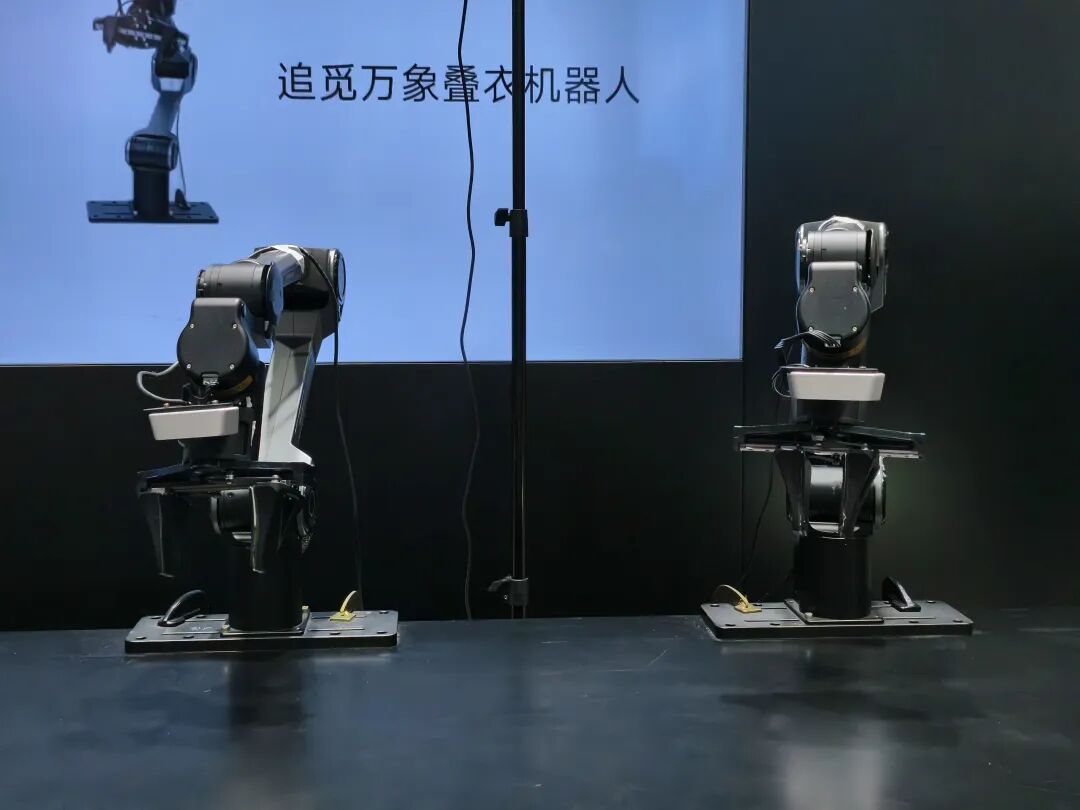
Another intriguing product is the desktop clothes-folding robot. Comprising two robotic arms with grippers, it can organize and fold clothing on a tabletop.
Meanwhile, Dreame showcased a series of cross-industry robot concept products.
For space exploration, it exhibited space prospecting robots and drilling robots.
In agriculture, it displayed orchard plant protection robots capable of unmanned, intelligent plant protection operations.
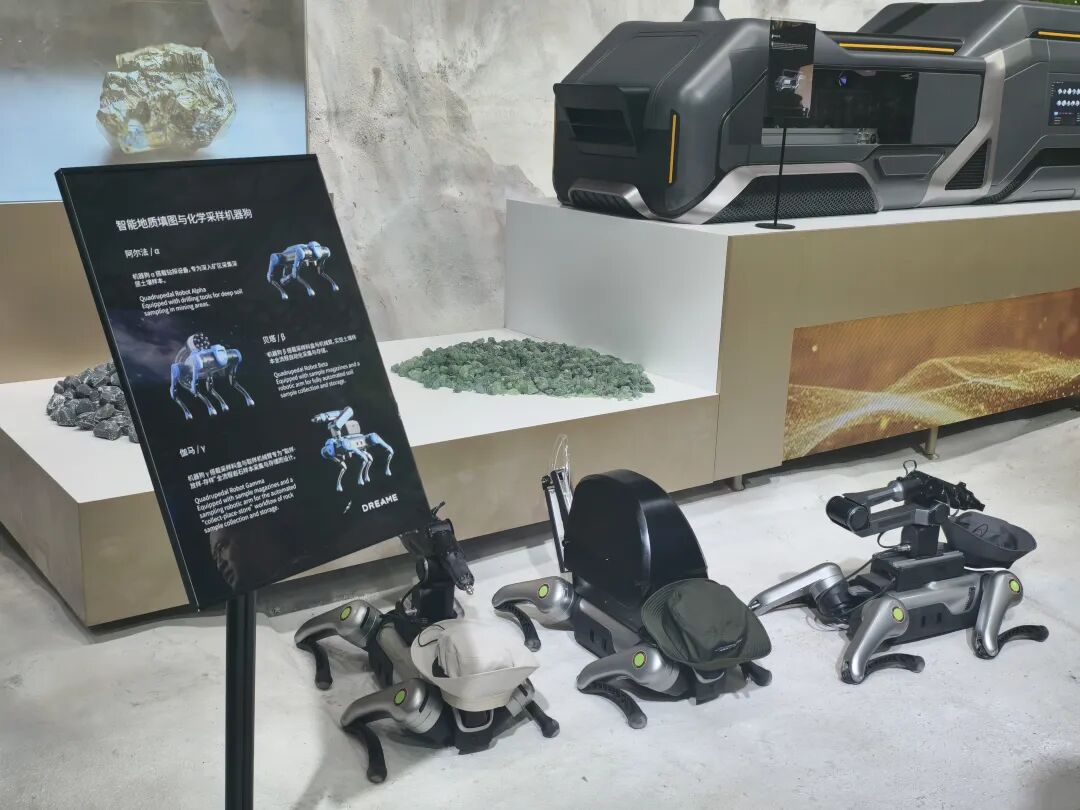
A particularly unique group includes geological sampling robot dogs. "Alpha" is equipped with drilling equipment, while "Beta" and "Gamma" feature sampling cartridges and robotic arms for automated soil and rock sample collection. These robots are designed for complex environments like geological exploration and resource surveys.
Around these robot products for diverse scenarios, Dreame is also advancing its foundational technological capabilities.
Dreame is developing its own chips. Its chip business leader revealed that the Tianqiong series chips for general-purpose robotics have entered mass production. Developed by Dreame's chip subsidiary, Xinjichuanyue, these chips power a wide range of robotic products.
Simultaneously, the company is advancing self-developed chips for smartphones and automobiles. The smartphone chip, Chixiao 01, features a self-developed NPU architecture, while the autonomous driving chip uses a 2nm process with 2000TOPS computational power.
As these chips gradually come to market, Dreame's robots, smartphones, and automobiles will share a unified computing architecture.
Behind these technological layout (Chinese term kept for conceptual accuracy) lies Dreame's grander strategic vision.
At AWE2026, Dreame not only showcased numerous robot products but also launched its automotive brand "Starry Sky Project" with an independent exhibit, displaying an SUV concept car, a supercar, and a sci-fi-inspired "rocket car," while publicly unveiling its full smartphone lineup for the first time.
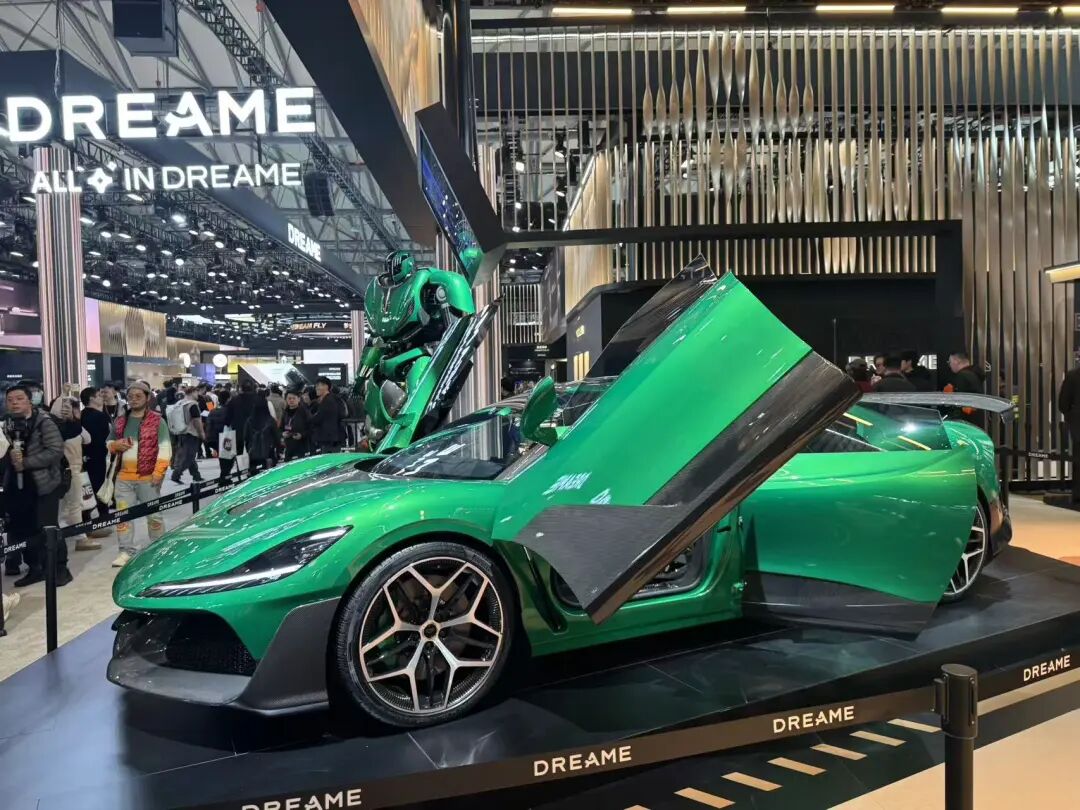
Envisioning an even more distant future, Dreame has even extended its reach to air mobility. The exhibit featured an eVTOL manned aircraft, DREAM FLY, developed by subsidiary Dream Aerospace, emphasizing low noise and high reliability while enhancing flight safety through a multi-redundant power architecture.
Around diverse device forms including home appliances, robots, smartphones, automobiles, and aircraft, Dreame is constructing a multi-domain technological ecosystem.
Traditionally, discussions about robots remained confined to laboratories and sci-fi films.
At AWE2026, however, people witnessed a different reality—robots cooking in kitchens, mowing lawns, and providing companionship in living rooms.
Robots are rapidly transitioning from technical showcases into our daily lives, evolving from single-function tools into partners capable of understanding, interacting, and executing tasks.
The distance between humans and machines is steadily shrinking, as these tangible, interactive robots bridge the gap one conversation and one task at a time.
Perhaps in the near future, when we look back at this AWE, we'll realize: That year, robots officially knocked on our doors.
-
![]()
Doubao Work Unveiled! Domestic AI Leaders Fully Commit to the 'Work' Sector
-
![]()
Who’s Sounding the Alarm on ‘Rushed Vehicles’?
-
![]()
Over 5.3 Billion Yuan in Losses Over Three and a Half Years! Can Yonyou Reverse Its Fortunes Through Streamlining and AI Transformation?
-
![]()
Baidu AI Adopts Free Model: A Strategic Maneuver in Traffic and Monetization
-
![]()
Silicon-Based OLED Pioneer Unveils Financial Results: H1 Shipments Outpace Entire 2025 Volume
-
![]()
AI's First "Lost Summer"
-
![]()
Zeiss Makes Another €2.2 Million Bet: Will Eye Tracking Be the Next Big Thing in the Smart Glasses Industry?
-
![]()
RUNTO Ranking | Global Top TV ODM Factories' Shipment Figures for July 2026