Challenges in the IPO Journey: What's Holding Honor Back?
 08/19 2026
 504
504
AI-Driven IPO Ambitions?
Author: Chen Dengxin
Editor: Li Ji
Layout: Annalee
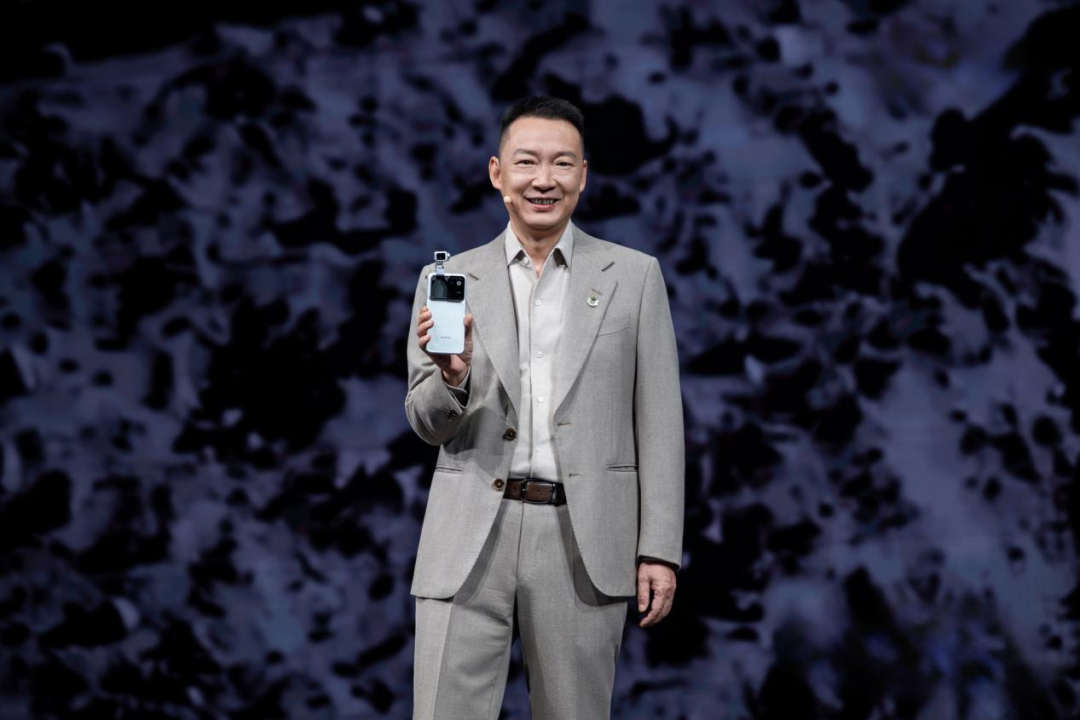
"Honor's current predicament is akin to an eagle poised for flight, only to be confronted by a tempestuous storm,"
remarked Honor CEO Li Jian, reflecting on the company's situation following the recent launch of the world's first robotic smartphone, the Robot Phone.
The Robot Phone is now available across all sales channels. This launch is pivotal not only for evaluating the effectiveness of Honor's AI strategy but also for its progress toward an Initial Public Offering (IPO).
While an IPO has long been Honor's goal, unexpected delays have arisen. The preparation process has not concluded as planned, and there remains no clear timeline for completion.
Although Honor is still progressing toward listing, gaining access to the capital market is no small feat.
Regarding the IPO preparations, Honor initially had a well-defined timeline.
Official information indicates that the plan was segmented into three phases, each lasting three months, spanning from June 2025 to March 2026. This would be followed by stages such as acceptance, submission, review, and issuance.
However, Honor's preparations have encountered delays.
Not long ago, CITIC Securities revealed that Honor had completed its fourth phase of preparation, a process that has already spanned a year with no clear end in sight. "Currently, the preparation team is assisting Honor in swiftly defining its fundraising strategy based on actual capital needs, business status, and future development plans. They are also urging the active implementation of various demonstrations for the fundraising projects,"
the statement read. This indicates that there is still no consensus on how to allocate the raised funds.
A private equity professional explained to Zinc Scale: "The duration of IPO preparation varies among companies, typically ranging from three to twelve months. The more prominent the company, the shorter the preparation time. For instance, Unitree Technology completed its preparation in 132 days, while more complex cases, like Hankou Bank, took fifteen years."
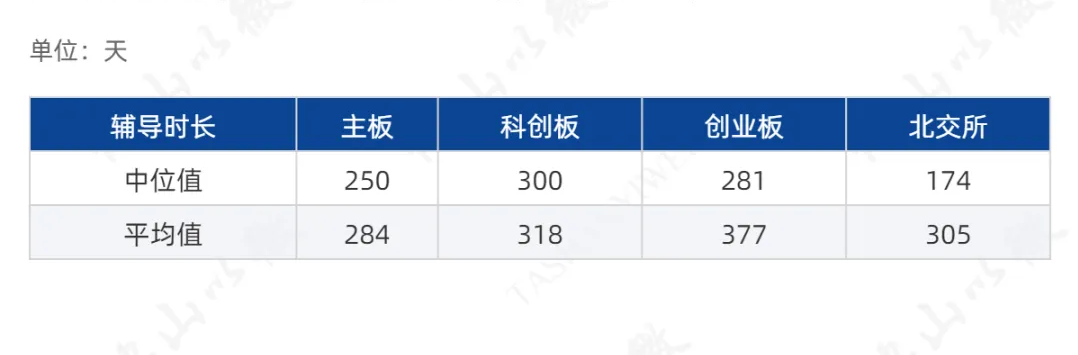
Source: Tashan Yiwei
As the saying goes, a delay at the beginning leads to delays throughout. Honor's IPO journey seems to be transforming from a swift battle into a protracted war.
The private equity professional further noted that the capital market is highly sensitive to the competitive landscape of the smartphone sector, and Honor urgently needs to demonstrate its ability to navigate through industry cycles.
According to IDC data, in the second quarter of 2026, smartphone shipments in China reached approximately 66 million units, marking a year-on-year decrease of 4.3%. Among these, Honor, ranked sixth in market share, experienced a year-on-year decline in shipments of 9.5%, a larger drop than the market average.
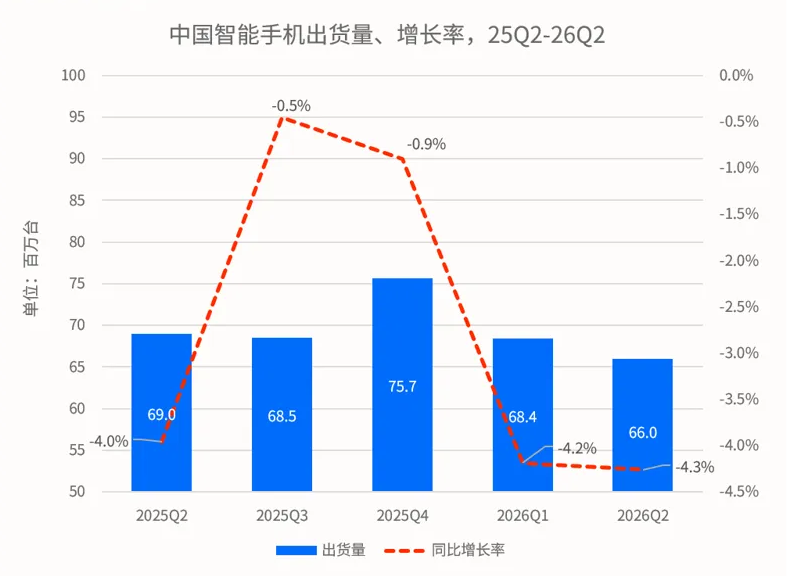
Source: IDC
It's worth mentioning that some players are achieving growth against the industry trend.
Take Apple, for example. In the second quarter of 2026, its shipments in the Chinese market increased by 24.4% year-on-year, expanding its market share from 13.9% to 18.1%, effectively solidifying its position.
In other words, Honor's current challenges cannot be entirely attributed to industry-wide pressures.
This is also reflected in Honor's valuation.
Public data indicates that when Honor became independent in 2020, the transaction price was 260 billion yuan. By the Pre-IPO round in 2024, its valuation had decreased to 200 billion yuan, and the 2026 Global Unicorn List values Honor at 180 billion yuan.
It is evident that capital is becoming increasingly cautious about Honor.
Upon closer examination, the ambitious narrative of "Honor aiming to ship 100 million smartphones by 2026, a 75% increase from 2023, and becoming one of the top three global smartphone suppliers by 2028" is proving difficult to convince the capital market.
It should be noted that Honor is not idle in its efforts.
On one hand, it is expanding its overseas presence.
Healthy overseas sales have become Honor's lifeline, but without a strong domestic market, it is essentially operating with a significant vulnerability. Once complex international situations create uncertainties, its globalization strategy will lack a safety net.
On the other hand, Honor is undergoing leadership changes.
Multiple mainstream media outlets reported that Zhao Ming, who led Honor's brand reconstruction and survival crisis, has been replaced. Within four months of Li Jian's appointment, six regional heads were replaced across Honor's eight global regions, and 45% of the 38 core positions in the China region changed hands.
However, amidst these sweeping reforms, doubts have surfaced.
A consumer electronics professional told Zinc Scale: "Since Li Jian took over, Honor's style has undergone a dramatic transformation. It no longer feels like a brand tailored for young people but rather exudes a strong sense of conservatism. Every press conference seems to lack excitement."
While it is premature to determine whether the Zhao Ming era or the Li Jian era is superior, it is undeniable that Honor's competitive position has not improved, making its "rebirth" narrative difficult to sustain.
This is closely tied to the stalled progress in the high-end market.
Despite the overall market contraction, the high-end smartphone segment remains robust, becoming the main battleground for the industry. Well-known players are investing heavily to achieve positive growth against the trend.
Counterpoint Research data shows that in the first half of 2026, global sales of high-end smartphones priced at $600 or more increased by 5% year-on-year, accounting for 29% of total smartphone sales, up from 20% in the first half of 2022.
Honor is no exception in its high-end aspirations.
In May 2025, Li Jian mentioned in a media interview that with the release of new foldable smartphones, the X series, and the high-end flagship Magic series, smartphone sales are expected to grow following a scissor-shaped trough from the second half of the year.
It is clear that high-end market expansion has become a key focus for Li Jian's counterattack strategy.
However, the issue is that while Honor has achieved some success in the high-end market, it has not kept pace with the first or even second tiers. Take the Honor Magic 8 series, for example. Released in October 2025, it sold only 1.5 million units in about nine months, while the later-released Mate 80 series had already surged towards the 10 million unit mark in the same period.
Jiang Han, a senior researcher at the Pangu Think Tank, stated: "Over the past few years, the outside world has often perceived the Honor brand through its historical connection with Huawei. As Huawei re-expands its market share, some of the market space that Honor once occupied is being squeezed, necessitating the establishment of a more independent brand identity. For Honor, whether flagship products like the Magic series can gain users based on their own technology, design, and system experience will directly impact its high-end market progress."
Source: Counterpoint Research
In comparison, the differences are stark.
OPPO emerged as the fastest-growing brand in the global high-end smartphone market in the first half of 2026, with sales increasing by 69% year-on-year, driven mainly by the Find X9 series.
Karn Chauhan, a senior analyst at Counterpoint Research, said: "As Huawei and Xiaomi continue to enrich their high-end product portfolios and strengthen their device ecosystems, both companies are expected to further increase their market share in China's high-end segment."
Looking back, Honor's full commitment to AI has not significantly contributed to its high-end market expansion.
At the 2025 Mobile World Congress, Li Jian announced the Honor Alpha Strategy (HONOR ALPHA PLAN), declaring a comprehensive transformation from a smartphone manufacturer to a globally leading AI terminal ecosystem company, with plans to invest over $10 billion in the next five years.
Li Jian elaborated on the future vision: "If we imagine the AI ecosystem as a towering tree, then AI terminals are the trunk of that tree. Honor's core value lies in integrating all AI elements and transforming them into innovative experiences within reach of consumers."
Unfortunately, enhancing smartphone experiences through AI is also an industry consensus. AI features across different brands are largely similar and alternately lead, making it difficult to establish lasting technological barriers.
In short, the short lifespan of AI innovation experiences is a weakness.
Data from the JD Consumer and Industry Development Research Institute shows that 45.8% of users believe AI smartphones have "future potential," 39.9% say they are "worth observing," and 10.5% feel they are "more concept than substance."
In other words, more than half of users do not have a clear understanding of the value of AI features, even considering them flashy but impractical.
An internet observer told Zinc Scale: "Brand high-endization is not just about high prices; its underlying logic is high quality, high taste, and high technology, with a commercial core of high value. Only then can a brand possess product pricing power and premium capability."
The internet observer further stated that Honor's initial intention of leveraging AI is not problematic, but the market has not yet seen clear answers regarding how much incremental value it brings, how much competitiveness it enhances, or how much service quality it improves.
For example, the Robot Phone has injected a touch of freshness into the stagnant consumer electronics market, but it is essentially a "smartphone + gimbal," not a revolutionary product.
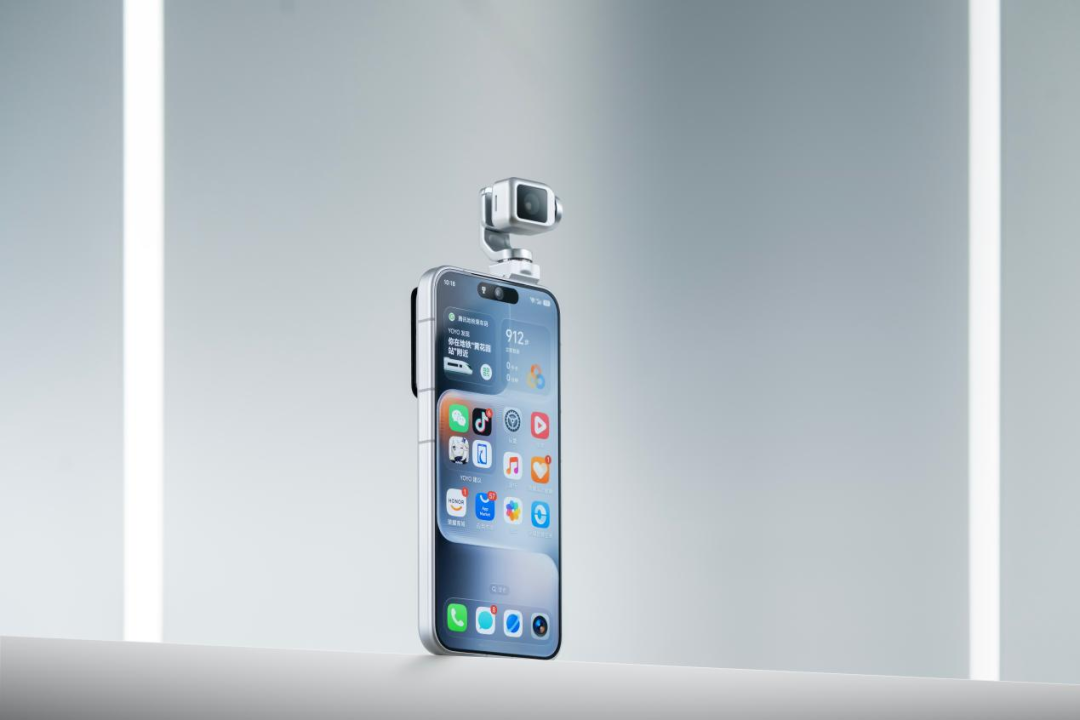
Robotic Smartphone Robot Phone
As we all know, a few years ago, pop-up cameras were all the rage but quickly exited the mainstream due to the inherent flaws in their mechanical structure.
The four-degree-of-freedom gimbal of the Robot Phone, much like the pop-up camera, is a trade-off of structure for function, and whether it can capture consumer interest remains to be seen over time.
Another example is Honor's robot "Lightning" at the 2026 Beijing Yizhuang Humanoid Robot Half Marathon, which stole the show and added a new chapter to Honor's AI terminal ecosystem.
However, this is not an immediate solution.
"Zhengjian TrueView" stated: "There is still a huge gap between technical prototypes and sustainable business models. Honor has no mature path to follow in defining product forms, establishing sales channels, or building application ecosystems."
More critically, the technological barriers for humanoid robots are not high, and new entrants are continuously emerging.
Data from the State Administration for Market Regulation shows that in the first half of 2026, 116,000 new enterprises were established in the domestic humanoid robot sector, a year-on-year increase of 9.5%.
Thus, it is evident that the humanoid robot market will gradually become a red ocean, and Honor's pursuit of growth through this avenue is filled with uncertainties.
Five or six years ago, Honor proved it could survive independently. Now, it must prove that its AI strategy can translate into a growth curve, testing Li Jian's wisdom.
Honor will also continue to face the scrutiny of the capital market.
-
![]()
Exclusive! Dongfeng Peugeot Citroen Automobile (DPCA) Embarks on a Fresh Start: A New Joint Venture Entity Emerges, with the Original DPCA Focusing Exclusively on Manufacturing
-
![]()
63-Year-Old Li Shufu Paves the Way for Leadership Transition: Geely Shifts from Family Control, What Will Great Wall and BYD Do?
-
Can the Elephant Turn Around? Volkswagen Takes Only Three Years to Reshape Its 'Soul'
-
![]()
DeepSeek Hikes Prices as 'Price Butcher' Liang Wenfeng 'Retreats'
-
![]()
Starting at 1799 yuan! Dimensity 7500 with 10,000mAh battery, who is the iQOO Z11S for?
-
![]()
BMW 5 Series Price Plummets to 280,000 Yuan: Early BMW Owners Lament 'Significant Losses'; BMW Dealers Offer 285,000 Yuan for Base Model, Financing Deals More Affordable Than Full Payment
-
![]()
Geely's Strategic Shift: Unpacking a Key Question and a Major Anticipation Post Li Shufu's Departure
-
![]()
Starting at 3399 Yuan! iQOO Neo11 Supreme Edition Launched: Featuring the Dimensity 9500M and Exceptional Battery Life