February's Smartphone Preview: Next-Gen Models Emerge, Foldables Branch Out, and New Phones Take Distinctive Paths
 02/02 2026
 577
577
The New Year brings with it a flurry of promotions—and a fresh wave of smartphones.

If the smartphone market in 2025 was defined by “filling in the gaps,” then, judging by the current pace of new releases, 2026 appears to be the year of early and pronounced differentiation.
On one hand, Ultra and flagship models are redefining what a “premium smartphone” should look like; on the other, manufacturers are pushing bolder designs and more extreme configurations to tackle industry-wide challenges, such as improving the practical experience of foldable screens and alleviating battery anxiety.
More critically, this new crop of devices isn’t converging toward a single trend.
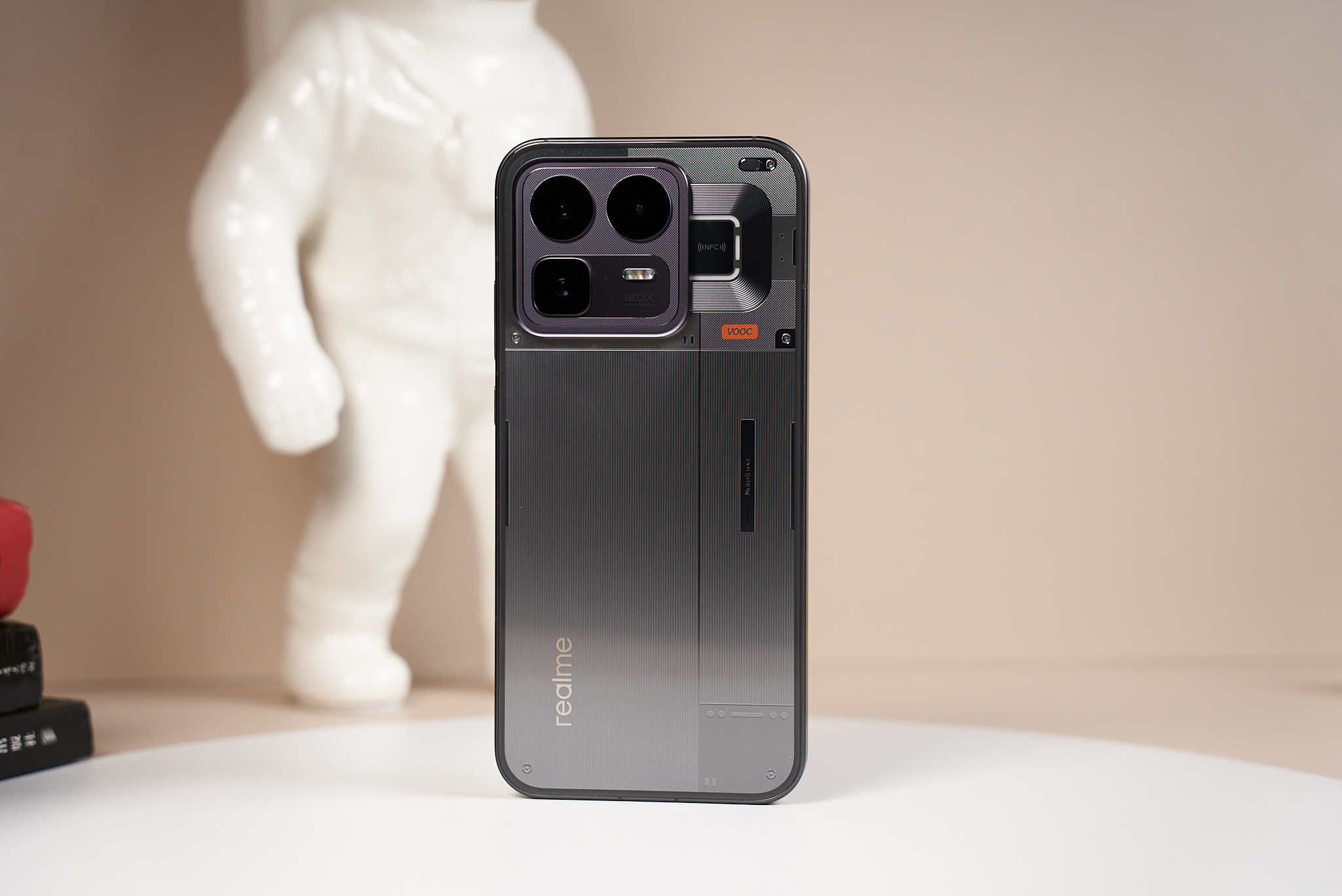
(Image Source: Leitech Photography)
Some brands aim to raise their ceiling, others seek to broaden their appeal with lower prices, some continue refining foldable displays, and a few even abandon “balance” altogether, focusing instead on niche experiences.
To some extent, this signals that smartphone makers are no longer chasing a one-size-fits-all approach.
Is everyone becoming a “specialist” by ditching balance?
1. iQOO 15 Ultra: iQOO’s First Foray into the Premium Tier
Since its launch, iQOO has been synonymous with performance, and many users associate the brand with high-powered, gaming-centric phones. However, iQOO has lacked a true ultra-premium flagship. As early as last year’s iQOO 15 launch event, the company teased plans for a genuine Ultra model.
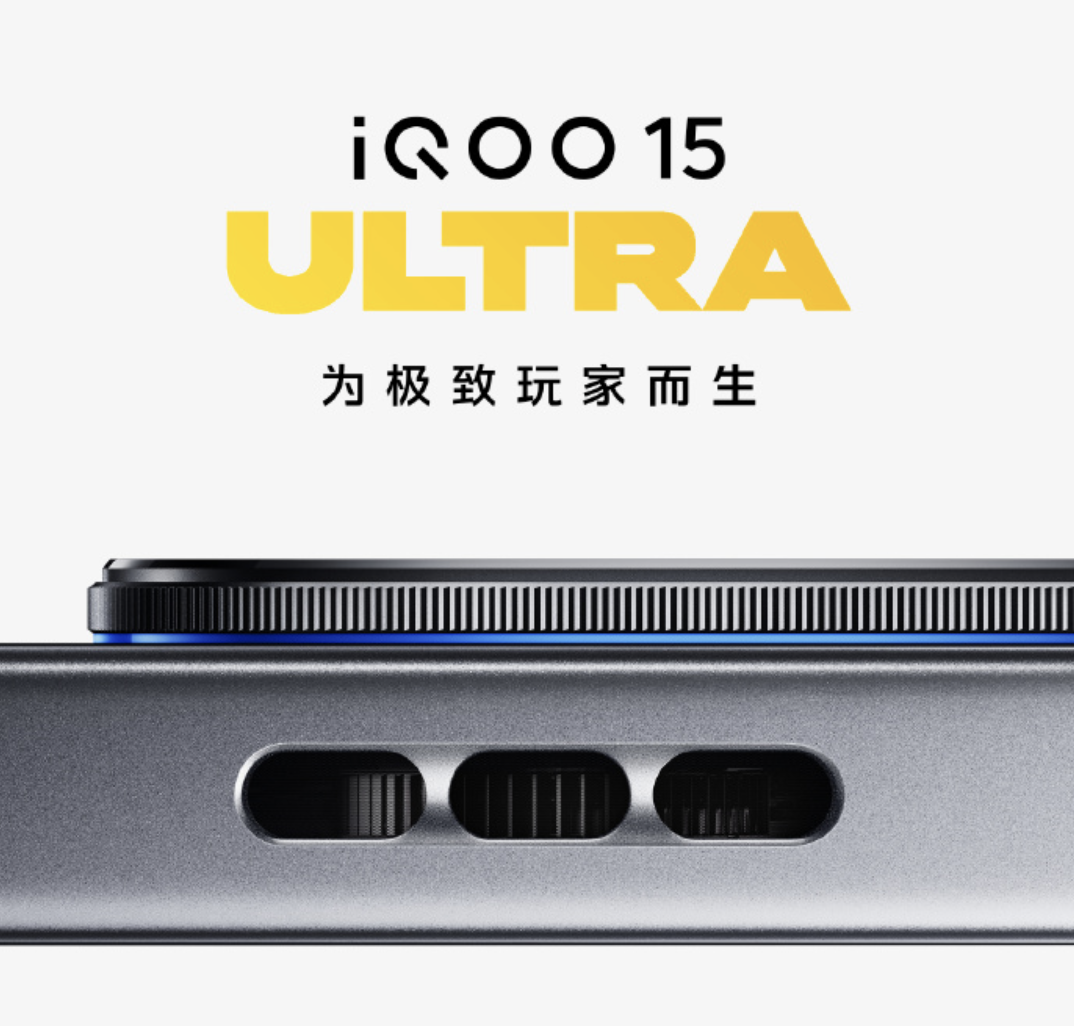
(Image Source: iQOO Official)
Traditionally, Ultra models have focused on imaging, but iQOO emphasizes performance and sustained usability—a fresh take on what “Ultra” can mean, and a new direction for development.
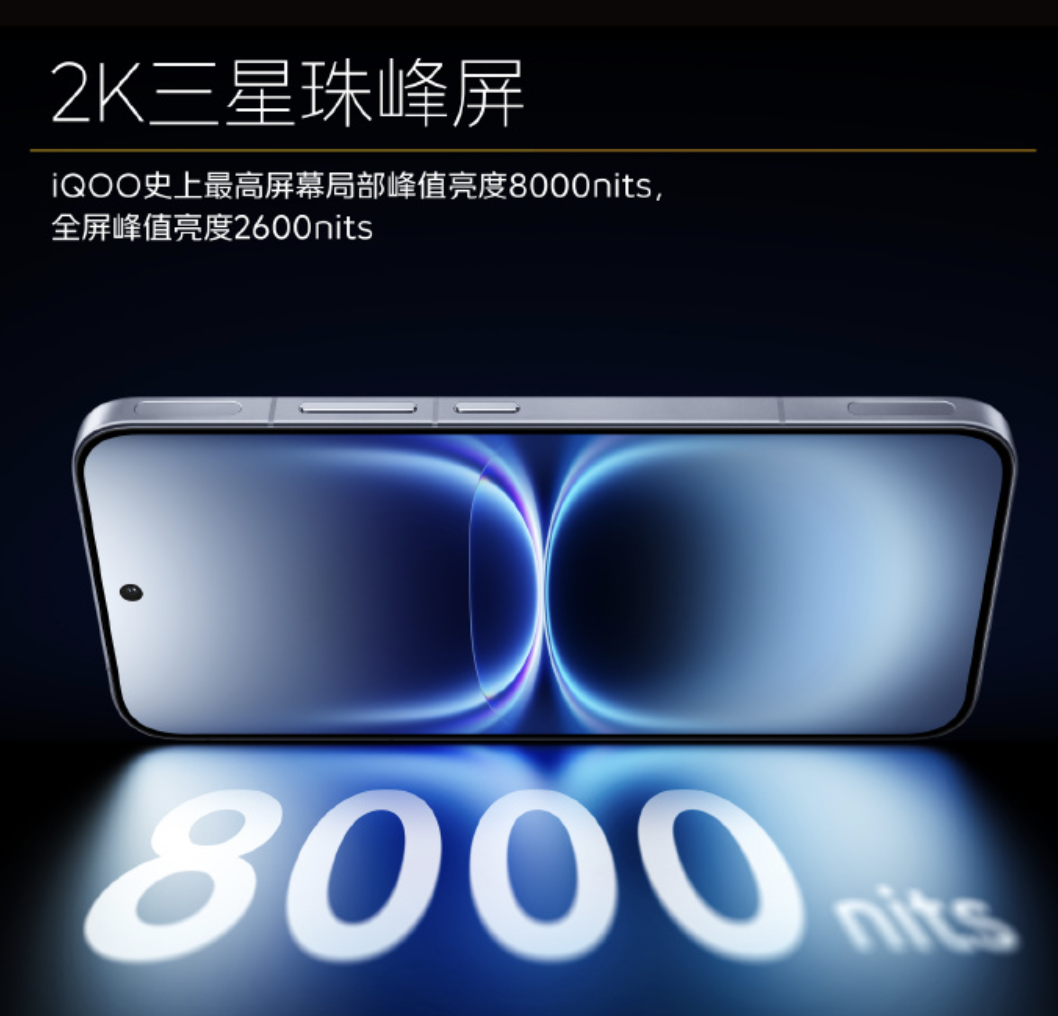
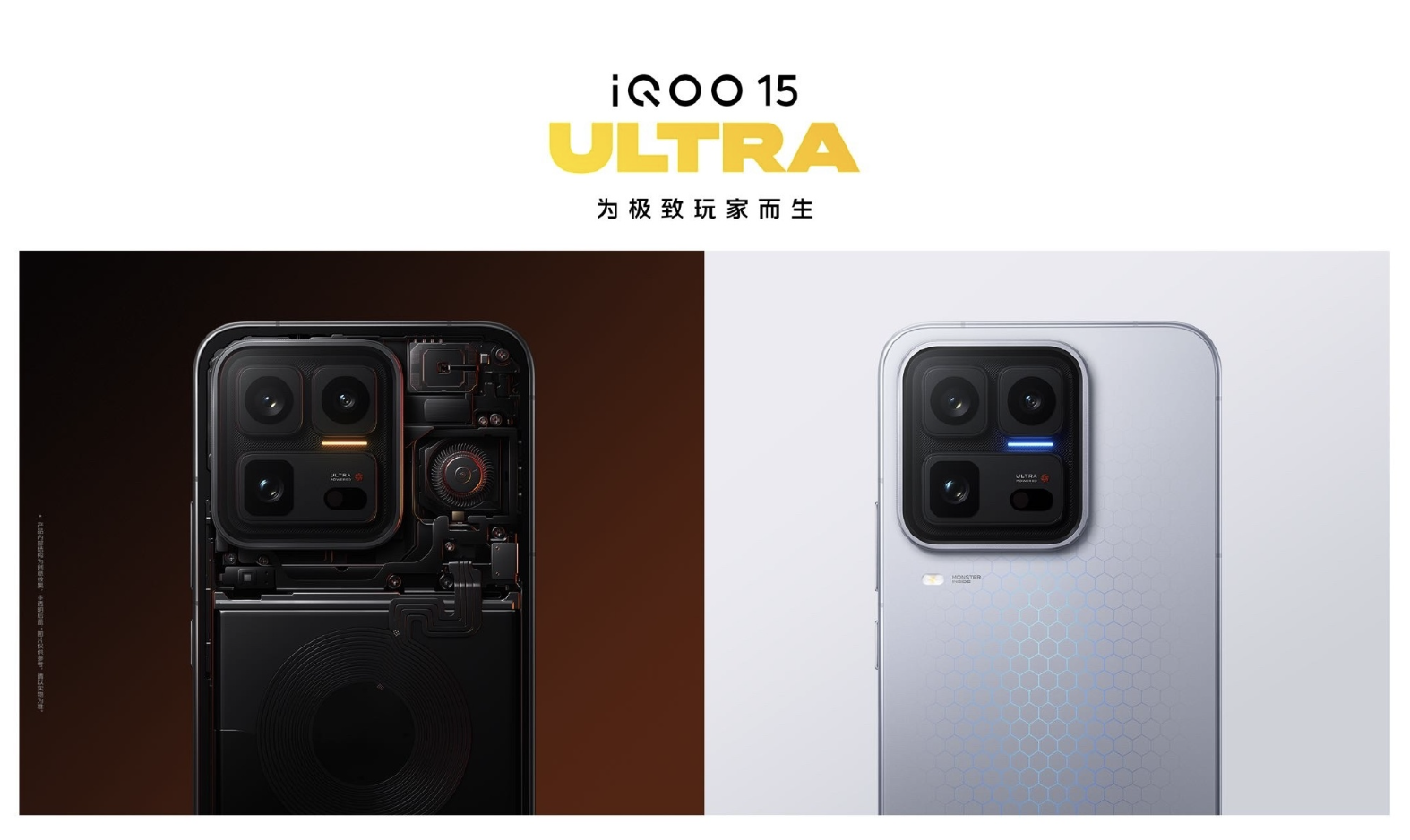
According to current leaks, the “Ultra” in the iQOO 15 Ultra manifests primarily in its display and performance. First, it will feature a new 2K Samsung Everest screen with a standard brightness of 2600 nits and a peak local brightness of up to 8000 nits, making it ideal for outdoor gaming. Second, it will house the industry’s largest cooling fan, with 59 blades and a 17x17mm diameter, alongside an ultra-large single-layer vapor chamber, dual-layer ultra-high thermal conductivity graphite, and an ice dome thermal insulation gel, enabling the fifth-generation Snapdragon 8 Ultimate Edition to perform at near-next-gen levels.
(Image Source: iQOO Official)
iQOO’s message is clear: it doesn’t want to wait passively for processor upgrades but instead aims to become a “next-gen gaming phone” through its own optimizations and configurations.
(Image Source: iQOO Official)
From a product standpoint, the iQOO 15 Ultra isn’t about mass-market appeal but rather iQOO’s attempt to explore whether it can push into a new price tier and gain market recognition. If this Ultra delivers a truly comprehensive flagship experience—or even outperforms competitors at the same level—it would be a major win for iQOO’s brand prestige.
2. Samsung Galaxy S26 Series: Still the “Gold Standard” for Android Flagships?
Although Samsung’s performance in China has been lackluster, it hasn’t shaken the market’s view of its S series as the “benchmark” for Android flagships.
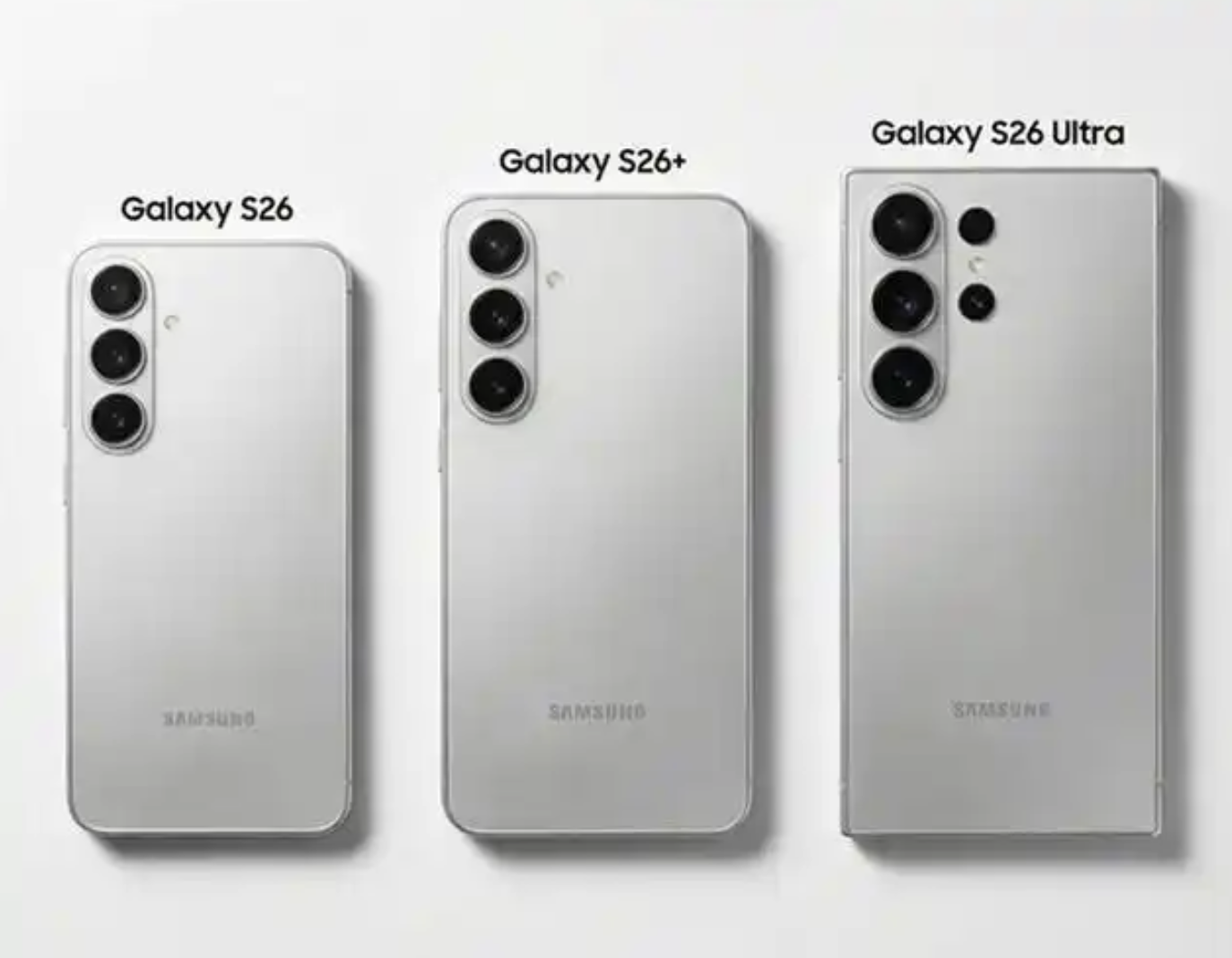
Samsung has officially confirmed that the Galaxy S26 series will launch on February 25, featuring three models: S26, S26+, and S26 Ultra.
(Image Source: @AndroidHeadline)
Interestingly, the S26 and S26+ will be powered by Samsung’s self-developed Exynos 2600 processor, the industry’s first mobile chip built on a 2nm process—a full generation ahead of Qualcomm and Apple. According to leaks, this processor features a 10-core design, including one 3.80GHz super core, three 3.26GHz large cores, and six 2.76GHz cores, with a single-core score exceeding 3400 and a multi-core score surpassing 11,000.
However, as Samsung fans know, the company’s Exynos chips have often looked impressive on paper but underperformed in real-world use compared to Qualcomm, MediaTek, and Apple chips. This is likely why only the Korean domestic version will feature the Exynos 2600, as Samsung hesitates to use the global market as its testing ground.
(Image Source: Samsung Official)
In terms of other specs, based on online data, the improvements in the Samsung S26 series are modest. Whether in design, imaging, or battery life, there’s no substantial leap from the previous generation. However, the display will likely remain among the best in the industry. From a positive perspective, this is a “safe play,” as Samsung has a global user base that rivals can’t match, making stability more prudent than innovation.
But from a product standpoint, this conservative approach will only erode its accumulated advantages and reputation. On one hand, domestic manufacturers are advancing rapidly in imaging, fast charging, and system experience. On the other, foldable screens are siphoning away high-end users, shrinking the market for traditional candy-bar flagships.
If Samsung once “defined” Android flagships, starting with the S26 series, it’s now focused on “holding onto” that title.
Of course, that’s no small feat.
3. Huawei Pura X2: Giving Apple an Early Lesson?
Previous reports have suggested that Apple will release a large foldable phone with proportions similar to the Huawei Pura X in 2026, proving that large foldable screens have gained market acceptance.
According to information from @Chaoweijie, the Huawei Pura X2 is on its way and could arrive as early as late February. Its annual iteration pace indicates that the Pura X has achieved significant sales and reputation in the market, raising curiosity about how the Pura X2 will be upgraded.
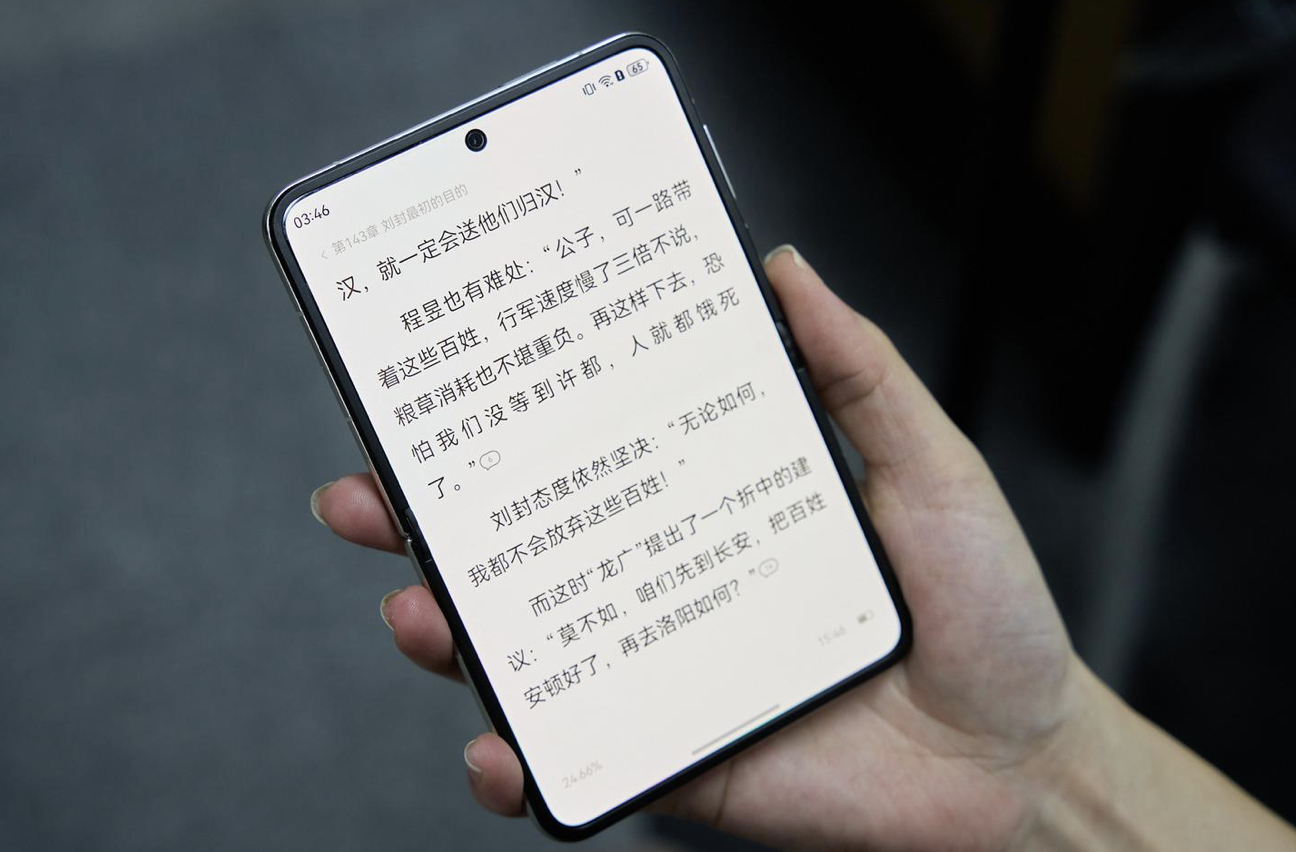
The upgrade here isn’t about hardware—with foldable phones having advanced to their current state, hardware is no longer the primary focus. What truly determines the upper limit of the experience is the depth of system and application adaptation. For the Pura X2, whether HarmonyOS can deliver more comprehensive multi-window functionality, cross-application collaboration, and contextual interactions tailored to large foldable proportions will be the core factor in its ability to dominate the large foldable market.
(Image Source: Leitech Photography)
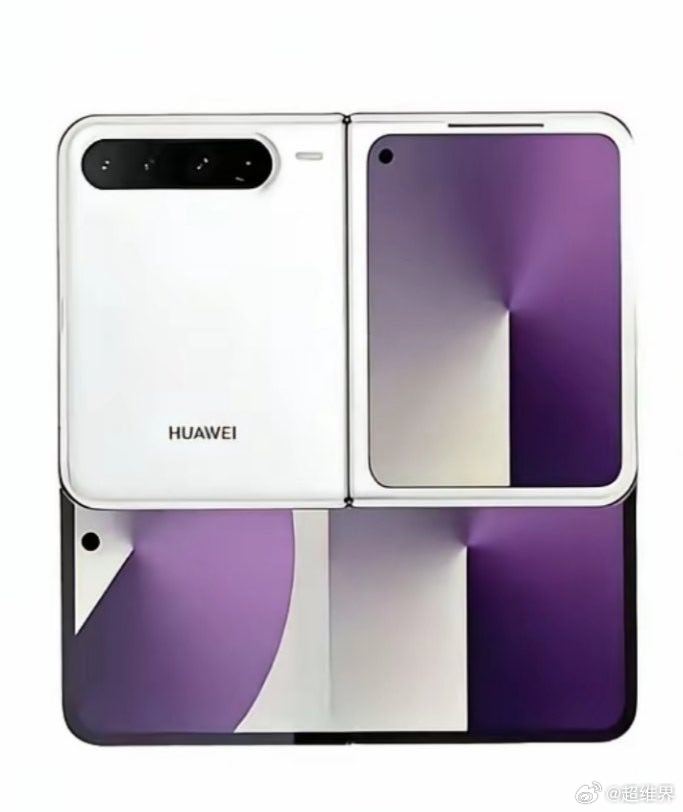
Based on leaked renders, the Huawei Pura X2 largely retains the body proportions of the Huawei Pura X but features a significantly larger external screen. The rear camera module adopts a horizontal design, housing four cameras, with the flash positioned independently outside the module. The overall design remains minimalist.
(Image Source: @Chaoweijie)
In terms of core specs, the Huawei Pura X2 will be powered by Huawei’s self-developed Kirin processor, featuring a 16:10 inner screen that expands to over 7 inches. The rear camera can capture photos up to 200 megapixels, and the hinge incorporates some technologies from the Huawei Mate X7.
Huawei’s decision to release a second-generation Pura foldable indicates its belief that there are still underserved usage scenarios beyond mainstream foldable forms.
Thus, the core value of the Huawei Pura X2 lies in continuous refinement and evolution in an existing direction. It represents not a radical attempt but a product route that is being continuously polished and gradually clarified.
4. iPhone 17e: The Cheapest iPhone 17—Can It Become a New Sales Powerhouse?
The iPhone 17 series can be considered Apple’s most “successful” model in the past five years, achieving a staggering 15 million units sold within just three months of launch, surpassing the combined sales of all domestic smartphones. This success is partly due to the strong product appeal of the iPhone 17 series and partly due to the rising prices of domestic flagships.
The recent price reduction of the iPhone Air by 2000 yuan once again demonstrated Apple’s formidable influence in the smartphone market. So, would a cheaper iPhone continue to sell like hotcakes?
(Image Source: Leitech Photography)
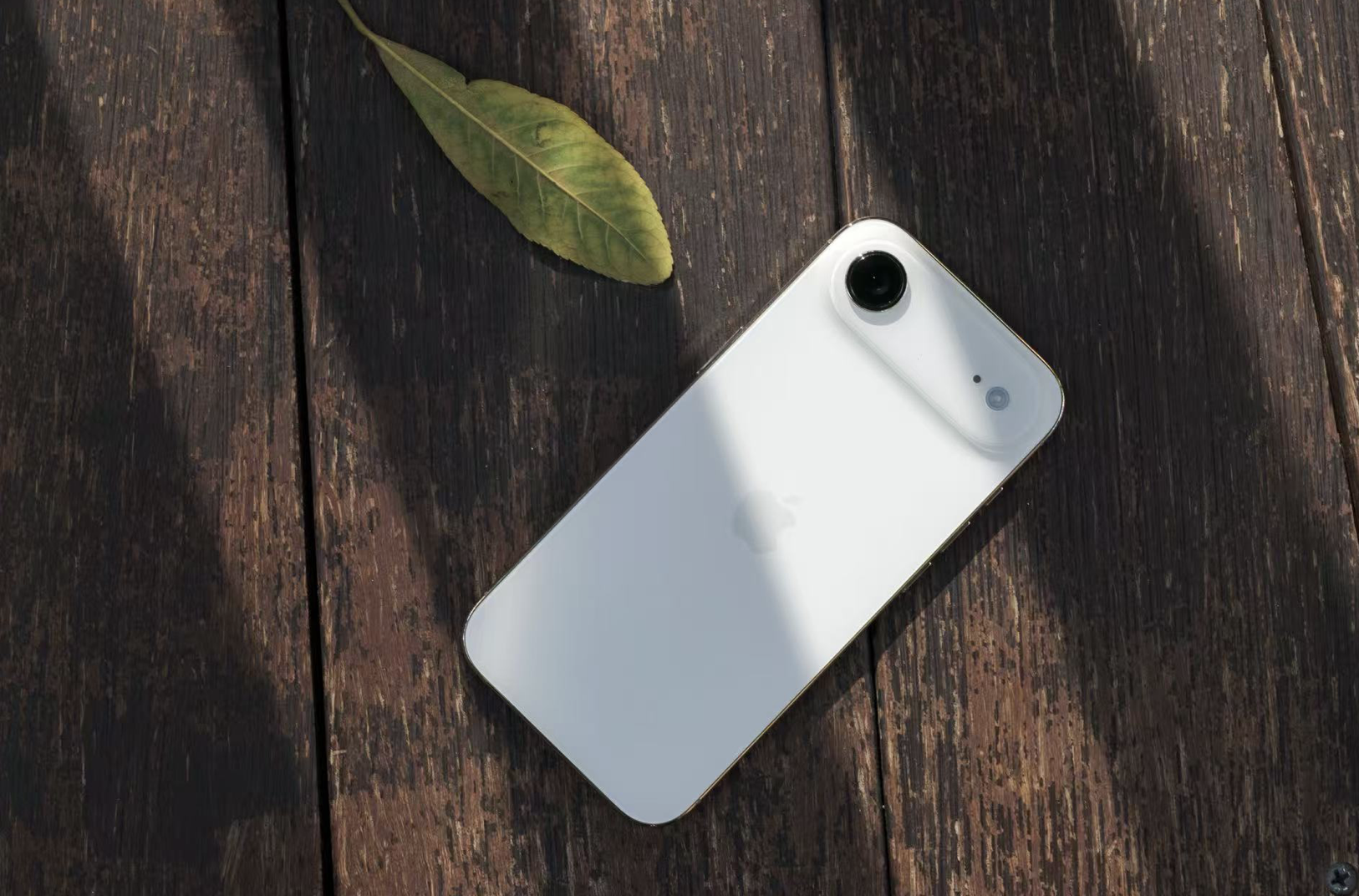
According to leaks, the iPhone 17e is on its way and could be released as early as February. Its improvements are straightforward: first, it will be powered by the A19 processor built on a 3nm process, offering steady improvements over the previous generation but likely “neutered” compared to the processors in the iPhone 17 Pro series. Second, the screen will finally abandon the notch design in favor of the more mainstream Dynamic Island, with narrower bezels. However, the refresh rate will remain at 60Hz, which is reasonable—if the 17e featured a 120Hz screen, iPhone 17 sales would be significantly impacted.
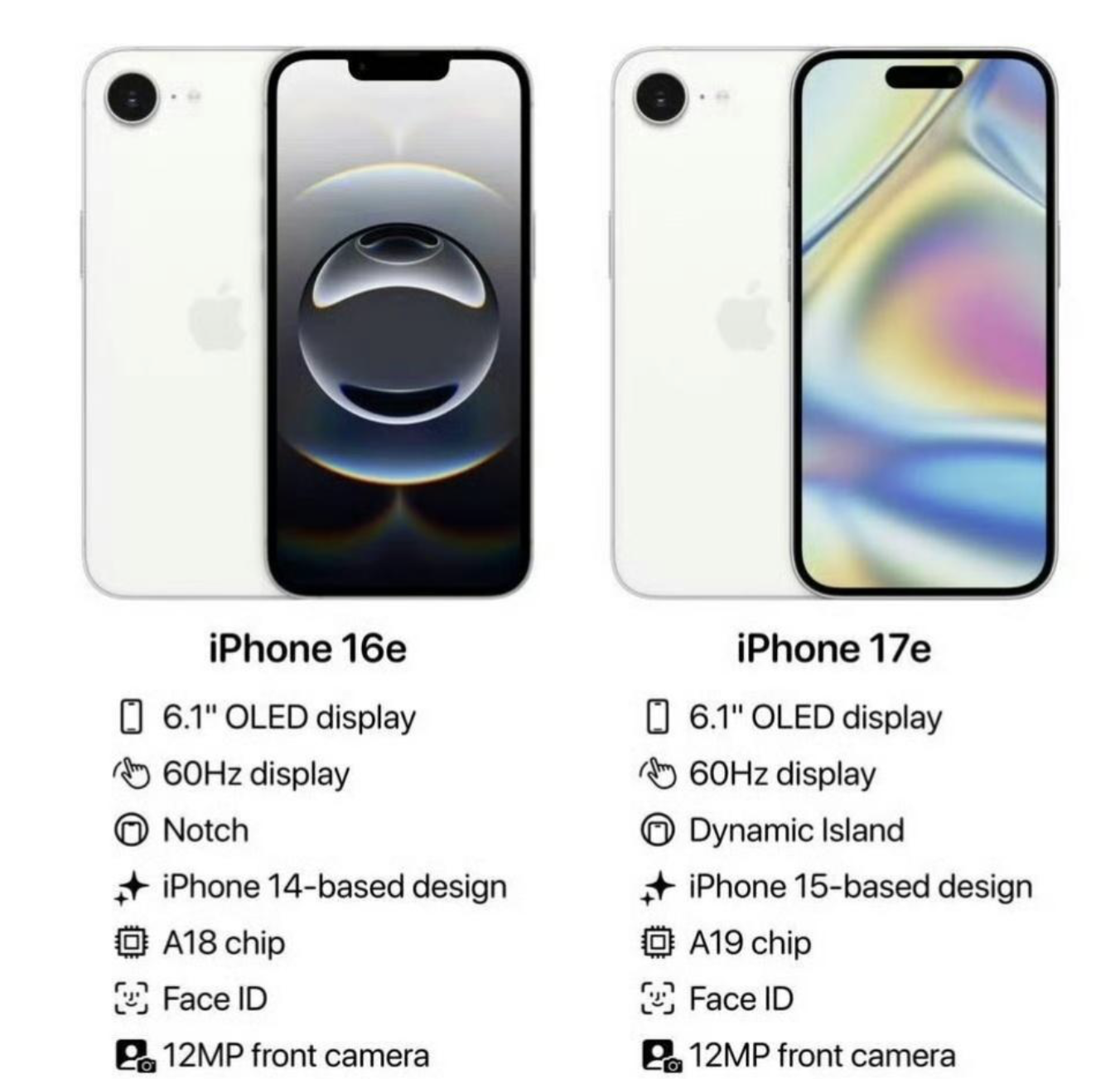
In terms of imaging, the iPhone 17e will retain a single-camera design. While specific specs are not yet available, following Apple’s tradition, the iPhone 17e is likely to fall into the category of “good enough” imaging.
If judged solely by its specs, the iPhone 17e lacks standout features, but its “e” positioning dictates a single mission: to lower the price to a level more acceptable to a broader audience without significantly sacrificing the core experience.
Therefore, if the iPhone 17e is priced at 3999 yuan (for the 256GB version), it would indeed pose a significant threat to domestic manufacturers. After all, for Apple, expanding its user base is often more important than the profit margin per device.
5. OPPO Find N6: Apple Foldable’s Biggest Rival?
In addition to the aforementioned Huawei Pura X2, Apple’s foldable screen has another potential rival: the OPPO Find N6. This isn’t unfounded, as previous reports indicated that Apple purchased an OPPO Find N5 for teardown and study.
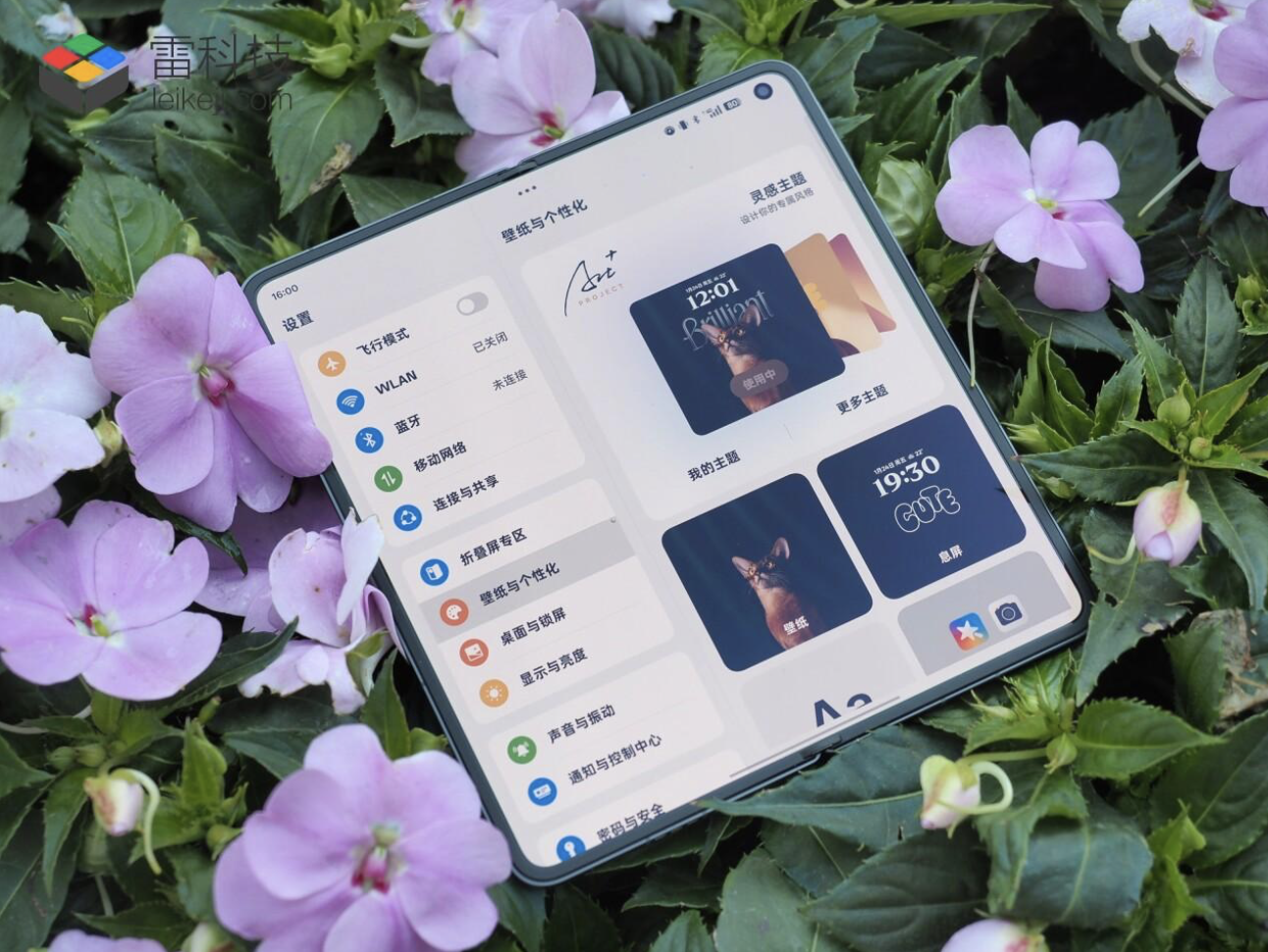
The OPPO Find N5’s greatest advantage was its screen crease, which was the shallowest in the industry—a record that remains unbroken. The arrival of the OPPO Find N6 may finally resolve the issue of screen creases in foldable phones.
(Image Source: Leitech Photography)
According to @Shuishu Chat Station, the OPPO Find N6 will feature a newly upgraded 8.12-inch 2K LTPO inner screen and hinge, capable of achieving a truly crease-free state.
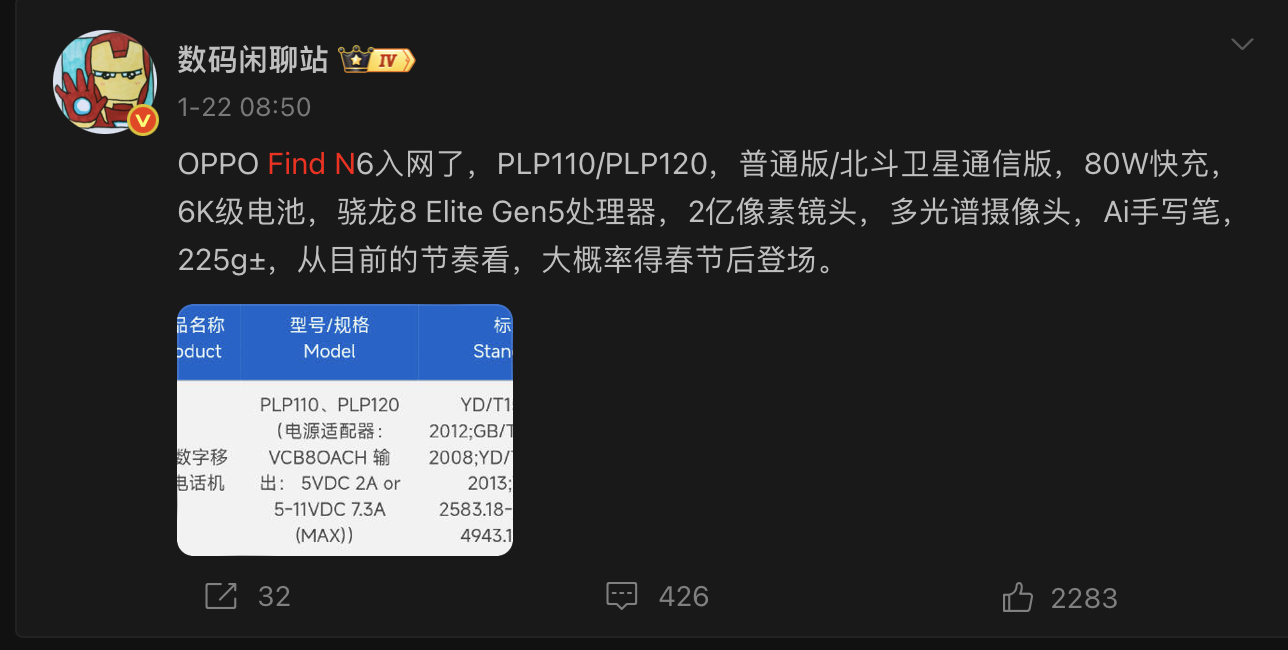
In terms of other specs, the OPPO Find N6 strives to align with “flagship” standards: an 8.12-inch 2K LTPO UTG main screen, a 6.62-inch external screen, Snapdragon 8 Elite Gen5, a 50MP + 50MP + 200MP imaging setup, and a 6000mAh battery. Despite these specs, the weight remains around 225g.
(Image source: @Digital Chatter Station)
In other words, the OPPO Find N6 is more akin to transforming the foldable screen from a delicate artwork into a truly robust, durable, and crease-free flagship foldable phone that also boasts aesthetic appeal.
If these specs come to fruition, my expectations for the OPPO Find N6 will hinge on two key points: firstly, that it will continue to push the boundaries of 'slimness + crease-free design', and secondly, that it may allow us to experience a device closer to a 'crease-free experience' before Apple does. For users, this is what truly matters.
Beyond New Devices: Spring Festival Promotions to Watch
It’s worth noting that most of the current round of new devices are still in the preheat phase (here meaning teaser and leak stage), with the true concentrated release period typically not arriving until after the Spring Festival. However, for ordinary users, the focus in February isn’t just about ‘waiting for new devices’; there’s also the upcoming ‘Spring Festival Grand Promotion’ to consider.
National subsidies, platform subsidies, and brand direct discounts, when combined with Spring Festival promotions, often bring many originally mid-to-high-end models down to a more budget-friendly price range. As a result, the Spring Festival period is one of the few times in the year when purchasing a new device is most worthwhile.
Around this key time, Leitech has also commenced concentrated planning for its Spring Festival content: from a Spring Festival phone buying guide and recommendations for different user groups to products and price changes truly worth noting during the New Year Shopping Festival and Spring Festival promotions, all will be sequentially presented in Leitech's Spring Festival special feature.

Ultimately, the Spring Festival isn't a tricky time where you're stuck deciding whether to buy or not. Instead, it's a period when your choices become more distinct. If you're eager to be among the first to experience new platforms and forms, set aside your budget and patience for the new product launch phase after the Spring Festival. If you prioritize a mature experience and a good deal, then seize the current promotions.
If you're still on the fence, you might want to hold off and wait for Leitech's upcoming Spring Festival compilation. It could just provide you with the perfect answer.
Paths Are Diverging, Yet Becoming Increasingly Clear
When we take a collective look at the new devices slated for release in February, it's not difficult to notice a significant shift: the phone market is transitioning from "homogeneous over - competition" to more well - defined differentiation.
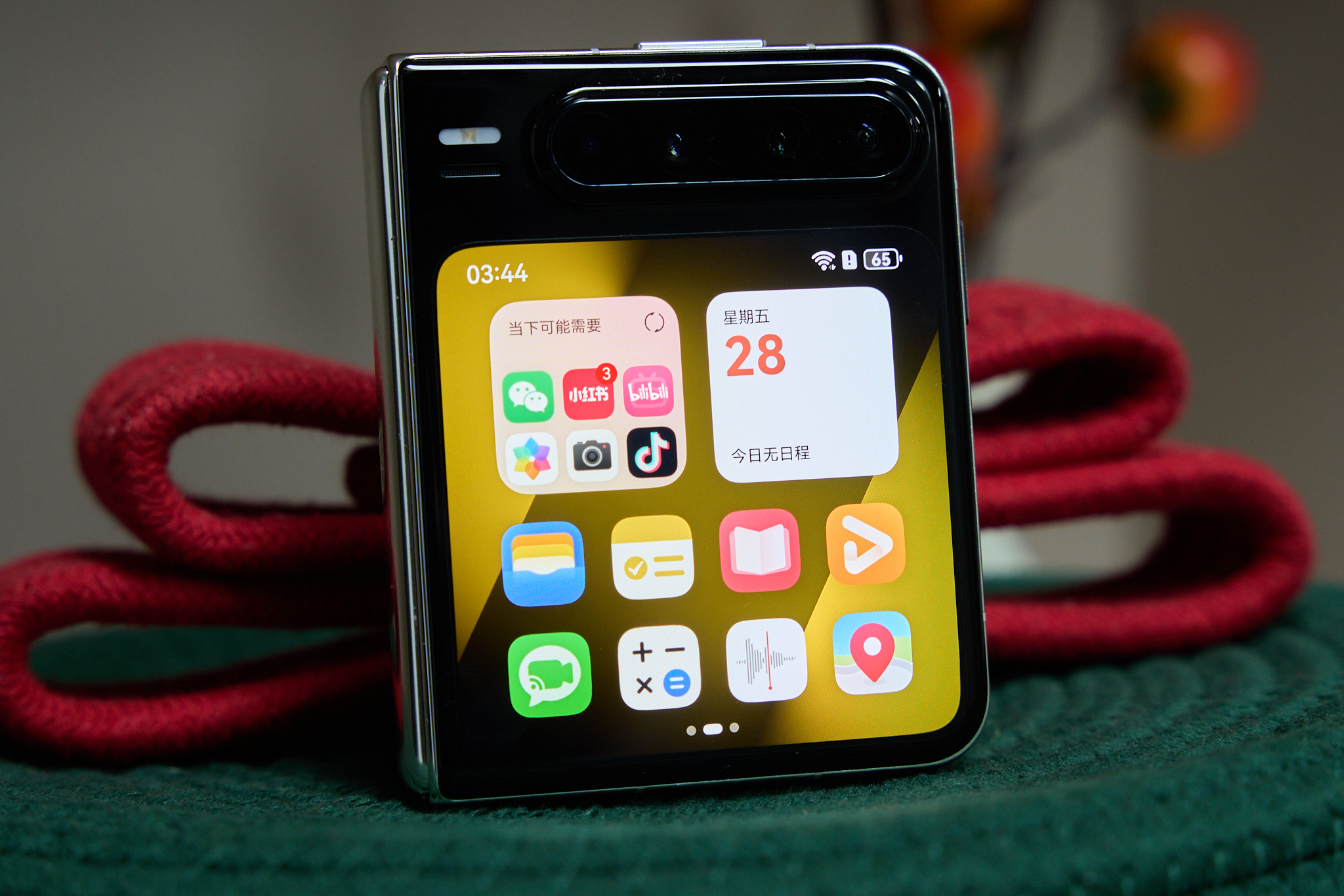
The iQOO 15 Ultra takes on the mission of pushing the brand's limits to new heights, while the Samsung Galaxy S26 series aims to solidify its core user base. Foldable screens are no longer just about flaunting new form factors; they're delving into exploring more suitable usage scenarios across different sizes and proportions. The iPhone 17e embodies the digital series' strategy of expanding to a wider user base, sacrificing a slightly higher entry barrier for broader market coverage.
(Image source: Leitech)
This implies that manufacturers' objectives are no longer centered around creating a device that's a "jack - of - all - trades, master of none." Instead, they're reverting to focusing on core demands: providing a sufficiently standard and clear solution for specific user groups.
For users, this change renders choices more intuitive. There's no longer a need to be swayed solely by specifications; instead, it's easier to find products that truly fit their needs.
So, rather than stating that the competition in 2026 is about "who is more powerful," it's more accurate to say it's about "who has a clearer understanding of their target audience." When product positioning is more distinct and choices are more stratified, users find it a breeze to purchase the device that best suits them. This is the most remarkable change among this wave of new devices.
New Device Teasers: Huawei, Samsung, Apple, iQOO, OPPO
Source: Leitech
Image credits in this article: 123RF Licensed Image Library
-
![]()
Hardware is the skeleton, AI is the soul, and data integrates the two
-
![]()
China’s AI Industry: A Unified Pivot Towards Monetization?
-
![]()
New Progress! Infineon Completes Acquisition of ams OSRAM's Non-Optical Sensor Business
-
![]()
35 Million Bet on an Optical Future! Tengjing Technology Makes a Move in AR
-
![]()
Why World Models Get Stuck on Construction Roads in Autonomous Driving Applications
-
Alibaba Initiates Cultural Transformation: Is Jack Ma Making a Strategic Comeback?
-
Tianfeng Heads to Hong Kong for IPO with RMB 3.8 Billion in Funds: Xingyu's Cross-Border Foray into Embodied AI Faces Uncertain Future
-
![]()
Mengshi Auto’s High-End Aspirations Dashed: Huawei Partnership Fails to Revive Sales, New Model’s Entry Price Dips Below 300,000 Yuan