Suzhou Crafts 29-gram AI Glasses
 06/24 2026
 468
468
Today, an article titled "Suzhou Crafts a 29-gram 'AI Sensation'" has piqued our interest. The article introduces the newly released Jove Glasses Lite 1, a lightweight AI+AR glasses model by Suzhou-based Jupiter Intelligence, launched last week.
At the close of May, Suzhou unveiled the "Suzhou AI Glasses Industry Innovation and Development Action Plan (2026-2028)" to expedite the transition of AI glasses from technological innovation to widespread commercial use.
According to the action plan, by 2028, Suzhou's AI glasses industry is projected to surpass 40 billion yuan in scale, boasting over 150 enterprises in the industrial chain, more than five influential self-owned brand terminal companies, over 30 implemented industrialization projects, and the creation of more than 10 exemplary demonstration application scenarios. (Official WeChat Account: Suzhou Daily)
Surpassing 40 Billion Yuan by 2028! Suzhou Unveils Three-Year Action Plan for AI Glasses Industry
The introduction of this action plan underscores Suzhou's commitment to the AI glasses sector.
01 Solid Industrial Base, Yet Self-Owned Brands Lag
Suzhou has laid a robust foundation and gained advantages in the AI glasses industry. In complete machine manufacturing, it has attracted leading companies such as Luxshare, Linyu, and Compal. The optical sector is equally robust, with numerous firms including Sanji Optoelectronics, Lipai Optoelectronics, Suzhou Boyu Optoelectronics, Raysolve Optoelectronics, and WitDisplay.
Despite a well-developed supply chain, Suzhou still lags in cultivating self-owned brands. Currently, only a handful of brands, such as Dreame and Jupiter Intelligence, are active in this domain.
Dreame is nurturing multiple smart glasses brands, including the AR swimming goggles displayed at AWE 2026. Initially planned for a mid-year release, the product missed the 618 shopping festival's prime opportunity, and the company has not disclosed further progress. Another product unveiled at CES utilized a modular solution from Twilight Technology but has not been heard of since its debut (Dreame's ambitions for AI smart glasses). Besides these two showcased projects, Dreame has engaged multiple teams in discussions with various ODMs for customization or co-branding collaborations, but none have advanced further. There have even been instances of borrowing prototype equipment from certain manufacturers without return.
In contrast, Jupiter Intelligence has launched three consecutive products this year: the full-color display AI+AR smart glasses JOVE Glasses S1 (this Hong Kong-listed company just unveiled the world's most affordable full-color AR glasses), the movie-watching focused JOVE Glasses View1, and the single-green display waveguide smart glasses JOVE Glasses Lite 1. The latter two products were released just two months after the first. Jupiter Intelligence's rapid product launch pace is indeed noteworthy.
Dreame's AR swimming goggles adopt a self-developed approach, which is understandably arduous and time-consuming. Jupiter, on the other hand, primarily leverages ODM mature solutions for "branding," such as JOVE Glasses S1 utilizing a solution from Gudong Intelligence, and JOVE Glasses Lite 1 adopting a solution from Xingyi Intelligence (the launch event explicitly stated a co-branding with Xingyi Intelligence Mimosa).
Employing ODM solutions for branding is a prevalent practice in the smart hardware industry, but it typically involves some customization in appearance for differentiation. For instance, Thunderobot, Liweike, and KTC all utilize the public version solution from Emdoor VR but with distinct appearances. However, Jupiter's two products are nearly identical at the hardware level, barring the LOGO (with differences at the software level), indicating minimal hardware differentiation, with the primary distinctions concentrated at the software level.
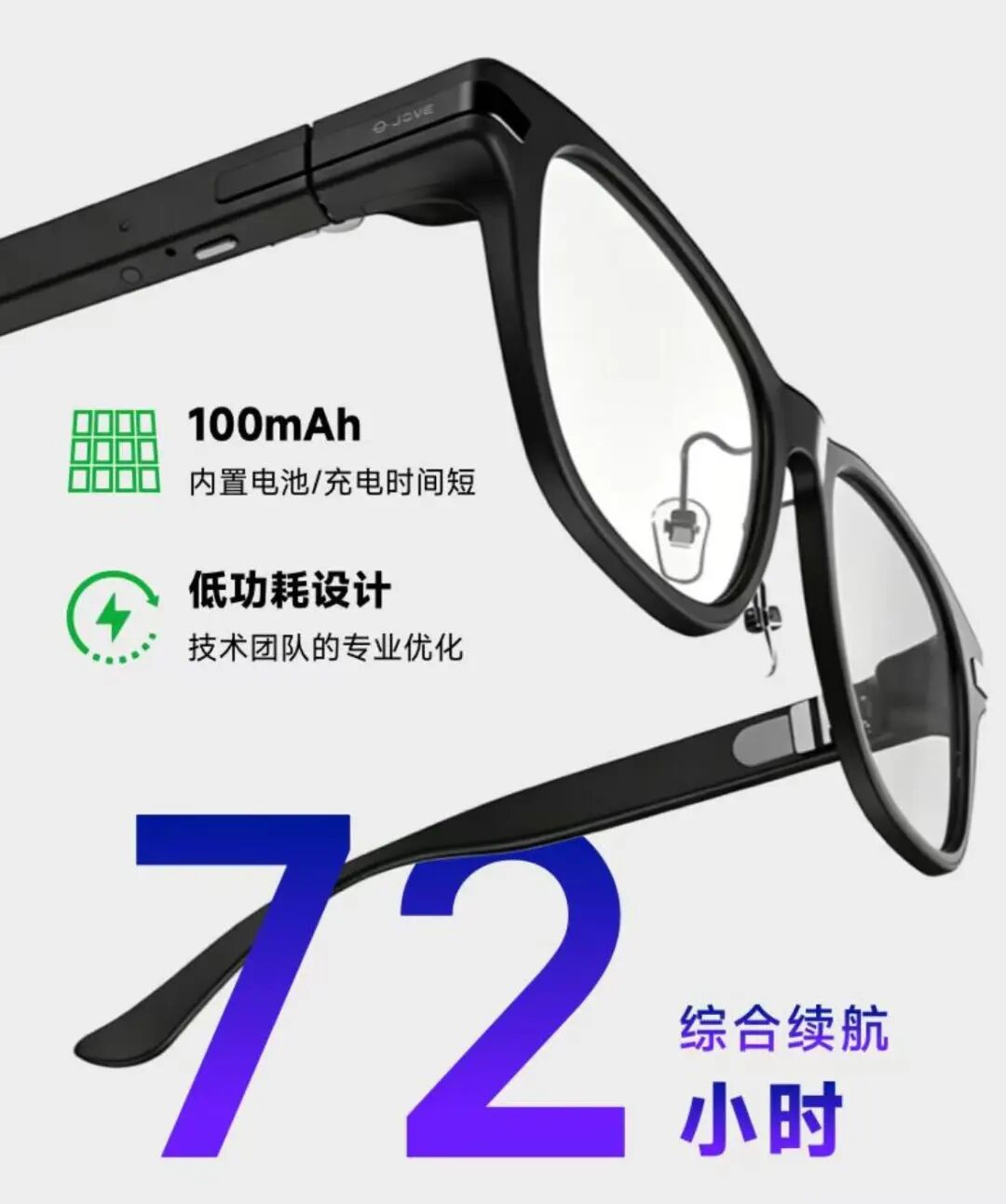
"Suzhou Crafts a 29-gram 'AI Sensation'" was published shortly after Jupiter Intelligence's new product launch, expressing local pride. However, those well-versed in the smart glasses industry recognize that this co-branded product with Xingyi Intelligence does not appear to be locally manufactured in Suzhou and has not fully capitalized on Suzhou's industrial chain strengths. The research, development, and design of the entire product hardware solution are also not based in Suzhou. From publicly available information, the entire product configuration and appearance mirror those of Xingyi Intelligence AR99, even the initial price of 999 yuan is identical.
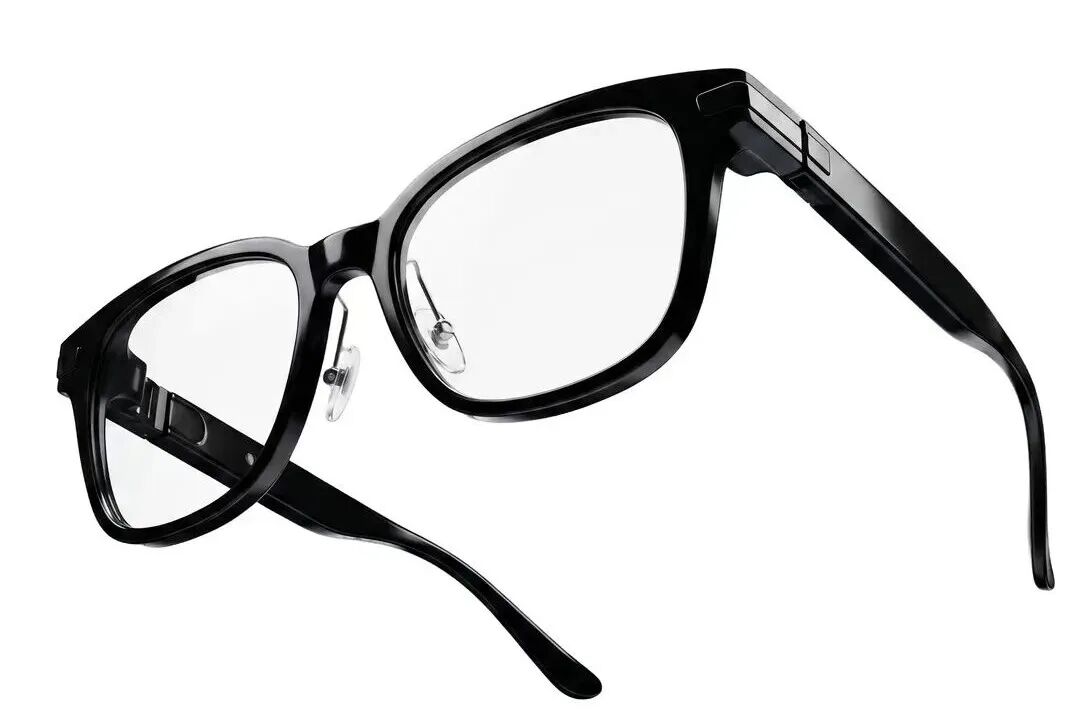
Therefore, if this "branding" approach to product launches and collaborations persists, Suzhou could "craft" various AI sensations and swiftly achieve several goals outlined in the three-year action plan for AI glasses.
02 Neglecting Post-Launch Support, Dismal Sales
Unlike the overwhelming online promotion seen after product launches by companies like Rokid, Qianwen, and Thunderbird, Jupiter Intelligence's product marketing appears to focus more on participating in various exhibitions.
Let's examine the sales performance of Jupiter's three products: JOVE Glasses L1 and JOVE Glasses View1 commenced pre-sales on Douyin (TikTok's Chinese counterpart) after their launch. As of now, they have been available for 8 days, with the former showing 17 units sold and the latter 14 units on Douyin. JOVE Glasses S1 shows a mere 1 unit sold. On Taobao, the sales figures are relatively better: JOVE Glasses L1 shows 33 units sold, JOVE Glasses View1 shows 47 units, and JOVE Glasses S1 shows 18 units. The products are not yet listed on JD.com.
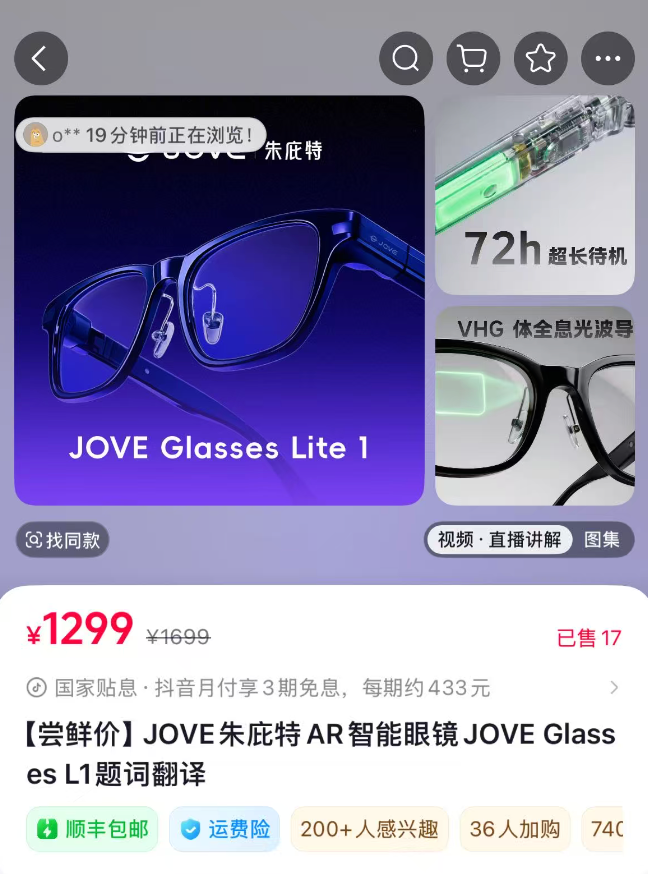
JOVE Glasses S1 has been on the market for nearly three months (this Hong Kong-listed company just unveiled the world's most affordable full-color AR glasses). Although the price is attractive, its 89-gram weight and appearance are not conducive to daily wear. Without robust brand support and greater promotional efforts, the sales are indeed lackluster. The other two products face similar predicaments. Perhaps Jupiter Intelligence's core sales channels are primarily offline, which remains unknown to us.
Conclusion
AI glasses, as the next-generation smart terminal with trillion-dollar potential, have become a strategic sector emphasized by many regions. Currently, not only Suzhou but also cities like Shenzhen, Hangzhou, Guangzhou, Chengdu, and Hefei have increased their support for the AI glasses industry, vying for the title of the "AI Glasses Capital." However, it remains to be seen whether Suzhou's local enterprises' approach to "crafting" AI glasses in this manner is truly conducive to the development of Suzhou's AI glasses industry.
END
-
![]()
The Complete Blueprint of Tsinghua-Affiliated Embodied AI 'Startup Dream Team': 7 Companies, 25 Billion in Funding, and the Dawn of an Era
-
![]()
The Ministry of Industry and Information Technology Forces Auto Companies to 'Self-Examine and Rectify,' Banning Unsafe Old Electric Vehicles from the Roads
-
![]()
Trump Hits the Brakes: America's Pure Electric Vehicle Race Crashes into a Wall
-
![]()
New 'Traffic Rules' for Unmanned Logistics Vehicles: No Nighttime Driving, Black Boxes Now Mandatory
-
![]()
Musk's Strategic Pivot: A Boon or Bane for Chinese Automakers?
-
![]()
Musk's Strategic Shift: A Boon or Bane for Chinese Automakers?
-
![]()
The US Hands the AI Market to Its Chinese Competitors on a Silver Platter
-
![]()
Eight Departments and One Pair of Glasses: China Writes the 'Next Gateway' into National Policy Documents