HUWEI and i16 Pro Are Flying Off the Shelves! The Return of Counterfeit Phones—Are Soaring Memory Prices to Blame?
 08/20 2026
 485
485
You get what you pay for—a timeless adage that holds true, especially in today's tech market.
If you were to open an e-commerce app, search for 'smartphones,' and sort the results by price from low to high, you might stumble upon products that seem to hark back to a bygone era. These devices bear names and models that closely mimic those of flagship phones from mainstream brands, yet their prices are astonishingly low. These familiar yet unfamiliar gadgets are none other than the counterfeit phones that were once pushed out of the market by Xiaomi and other cost-effective alternatives. Leitech (ID: leitech) has uncovered that amidst a memory shortage-induced price surge for phones, these counterfeit devices are making a surprising comeback. You might think I've stumbled upon some daring new tech on Pinduoduo, but that's not the case—such counterfeit phones are rife on mainstream e-commerce platforms...
'Flagship Phones' Sold for Peanuts: Apple, Huawei, and Xiaomi All in the Crosshairs
The most striking change in counterfeit phones is their enhanced deceptive tactics.
Over a decade ago, counterfeit phones often sported four camera imprints on the back, three of which were mere plastic decals. Nowadays, they've become more sophisticated, ditching the flashy 'eight-star, eight-arrow' approach for a 'high-imitation' route. On certain e-commerce platforms, we come across phones that look almost identical to iPhones, complete with Dynamic Island on the front and a triple-camera setup on the back. The phone we discovered is particularly 'meticulous' in its naming—'i16 Pro Max'—but its brand, 'Prestige Honor,' is a clear attempt to mislead consumers into thinking it's related to Honor. Imitating two brands at once? Quite a feat.
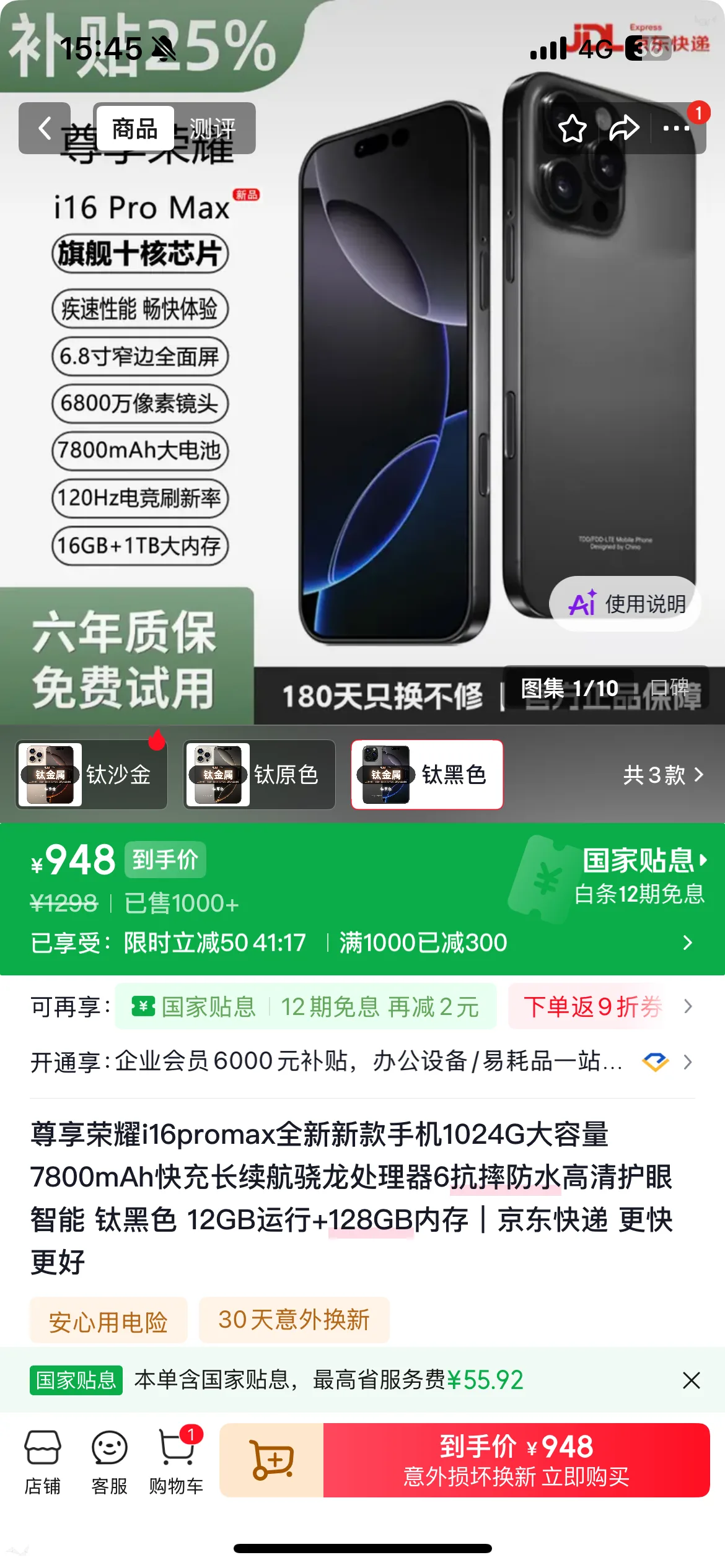
(Image Source: E-commerce Platform)
This phone starts at under 1,000 yuan, but its listed specifications are impressive: 16GB+1TB storage, a 7,800mAh battery, a deca-core chip, a titanium metal frame, and a six-year warranty. However, its review section is clearly managed, with mostly fake positive reviews from paid commenters. From the few genuine reviews with images, it's evident that the actual phone differs greatly from the rendered images, boasting poor build quality—exactly what one would expect from a counterfeit phone.
Besides imitating Apple, Huawei, Samsung, and Xiaomi are also heavily targeted by counterfeit phones. For instance, Leitech found a phone named 'HUWEI P80 Pro,' clearly a Huawei knockoff, mimicking the Huawei Pura 80 Pro in appearance. Its listed specifications are equally absurd: 16GB of RAM, a 7,800mAh battery, and a Snapdragon chip—bold claims indeed.
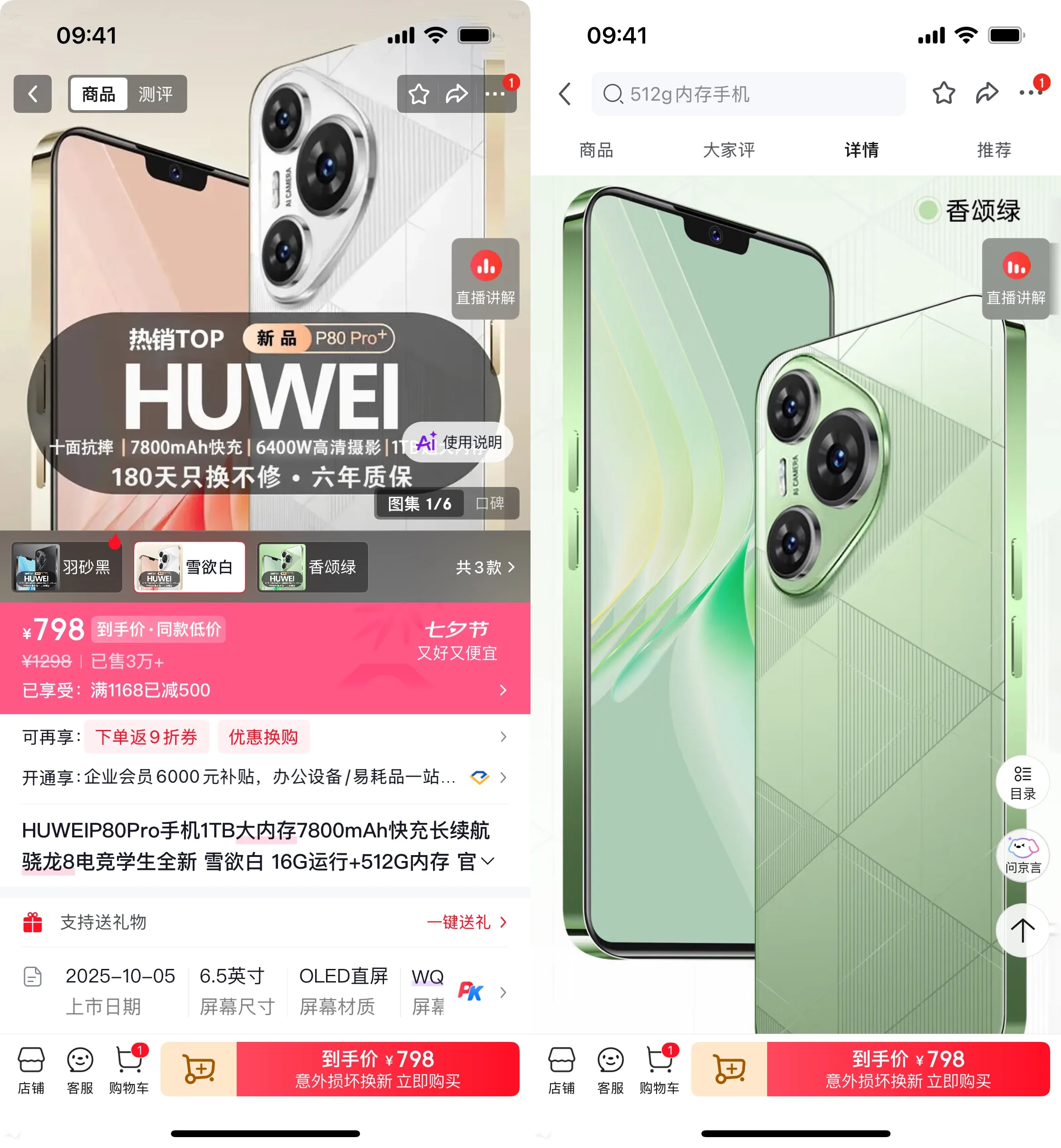
(Image Source: E-commerce Platform)
Its price is surprisingly low at just 798 yuan. Clicking into the product page even reveals a live-stream section, though it's just a recorded video. The host even mistakenly refers to the phone's brand as 'Huawei.'
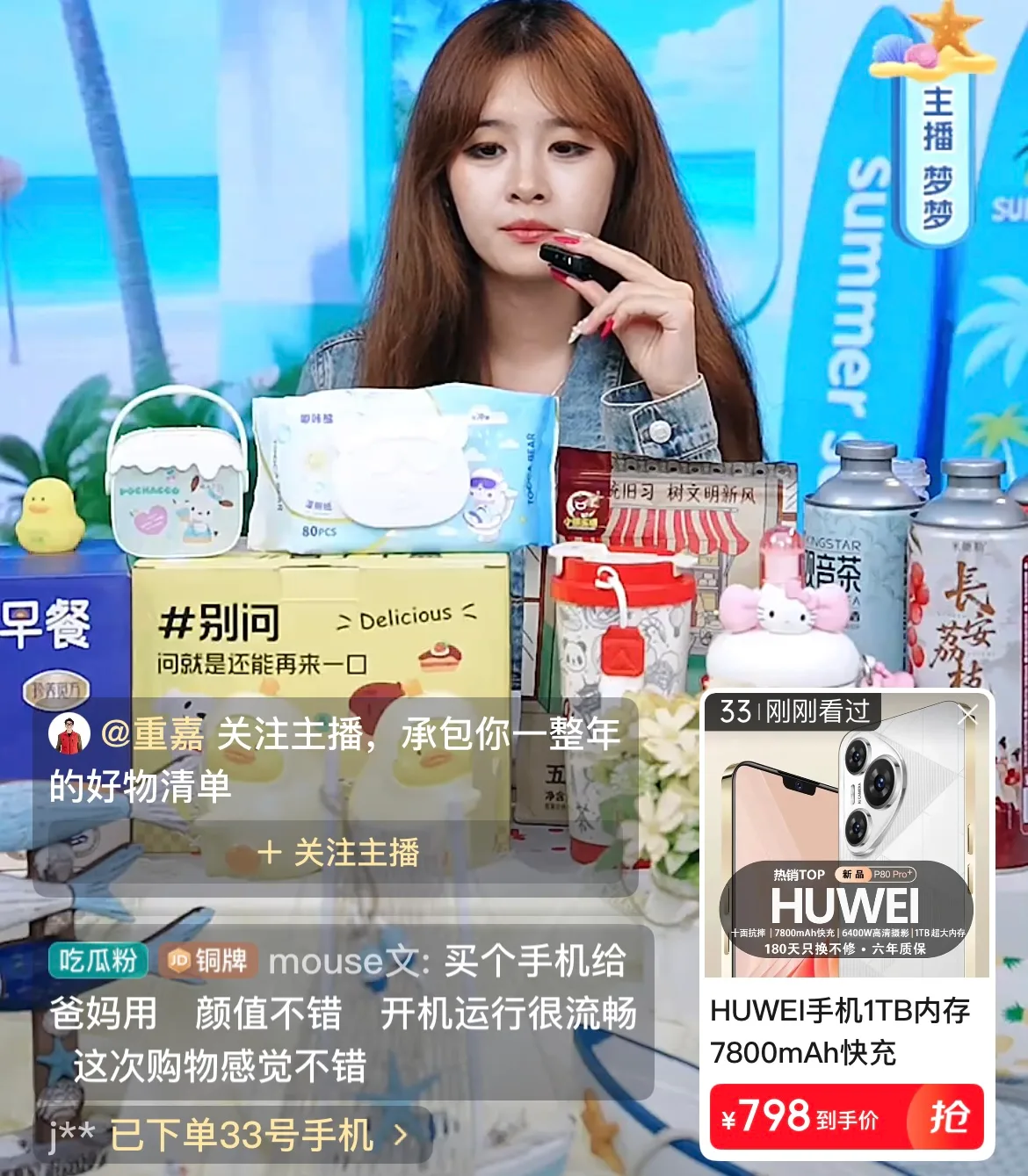
(Image Source: E-commerce Platform)
Unsurprisingly, the review section for this counterfeit phone is filled with fake reviews, with few genuine evaluations in sight.
Better at Packaging Themselves: The Subtle Evolution of Counterfeit Phones
The core tactics of counterfeit phones remain largely unchanged from a decade ago: imitating appearance, falsifying specifications, and disappearing after sales. The difference is that counterfeit manufacturers now know how to better package themselves.
Let's start with specifications. The product descriptions for counterfeit phones are often exaggerated: deca-core processors, Snapdragon 8 Supreme, 16GB+1TB storage, 2K screens. In reality, these so-called 'deca-core processors' are usually low-cost SoCs, and the high-end processor models displayed in the system are often fabricated by modifying system information—easily exposed by tools like AIDA64.
Falsifying storage is another old trick. A counterfeit phone labeled as 512GB might only have 32GB of usable storage. The system is modified to display a large capacity on the settings screen, but as soon as you try to store anything, it reports insufficient space. More interestingly, some counterfeit phones even tamper with benchmarking apps like AnTuTu, modifying system identification information to mislead the app into misidentifying the processor model and generating a seemingly decent score.
However, in actual use, even opening WeChat takes several seconds, and scrolling through short videos is unbearably laggy. As for cameras claiming 48MP or even 100MP, the actual photo quality is worse than an iPhone 6 from a decade ago. Among multiple camera modules, only one might actually work, with the rest being mere models.
Then there's after-sales service. Counterfeit phone stores share a common trait: extremely short lifespans. A counterfeit phone store we found on a platform might be gone within a few months. They typically adopt a 'hit-and-run' strategy, closing one store after complaints and bans, only to reopen under a different name.
Simply put, counterfeit phones have no technical merit; they rely solely on information gaps and low prices. Those knowledgeable about phones can easily see through them, but for middle-aged and elderly people unfamiliar with phone specifications, or budget-constrained students, the allure of buying a 'flagship phone' for a few hundred yuan is too great. More frighteningly, due to poor quality control, counterfeit phones often suffer from issues like battery swelling and screen detachment. Spending a few hundred yuan on a phone might seem like a bargain, but it's also setting yourself up for trouble.
The Resurgence of Counterfeit Phones: More Than Just Price Hikes
This issue warrants serious consideration. Counterfeit phones didn't suddenly appear; they've always been around. However, recent changes in the phone industry have created fertile ground for their revival.
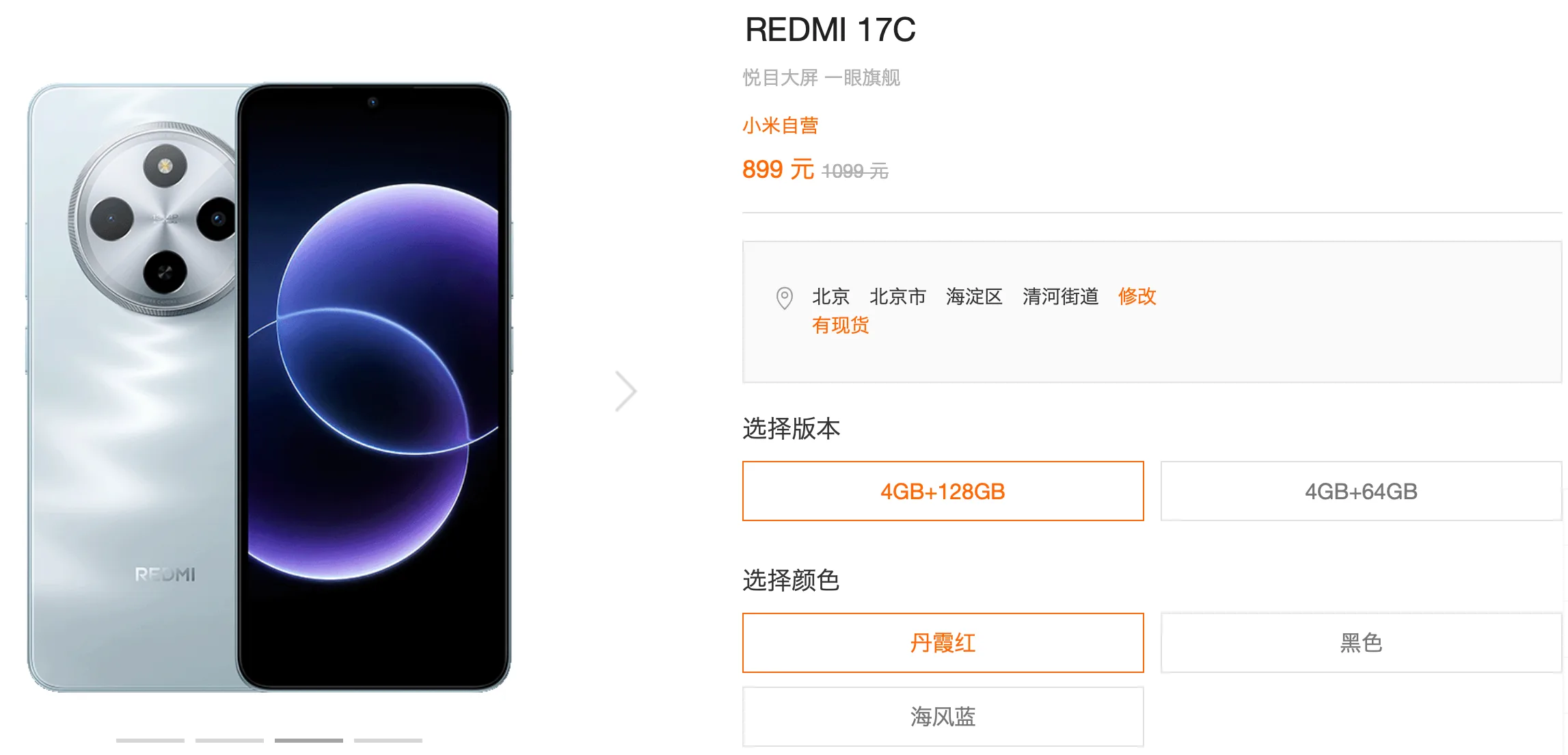
The most direct reason is that phones are getting more expensive. In the first half of this year, the primary driver of phone price hikes was the increasing pressure from storage costs, with surging demand for HBM high-bandwidth memory pushing up prices across the entire storage chain. In the second half, chips joined the price hike trend. Regardless of the brand, flagship phones now start at higher prices. Even budget phones are no longer cheap; the Redmi digital series, once available for around 600-700 yuan, now starts at over 1,000 yuan. For many consumers with modest phone needs, spending over 1,000 yuan on a phone can be a bitter pill to swallow.
At the same time, mainstream brands have significantly reduced their investment in low-end entry-level phones. A quick review reveals that brand-name phones in the 500-600 yuan price range have almost disappeared. Competitors like Redmi, Honor, and realme have shifted their focus to the mid-range market above 1,500 yuan, strategically abandoning the sub-1,000 yuan category. The logic behind this is not hard to understand: low-end phones offer minimal profit margins. A phone sold for 500-600 yuan has almost no profit after accounting for hardware costs, R&D, marketing, and channel fees. Instead of struggling in the sub-1,000 yuan market, brands prefer to concentrate resources on more profitable mid-to-high-end products.
(Image Source: Xiaomi)
Ironically, this is precisely the market segment where Xiaomi and others once crushed counterfeit phones. Around 2014, the Redmi 1 brought smartphone prices down to 799 yuan, directly cornering counterfeit phones. Now that this price range has reopened, counterfeit phones have naturally returned.
Another factor that cannot be ignored is the rise of e-commerce platforms and live-stream sales, which provide counterfeit phones with more efficient sales channels than traditional offline outlets. In the past, counterfeit phones relied on Huaqiangbei counters and phone stores in third- and fourth-tier cities, with limited reach. Now, they only need to open a store on Pinduoduo or Taobao, or find a host for a live-stream sale, to reach users nationwide. Moreover, platform reviews and crackdowns on such borderline products often lag behind the counterfeit manufacturers' ability to rebrand. After a counterfeit store is shut down, it can quickly reopen with new credentials, rendering platform bans almost ineffective.
The target demographic for counterfeit phones is also changing. A decade ago, people bought counterfeit phones because genuine smartphones were prohibitively expensive. Now, the buyers are mainly those unfamiliar with the phone industry, easily swayed by low prices and appearances—such as the elderly, ordinary users insensitive to digital products, and some young consumers tempted by the cheap price. For these groups, a 'flagship phone' for just a few hundred yuan is highly attractive.
How to Avoid Counterfeit Phones? Leitech Offers Practical Advice
Counterfeit phones are unlikely to be completely eradicated in the short term. As long as phone prices continue to rise, gaps remain in the low-end market, and some people remain unfamiliar with the phone industry, counterfeit phones will find a way to survive. However, for ordinary consumers, avoiding them is not difficult.
The most effective method is to stick to reliable channels. When buying a phone, choose official brand flagship stores, self-operated channels, or those with official endorsements like '10 Billion Subsidy.' Don't be swayed by low prices and order from unknown third-party stores. If you see a 'flagship phone for just a few hundred yuan'—a price clearly out of line with market norms—just move on.
For elderly family members, offer to help them choose a phone. Many seniors are unfamiliar with phone brands and models and can be easily misled by the appearance and low prices of counterfeit phones. Taking the time to select a model for them and ordering from a legitimate channel is far less hassle than dealing with rights protection (consumer rights protection) after they've bought a counterfeit phone. After receiving the phone, help them download a detection tool like AIDA64 or DevCheck to run a hardware check—it only takes a few seconds to determine if it's a counterfeit.
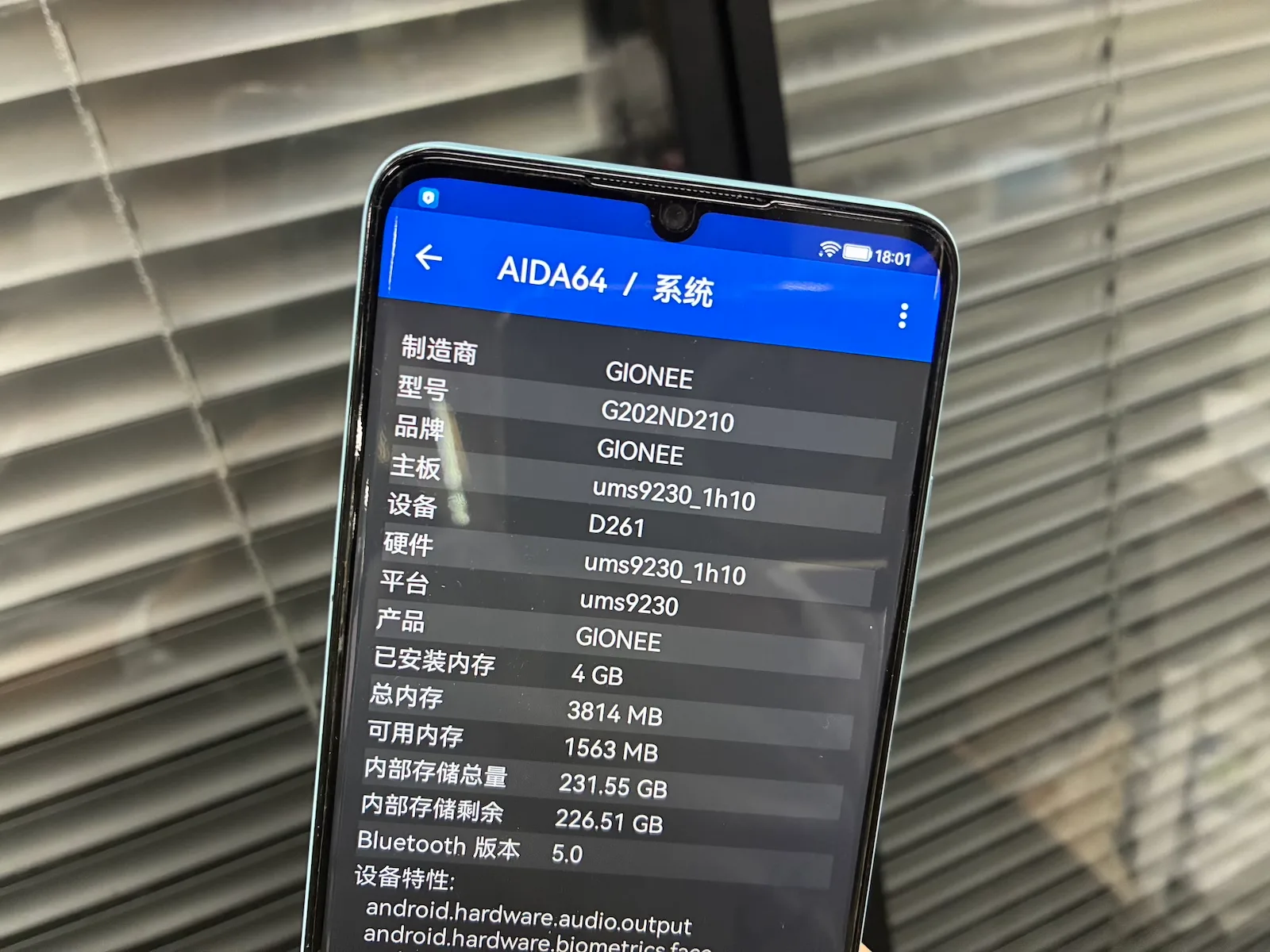
(Image Source: Leitech)
Additionally, teaching elders to recognize obvious signs of counterfeit phones is crucial. For instance, a genuine new phone's packaging will always have an MIIT network access license and an IMEI code. The 'About Phone' page in the settings will also display complete and accurate model information. If any of this information is mismatched, blurry, or missing, it's likely a counterfeit.
If you spot a counterfeit phone on an e-commerce platform, report it directly to the platform. Taobao, Pinduoduo, and JD all have complaint channels, or you can click the report button on the product page. While counterfeit stores can reopen under a different name, a high volume of reports may trigger the platform's algorithm to demote such products, at least reducing their visibility.
Moreover, unscrupulous merchants fear not reports but determined consumers. If you unfortunately buy a counterfeit phone, keep the evidence and insist on a refund and compensation through the platform. The more consumers stand up for their rights and are persistent, the less room there will be for unscrupulous merchants and counterfeit products.
Ultimately, the resurgence of counterfeit phones is essentially filling the void left by mainstream brands. They target the sub-1,000 yuan market that mainstream brands no longer prioritize. If mainstream brands one day refocus on this market and release reliable entry-level models, the living space (survival space) for counterfeit phones will naturally shrink. Until that day comes, we must rely on our own vigilance. Instead of believing you can buy a flagship phone for a few hundred yuan, remember that there's no such thing as a free lunch. This principle applied over a decade ago, and it still applies today.
Counterfeit phones, Huawei, Apple, Xiaomi
Source: Leitech
All images in this article are from the 123RF licensed image library. Source: Leitech
-
![]()
2026 Chengdu Auto Show Preview: Emerging Forces, Top Five Chinese Brands in Showdown, Joint Ventures Speed Up Localization Efforts
-
Has Xiaomi Weathered Its Toughest Phase as Single-Quarter Revenue Again Tops 100 Billion Yuan?
-
![]()
14.6 Billion Yuan in Asset Impairment Losses: What’s Ailing Geely Holding Group, and How Will Li Shufu Navigate the Crisis?
-
![]()
Baidu’s WorkBuddy: Beyond Task Completion, Toward Trusted Automation
-
![]()
Bu Yizhou from Junyuan Capital: The Allure of Commercial Space Investment Transcends Mere Rocket Recovery Success
-
![]()
Avita Seeks Independence from Huawei
-
![]()
Li Shufu 'Steps Down,' Handing Over Reins to 30-Year Geely Veteran An Conghui
-
HONOR Incorporates 'DJI-Inspired' Tech into Smartphones: Hype Surpasses Actual Sales