Avita Seeks Independence from Huawei
 08/20 2026
 388
388
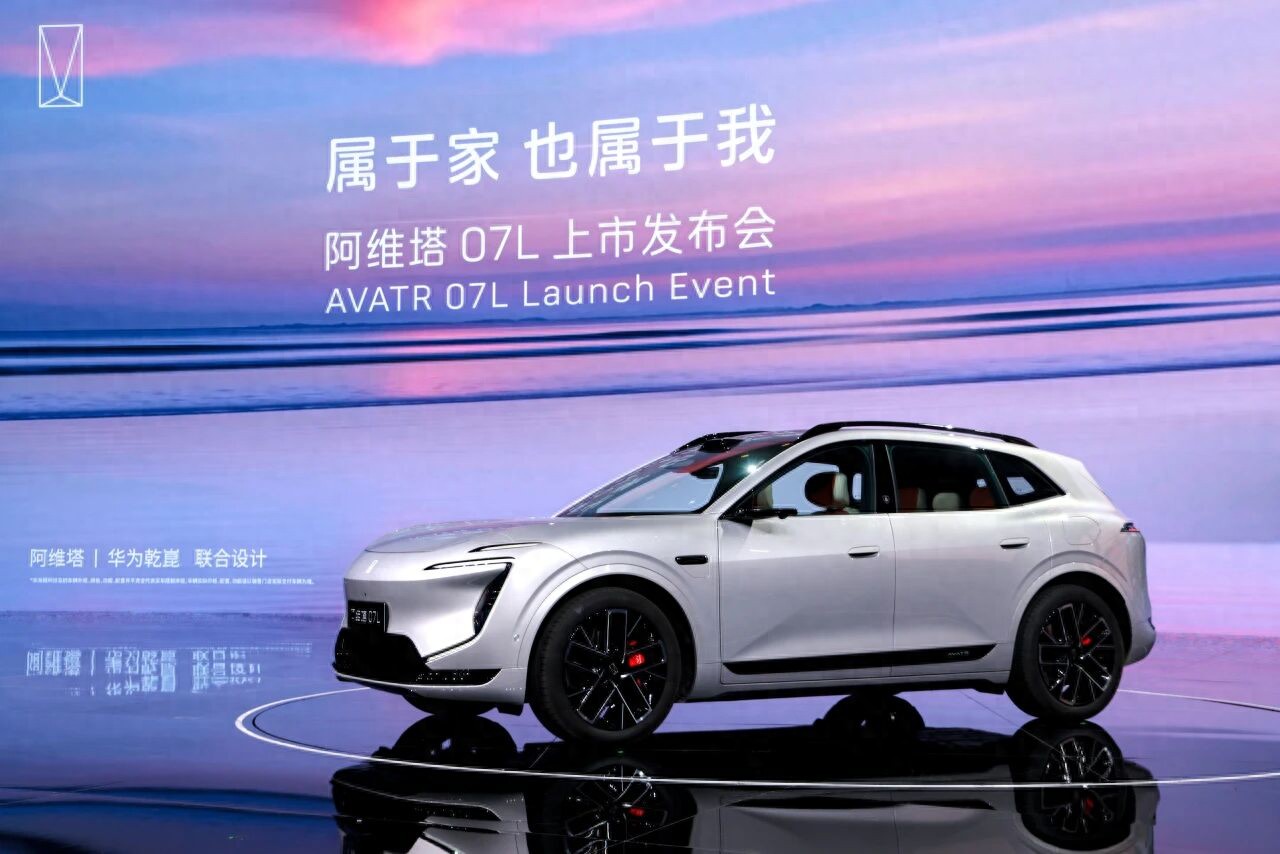
Avita is redefining its partnership with Huawei, transitioning from deep integration to autonomous decision-making.
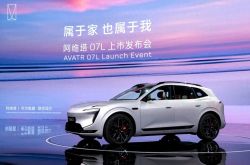
On August 8th, in Hangzhou, Avita unveiled its third new vehicle of the year—the Avita 07L, a mid-to-large, all-electric, five-seater SUV.
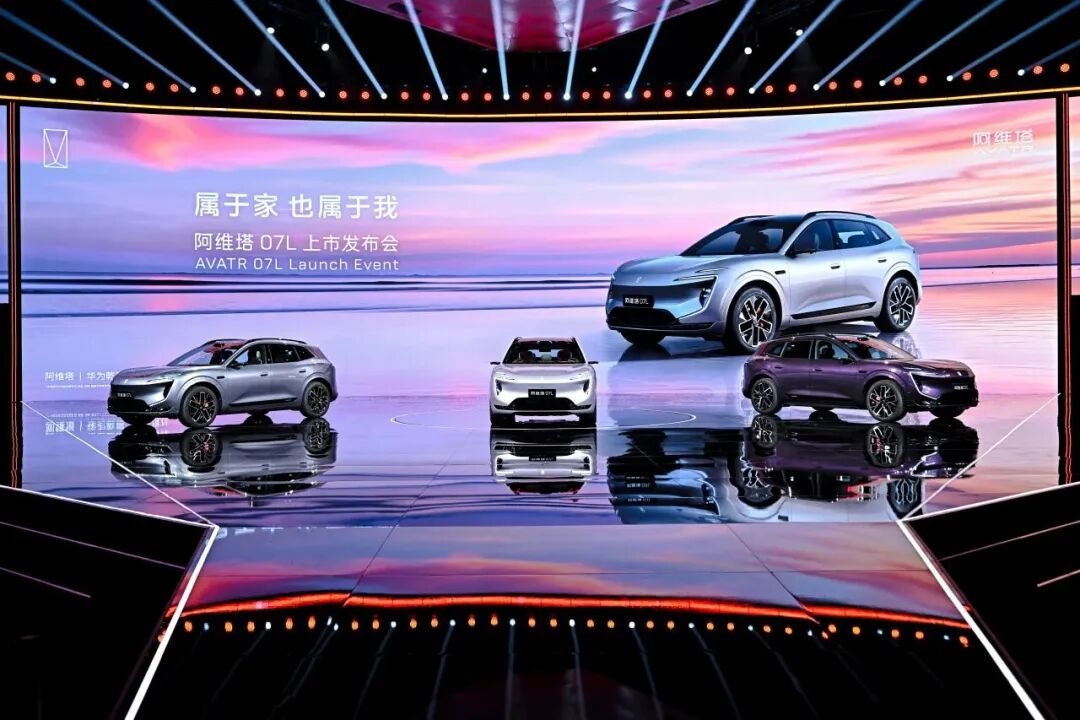
(Image source: Avita 07L launch event)
While the launch event showcased the new car, its technology, and specifications, the statement that garnered the most attention came from Avita's Vice President, Yong Jun:
"I don't think that the cooperation model with Huawei is essential."
This remark, from a brand that once frequently highlighted its "longest, broadest, and deepest" collaboration with Huawei, was somewhat surprising.
In response, Avita clarified that Yong Jun's original comment pertained only to the non-essentiality of "having Huawei create exclusive intelligent driving versions," and did not negate the overall value of collaborating with Huawei.
However, from another angle, this could signify Avita's bid for "self-emancipation"—aspiring to be more than just "another Huawei partner," but an independent brand with unique capabilities.
01
Over recent years, Avita's relationship with Huawei has been one of the closest in the new energy vehicle (NEV) sector.
As the second-largest shareholder of Huawei Intelligent Automotive Solutions (HIAS), Avita has engaged in profound collaboration across intelligent driving, cockpit systems, and electronic-electrical architecture.
In the market, Avita has consistently emphasized "Huawei-powered" as a key selling point.
This integration proved effective initially, as Huawei's technological endorsement swiftly bolstered market trust during Avita's brand-building phase.
But challenges soon emerged.
As more brands and models forged deep partnerships with Huawei, the "uniqueness" of Huawei's intelligent driving technology diminished.
AITO, Luxeed, and Enjoyz—Huawei's "circle of collaborators" is expanding.
In this context, if Avita continues to emphasize "deep cooperation with Huawei," it risks getting embroiled in homogeneous competition.
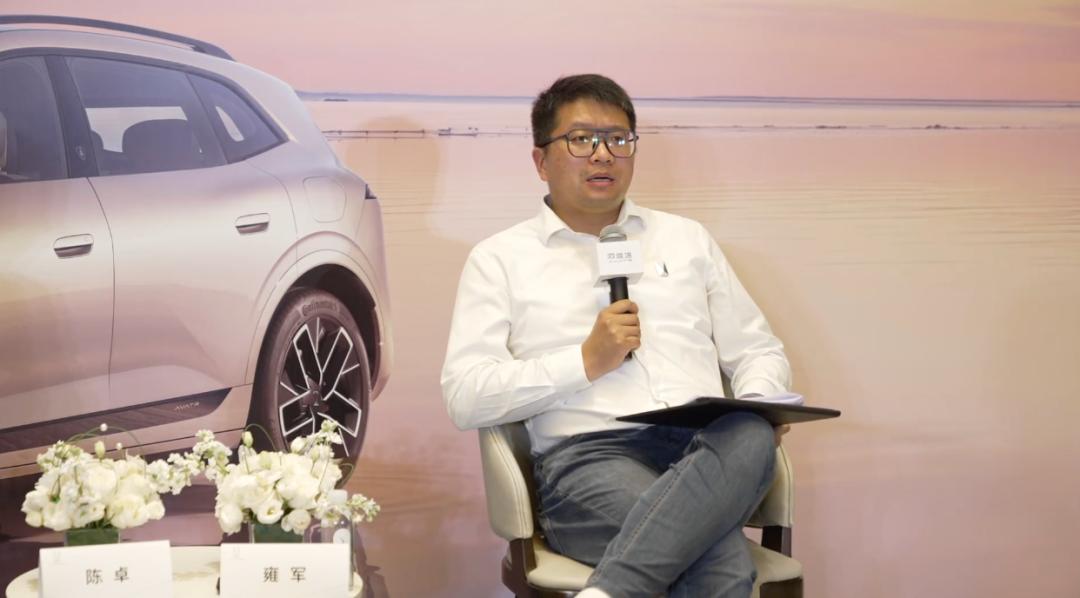
(Avita Vice President Yong Jun)
Yong Jun's statement directly addresses this predicament.
He remarked, "The more Huawei becomes a common platform, the more it underscores the brand tension for relatively independent brands like ours. Relying entirely on their customization is impractical."
The underlying message is clear:
Huawei is now a shared platform, and Avita must carve out its own distinct identity atop it.
This isn't about "de-Huaweification," but rather about "cultivating Avita's unique identity with Huawei as a foundation."
02
Yong Jun underscored that Avita possesses "distinctive capabilities."
Where do these differences lie?
Firstly, in design.
Avita's design language has consistently maintained its uniqueness, with clear visual distinctions from other brands within Huawei's intelligent vehicle ecosystem, both externally and internally.
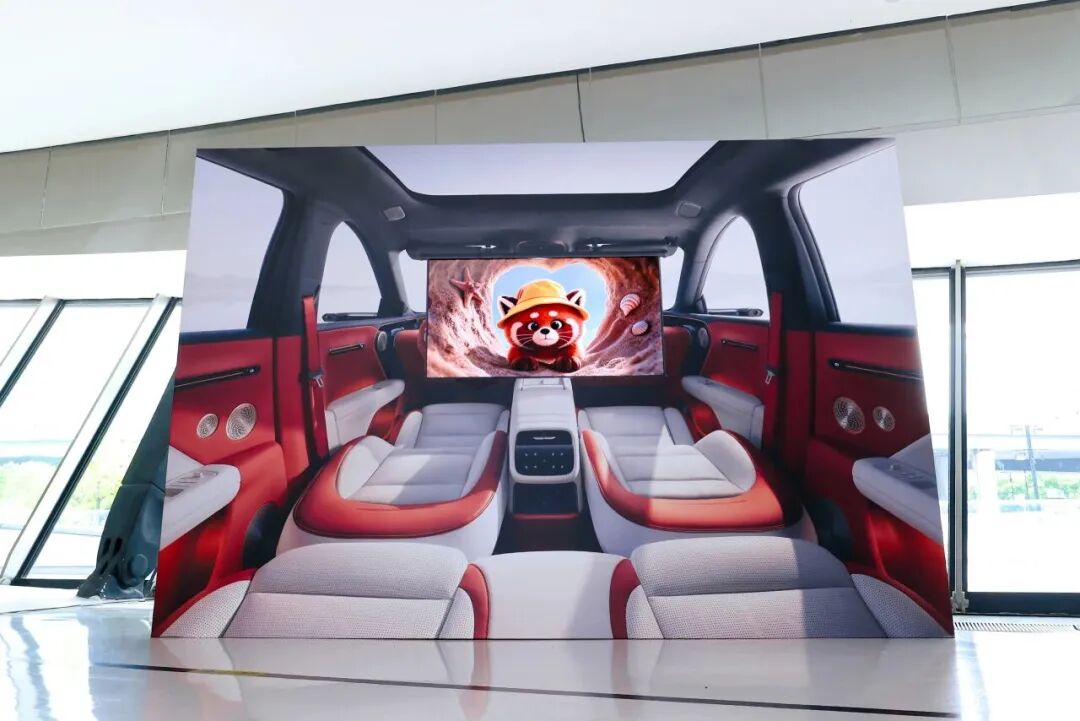
(Image source: Avita 07L launch event)
Secondly, in brand positioning.
Avita positions itself as a "premium intelligent electric vehicle" brand, striving to establish its own brand identity and user perception, leveraging Huawei's technological support.
Moreover, as the second-largest shareholder of HIAS, Avita wields a certain degree of influence in technical collaborations, according to Tianyancha.
However, the "effectiveness" of these differentiations remains to be validated by the market.
From an external viewpoint, Avita's product strength heavily relies on Huawei's intelligent driving solutions, with its technical roadmap nearly mirroring Huawei's iterations from ADS 2.0 to ADS 3.0.
Yong Jun acknowledged, "Huawei is a shared platform, and Avita must differentiate itself on it." Yet, if the primary reason consumers choose Avita remains "Huawei's intelligent driving," then the narrative of differentiation becomes tenuous.
03
Avita's sales have plateaued.
Throughout 2025, Avita's average monthly sales hovered around 7,000-8,000 units, never surpassing the 10,000-unit mark.
In the first half of 2026, sales continued to fluctuate below this threshold.
In the NEV market, failing to reach 10,000 monthly sales hinders economies of scale and leaves brand visibility and channel efficiency in a precarious "in-between" state.
Avita President Chen Zhuo stated at a media briefing, "We are confident that the 07L will propel the Avita brand back to monthly sales of 10,000 units."
The 07L represents not only Avita's third new model this year but also a pivotal strategic move in its product lineup and price range.
If the 07L achieves significant market traction, Avita will have the opportunity to ascend from the "few-thousand-unit club" to the "10,000-unit club."
It's crucial to note that at this critical IPO stage, sales figures are paramount. Avita stands at a pivotal juncture.
On one hand, it must leverage Huawei's technological prowess to ensure product competitiveness; on the other, it must craft its own brand narrative amid Huawei's growing ubiquity.
If Avita can successfully establish a differentiated perception of "Huawei technology + Avita design," it has a chance to distinguish itself from the "homogeneous competition" within Huawei's ecosystem.
Otherwise, it may remain just "another brand in Huawei's orbit."
Yong Jun's assertion that Huawei is not a "must-have" for Avita sends a message to the market:
Avita has its own design, brand positioning, and user perception.
But for the market to truly embrace this, Avita must deliver a product that resonates with consumers independently of Huawei.
At least for now, such a product has yet to materialize.
-
![]()
2026 Chengdu Auto Show Preview: Emerging Forces, Top Five Chinese Brands in Showdown, Joint Ventures Speed Up Localization Efforts
-
Has Xiaomi Weathered Its Toughest Phase as Single-Quarter Revenue Again Tops 100 Billion Yuan?
-
![]()
14.6 Billion Yuan in Asset Impairment Losses: What’s Ailing Geely Holding Group, and How Will Li Shufu Navigate the Crisis?
-
![]()
Baidu’s WorkBuddy: Beyond Task Completion, Toward Trusted Automation
-
![]()
Bu Yizhou from Junyuan Capital: The Allure of Commercial Space Investment Transcends Mere Rocket Recovery Success
-
![]()
Avita Seeks Independence from Huawei
-
![]()
Li Shufu 'Steps Down,' Handing Over Reins to 30-Year Geely Veteran An Conghui
-
HONOR Incorporates 'DJI-Inspired' Tech into Smartphones: Hype Surpasses Actual Sales