Huawei and Apple Embrace the Trend, Samsung Steps Back: Is Variable Aperture Technology Truly Worthwhile?
 08/25 2026
 458
458
Have you ever observed that night shots taken with phones are prone to overexposure, and faces in group photos often appear blurred?
The root cause of this lies in a fundamental optical issue: light intake.
The aperture functions similarly to the pupil of a lens. In low-light conditions, the pupil dilates (large aperture) to allow more light in, while in bright light, it contracts (small aperture) to prevent glare.
Traditionally, most smartphones employed a fixed aperture design, meaning the pupil size remained constant regardless of the lighting conditions. This forced manufacturers to heavily rely on algorithms to compensate for hardware limitations.
Variable aperture, however, introduces true dynamism to the pupil.
01 What Are the Benefits of Variable Aperture?
Variable aperture enables phones to perform optimally under varying lighting conditions.
In low light, opening the aperture to its maximum significantly enhances light intake, resulting in brighter and purer night scenes. Conversely, in sufficient light, closing the aperture prevents overexposure and improves edge sharpness within the frame. 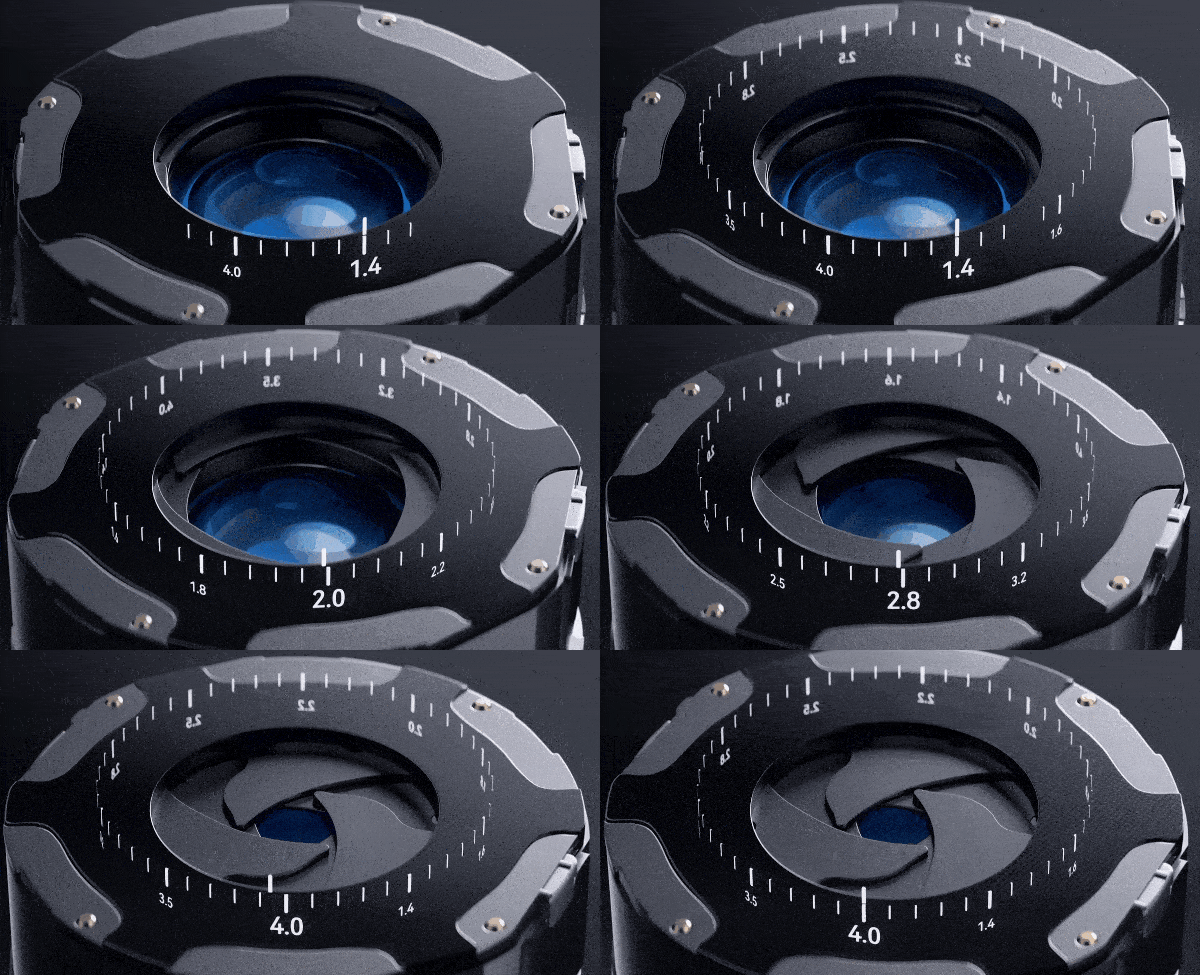 Image source: Internet
Variable aperture also allows for depth-of-field control. A large aperture creates a blurred background, highlighting the subject, while a small aperture keeps both the foreground and background in sharp focus.
For portraits, the bokeh effect produced by variable aperture is a physical optical phenomenon, unlike the artificial cut-out feel often associated with pure algorithmic solutions. For group photos, closing the aperture ensures clarity for both the front and back rows.
Additionally, a small aperture can create stunning starburst effects, transforming streetlights and car headlights in city nightscapes into sharp rays—a physical aesthetic that algorithms struggle to replicate convincingly.
02 Divergent Strategies Among Tech Giants
Variable aperture technology necessitates a precise mechanical blade structure, which increases costs and adds to the module's thickness.
Huawei introduced a 10-stop variable aperture ranging from f/1.4 to f/4.0 with its Mate 50 series in 2022 and has since made it a standard feature in subsequent Pura and Mate series.
The Pura 80 standard edition boasts a variable aperture range of F1.4-F4.0, while the Pro, Pro+, and Ultra versions upgrade to F1.6-F4.0. The Mate 70 series also maintains the F1.4-F4.0 configuration.
Rumors suggest that the upcoming iPhone 18 Pro series will feature a mechanical physical variable aperture supporting adjustments from F1.4 to F4.0 (reportedly either 10-stop or stepless regulation), boosting light intake by up to 40%.
Apple's adoption of this technology is seen as a significant endorsement by the industry.
When even the traditionally cautious Apple chooses to follow suit, it indicates that this technology may be transitioning from a niche experiment to a mainstream standard. 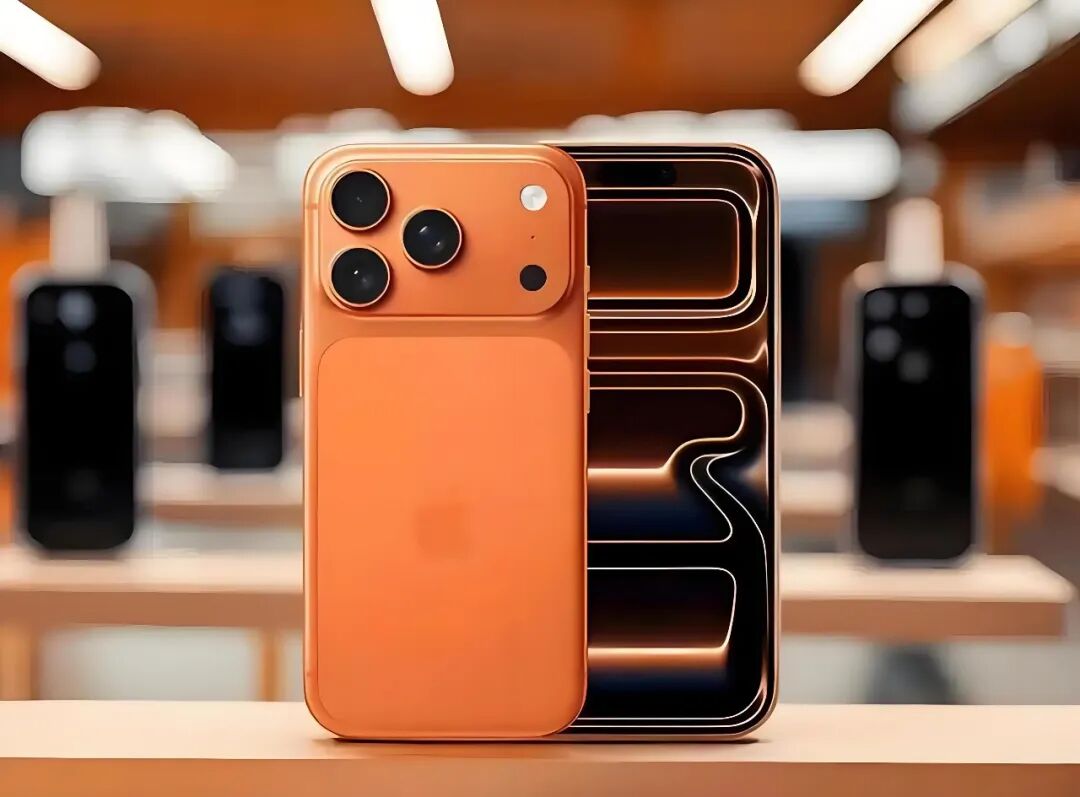 Image source: Internet
Samsung, however, has taken a different approach.
As early as the Galaxy S9 and S10 in 2018 and 2019, Samsung incorporated variable aperture with two stops (F1.5 and F2.4) but discontinued the feature starting with the S20 series in 2020.
In early 2026, influenced by rumors of the iPhone 18 Pro, Samsung seriously considered reintroducing variable aperture in the S27 series.
However, after testing modules provided by MCNEX and Samsung Electro-Mechanics, the company ultimately decided against it.
The decision was driven by cost and device design considerations.
Variable aperture components increase costs, while the larger module size further thickens the camera bump. Combined with rising DRAM memory prices, phone manufacturers are facing widespread pressure.
Samsung concluded that the actual improvement in user experience from variable aperture on mobile devices is limited, making it difficult to justify the added costs.
03 A Path Forward or Just a Nice-to-Have Feature?
The debate over variable aperture essentially reflects a clash of two philosophies.
One side argues that addressing imaging challenges through physical hardware upfront is more robust and reliable than relying on backend algorithms.
The other contends that, given the limited capabilities of mobile sensors, the benefits of variable aperture do not justify the cost and bulk sacrifices.
Samsung's withdrawal and Apple's adoption perfectly represent the two ends of this argument.
Regardless of the outcome, the fact that phone lenses now have pupils that can dynamically adjust at least demonstrates one thing: the competition in mobile imaging is shifting from algorithmic prowess back to optical excellence.
#Smartphones #VariableAperture
-
![]()
Who’s Sounding the Alarm on ‘Rushed Vehicles’?
-
![]()
Over 5.3 Billion Yuan in Losses Over Three and a Half Years! Can Yonyou Reverse Its Fortunes Through Streamlining and AI Transformation?
-
![]()
Baidu AI Adopts Free Model: A Strategic Maneuver in Traffic and Monetization
-
![]()
Silicon-Based OLED Pioneer Unveils Financial Results: H1 Shipments Outpace Entire 2025 Volume
-
![]()
AI's First "Lost Summer"
-
![]()
Zeiss Makes Another €2.2 Million Bet: Will Eye Tracking Be the Next Big Thing in the Smart Glasses Industry?
-
![]()
RUNTO Ranking | Global Top TV ODM Factories' Shipment Figures for July 2026
-
![]()
Dealer Service Operational Prowess | How After-Sales Managers Can Harness Efficiency and Expertise to Secure Trust in the New Energy Era