30 Years On: Toyota’s HEV Legacy Faces a Chinese Revolution
 04/15 2026
 657
657
Introduction
A Three-Decade Shift: From Toyota’s HEV Dominance to China’s Rise
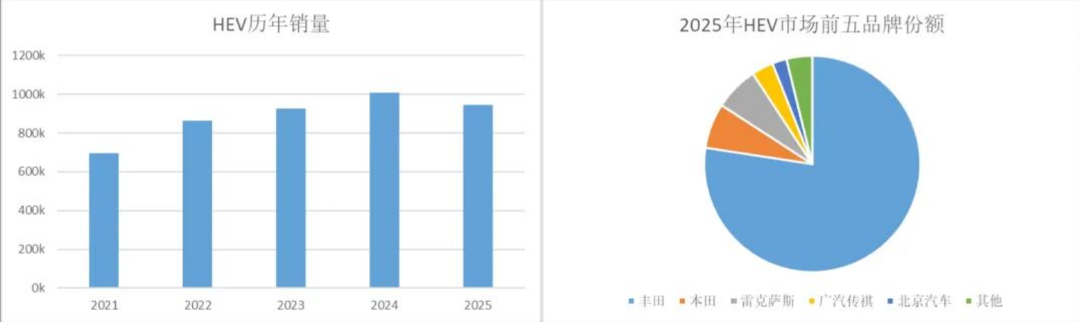
After three decades, the hybrid vehicle (HEV) landscape has undergone a seismic shift: Japanese brands, led by Toyota, have ceded dominance to Chinese automakers.
In 1997, Toyota launched the first-generation Prius, heralding the HEV era with its promise of “no charging needed, exceptional fuel efficiency, and reliable durability.” For nearly 30 years, Japanese HEVs monopolized the global market, setting unparalleled benchmarks and inspiring the adage: “In hybrids, there’s Toyota—and then everyone else.”
Fast-forward to 2026: China’s new energy vehicle (NEV) penetration has surpassed 50%. The pure electric (BEV), plug-in hybrid (PHEV), and extended-range electric vehicle (EREV) sectors are fiercely competitive. Geopolitical tensions have driven oil prices to record highs, leaving traditional fuel vehicle owners grappling with affordability, thus amplifying market enthusiasm for BEVs over hybrids and fuel cars.
Amid this transition, a surprising yet strategic trend has emerged: Leading Chinese brands—Changan, Chery, Great Wall, GAC, and Geely—are collectively launching next-gen HEV technologies, sparking a “counterflow offensive” to reclaim the hybrid market.
The Puzzle: Why Revisit Toyota’s 30-Year-Old Tech Amid a BEV Boom?
With BEVs seemingly poised to dominate—and academician Ouyang Minggao predicting they’ll account for 90% of sales by 2040—why are Chinese brands doubling down on HEVs? The answer lies in a strategic alignment of China’s industrial strengths: the world’s most complete NEV supply chain, scaled hybrid powertrain production, and locally tailored smart upgrades. Chinese brands aren’t replicating Japanese hybrids but forging a “Chinese solution” to dismantle the fuel car dilemma, meet user demands, and fuel global expansion.
As Chinese automakers pivot from the hyper-competitive NEV sector to counterattack the fuel car market, and as Chinese HEVs outperform Japanese rivals in fuel efficiency, power, and intelligence, a 30-year hybrid hierarchy faces disruption.
01 Chinese HEVs: Five Brands, Five Unique Strategies
This wave of Chinese HEV innovation reveals fully in-house core technologies, targeting breakthroughs in engine thermal efficiency, battery design, electric drive architectures, and intelligent control. Each brand has carved its own path:
Changan’s Blue Whale Ultra Hybrid: Thermal Efficiency Redefined
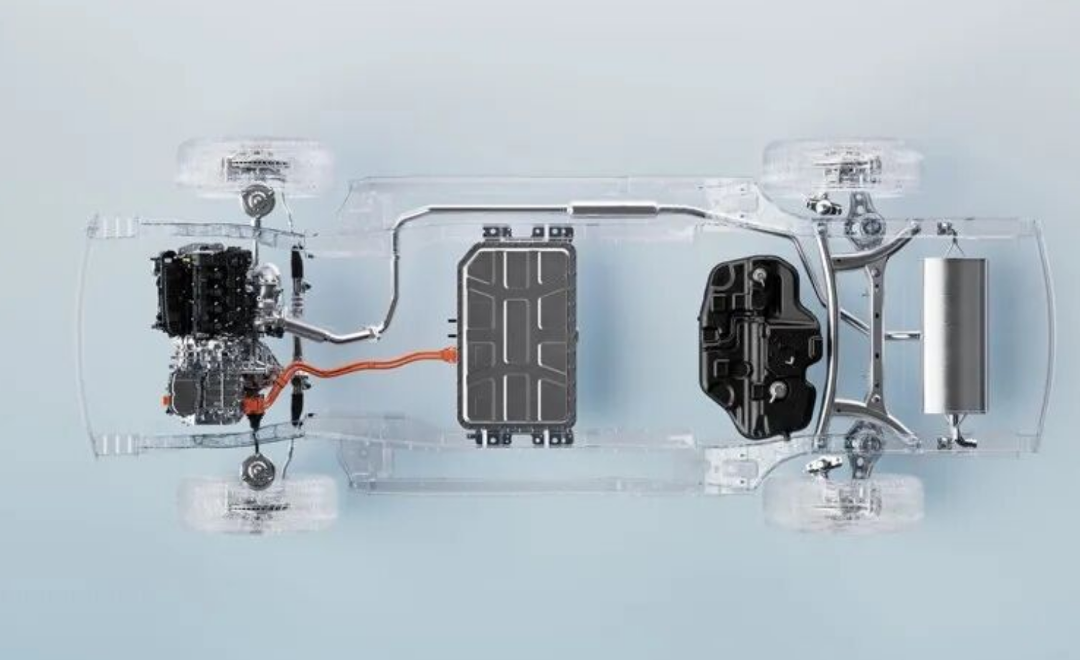
Changan’s HEV prioritizes ultra-low fuel consumption across all driving conditions. Its dedicated hybrid engine features 500Bar ultra-high-pressure direct injection and 150mJ high-energy ignition, achieving nearly 45% thermal efficiency—surpassing Toyota’s fifth-gen THS (41–43%). With a 180kW peak motor and 80kW battery discharge power, its urban fuel consumption drops to 2.98L/100km.
Chery’s Dual-Breakthrough HEV: Efficiency Meets Performance
Chery’s HEV balances efficiency and power, boasting a fifth-gen 1.5TGDI hybrid engine (44.5–48% thermal efficiency) and a three-speed dual-motor DHT transmission (93% efficiency). Its 800V silicon carbide motors deliver sub-4-second 0–100km/h acceleration, while C-iem intelligent energy management cuts urban fuel consumption by 30% compared to fuel cars.
Great Wall’s Guiyuan Platform: Smoothness Over Engine Intervention
Great Wall’s HEV reduces engine start-stop cycles by 25% for a near-BEV driving experience. Its dedicated hybrid engine (41.5% thermal efficiency) and 150kW electric drive (96.5% motor efficiency) cater to urban commuting and light off-roading. Leveraging Lemon Hybrid DHT technology, it simplifies structure, improves reliability, and cuts costs.
GAC’s Xingyuan Super Twin Engine: Intelligence Meets Fuel Efficiency
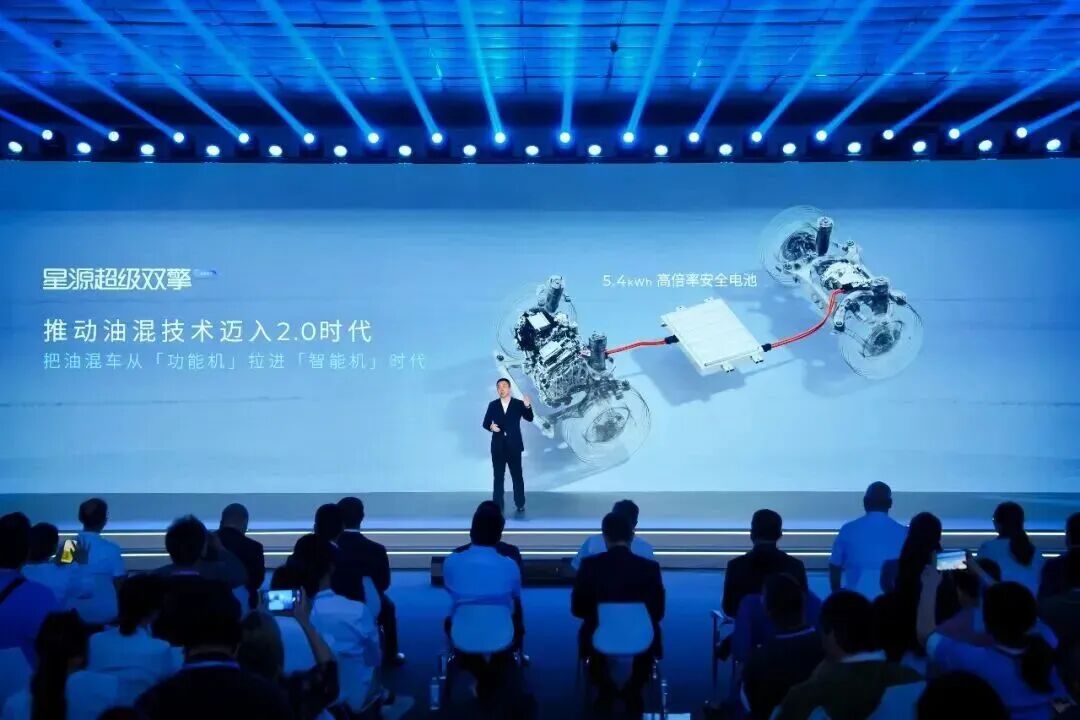
GAC’s HEV+ features a 5.4kWh high-rate battery (triple traditional capacity) and 150kW peak discharge power, enabling prolonged use of parking air conditioning without engine startup. Its electric-first design achieves 17km pure electric range and 40% lower fuel consumption than fuel cars, while passing extreme durability tests.
Geely’s i-HEV: AI-Powered Efficiency
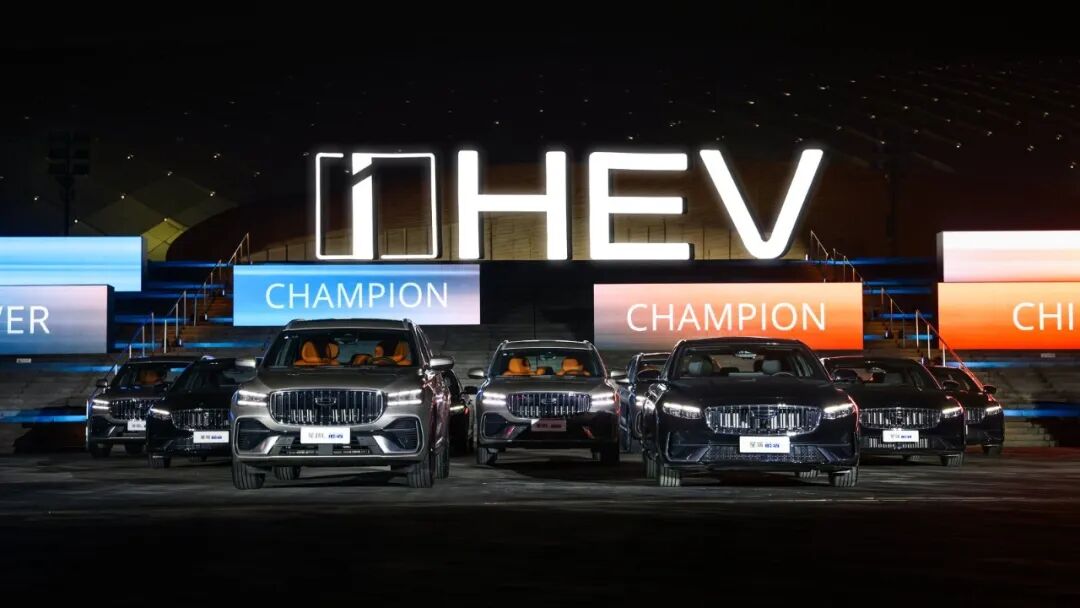
Geely’s i-HEV system emphasizes AI-driven oil-electric allocation, with a dedicated hybrid engine (48.41% thermal efficiency, certified by CATARC as a world record) and WLTC combined fuel consumption below 3L. Built on a PHEV architecture, it reduces hybrid powertrain costs by leveraging Galaxy series production scale.
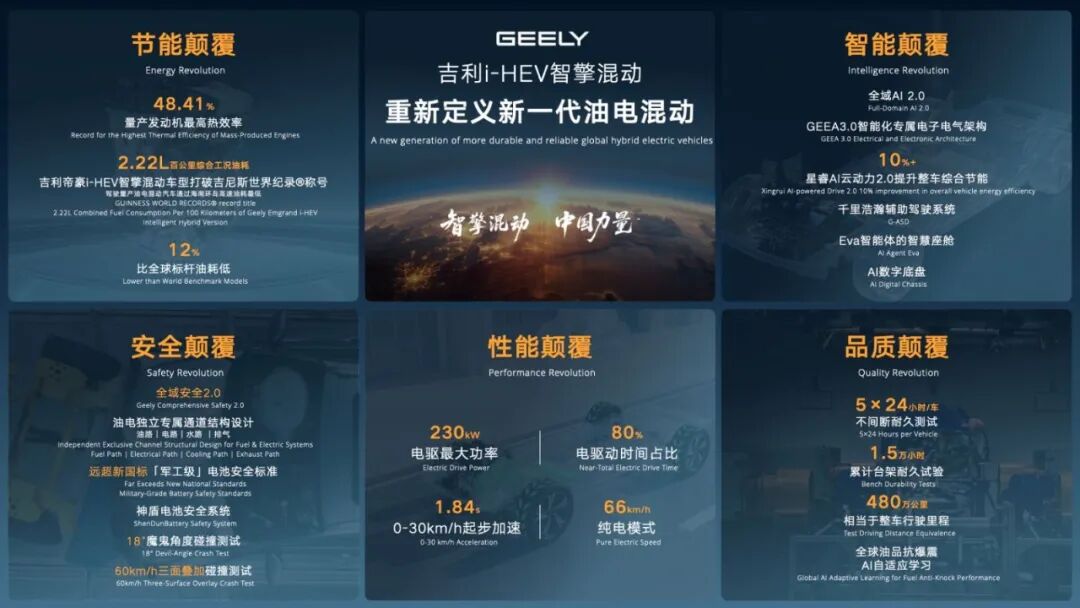
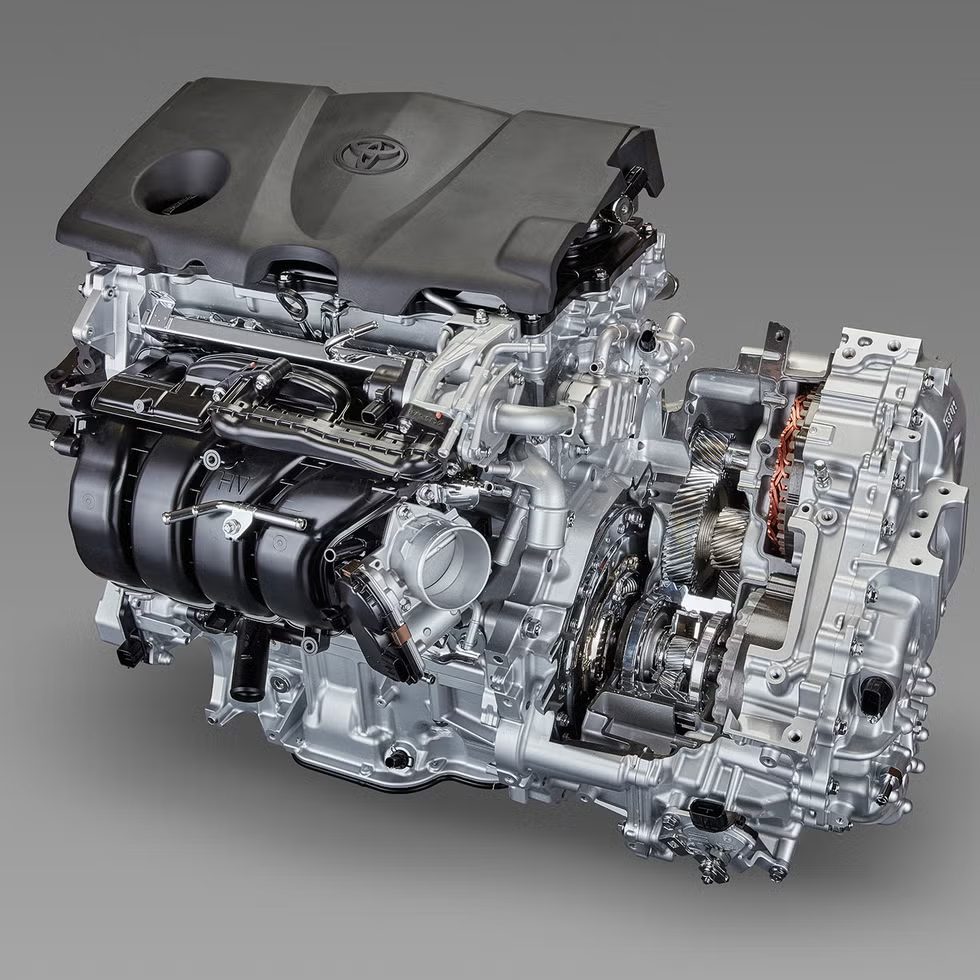
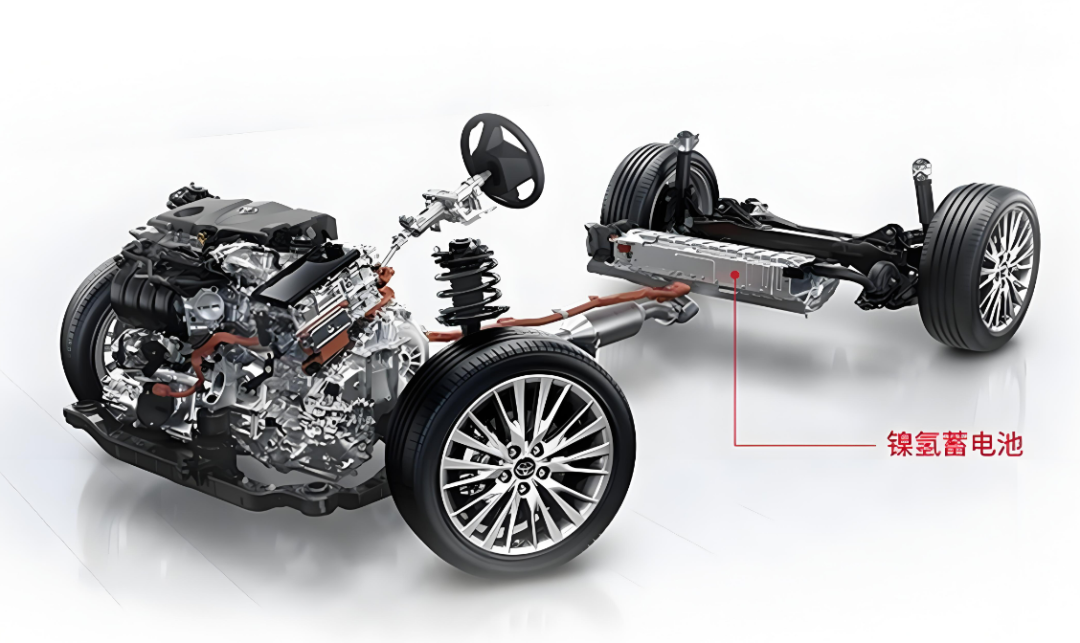
Despite technical differences, these brands share a common vision: redefining HEVs with Chinese innovation. Unlike Japanese hybrids, which rely on planetary gears and treat motors as secondary, Chinese HEVs use series-parallel architectures where motors lead driving tasks, enabling faster power response and BEV-like urban driving feel.
By leveraging higher thermal efficiency, stronger electric drives, larger batteries, and smarter controls, Chinese HEVs surpass Japanese rivals, transforming the product logic from “fuel-dominant” to “electric-first, oil-electric synergy.”
02 A Strategic Imperative: Why Chinese Brands Are Betting on HEVs
This shift isn’t impulsive. For Chinese automakers, HEVs represent the only viable path under pressure from regulations, user needs, policies, costs, and global expansion:
- Regulatory Crackdown: China’s draft “Passenger Car Fuel Consumption Limits” mandate sub-3.3L/100km for home-use vehicles (1.09–2.51 tons) by 2027, a 48% tightening. Meanwhile, China VII emission standards (2027–2028) will slash nitrogen oxide and particulate limits by 30–60%. Pure fuel cars, even with filters, will struggle to comply.
- User Demand: Over 60% of Chinese households lack private charging piles, and range anxiety persists for BEVs. HEVs offer 2–3L fuel consumption, no charging required, and BEV-like intelligence—bridging the gap between fuel cars and NEVs.
- Policy Shifts: NEV purchase tax exemptions will phase out by 2028, erasing BEV/PHEV price advantages. HEVs, priced competitively with fuel cars, avoid this pitfall.
- Cost Efficiency: Scaled production of hybrid components (engines, DHT transmissions, batteries) has halved costs. Geely, for example, now prices HEVs on par with fuel cars by reusing PHEV powertrains.
- Global Expansion: In 2026 Q1, China exported 2.226 million vehicles (+56.7% YoY), with 954,000 NEVs. HEVs, requiring no charging infrastructure, are ideal for emerging markets like Southeast Asia, the Middle East, and Africa, where fuel costs are high and BEV adoption is slow.
The Verdict: A Strategic Reboot, Not a Regression
Chinese brands aren’t abandoning NEVs but rethinking the fuel car track. HEVs represent a crucial battleground to dismantle Japanese dominance, meet evolving user needs, and fuel global growth. In an era where BEVs dominate headlines, Chinese HEVs are quietly rewriting the rules—proving that innovation isn’t just about going electric but going smarter.
Three decades ago, Toyota blazed a trail into the hybrid vehicle (HEV) era, seizing the global market through its technological prowess and establishing a seemingly unassailable monopoly. Fast forward to today, Chinese automotive brands are harnessing their triple strengths—a robust industrial chain, cutting-edge intelligence, and massive scale—to dismantle Japanese dominance and usher in a new era of Chinese HEVs.
For Japanese automakers, this marks their most formidable challenge yet. HEV technology has long been their last bastion of technological superiority, but now, it has been thoroughly breached by Chinese competitors. Chinese brands are not only offering lower fuel consumption and more competitive pricing but also delivering a superior driving experience. Consequently, the market share of Japanese brands in China is plummeting towards the 10% mark, and they are also poised to face intense competition from independent Chinese HEV brands on the global stage. For Chinese automakers, this strategic move is imperative for their ascent. While pure electric vehicles (EVs) represent the future, HEVs are the present reality; EVs are expanding domestically, whereas HEVs are poised for global conquest. Only by pursuing both avenues simultaneously can China truly transform from a major automotive player to a formidable automotive powerhouse.
When industry giants like Changan, Chery, Great Wall, GAC, Geely, and others collectively surge into the HEV arena, it signifies not just a trend but the maturity and rationality of the Chinese automotive industry. After a 30-year cycle, the hybrid vehicle landscape has finally transitioned from Japanese brands like Toyota into the capable hands of Chinese manufacturers. And this is merely the dawn of a new chapter in the global conquest of Chinese automobiles.
Editor-in-charge: Du Yuxin Editor: He Zengrong
THE END
-
![]()
Embrace Freedom, Live Boldly! Great Wall Motor’s Menglong PLUS Launches in the Greater Bay Area, Unlocking Enhanced Lifestyles with One Vehicle
-
![]()
The Agent hasn't arrived yet, but Ascend has already paved the way from hardware to software.
-
![]()
In 71 years, He sold products to 100 million people
-
![]()
First-hand Practical Test! Opus 4.8 Vs ChatGPT 5.5 Vs Kimi 2.6: Which is the Most Usable?
-
![]()
Fourfold Uncertainty Challenges Facing China's Agent Industry - Interpretation of the 'Report' (Part Six)
-
Crazy Anthropic
-
![]()
CNPC’s Kunlun Model Advances with 152 Implemented Scenarios, Showcasing Proactive AI
-
![]()
Revenue Increases, But Profits Don't: Pinduoduo's Anxiety Amidst Billion-Dollar Brand Building