In 71 years, He sold products to 100 million people
 05/29 2026
 431
431
Huasheng Talks
From painstakingly hand-hammering car bodies in its early days to establishing a modern vehicle manufacturing system through joint ventures, and then breaking through with self-developed technologies to set sail in the global market, SAIC's 70-year-plus journey is a microcosm of China's automotive industry growth.
Rooted along the Huangpu River for over seven decades, this automaker has imbued its DNA with Shanghai's unique spirit: open and inclusive yet not blindly following, steady and pragmatic without being conservative, maintaining quality standards while keeping a clear long-term vision.
It embodies both the meticulous craftsmanship of making the most of limited resources and the discerning wisdom to stay grounded. Facing stronger competitors, it remains unbowed; amid market hype, it stays true to its course, with dignity and style embedded in every detail.
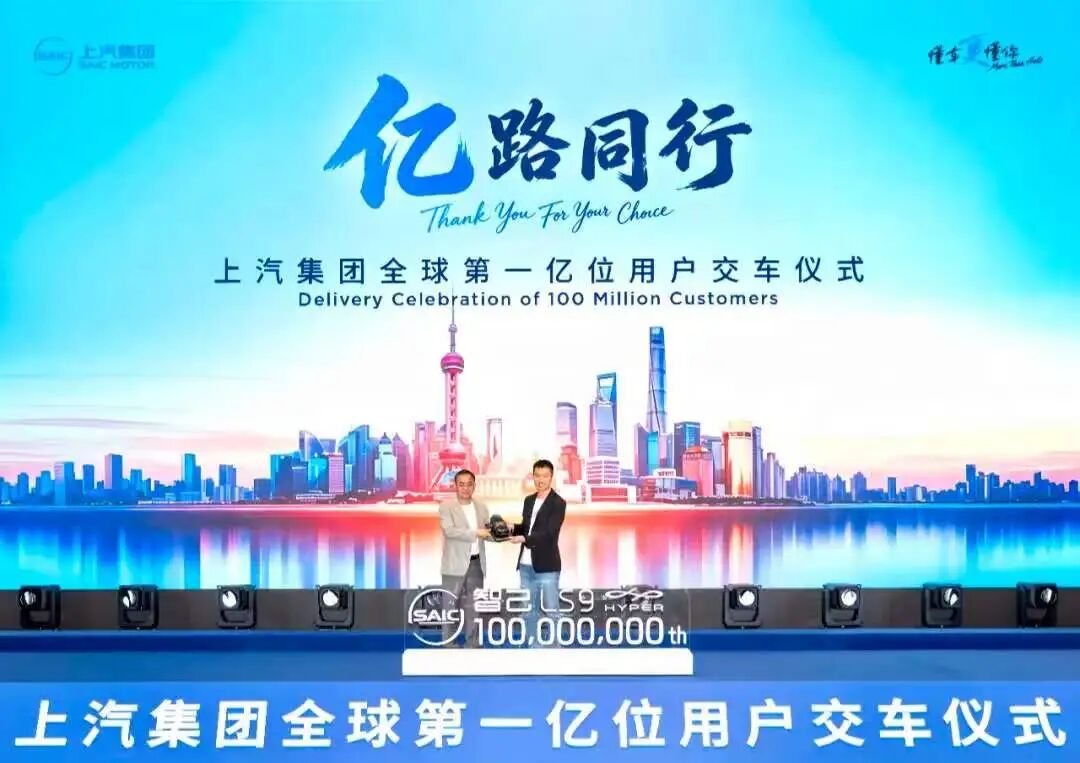
At 3 PM on May 28, along the Huangpu River, an IM LS9 Hyper was delivered.
This moment was etched into China's industrial history: SAIC Motor became the first and currently only domestic automaker to surpass 100 million units in cumulative vehicle production and sales, successfully joining the global auto “100-Million Club.”
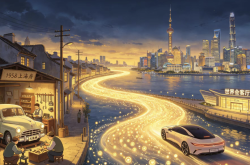
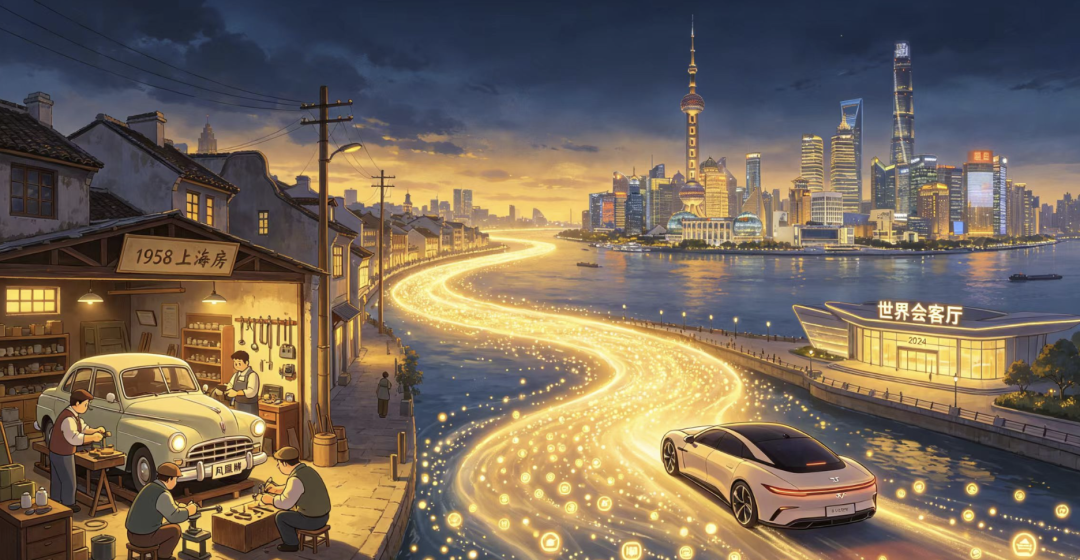
The delivery, set against the backdrop of the century-old architectural complex on the Bund and the iconic trio of Lujiazui skyscrapers, in front of the “Global Meeting Place” plaza, perfectly symbolized the past, present, and future of SAIC, Shanghai's industrial sector, and China's automotive industry.
In Huasheng's view, the domestic auto market has seen ebbs and flows, with new players emerging and others exiting. SAIC has never been an aggressive player but has consistently remained at the center of the arena.
It has grown alongside China's automotive industry, navigating downturns and breaking through against the odds, every step forward carrying the steady grace unique to Shanghai's industrial heritage.
Users Take Center Stage, Glory Belongs to Chinese Autos

This 100-million-unit milestone is a glory shared by tens of millions of users.
At this landmark delivery ceremony, SAIC maintained its usual approach: no forced hype, no exaggerated fanfare, leaving all the spotlight to the users.
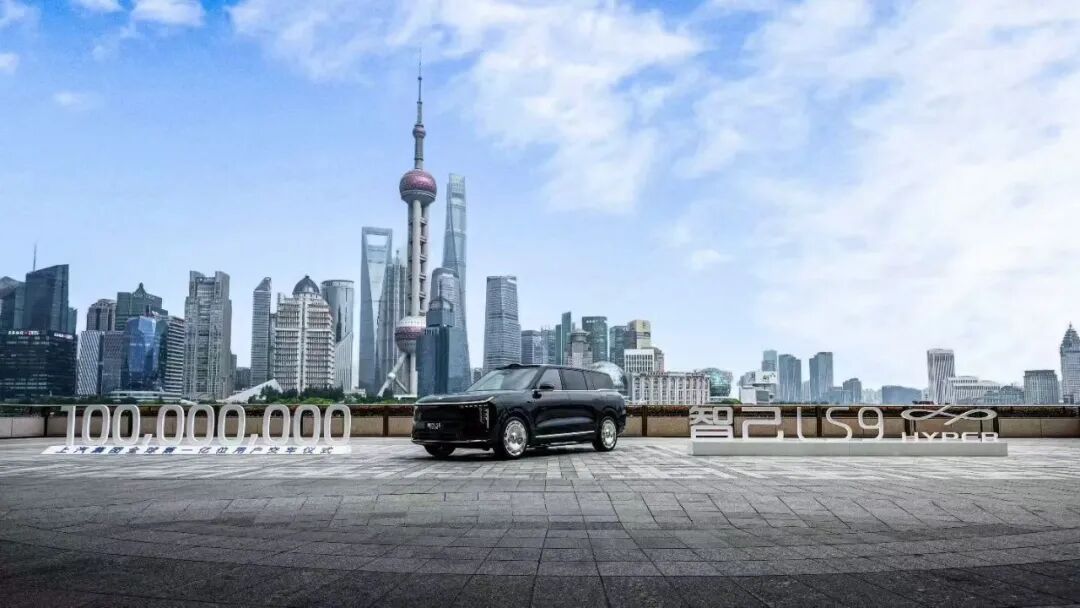
Simultaneous delivery events unfolded across the country, with models from Wuling, MG, IM, Maxus, and other brands being handed over to users spanning home, commercial, and premium mobility segments. Owners of different ages and needs collectively witnessed this industry triumph.
The highlight was the delivery of the 100-millionth vehicle. Cao Xudong, founder of Momenta, received the keys to the new car, becoming the owner of this special record.
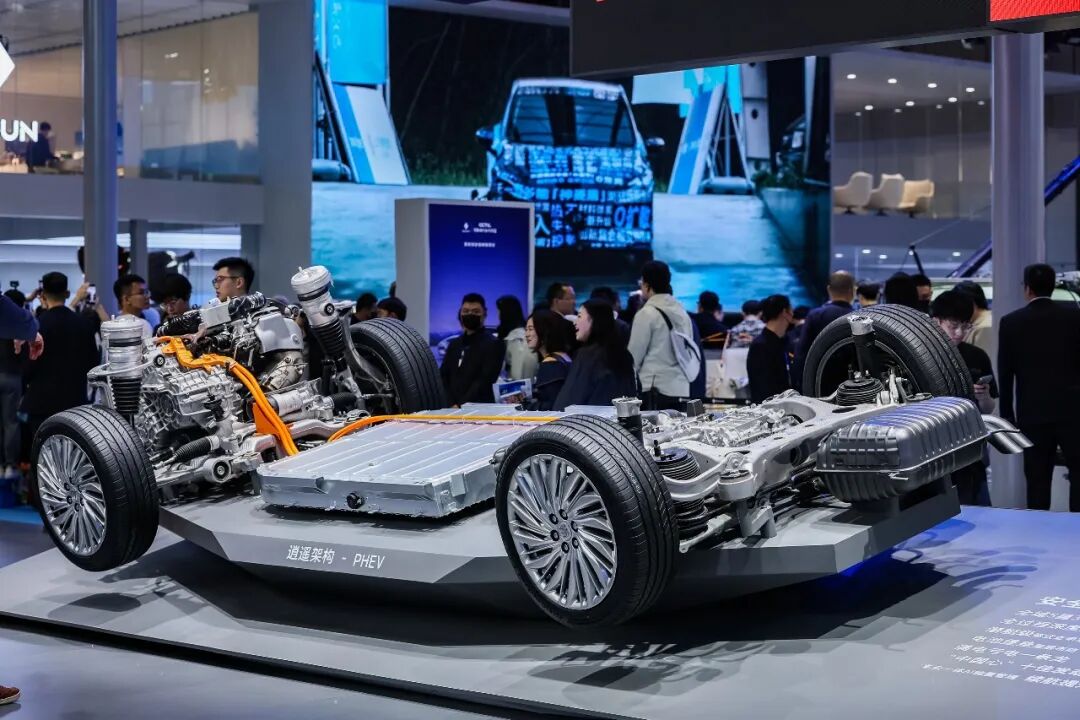
This IM LS9 Hyper represents the culmination of decades of SAIC's technological accumulation. With full by-wire four-wheel steering, high-spec LiDAR and intelligent chips, paired with an 800V high-voltage platform, a stellar extended-range system, and high-performance triple motors, it delivers top-tier driving control, range, and performance. The vehicle's globally pioneering built-in safety technology extends automotive safety from physical protection to information system security, also serving as a frontier exploration for advanced autonomous driving.
As a long-standing partner in SAIC's intelligent transformation journey, Cao Xudong stated that Momenta's Level 3 autonomous driving technology will first be implemented in SAIC models, with this new vehicle serving as a testing platform to ensure stable and reliable intelligent driving functions.
SAIC has always been low-key and pragmatic, avoiding conceptual hype and ensuring all R&D achievements are realized in actual vehicles. Its second-generation semi-solid-state batteries alleviate range and safety concerns, the stellar extended-range system optimizes traditional model shortcomings, and the Lingxi 2.0 by-wire chassis enhances driving experience. Now, these proprietary technologies are even empowering joint-venture models, transforming Sino-foreign cooperation from one-way technology introduction to bidirectional joint R&D.
Amid an intensifying price war in the current auto market, where many brands sacrifice quality control for sales volume, SAIC remains steadfast in upholding standards, clearly distinguishing between short-term gains and long-term reputation, and addressing genuine user pain points to ensure technology serves people.
Knowing what to do and what not to do, true commitment to quality is like a gentleman's discretion—never lax in R&D and quality control, even in aspects invisible to consumers.
A Pioneering Journey
Its current prominence is rooted in over seven decades of pioneering exploration.
In fact, over the past year, as the era continuously presents challenges, SAIC has consistently responded. Its history mirrors the growth of New China's automotive industry from scratch and from small to large. At every critical industry juncture, SAIC has dared to innovate and lead the way.
In 1958, China's sedan industry took its first steps. While Changchun produced the Dongfeng sedan, Shanghai's craftsmen, with only simple equipment and cramped workshops, hand-hammered the Phoenix sedan into existence.
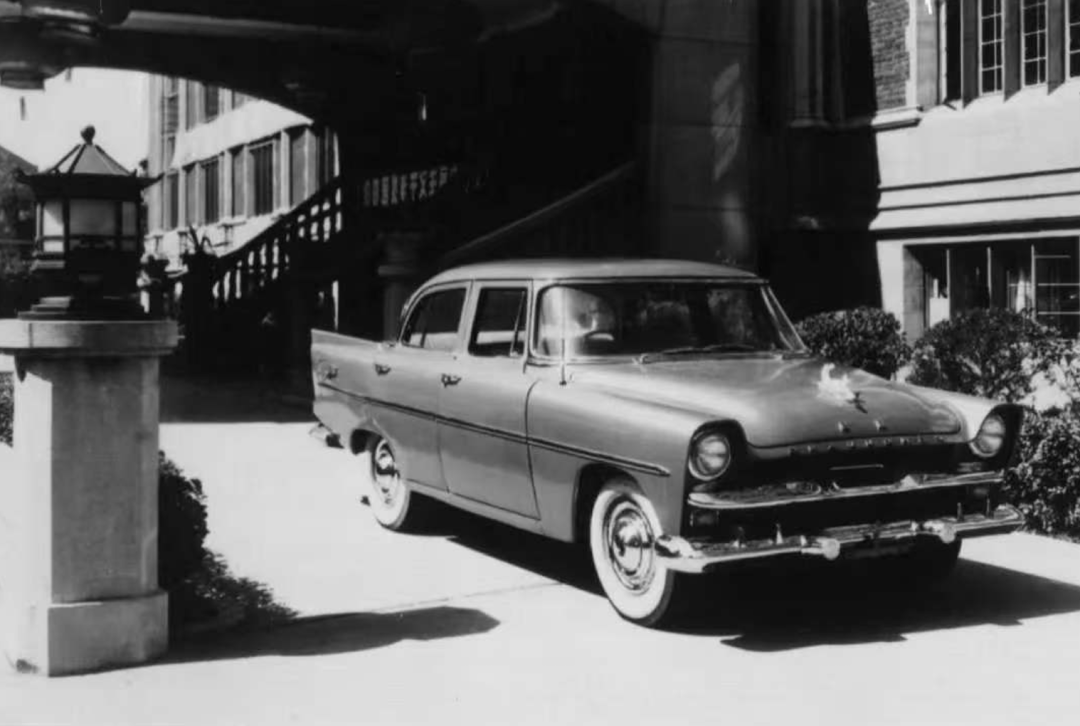
An old Shanghai saying goes: “Making a grand event in a snail's shell,” meaning achieving great things within limited means.
Back then, domestic car-making conditions were primitive, yet these Shanghai craftsmen, through ingenuity and perseverance, created domestic sedans in constrained environments, perfectly embodying this local wisdom. With sedans from both north and south China echoing each other, the Chinese people finally built their own cars with their own hands.
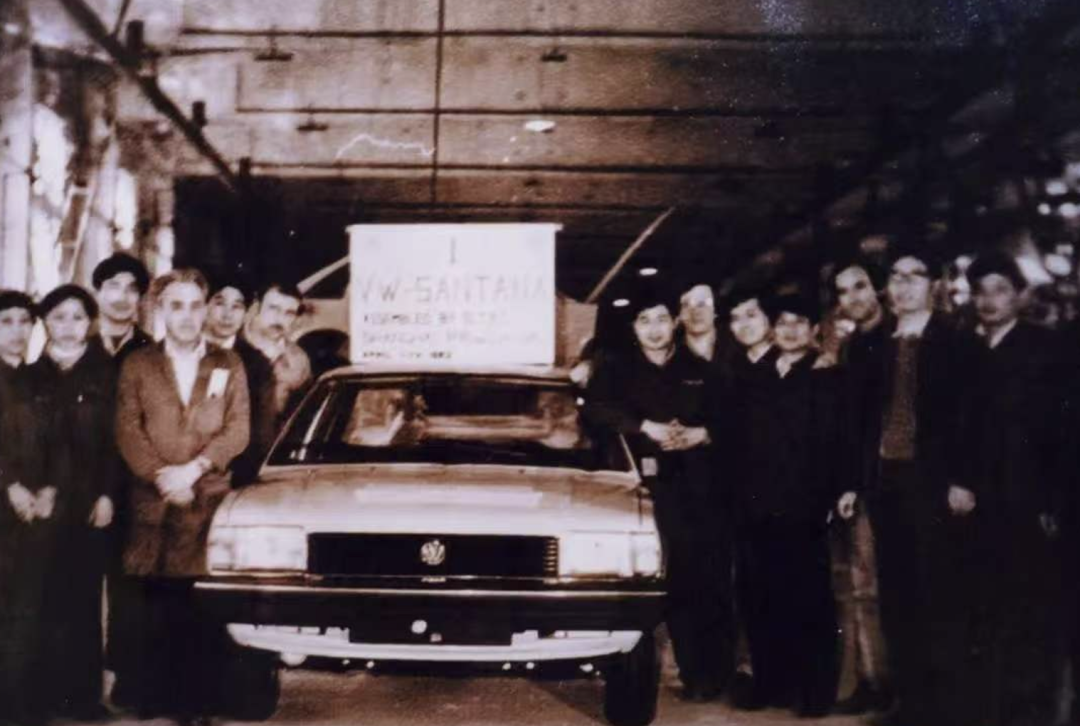
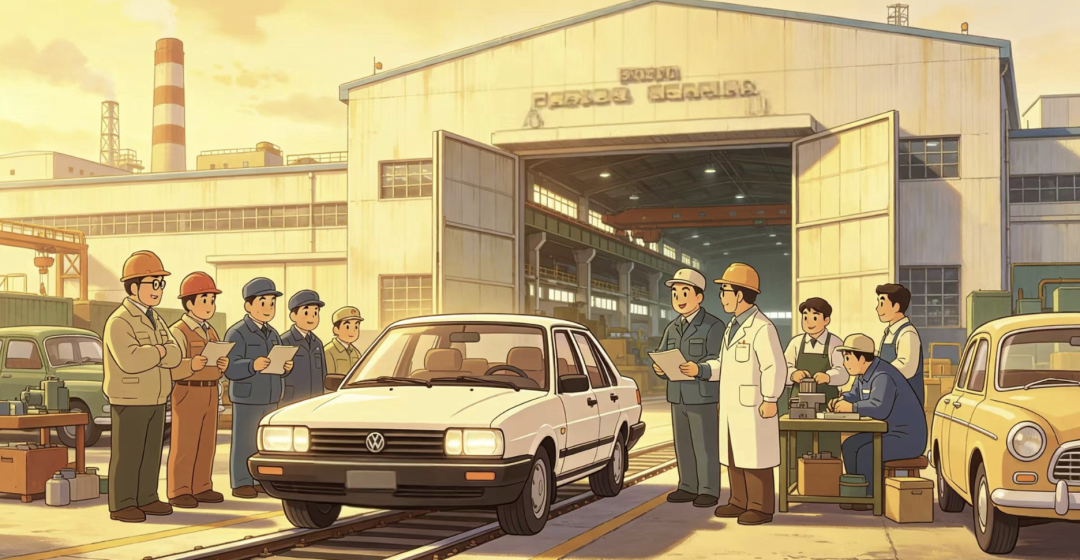
After reform and opening-up, SAIC pioneered joint ventures. In 1983, the first domestically produced Santana rolled off the line, with the team adopting an open mindset to learn from overseas advanced production techniques and management philosophies, establishing China's first complete modern automotive industrial system.
Facing overseas technology giants, SAIC humbly learned while insisting on independent exploration, now feeding technology back to joint-venture partners. Over decades, it has remained unflappable, generous, and mutually beneficial.
In 2000, the Buick Sail launched the 100,000-yuan family sedan market, relying on a mature local supply chain and self-developed team to make sedans accessible to ordinary households. In 2016, the Roewe RX5 defined the new category of “internet cars,” transforming vehicles from mere transportation tools into intelligent mobile spaces and leading global automotive intelligence transformation.
Like an iceberg, eye-catching products and sales volumes are just the visible portion above water; beneath lies a complete and powerful full-industry-chain system: from three-electric systems and chassis hardware to intelligent connected software and hardware, supporting components, and mobility ecosystem layout, SAIC has built a comprehensive industrial forest.
Not relying on simple imitation but insisting on organic growth from the roots, this is the core barrier that makes this veteran automaker difficult to replicate.
Exploration from scratch, a root-based system, and accumulated experience along the way have become the foundation for its steady operations today.

Building a Stable Foundation, Advancing Steadily
SAIC has emerged from its adjustment phase, with fundamentals continuously improving—the numbers speak for themselves:
In 2025, the group's revenue reached RMB 656.244 billion, up 4.57% year-on-year; net profit attributable to shareholders was RMB 10.106 billion, with core net profit (excluding non-recurring items) at RMB 7.42 billion, up 237.2% year-on-year. While still below peak levels, this rebound against the market downturn is particularly noteworthy.
In 2025, domestic auto market sales exceeded 34 million units, with intensifying industry competition and frequent price wars pushing the overall industry profit margin down to 4.1%, continuously squeezing profit margins. SAIC's annual vehicle sales reached 4.507 million units, up 12.3% year-on-year, with its domestic market share slightly rising to 13.1%—no small feat. Brand performance diverged, with SAIC Volkswagen sales declining, while SAIC GM, SAIC Passenger Vehicles, Wuling, IM, and other segments all achieving double-digit growth, fully unleashing the vitality of proprietary brands.

Romain Rolland once said: “There is only one true heroism in the world: to recognize the truth of life and still love it.”
Amid fierce competition, SAIC did not cling to old models but proactively streamlined operations: consolidating idle capacity into new proprietary models, divesting loss-making businesses, streamlining offline channels, with SAIC Maxus reducing direct-sales stores and SAIC Hongyan completing judicial restructuring to shed redundant burdens and face competition with a leaner posture.

The results of internal optimization are clear. In Q1 2026, the proportion of sales, administrative, and financial expenses fell by 16.9% year-on-year, translating cost reductions into tangible efficiency gains. Meanwhile, the company maintained stable gross margins, avoiding blind price cuts to chase volume and upholding healthy operating fundamentals. By the end of Q1, total enterprise assets exceeded RMB 920 billion, with a debt ratio of 61.79%, ample cash flow, and a robust financial structure.
While tightening its belt, SAIC never cut corners on R&D and quality control, finding the right balance between retrenchment and persist , safeguarding its core business while keeping an eye on the future. This disciplined, principled approach exemplifies Shanghai enterprises' pragmatism and inherent dignity.
With a firm domestic footing, SAIC's sights are already set on the broader global market.

The Next 100 Million Lies Globally
As domestic market competition intensifies, globalization has become essential for Chinese automakers to expand and boost profitability. Leveraging its first-mover advantage, SAIC's overseas business has grown into a second growth engine.
In 2025, SAIC's overseas revenue reached RMB 152.105 billion, up 15.60% year-on-year, far outpacing domestic growth. Overseas business gross margins hit 12.88%, significantly higher than domestic levels, effectively offsetting profit pressures in the home market. Annual overseas sales reached 1.071 million units, with cumulative overseas sales surpassing 6 million units, covering over 170 countries and regions worldwide.
Despite rising global trade barriers and increasing go overseas resistance, SAIC has maintained positive growth, proving the maturity of its global layout .
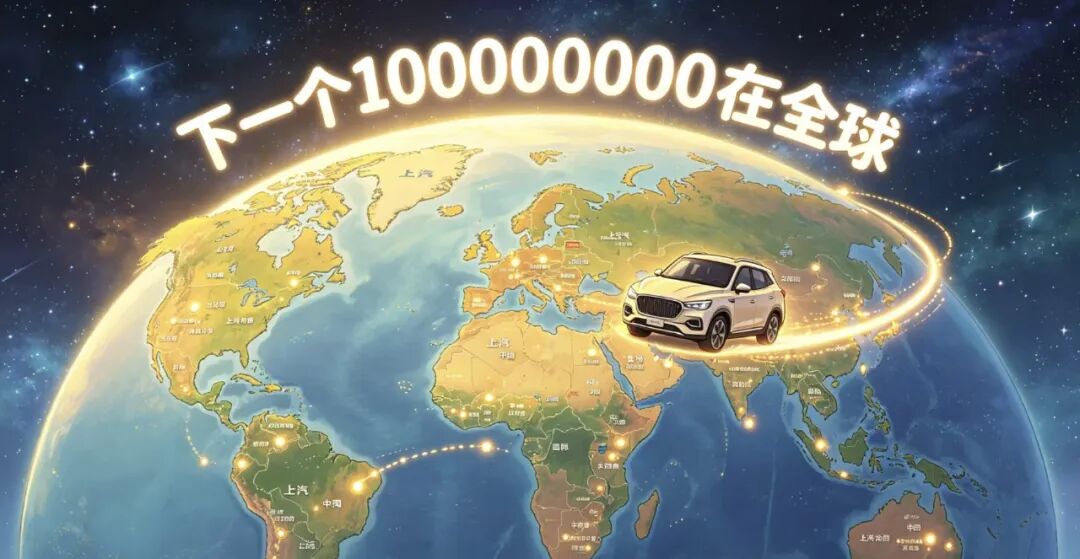
Currently, the brand has formed a clear market matrix: Europe is its core stronghold, with MG brand sales exceeding 300,000 units annually, topping Chinese brand sales in Europe; the Americas, Middle East, ASEAN, and two other regions form stable markets with over 100,000 units sold annually, with multiple models ranking among the top ten in local sales.
Huasheng has long followed China's industrial globalization, having led teams on in-depth research trips to Southeast Asia, Western Europe, the CIS, North America, and Oceania. In my view, many automakers' past globalization strategies focused on single-market, single-powertrain models, expanding rapidly but with weak risk resistance.
In contrast, SAIC's globalization has evolved from merely selling cars to comprehensive exports of technology, brands, and ecosystems.
Based on the Glocal 3.0 overseas strategy, SAIC has thoroughly upgraded its globalization approach: On the product side, it pursues parallel development of hybrid and pure electric vehicles to align with policies in different regions; on the market side, it diversifies its layout (layout) by reducing reliance solely on Europe and increasing focus on emerging markets such as Southeast Asia and Latin America; on the production side, it shifts from exporting complete vehicles to establishing overseas factories and engaging in local R&D and manufacturing. This multi-pronged, multi-regional, and localized operational strategy significantly enhances the resilience of its overseas business against risks. This comprehensive layout remains a testament to its 'clear-headed' wisdom.
Surpassing 100 million units in production and sales marks a milestone in SAIC's 71-year development and stands as a monumental achievement for Shanghai's automotive industry and China's auto sector as a whole.
At the delivery site, standing at the 'Global Meeting Place' along the Huangpu River and gazing out, the century-old architectural complex on the Bund echoes across the river with the skyscrapers of Lujiazui—history on the left, openness and renewal on the right. Through SAIC, Huasheng deeply feels that, compared to short-term speed, the resilience of the layout and long-term thinking are the keys to victory.
Over 71 years of perseverance through challenges, SAIC has integrated Shanghai's openness, inclus dignityiveness,, and style into every aspect of vehicle manufacturing. Armed with a complete industrial system and continuously evolving cutting-edge technologies, its new journey—and that of China's automotive industry—has only just begun.
Text by Li Xiyin · Huasheng
-
![]()
The Agent hasn't arrived yet, but Ascend has already paved the way from hardware to software.
-
![]()
In 71 years, He sold products to 100 million people
-
![]()
First-hand Practical Test! Opus 4.8 Vs ChatGPT 5.5 Vs Kimi 2.6: Which is the Most Usable?
-
![]()
Fourfold Uncertainty Challenges Facing China's Agent Industry - Interpretation of the 'Report' (Part Six)
-
Crazy Anthropic
-
![]()
CNPC’s Kunlun Model Advances with 152 Implemented Scenarios, Showcasing Proactive AI
-
![]()
Revenue Increases, But Profits Don't: Pinduoduo's Anxiety Amidst Billion-Dollar Brand Building
-
![]()
Half Flock In, Half Flee Out: The Dual Dynamics of Singapore as an AI Hub