Mid-November Mark: A Firsthand Look at the Lexus Factory Construction in Shanghai
 04/16 2026
 427
427
Introduction
Here, history intertwines with the future.
Last Tuesday (April 7), just under two months after our last visit, our team revisited the Tingwei Highway area in Jinshan District. Gazing east from the intersection with Tiangong Road, the towering paint shop of the Lexus Jinshan Factory stood prominently, its exterior scaffolding now gone, with corrugated metal panels shimmering in the afternoon sun.
Not only the paint shop at the Tiangong Road entrance but also the final assembly shop to the north have completed their main structures. Exterior supports and guardrails have been fully removed, revealing pristine, off-white cladding panels. The factory roofs are no longer bustling with workers moving back and forth.
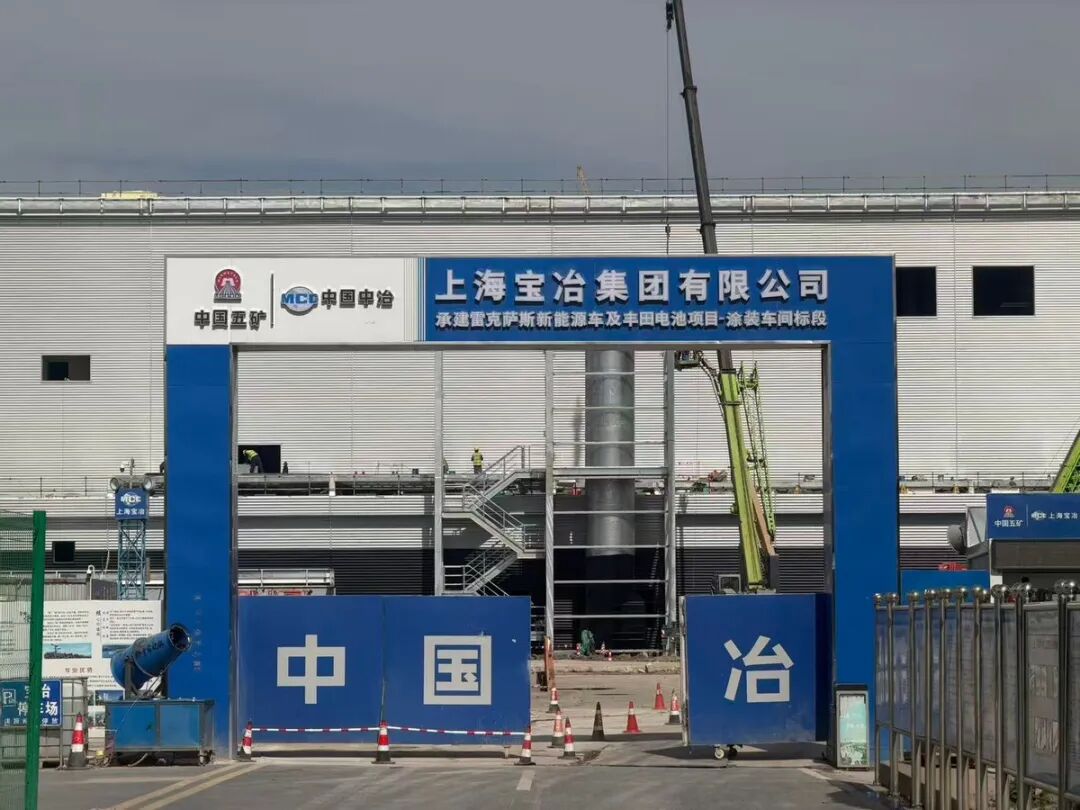
At several entrances, including the paint-welding shop section near the intersection of Tingwei Highway and Tiangong Road, and the final assembly shop section at the intersection of Jiugong Road and Jinmao Road, the completion date is clearly marked as "November 15, 2026."
Although there are still over seven months until the completion date, it is evident that the civil engineering phase is nearing its end. From outside the construction site, excavation equipment can be seen operating inside the factory, with numerous workers busy transporting materials and equipment. Clearly, with the main building structure complete, various decoration, finishing, and electromechanical installation projects are now underway in an orderly manner.
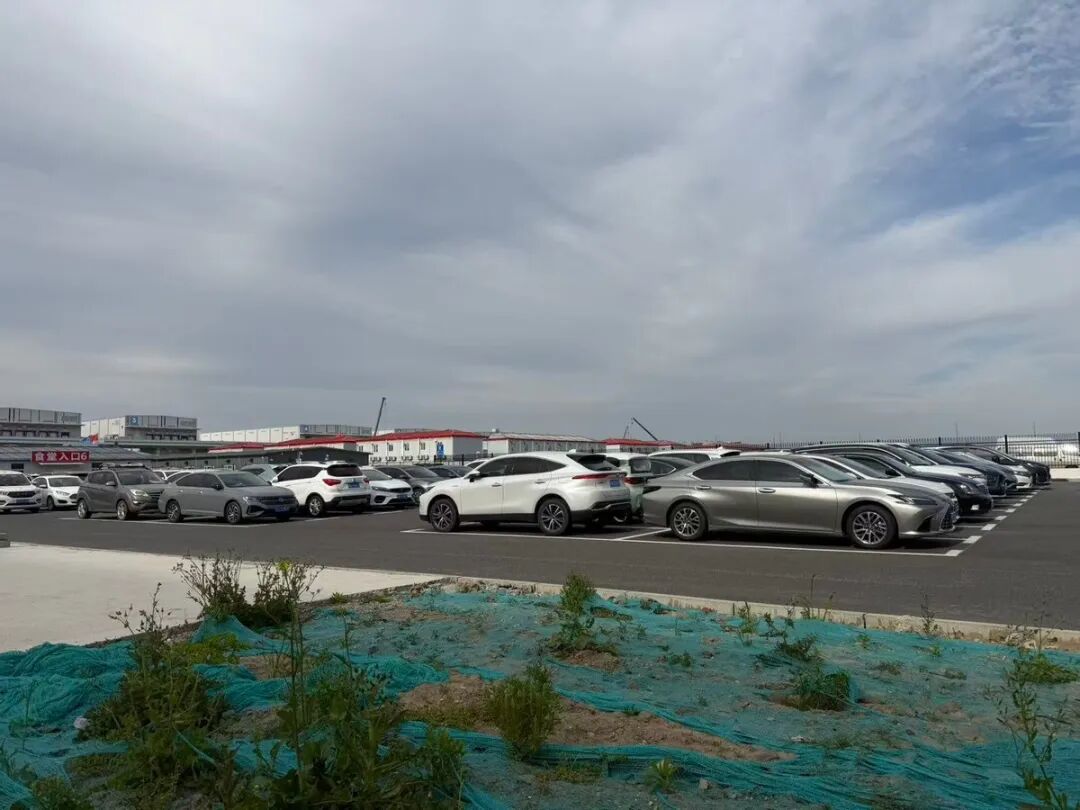
This photo, taken at the north gate of the construction area at the intersection of Jiugong Road and Jinmao Road, features a canteen and parking area for construction workers. This is where the author was stopped.
Just as during the previous visit, the author was closely monitored by construction site personnel this time as well.
At the west entrance of Tiangong Road leading directly to the paint shop, upon seeing an outsider approach and take out a mobile phone as if to take photos, the security guard inside the gatehouse immediately stepped forward to investigate. At the north entrance at the intersection of Jiugong Road and Jinmao Road, barely had the author parked and taken a few steps when a vigilant supervisor wearing a white safety helmet approached for questioning. After the author explained their identity and emphasized adherence to regulations by observing only from outside the construction site, the supervisor, still looking skeptical, attempted to dissuade them: "We've been told not to allow photography here. Please don't make this difficult for me. Anyway, we'll only be here until the end of July—feel free to come after that..."
But these words provided the author with a clue, prompting further inquiry: "I saw the notice boards at the paint shop and final assembly shop entrances state a 'completion date of November 15.' It seems the 'civil engineering' is nearly done—will equipment installation begin after July?"
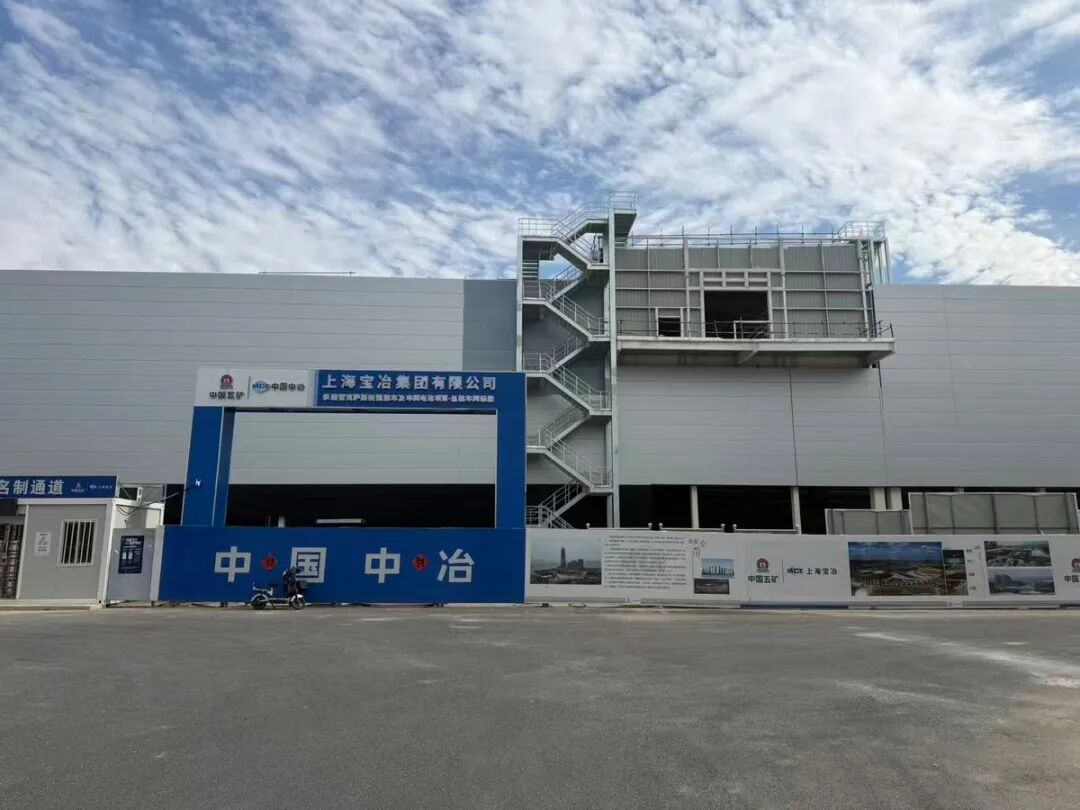
This photo of the north entrance shows that scaffolding on the exterior walls of the final assembly shop has been completely removed.
These remarks caused the supervisor to pause briefly: "You really do seem like media... Alright, take a look, but report accurately."
Then, adjusting his white safety helmet, he added, "Actually, I'm from Jinshan myself..." before waving and pushing through the employee entrance gate on his own.
01 Completion Date: November 15, 2026
Questions about when Lexus would begin domestic production had persisted in China for 19 years until Toyota and the Shanghai Municipal Government jointly announced their plans in February 2025, making it a long-standing topic of speculation in the automotive circle.
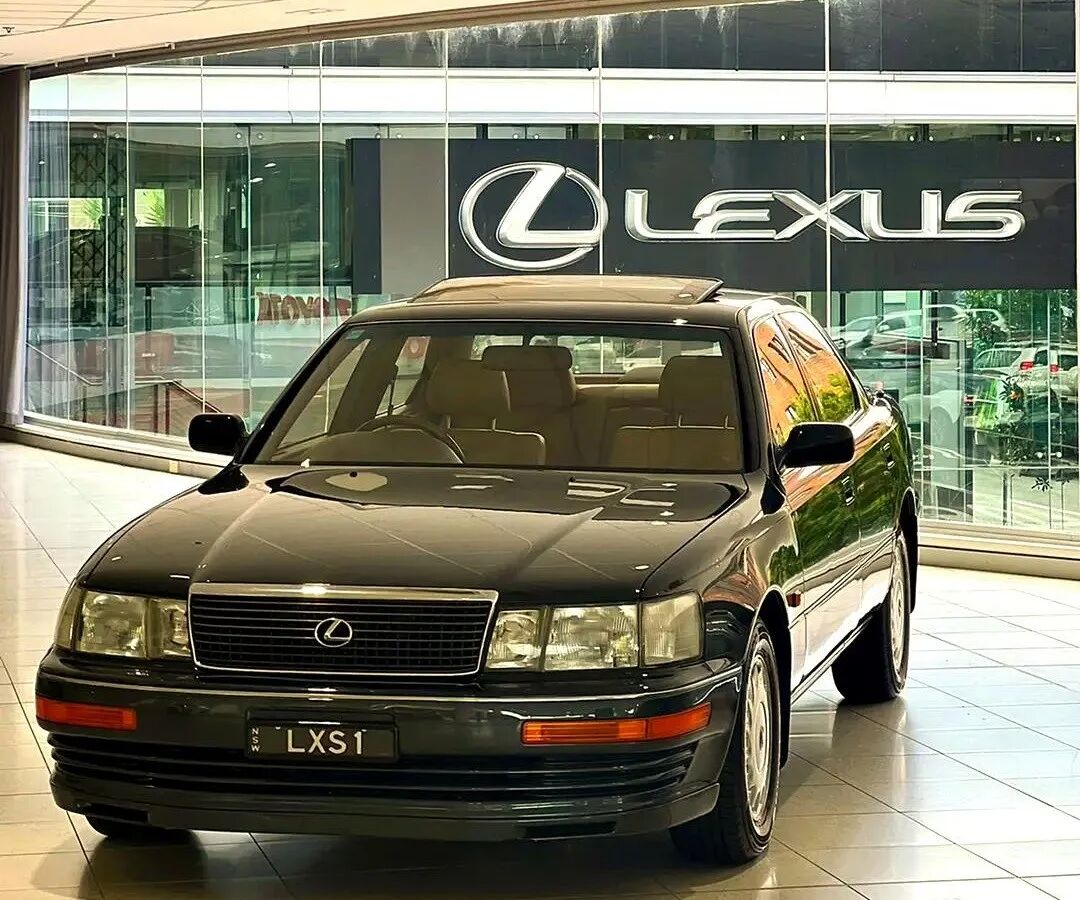
As early as 2006, Toyota officials hinted that annual sales exceeding 30,000 units might warrant consideration for domestic production, later raising the threshold to 50,000 and then 100,000 units. However, even after surpassing 100,000 sales in 2016, domestic production plans remained elusive. Behind these "teasing" rumors lay objective reasons for Lexus's insistence on imports: not only were import models highly profitable, but there were also concerns that domestic production might dilute its premium brand image associated with "imported pedigree." Additionally, previous policy restrictions on foreign equity ratios in joint ventures made Toyota reluctant to relinquish control over this prized premium brand.
However, after nearly two decades of hesitation, the Jinshan project's progress has accelerated to an almost astonishing pace.
From mid-2024, when media reported that Toyota was seeking to establish a wholly-owned Lexus factory in Shanghai for producing high-end electric vehicles, to late that year when Japanese media officially reported Toyota's plans to build a pure electric vehicle factory in Shanghai for Lexus EVs, with negotiations nearing completion. Then, on February 5, 2025, the Shanghai municipal government and Toyota jointly announced the decision to establish a research, development, and production company for Lexus pure electric vehicles and batteries in Jinshan District, Shanghai.
Subsequently, on February 18, Lexus (Shanghai) New Energy Co., Ltd. was officially registered; on March 17, the project's registered capital of 107.1 billion yen was fully paid; and on April 1, the company successfully acquired and received immediate approval for the first phase of 1,692 acres of industrial land in Plot 24-5 of Unit JSS3-405 in Jinshan District.
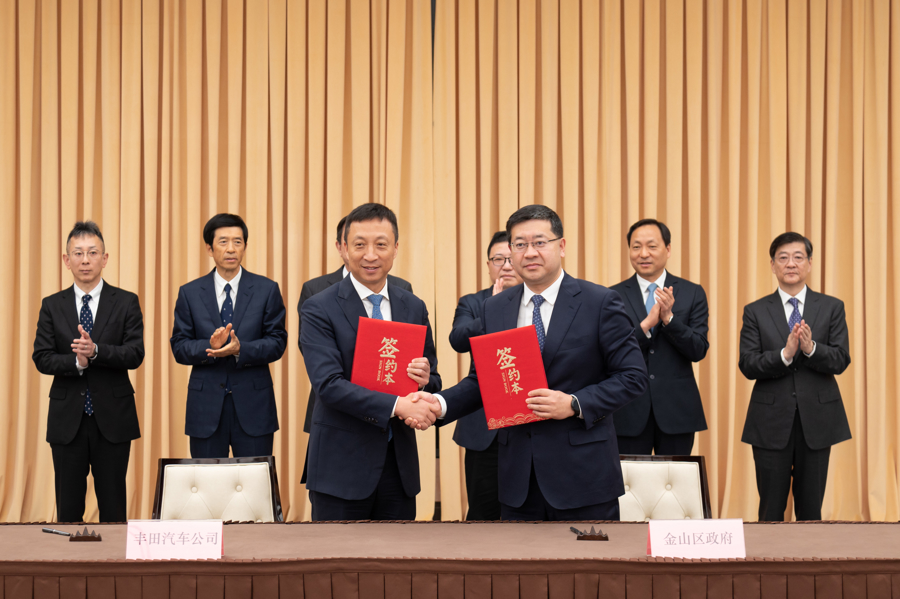
Photo: Official signing ceremony on April 22, 2025
Later, on April 22, the Shanghai Municipal Government signed a strategic cooperation agreement with Toyota Motor Corporation, while the Jinshan District Government signed a memorandum of cooperation with Toyota China, formally sealing the project. By June 27, 2025, all parties held a project launch ceremony at the site, and full construction commenced in mid-August, after the peak flood season ended.
For a wholly foreign-owned vehicle project, this speed is nearly unprecedented. Even Tesla's Gigafactory in Lingang, known for its rapid construction, took far longer during negotiations, planning, and approval stages compared to the Lexus project in Jinshan.
The reasons for this outcome are quite straightforward. Since 2022, Lexus has seen declining sales in China, with the imported vehicle market shrinking, coinciding with the strong rise of Chinese automotive brands leveraging new energy and intelligence technologies.
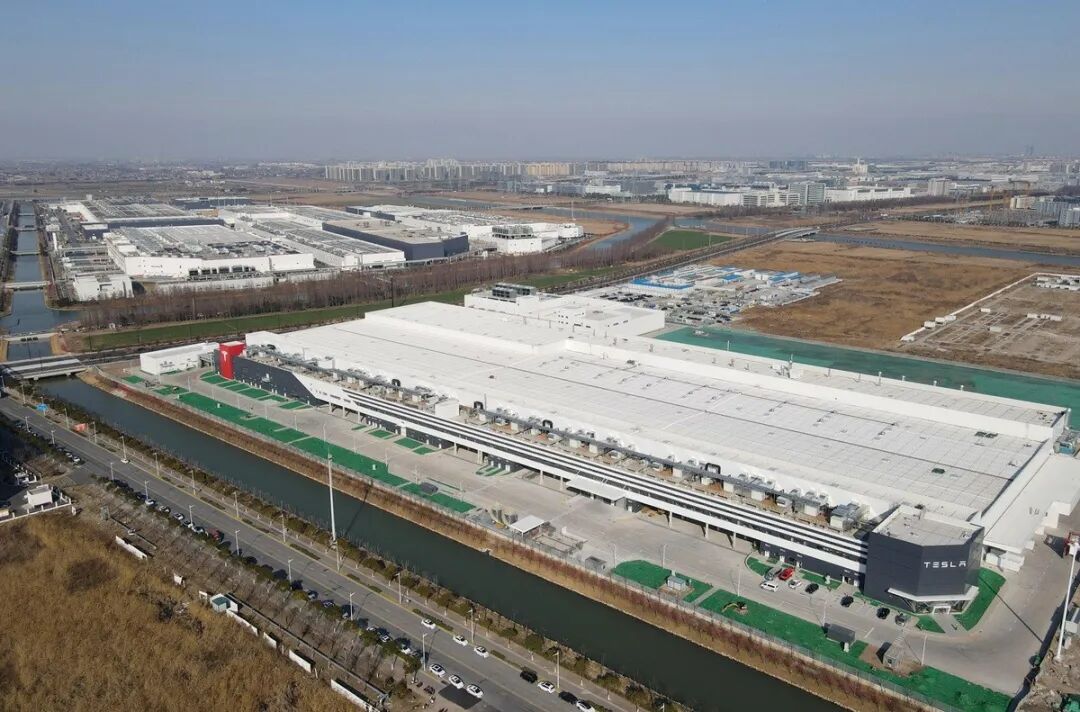
Photo: The success of Tesla's Lingang factory likely played a key role in Toyota's decision-making
Facing pressure to electrify, Toyota has positioned Lexus as an electrification pioneer, necessitating reliance on China's mature industrial chain, market scale, and "Chinese speed." Policy-wise, China has lifted foreign equity restrictions on passenger vehicles, allowing wholly-owned factories. To attract the project, Shanghai offered incentives similar to those provided to Tesla, including tax breaks and policy support. Thus, the project's strategic necessity and policy feasibility have matured, making swift action logical.
Currently, the main structure and ancillary buildings of the Jinshan Lexus Factory are nearly complete, with only a few finishing touches underway alongside interior work such as flooring, piping, and electromechanical installations. According to on-site personnel, the overall building handover should occur by the end of July.
Following that, equipment installation and commissioning will take place. Large-scale complete sets of equipment from suppliers will arrive at the factory site east of Tingwei Highway within two months and be installed according to the overall process plan. Ultimately, as indicated on the on-site notice boards, completion and handover will occur no later than November 15 this year.
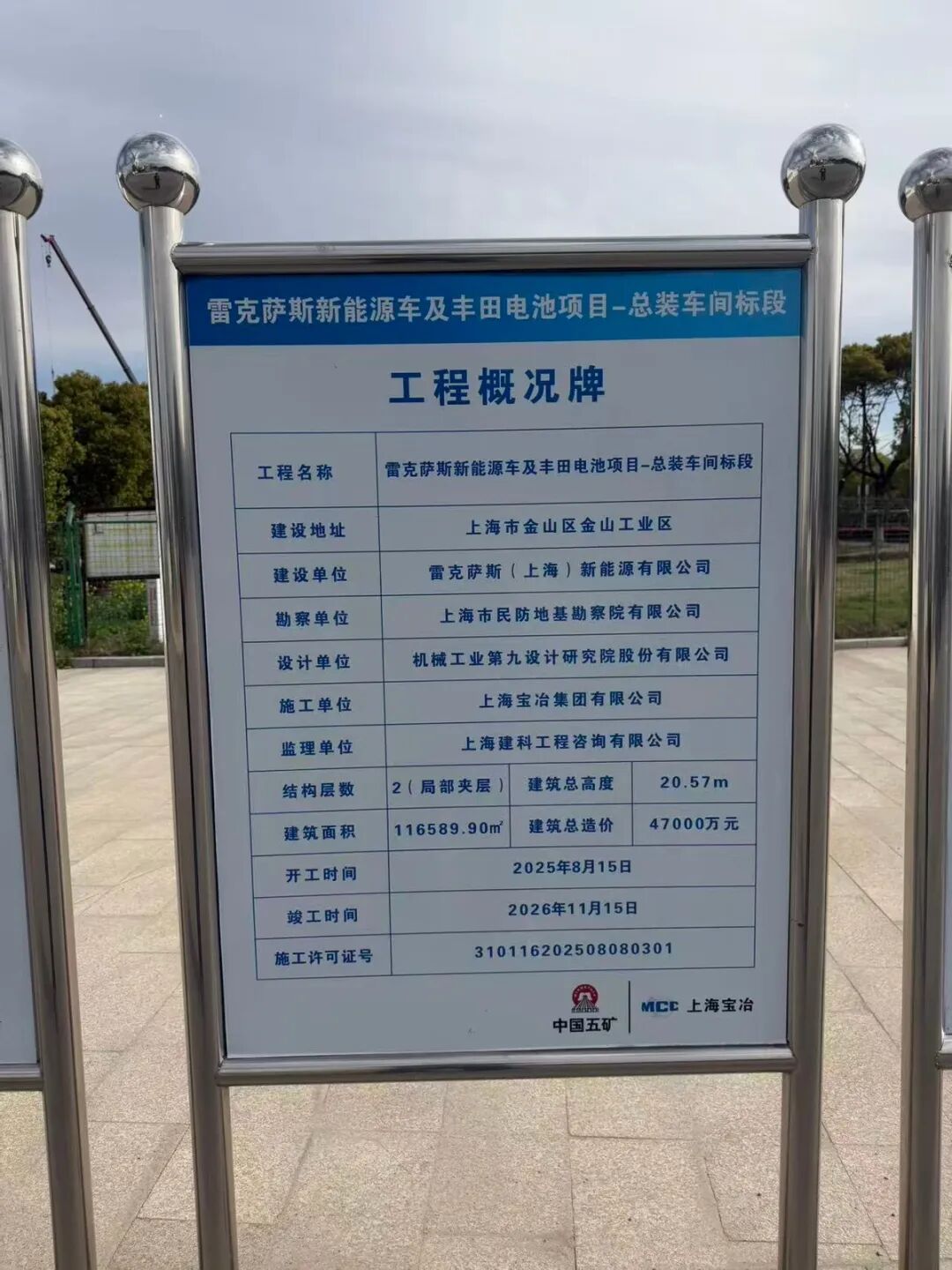
Photo: The start date refers to the beginning of civil engineering, while the completion date indicates when large-scale production equipment is installed and ready for operation.
Of course, a trial run is necessary before formal production begins. According to industry standards, the factory's trial production will occur in three phases, verifying part and tooling compatibility, process stability and production line rhythm, and finally, full-scale production capacity and quality consistency under full operation.
The entire trial run typically takes around 30 days, leading into the end of this year.
02 A Project That Achieves Triple Wins
Having discussed why Lexus chose this timing for domestic production and the construction timeline of the Jinshan Lexus Factory, the next topic may be somewhat controversial: Why allow Toyota to build a wholly-owned automotive factory in China when domestic brands have already risen strongly?
Both in domestic online communities and under previous related articles by the commune, skepticism and even opposition to Toyota's wholly-owned venture in China persist. Some comments have even been as extreme as labeling it "aiding the enemy."
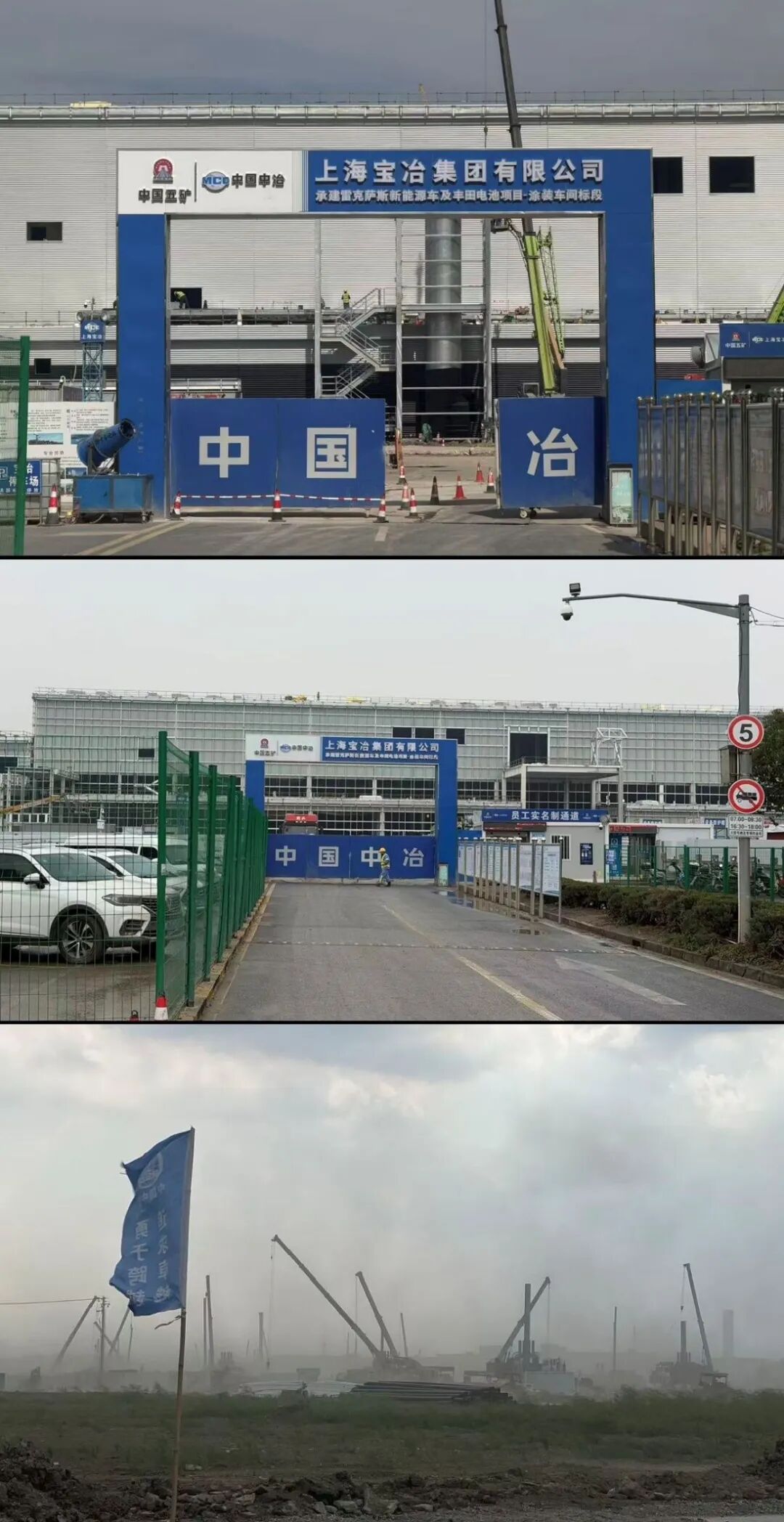
Photo: Three "check-ins" at the same location in early April, early February, and mid-September last year
Therefore, we must analyze the value of the Jinshan Lexus Project from macroeconomic, local interests, and even current national policy perspectives. First, from a macroeconomic standpoint, the core value of introducing Toyota's wholly-owned factory lies in its incremental creation effect.
Against the backdrop of China's new energy vehicle industry already possessing strong competitiveness, introducing high-quality production factors can further stimulate growth. This effect was proven seven years ago through the introduction of the highly competitive Tesla—far from reducing the market share of domestic automotive brands, it incentivized local excellent enterprises to continuously improve their technology and products, ultimately significantly enhancing the competitiveness of domestic autonomous brands while expanding the internal market.
From the perspective of the project's host location, the Jinshan Lexus Factory Project brings not only substantial investment but also direct creation of thousands of high-level positions and tens of thousands of basic jobs. It drives employment opportunities upstream and downstream through the industrial chain, potentially matching or exceeding the aforementioned totals.
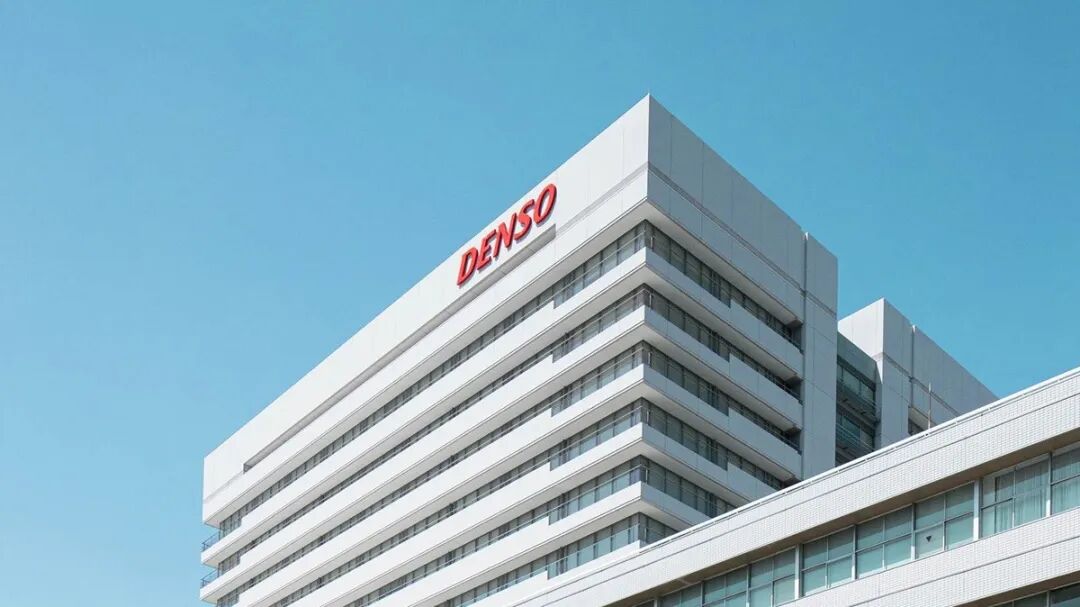
Photo: The strength of the automotive industry is mirrored by the robustness of its supply chain. From this perspective, if it can drive expansions in investments and production capacities by Denso, Aisin, and other companies in China, the value of the Lexus Jinshan Project will further amplify.
Notably, Toyota has explicitly committed to ensuring over 95% localization of the factory's supply chain. This means extensive use of domestic automotive component enterprises to support the supply chain while necessitating further factory expansions and capacity increases in China by Japanese automotive component giants like Aisin and Denso, which are bound to the Lexus brand. This will further increase job opportunities while directly driving technological upgrades and resilience in the Yangtze River Delta's automotive component industry.
Regarding the accusation of "aiding the enemy," this essentially represents a zero-sum mindset that erroneously opposes economic cooperation and national security. Today, the key to international industrial competition lies not in simple market protection but in who can integrate and utilize the world's highest-quality resources. This wholly-owned project operates entirely within China's legal and industrial policy frameworks, with its tax revenue, technology spillover, talent cultivation, and supply chain upgrade benefits primarily remaining in China, particularly in Jinshan District. This aligns with China's long-standing principle of "taking the lead and putting it to use for ourselves" regarding foreign investment.
Reviewing the development history of China's automotive industry, it is precisely through orderly opening-up and competition that domestic brands have achieved rapid advancements in technology, management, and markets. The significance of this project lies in introducing higher-level international competition and cooperation at a new stage where China's new energy vehicles have established significant advantages, thereby pushing the entire industrial chain toward higher-value segments and ultimately serving the fundamental goals of high-quality development in China's manufacturing sector and improving people's well-being.
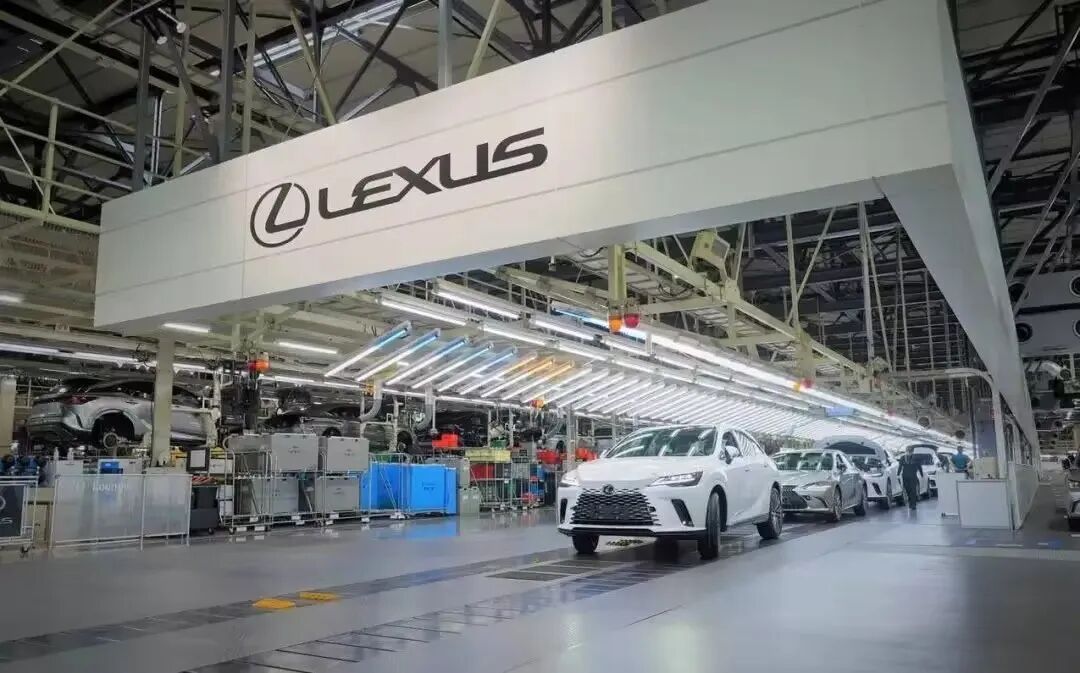
Photo: The long-term planned annual production capacity of the Jinshan Lexus Factory is 500,000 units, along with a battery factory and R&D department, bringing benefits far beyond those of a simple OEM plant.
Finally, from a capital flow perspective, this represents a firm vote of confidence by foreign investment in China's market, supply chain, and manufacturing capabilities amidst the current trend of "deglobalization," highly aligning with China's current economic policy goals of "stabilizing foreign investment and optimizing structure."
Of course, after discussing these national and local strategic and economic aspects, we must not overlook a crucial factor—the human element. Particularly, why did the supervisor mentioned in the foreword suddenly soften his attitude and specifically mention being "from Jinshan"?
03 "Let the Children of Jinshan Work Close to Home"
"Most locals in Jinshan are familiar with the brand 'Shanghai Maple.' My husband and I used to work there for seven or eight years back in the day."
Late last month, the author connected with new neighbors in the community WeChat group—an elderly couple who relocated from Jinshan District earlier this year. Upon learning of their Jinshan origin, the author initially planned to inquire about local sentiments regarding the introduction of a wholly-owned Japanese automaker. However, it turned out that they were former insiders in the industry.
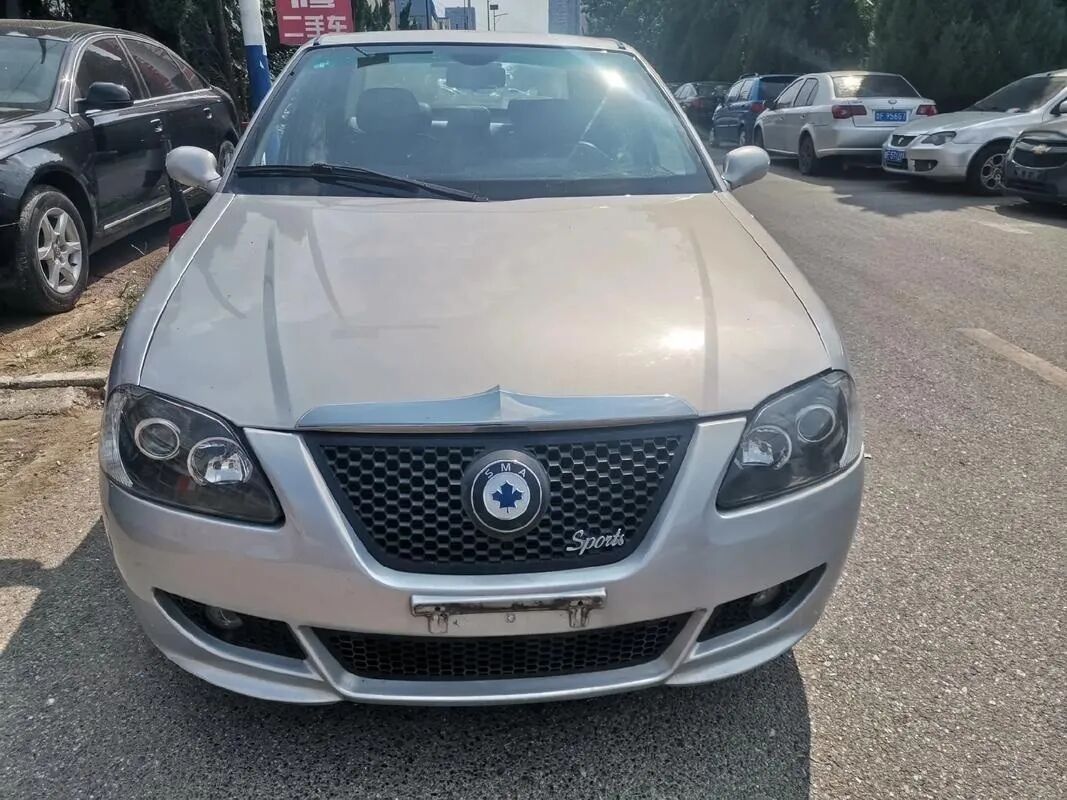
Photo: Shanghai Maple Automobile, a brand that has faded from the limelight but remains vivid in the memories of many senior residents of Jinshan.
Shanghai Maple, now merged into Geely, was the third enterprise in Shanghai to secure the qualification for producing medium-sized sedans listed in the national vehicle production directory, following Shanghai Volkswagen and Shanghai General Motors. Its production base is situated in the Fengjing Industrial Zone in Jinshan District, adjacent to Jinshan North Station.
At its zenith in 2007, Shanghai Maple boasted several models with an annual production capacity of up to 60,000 vehicles. The total workforce at the production base approached 10,000. It also spurred the growth of over ten supporting enterprises in the industrial chain in Jinshan and surrounding areas, generating tens of thousands of jobs across several districts in southwest Shanghai.
However, like many other independent brands targeting the mid-to-low-end market at the time, Shanghai Maple, once flourishing, began to wane in 2010 and relocated from Shanghai in 2012. Since then, Jinshan District has been without a vehicle manufacturing enterprise for over a decade.
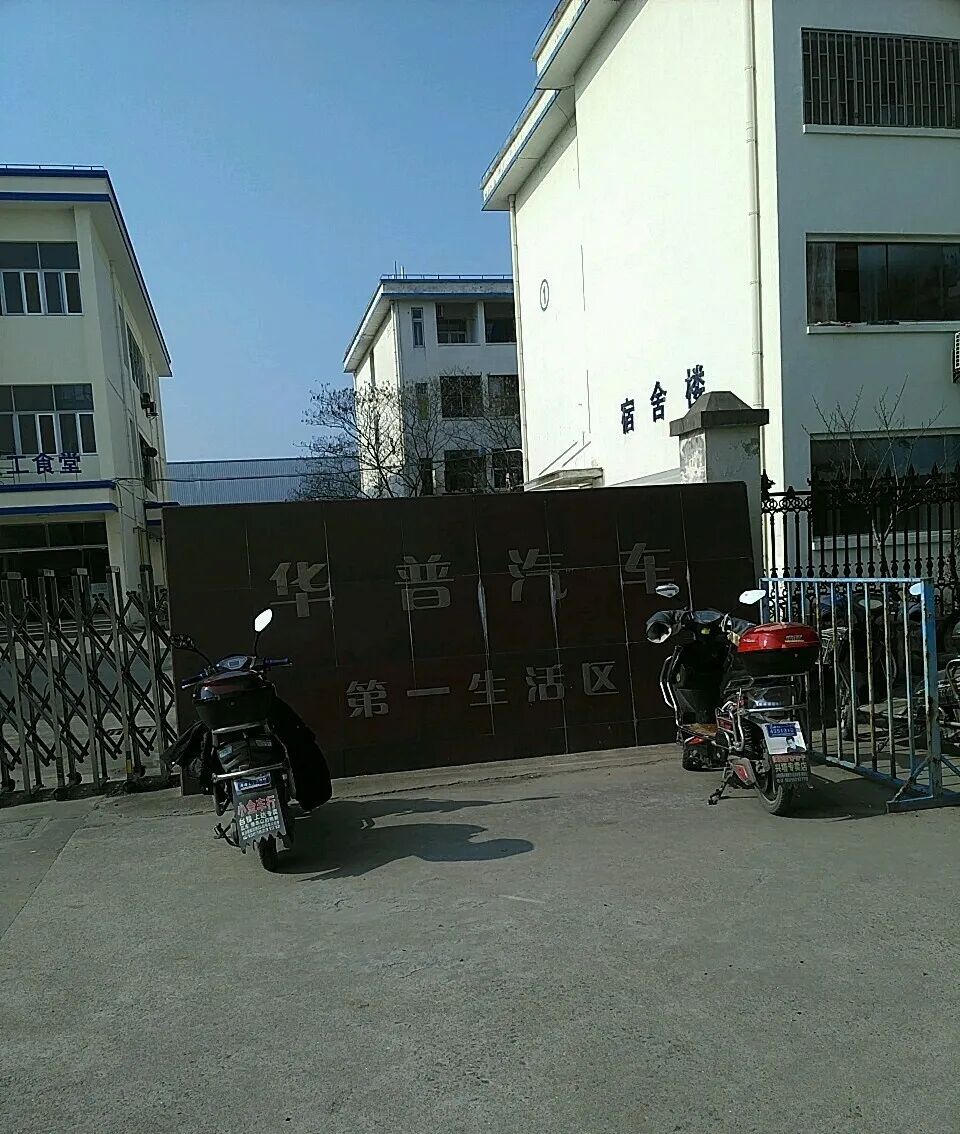
Photo: The former pillar enterprise of Jinshan District's manufacturing industry. Currently, only a few remnants can be found online, such as on Baidu Maps (the image below is a screenshot of a street view photo).
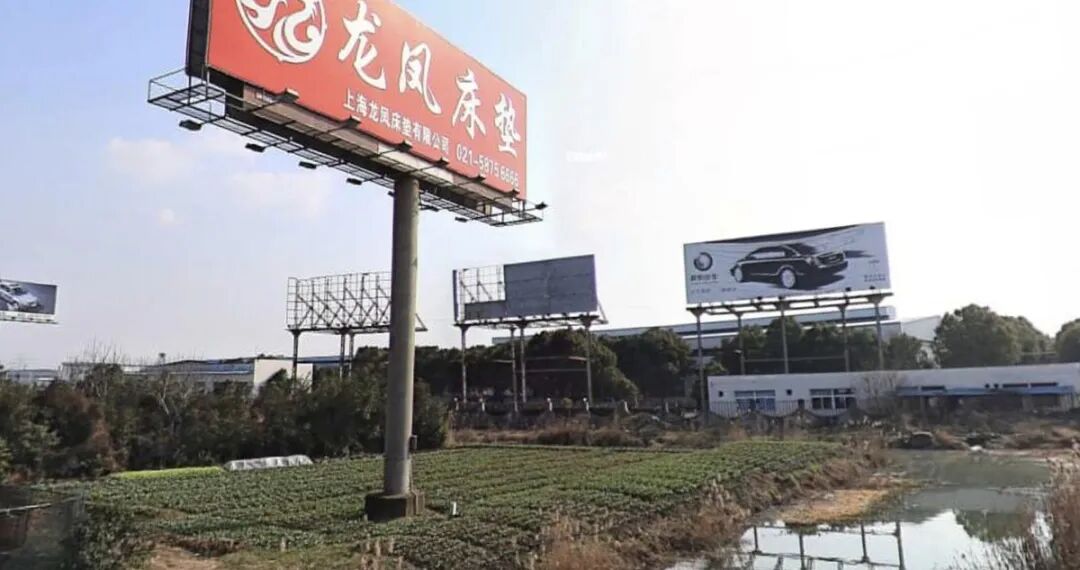
As the enterprise relocated and local employees were gradually laid off, it goes without saying that the elderly couple lost their jobs together. However, leveraging their skills and network, they swiftly established a husband-and-wife auto repair shop. After more than a decade of diligent effort, they not only supported their children through university but also navigated the challenging "4050" phase (referring to individuals aged between 40 and 50 who encounter difficulties in securing employment) until retirement.
"So, when you ask us about our thoughts on the (Jinshan Lexus factory) project? We wholeheartedly support it! Leaving that aside, when we worked at the factory, we could reach work by taking just a few bus stops from our doorstep. My son studied automotive engineering and later worked at SAIC. His commute was initially a nightmare, prompting us to buy him a house in Jiading later!"
Evidently, many so-called controversies circulating in cyberspace do not present a real issue from the local people's perspective.
In fact, over the past few months, the author has extensively explored the views of Jinshan District residents on the factory. Not only have they visited numerous local online communities in Jinshan, but they have also taken the opportunity to directly inquire with local residents during weekend excursions to scenic spots such as Jinshan City Beach.
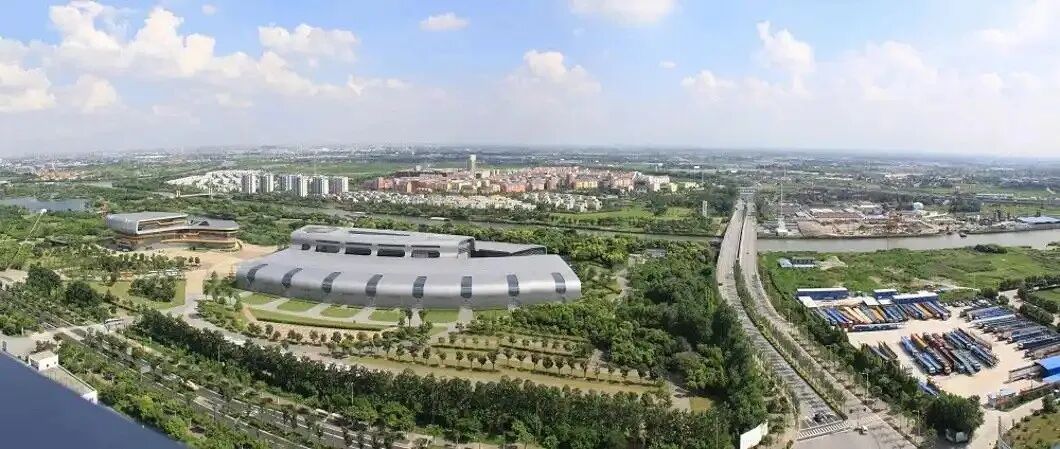
Photo: Jiading Automotive City and Anting New Town have gradually emerged as the epicenter of Shanghai's automotive industry since 2012. Although the industrial enterprises in Jinshan District boast a substantial overall scale, most are concentrated in intermediate and basic products such as chemicals.
Without exception, all local residents expressed highly favorable views on this project. During the exchanges, many also reminisced about Shanghai Maple. Many still recall the food street and shops near the Fengjing Industrial Zone during the enterprise's heyday. However, this vibrant atmosphere swiftly dissipated with the departure of the core enterprise.
I even managed to get in touch with the lady who left a comment under a related video in the commune, stating, "I hope more graduates from Jinshan will be recruited so that children from Jinshan, which lacks a subway, can work close to home" (refer to "Capped in 5 Months! The Jinshan Lexus Factory Witnesses China Speed 2.0" for details). The lady informed me that her only daughter will graduate from a prestigious domestic university with a major in vehicle engineering this year—
"If possible, who wouldn't want their child to secure a job close to home where they can apply their expertise? In the past, we Jinshan residents didn't have this opportunity."
While composing this article, the author perused the recruitment information of Lexus (Shanghai) New Energy Co., Ltd. on Liepin.com. The number of job openings has surged from 150 two months ago to 184.
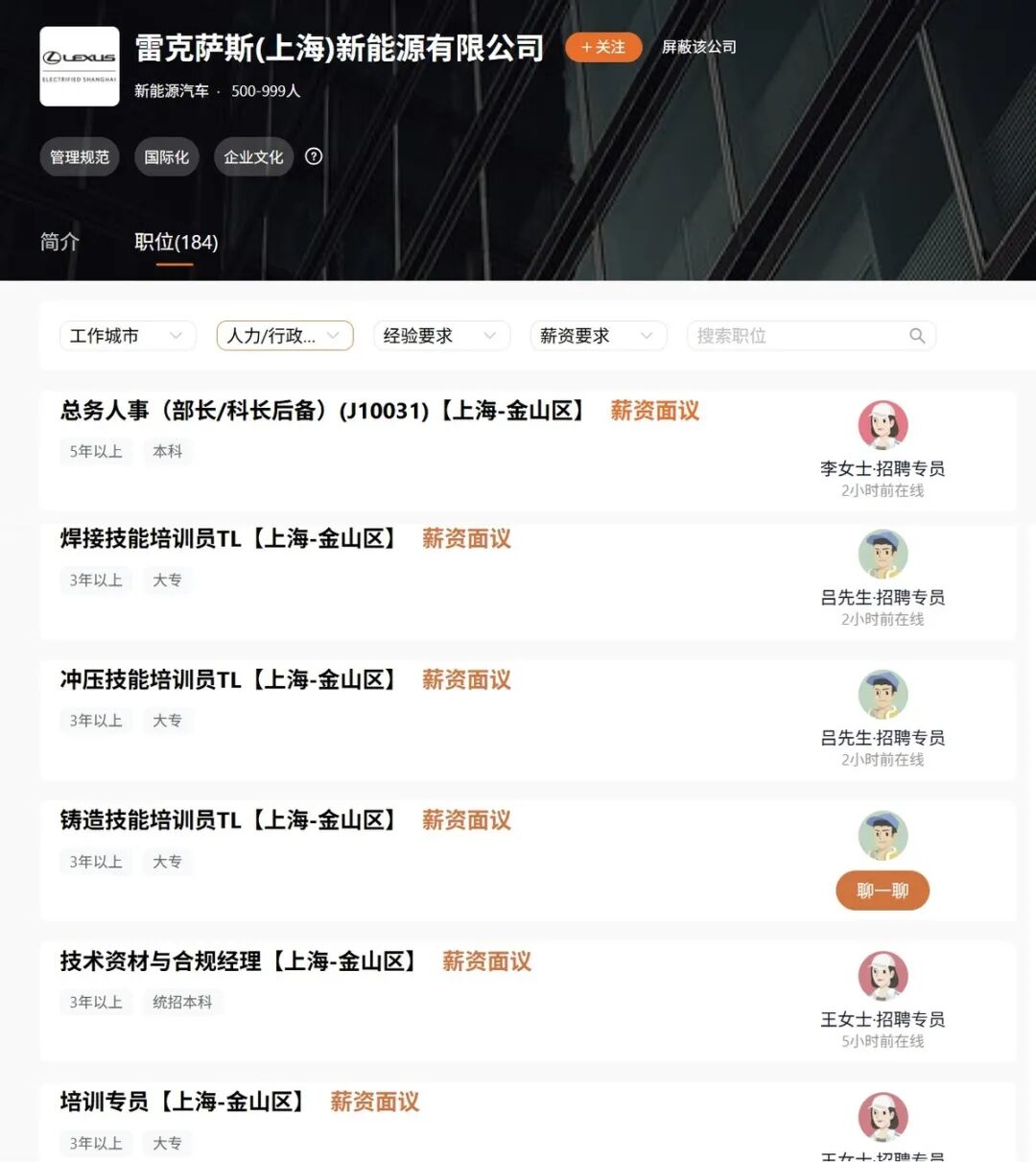
Although it appears to be an increase of only 34 positions, a closer examination reveals roles such as General Affairs and Personnel (minister/section chief reserve), training specialists, and trainers for welding skills, stamping skills, and casting skills.
Undoubtedly, the time for the factory to commence large-scale frontline recruitment is imminent.
The true significance of this factory lies in the hands of every "Jinshan person." It represents a continuation of the sense of loss experienced by the "Maple Generation" and a support for the career launching pad of the new generation of "automotive students." The supervisor's admission, "I am from Jinshan," unveils the simplest truth behind the grand narrative: all development strategies and industrial competitions ultimately hinge on whether ordinary people can establish their lives and talents in their hometown.
While online public opinion lingers in empty verbal disputes, the local community has already cast their vote through their actions. This affirms the true essence of development: it must be tangible, promising, and capable of transforming into a mother's relief that her daughter can work nearby and a family's ease from avoiding lengthy commutes. The newly added trainer positions on the factory's recruitment page are quietly forging the link between personal dreams and industrial upgrading.
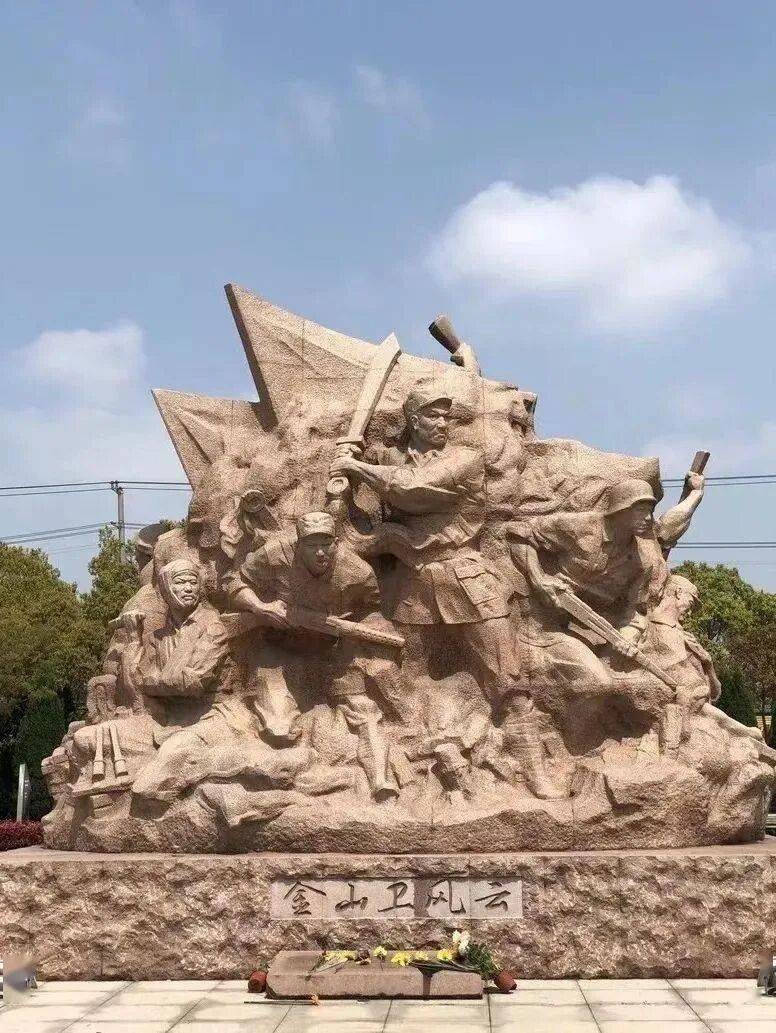
Photo: Jinshanwei Anti-Japanese Memorial. Please do not doubt the overall perspective of the people of Jinshan.
Therefore, the ultimate justification for this project will not be solely based on economic data but will be penned by the skilled workers, engineers, and managers who speak with a local accent in the future factory. The real core is actually "confidence"—
not only confidence in the Chinese market but also confidence that ordinary Chinese people can master high-end manufacturing and share in the fruits of development.
Editor-in-Chief: Du Yuxin Editor: He Zengrong
THE END
-
![]()
Embrace Freedom, Live Boldly! Great Wall Motor’s Menglong PLUS Launches in the Greater Bay Area, Unlocking Enhanced Lifestyles with One Vehicle
-
![]()
The Agent hasn't arrived yet, but Ascend has already paved the way from hardware to software.
-
![]()
In 71 years, He sold products to 100 million people
-
![]()
First-hand Practical Test! Opus 4.8 Vs ChatGPT 5.5 Vs Kimi 2.6: Which is the Most Usable?
-
![]()
Fourfold Uncertainty Challenges Facing China's Agent Industry - Interpretation of the 'Report' (Part Six)
-
Crazy Anthropic
-
![]()
CNPC’s Kunlun Model Advances with 152 Implemented Scenarios, Showcasing Proactive AI
-
![]()
Revenue Increases, But Profits Don't: Pinduoduo's Anxiety Amidst Billion-Dollar Brand Building