Approaching the Centenary Mark, How Will Volvo Navigate Its Future?
 04/16 2026
 496
496
Introduction
Introduction
For the venerable Volvo in China, it's imperative not only to sustain its emotional appeal but also to innovate from the ground up to tackle market uncertainties.
As the first quarter concludes, concerns about the auto market's trajectory for the remainder of the year abound. There are fears that amidst rapidly evolving international scenarios, the Chinese auto market will undergo accelerated structural changes, with the swift rise in new energy vehicle adoption leaving many automakers scrambling. Additionally, worries persist that declining consumer confidence, influenced by external factors, could drag the entire market into a downward spiral.
Under such circumstances, how are automakers responding? Are they biding their time to observe changes, or are they actively adjusting their strategies to keep pace? Regardless of the approach, survival must always be the foremost priority before pursuing development.
After years of trial and error, traditional automakers naturally view 2026 as a pivotal year to assess their transformation results. Especially after numerous foreign automakers have faced setbacks in the Chinese market, most have no choice but to actively seek paths for technology localization, abandoning excessive self-reliance.
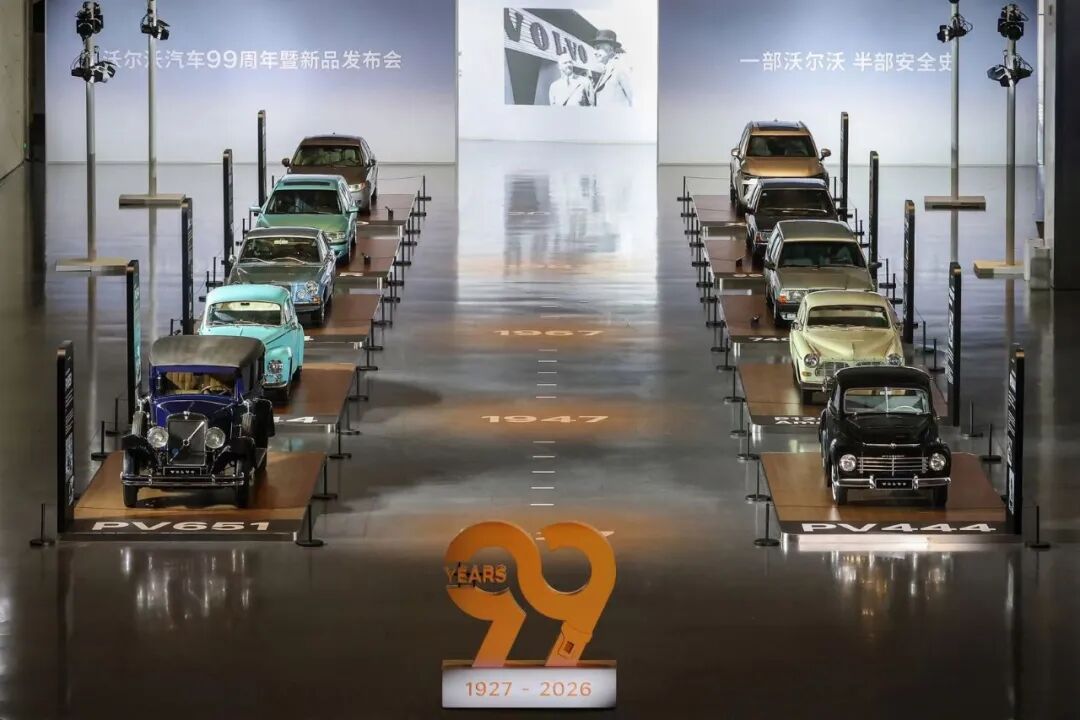
This year marks the 99th anniversary of Volvo Cars, with just one year remaining before it becomes a “century-old brand.”
It has been over a decade since Geely fully acquired Volvo. During this time, past hardships have given way to renewal, skills learned under Ford have been replaced by self-accumulated expertise, and today, Volvo understands the Chinese market more thoroughly than any competitor. However, as it reflects on history and looks to the future, it seems that Volvo's existing experience alone may not suffice to smoothly navigate a new path forward.
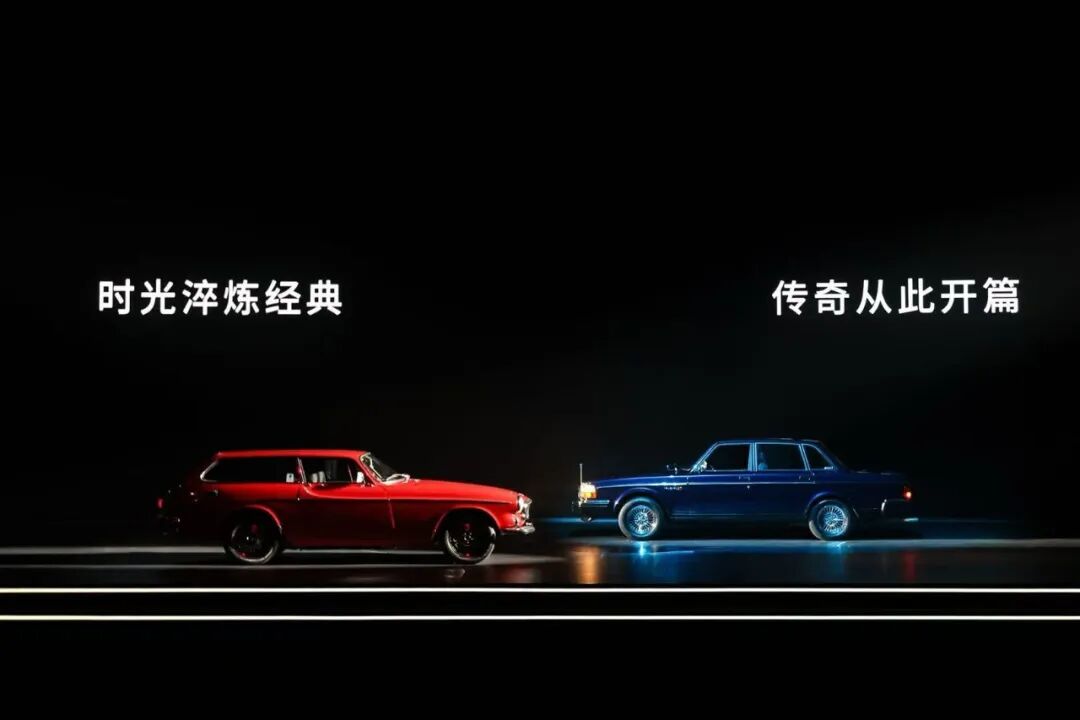
In recent years, Volvo has appeared very proactive in its transformation. From announcing a comprehensive electrification strategy to enhance its full electric product matrix of “48V mild hybrid + plug-in hybrid + pure electric,” and then leveraging Chinese capabilities for a remarkable turnaround, such a Volvo is quite distinct compared to the likes of BBA (BMW, Mercedes-Benz, Audi).
Nordic companies have always operated with their own logic. While not refusing to yield under any circumstances, it is impossible for them to abandon their beliefs due to external pressures. However, with the precedent of Saab's demise, Volvo's development over the years has incorporated some new thinking.
Currently, with the emergence of the XC70, Volvo has indeed tasted the sweetness of China's technological dividends. Looking ahead, to navigate the turbulent waters of the auto market or surpass traditional rivals, Volvo needs to make choices once again.
Time waits for no one. Should it continue to learn from the “Hangzhou Bay” model, or return to Gothenburg to accompany its European peers in their self-importance? The outside world is waiting for a new answer.
01 History Is Ultimately the Past
As the automotive industry has evolved, numerous brands with a century of history now exist. Even Skoda, recently abandoned by the Chinese market, dates back to 1895, making it a bona fide century-old brand. Yet, regardless of history, “survival” remains an eternal challenge that no one can afford to overlook.
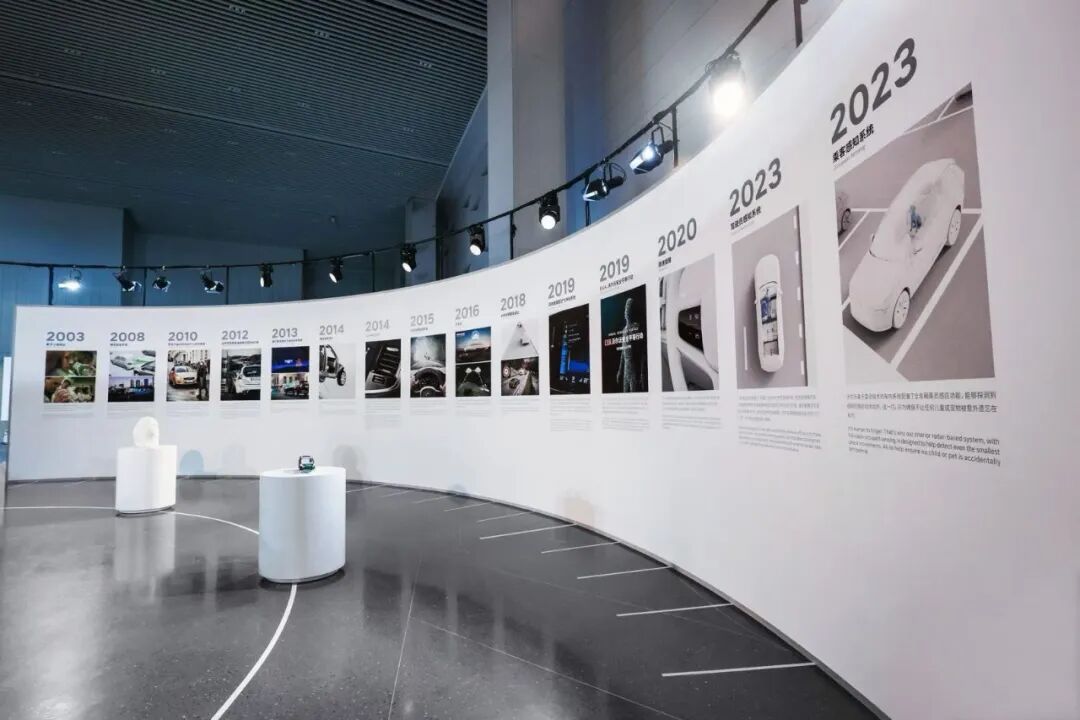
Over its 99-year history, Volvo Cars has changed hands multiple times, from operating independently after separating from its parent company SKF to being acquired by Ford in 1999, and then having Geely acquire 100% of Volvo Cars’ shares in 2010—all choices made to ensure survival.
The global auto market is always in flux, and no automaker can afford to be stubborn about reality. To preserve its DNA, the key lies in how a company positions itself.
The wheels of history keep turning.
We have seen Skoda and SEAT, rescued by Volkswagen, thrive and dominate; Saab, abandoned by General Motors, failed to recognize the importance of return on investment, ultimately collapsing on the eve of the new energy transformation; British brands Rover and MG, discarded by BMW, saw one completely shelved and the other profoundly reshaped by Chinese automakers into a foreign exchange earner, lacking only its soul...
During Volvo’s formal transition to a joint venture in China, shedding its “wealthy” image, it is clear that Volvo has had two distinct experiences.
During the “Changan Volvo” era, the Nordic luxury represented by the S40 and S80 carried too much Ford influence and remained overshadowed by BBA, failing to break out. Even with unique products like the C30 and C70 in the import channel, Volvo seemed like just another participant in China’s vibrant auto market, rather than a dominant luxury brand.
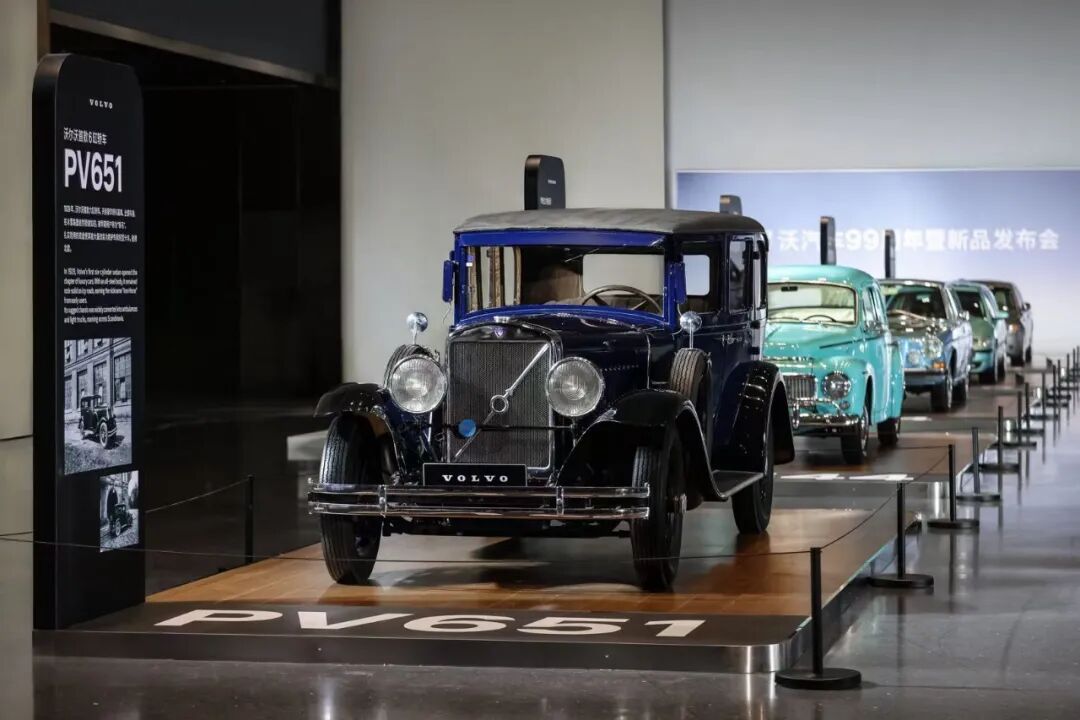
In the past decade, since Geely took over from Ford, outsiders have often wondered whether the stubborn Nordic automaker could see reality and learn to humble itself through setbacks.
Now, over a decade later, Ford would never have imagined that what was once considered a liability and written off would become a driving force behind the development of China’s automotive industry, propelling Volvo back to its original position.
Of course, compared to many acquired brands, Volvo’s most precious brand spirit has never been swayed by reality. The Polstar performance division was spun off into an electric vehicle brand, and the blue lightning of Volvo disappeared from the racing scene. Ultimately, Volvo’s soul remains Nordic, and its commitment to safety has never been abandoned.
In the Chinese market, there have been too many luxury brands beneath BBA. Acura, Infiniti, Lincoln, DS, Genesis, Alfa Romeo, and others from virtually every nation have established a presence in China, seeking their place in an increasingly vast auto market.
Some advocate ultimate luxury, attempting to please users with excessive materials; others hope to redefine luxury car aesthetics with designs ahead of their time; still others see sportiness as their unique advantage, aiming to win hearts with handling...
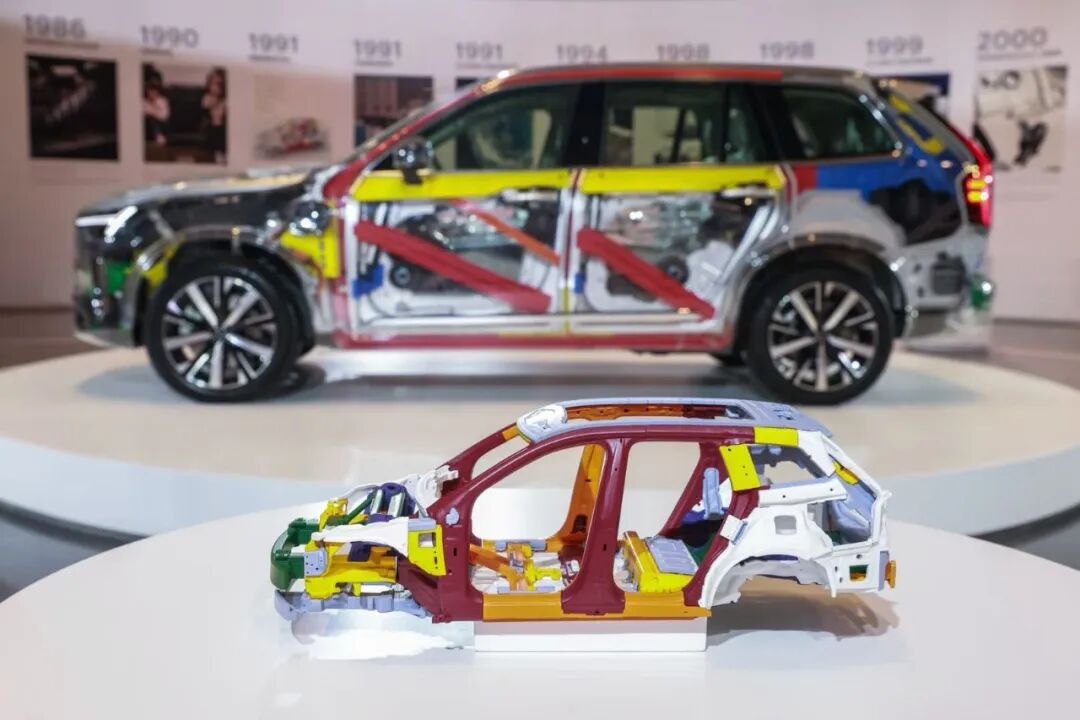
Compared to these, Volvo is certainly not the most prominent. Without emphasizing luxury, technology, or sportiness, but instead focusing on environmental protection and safety, its brand philosophy mostly resonates within a specific group. Its understated and unpretentious image is how everyone perceives the brand.
However, as competitive intensity rises, the uniqueness of the Chinese auto market always requires automakers to balance brand and sales. In just a few years, the pace of industrial transformation has accelerated, and under heavy pressure, nearly all foreign luxury brands have exited China, leaving only Cadillac, Lexus, and Volvo to persist.
Is this post-crisis luck? Obviously not. Those who survive understand that the Chinese auto market, surrounded by price wars and public opinion battles, demands the ability to keep pace with the times, not luck.
Overseas, Volvo can continue to compete with rivals using products like the EX90 on the SPA2 platform, but in China, to meet the stringent demands of new energy users, everything requires long-term planning.
In recent years, the EM90 represents Volvo’s initial foray into electrification in China, the EX30 is a new creation empowered by Chinese technology, and the all-new XC70 is a typical representative of implementing China’s strategy. When we discuss all these together, it is undeniable that Volvo, at 99 years old, is actively seeking a new survival model in China. The results prove that Volvo has no room for retreat today.
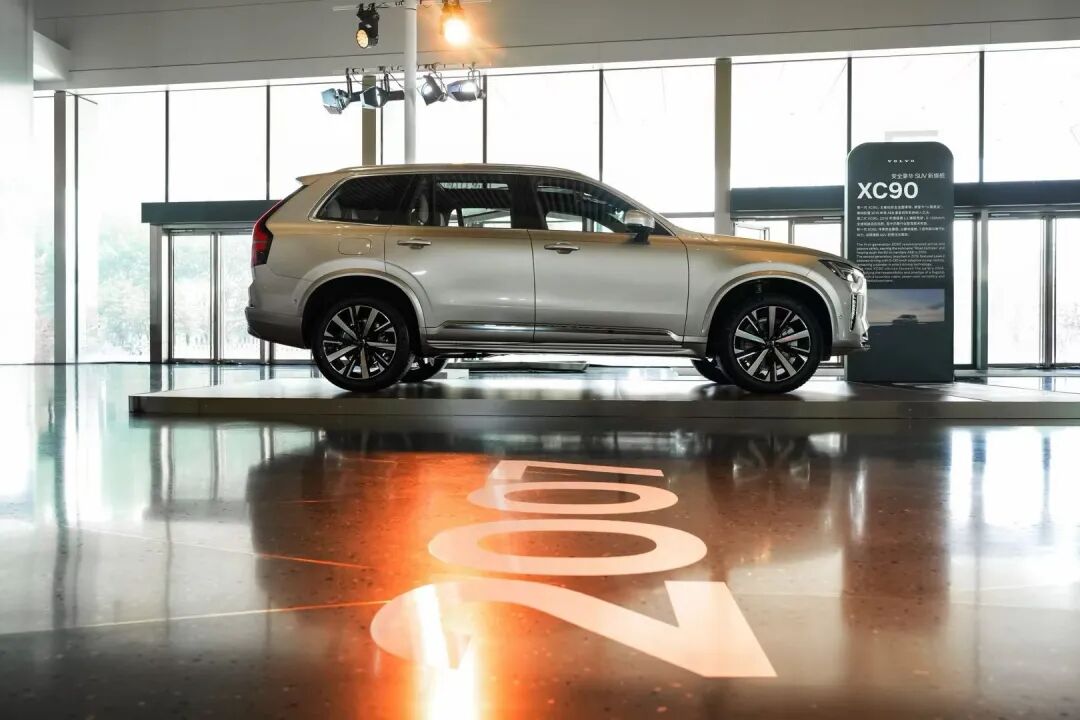
02 Market Upheaval Requires New Thinking
Since its inception, no luxury automaker has been as obsessed with an inward-focused pursuit as Volvo, dedicating itself to vehicle safety. Yet, in this era of survival of the fittest, as the industry’s underlying logic shifts and everyone chases the most visible aspects, the idea that “good wine needs no bush” seems to be dissipating amidst impatience.
In 2025 alone, Volvo’s global sales reached 710,000 units; annual revenue was SEK 357.3 billion, down 11% year-on-year; operating profit (EBIT) was SEK 300 million, a 99% decline from SEK 22.3 billion in 2024; the operating profit margin (EBIT Margin) was just 0.1%, compared to 5.6% in 2024.
Externally, factors such as trade tariffs, weak demand, price pressures, and the cancellation of electric vehicle subsidies in the United States have indeed left global automakers in a quandary, particularly European automakers, whose annual financial reports reflect declining data—as exemplified by Stellantis.
Facing new challenges, Volvo Cars chose to recall Hakan Samuelsson as CEO last year. Under his leadership, Volvo aimed to reduce costs and improve efficiency through streamlining positions while seeking closer collaboration with Geely to achieve synergies in supply chains and other areas.
From the results, whether through the birth of the all-new XC70 or its persistence with a full range of hybrid technology paths, Volvo provided its answers to survival in 2025.
As 2026 begins, the industry has seen numerous black swan events. Multiple oil price hikes alone have caused panic among consumers considering fuel vehicles, leaving automakers still selling such models on edge.
On this 99th anniversary, relying on its historical contributions to automotive safety, it is heartening to see industry peers willing to extend blessings to Volvo. However, what warrants deeper consideration is whether Volvo is fully prepared for uncertainties.
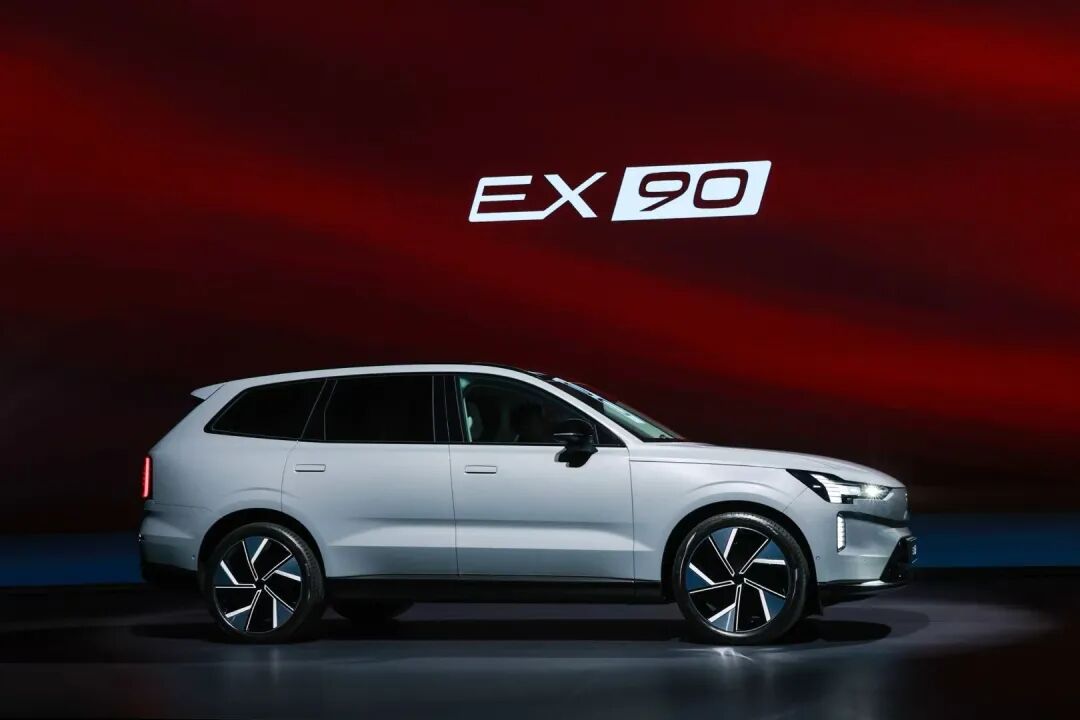
In its upcoming product launches, the newly released EX90 and ES90 are set to become Volvo’s flagship electrified models, while the XC70 continues its mission to drive sales volume. No one finds fault with such planning, especially since the newly unveiled EX60 also leaves room for future electrification. With the V series and T8 powertrain models exiting the market, product gaps can always be filled.
For many loyal Volvo users, the transition between old and new product lines may evoke nostalgia. The emergence of numerous new products disrupts the model matrix Volvo has built over the past two decades. Against this backdrop, Volvo must answer in China: How can it compete with domestic brands aggressively launching new models that surpass traditional luxury, technology, and sportiness? Where does “century-old” Volvo’s advantage truly lie?
In recent months, the all-new XC70 has performed well in the market, joining the XC60 to cater to potential users in the 300,000-yuan SUV segment. In other words, to succeed in China, tailored solutions are now more practical than relying on global models to enhance prestige.
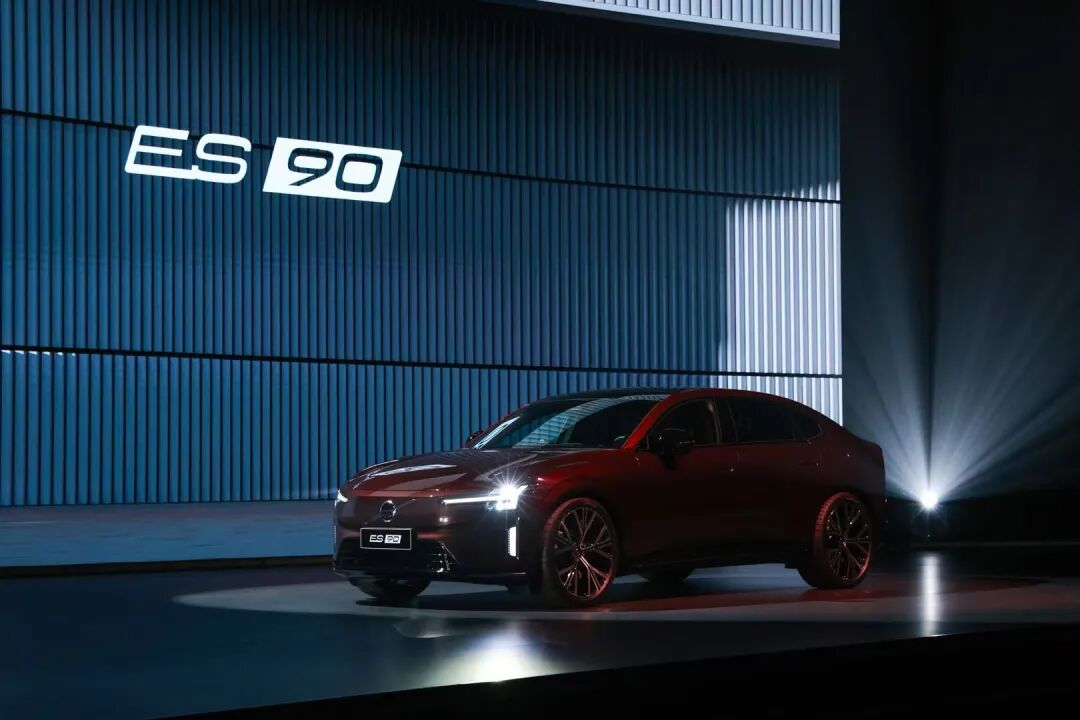
It remains unclear whether the EX90 and ES90, built on the SPA2 platform, can stand out amid competition from NIO, Li Auto, Aito, and other similarly priced products. However, given current market conditions, with BBA’s Chinese CEOs being replaced due to years of unsuccessful electrification efforts, Volvo’s path requires even greater support.
Half of Volvo’s history is a story of safety. This represents Volvo’s most inspiring asset and the core charm it has cultivated with users over 99 years. At this pivotal moment for the brand, we certainly hope that this DNA does not become a shackle holding Volvo back.
Stringent safety requirements are a principle, but they are merely the foundation for Volvo to confront the new era. In China, with the Audi Q6 e-tron failing to change its fortunes and the all-new BMW iX3 and Mercedes GLC electric models on the horizon, qualities like intelligence and luxury expected in vehicles priced above 300,000 yuan demand that Volvo evolve with each new product.
This is a must-answer question posed by the times and the latest expectation from Chinese users for Volvo. After this year, next year marks the inflection point for “century-old Volvo.” Before then, there is little time left for Volvo to make forward-looking layouts.
Editor-in-Chief: Du Yuxin Editor: He Zengrong
THE END
-
![]()
Embrace Freedom, Live Boldly! Great Wall Motor’s Menglong PLUS Launches in the Greater Bay Area, Unlocking Enhanced Lifestyles with One Vehicle
-
![]()
The Agent hasn't arrived yet, but Ascend has already paved the way from hardware to software.
-
![]()
In 71 years, He sold products to 100 million people
-
![]()
First-hand Practical Test! Opus 4.8 Vs ChatGPT 5.5 Vs Kimi 2.6: Which is the Most Usable?
-
![]()
Fourfold Uncertainty Challenges Facing China's Agent Industry - Interpretation of the 'Report' (Part Six)
-
Crazy Anthropic
-
![]()
CNPC’s Kunlun Model Advances with 152 Implemented Scenarios, Showcasing Proactive AI
-
![]()
Revenue Increases, But Profits Don't: Pinduoduo's Anxiety Amidst Billion-Dollar Brand Building