Should Extra-Large New Energy Vehicles Go on a 'Diet'? A Proposal for a Special Consumption Tax
 05/19 2026
 468
468
"New Energy Vehicles Should Stop Competing on Size"
Author | Zhen Yao Editor | Li Guozheng Produced by | Bangning Studio (gbngzs)
"Cars are getting bigger, but parking spaces are shrinking. Every time I park, I have to squeeze out from the passenger side," a car owner lamented. Recently, the hashtag #AreParkingSpacesShrinking quietly trended, resonating with many drivers.
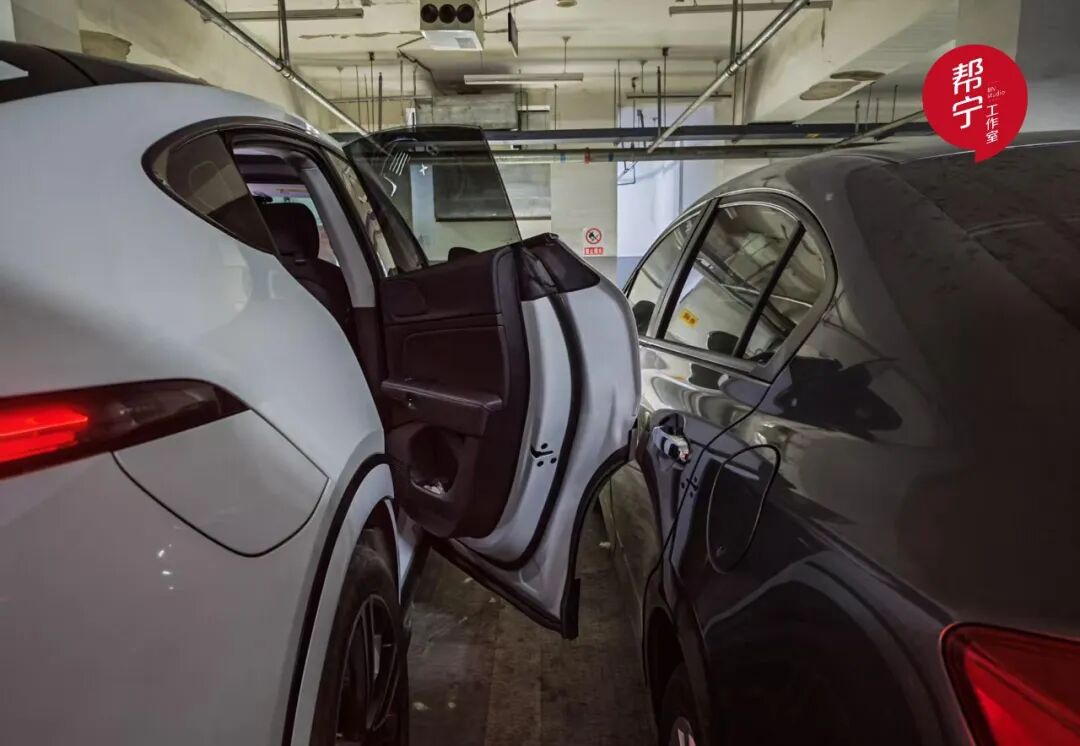
"The new energy vehicle next door is nearly 2 meters wide, while the standard parking space is only 2.4 meters wide. Every time I park, I have to be extremely careful. A slight miscalculation, and the door won't open," a netizen complained. Several times, they found themselves trapped inside, having to wriggle out sideways. Even after escaping from the passenger side, they had to be cautious not to hit the neighboring "behemoth" SUV.
Owners of traditional fuel vehicles, however, remain unperturbed: they park effortlessly, exit calmly, and drive away in style. Their ease has become a luxury for many new energy vehicle owners.
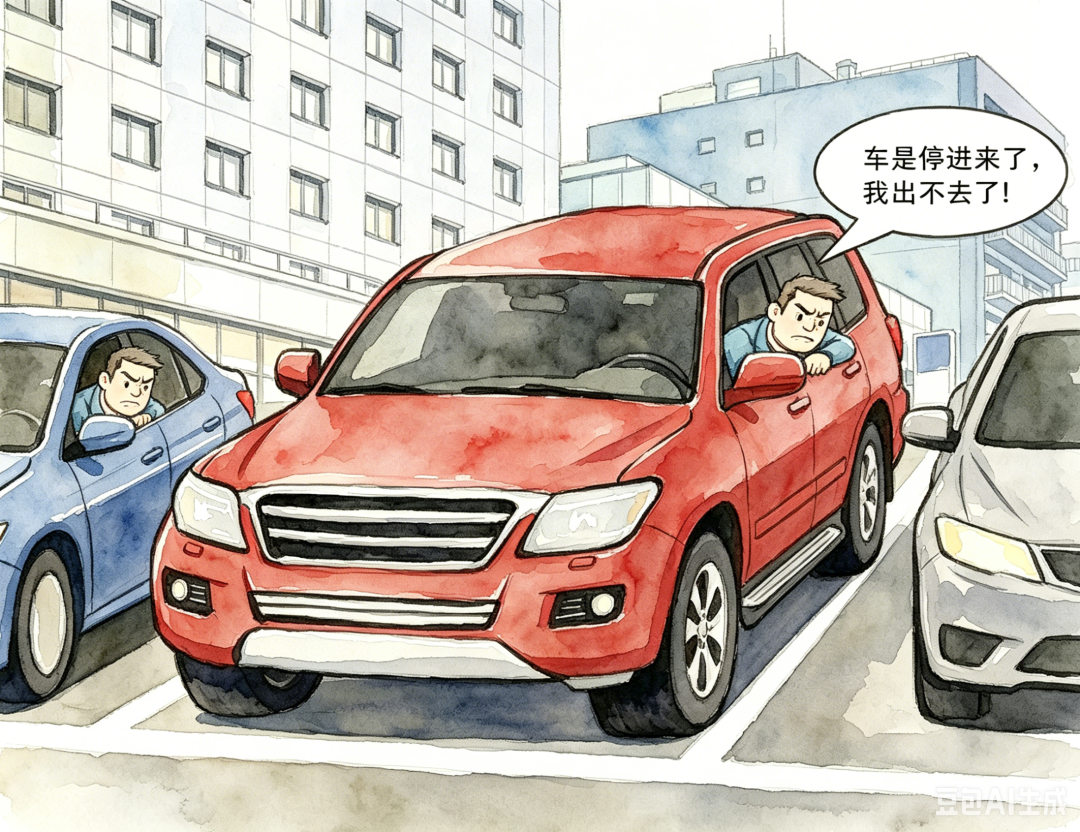
This is not an isolated case. When a mid-to-large SUV nearly 2 meters wide parks in a standard space, only about 30 centimeters remain on either side. Passengers from both cars have to squeeze out sideways.
All these issues stem from the "obesity" of new energy vehicles. In the past two years, the new energy vehicle sector has embraced larger sizes. Models like the Li Auto L9 (5218×1998×1800mm), Aito M9 (5230×1999×1800mm), and Nio ES8 (5280×2010×1800mm) exemplify this trend. Others include the Nio ES9, Li Auto L9 Livis, Luxeed V9, Leapmotor D19, Volkswagen ID.ERA 9X, and Wey V9X—all boasting generous proportions.
Today, vehicles over 5 meters long, with wheelbases exceeding 3 meters and widths nearing 2 meters, are no longer exclusive to luxury cars costing millions. Instead, they have become standard for mainstream new energy vehicles priced between 200,000 and 500,000 yuan.

In the era of fuel vehicles, a 5-meter length and 3-meter wheelbase were hallmarks of mid-to-large luxury SUVs like the BMW X5 and Audi Q7, which typically started at 500,000 yuan.
Now, this luxury specification has rapidly trickled down to the 200,000-yuan market, with models like the Leapmotor D19 and Geely Galaxy M9 joining the "5-meter club." The industry seems to have reached a consensus: without size, a product lacks competitiveness.
Automakers are busy enlarging vehicles, using spacious interiors and grand proportions to attract users. However, urban parking standards have remained stagnant, with spaces in older neighborhoods and commercial areas being particularly narrow—especially multi-story garages. While vehicles grow unchecked, parking supply remains rigid, exacerbating the conflict.
The benefits of larger new energy vehicles are being quietly offset by cramped parking spaces. Moreover, this "obesity" brings numerous social issues.
▍01 Collective "Weight Gain" of New Energy Vehicles
New energy vehicles are collectively "growing fatter," with the industry favoring longer and wider designs. If not for basement height restrictions, new energy vehicles would likely be taller too.
"Does Li Auto plan to make sedans? It’s not that we don’t want to, but sacrificing space and comfort contradicts our vision of a 'home on wheels.' Making sedans taller contradicts our pursuit of proportional elegance," Li Xiang, CEO of Li Auto, stated on Weibo on May 6 this year.
As a proponent of large vehicles, Li Auto introduced the concept of a "mobile home" in 2020, adhering to a spacious, three-row seating layout. Its L6 to L9 models range from 4925-5255mm in length and nearly 2 meters in width.
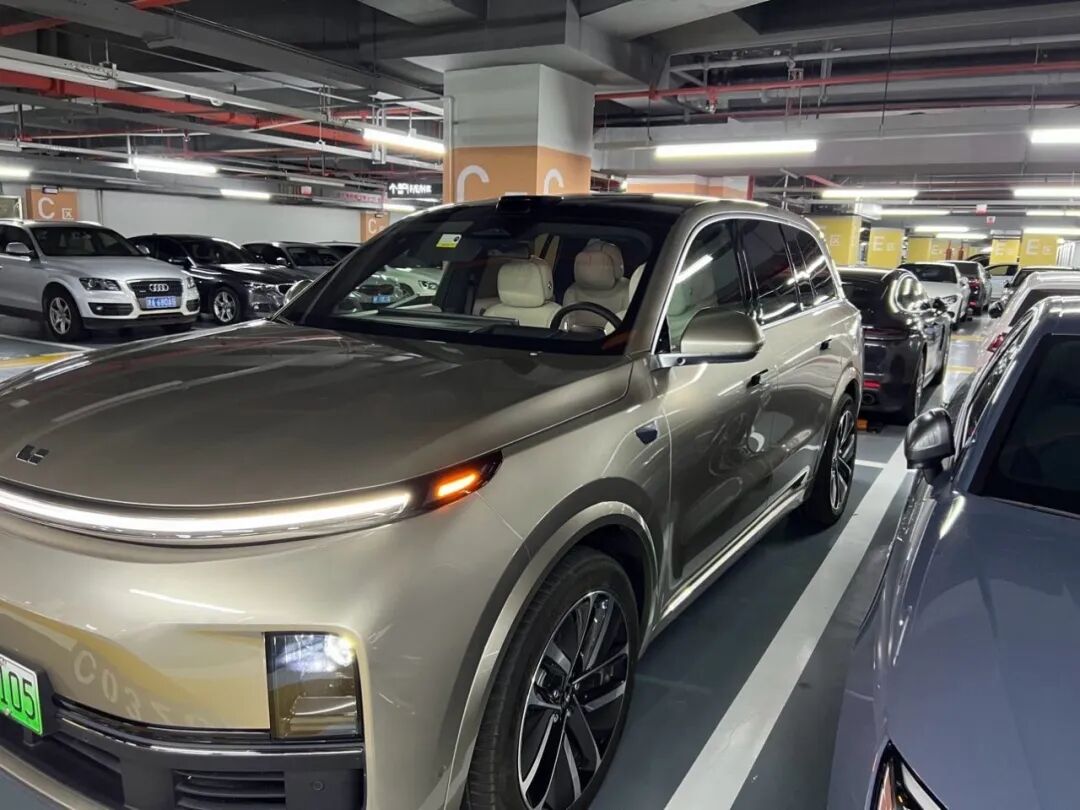
Nio is also enlarging its vehicles. At the ES9’s launch, CEO William Li urged the audience to "forget MPVs," sparking industry debate. The ES9 measures 5365mm in length, joining the ranks of ultra-long domestic SUVs.
"This isn’t about breaking records but reflects administrative positioning, user scenarios, and engineering layout," Li explained. He believes greater size enhances presence and cargo capacity while balancing parking convenience and driving performance, all based on real-world experience.
The Voyah Taishan X8 exemplifies market demand for spacious vehicles. Within 20 hours of pre-sales opening, orders exceeded 20,000. Featuring a 6.1-square-meter cabin, unique second-row dual zero-gravity seats with kneading massagers, and a "one-touch bed" mode, it redefines luxury mobility.
At its launch, Voyah invited Sun Yue and Sun Yue (a comedic duo) to promote the X8. Their presence in the car highlighted its spacious appeal.

The trend toward larger new energy vehicles results from demand, technology, and commercial logic.
First, from a household perspective, most Chinese families rely on a single vehicle for all needs: daily commuting, child transport, family road trips, and cargo hauling. Small vehicles cannot meet these diverse requirements, prompting automakers to launch larger models.
Lu Fang, CEO of Voyah, admitted that the 5315mm length of their Dreamer model aims to serve both family and business needs, balancing luxury and practicality with a long body and wheelbase.
Second, technological advancements in new energy vehicles have removed barriers to enlargement.
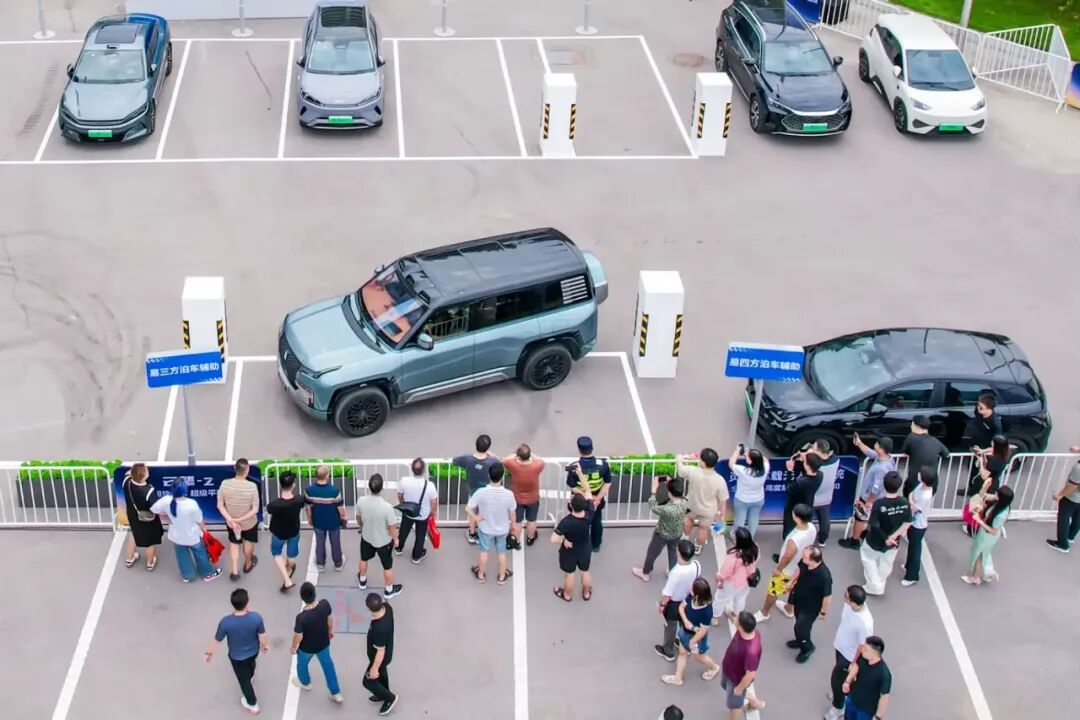
Larger fuel vehicles typically suffer from high fuel consumption, poor handling, and parking difficulties. New energy vehicles, however, feature flat battery packs that lower the center of gravity and distribute weight evenly, improving stability beyond that of same-sized fuel vehicles.
Additionally, electric motors’ instant high torque allows heavy new energy vehicles to accelerate effortlessly, avoiding the "small horse pulling a large cart" dilemma. Widespread adoption of rear-wheel steering, automatic parking, and panoramic imaging further alleviates concerns about driving and parking large vehicles, paving the way for size increases.
For example, the Wey V9X, nearly 5.3 meters long, uses rear-wheel steering to maintain a turning radius under 5 meters, resolving flexibility issues.
Third, many consumers equate size with prestige and safety.
Driving a commanding large vehicle enhances identity and face, whether for business receptions or visiting relatives.
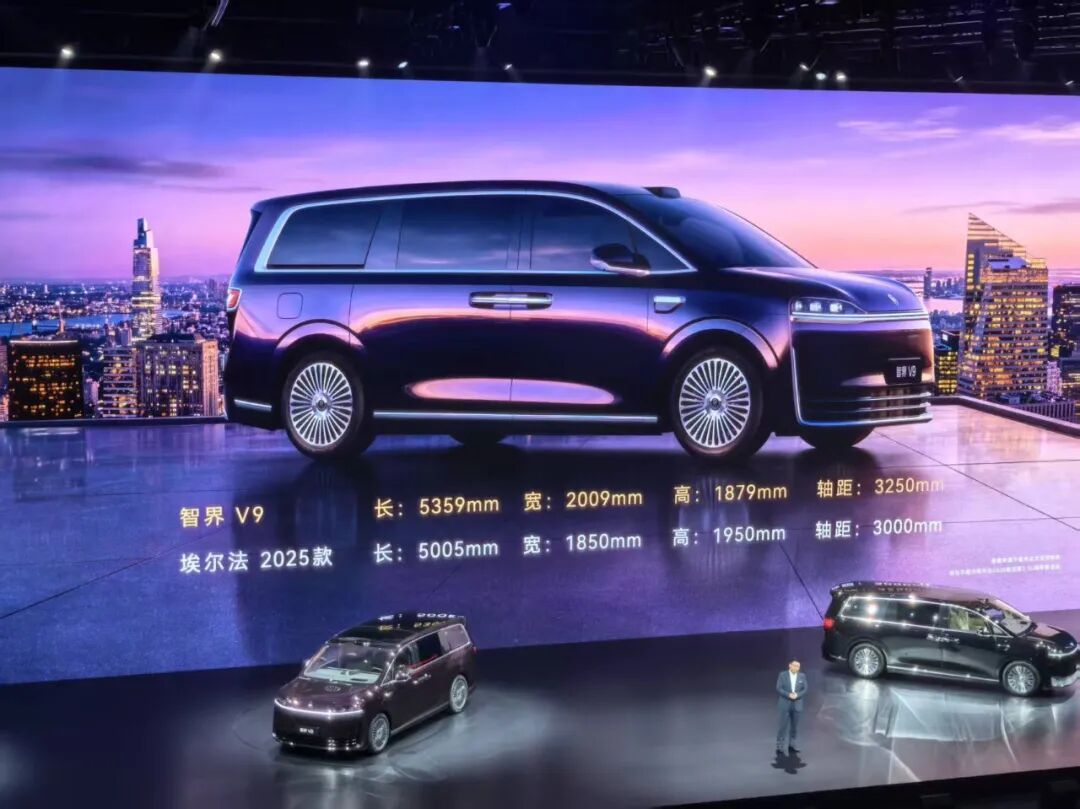
Some also believe larger, heavier vehicles are safer in accidents.
Automakers capitalize on these preferences, launching larger models with spacious interiors and high configurations to quickly win over users and boost sales.
Finally, from a business standpoint, competing on size is a shortcut to differentiation.
In today’s new energy vehicle market, power performance, range, and smart features are increasingly homogenized, making it hard to gain a decisive edge. Larger size and more space thus become the most visible and tangible differentiators, requiring no complex R&D—just lengthening and widening the body to create a premium experience.
More importantly, by leveraging consumers’ belief that "larger means higher value," automakers can justify price hikes and protect profit margins amid fierce price wars.
Thus, lengthening and widening have become industry-wide actions, intensifying the size competition among new models.
▍02 Bigger Cars, Bigger Headaches
While automakers rush to enlarge new energy vehicles and users crave the prestige and space they offer, the troubles fall squarely on owners.
Many complain that new energy vehicles keep growing "bulkier," leaving little room to open doors after parking. One wrong move risks scratching neighboring cars, and exiting becomes a struggle.
"It’s like dealing with a monster. I don’t understand why cars need to be this big," a netizen remarked.

According to the *Design Code for Garage Architecture* and *Specification for On-Street Parking Space Settings* issued by the Ministry of Housing and Urban-Rural Development and other authorities, home-use compact parking spaces have clear design standards.
For example, perpendicular parking spaces should be 2.4 meters wide and 5.1 meters long (or at least 5.3 meters adjacent to walls or continuous dividers). Parallel spaces should be 2.1 meters wide (or at least 2.4 meters adjacent to walls) and 6.0 meters long. On-street parking designs follow similar dimensions.
Yet mainstream new energy vehicle SUVs now approach 2 meters in width. After parking, only 20-30 centimeters remain on either side, making door opening difficult. Even teenagers struggle to exit, let alone adults.
Older neighborhoods fare worse. Their originally narrow parking spaces, often under 2.2 meters wide, cannot accommodate today’s wide new energy vehicles.
Mechanical parking spaces are unusable due to width and weight limits based on outdated standards. Overweight and oversized new energy vehicles cannot park there, forcing owners to illegally park on roadsides or fire lanes, causing congestion and safety hazards.
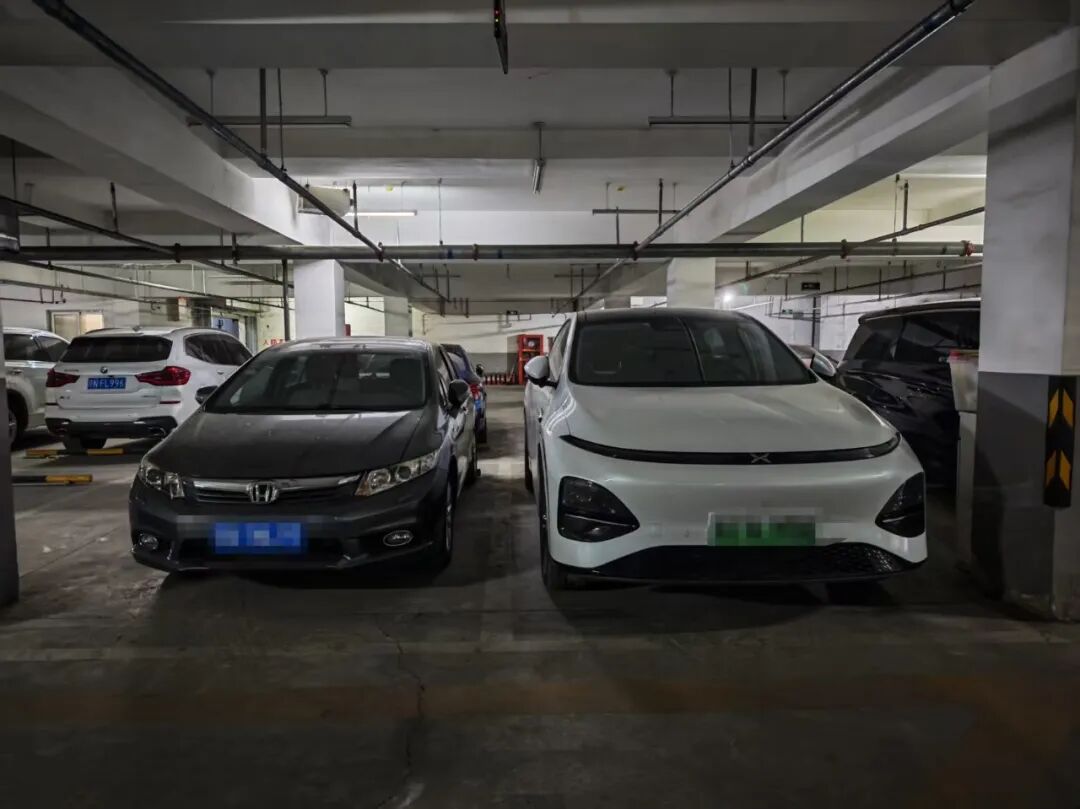
Residents of old alleys and districts feel this acutely: large vehicles struggle to navigate narrow lanes, let alone make U-turns or pass oncoming traffic.
"I once drove a friend’s MPV nearly 2 meters wide. Driving on county and rural roads was nerve-wracking, especially when meeting trucks," shared a driver with 20 years of experience. "I planned to buy a new Talagon, but its nearly 2-meter width made me reconsider."
Some netizens argue that body dimensions shouldn’t matter, as many new energy vehicles now offer automatic parking and remote maneuvering, allowing drivers to exit before the vehicle parks itself.
However, these features are limited to high-end models. Even if owners of such cars avoid inconvenience, neighboring drivers may still face issues.
More frustratingly, some developers deliberately shrink parking space sizes in residential and commercial parking lots to fit more spots. Owners who can afford the cars cannot park them, while developers dismiss complaints by citing national standards, leaving the conflict unresolved.
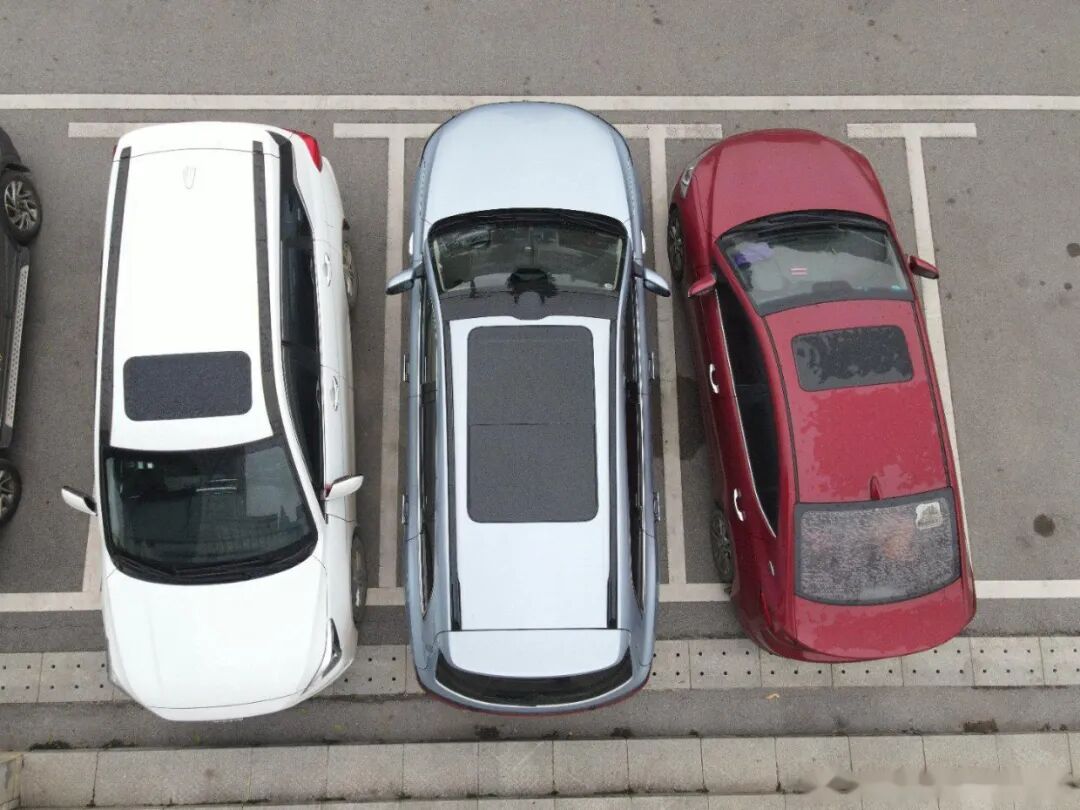
"Making cars larger increases risks," warned an industry expert in vehicle design and safety. Larger bodies create bigger blind spots and restricted visibility. Greater turning radii and longer braking distances raise accident risks on narrow urban roads and intersections.
From a public interest perspective, large vehicles occupy more road resources, worsening rush-hour congestion, especially in older districts. As larger vehicles proliferate, urban road networks and parking infrastructure cannot keep pace.
Some netizens argue that the extra length and width added to new models are rarely used in daily life, yet they increase purchasing and operating costs unnecessarily.
Despite shifting societal values that once promoted frugality, "new energy vehicles are growing larger and heavier, consuming more social resources and increasingly impacting public interests. The state should intervene to curb the trend of blindly enlarging vehicles," a senior industry figure told Bangning Studio. They suggested imposing a progressive special consumption tax on extra-large new vehicles, making buyers pay more.
In truth, ordinary users need not fall into the "larger car" trap.
On one hand, they should abandon the notion that "bigger is always better" and avoid being swayed by social status and peer pressure. On the other hand, they should rationally choose vehicles based on actual needs and usage.
For automakers, while expanding interior space is feasible, obsessing over size competition is unnecessary. Instead of blindly increasing volume, they should focus on crafting balanced models suitable for both commuting and leisure, which are easy to drive and park.

-
![]()
JD AI’s New Frontier: Shifting from Hardware Sales to Dominating the Next-Gen Gateway Market
-
AI Becomes Baidu's Primary Growth Engine, Changing the Revaluation Logic for Chinese Internet Stocks
-
Why Have Valuations of China’s Leading AI Model Firms Suddenly Topped $10 Billion?
-
![]()
When Sports Marketing Steps into the 'Cultural Resonance' Era, What Impact Does Vatti’s Partnership with the Spanish National Team Have on the Kitchen Appliance Industry?
-
![]()
Is Kling Losing Its Affection for Its 'Parent Company' Kuaishou?
-
![]()
Should Extra-Large New Energy Vehicles Go on a 'Diet'? A Proposal for a Special Consumption Tax
-
![]()
Outpacing JD.com, Tmall Youpin Ramps Up Offline Mega-Store Expansion This Year
-
![]()
Hundreds of Brands Struggle to Hit 10,000 Monthly Sales: Despite a Surge in Orders, Maintaining 10,000 Monthly Sales Remains Tough | MINGJINGpro