Scouring Provinces for Parts, Crawling Through Tailgates Without Internet! Do 'Stranded Cars' Face Different Destinies?
 05/20 2026
 370
370
Unwilling to drive, reluctant to sell.
As automotive firms cease comprehensive services, what options do owners of 'stranded cars' have?
Around 2010, in a quest for environmental sustainability, leading global automotive companies intensified their efforts in the new energy sector, striving to partially replace fossil fuels with electric or hydrogen power. The transformation spurred by new energy sources opened up a new frontier in the previously highly concentrated automotive industry, leading to a surge of new domestic and international car brands. Overseas, names like Fisker, VinFast, Rivian, and Lucid Motors emerged, while in China, NIO, Li Auto, XPeng, Neta, and WM Motor made their mark.
However, not every new energy brand can achieve sustainable profitability. The majority of these brands, both domestically and internationally, have been gradually phased out by the industry. Domestic brands such as Neta, WM Motor, Jiyue, and HiPhi have seen their automotive operations nearly grind to a halt, with only sporadic news of investment intentions or restructuring efforts trickling in.
Automotive companies that falter in the competitive arena undoubtedly grapple with their own set of challenges. Yet, the most innocent victims in this upheaval are the consumers. They have invested their hard-earned money to support their preferred products or car companies, only to be left with a stranded car.
Unwilling to drive, reluctant to sell
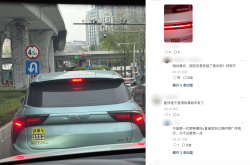
On the Xiaohongshu platform, a netizen shared a humorous incident while driving: a Neta V car sported a sticker on its rear that read, 'Rare car, no parts available, keep your distance.' This sticker epitomizes the optimism and helplessness of the Neta V owner. However, maintenance challenges are merely the tip of the iceberg. Some owners have lamented that due to the vehicle's loss of internet connectivity, they couldn't unlock it with their phones but discovered they could still control the tailgate, ultimately crawling in through the tailgate to reach the driver's seat.
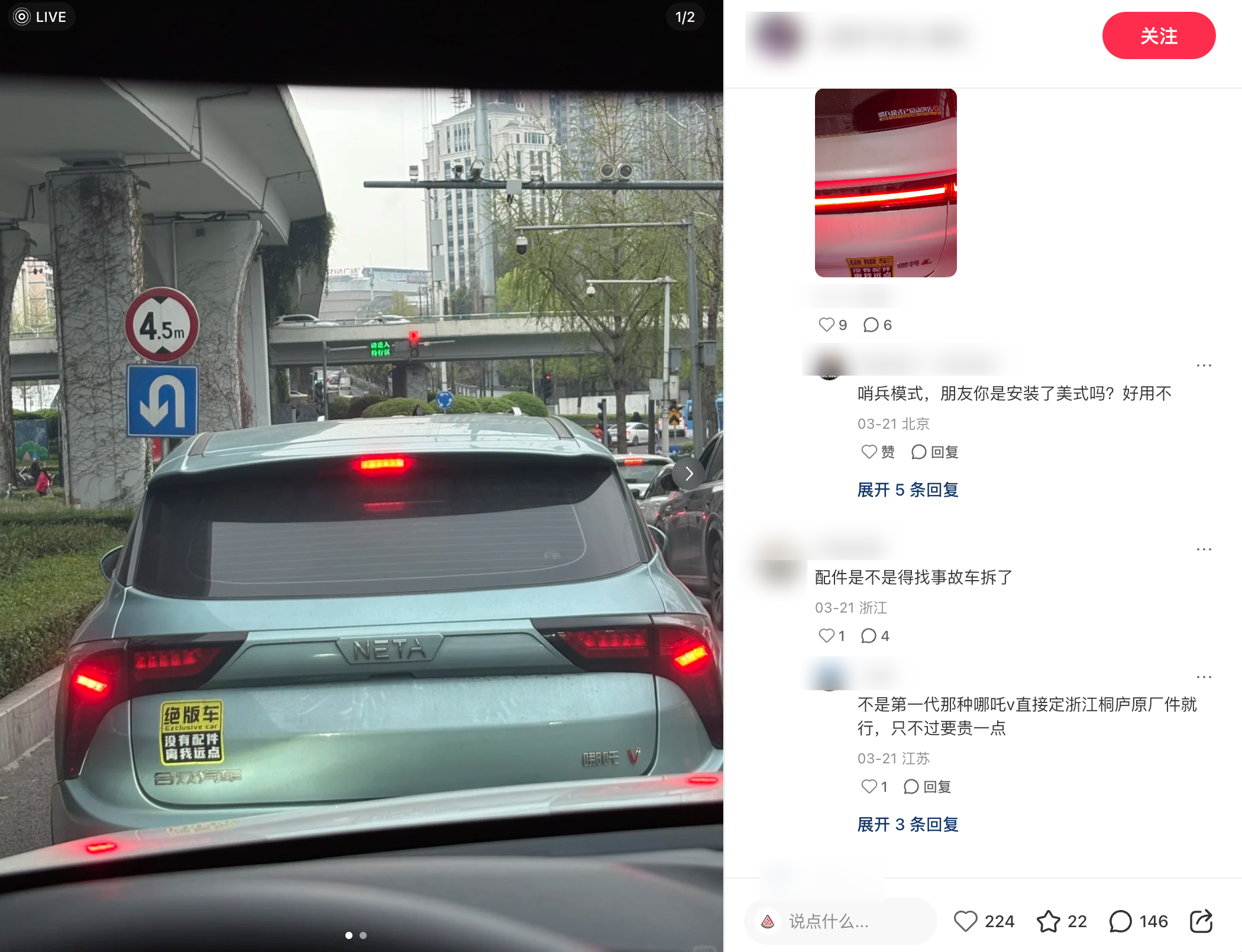
(Image source: Screenshot from Xiaohongshu)
These are the common predicaments faced by owners of stranded cars at this juncture, as the shutdown of car companies often leads to issues with various remote service functions. Fortunately, some stranded car companies still maintain their servers, allowing their apps to function normally, although remote control or in-car data services may require consumers to foot the bill themselves. OTA updates are generally out of reach, and if software bugs arise during app or vehicle use, the car companies are unable to provide updates or maintenance.
Regarding vehicle maintenance, regulations such as the 'Administrative Measures for Automobile Sales,' the 'Consumer Rights and Interests Protection Law of the People's Republic of China,' and the 'Enterprise Bankruptcy Law of the People's Republic of China' mandate that car companies must provide at least a decade of after-sales service guarantees for their vehicles.
Currently, car companies like WM Motor, HiPhi, and Neta can still offer after-sales services to their owners. However, due to factory closures, parts are sourced from inventory, third-party/aftermarket channels, or dismantled vehicles. These financially strapped car companies lack the resources to sustain a large number of after-sales service centers, leading to the closure of most service stations. Consumers in third- and fourth-tier cities may need to traverse cities or provinces for vehicle repairs.
Among the financially troubled new energy car companies, Jiyue owners are considered relatively fortunate because Jiyue is a subsidiary brand jointly established by Geely and Baidu, with Geely currently providing after-sales service and OTA updates. In November of the previous year, multiple Jiyue owners reported receiving OTA updates for their in-car systems. No wonder so many people distrust new energy brands and insist on purchasing products from established car companies. Even if the quality is slightly inferior, it's preferable to being left without support. New energy brands under established car companies like Geely have a fallback plan if issues arise.
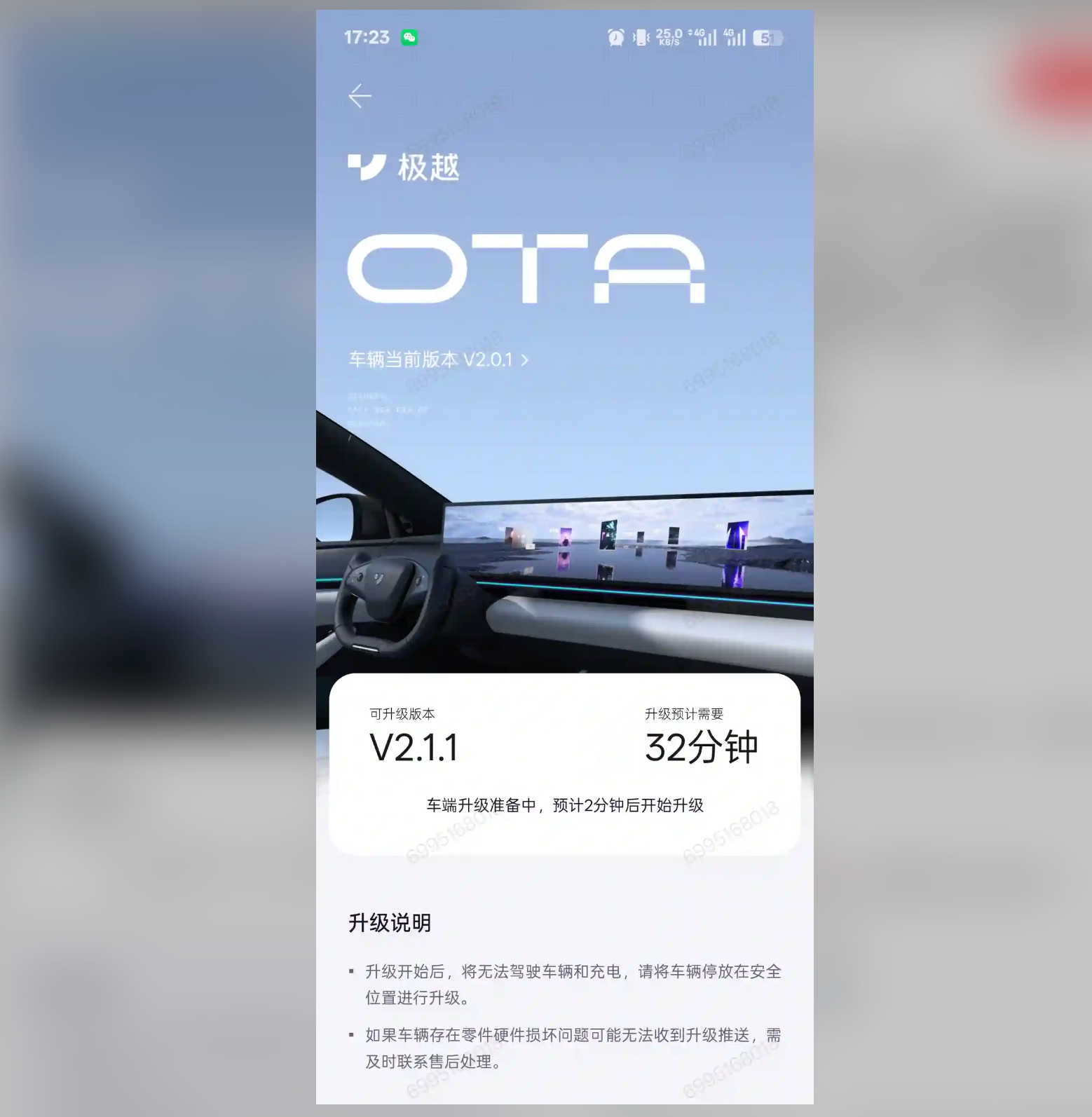
(Image source: Jiyue)
Most importantly, while ordinary new energy vehicles may be unpleasant to drive, they can still be sold to recoup some of the investment. However, due to issues with remote and after-sales services, the residual value of these stranded cars is significantly lower than that of ordinary new energy vehicles, resulting in minimal returns when sold. Some netizens have complained that a certain model of Neta car they purchased was only offered at 20,000 yuan by second-hand car dealers, making the sale a substantial financial loss.
The twin issues of service disruptions and low residual values leave owners of stranded cars unwilling to drive and reluctant to sell. When Dianchetong (ID: dianchetong233) observed the low residual values of stranded cars, they considered purchasing one at a bargain price for daily use. However, buying a second-hand stranded car requires more than just caution.
Second-hand stranded cars are fraught with pitfalls—I advise you to steer clear
The 2024 Neta S, originally priced at 159,800 yuan, is now selling for around 80,000 yuan on professional second-hand car platforms like Dongchedi and Che168. The 2023 HiPhi Z, with an official guide price starting at 510,000 yuan, is now available for between 200,000 and 270,000 yuan on Dongchedi and Che168.
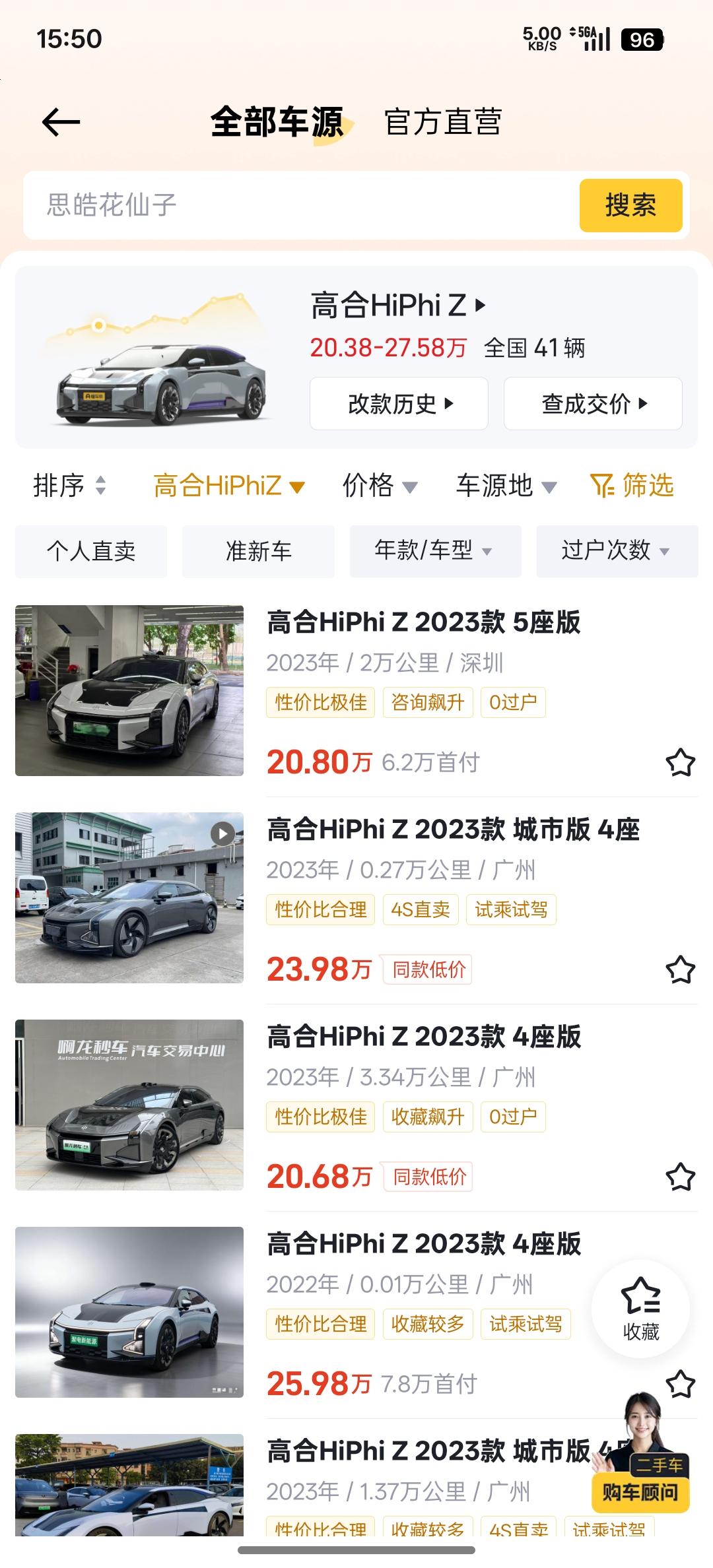
(Image source: Screenshot from a second-hand car platform)
According to the '2026 April China Automobile Residual Value Research Report' jointly released by the China Automobile Dealers Association and Jingzhen Gu, the three-year residual value of domestic new energy vehicles is mostly concentrated around 50%. The residual values of these second-hand stranded cars are indeed significantly lower than those of normal second-hand new energy vehicles. On the surface, buying one for daily use may seem like a good deal, but these second-hand cars come with substantial hidden costs.
The biggest issue with second-hand stranded cars remains maintenance difficulties. If certain critical parts fail, owners may be unable to complete repairs for an extended period. Once the warranty for the battery, motor, and electronics (BME) expires and maintenance becomes a challenge, the vehicle's failure rate is likely to increase, and commercial insurance premiums may also rise, resulting in higher overall ownership costs compared to ordinary second-hand new energy vehicles. When it comes time to sell the car to recoup some of the investment, owners will again face difficulties in finding buyers.
The ideal buyers for second-hand stranded cars are either affluent enough to purchase two cars—one for driving and one for dismantling for parts—or consumers with extremely tight budgets who are content with a functional mode of transportation and do not pursue quality or experience, and have certain psychological expectations. They consider it a bonus if the car can be driven for another day after purchase.
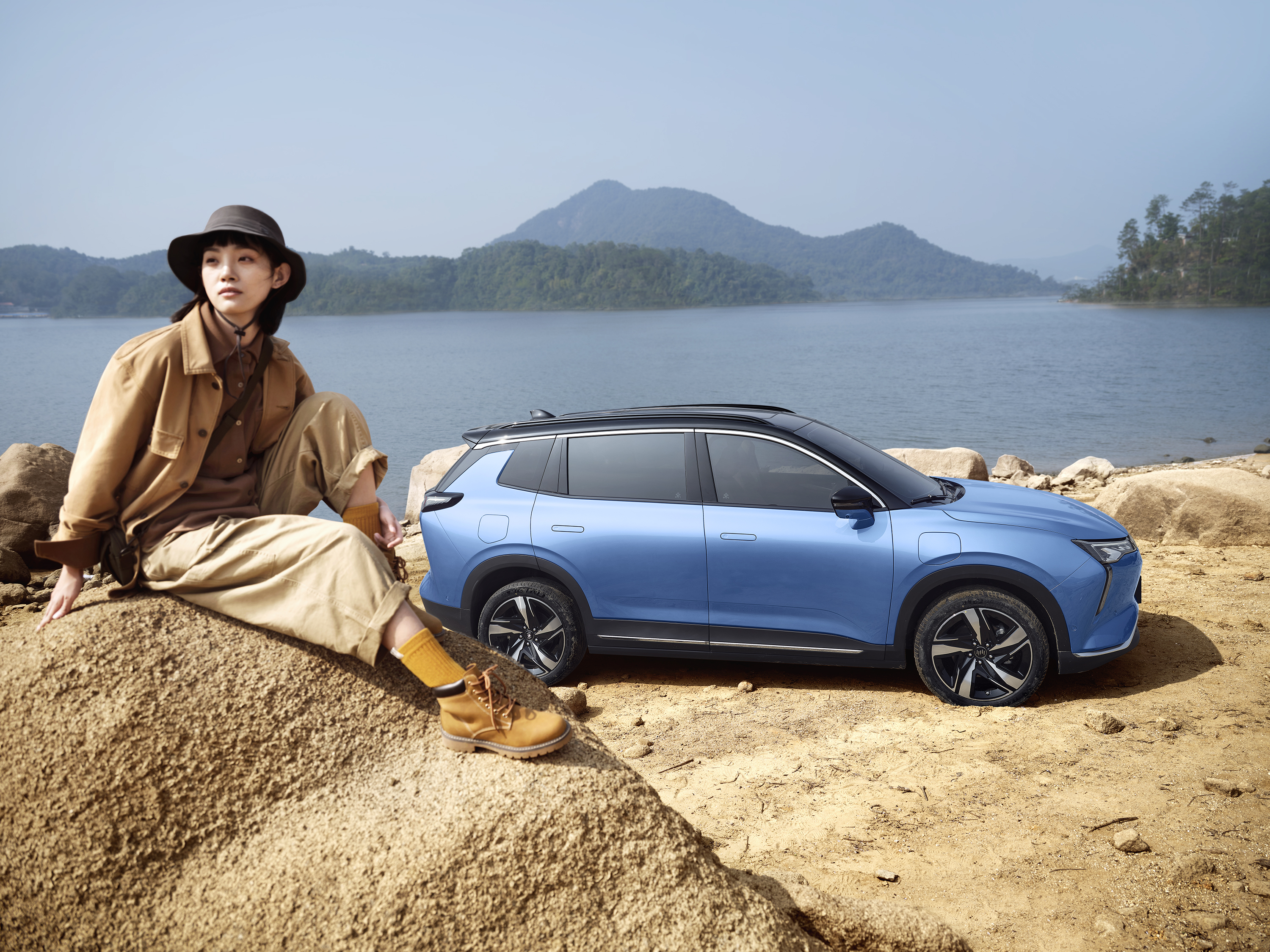
(Image source: WM Motor)
Second-hand cars from shuttered car companies like Neta and HiPhi are essentially 'relics' from the exploration phase of the new energy vehicle industry. The market chaos and potential risks far exceed the apparent price differences. The so-called 'cost-effectiveness' is essentially exchanging long-term ownership risks for short-term low-price convenience, which is not a rational consumer choice.
The core contradiction in the current second-hand stranded car market lies in the severe disconnect between 'perceived value' and 'actual value.' The low-price purchase behavior of second-hand car dealers is not due to the depreciation of the vehicle models themselves but rather a preemptive avoidance of the risks associated with post-shutdown service disruptions and parts supply shortages from car companies. They recoup costs at extremely low prices and then rely on consumers' psychological expectations of 'low-priced high-end cars' to inflate selling prices and earn profits.
This pricing logic is detached from the actual usage value of the vehicles. While consumers may seem to acquire high-end models or daily transportation tools at prices far below those of new cars, they are passively inheriting all the residual risks after the car company's bankruptcy. These risks often require substantial later-stage repair and insurance costs.
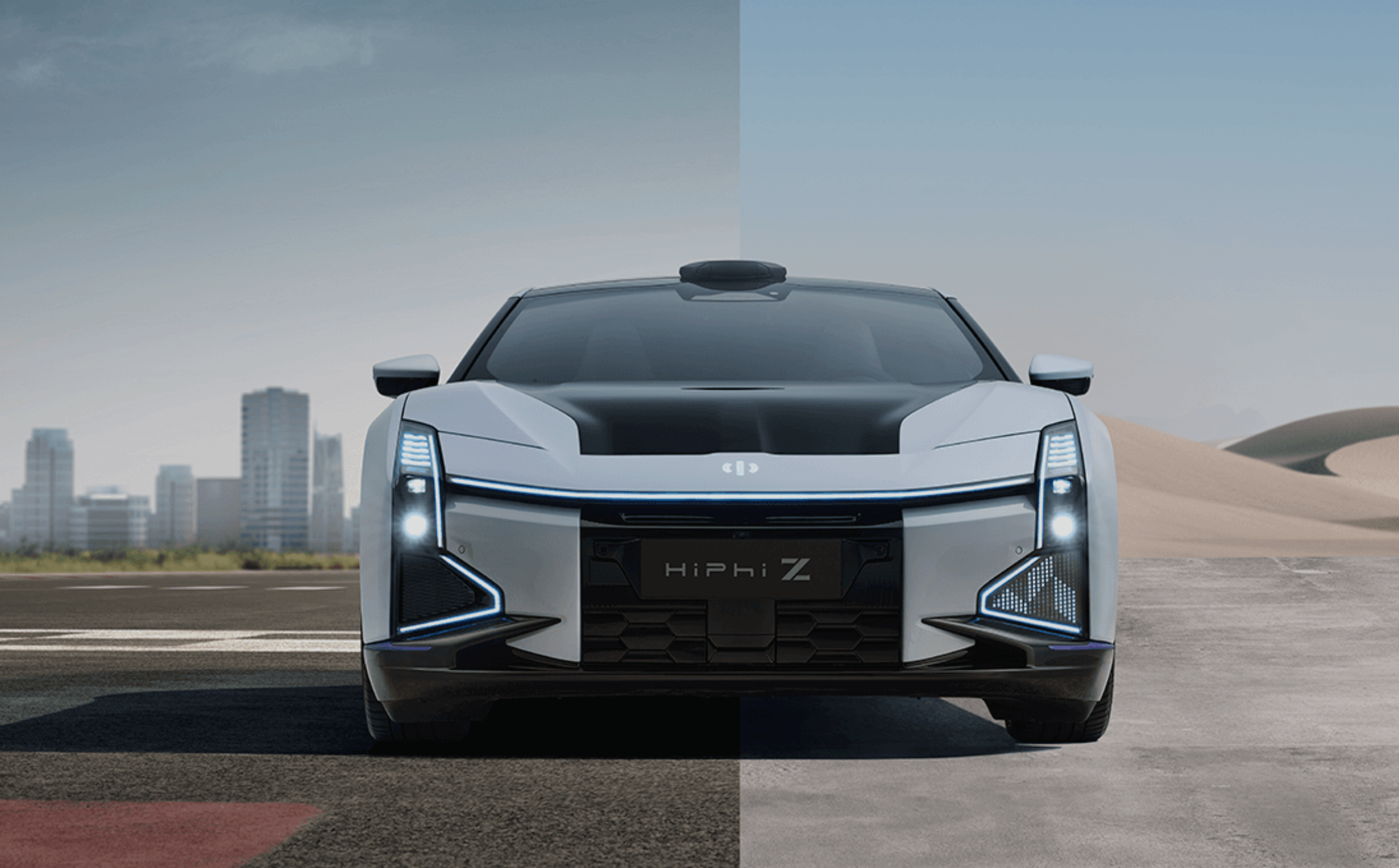
(Image source: HiPhi)
Dianchetong (ID: dianchetong233) believes that the audience for second-hand stranded cars is essentially a result of a two-way screening based on risk tolerance and demand matching, rather than simply budget constraints.
The group described as 'affluent enough to buy two cars—one for driving and one for dismantling' is essentially using their financial resources to hedge against risks, treating stranded cars as 'collectible toys' rather than essential daily transportation tools. The group with extremely tight budgets who only seek 'something that can be driven' is making an extreme trade-off between low prices and peace of mind. They must accept the reality of 'no in-car system updates, random maintenance, and inability to resell' and even be prepared for the possibility of 'unsuccessful rights protection and accepting their losses.'
Ordinary consumers, even with limited budgets, should not choose these types of vehicles because the core demand for essential daily transportation is stability and peace of mind. The uncertainty of risks associated with second-hand stranded cars can completely disrupt daily transportation routines and even incur additional time and economic costs.
Stranded cars are just an industry growing pain, but consumers need protection
Stranded cars are an inevitable phase of pain as the new energy vehicle industry grows from nothing to something and from something to strength. This is not unique to China; in recent years, several new energy brands overseas have also gone bankrupt. After Fisker's bankruptcy, its remote services and internet connectivity services were completely discontinued, forcing owners to band together and establish an independent software maintenance and operation ecosystem for Fisker owners by reverse-engineering the vehicle's proprietary software and building open-source tools on the GitHub platform.
In the domestic market, due to relevant laws and regulations, car companies do not completely stop services after shutting down production. Some remote control and internet services are still available, albeit with reduced functionality. However, these financially troubled car companies are unlikely to maintain services for up to ten years as required by regulations.
(Image source: Jiyue)
Therefore, domestic consumers who have purchased stranded cars need an institution that can provide long-term and stable remote control, internet services, and after-sales guarantees to ensure their driving experience. From the consumers' perspective, Dianchetong (ID: dianchetong233) is willing to pay a certain cost in exchange for peace of mind during travel.
The stranded cars born during the shuffling phase of the new energy vehicle industry have left many owners trapped in a dilemma of 'unwilling to drive, reluctant to sell.' Owners must not only face practical issues such as incomplete in-car functions, maintenance difficulties, and cross-regional maintenance but also bear economic losses from plummeting residual values and the inability to resell their vehicles.
The chaotic pricing of second-hand stranded cars is essentially a distorted pricing phenomenon resulting from risk transfer. While they may seem like low-priced bargains, they actually hide substantial hidden costs. Industry growing pains are inevitable, but it is even more crucial to improve safeguard mechanisms and clarify after-sales service providers so that owners do not have to bear the consequences of car companies' business failures.
Besides this, consumers can only hope that financially troubled car companies make a comeback. In recent years, car companies like Neta, WM Motor, and HiPhi have frequently reported news of resuming production, and although they have repeatedly disappointed their owners, it proves that these car companies have not given up on self-rescue. Perhaps one day, owners of stranded cars may truly witness one or two financially troubled car companies resume production and operations, allowing them to once again enjoy official connected services and after-sales support.
Cover image source: HiPhi
HiPhi, Jiyue, WM Motor, Neta, new energy vehicles
Source: Leikeji
Images in this article are from the 123RF Authentic Library
-
![]()
Rumors Abound: Is Kuaishou’s Kling AI Spin-Off on the Horizon, Threatening Baidu’s $20 Billion Valuation?
-
![]()
Selling 110,000 Vehicles Yet Suffering a 390 Million Yuan Loss: Is Leapmotor's Goal of Earning 5 Billion Yuan in Annual Profit at Risk?
-
![]()
"Magic" Smartphones: Apple, Xiaomi, and Huawei's Mid-to-High-End Models Defy Market Trends with Price Cuts, While OPPO, Vivo, and Honor Raise Prices
-
![]()
Scouring Provinces for Parts, Crawling Through Tailgates Without Internet! Do 'Stranded Cars' Face Different Destinies?
-
![]()
In the AI Era, Is Tencent Ready to Invest More?
-
![]()
Chip Market Booms as AI Hardware Goes Mainstream
-
![]()
【Jialichuang】Participates in the 'OFweek 2026 China Intelligent Manufacturing Industry Annual Awards'
-
![]()
Car Companies Unite in 'Humanoid Creation': The Embodied AI Revolution Transforming the Automotive Industry