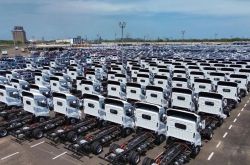
Honda’s Crisis: Three Missteps and Mibe’s Close Call
 06/11 2026
 554
554
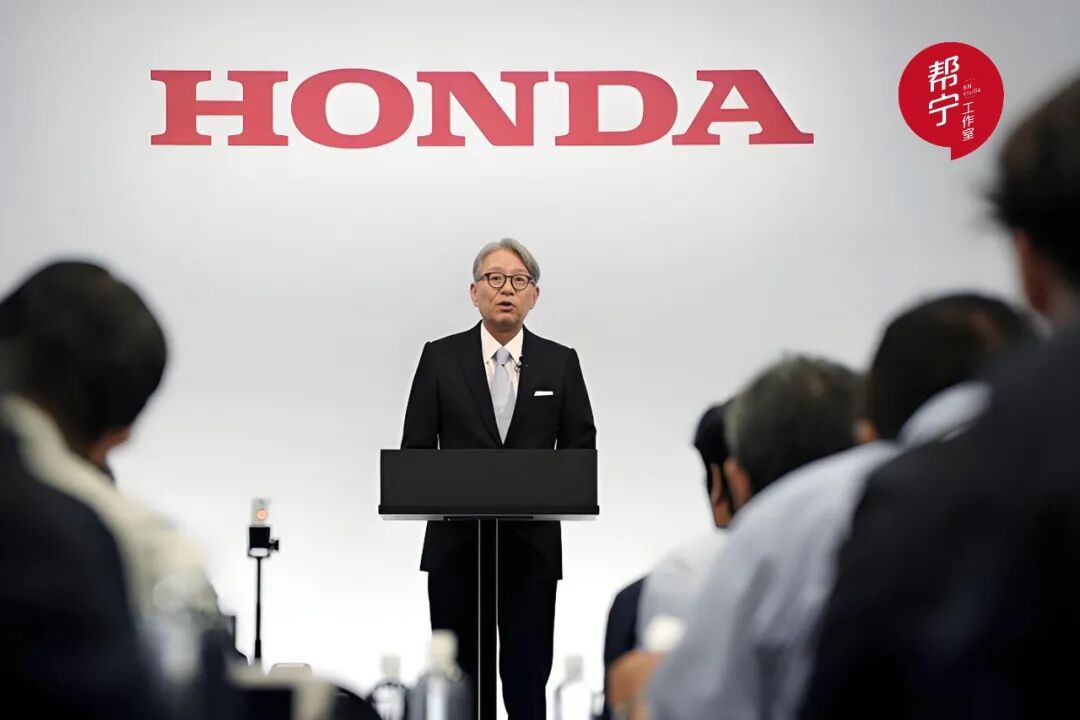
“Neglecting China, Failed EV Bets, Golf Sponsorships”
Compiled by Yang Yuke | Edited by Li Guozheng | Produced by Bangning Studio (gbngzs)
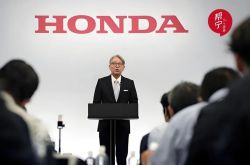
Every unhappy family has its own unique troubles. Late last year, several retired Honda executives met in private to discuss the challenges facing the Japanese automaker. They believed that CEO Toshihiro Mibe was at the heart of the problem.
After months of text exchanges, meetings, and dinners—sometimes with current executives joining in—these former leaders accused Mibe of three major missteps:
First, he neglected China, the world’s largest auto market. Second, he made a risky and ultimately “failed” bet on electric vehicles (EVs), resulting in Honda’s first annual loss in 70 years. Third, he focused more on Honda’s golf sponsorships than on the company’s core business operations.
Through a written summary of the former executives’ discussions and interviews with two participants, Reuters has partially reconstructed the stories of leadership missteps and internal turmoil at Honda earlier this year.
By April, these “traditionalists” had reached their breaking point. Three people familiar with the matter told Reuters that former CEO Nobuhiko Kawamoto, who had participated in earlier private talks, personally visited Honda’s Tokyo headquarters to demand Mibe’s resignation.
But Mibe refused to step down. To this day, he remains CEO.
Honda’s crisis reflects broader challenges facing traditional automakers worldwide, though Japan’s industry has been particularly hard-hit.
Japanese automakers rely heavily on the U.S. market, where profits are now being squeezed by Donald Trump’s tariffs and reduced EV subsidies. Meanwhile, Japanese consumers show little interest in EVs, which account for only a small portion of the domestic market.
Honda and other Japanese companies face a difficult balancing act: protecting their traditional businesses while developing EVs to compete in other markets.
Chinese companies have dominated the EV industry with affordable, software-equipped vehicles developed in a fraction of the time it takes Japanese firms. Japanese companies, on the other hand, have spent decades refining manufacturing systems focused on reliability.
▍01 Failed Intervention by “Traditionalists”
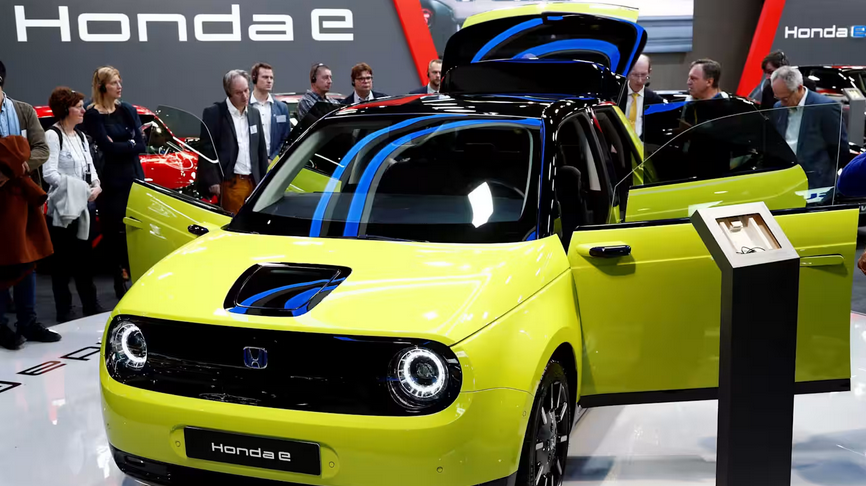
Last month, Honda abandoned Mibe’s pledge to achieve full electrification by 2040 and wrote down about $9 billion in EV-related costs after canceling three EV models under development. Total losses could reach $12 billion.
This follows similar moves by competitors Ford, General Motors, and Nissan, which have also canceled new EV models and assembly line plans, writing down over $25 billion collectively.
Based on summaries of former executives’ private discussions, Reuters interviewed a dozen current and former executives and major suppliers, revealing how Mibe survived with board support despite losing backing from influential former leaders.
Honda stated in response to Reuters’ questions that it was unaware of private discussions among former executives. The company is working with suppliers to improve auto operations through cost controls and resource reallocation while deploying features like advanced driver-assistance software.
Honda added that sports sponsorships, such as golf, aim to enhance brand image and fulfill corporate social responsibility, and are appropriate and reasonable.
Mibe, who became CEO in 2021, will voluntarily reduce his salary by 30% for three months to take responsibility for the annual loss.
Kawamoto (former CEO) confirmed to Reuters that he met with Mibe but declined further comment. Kawamoto remains highly influential at Honda, having previously intervened in crises to force a successor’s resignation.
Honda reaches a critical juncture just a year after a potential merger with Nissan failed.
As the world’s largest engine manufacturer, powering products from snowblowers to jets, Honda’s legendary engineering “legacy” may no longer suffice.
“I don’t know their way out,” said Jeffrey Rothfeder, author of Driving Honda. “But one thing’s certain: it’s too late for a short-term turnaround.”
Honda has long retained the imprint of its late founder, Soichiro Honda—an ironworker’s son who was fiercely independent, hot-tempered, and engine-obsessed.
The company developed two of the world’s best-selling cars—the Civic and Accord—and the most popular motorcycle ever—the Super Cub.
Yet Honda’s “traditionalists” worry that the “Oyaji” (old man)’s values are being abandoned by Mibe.
For years, a key to Honda’s success was its focus on the “gemba”—the “actual place” where work is done: sales floors, factory shops, and roads where products are driven. For managers, ignoring this was considered an unforgivable sin.
“This CEO doesn’t visit factories, listen to customers, or go to gemba,” former executives wrote in their summary. “Senior management, including the CEO, doesn’t visit gemba. The Chinese market is the clearest example.”
A source said that while pandemic-related travel restrictions limited Mibe’s trips to China during part of his tenure, he rarely visited China or attended auto shows in Beijing or Shanghai in over five years as CEO—events frequently attended by rivals’ leaders.
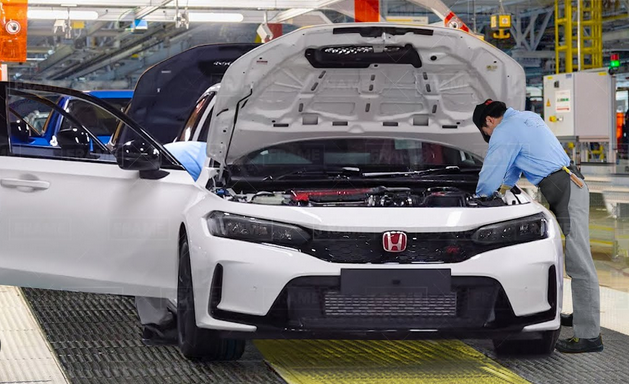
▍02 Declining Development Capabilities, But Costs Remain High
During Mibe’s tenure, Honda’s Chinese market share plummeted from 8% in 2020 to less than 3% last year.
Honda said it strives to improve competitiveness in China’s evolving market, with gemba focus remaining central. However, it declined to specify how often Mibe visits China, stating only that visits are necessary when needed.
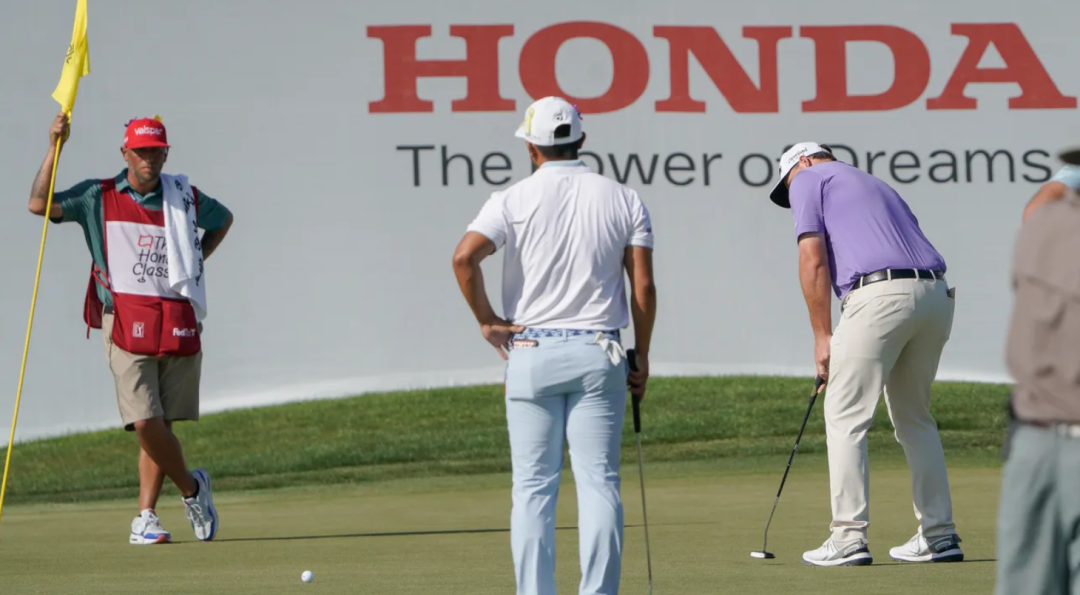
These former executives believe Mibe focuses too much on Honda’s golf sponsorships, including supporting professional golf twins Akie and Chisato Iwai’s tours.
Moreover, Mibe’s communication attempts haven’t always helped. For example, executives revealed that his defense of the “EV-first” strategy sometimes came across as clueless, hurting morale.
To some extent, this stubbornness reflects Honda’s problems.
“Honda always wants to do everything itself,” said Koji Endo, chief analyst at SBI Securities. “This time, nothing went right in the end.”
People familiar with the matter said Mibe rejected a Japanese bank’s proposal this year to spin off Honda’s EV business. External investment could have eased the struggling operation’s burden, but the CEO insisted Honda would fix its EV business alone.
Mibe told Reuters last month he considered the move but “we’ve currently stopped that line of thinking.”
Honda’s “maverick” approach is also evident in China.
While Toyota and Nissan have worked more closely with partners to develop EVs tailored to local consumers, Honda only said this year it would take similar steps.
One source said that by April, before Kawamoto met Mibe, Honda’s board nomination committee had already decided Mibe could stay.
Like many Japanese companies, Honda recently formed a board committee with more external directors as regulators push for improved governance.
Another person familiar with Honda said this reduced Kawamoto’s influence.
Honda’s nomination committee comprises Mibe and four external directors, though Mibe will step down later this month.
Asked if Mibe participated in committee discussions about his future, Honda did not respond, saying only that executive appointments were appropriate.
The committee chair did not respond to requests for comment.
Mibe has since outlined a plan to revive Honda’s auto business, including cutting costs for new hybrid systems by 30%.
But two executives at Japanese Honda suppliers told Reuters that Honda had not consulted them on possible cost savings.
People familiar with the matter said Honda’s auto division performance had hit bottom. Internal tensions deepened as motorcycle division employees felt they were subsidizing the auto business, which posted a record $4.6 billion profit last year.
In February, Mibe reassigned Honda’s auto development engineers to an R&D subsidiary, perhaps helping revive the automaker’s famed culture of innovation.
But Rothfeder (Driving Honda author) said this undid personnel reforms before Mibe’s tenure, reversing engineers’ decades-long independence. “They lost thousands of key R&D staff unwilling to work with marketing.”
The private discussion summary showed some former executives worried that engineers had developed bad habits, such as outsourcing component design to suppliers, making cost control harder.
“Honda’s ability to develop cars has declined, but costs haven’t,” said Endo (SBI Securities analyst).
(This article partially integrates reports from Automotive News and Reuters, with some images sourced online.)
-
![]()
MiniMax Price Adjustment Sparks Public Outcry: Is the $300 Billion Market Cap Myth at Risk?
-
![]()
Honda’s Crisis: Three Missteps and Mibe’s Close Call
-
![]()
Why Do All Cars Look Alike These Days?
-
Don't Just Focus on Financing Amounts—Look at the 'Order Truth' Behind the Commercialization of Embodied AI
-
![]()
Are Traditional Fuel Cars Really Losing Their Market?
-
![]()
Comprehensive PPT Guide to Understanding CAAM Production and Sales Data: Auto Production and Sales Declines Narrow Again in May; New Energy Vehicle Market Share and Auto Exports Reach New Monthly High
-
![]()
Chinese Cars Seize Overseas Markets: The Advent of a Winner-Takes-All Era
-
![]()
Will WeChat Start Charging Fees?