Re-imported Cars Dilemma Unveils the Fallacy of Japanese 'Craftsmanship Spirit'
 06/22 2026
 528
528
Discriminatory practices have ultimately tarnished the reputation of Japanese manufacturing, turning it into a subject of ridicule.
On June 21, Australian automotive media outlet Drive reported that Toyota and Nissan had cautioned local consumers about potential quality disparities in certain imported models manufactured in American factories, which may not adhere to the stringent quality standards of their Japanese-made counterparts.
Specifically, dealerships for both automakers have taken the initiative to inform potential buyers before contract signing that these imported models may suffer from paint defects, inconsistent panel gaps, and missing functional features due to their production origins.
Nissan's statement was even more direct, acknowledging that "the assembly processes in overseas markets fall short of Japan's domestic quality benchmarks."
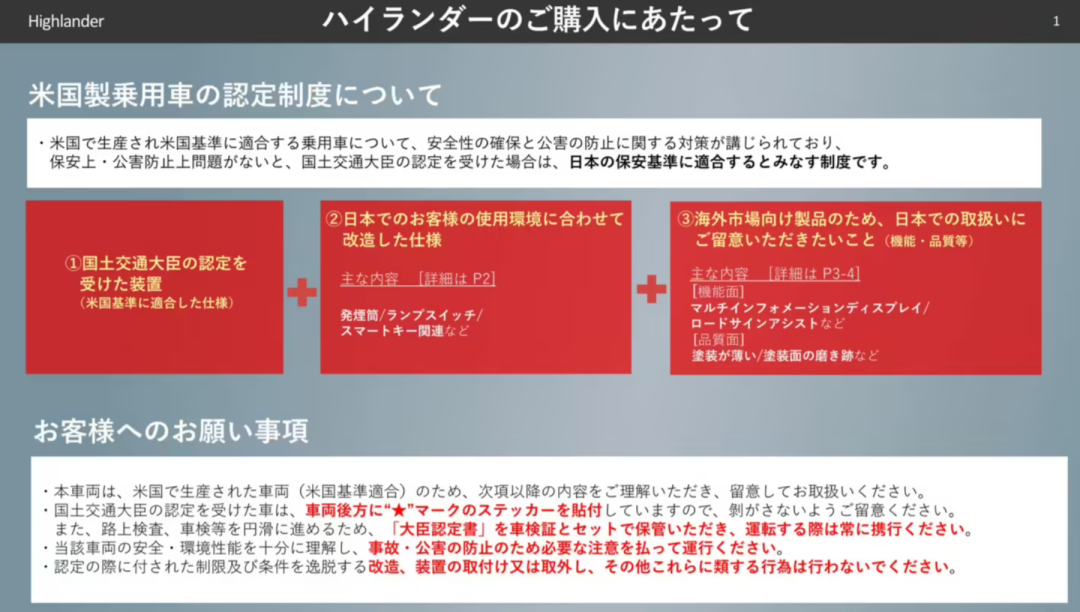
The revelation of this incident not only drew attention in the U.S. market but also ridiculed the much-hyped 'craftsmanship spirit' of Japanese automakers, exposing the discriminatory market practices concealed behind the facade of Japanese precision manufacturing.
This discriminatory treatment came to light as Japanese automakers, after a hiatus of over two decades, resumed reverse importing cars from overseas markets, thereby unveiling this long-hidden issue.
The Inevitable Re-importation Dilemma
The emergence of this issue was entirely a crisis triggered by the re-importation policy, or one could argue that Japanese automakers, after years of complacency, had overlooked their own implicit policy of market discrimination.
Since the 1990s, Japanese automakers have enjoyed stable growth in the North American market, particularly in the United States, eliminating the need for the Japanese market to adjust production capacity for over two decades.
However, upon Donald Trump's return to the White House in 2025, he swiftly made tariffs a central tool in trade negotiations, imposing an additional 25% tariff on Japanese automobiles. This policy swiftly impacted Japan's automotive exports to the United States. From April to June 2025, Japan's automotive exports to the U.S. declined year-on-year for three consecutive months, with a significant 26.7% drop in June. Taking the Kyushu region as an example, automotive exports to the U.S. plummeted by 67.8% year-on-year, with the export value declining by 76.3%.

Faced with this formidable challenge, the Japanese government reached a trade agreement with the United States on July 22, 2025, agreeing to reduce automotive tariffs from 27.5% to 15%. However, in exchange, Japan committed to investing $550 billion in the United States and liberalizing access to its agricultural market, including rice.
Notably, the agreement included a pivotal clause: Japan would permit American-made vehicles to be sold in Japan 'without additional testing,' effectively facilitating the re-importation of American-made cars by Japanese automakers and directly precipitating the current issue.
Toyota President Akio Toyoda promptly responded, announcing during trade negotiations that Toyota would introduce American-made models in Japan, including the Camry sedan, Highlander SUV, and Tundra pickup truck.
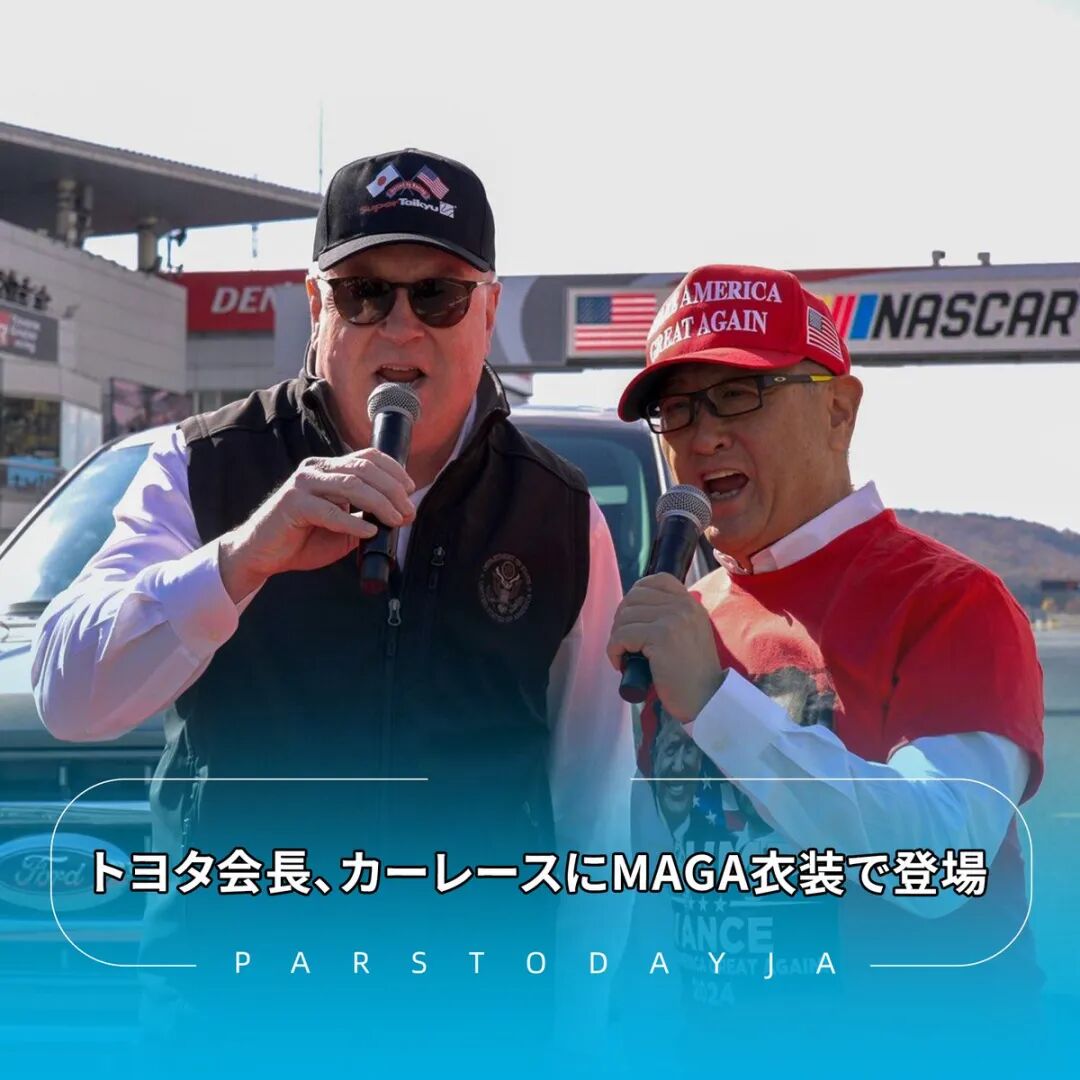
Toyota stated in its announcement that "by introducing these three American-spec models in the Japanese market, we aim to cater to the diverse needs of Japanese consumers while also fostering improved Japan-U.S. trade relations."
As for Nissan, confronting the dual challenges of tariff policies, trade frictions, and its own operational issues, it adopted a more assertive stance.
Nissan planned to reduce its global production capacity from 5 million to 4 million vehicles and restructure its global factories from 17 to 10. Concurrently, it aimed to streamline its global model lineup from 56 to 45, phasing out inefficient models.
In its capacity adjustments, Nissan placed particular emphasis on enhancing the efficiency of its American factories, targeting an increase in factory utilization from 70% in FY2024 to 85% in FY2026.
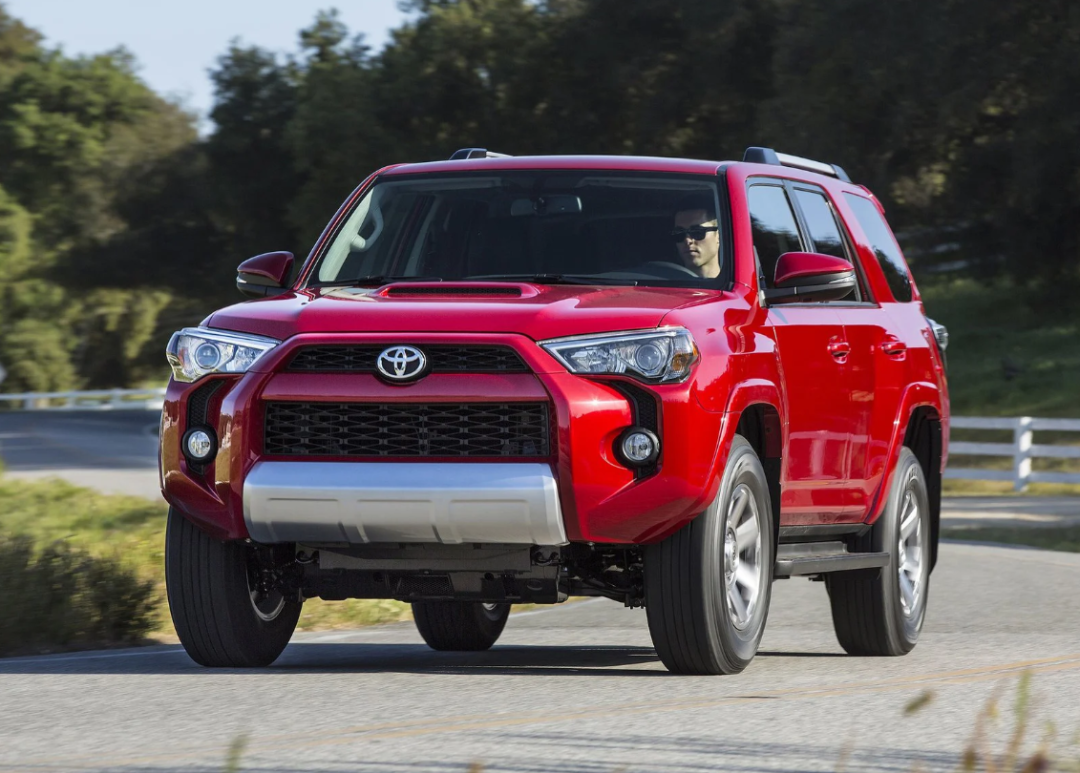
However, the reality is that under economic pressure, the U.S. market is projected to sell 15 million vehicles in 2026, a slight year-on-year decline.
Sales data indicates that Toyota has experienced a decline in the U.S. market this year, with a 0.1% year-on-year drop in the first quarter and a 4.6% decline in April.
Nissan's situation is even more dire, with a 7.5% year-on-year decline in the U.S. market in the first quarter and a 2.4% drop in cumulative sales in the Japanese market over the first four months. To sustain production capacity at its American factories, Nissan can only resort to exporting to the Japanese domestic and Middle Eastern markets.
The Bitter Consequences of Re-importation
Under the influence of political factors, re-importation eventually commenced. However, due to structural and emissions disparities between American-spec and Japanese-spec vehicles, Japanese automakers had to undertake significant adjustments to their production lines for re-importation.
Driven by tariffs, from the initial agreement reached in July of the previous year to Toyota's launch of sales in Tokyo showrooms in April of the current year, it took merely nine months to align the powertrain systems.
However, in their haste, Japanese automakers appeared to have overlooked internal manufacturing details, hastily pushing for the re-importation of products from American factories to Japan with minimal modifications.
When terminal sales outlets received the new vehicles, they observed substantial quality differences between these American-made cars and their domestically produced Japanese counterparts. Perhaps after two decades, Toyota and Nissan's executives had forgotten their internal implicit policies.
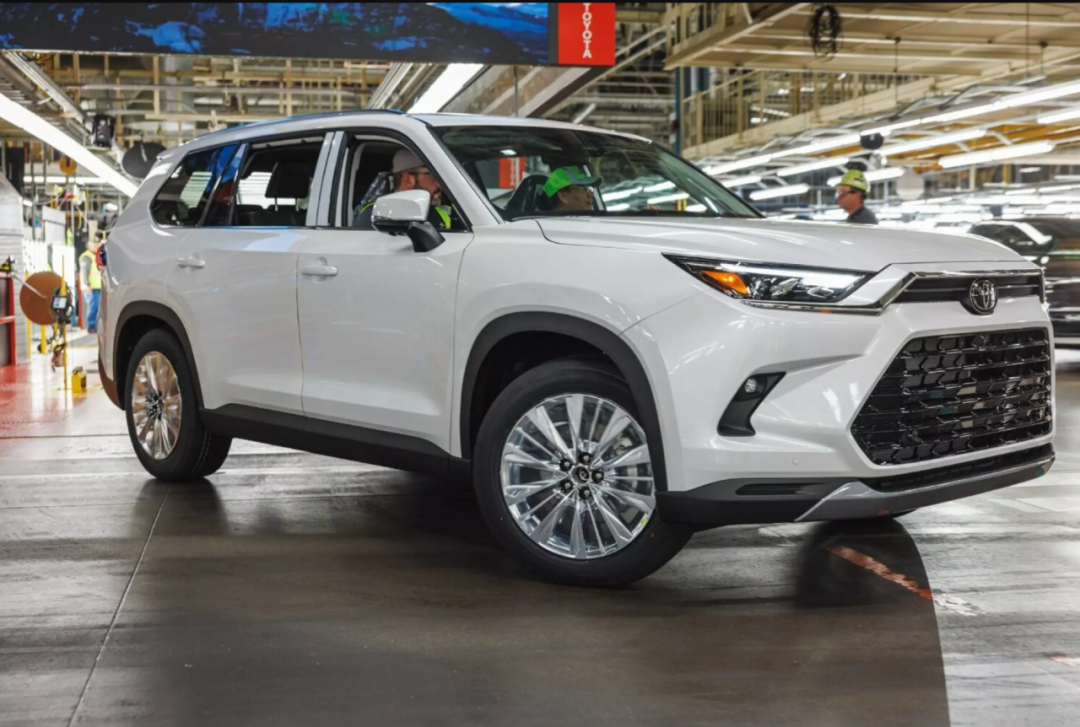
In particular, the favorable clauses in the trade agreement allowed these imported models to be launched directly without undergoing Japan's unique additional certification tests, leading Toyota and Nissan to ultimately only disclose these manufacturing issues in the form of pre-sale notifications.
Meanwhile, the 'reconciliation' of American-spec and Japanese-spec vehicles also exposed the darker side of Japanese manufacturing and deficiencies in software capabilities among Japanese automakers.
Foremost among these issues is the most critical 'double standard' in manufacturing quality, particularly evident in paintwork and installation tolerance thresholds.
Both Toyota and Nissan cautioned users that American-spec vehicles might exhibit paint film thinness, color discrepancies, polishing marks, dents, and even blistering. Nissan also alerted users that the Murano model might have installation issues such as residual sealant, cover joint steps, or panel height differences.
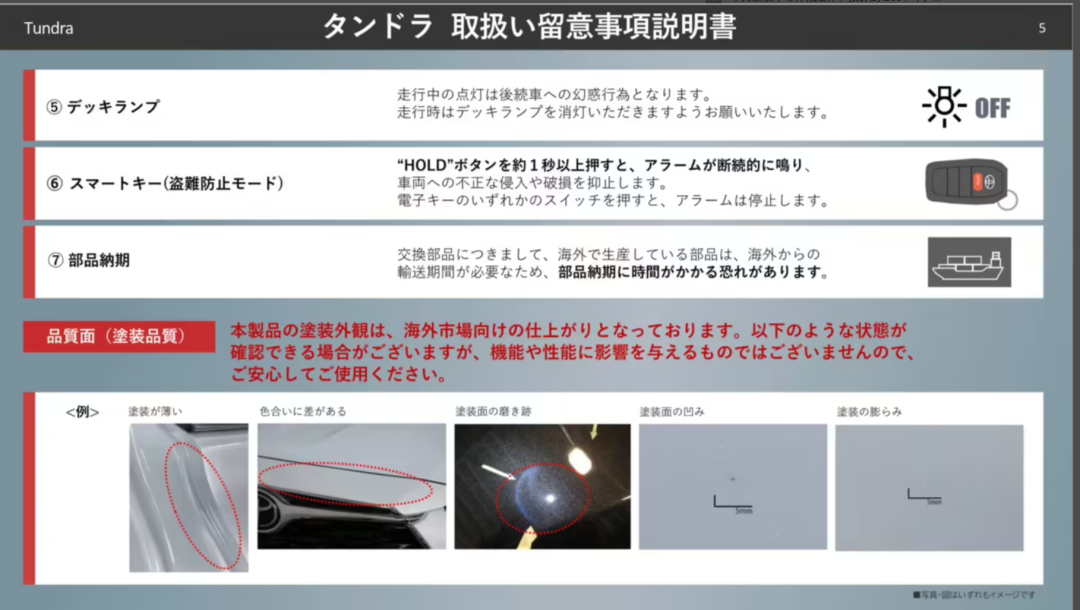
In addition to manufacturing and installation issues, these imported vehicles also faced various problems with localized functions. Firstly, the systems only supported English, with some models lacking Japanese menus. Functionally, there were also issues such as the inability to use road sign recognition systems and connected car systems, as well as a lack of support for local AM/FM radios.
Although officials emphasized that these issues did not affect driving functionality and performance, in the eyes of Japanese consumers who had long placed their trust in Japanese precision manufacturing and 'craftsmanship spirit,' these flawed vehicles symbolized the decline of Japanese manufacturing.
However, Japanese automakers found it challenging to alter the status quo, as re-importation was already a fait accompli. To placate domestic consumers' dissatisfaction, Nissan opted to reduce the prices of imported models by 8%, using price incentives to coerce consumers into accepting flawed vehicles.
Behind this situation lies the strategic shift of Japanese automakers to prioritize the U.S. market. Previously, higher manufacturing standards in Japan compared to other markets were intended to embody Japanese manufacturing and 'craftsmanship spirit,' reflecting a domestic market-first strategy.
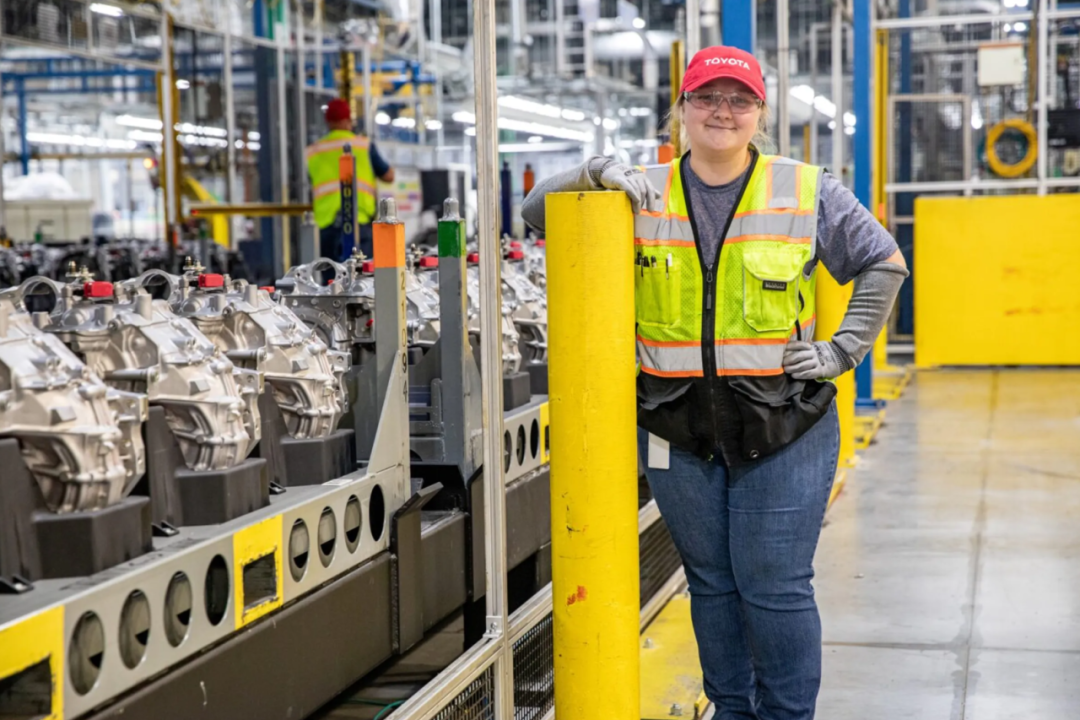
Now, under pressure from tariff policies and other factors, Japanese automakers have had to adopt a U.S. market-first strategy. Despite sluggish sales growth in the United States, they continue to ramp up investments and boost production capacity. According to the agreement, Toyota will invest $10 billion in the United States to enhance production capacity, including building a new factory in Texas and renovating existing facilities. Currently, it appears that this expanded capacity will ultimately have to be shipped back to Japan for absorption.
Simultaneously, somewhat ironically, due to capacity transfers, some aging production lines at Toyota's Japanese factories have begun implementing 'temporary shutdowns,' forced to 'go hungry.'
Currently, the quality issues of automobiles have not yet ignited greater public outrage, primarily because the import plans have only just commenced, with only Toyota and Nissan taking action. According to the plans of other Japanese automakers, almost all Japanese automakers will implement re-importation plans, including Honda and Subaru.
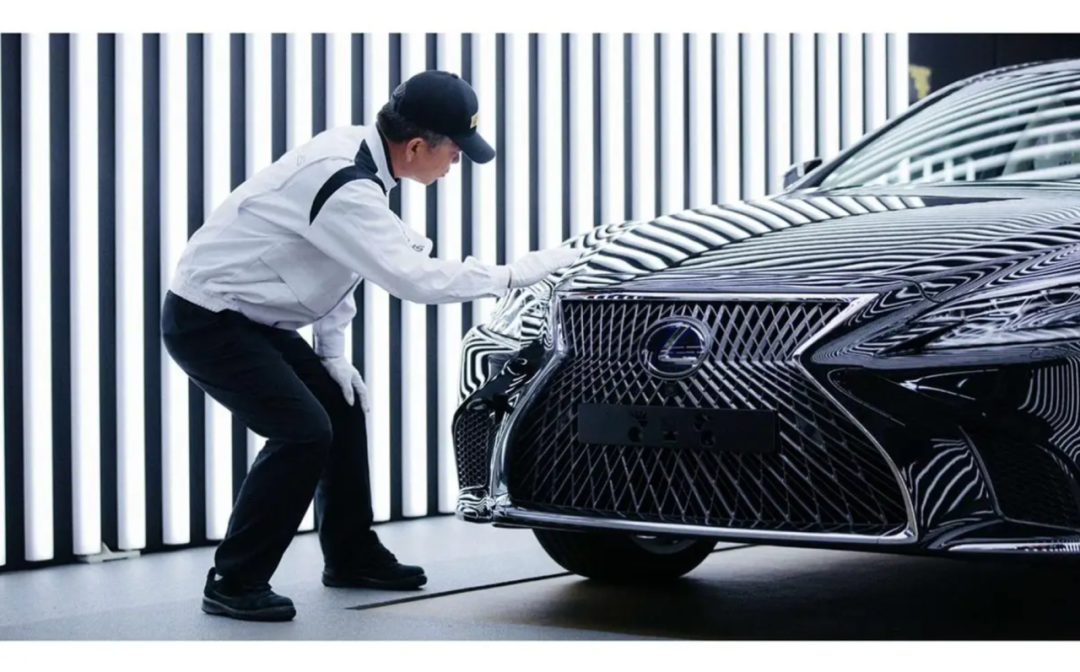
Toyota and Nissan's disclosure of quality defects in American-made vehicles to Japanese consumers, while seemingly a matter of manufacturing transparency, actually reveals the strategic paradox faced by Japanese automakers. To comply with U.S. trade policy requirements, they re-import substandard models, essentially a political concession, yet must confront consumers' doubts about the quality of 'Made in Japan.'
However, this situation also exposes the 'hypocrisy' of Japanese automakers over the past two decades. On one hand, they tout the precision manufacturing of the Japanese 'craftsmanship spirit,' while on the other, they employ double standards to manage markets differentially. The issues exposed now may only be the tip of the iceberg, with potentially more serious safety hazards lurking beneath the surface.
Note: Some images are sourced from the internet. If there is any infringement, please contact us for removal.
-END-
-
![]()
Insta360’s Post-Lockup Period Begins: Employees Suspected of Selling Shares, Institutions Biding Their Time—Is a Major Storm on the Horizon?
-
![]()
Are Houses Getting 'ID Cards' Now? In the Future, House Decorating, Renting, and Buying Will All Be Possible with a Simple Scan!
-
![]()
Where Should the Senior Citizens in County Towns Go?
-
![]()
【OFweek Weike Cup】Santec Officially Enters for the 2026 Optical Industry Annual Innovation Product Award
-
![]()
Anhui’s Taihu County Establishes a Project with an Impressive Annual Production Capacity of 850 Million Square Meters of Optical Film, Along with Supporting Rollers!
-
![]()
The AI Unicorn Valued at 960 Billion is Raising Funds Again
-
![]()
Unveiling the Strategy: The RMB 11.5 Million Deal of MLOptics
-
![]()
Qingtian Lease Hits 7 Billion Valuation in Six Months, Coexistence of Robot Leasing Bubble and Reality