Dreame Technology Implements Major Strategic Retrenchment Amid Controversy: Retains Four Core Sectors, Continues Pursuit of Car Manufacturing
 06/22 2026
 350
350
Amid the ongoing controversy surrounding the so-called 'collapse of the old man,' Dreame Technology is poised for a significant business restructuring. On June 18, media outlets reported that Dreame Technology is currently undergoing a strategic overhaul, with the aim of fully focusing on four key sectors: smart homes, outdoor living spaces, smart mobility, and embodied intelligence. This involves integrating, merging, or transforming its remaining business units. During this adjustment phase, the well-established smart cleaning segment (comprising robotic vacuums, floor washers, vacuum cleaners, etc.) will continue to advance normally and will receive an increased allocation of resources. Other business units will undergo transformation or be merged into key departments.
According to reports, this adjustment is marked by 'strengthening the core, cutting redundancies, and boosting resource allocation.' The mature smart cleaning segment will serve as the foundation, not only progressing as usual but also receiving more resources. Meanwhile, over 200 non-core business units, such as mobile phones, trendy toys, and milk tea, which were previously expanded, will be downsized, merged, or incorporated into the Industrial Research Institute, retaining only technical R&D functions. In contrast, popular sectors like smart cars and embodied intelligence will be preserved.
It can be argued that the primary objective of this strategic retrenchment is to mitigate financing controversies, restore market confidence, and refocus on core businesses to regain momentum.
Dreame Technology has been one of the most talked-about companies in recent times. Beginning in 2025, under the leadership of founder Yu Hao, Dreame embarked on a 'borderless expansion,' launching numerous cross-border businesses within six months, even venturing into finance and cosmetics. This expansion was fueled by rapid growth through reliance on local state-owned industrial funds. In May 2026, a self-media article directly accused Dreame of having 'over 200 business divisions largely unrelated to its core business and risks of interest transfer in the state-owned fund model,' questioning its 'collapse of the old man'-style development. Recent events, such as the founder's social media account being banned and state-owned fund partnerships being investigated, have plunged Dreame into a severe governance and trust crisis, making this retrenchment-style strategic adjustment an inevitable choice.
Among the four retained businesses, the smart mobility sector stands out as one of the few non-cleaning businesses to be preserved. From a business standpoint, the key reasons are technological synergy and high-end strategic considerations. Currently, Dreame's underlying technologies in high-speed motors, AI algorithms, and sensor control can be transferred to automotive electric drives, smart cockpits, and autonomous driving. Car manufacturing is seen as a crucial lever for its 'high-end tech brand' positioning.
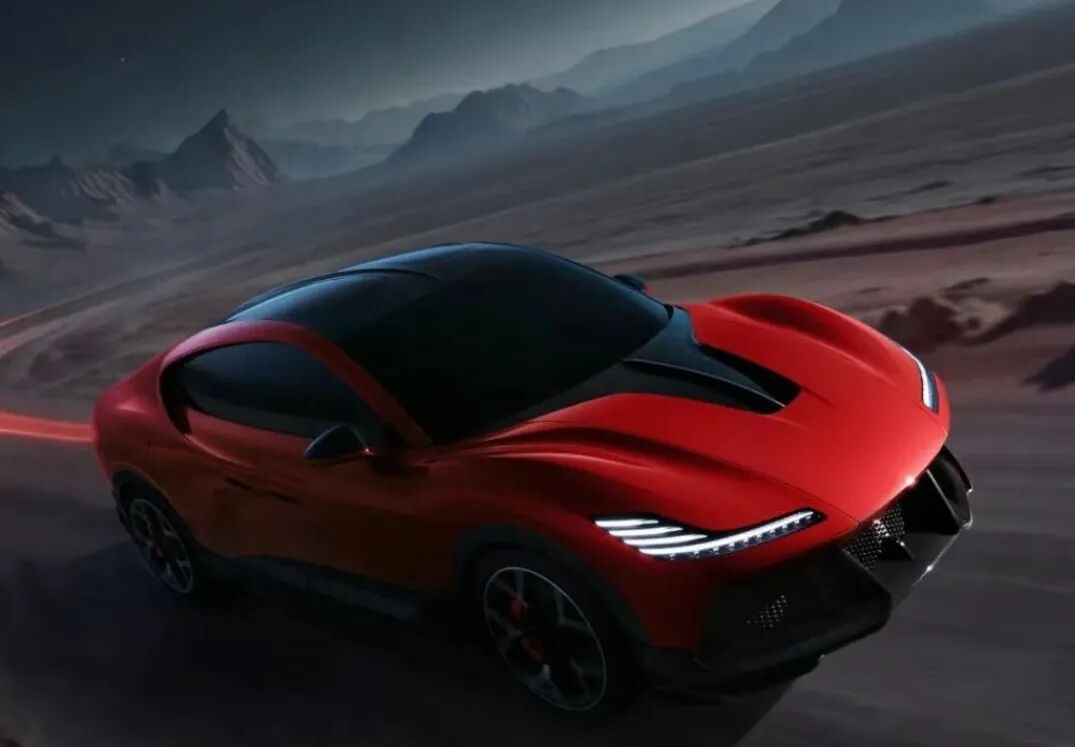
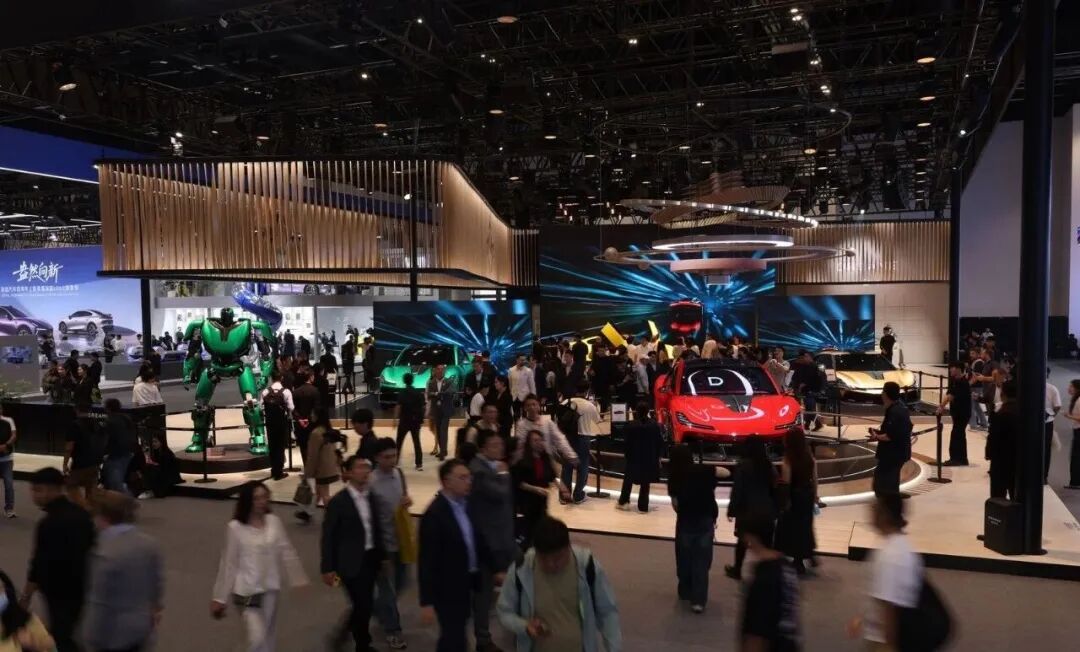
Currently, Dreame's car manufacturing entity is 'Starry Sky Project (Shanghai) Automotive Technology.' From a shareholding perspective, Yu Hao holds approximately 77.76%. Officials stated that the Dreame automotive team began preparations between 2021 and 2022, focusing on argumentation and developing underlying technologies. The team has now grown to nearly 1,000 members, with R&D personnel accounting for about 70%. By the second half of this year, the team is expected to reach nearly 2,000. Subsequently, Dreame officially announced its car manufacturing plans in August 2025.
Later, at CES and AWE 2026, Dreame showcased the Nebula NEXT 01 supercar. Officials claimed the car achieves 0-100 km/h acceleration in 1.8 seconds, with the rocket version accelerating in 0.9 seconds, along with a luxury SUV. Of course, all three are concept cars, planned for mass production by the end of 2027, with a focus on overseas markets. These cars have also sparked considerable controversy regarding their design and technological feasibility. Additionally, Dreame stated that they will be equipped with sulfide solid-state batteries with a monomer energy density exceeding 450 Wh/kg. Officials said this 60 Ah ultra-high-capacity solid-state battery has entered the preparation stage for mass production.
In terms of its car manufacturing model, Dreame has not yet publicly announced independent financing for its automotive ventures, relying mainly on profits from the Dreame Group and support from some industrial funds. However, Yu Hao previously tweeted that its smart car division is advancing a new round of financing at a valuation of 64 billion yuan (approximately $10 billion). Based on previous estimates for new energy vehicle startups, establishing a competitive, sustainable, and risk-resistant automaker requires at least 40 billion yuan in capital reserves under current market conditions. Therefore, Dreame is expected to announce financing moves for its car manufacturing soon.
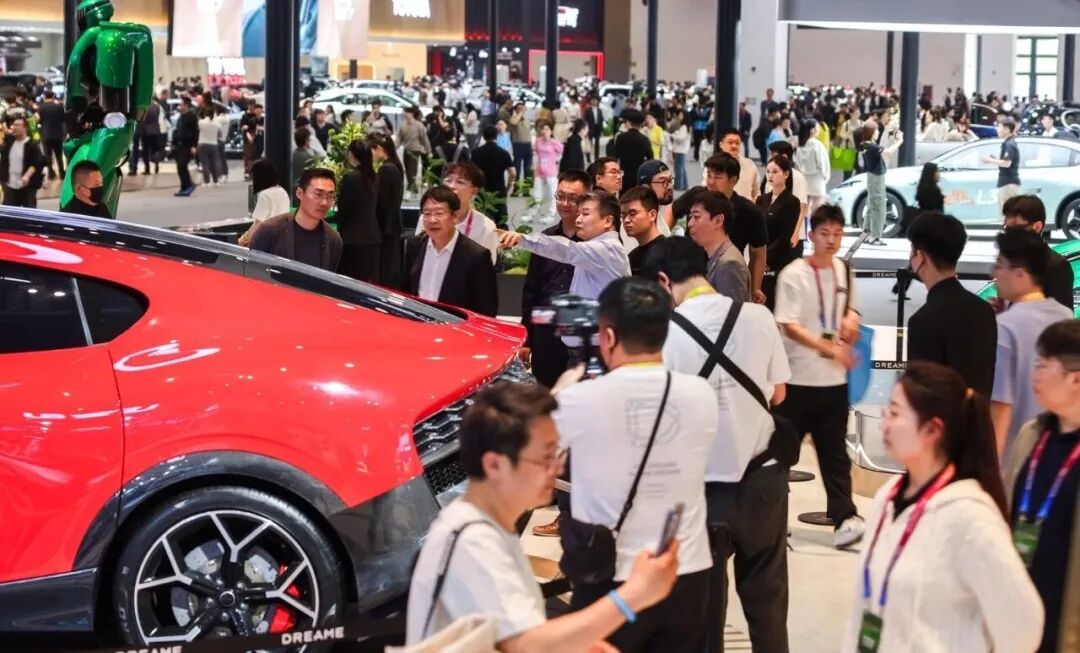
Given the extremely high capital demands of the automotive industry, any funding issues could spell failure for car manufacturing, as evidenced by previous cases like HiPhi and Binggo Auto, both positioned in the ultra-luxury segment above 1 million yuan, which ultimately failed.
In terms of its car manufacturing approach, Dreame has not opted to build its own vehicle factory but has instead adopted a model similar to 'Huawei's approach,' seeking mature domestic and foreign automakers for joint R&D and contract manufacturing. In essence, Dreame focuses solely on design and technological R&D, leaving production to partners. However, earlier reports indicated that Dreame had previously partnered with BNP Paribas and planned to build a vehicle production factory near Berlin, Germany. It remains unclear whether plans have changed to shift to a contract manufacturing model.
Nevertheless, the ultra-luxury positioning targets an extremely narrow audience, coupled with long production cycles, massive capital investment, and the high failure rate of cross-border car manufacturing, raising doubts about its subsequent commercialization and profitability prospects. This is also where external skepticism lies, with some even fearing it could become the next LeEco. For instance, the mass production of solid-state batteries remains a challenge. CATL even believes large-scale mass production will not be feasible before 2030. So, after this strategic retrenchment, how will Dreame's car manufacturing achieve mass production? With 2027 drawing closer, the answer will soon be revealed.
-
![]()
Insta360’s Post-Lockup Period Begins: Employees Suspected of Selling Shares, Institutions Biding Their Time—Is a Major Storm on the Horizon?
-
![]()
Are Houses Getting 'ID Cards' Now? In the Future, House Decorating, Renting, and Buying Will All Be Possible with a Simple Scan!
-
![]()
Where Should the Senior Citizens in County Towns Go?
-
![]()
【OFweek Weike Cup】Santec Officially Enters for the 2026 Optical Industry Annual Innovation Product Award
-
![]()
Anhui’s Taihu County Establishes a Project with an Impressive Annual Production Capacity of 850 Million Square Meters of Optical Film, Along with Supporting Rollers!
-
![]()
The AI Unicorn Valued at 960 Billion is Raising Funds Again
-
![]()
Unveiling the Strategy: The RMB 11.5 Million Deal of MLOptics
-
![]()
Qingtian Lease Hits 7 Billion Valuation in Six Months, Coexistence of Robot Leasing Bubble and Reality