Profit Margins Drop to 3.2%, Existing Vehicle Market Shifts to Value Competition Cycle
 06/22 2026
 346
346
In the first half of 2026, domestic passenger vehicle demand contracted, and factors such as price wars put overall profitability of the automobile manufacturing industry under pressure. However, industry exports maintained rapid growth, with leading automakers relying on overseas markets and product upgrades to sustain profitability.
Against this backdrop, the 2026 China Automotive Chongqing Forum was held in June, bringing together industry association leaders and executives from leading automakers in Chongqing to discuss current industry challenges and future directions. The forum sent a clear signal: the prolonged price war had reached its end, industry incremental dividends were largely exhausted, and China's automotive industry was at a critical transition point.
▍Diminishing Marginal Effects of Price Wars Accelerate the Elimination Round in the Existing Market
Over the past three years, the expansion of China's domestic new energy vehicle (NEV) market has been accompanied by frequent price adjustments. From leading brands initiating price cuts to smaller brands following suit with promotions, price reductions were once the most direct means for automakers to boost sales. However, after entering 2026, the effectiveness of price wars in driving sales significantly weakened.
Data from the first-quarter industrial enterprise profit report released by the National Bureau of Statistics showed that while automotive manufacturing revenue slightly declined, total profits fell by nearly 20% year-on-year, with the industry's sales profit margin at just 3.2%, below the national average of 4.9% for industrial enterprises above a certain scale. Sustained price competition had severely eroded industry profit margins without delivering sustained sales growth.
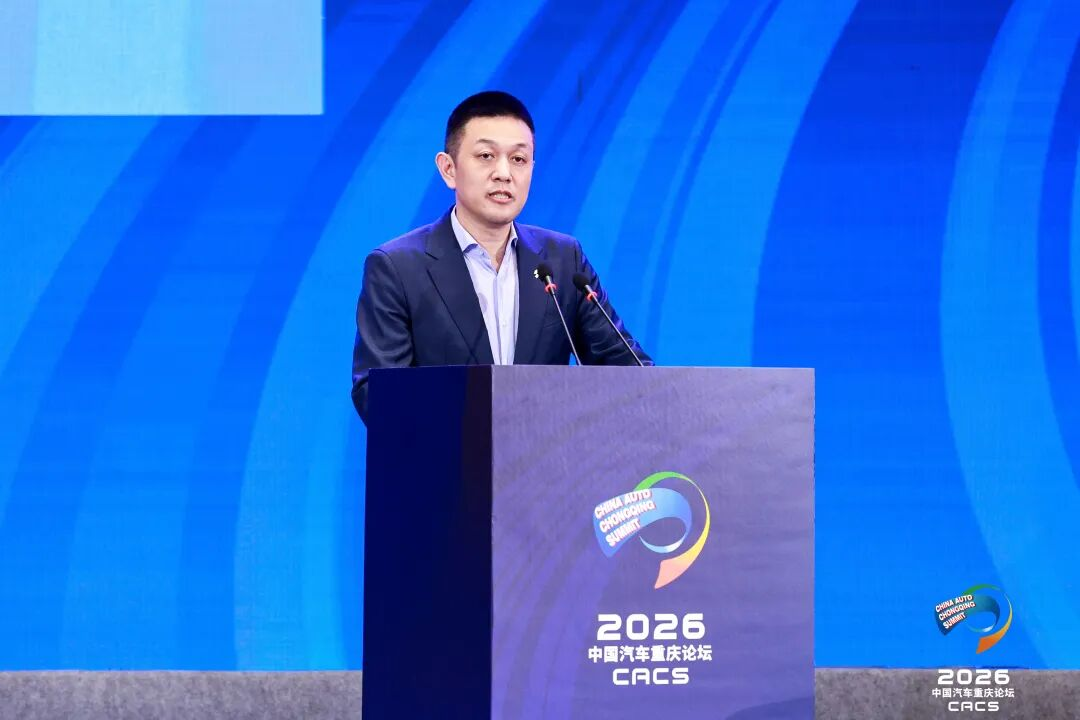
William Li, founder of NIO, explicitly stated at the Chongqing Forum that the highly challenging period for the intelligent electric vehicle industry would last at least five more years. He defined the current stage as a period of rapid convergence, commonly referred to as the elimination round in the market. In Li's view, the industry enjoyed incremental dividends over the past decade, and automakers could capture market share from fuel vehicle replacements as long as they acted quickly and invested boldly.
However, with the market now having peaked, simply relying on price cuts and new product launches could only generate short-term sales fluctuations and could not support long-term development. Over the next five years, the core of industry competition will shift from expansion speed to operational precision, with enterprises' systemic capabilities, cost control, and risk resistance becoming key to survival.
Changes in market demand are also validating this judgment. In the second quarter of 2026, over a dozen mainstream NEV brands adjusted their product prices, either directly raising official guide prices or reducing terminal discounts. This included leading companies like Tesla and BYD, as well as brands targeting different market segments, such as Xiaomi and NIO, with price adjustments ranging from several thousand to 20,000 yuan.
This collective price correction was not the result of individual business decisions but a shared choice by the entire industry after reflecting on price wars. Automakers gradually realized that sustained price cuts not only damaged brand value but also led consumers to adopt a wait-and-see attitude, suppressing normal vehicle purchase demand.
In contrast to the price corrections in the NEV market, the fuel vehicle market continued to intensify price reductions. Data from the China Passenger Car Association showed that retail sales of conventional fuel passenger vehicles fell by nearly 40% year-on-year in May, a major drag on the overall auto market. To clear inventories and respond to electrification trends, joint-venture and domestic fuel brands increased terminal discounts, with some luxury brand models seeing price reductions of nearly 30%.
However, these price cuts in fuel vehicles failed to revive sales and instead further compressed profit margins while accelerating the shift of consumers toward NEV models. This divergent price trend between fuel and electric vehicles reflects their different lifecycle stages: the fuel vehicle market continues to contract, while NEVs are adjusting their pace to prepare for the next competitive phase.

From an industry-wide perspective, the consensus is that incremental dividends have been exhausted. In the early years, there were nearly a hundred domestic new automotive startups, but after several rounds of market shakeouts, only a few leading companies now maintain stable market shares. The NEV businesses of traditional fuel brands are also under widespread pressure, with most joint-venture brands' electrification transitions progressing slower than expected.
Over the next five years, market resources will continue to concentrate among leading enterprises, while tail brands (those lacking technological reserves and financial strength) will gradually be eliminated. This convergence process will not end quickly but will unfold as a long-term adjustment spanning several years.
▍Shift in Development Logic: The Industry Moves Toward Three Core Directions
Wang Xia, President of the China Council for the Promotion of International Trade Automotive Committee, stated at the Chongqing Forum that the automotive industry currently faces downward pressure on sales, revenue, and profit margins. To overcome the current predicament (difficulties), the industry must achieve three core transitions, corresponding to the dimensions of price competition, overseas expansion models, and technological transformation.
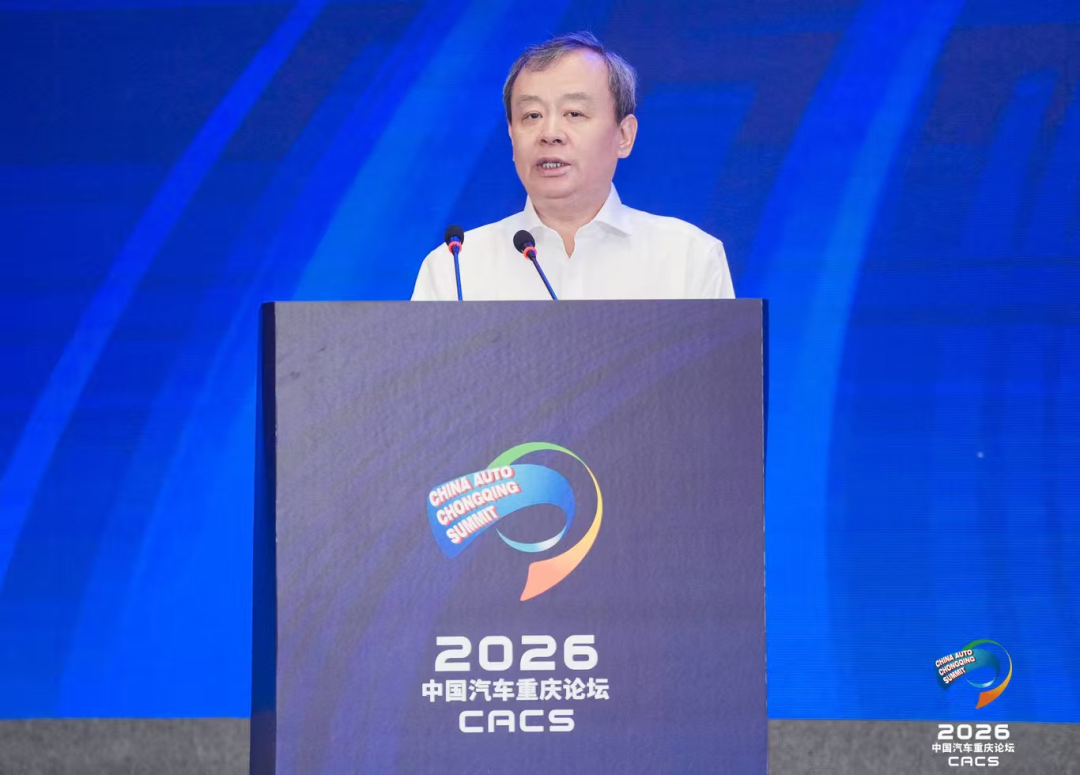
The first transition is from scale-based competition to value-based competition. Previously, the industry's competitive logic was to achieve scale first and then reduce costs through scale effects. However, in the current market environment, the model of exchanging price for volume has failed, as sales without profit support are merely empty numbers. Wang argued that profits sustained by subsidies are like a tower built on sand, lacking long-term stability. The focus of industry competition is shifting from 'who cuts prices more' to 'who survives longer.'""Value competition involves technological differentiation on one hand and brand premium capabilities on the other. Relevant survey data from McKinsey shows that the influence of price on consumers' vehicle purchase decisions has declined to a relatively low level, while the influence of technology and brand continues to rise. In the past, consumers primarily considered price and configuration when choosing a vehicle, but now they place greater emphasis on a company's technological accumulation, product safety performance, and brand service capabilities. To break free from price-based internal competition, automakers must establish their advantages in these dimensions rather than solely relying on profit compression to gain market share.
The second transition is from one-way product exports to globalized ecological symbiosis. In recent years, China's automotive exports have sustained growth (continued to grow), making it the world's largest automotive exporter. However, early overseas expansion models primarily focused on exporting complete vehicles at low prices to boost volume, a approach that easily encountered overseas trade barriers and triggered resistance from local automakers. Wang emphasized that globalization is a required course for China's automotive industry, not an optional extra.
Future overseas expansion cannot merely involve selling domestically produced vehicles abroad but requires establishing a complete industrial ecosystem overseas, including localized factories, supply chain systems, and service networks. Only by truly taking root in local markets and integrating into the local industrial environment can trade risks be avoided and long-term development achieved. Meanwhile, the industry must avoid replicating domestic price-based internal competition in overseas markets, as relying on low prices to seize market share cannot establish long-term brand recognition and is detrimental to the overall overseas image of Chinese automobiles.
The third transition is from the initial stage of electrification and intelligence to AI-driven fundamental restructuring of the industry. In recent years, industry competition has primarily focused on three electric technologies, basic intelligent cockpits, and assisted driving functions, with most products' technological routes gradually converging and homogenization becoming increasingly apparent. Wang believes that AI technology development will reconstruct the underlying logic of automobiles and reshape the cooperative relationships between Vehicle companies (vehicle manufacturers) and Component suppliers (component suppliers).
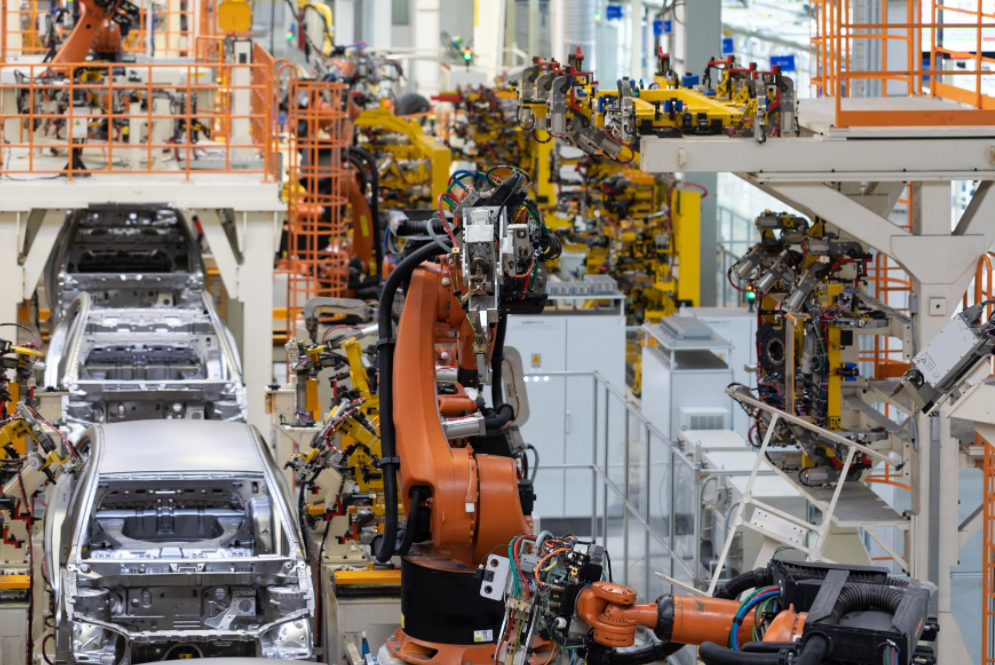
Currently, there is a consensus within the industry that future vehicles will no longer be simple mobility tools but will become mobile intelligent entities with autonomous perception and decision-making capabilities. This transformation will bring new entrants to the industry and disrupt the existing competitive landscape. Many leading automakers are increasing their investments in AI, from large models for intelligent driving to intelligent interactions inside vehicles and intelligent manufacturing at the production end. AI technology is penetrating every link of the automotive industry. Those who can first master the core technologies of the AI era will gain the initiative in the next round of competition.
It is evident that these three transitions are not independent but interconnected as a whole. Value competition is the foundation for survival in the domestic market, globalization is the necessary path to unlock growth potential, and AI technology is the core driver of long-term development. Most leading automakers have already begun layout (strategic layout ) in these three directions, but the transition process will not be smooth sailing. Enterprises need to find a balance between short-term financial pressures and long-term strategic investments, ensuring survival in the present while preparing for future competition.
Of course, the industry-wide transition will not be smooth. Most automakers have become accustomed to past growth models and will find it difficult to completely reverse their operational mindset in the short term. Some enterprises may even revert to price wars under short-term sales pressure. However, from the perspective of industry trends, pure price competition is no longer viable, and value competition is the inevitable path for all enterprises. Without core value, Small and medium-sized enterprises in the tail (small and medium-sized enterprises at the tail end) will accelerate their exit in the upcoming elimination round; leading enterprises cannot afford complacency either, as falling behind in the transition could result in being overtaken by latecomers.
Layout 丨 Yang Shuo Image Sources: Qianku Library, 2026 China Automotive Chongqing Forum
-
![]()
Insta360’s Post-Lockup Period Begins: Employees Suspected of Selling Shares, Institutions Biding Their Time—Is a Major Storm on the Horizon?
-
![]()
Are Houses Getting 'ID Cards' Now? In the Future, House Decorating, Renting, and Buying Will All Be Possible with a Simple Scan!
-
![]()
Where Should the Senior Citizens in County Towns Go?
-
![]()
【OFweek Weike Cup】Santec Officially Enters for the 2026 Optical Industry Annual Innovation Product Award
-
![]()
Anhui’s Taihu County Establishes a Project with an Impressive Annual Production Capacity of 850 Million Square Meters of Optical Film, Along with Supporting Rollers!
-
![]()
The AI Unicorn Valued at 960 Billion is Raising Funds Again
-
![]()
Unveiling the Strategy: The RMB 11.5 Million Deal of MLOptics
-
![]()
Qingtian Lease Hits 7 Billion Valuation in Six Months, Coexistence of Robot Leasing Bubble and Reality