From a Second-Tier Luxury Leader to a Channel Outcast: Jaguar Land Rover Loses a Decade in China
 07/08 2026
 332
332
Jaguar Land Rover's domestic production exit marks a predictable, gradual collapse.
According to Caijing, in July 2026, Jaguar Land Rover China dealerships will stop purchasing all domestically produced models from the brand. At first glance, it resembles the confrontational incidents involving Jaguar Land Rover dealerships years ago, but this time, it's different—it's a collective collapse from top to bottom.
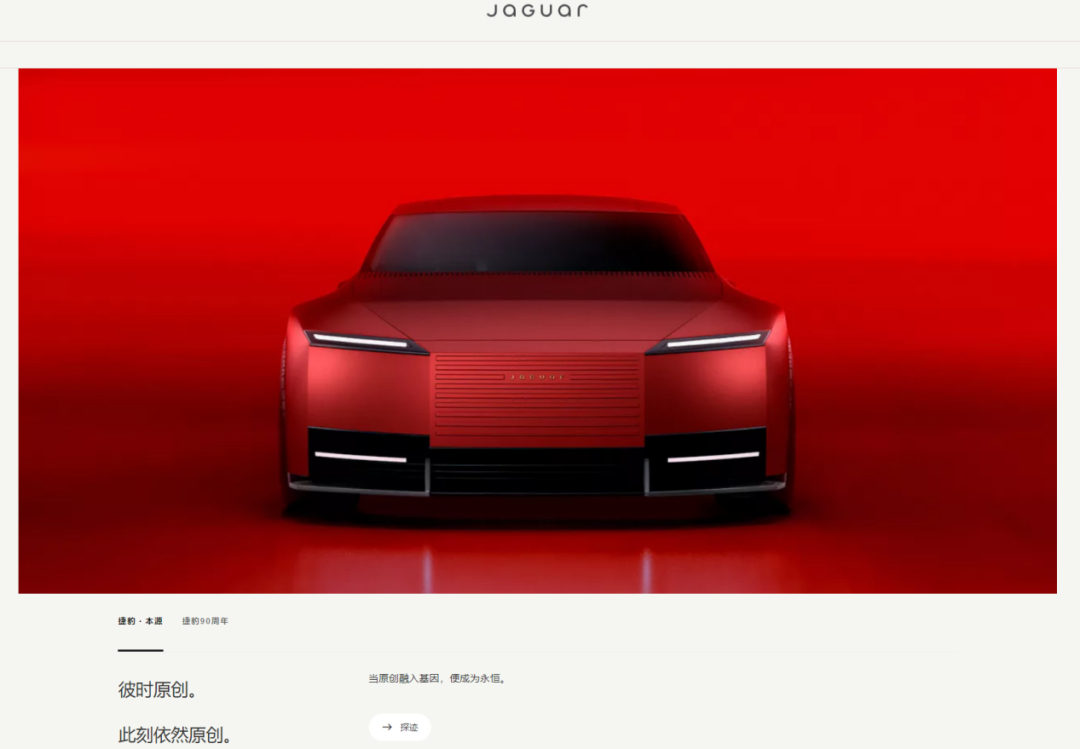
In fact, by the end of March this year, the Chery Jaguar Land Rover Changshu plant had already completed the final Range Rover Evoque L off the production line, marking the end of all domestically produced models. Even the Jaguar official website interface has long been updated, showing no updates for existing models but only information about two concept cars.
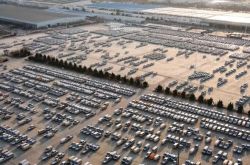
As of now, Jaguar Land Rover dealerships only have limited inventory from remaining stores for sale, and the domestically produced lineup that once supported the brand's sales in China has become history.
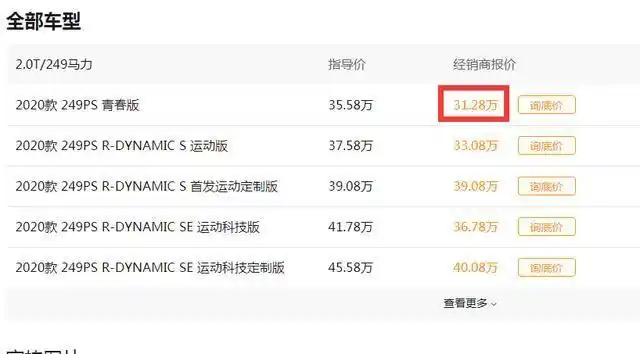
During the inventory clearance phase, terminal prices have plummeted, with the Range Rover Evoque L's base price dropping from nearly 900,000 yuan at its peak to the 180,000 yuan range. Loan installments start as low as 179,800 yuan, along with a 10,000 yuan trade-in subsidy. The Jaguar XEL's base price once fell to as low as 148,000 yuan, a reduction of over 50%.
In fact, the Evoque L has always been sold at a loss; the only question was how much. A model with a list price of 429,800 yuan was already selling for 312,800 yuan in 2020, a discount of 120,000 yuan. Last August, a poster advertising a price of 239,800 yuan went viral online, with terminal discounts reaching 200,000 yuan—a true " fracture " (broken bone) deal.
More than a decade ago, Chery and Jaguar Land Rover joined hands to establish a joint venture factory, once serving as a benchmark example for foreign luxury brands to deepen their presence in the domestic market.
In 2015, the Changshu plant officially began mass production, with localized models such as the Jaguar XEL, XFL, Range Rover Evoque L, and Discovery Sport gradually entering the market. Leveraging the cost advantages of local production, chassis tuning tailored to domestic road conditions, and the heritage of Land Rover's luxury off-road brand, the brand quickly opened up space in China's second-tier luxury market.
Two years later, Jaguar Land Rover's sales in China climbed to 146,000 units, securing its position as the top-selling second-tier luxury brand and becoming a successful case study for localization in the luxury market that year. Notably, 2017 marked Jaguar Land Rover's final high point in China.
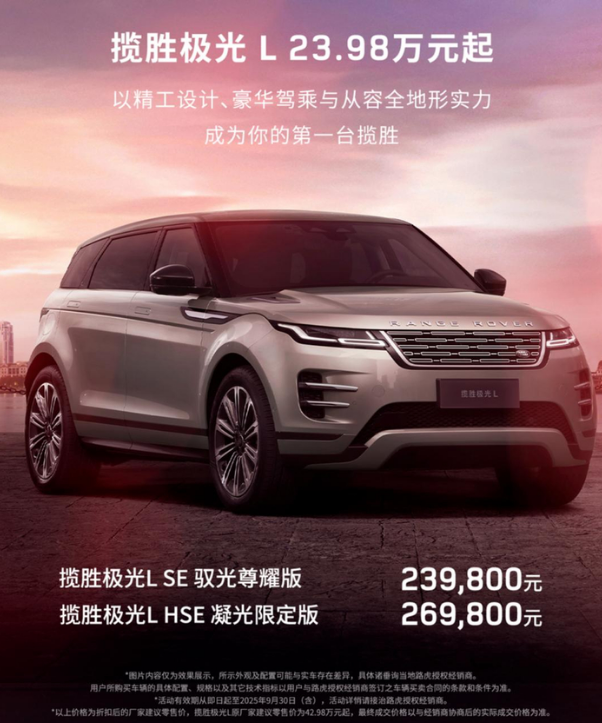
The original intention of localized production was to achieve a win-win-win scenario for manufacturers, channels, and consumers. With lower entry barriers for domestically produced models, the brand could reach a broader family consumer base, dealerships could expand customer flow with a richer product lineup, and consumers could experience British luxury products at more affordable prices.
No one could have predicted that this seemingly triple-win localization collaboration would ultimately evolve into a decade-long chronic bleeding of the channel.
Some analysts believe that the long-term massive losses suffered by terminal dealerships stem from Jaguar Land Rover's rigid and domineering business policies over the years, with the bundle (bundling) system for import and domestic vehicle quotas becoming the core shackle that crushed the channel.
During the brand's heyday, imported hardcore models like the Range Rover and Defender consistently saw terminal price hikes and were in short supply, serving as the dealerships' only high-profit source. However, the manufacturer long enforced a mandatory bundling policy: dealerships could only obtain quotas for scarce, high-profit imported vehicles by purchasing a proportional number of unsold, loss-making domestically produced models.
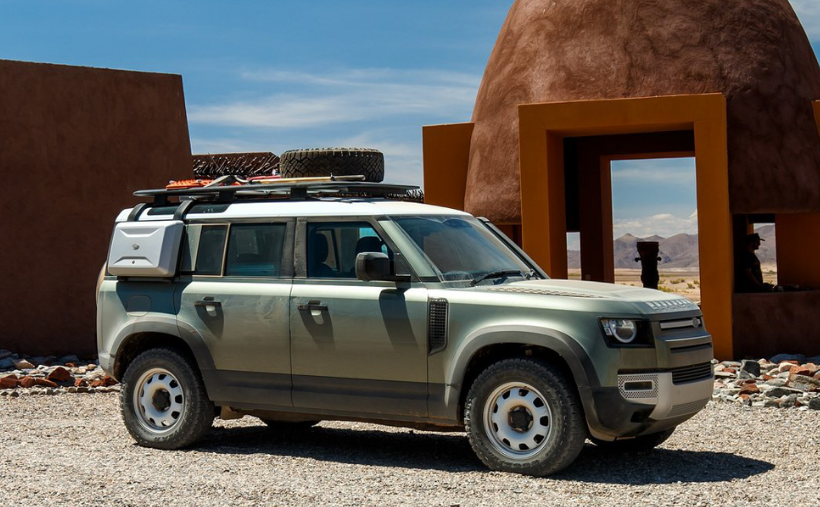
Some dealerships stated that for a long time, only two out of the entire lineup of 12 models—the Range Rover and Defender—were profitable, while the remaining 10 models incurred losses.
This forced allocation model of "using profits to cover losses" could barely function during the market's golden period, with dealerships relying on the high profits from imported vehicles to offset losses from domestic vehicle sales, maintaining overall meager profits.
As competition in China's luxury vehicle market intensified, Jaguar Land Rover's brand premium continued to decline, forcing dealerships into a dilemma of selling at a loss with every vehicle or having no vehicles to sell at all.
On the other hand, in the later stages of the internal combustion engine era, Jaguar Land Rover's domestically produced vehicles were already trapped in a triple dilemma of "awkward pricing, outdated configurations, and collapsing residual values."
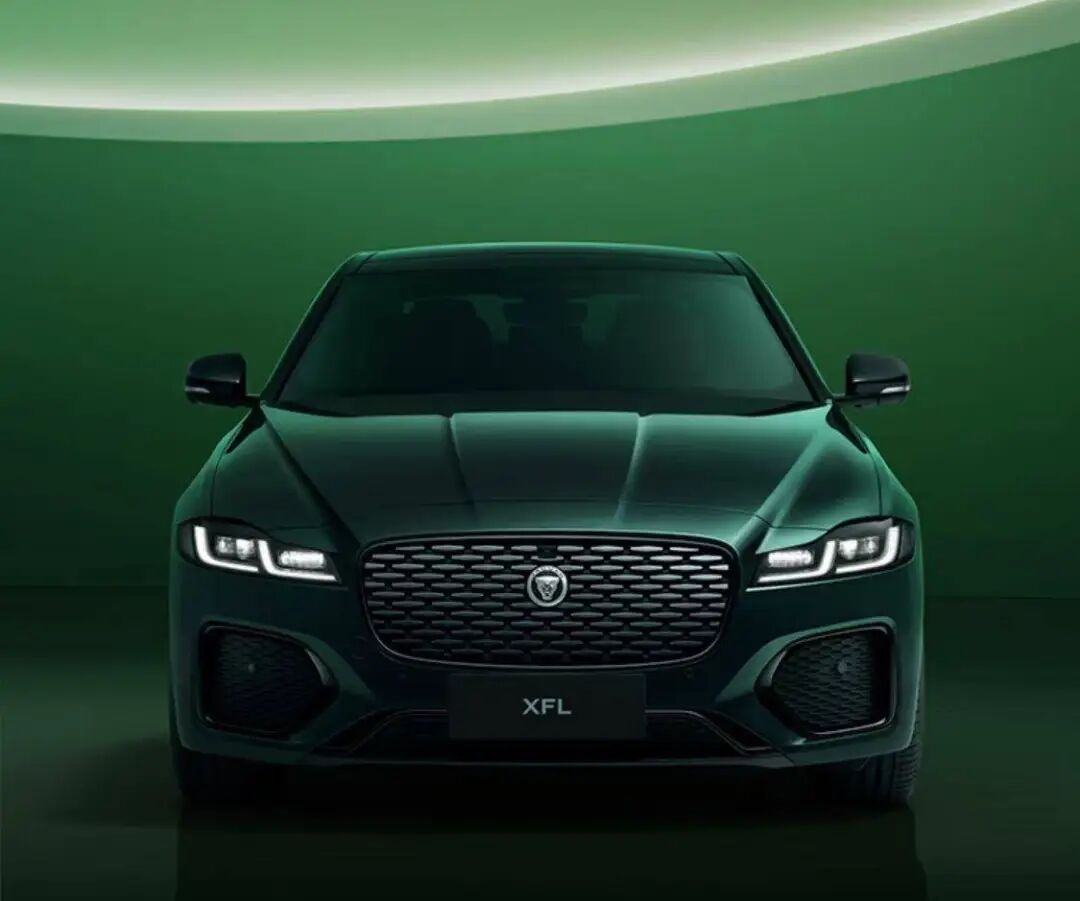
Among peer models, the Jaguar XEL and XFL were priced competitively with BBA (BMW, Mercedes-Benz, Audi), but they lagged behind in brand strength, intelligence, and terminal experience. The Land Rover Evoque L and Discovery Sport, positioned as family luxury SUVs, faced precise encirclement from competitors like Volvo, Cadillac, and Lincoln, with no advantage in cost-effectiveness.
To clear inventory, dealerships consistently offered steep discounts, with phrases like "70% off Land Rover, 80% off Jaguar" becoming widely known. The continuous decline in new car landing prices also completely destroyed the models' residual values.
Finally, after repeated confrontations and public sentiment from dealerships, the channel received complete relief.
If product conservatism in the internal combustion engine era merely caused the brand to gradually fall behind, then the complete failure of its electrification strategy ultimately sealed Jaguar Land Rover's fate in China.
While BBA completed their electrification transformations, second-tier luxury brands fully deployed new energy vehicles, and domestic autonomous brand high-end models preempt (seized) the luxury new energy track (segment), Jaguar Land Rover remained in a state of wait and see (observation), hesitation, and repeated indecision.
Data shows that Jaguar Land Rover's sales share of new energy vehicles in China has long been below 5%, ranking at the bottom among all mainstream luxury brands. The brand has repeatedly announced electrification transformation plans, only to delay and repeatedly adjust them, with no competitive pure electric or plug-in hybrid models ever landing in the domestic lineup.
Currently, 800V ultra-fast charging, advanced intelligent driving, and smart cockpits have become standard features for luxury models in the domestic market, yet Jaguar Land Rover's domestically produced models still cling to outdated internal combustion engine architectures, completely unable to meet the core demands of today's consumers.
Even more fatal is the brand's complete abandonment of localized R&D. In May 2025, Jaguar Land Rover fully shifted to a "Made in China, Cost in China" laid-back mode, completely abandoning exclusive R&D, tuning, and feature iterations tailored for the Chinese market.
Abandoning localized R&D means the brand has completely given up on adapting to the Chinese market, making the end of domestic production lines inevitable. In other words, they've earned enough and are now bowing out.
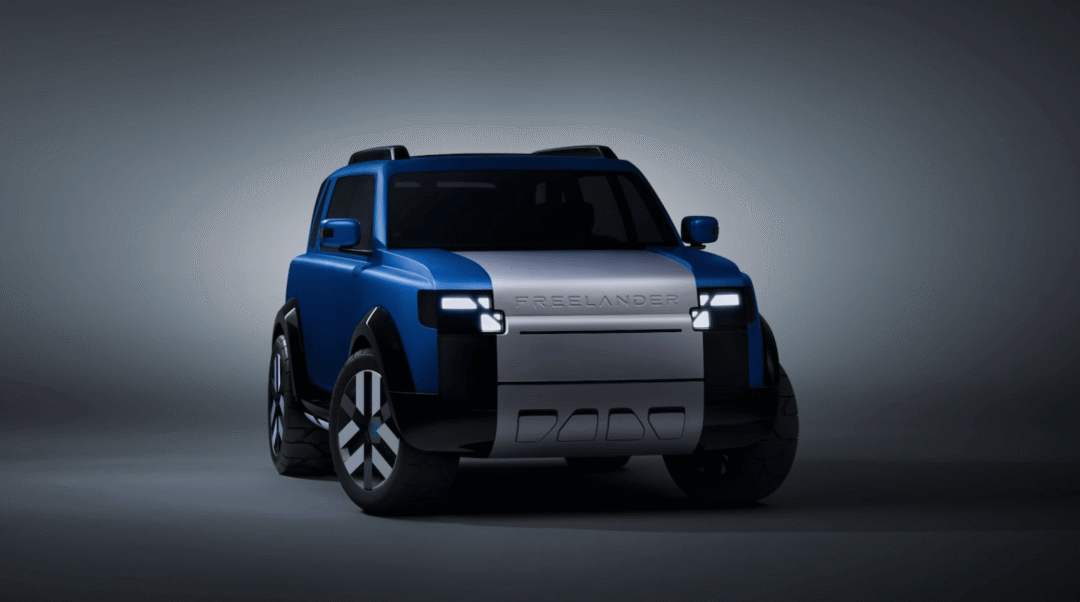
The Changshu plant, laid out a decade ago, has now been handed over to Chery for contract manufacturing, currently only handling production of the FREELANDER. All aspects of these models, from product definition, technical routes, supply chains to sales, are led by Chery, and the vehicles no longer bear the Jaguar Land Rover brand logo.
Some media directly pointed out that the role of the Changshu plant has transformed from a joint venture production base to essentially a contract manufacturer.
Prior to this, Jaguar Land Rover issued a separate statement regarding the "FREELANDER" to draw a clear line. Jaguar Land Rover only provides the product name and design language, explicitly prohibiting its authorized dealerships from selling the model in their stores.
If not for electrification and intelligence, Jaguar Land Rover's domestic collapse might have come later, but it would not have been avoided. Over the past year, nearly 50 dealerships nationwide have log off (withdrawn from the network), with only about 90 dealerships still operating normally and able to deliver vehicles. The channel scale has shrunk by over 60% compared to the more than 240 dealerships in 2018.
Some media estimate that after localization, dealerships have consistently faced an average loss of 30,000 yuan per vehicle sold. At this scale, Jaguar Land Rover dealerships may have accumulated over 15 billion yuan in losses. The profits once earned from price hikes have been gradually regurgitated.
To some extent, years ago, foreign capital transferred as much operational pressure and risk as possible to dealerships. In terms of profit distribution, foreign capital only faced the difference between earning more or less.
From a decade ago's rise to prominence to a sudden, despondent (dismal) exit, Jaguar Land Rover's domestic production exit marks a predictable, gradual collapse.
The news of production and sales halts did not bring much surprise to the industry, as if everyone felt a sense of relief that the boots (shoe) had finally dropped. It seemed like people were anticipating this moment. This time, completely cutting off domestic vehicle production can be seen as mutual relief between Jaguar Land Rover and its dealerships, allowing them to go their separate ways.
Based on current signals, Jaguar Land Rover's subsequent operational focus will shift to high-end imported models like the Range Rover and Defender, deepening into the niche high-end luxury segment, adjusting the overall product layout, and alleviating long-term channel operational pressures.
Taking Jaguar Land Rover's case as an example, recalling the hype in public opinion back then, Porsche and Lexus's firm decision not to invest heavily in localization shows a certain degree of self-awareness.
Note: Image sources are from the internet. If there is any infringement, please contact for removal.
-END-

-
![]()
OFILM Reports Colossal 460 Million Yuan Loss: Founder Quietly Shifts Focus to Optical Modules!
-
![]()
Yutong Optics and Zeiss Forge Partnership to Develop Quality Measurement System and Launch "Optical Communication Joint Measurement Class"
-
![]()
AutoNavi Revises Splash Screen Ads with Precision Amid Controversy
-
![]()
Unlicensed Vehicle Disputes: AutoNavi Ensnared in the Aggregation Model
-
![]()
Agent: The 'Hard Requirement' for Entering Core Enterprise Systems for the First Time
-
![]()
Global Auto Market Outlook: Sales Decline in China, US, and Europe, Chinese Exports Approach 10 Million
-
![]()
AI Pioneer Breaks Free from the 'Doldrums'
-
![]()
Valuation Exceeds $26 Billion! Three Chinese "Gold Medalists" Shake Up the AI Industry