Why Porsche’s “Premium Pricing” Is Losing Its Edge in the Electric Vehicle Market Following the Halt of Taycan and Macan EV Orders
 07/08 2026
 386
386
Porsche, already witnessing a significant downturn in its Chinese sales channels, made another strategic retrenchment in July by officially halting new orders for personalized options on its two all-electric models, the Taycan and Macan EV. Consumers are now limited to purchasing in-stock and in-transit vehicles. Meanwhile, production of both models is set to officially cease in September this year, with uncertainty surrounding the introduction of subsequent new models in the domestic market. Consequently, Porsche’s only domestically sold electric model will be the all-new all-electric Cayenne, resulting in a notably sparse lineup of pure electric vehicles in China’s fiercely competitive market.
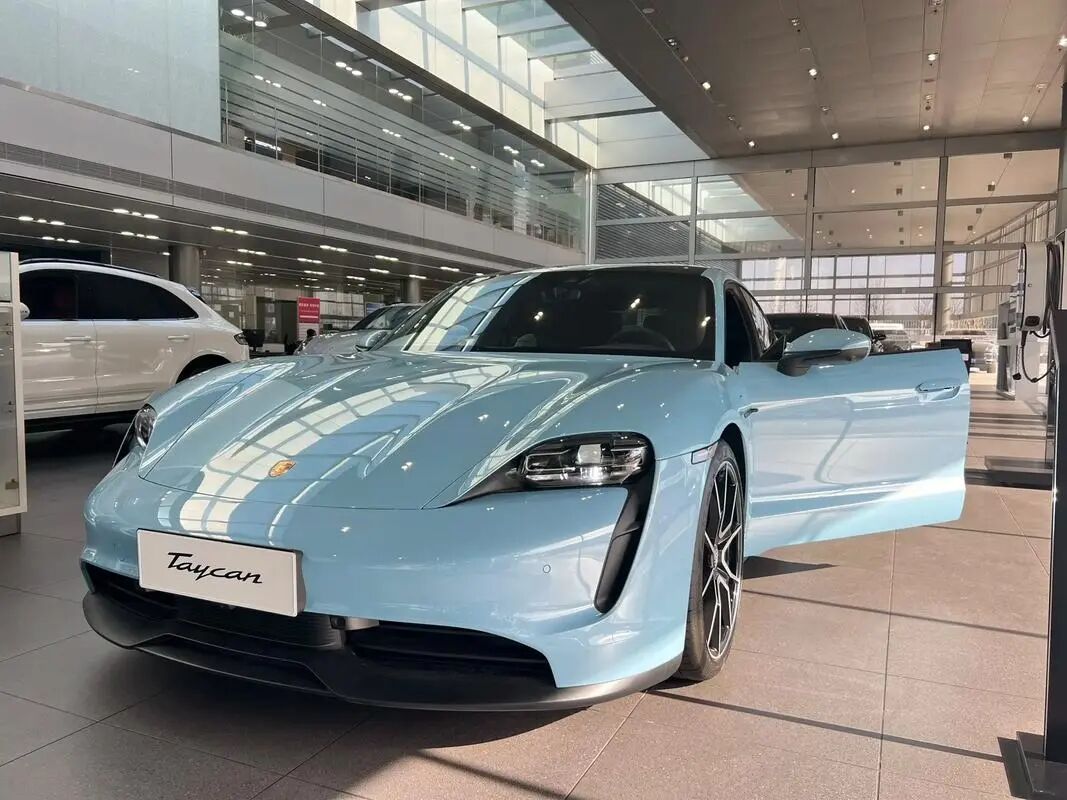
This decision has drawn widespread disappointment. Over the past few years, the Taycan’s sleek body, dynamic contours, and iconic lighting design have frequently been “emulated” by numerous Chinese new energy vehicle models. However, when the “original” decides to withdraw, the issue transcends mere design similarities; it highlights the fundamental challenges Porsche faces in maintaining its foothold in China’s electric vehicle market.

The “Original” Can’t Outsell the “Emulation”
The Taycan once symbolized Porsche’s commitment to electrification. Its 2019 global debut demonstrated that traditional sports car manufacturers could also produce compelling electric vehicles. However, in China, the car’s trajectory has taken a different path.
A salesperson at a Porsche 4S store in Beijing remarked, “Our store only sells about a dozen Taycan units annually, with just two deliveries last month.” The Taycan, originally priced at RMB 1.06 million, is now available for around RMB 850,000 after discounts, representing an approximate 20% reduction; the Macan EV sees discounts around 24%. Despite these price cuts, consumer enthusiasm remains tepid. In contrast, models that emulate the Taycan’s design often exceed 10,000 monthly sales.
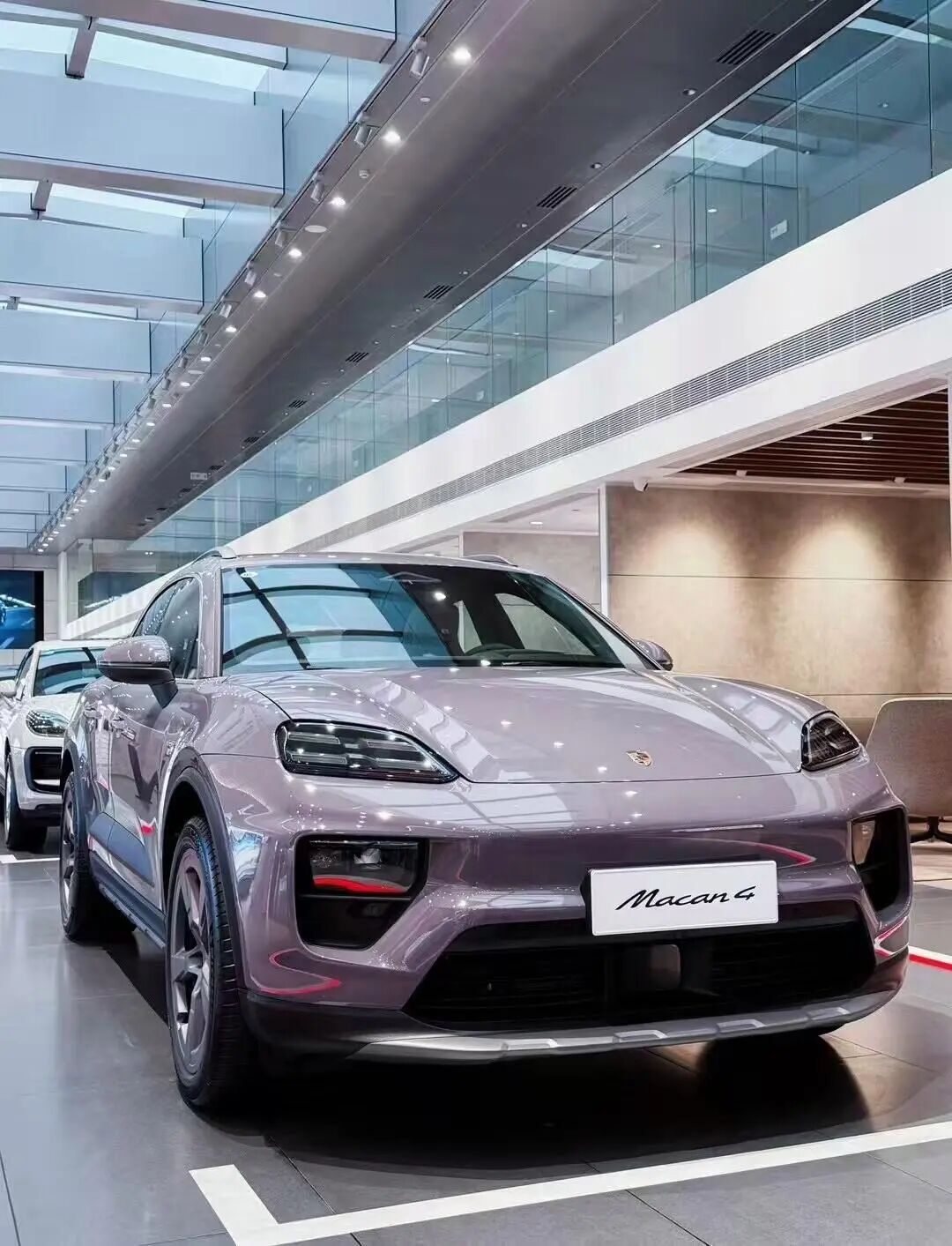
The trend isn’t limited to the Chinese market. In the first quarter of 2026, global deliveries of the all-electric Taycan stood at just 3,420 units, down 19% year-on-year. Porsche had hoped the all-electric Macan would fully replace the market demand of the discontinued fuel version, but reality has proven otherwise.
Sales staff noted that compared to fuel and plug-in hybrid models like the Cayenne and Panamera, pure electric models like the Taycan face greater sales pressure. “Chinese consumers’ demand for electric vehicles isn’t primarily about driving dynamics; they’re seen as transportation tools,” one salesperson explained.
This observation strikes at the heart of Porsche’s electrification dilemma. Institutional research indicates that Chinese high-end vehicle users’ perception of luxury has evolved, with intelligent cockpits, software experiences, AI-assisted driving, and charging convenience now integral to luxury vehicle value judgments. These are precisely the areas where Porsche’s electric vehicles fall short.
Analysts stated, “Without the technological edge of fuel vehicles, Porsche lacks a competitive moat in the electric vehicle sector. Its relatively high pricing creates a contradiction between its uncompetitive three-electric system (battery, motor, electronic control) levels and high brand premium.”
Dealerships: From Scrambling for Authorization to Voluntary Exit
The knock-on effect of declining sales first impacted the dealership network.
On June 30, three Porsche centers in Jining, Shandong; Huai’an, Jiangsu; and Xingning, Nanning, Guangxi, ceased operations simultaneously; the Wuhu, Anhui, Porsche center will halt sales operations on July 31. Previously, the Zhengzhou Zhongyuan Porsche center suspended operations at the end of 2025 due to “actual operational difficulties.”
Porsche China attributes this to a “quality over quantity” strategy for dealership network integration. However, terminal interviews reveal this is essentially a passive contraction. As foot traffic declines, model sales pressure mounts, and terminal prices continue to drop, dealership investors’ return expectations for continuing Porsche operations have significantly diminished.
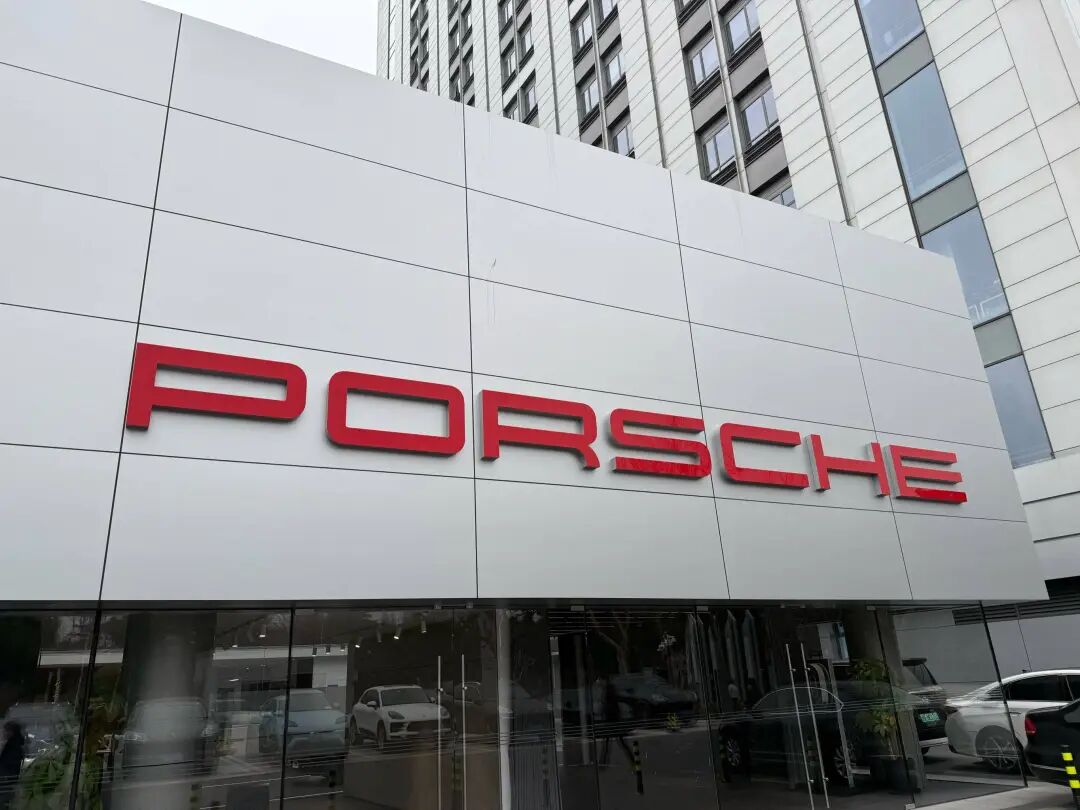
Former Porsche center sales staff revealed that store closures are primarily linked to reduced foot traffic. In second- and third-tier cities like Huai’an, a higher proportion of Porsche customers are business owners, some engaged in foreign trade-related businesses. Uncertainties in the external economic and trade environment have affected these customers’ consumption expectations.
After foot traffic declines, price reductions become the main tactic, but sustained terminal price drops lead to price inversions. “Most of the time, the store is still losing money,” the salesperson said. Reports indicate that some Porsche stores incur average losses of RMB 70,000 to 80,000 per new vehicle sold.
Operating costs for luxury brand 4S stores are extremely high. Industry estimates suggest showroom construction investments typically range from RMB 30 million to 50 million, with monthly inventory of 30 units requiring RMB 24 million to 30 million in working capital. Combined with fixed expenses like personnel and rent, monthly costs exceed RMB 2 million. If monthly sales fall below 10 units, monthly losses exceeding RMB 1 million per store are common.
By 2025, Porsche’s authorized dealership count in China had dropped from 150 to 114, with a 2026 target of further reducing to 80. Nearly half of the network will be cut within two years.
The Awkward Position of Being “Stuck in the Middle”
Porsche’s dilemma in the Chinese market essentially stems from its “sandwiched” brand positioning.
Upwards, traditional ultra-luxury brands like Ferrari and Lamborghini maintain scarcity and emotional premiums; downwards, Chinese domestic luxury brands like NIO, Li Auto, and AITO are redefining “luxury” with intelligent cockpits, advanced intelligent driving, and localized experiences. Porsche can neither rely on absolute scarcity like ultra-luxury brands to sustain premiums nor establish emotional connections with consumers through intelligent experiences like local new forces.
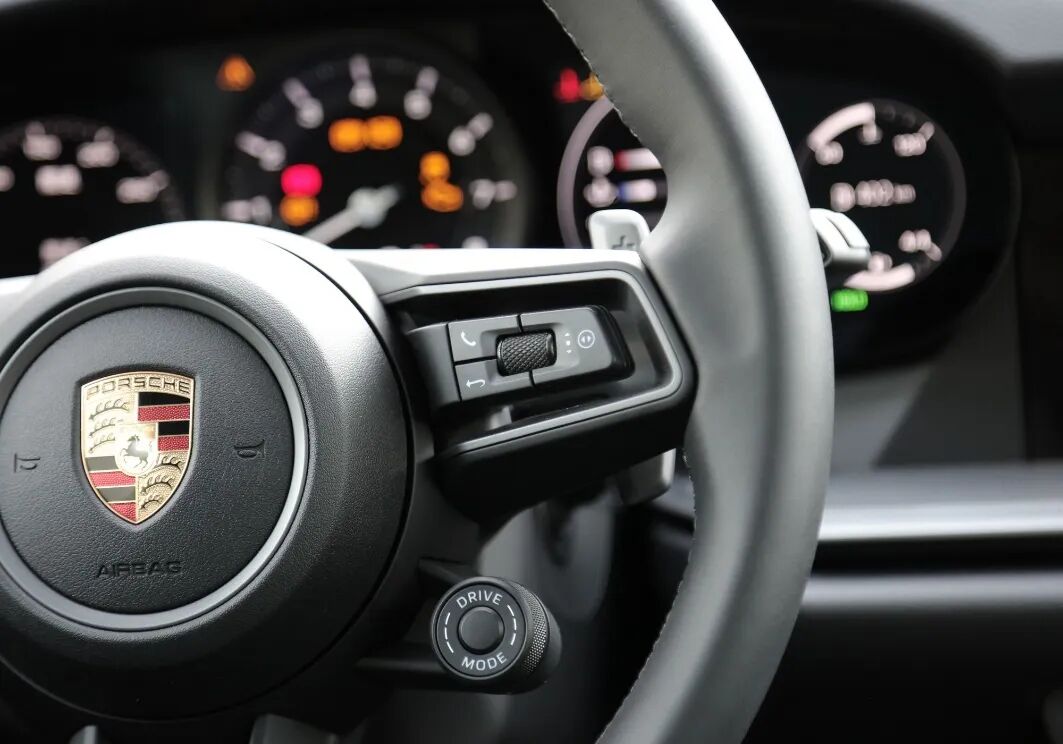
More critically, China’s new energy vehicle market is redefining “luxury” with “refrigerators, TVs, and sofas” and full-stack self-developed intelligent driving capabilities. As value propositions encounter generational consumer shifts, Porsche’s proud “sports car DNA,” “Made in Germany,” and “driving pleasure” are losing persuasiveness in the new value coordinate system.
A stark contrast: In the first quarter of 2023, Porsche’s Chinese sales peaked at 21,365 units. Just three years later, in the first quarter of 2026, domestic deliveries shrank to 7,519 units, a decline of over 60%.
Porsche’s predicament isn’t limited to China. In 2025, Porsche’s global revenue reached €36.27 billion, down 9.5% year-on-year; sales profit plummeted from €5.64 billion to €413 million, a 92.7% drop, with a sales return rate of just 1.1%.
Porsche CEO Michael Leiters stated at the June shareholders’ meeting that the company will refocus on its sports car brand core, reducing model derivatives and technological route complexity. His declaration was emphatic: “Porsche must make money even if it sells fewer cars.”
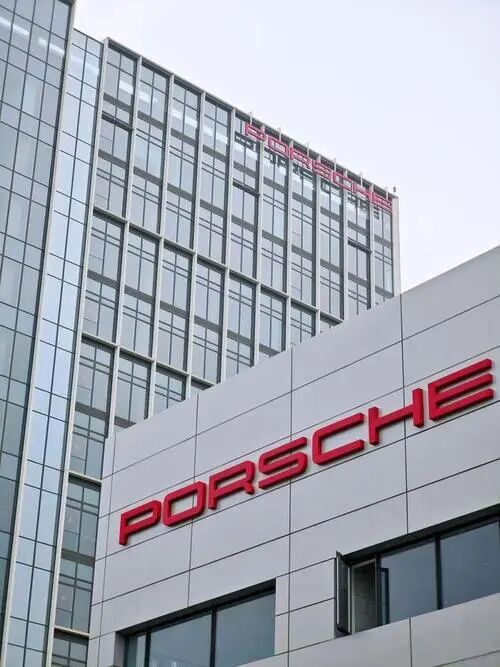
Now, Porsche is shutting down its self-built charging network while delaying electric new products. According to Porsche, the first major outcome from its Shanghai R&D center, a China-exclusive in-vehicle infotainment system, is planned for deployment across multiple models from mid-2026. However, whether this pace can meet Chinese consumers’ expectations for intelligent experiences remains uncertain.
Conclusion:
The Taycan’s design has been repeatedly imitated, once making Porsche a sort of aesthetic reference for Chinese new energy sedans. Yet, imitators surpassed the original in sales in less than three years. When Chinese consumers can buy an electric vehicle resembling the Taycan in appearance at half the price while enjoying far superior intelligent experiences, Porsche’s brand premium no longer constitutes a sufficient reason for purchase.
Currently, channel contraction can buy time for Porsche but cannot single-handedly reverse its performance in China. After changes in Chinese high-end vehicle value standards, Porsche needs to re-prove that its products and brand still justify consumers paying a higher premium.
-
![]()
OFILM Reports Colossal 460 Million Yuan Loss: Founder Quietly Shifts Focus to Optical Modules!
-
![]()
Yutong Optics and Zeiss Forge Partnership to Develop Quality Measurement System and Launch "Optical Communication Joint Measurement Class"
-
![]()
AutoNavi Revises Splash Screen Ads with Precision Amid Controversy
-
![]()
Unlicensed Vehicle Disputes: AutoNavi Ensnared in the Aggregation Model
-
![]()
Agent: The 'Hard Requirement' for Entering Core Enterprise Systems for the First Time
-
![]()
Global Auto Market Outlook: Sales Decline in China, US, and Europe, Chinese Exports Approach 10 Million
-
![]()
AI Pioneer Breaks Free from the 'Doldrums'
-
![]()
Valuation Exceeds $26 Billion! Three Chinese "Gold Medalists" Shake Up the AI Industry