Hainan Formally Declares a 2030 Deadline for Fuel Vehicle Sales: Will Your Gasoline Car Still Be Roadworthy?
 07/15 2026
 331
331
This marks the 88th original piece from the Thinking AI Club.
Approximately 1230 words, with an estimated reading time of 4 minutes.
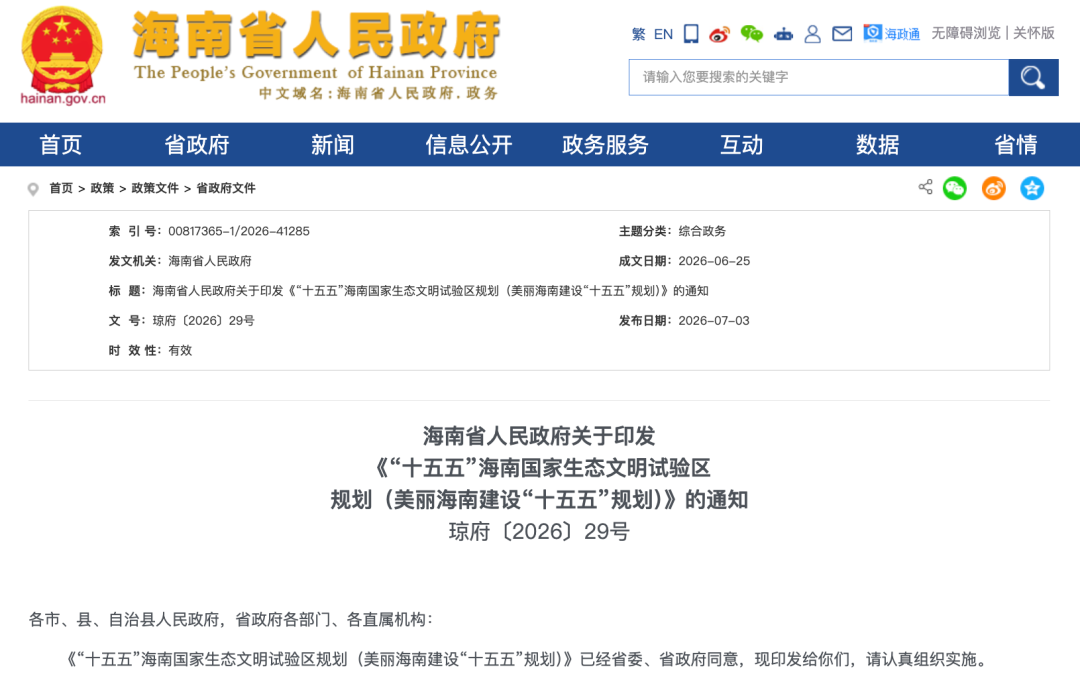
Recently, I stumbled upon Hainan's '15th Five-Year Plan,' which outlines a prohibition on fuel vehicle sales by 2030.
Actually, this initiative didn't emerge out of thin air. Hainan first hinted at this move in 2018, expressing its ambition to transition the entire island to new energy vehicles by 2030. Subsequently, in 2019, the 'Hainan Province Clean Energy Vehicle Development Plan' was officially unveiled, explicitly stating the prohibition on fuel vehicle sales province-wide by 2030.
This '15th Five-Year Plan' essentially reaffirms this timeline, steadily progressing towards it. By 2030, it's anticipated that the share of new energy vehicles will surge from 23.75% in 2025 to 45%.
Steady and consistent progress is being made.

Sales Ban ≠ Driving Ban
Before you hit the panic button, let's clarify the most critical point: the ban targets sales, not driving.
What does this entail? Come 2030, purchasing a brand-new fuel vehicle at a 4S store in Hainan will no longer be an option.
However, fuel vehicles already on the road can still be driven, undergo annual inspections, and be transferred. They can be driven until they naturally reach the end of their lifespan without any hindrance. Vehicles from other regions visiting the island for tourism are also exempt from this policy.
In essence, it's about 'halting the growth, not touching the existing fleet.' This policy boundary is vital; don't be swayed by sensational headlines.
Why Hainan Leads the Way?
Hainan's pioneering move wasn't arbitrary; it was a calculated decision based on timing, location, and support.
Let's delve into the economics. Hainan is unique in China as it lacks highway toll stations. So, how is road maintenance funded? It's directly incorporated into the fuel price—each liter of gasoline includes a 1.05 yuan vehicle passage surcharge.
This explains why fuel prices in Hainan are over a yuan higher than on the mainland, with 92-octane gasoline consistently hovering around 10 yuan.
Driving a fuel vehicle is costly. In contrast, electric vehicles offer not only cheaper electricity but also essentially free highway driving. The financial incentive is clear.
Nowadays, if you tour Hainan, you'll observe that most locals drive new energy vehicles.
Geographically, Hainan's entire island is encircled by a 600+ kilometer loop, easily navigable by today's mainstream electric vehicles. Moreover, the island already boasts over 70,000 charging stations and 95 battery swap stations, with 100% coverage in townships.
Truth be told, driving an electric vehicle in Hainan might provide a superior experience compared to most other places nationwide.
Then there's the climatic advantage. Battery degradation, a significant concern for northern regions in winter, is a non-issue in Hainan.
With consistently warm temperatures, electric vehicles maintain stable range performance, making Hainan the 'dream destination' for electric vehicles.
The data speaks for itself. This April, Hainan's new energy vehicle penetration rate soared to 74.5%, the highest in the country.
What does this signify? For every four new vehicles sold, three are new energy.
This shift is no longer solely policy-driven; it's consumers making their preferences known through their purchases.
Three Key Aspects to Monitor
So, what should we truly focus on? I believe it's not the 'sales ban' itself but three more nuanced aspects.
Firstly, where will the road maintenance funds originate?
Hainan currently relies entirely on the surcharge in fuel prices for road funds. As fuel vehicles dwindle, this revenue stream will shrink.
Will new energy vehicles be subject to a 'road use fee' based on mileage in the future? This is an inevitable question and a challenge the entire nation will confront sooner or later. Hainan's trial is setting the stage for the nation.
Secondly, will the residual value of second-hand fuel vehicles plummet?
With new fuel vehicles no longer available for purchase, the buyer pool for fuel vehicles in the local second-hand market will contract.
In the long run, the resale value of fuel vehicles in Hainan is likely to face downward pressure. If you plan to use a vehicle long-term in Hainan, you might want to reconsider your next car purchase.
Thirdly, who's next in line?
Will regions like Guangdong and Shanghai, which boast high new energy vehicle penetration rates and robust infrastructure, follow suit gradually? It's uncertain, but with Hainan taking the lead, the timeline for the phase-out of fuel vehicles is no longer 'distant.'
Of course, a one-size-fits-all approach nationwide is impractical. Central and western regions, areas with harsh winters, and places with high demand for long-distance travel are far from ready. But the direction is unmistakable.
With just over three years remaining until 2030, the timeframe is neither long nor short.
For the general public, there's no need for panic, but staying informed is advisable. The era of fuel vehicles is indeed winding down.

The article's content is derived from publicly available information and represents solely the personal views of the author.
-
AI's Richest Person Revealed: A Native of Zhanjiang!
-
Standing at a Distance, Behind Xiaomi's Phone Slowdown and Layoffs", "Xiaomi Phone, Declining Sales, Offline Stores, Product Strategy, Comprehensive Ecosystem of People, Vehicles, and Homes", "Accordi
-
![]()
ByteDance Enters Physical AI, Igniting the Second Wave of 'Feast'?
-
![]()
Phoenix Optics Forecasts a Nearly 70% Drop in First-Half Net Profit, Yet Optical Business Profit Shows Growth!
-
![]()
A Staggering 50.16% Reduction in Losses Projected! COST's Interim Report Signals a Pivotal Moment
-
![]()
Nearly 19% of National Total! Guangdong Boasts 164 Registered Large Models as New AI Personification Regulations Take Effect
-
![]()
BYD’s Baosha, Sought After by Australians, Makes a Triumphant Return to China
-
【Focus】Analysis of Downstream Demand Sectors and Key Enterprise Development for Acrylic OCA Optical Adhesives in China by 2026