Spain, Newly Crowned World Cup Champions, Welcomes Chinese Cars—and Chinese Workers
 07/20 2026
 487
487
Lead
Introduction
The global prominence of China’s automotive industry will only be fully acknowledged when Chinese automotive workers, alongside Chinese cars, gain international recognition and popularity.
Fresh from its 2026 World Cup triumph over Argentina, Spain is now extending a warm welcome to Chinese automakers.
According to a working report detailing the Spanish government’s strategy to revitalize its automotive sector, it’s not just Chinese automotive companies that are being courted—Chinese workers are equally sought after.
The battery plant, a joint venture between CATL and Stellantis, will bring in Chinese workers for its construction phase. Chery and BAIC are also poised to invest in Spain, establishing themselves as 'flagship joint ventures.'
The report, initially slated for release on July 17, was acquired by Bloomberg prior to its official publication.
The decline of manufacturing in the Western world is not solely attributed to technological R&D shortcomings—it also grapples with a shortage of industrial workers, presenting a golden opportunity for Chinese automakers to expand their global footprint.
01 Spain Wants Chinese Cars—and Chinese Workers
If winning the World Cup was a cause for celebration in Spain, then forging comprehensive cooperation with China’s automotive industry is another.
According to the aforementioned report, Spain and China’s automotive sectors are advancing three 'flagship joint ventures,' a meticulously designed investment blueprint by Madrid.
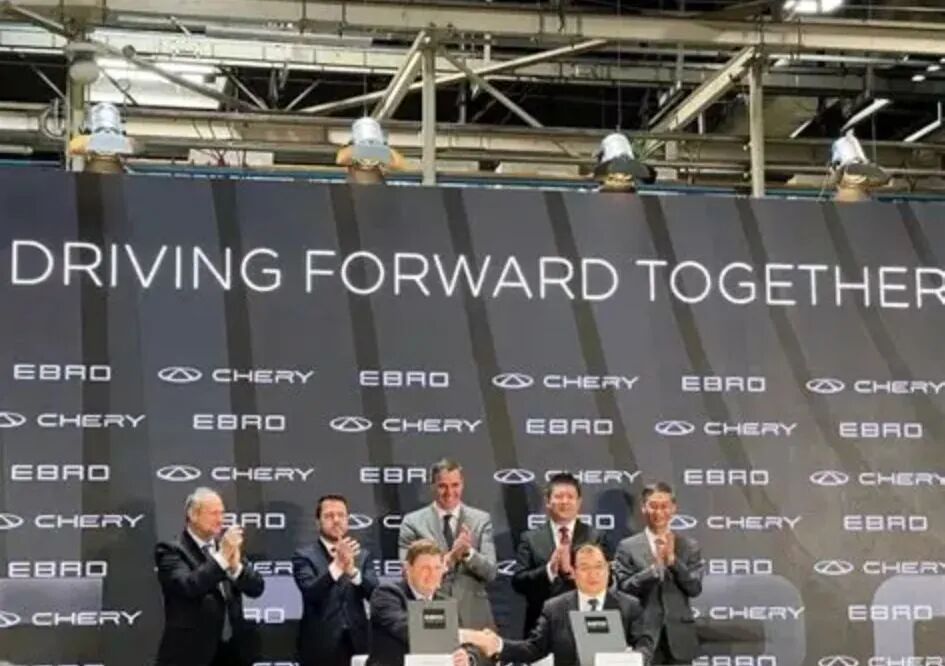
The first involves Chery’s partnership with Spanish firm Ebro Motors, the second is the Stellantis and CATL battery project, and the third is BAIC Group’s collaboration with Santana Motors.
Through these three initiatives, the Spanish government aims to showcase what 'smooth investment in Spain' entails.
Among them, the largest Chinese industrial investment in Spain is the battery plant jointly owned by CATL and Stellantis, with an investment of €4.1 billion (approximately RMB 31.7 billion). Until the fourth quarter of 2028, this plant will rely on 'expatriate workers' from China for its construction.
This confirms earlier speculation—Spain lacks a sufficient local industrial workforce and needs to bring in personnel from China.
The other two flagship joint ventures are also making steady progress.
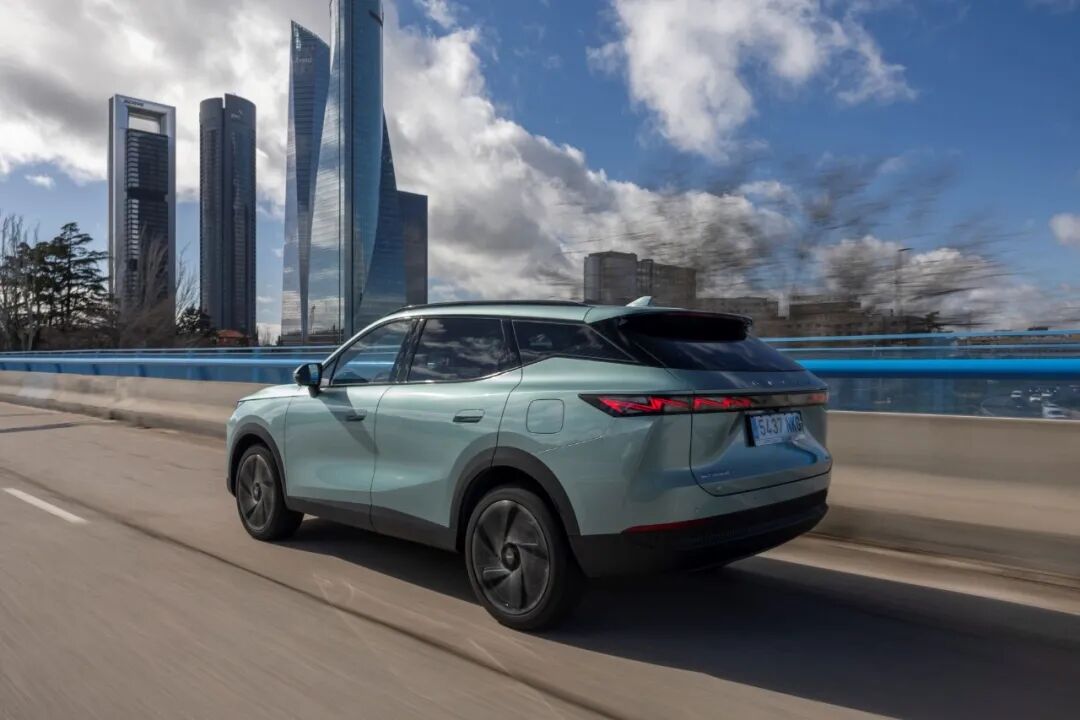
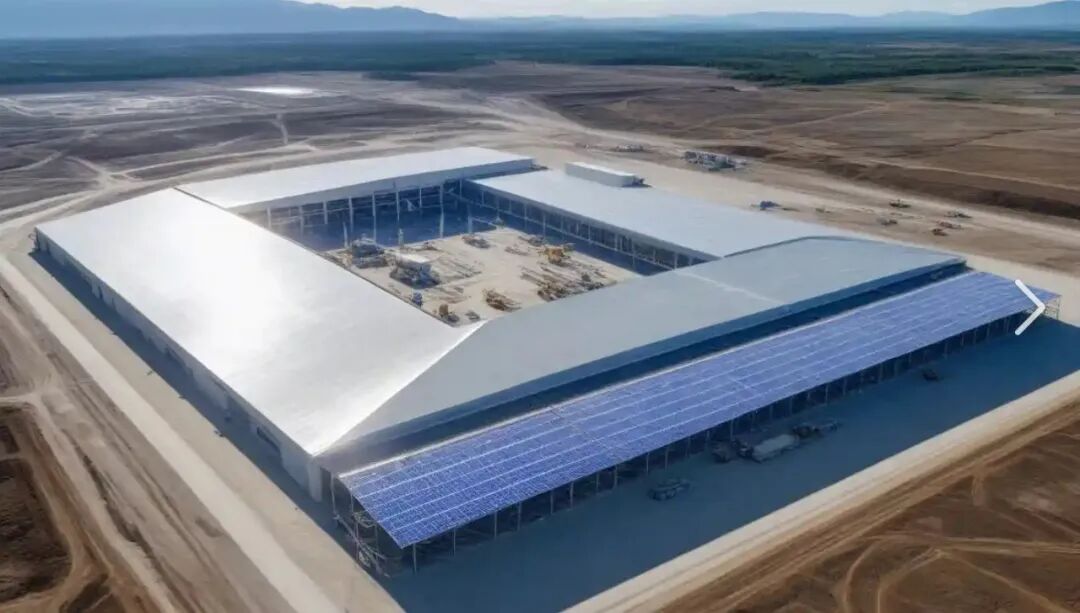
Chery’s Barcelona plant is finally set to commence production this year.
Originally located on Nissan’s former site, Chery’s acquisition had initially planned to start production in 2024, but delays ensued. Officially, 'commercial factors' were cited, including EU tariffs on Chinese electric vehicles, which necessitated a recalibration by Chery.
Nevertheless, this marks Chery’s inaugural plant in Europe, signifying substantial progress.
Spanish authorities welcome this investment, believing it will invigorate the national automotive industry and strengthen ties with China.
In fact, Spain is now the most proactive EU nation in wooing Chinese automakers, unequivocally so. It has consistently argued with Brussels that a middle ground exists between 'complete protectionism' and 'full openness.'
While Brussels closely monitors Chinese investments and seeks to reduce trade deficits, Spain contends that Chinese companies are indispensable in Europe’s transition to electric vehicles.
The premise is that these investments must generate local employment, invigorate local suppliers, and facilitate technology transfer.
The report forecasts employment gains: the three projects will directly create nearly 6,000 jobs.
The battery plant accounts for the majority, with over 4,000 positions; Ebro Motors will have 1,600; and Santana Motors around 210.
Additionally, thousands of temporary jobs will be generated during plant construction. However, the report does not specify how many of these construction roles will be filled by workers brought in from China. The Spanish Ministry of Industry also did not respond to media inquiries for comment.
02 BYD and Chery Make Significant Inroads
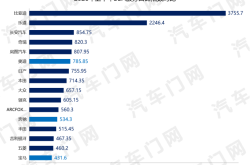
Data obtained by Automobile Commune from Spain’s automotive industry association, Anfac (Asociación Española de Fabricantes de Automóviles), reveals that Chinese automakers have now firmly established themselves in Spain, with BYD and Chery excelling in sales.
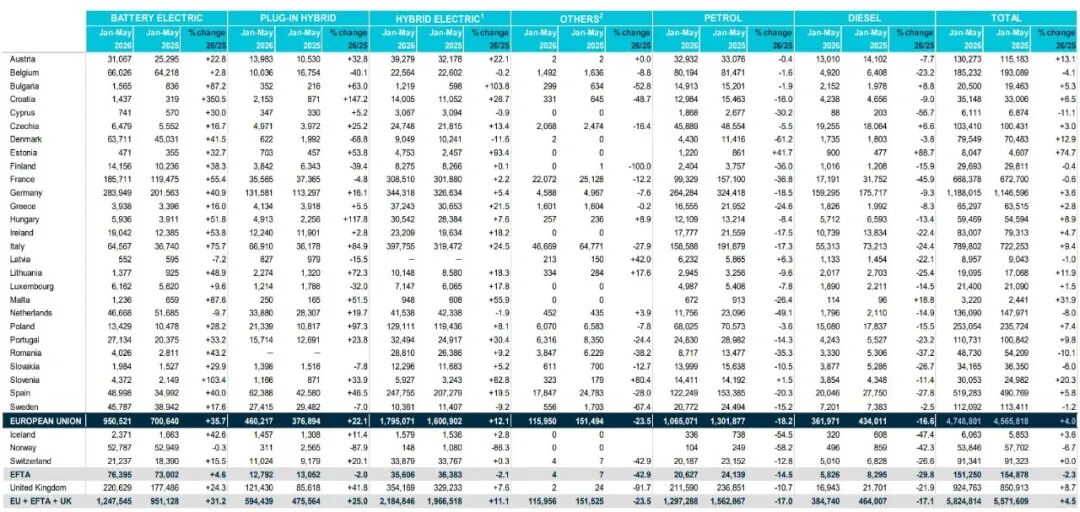
Spain is the EU’s fourth-largest automotive market, with 519,283 new vehicles sold from January to May 2026, up 5.8% year-on-year. It ranks only behind Germany, France, and Italy—and below the UK, which has left the EU.
Across the EU, new vehicle sales reached 4,748,801 from January to May this year, up 4.0% year-on-year. Thus, Spain’s automotive market is growing faster than the EU average.
However, an analysis by Automobile Commune of Spain’s market growth structure reveals explosive growth in new energy vehicles.
Battery electric vehicles (BEVs) surged 40.0% year-on-year to 48,998 units, while plug-in hybrid electric vehicles (PHEVs) soared 46.5% to 62,388 units. Chinese automakers dominate these two segments. Meanwhile, conventional hybrids (HEVs) have become the mainstream in Spain, rising 19.5% to 247,755 units. Chinese brands are also starting to make gains here.
In stark contrast, high fuel prices have dragged down Spain’s internal combustion engine vehicles, with gasoline cars falling 20.3% to 122,249 units and diesel cars slumping 27.8% to 20,046 units.
The standout Chinese automakers are BYD and Chery.
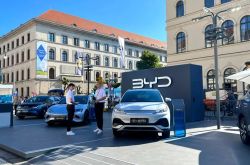
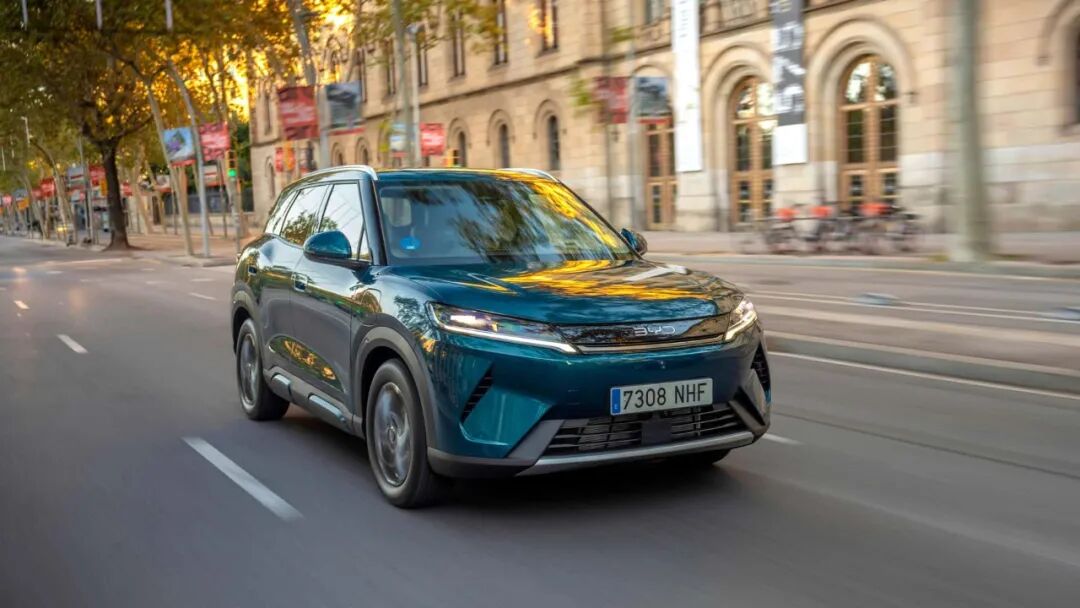
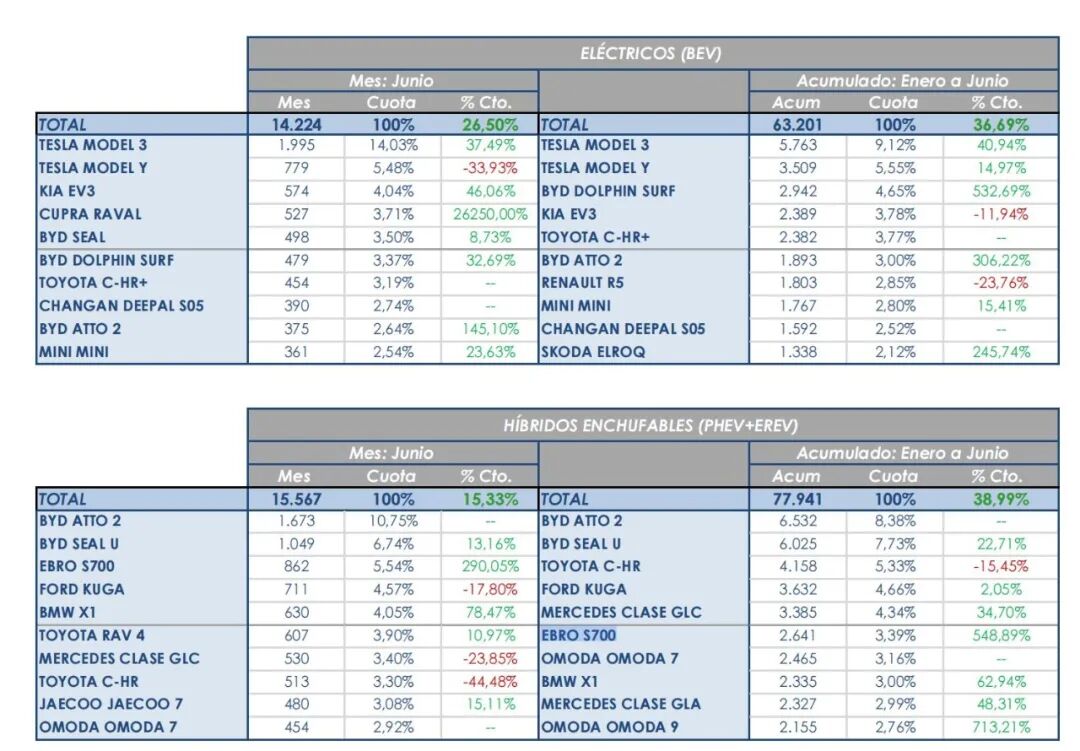
In Spain’s BEV market, the BYD Dolphin SURF ranked among the top three sellers in the first half of this year, just behind the Tesla Model Y and Model 3, with 2,942 units sold—a staggering 532.69% year-on-year increase. The BYD ATTO 2 (corresponding to the domestic Yuan UP) and Changan Deepal SL05 also cracked the top ten for pure electric vehicles.
The ATTO 2 PHEV and Seal U monopolized the gold and silver medals in Spain’s PHEV market, each selling over 6,000 units in the first half. The locally produced EBRO S700, a collaboration between a local firm and Chery, along with Chery’s Omoda 7/Omoda 9, ranked among the top ten PHEVs.
Even in the conventional HEV segment, Chery’s Omoda 5 and SAIC’s MG ZS made the top ten, each selling over 7,000 units in the first half.
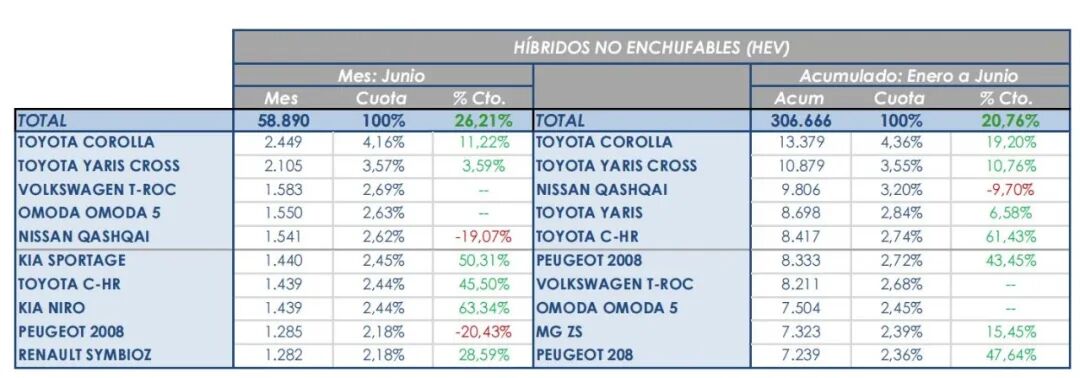
Given that conventional hybrids now represent Spain’s largest market segment, it’s evident that domestic automotive companies developing HEV technology are not lagging behind the times—nor is this effort solely aimed at replacing domestic fuel vehicles. It also benefits overseas expansion.
03 Concerns: Are the Benefits Only Going to China?
However, job creation alone is insufficient—the crux lies in whether Spanish local suppliers can truly reap the rewards.
Madrid is well aware that the two main indicators of investment success are the proportion of local parts procurement and the extent of technology transfer.
Yet, both remain ambiguous at present.
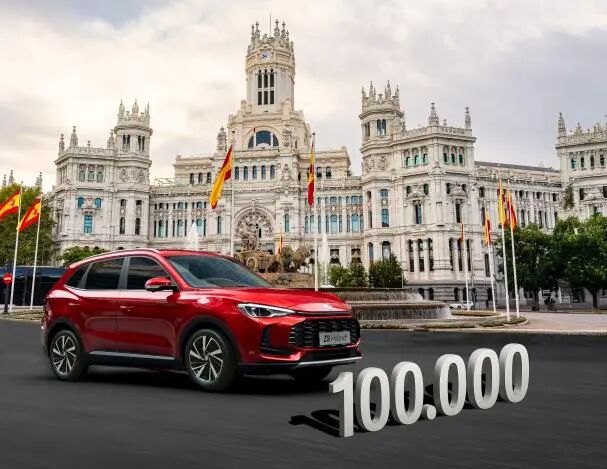
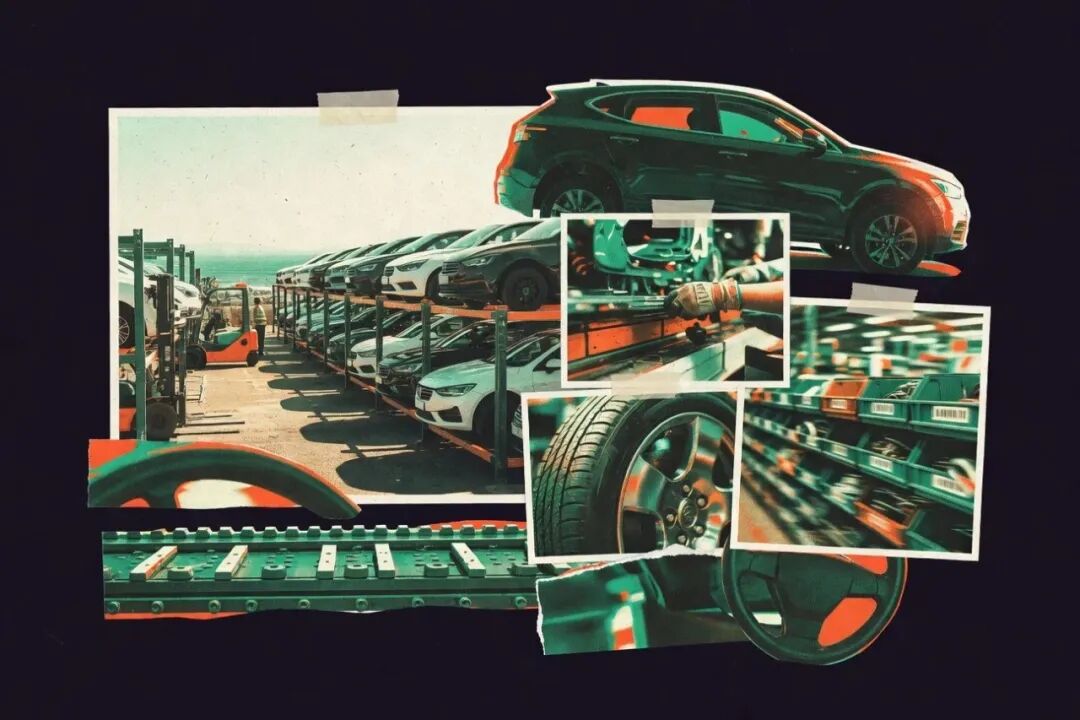
In the initial phase, Chinese automakers will adopt a model of 'importing complete vehicle kits for assembly in Spain.' In simpler terms, components will be shipped over, assembled, and labeled 'Made in Spain.'
But the long-term goal is to establish a European supply chain, allowing local companies to participate. Right now, though, this goal remains nebulous.
The same applies to technology transfer. The report mentions 'gradual transfer,' but there’s no clear roadmap for handing over core intellectual property to the Spanish.
Both CATL and Chery are only offering technology licensing, not true technology transfer. Moreover, neither project has a definite plan to establish a local R&D center in Spain.
In other words, technology remains firmly in Chinese hands—how much Spain will gain is uncertain.
The EU is also taking a serious stance, preparing new policies that will tie subsidies to origin requirements and low-carbon standards.
Major automakers like Volkswagen, Stellantis, and Renault verbally support local content rules but last month jointly called for looser thresholds, warning that too many vehicles would miss out on subsidies otherwise.
The biggest weakness in Europe’s electric vehicle industry is batteries, which account for one-third of an EV’s value—yet Europe produces none domestically.
Northvolt, once seen as a challenger to China’s battery giants, has gone bankrupt. Europe’s dream of a local battery supply chain has largely shattered.
Now, the entire European automotive industry is shedding jobs and cutting capacity, with high-cost countries like Germany bearing the brunt.
Volkswagen and Stellantis, both holding mass-market brands like Skoda, are struggling amid weak European demand as their vehicles face stiff competition from BYD and Chery’s EVs.
Stellantis has been the quickest to react, becoming the first major European automaker to deeply bind itself with Chinese partners. It put it bluntly: this approach provides a shortcut to competitive technology while saving billions in R&D costs.
Earlier this year, Stellantis announced that from 2028 onward, it will use Leapmotor’s electric components to produce an Opel SUV in Spain. It also plans to share production capacity with a factory near Madrid and have Dongfeng Motor manufacture vehicles in Rennes, France.
In short, Spain wants Chinese cars—and Chinese workers—but whether it can truly nourish its own supply chain remains uncertain.
For China’s automotive industry, achieving a balance between mutual interests will determine the stability of its long-term development.
Editor-in-Chief: Shi Jie Editor: He Zengrong

THE END
-
![]()
Analysis of BBA Service Reputation Index in the First Half of 2026: Terminal Services Under Pressure
-
Observation of AI Business Models: From Token-Based Payment to Outcome-Based Payment
-
Observations on AI Business Models: From Token-Based Payment to Outcome-Based Payment
-
SpaceX Market Insight: The $1 Trillion 'Fireworks' Fizzle Out, Marking the Start of the Super IPO Gamble
-
![]()
Car Prices on the Rise: Is It Wise to Postpone Your Purchase?
-
![]()
Foxconn's Electric Vehicle Venture Hits a Snag
-
![]()
How Did They Open the Door to Europe by Attacking the Century-Old Stronghold of the Automotive Industry?
-
![]()
Qwen Still Shows Hesitation