June's Global Automotive Market Capitalization Rankings: Leading Brands from China, the U.S., and Japan Each Surpass US$100 Billion
 07/20 2026
 494
494
For automakers, market capitalization is not a direct indicator of sales volume or profitability. Nevertheless, from the perspective of capital markets and investors, a higher market capitalization often signifies that an automaker is perceived to have strong long-term profitability and significant growth potential. This, in turn, suggests that the automaker has robust risk resilience and financing capabilities.
This is precisely why market capitalization holds such importance for automakers.
In the current domestic automotive landscape, intense competition and escalating raw material costs have contributed to a general decline in profits for major automakers compared to the same period last year. As previously discussed, an automaker's market capitalization is closely tied to its short-term profitability and even profit per vehicle. In this article, we will examine the global automotive market capitalization rankings for June.
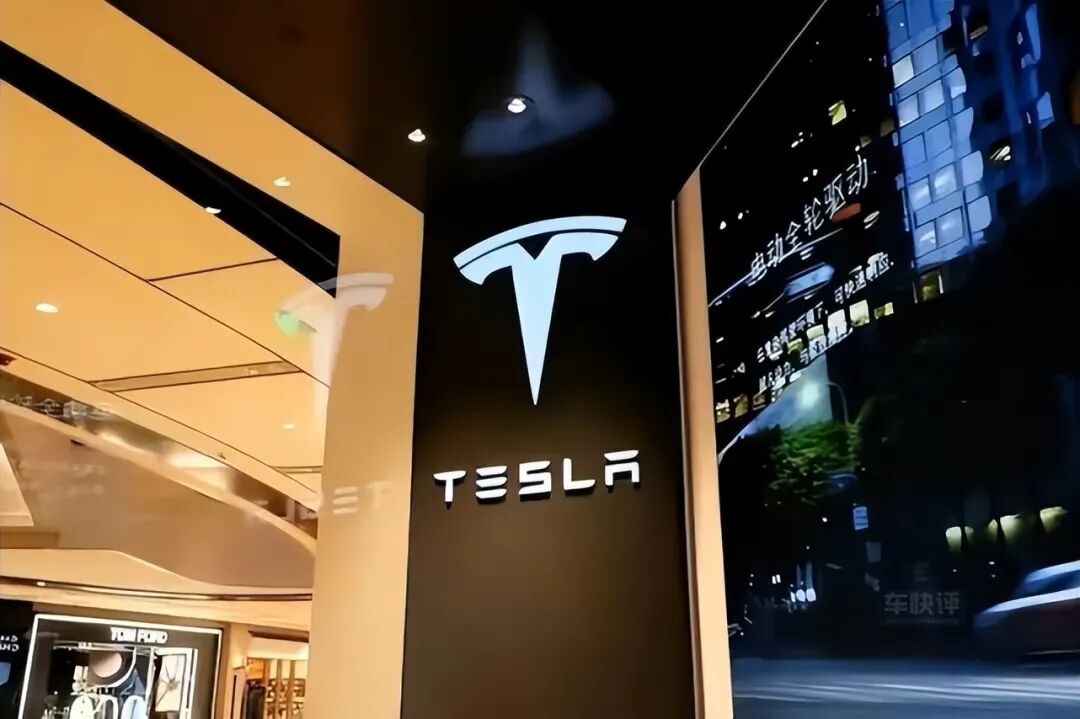
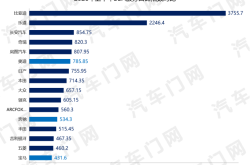
It's likely no surprise to you that Tesla secured the top spot. With a market capitalization of US$15,579.7 billion, Tesla not only leads but does so by a substantial margin on a global scale. Given Tesla's current overall performance, it's plausible that no other automaker will surpass its market capitalization in the next three to five years. Tesla's lofty market capitalization is primarily attributed to investors' optimism regarding its advancements in autonomous driving and humanoid robotics. Consequently, despite reporting a net profit of only RMB 38.2 billion in 2025, Tesla's market capitalization remains elevated.
Toyota claimed the second position, with a June market capitalization of US$219.5 billion. The figures clearly illustrate that while Toyota ranks second, its market capitalization is significantly lower than Tesla's, amounting to just one-seventh of Tesla's. However, Toyota's profitability far exceeds that of Tesla. Again, using 2025 as a reference point, Toyota's net profit reached RMB 165.4 billion, nearly 4.33 times that of Tesla.
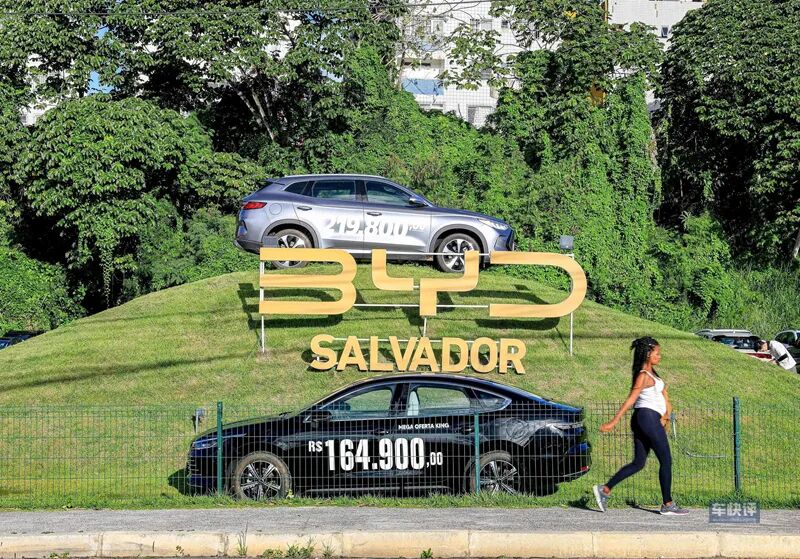
BYD secured the third spot, with a market capitalization of US$126 billion, roughly equivalent to RMB 858.2 billion. Whether this comes as a surprise or not, BYD's inclusion in the top three for global automotive market capitalization underscores its appeal in the capital markets. When compared to Tesla and Toyota, BYD's strengths are evident. In addition to being the sales leader in global new energy and pure electric vehicles, BYD's advantage across the entire new energy vehicle industrial chain is unparalleled globally. This may explain BYD's confidence in surpassing Toyota in sales within the next five years.
Beyond the aforementioned three automakers with market capitalizations exceeding US$100 billion in June, other automakers with market capitalizations over US$50 billion include Hyundai Kia at US$74.5 billion, General Motors at US$69.5 billion, Ferrari at US$65.7 billion, Mercedes-Benz at US$57 billion, Xiaomi (inclusive of its mobile phone business) at US$55.8 billion, Ford at US$55.4 billion, BMW at US$54.5 billion, and Volkswagen at US$52.5 billion.
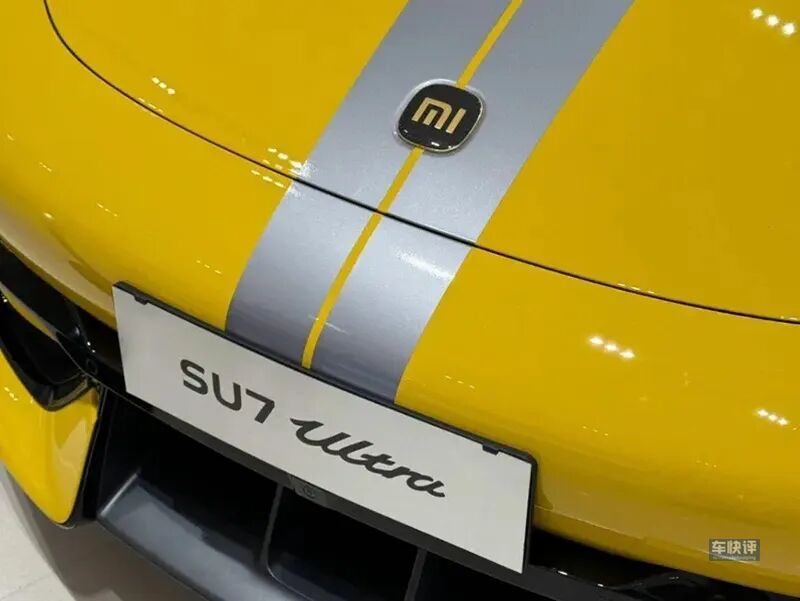
Among these automakers, Volkswagen and Xiaomi experienced the most significant month-on-month declines in market capitalization, with Volkswagen dropping by 25% and Xiaomi by 24%. Ferrari was the only automaker to see an increase in market capitalization, with a growth rate of 9.9%.
Among the emerging automotive forces, NIO, XPeng, and Li Auto had relatively similar market capitalizations in June, all exceeding US$10 billion. NIO and XPeng both had market capitalizations of US$12.7 billion, while Li Auto's stood at US$12.4 billion. Great Wall Motors, which saw a substantial decline in profits in the first half of the year, had a market capitalization of only US$9.3 billion in June, down 17% month-on-month, even lower than that of the emerging automotive forces.
Copyright Notice: This article is original to Che Kuaiping. Reproduction requires authorization. Unauthorized reproduction is strictly prohibited, and any form of plagiarism or misappropriation of images and text will result in legal action. Some images in the article are sourced from the internet, and copyright belongs to the original authors. If your work is used, please contact us for royalties or deletion.
-
![]()
Analysis of BBA Service Reputation Index in the First Half of 2026: Terminal Services Under Pressure
-
Observation of AI Business Models: From Token-Based Payment to Outcome-Based Payment
-
Observations on AI Business Models: From Token-Based Payment to Outcome-Based Payment
-
SpaceX Market Insight: The $1 Trillion 'Fireworks' Fizzle Out, Marking the Start of the Super IPO Gamble
-
![]()
Car Prices on the Rise: Is It Wise to Postpone Your Purchase?
-
![]()
Foxconn's Electric Vehicle Venture Hits a Snag
-
![]()
How Did They Open the Door to Europe by Attacking the Century-Old Stronghold of the Automotive Industry?
-
![]()
Qwen Still Shows Hesitation