Final Ruling: What’s Behind the Sluggish Sales of Domestic Cars?
 08/07 2026
 387
387
July has traditionally been a sluggish period for the domestic automotive market, and the production and sales data for cars this July have yet to be released. According to information from various automakers, except for a select few, the majority are still experiencing negative growth. It is anticipated that total domestic car sales in July will continue this downward trend, while automotive exports are expected to maintain their rapid growth.
Data from the National Bureau of Statistics reveal that in the first half of this year, retail sales of automobiles declined by 12.6% year-on-year, exerting a drag on the overall growth rate of retail sales of social consumer goods. The share of automobile retail sales in the total retail sales of social consumer goods dropped from around 10% in previous years to 7.9%.
Despite automakers' efforts to introduce new models, enhance features, and reduce prices, cars are simply not selling well in the domestic market. Fortunately, the swift growth in automotive exports has alleviated some of the pressure on car companies.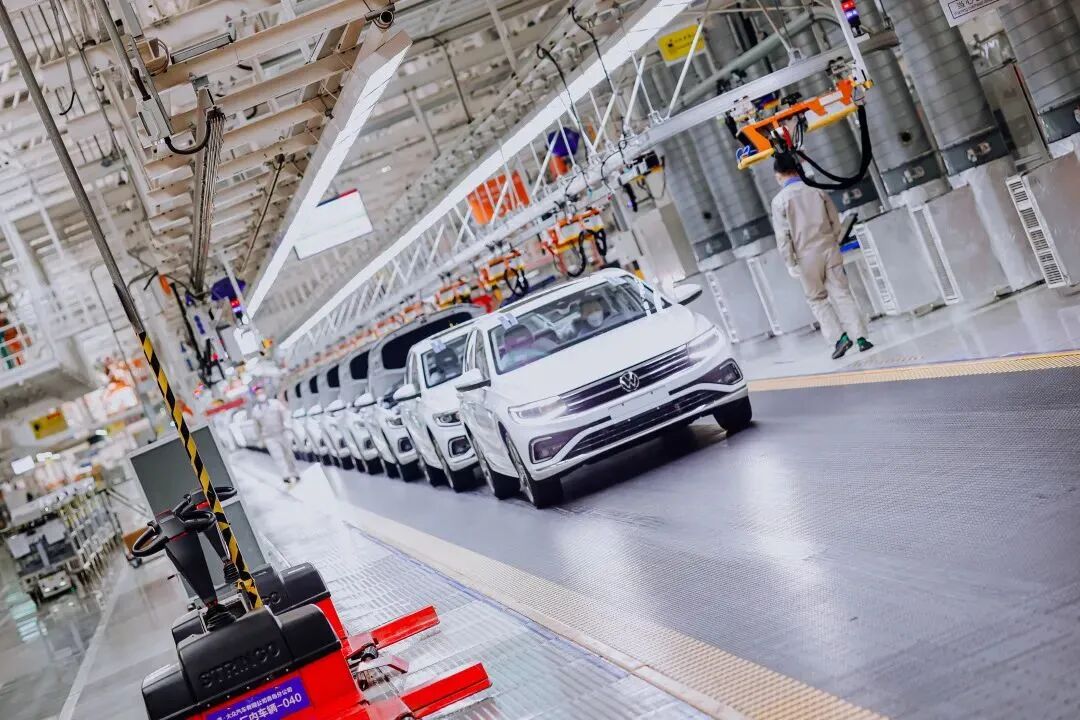
The domestic automotive market is experiencing a downturn, with a notable decrease in sales. Whether gauged by wholesale figures from the China Association of Automobile Manufacturers or registration numbers from the Traffic Management Bureau of the Ministry of Public Security, domestic car sales in the first half of the year fell by approximately 20% year-on-year.
This phenomenon is not attributable to a single cause but rather stems from a confluence of factors, including market saturation, the withdrawal of preferential policies, an uncertain economic climate, industry competition, and consumer sentiment.
Firstly, domestic car ownership has surged, leading to a relatively saturated market that has entered an era of "stock competition."
Statistics from the Traffic Management Bureau of the Ministry of Public Security indicate that as of the end of June this year, domestic car ownership exceeded 371 million vehicles, with a per capita car ownership of 263 vehicles, surpassing the global average of 200 vehicles per thousand people. The domestic consumer population of suitable age is now nearly at a ratio of two people per car, significantly limiting the potential for further car ownership growth. The domestic automotive market has transitioned from "incremental purchases" to primarily "stock replacements." The "rigid demand" for first-time car purchases has diminished, while the demand for car replacements has become more discerning and rational.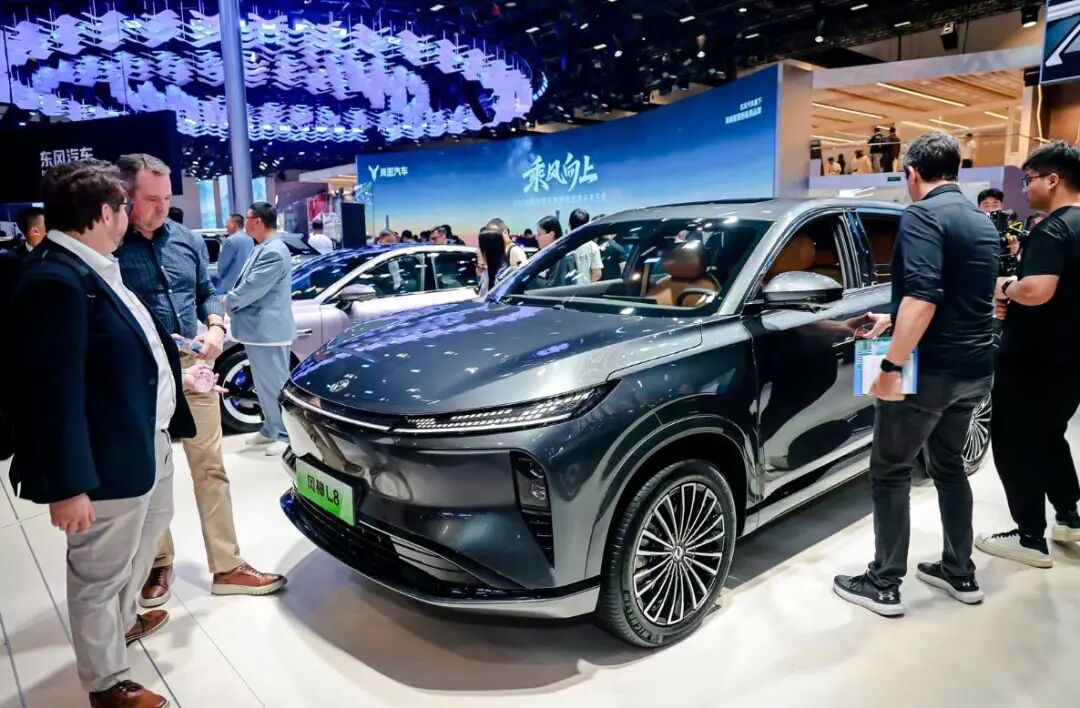
Secondly, the policy incentives that once spurred automotive consumption are waning, and demand was brought forward.
Starting from January 2026, the purchase tax exemption for new energy vehicles will be adjusted from a full exemption to a 50% reduction. For plug-in hybrid and extended-range models among new energy vehicles, incentives will be eliminated starting from January of the following year.
Prior to the closure of the subsidy policy window at the end of 2025, consumers made significant purchases. Automotive demand was concentrated and released, preempting the market in 2026.
Thirdly, uncertainty in expectations has led to a lack of confidence in automotive consumption.
Domestic economic growth is under considerable pressure, and residents' uncertainty about their income prospects has increased, leading to caution regarding large-scale expenditures. Unlike first-time purchases, car replacements are generally postponed when the economic environment is uncertain. A McKinsey report indicates that over 22% of domestic consumers have a negative attitude toward price wars and are adopting a wait-and-see approach.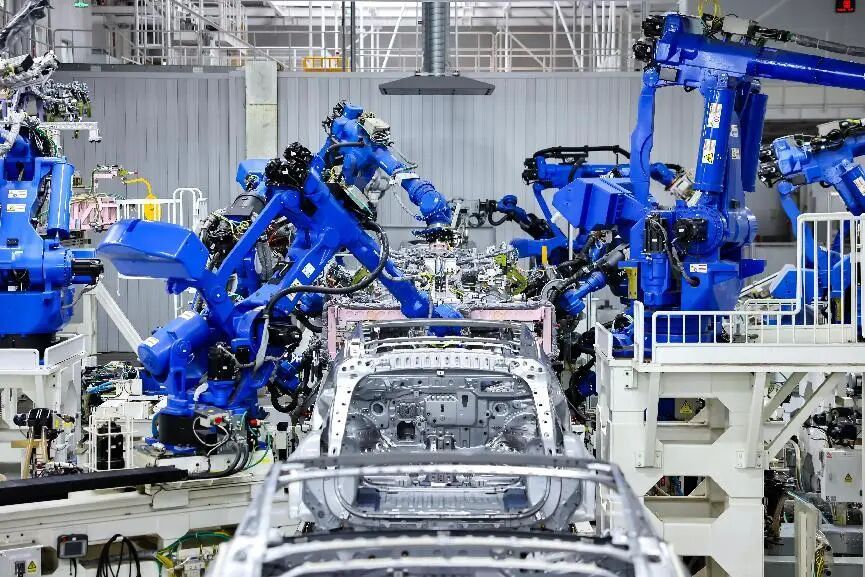
Fourthly, fuel-powered vehicles are being impacted by external factors.
Sales of fuel-powered passenger vehicles have plummeted, becoming a key factor dragging down the overall automotive market. At the end of last year, many predicted that fuel-powered vehicles would hit bottom and experience a sales rebound in 2026. However, geopolitical conflicts, such as the US-Iran tension, have driven up international and domestic oil prices, increasing the operating costs of fuel-powered vehicles. This has prompted some consumers who were not optimistic about new energy vehicles and planned to buy fuel-powered vehicles to switch to new energy vehicles instead. This shift is also why the penetration rate of new energy vehicles significantly increased in the first half of this year, forming a strong substitution effect for fuel-powered vehicles.
Fifthly, the automotive price war has not stimulated sales but has instead led to consumers adopting a wait-and-see attitude with their money.
Chinese consumers have a tendency to "buy when prices rise, not when they fall." The prolonged automotive price war has led consumers to anticipate further price reductions, intensifying the wait-and-see mentality. Price cuts and discounts have not effectively driven terminal sales but have further squeezed corporate profit margins.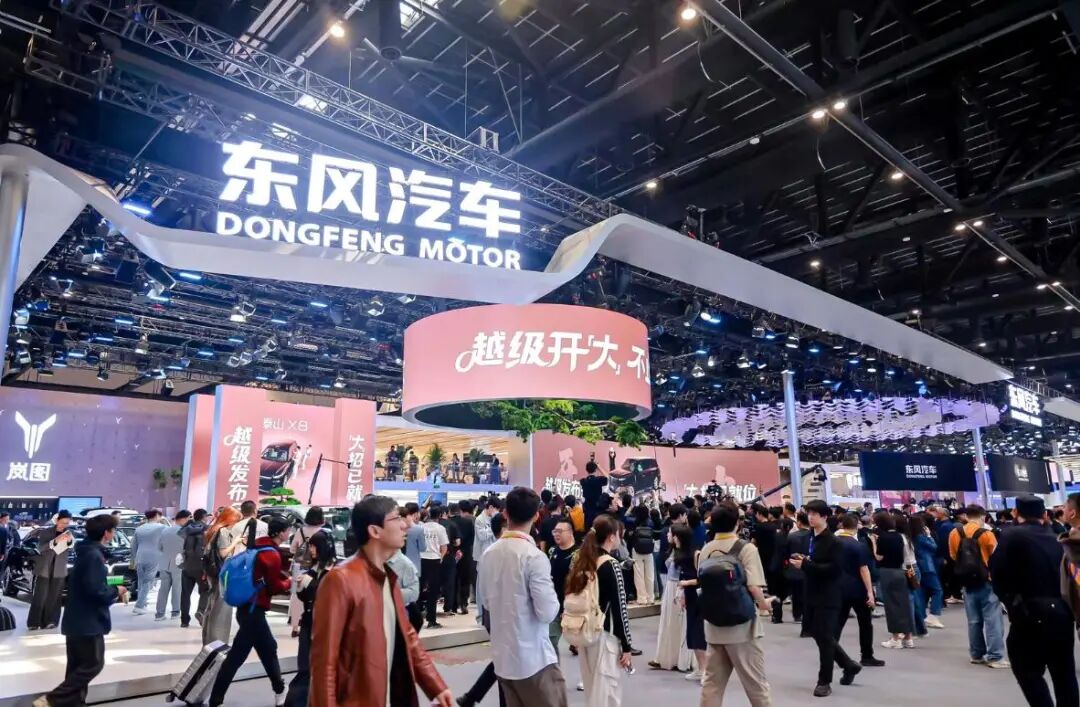
Regarding the domestic automotive market in the second half of the year, some analysts predict that domestic car sales will continue to decline, possibly by around 10%, and there may be a year-on-year decrease of around 15% in domestic car sales for the entire year. The situation is dire. (End)
-
![]()
Final Ruling: What’s Behind the Sluggish Sales of Domestic Cars?
-
![]()
ByteDance Restructures ToB Business: What New Roles Do Doubao, Feishu, and Volcano Play?
-
How Does Yusys Technologies Redefine the Banking Business with AI When Banks No Longer Just Purchase Systems?
-
Microsoft and Amazon Surge Over 20% in Three Days: Is AI Entering a Phase of 'Profit Rotation' Trading?
-
![]()
STO Express Stalls Amid Safety Concerns, Abandons 3 Billion Yuan Convertible Bond Plan
-
Two Battles Among Tencent, Alibaba, and ByteDance: Settling Past Coding Debts and Betting on the Future of Work
-
![]()
Is Blue Mountain Production Coming to an End? Wey CEO Zhao Yongpo Responds: No Discontinuation Plans, and It’s Thriving Overseas
-
![]()
Lexus, Eager to Keep Its Dealerships Afloat, Seeks Solutions in Audio Systems