Yu Chengdong’s ‘Powerhouse’ Showcase: Can AITO’s MAEXTRO Outperform Toyota Alphard?
 08/14 2026
 385
385
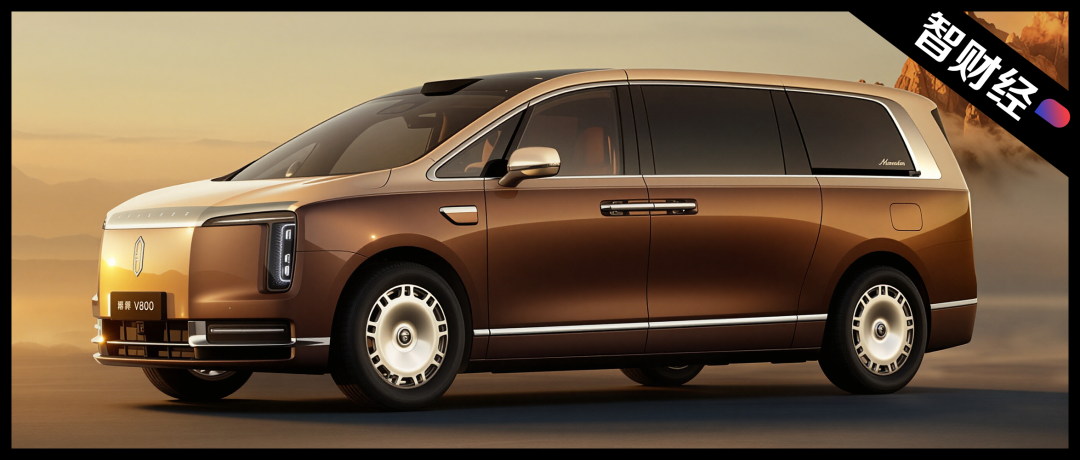
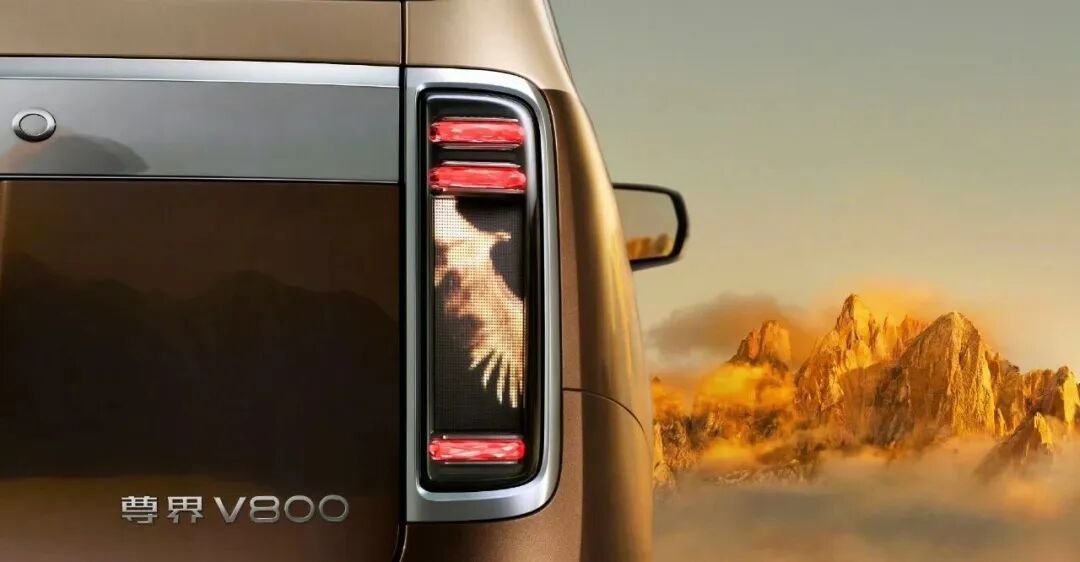
On August 5, the MAEXTRO V800 and V680 officially entered the ultra-luxury MPV market, priced in the million-yuan range. Within just 24 hours of their launch, firm orders exceeded 3,500 units, doubling the first-day sales of the MAEXTRO S800. With an average price of 900,000 yuan, this resulted in over 3.1 billion yuan in confirmed sales within a single day.
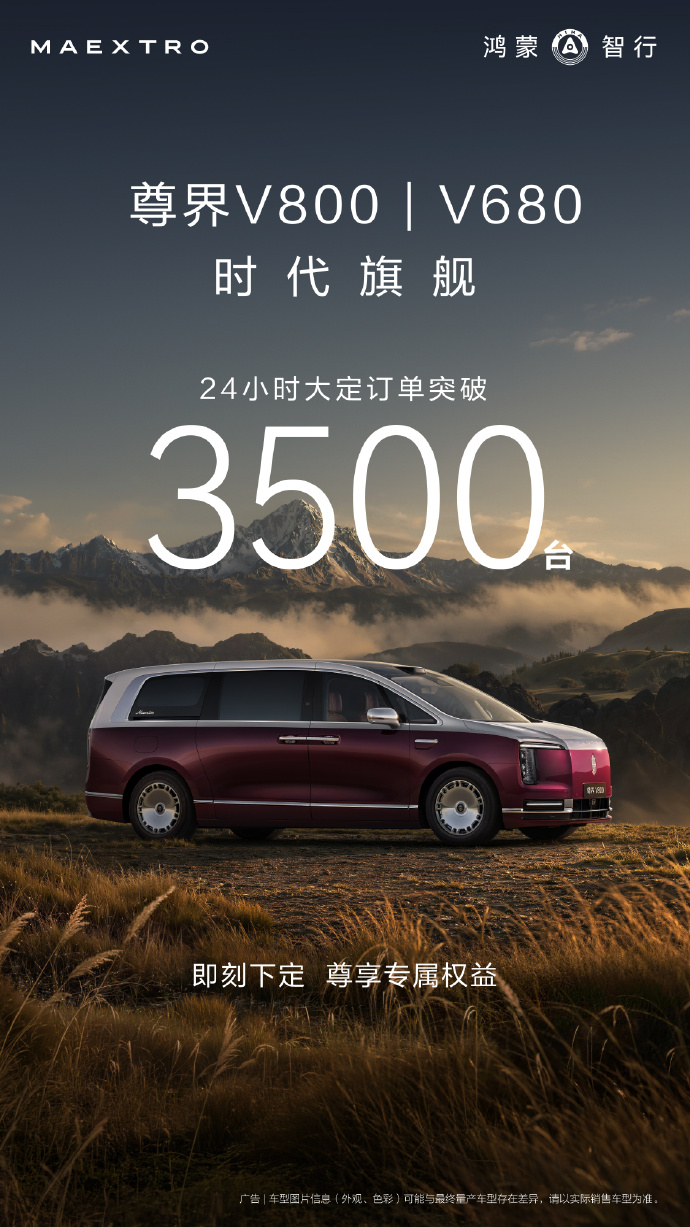 Image Source: Weibo
Data from the first 72 hours of retail activity reveals a transformed industry landscape: Most customers are comparing the MAEXTRO directly with the Alphard and Vellfire, with the Mercedes-Benz V-Class seen as a niche alternative. Mainstream domestic new energy MPVs, such as DENZA, ZEEKR, and Li Auto, are largely overlooked by corporate buyers.
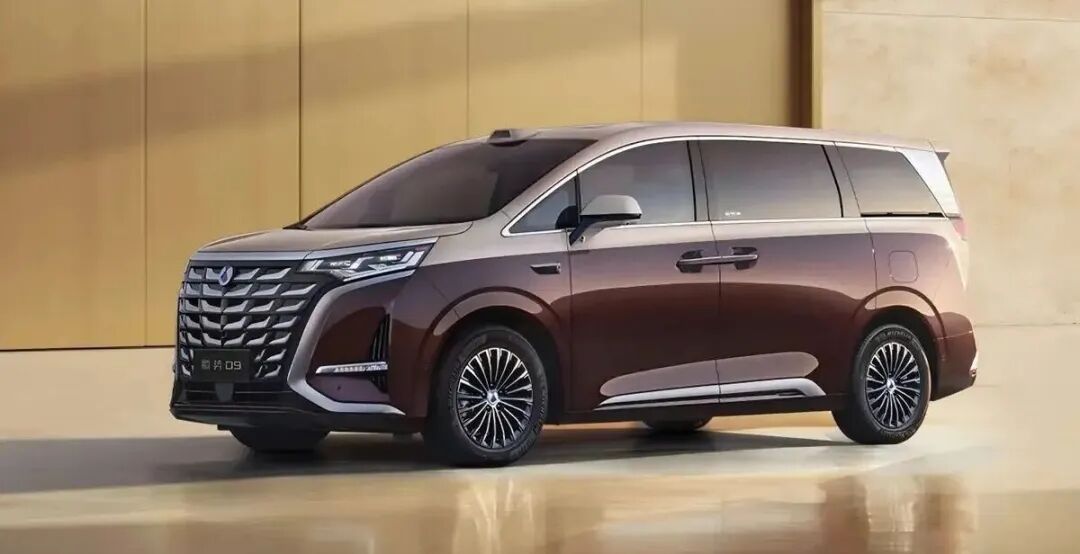 Image Source: Weibo
MAEXTRO has strategically avoided the crowded 400,000-500,000 yuan mid-range market, instead setting its sights on Japanese million-yuan MPVs that have dominated China’s business vehicle market for two decades. The market’s response has been clear: 90% of interested buyers are focused on the V800, with 70% opting for the top-spec 1.016 million yuan Navigator Edition. Many placed orders without even seeing the actual vehicle in person. This surge in orders has sparked widespread online debate, with polarized opinions.
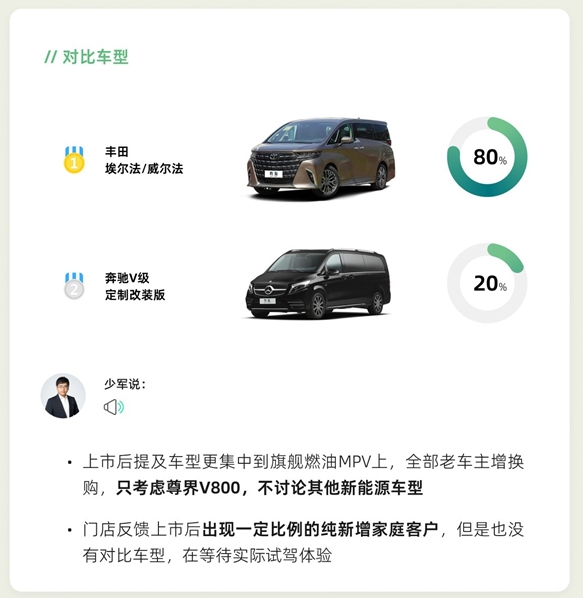 Image Source: Car Fans
Some netizens commented: ‘Yu Chengdong truly has the expertise to make breakthroughs in the high-end market. Targeting the Toyota Alphard could force Japanese brands, which have long profited from excessive premiums, to become more rational. They’ve dominated the market for too long without facing real competition.’
Rational voices caution: ‘MAEXTRO faces more than just the Toyota Alphard. China’s high-end MPV segment is already fiercely competitive, with significant challenges ahead. We shouldn’t be overly optimistic.’
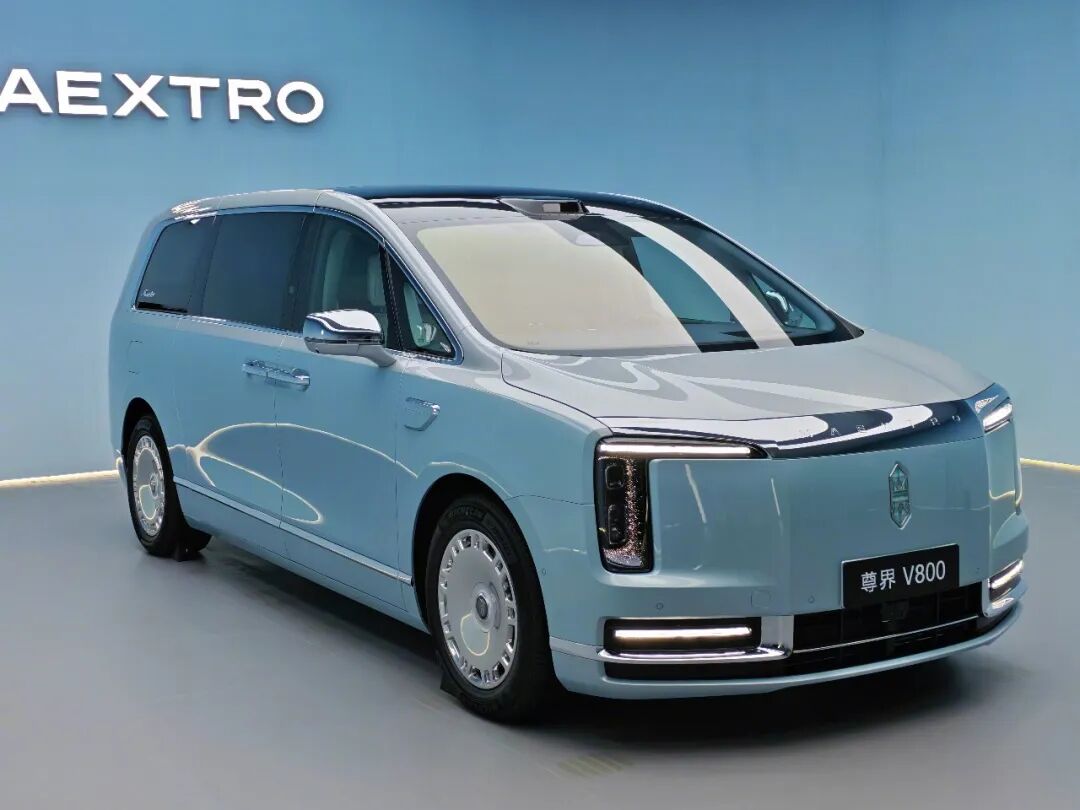 Image Source: Sina Auto
Many business owners appreciate escaping the Alphard’s persistent price hikes, though industry insiders remain cautious—strong pre-sales don’t guarantee long-term success. The Alphard’s core advantage lies in its status as a business social symbol, making it difficult to disrupt the established hierarchy of high-end commercial vehicles through product features alone.
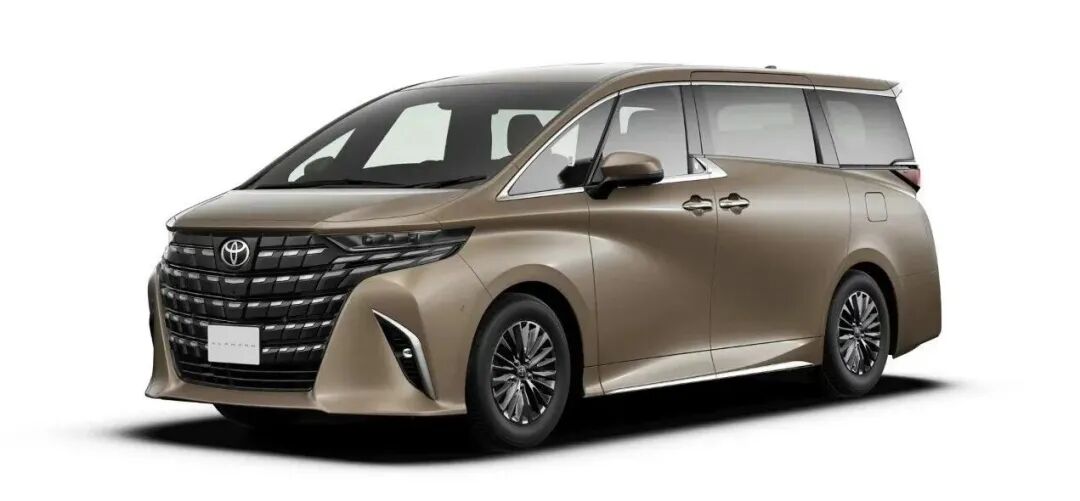
Image Source: Sina Auto
01 Coastal Business Leaders Drive Car Replacement Wave, Orders Flood Top Market Tier
Retail conversion data is impressive: MAEXTRO stores maintain conversion rates of 20-30%, with an average of 20 daily orders per store and rising foot traffic. The 800,000+ yuan high-end MPV segment typically sells about 5,000 units in six months—MAEXTRO achieved nearly that volume in just days.
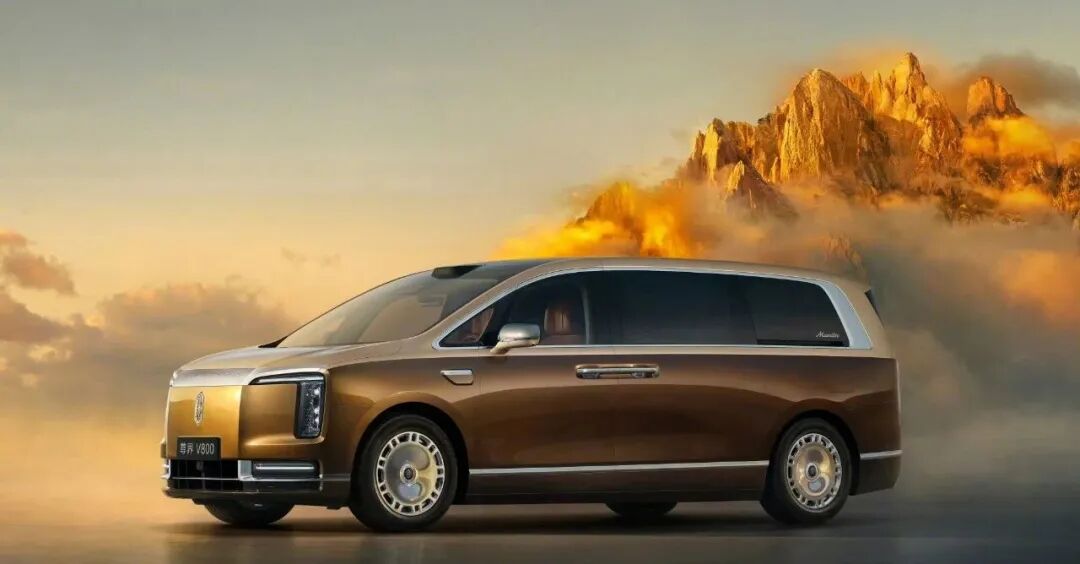
Buyer profiles are clear: The majority are aged between 35-60, with 80% of purchases made by corporations, including business owners and executives who understand high-end vehicle needs without requiring extensive sales explanations. Guangdong, Zhejiang, and Shanghai contribute 40% of orders, concentrated in core business regions. Leveraging existing owner networks and offline tasting events continues to drive customer acquisition.
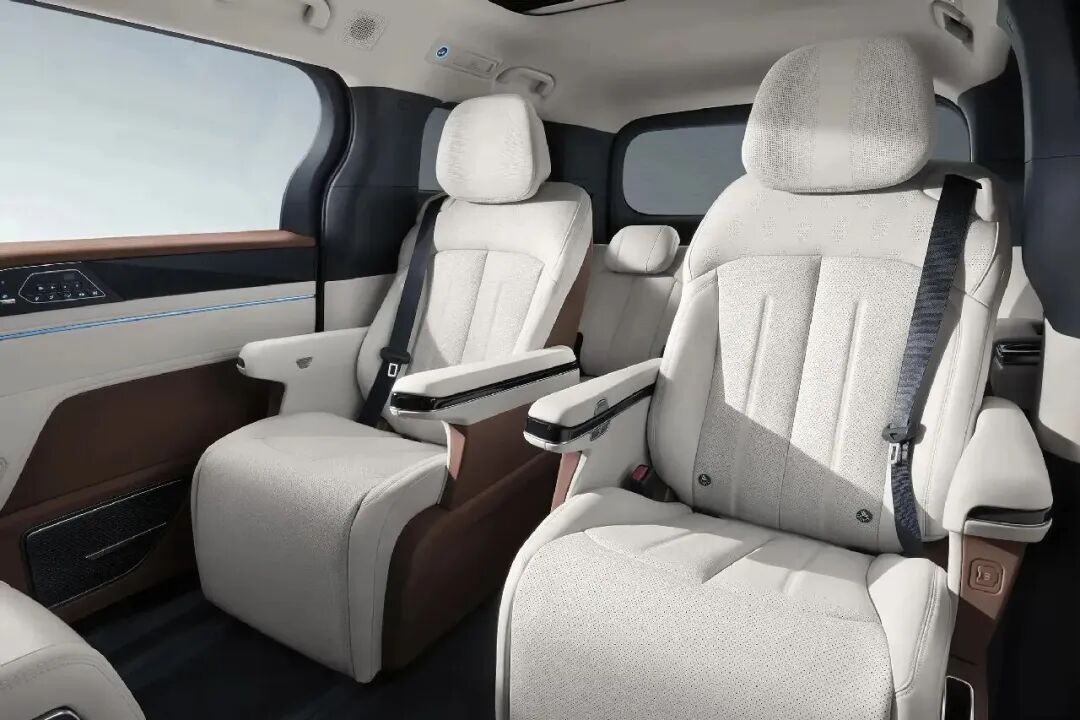
The Dawn Gold with Black two-tone body has become the mainstream choice, with an 8% adoption rate for the 150,000 yuan Cloud Water Sky Blue custom package—exceeding brand expectations. Research from Founder Securities confirms the heat: 10,000 orders in 23 days of pre-sales, with the V800 accounting for 80% and corporate clients also making up 80%.
This isn’t impulsive retail spending but a collective high-end business vehicle replacement trend. For two decades, the Alphard and Vellfire have monopolized high-end business reception markets, with chronic price hikes frustrating consumers. Now, domestic flagship models are breaking this oligopoly. However, entrenched social circles remain—no matter how well-equipped, penetrating deep-rooted business networks requires long-term market validation.
02 Redefining Luxury Through Real User Scenarios, Not Spec Wars
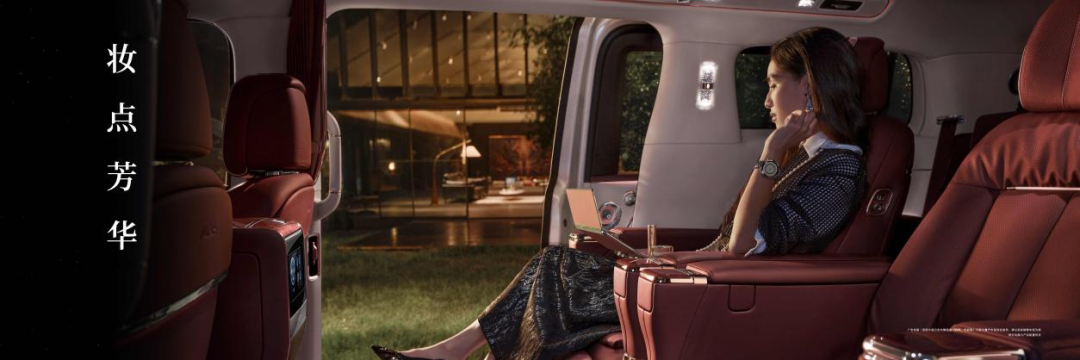
While most MPVs focus on spec competitions, the MAEXTRO V800 addresses genuine pain points for business users. Features like concealed electric shoe compartments, dedicated mobile wardrobes, and innovative emotional energy pods sync with seat massage, ambient lighting, and soundscapes to create private rest spaces perfectly suited for high-end business travel.
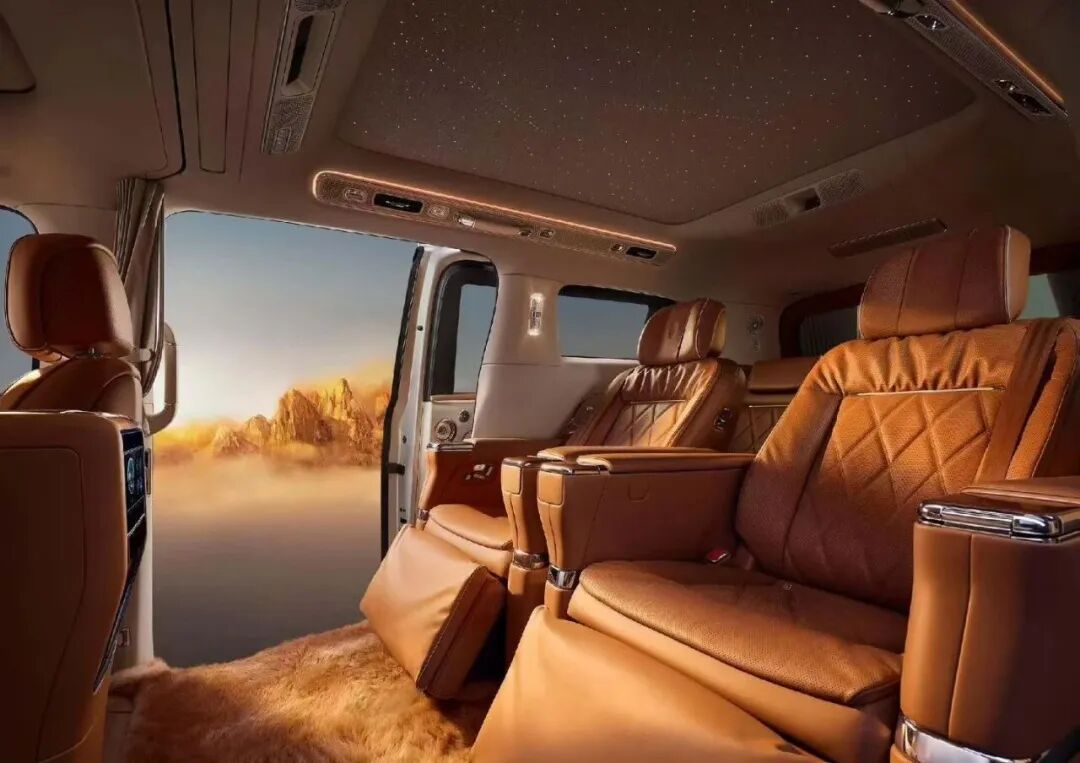
These human-centric configurations, often rejected by traditional luxury automakers as ‘excessive,’ precisely meet business professionals’ core needs: dignified wardrobe changes during trips, private relaxation between appointments, and isolation from external noise while traveling.
Yu Chengdong admitted being moved by this scenario-based design, which reflects a reverse engineering logic distinct from traditional automakers: Instead of making users adapt to vehicles, it uncovers unspoken implicit needs. While traditional luxury respects time, MAEXTRO’s philosophy is that true premium experiences anticipate user inconveniences and proactively provide solutions.
This design approach has sparked debate. Some praise its precise understanding of high-end users, while others rationally state: ‘For million-yuan business vehicles, we shouldn’t prioritize electric shoe compartments over chassis stability and long-term durability.’
03 Million-Yuan Pricing Logic: Emotional Value, Social Currency, and Future Tech Investment
The fact that many users opt for top-spec models confirms that high-end automotive value isn’t measured by material costs alone. MAEXTRO’s million-yuan pricing comprises three premium layers: social currency, emotional experience, and advanced intelligent driving as a future option.
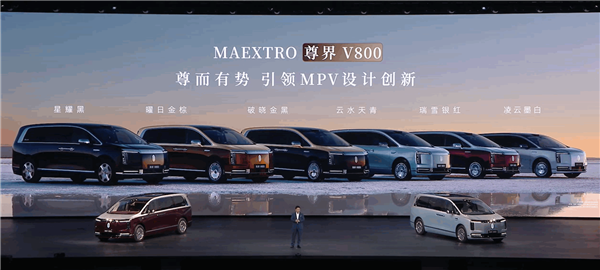 Image Source: MAEXTRO Launch Event
Scenario-based exclusive features transform abstract million-yuan luxury into tangible social capital, precisely matching entrepreneurs’ psychological needs and status identities.
More strategically significant is the pre-installation of six LiDAR sensors for advanced intelligent driving. Though China’s L3 autonomous driving regulations aren’t yet implemented, the brand accepts sunk costs and reputational risks to unlock full driving capabilities via OTA updates post-policy approval, ensuring long-term vehicle value.
A complete industrial ecosystem now exists: JAC’s super factory handles manufacturing, HarmonyOS cockpit and Qiankun Intelligent Driving form the intelligence core, and deep understanding of high-end user scenarios defines products. This integration of R&D, manufacturing, and intelligence finally equips Chinese brands to challenge Japanese and German million-yuan luxury standards.
Opinions on intelligent driving pre-installation are polarized. Some approve the forward-thinking layout, while others question whether hardware pre-installation equals immediate usability, given unknown regulatory timelines—effectively making consumers pay for future solutions. Meanwhile, the product hierarchy is clear: The 648,000 yuan V680 drives traffic, while core features concentrate on the V800 to guide users toward top-spec upgrades.
04 Alphard’s Premium Bubble Bursts, Marking a New Era
For years, the Alphard set the standard for China’s high-end business MPVs, with peak markups of 200,000-300,000 yuan pushing final prices over 1 million yuan. Now, markups have shrunk to 40,000-80,000 yuan, eroding its mythical status.
Sales continue declining, with the Alphard and Vellfire combining for just over 4,000 units in the first half of 2026. The Japanese MPV premium collapse wasn’t caused by MAEXTRO alone—persistent breakthroughs by domestic high-end models have weakened the traditional business model of scarcity-driven markups.
The Alphard is merely an ordinary family MPV in Japan but achieved two decades of massive premiums in China through celebrity endorsements and quota controls. Now, dual pressures from Toyota’s own model diversification and relentless domestic MPV advancements are reshaping public perceptions of high-end MPV pricing.
The broader market trend is clear: While the overall MPV segment cools, 400,000+ yuan models see rising sales as high-net-worth buyers maintain stable demand, no longer blindly chasing foreign brands.
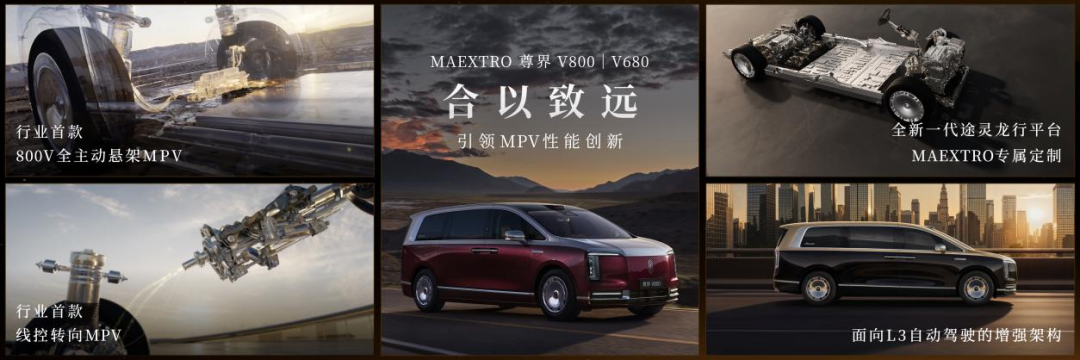
Most domestic MPVs cluster in the 300,000-500,000 yuan range, while the MAEXTRO V series starts at 648,000 yuan to precisely target the 600,000-1.2 million yuan premium niche, avoiding mid-range price wars. The generational gap is clear: MAEXTRO surpasses the Alphard in size, wheelbase, extended-range powertrains, full-active suspension, and rear-wheel steering. Huawei’s advanced intelligent driving makes the Alphard’s basic L2 assistance look outdated.
The purchasing experience gap is equally stark: MAEXTRO offers nationwide unified pricing and transparent options without forced markups, while Japanese MPVs suffer from chronic quota shortages and bundled decoration sales. This transparency further dismantles the scarcity premium of Japanese models.
The industry trend is shifting. While the Alphard’s markup once defined status, future buyers may prioritize MAEXTRO. However, Japanese loyalists insist: Traditional business circles still recognize Toyota and Lexus badges, and intelligence/configuration advantages won’t quickly shake deep-rooted brand perceptions.
05 Blockbuster Orders Are Just the Beginning—The Premium Marathon Has Started
The 72-hour order surge marks a milestone: Chinese brands now directly compete with imported Japanese luxury MPVs in the million-yuan segment. However, launch enthusiasm is only the starting point.
Luxury hinges on scarcity and long-term consistency. Short-term breakthroughs are easy, but stable delivery and standardized premium services require years of refinement. Brand reputation, residual value, and service networks admit no shortcuts. While Yu Chengdong’s product vision enables rapid market penetration, long-term success depends on whether high-end vehicle philosophies can crystallize into stable brand capabilities.
In product strategy, the V680 drives traffic while core advantages concentrate on the V800—the main reason for top-spec concentration.
Market sentiment is polarized. Optimists believe product strength justifies premiums and sales, while rational consumers warn: Quality control and after-sales during mass delivery pose true tests. If current high expectations aren’t met, backlash could be severe given the zero tolerance of million-yuan buyers.
Epilogue: The Million-Yuan MPV Premium Rules Are Being Rewritten
The MAEXTRO V800’s blockbuster performance fundamentally reflects shifting high-end automotive consumption values.
For two decades, the Alphard exploited artificial scarcity to extract circle-based premiums, forcing consumers to accept markup bundling. Now, MAEXTRO breaks Japanese monopolies through complete intelligent systems, scenario-based luxury design, and transparent pricing.
With 80% of customers comparing against the Alphard, 90% of orders for the V800, and 70% opting for top-spec models, real market choices prove: High-end business vehicles are no longer defined by brand alone. In the electric/intelligent era, driving experience, technical architecture, and full-cycle services have become the new luxury benchmarks.
The era of Japanese fuel MPVs reaping excessive premiums has clearly ended. Order enthusiasm reflects market expectations, but stable delivery and long-term reputation will ultimately determine MAEXTRO’s success in the million-yuan luxury arena.
Reader Discussion Topic
Can the MAEXTRO V800 sustainably divert Alphard customers? How much longer can the Alphard’s two-decade markup myth endure?
Some believe product experience trumps brand, while others insist business circles still value traditional luxury symbols. Share your thoughts in the comments!
Disclaimer: This article represents financial technology commentary only and does not constitute investment advice. All corporate data and regulatory events cited are from public information and for reference only—official announcements prevail. Images sourced from networks; please contact us for copyright removal.
Share your thoughts in the comments!
AI Intelligence Financial Insights Daily
-
![]()
Top Domestic Computing Power Supplier Exceeds Net Profit Forecasts for First Half of the Year
-
![]()
Wanwei Advanced Materials Plans to Raise 2.3 Billion Yuan through Private Placement to Boost PVA Optical Film Production!
-
![]()
Tencent Launches WeChat AI + WorkBuddy: A Strategic Long-Term Play
-
![]()
Tencent's Grand Move: Leveraging WeChat AI+WorkBuddy
-
![]()
AR Optical Film Sees 110% Surge! Rijiu Optoelectronics’ Q2 Net Profit Rockets 135% QoQ
-
![]()
Global Panel Giant Finds No Buyers
-
![]()
OpenAI Shuts Down Atlas: Who Has the AI-Powered Browser Yielded To?
-
Stay Alert! Avoid Over-Reliance on AI Chats—It Can’t Address Core Issues