Unbelievable! TikTok Sellers Lodge Collective Complaint: AI-Generated Sales Videos Distort Product Info, Deceiving Shoppers
 10/16 2026
 552
552
A prime example of AI generating inaccurate content.
Singaporean writer Xie Shimin's novel Geylang Ghost Hunter delves into profound topics such as generational trauma and emotional abuse. Yet, in an AI-generated sales video on Shopee, it was blatantly promoted as a 'super fun children's adventure story'.
In March this year, while perusing Shopee, she came across her own book and was taken aback: the iconic sword of the protagonist on the cover had been transformed into a broken stick by AI; the AI virtual host was spewing nonsense, asserting that opening the book would allow you to 'catch a whiff of durian's aroma'.
The distinctive cover design, meticulously crafted by the cover designer, was utterly ruined by AI, leaving her deeply disheartened. She candidly remarked: 'Having AI generate such absurd content is a downright insult'.
Since the end of last year, an increasing number of sellers and creators have found themselves ensnared in this predicament.
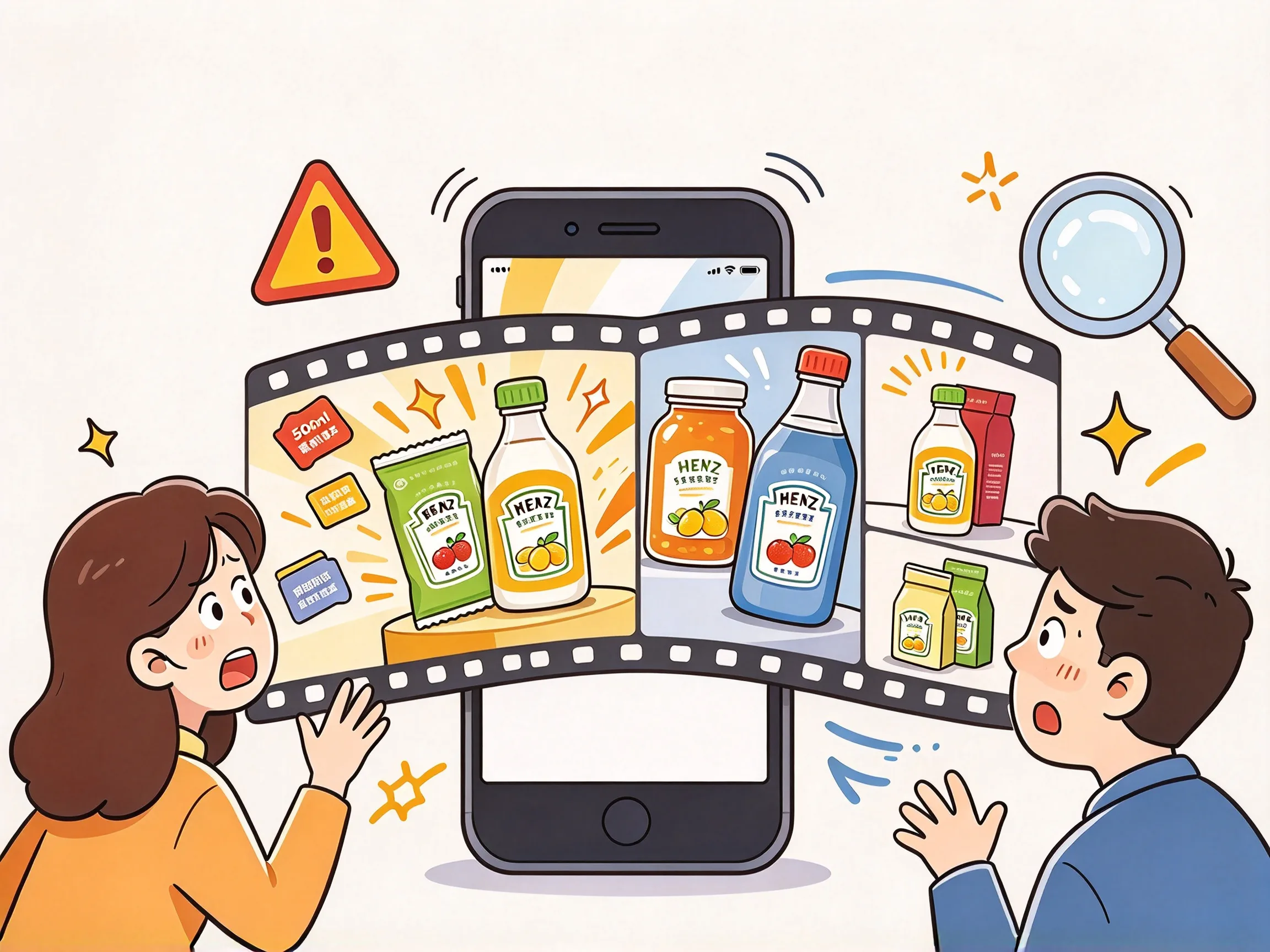
Image Source: Generated by Doubao AI
Shopee rolled out a product video feature at the close of 2025, with the aim of furnishing buyers with more comprehensive product information and references to aid in their purchasing choices.
TikTok Shop also recently upgraded its video tools, enabling influencers to generate AI videos embedded with product links with just a single click.
And what was the outcome? A complete misrepresentation of products.
Xie Shimin promptly reached out to her publisher, Epigram Books, which assisted her in filing a complaint with Shopee and urged her to utilize the reporting channel herself.
The publisher's online marketing manager revealed that five or six authors have already reported the same issue. Since March, they have flagged over ten links, but they are clueless as to whether the videos have been removed.
Several attempts to provide feedback to Shopee left them uncertain whether they were interacting with a human or an AI customer service agent.
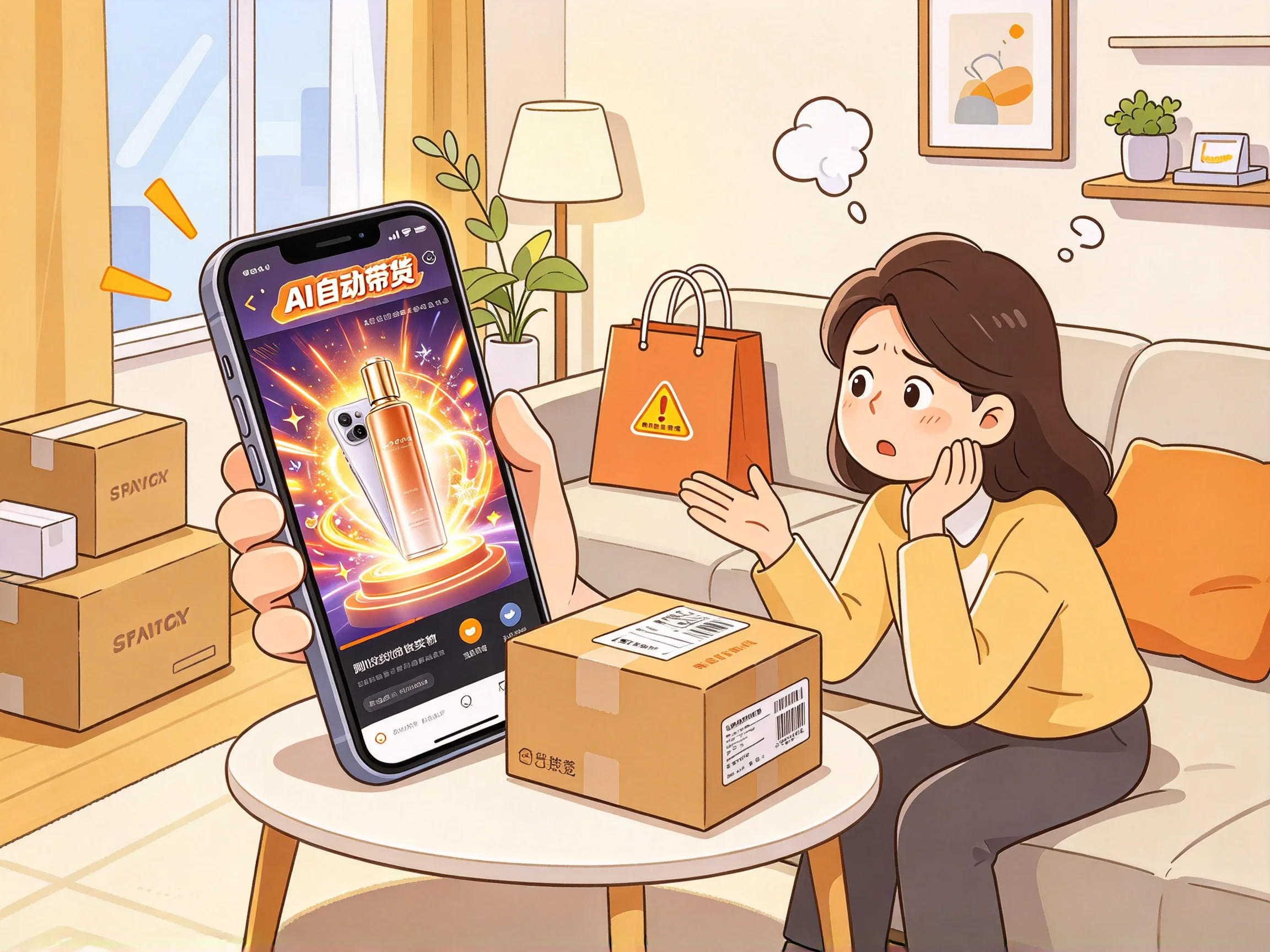
Image Source: Generated by Doubao AI
Xu Wanyi, the proprietor of paper product design studio Helumi, faced a similar ordeal.
In the latter half of last year, she discovered that influencers on TikTok were employing AI virtual avatars to promote her products, such as planners and calendars.
The product displays were rife with inaccuracies. In one video, the size of the annual calendar was entirely out of proportion to the virtual avatar holding it, appearing overly large. Some sticker sizes were exaggerated, and the colors were off.
Xu Wanyi was particularly worried that customers would form incorrect expectations after viewing the videos and would be let down upon receiving the products: 'Why is the calendar so much smaller than I anticipated?'
She contacted TikTok's account manager to block specific influencers but was informed that it was not feasible. The only recourse was to disable 'Open Collaboration', preventing influencers from promoting her products haphazardly.
Initially, she refrained from disabling it and attempted to negotiate with the influencers to delete the videos herself.
'Some cooperated and removed them, while others were extremely rude... They believed they could do as they pleased on their own accounts, but the links led to my products,' she recounted.
At the time, she didn't dwell on it, but recently, as she was gearing up to launch a new series, she ultimately opted to disable Open Collaboration.
A Shopee spokesperson responded that they had reached out to the affected sellers to offer assistance.
The official statement noted that product videos on the platform encompass user-submitted content, which may incorporate AI-generated elements.
The platform has systems in place to detect unsafe or non-compliant videos, and sellers can report videos they disagree with for review. Seller feedback is taken seriously, and processes will continue to be refined.
However, they did not directly address whether sellers are informed about the presence of AI videos or whether sellers can delete or replace videos on their own.
TikTok Shop stated that it has clear guidelines for creators (including influencers) utilizing AI content. All AI-generated or modified content must adhere to the platform's content policies and community guidelines.
Users can report non-compliant content through the app or website. Upon verification of violations, such as misleading content or actions that jeopardize platform safety and integrity, appropriate penalties will be meted out.
The platform will persist in enhancing its detection and enforcement capabilities in tandem with AI technology advancements and will provide guidance to help creators comprehend their responsibilities.
Moreover, sellers enrolled in the Open Collaboration program can manage influencer lists and revoke promotion permissions for individual influencers. Sellers seeking greater control can opt for the Targeted Collaboration program, inviting only specified influencers to promote their products.
This article was compiled by Leikeji from channelnewsasia.
Original Link: Sellers on Shopee and TikTok Condemn Auto-Generated AI Ads for Misleading Customers
Source: Leikeji
Images in this article are from 123RF Licensed Image Library. Source: Leikeji
-
Big Tech Firms Struggle with Security Concerns in AI Race
-
![]()
Apple AI is Finally Coming to China, But Siri is Not in the First Batch of Features
-
![]()
Unbelievable! TikTok Sellers Lodge Collective Complaint: AI-Generated Sales Videos Distort Product Info, Deceiving Shoppers
-
![]()
New China-EU Automobile Trade Consensus: What Do BMW and Volkswagen's Differing Positions Signal?
-
![]()
Three Departments Launch Investigation into Zunjie; DCD Seals Three Vehicles—Who Will Oversee the Retest?
-
![]()
Development Isn't Just 'Washing Away the Exposed Area': How Do Photoresist Sidewalls Take Shape?
-
![]()
Young Wartime CEO: How to Win Meta's AI Turnaround Battle
-
![]()
7 Million DAU! ByteDance's Free CEO Romance Short Dramas Are Driving Foreigners Wild