New China-EU Automobile Trade Consensus: What Do BMW and Volkswagen's Differing Positions Signal?
 10/16 2026
 423
423
Following the formal implementation of the new China-EU automobile trade consensus, industry attention has continued to intensify. On October 14, the China Association of Automobile Manufacturers, along with seven leading automakers including BYD, Geely, Chery, and Dongfeng, jointly issued a statement in support of the consultation outcomes. The European automaker camp, however, shows a clear divergence. BMW has explicitly expressed an open and cooperative attitude, while Volkswagen has repeatedly highlighted pressures on local manufacturing and called for policy-level protection.
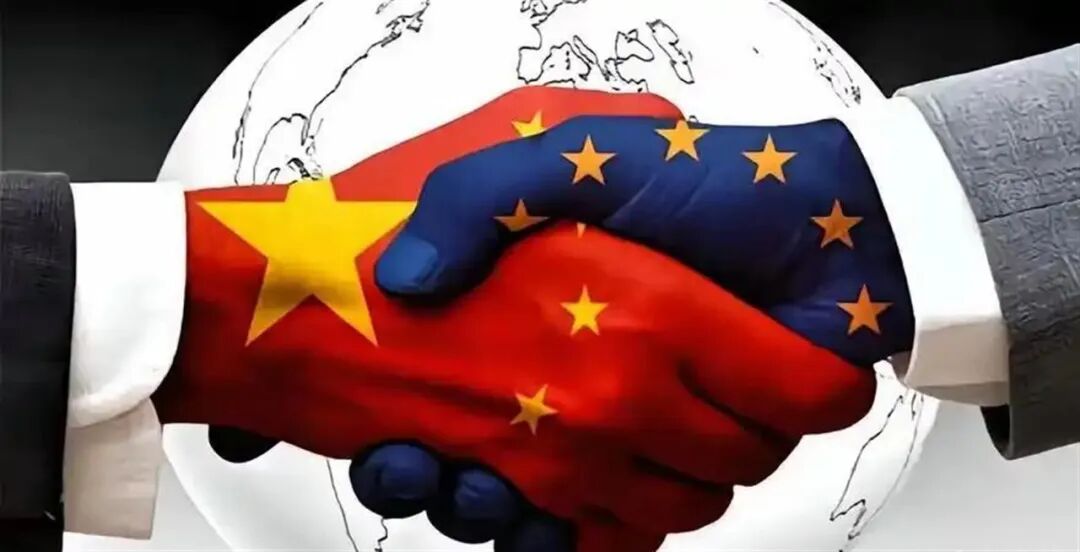
While many see the quotas as a comprehensive boon for Chinese automakers' global expansion, they often overlook the deeper signals embedded within the consensus. This agreement indeed opens a more stable channel for Chinese automakers in the European market, but the boundaries and risks within this channel also warrant careful attention.
Hybrid Quotas: A Short-Term Buffer for Global Expansion
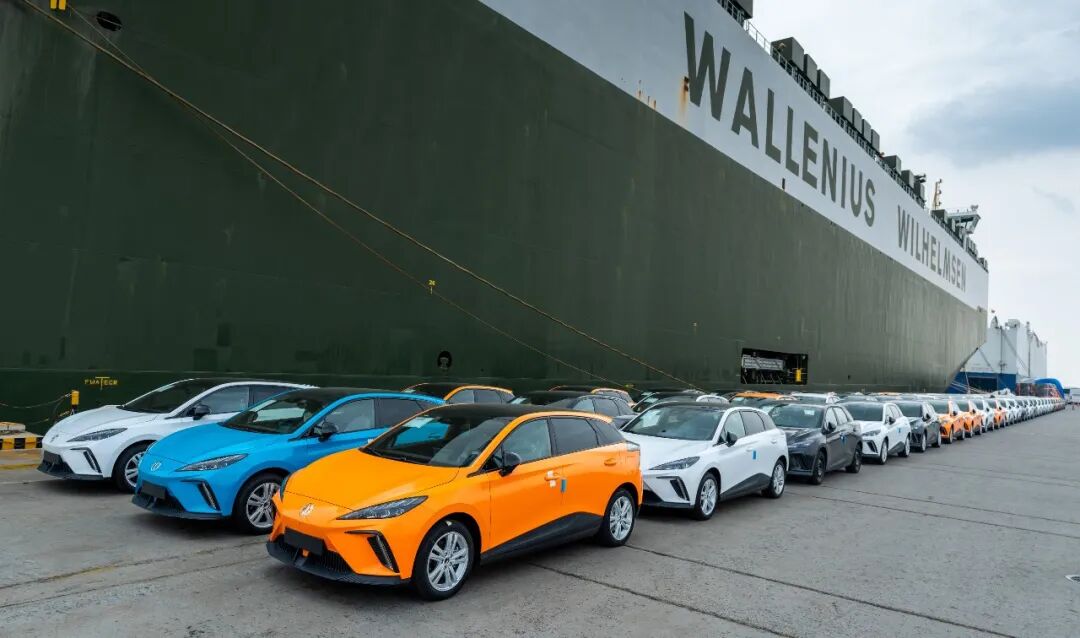
The core terms of this consensus are unambiguous: export quotas for hybrid vehicles will increase annually, starting from a base of 302,000 units in 2025, with China's quota standards being no less stringent than those of other countries. The anti-subsidy investigation in the pure electric vehicle (EV) sector remains ongoing, with subsequent procedures for price commitments and reviews to continue.
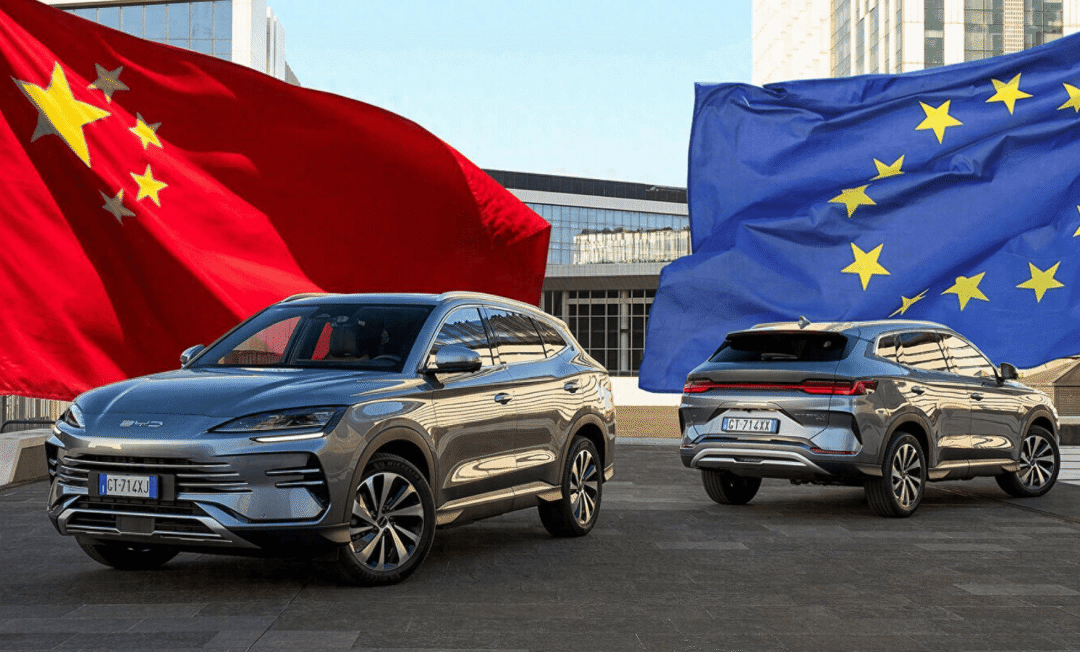
The positive response from domestic automakers is directly linked to the current domestic market environment. In the first nine months of 2026, the domestic passenger vehicle market saw a year-on-year decline of over 20%, with channel inventory pressures continuing to mount. Consequently, overseas markets have emerged as a crucial growth avenue for most leading brands.
In its statement, BYD noted that the outcomes take into account the realities and reasonable concerns of both Chinese and European industries, creating a stable and predictable cooperative environment for China-EU hybrid vehicle trade. Geely Holding also acknowledged the efforts of both sides to resolve trade disputes through intensive consultations.
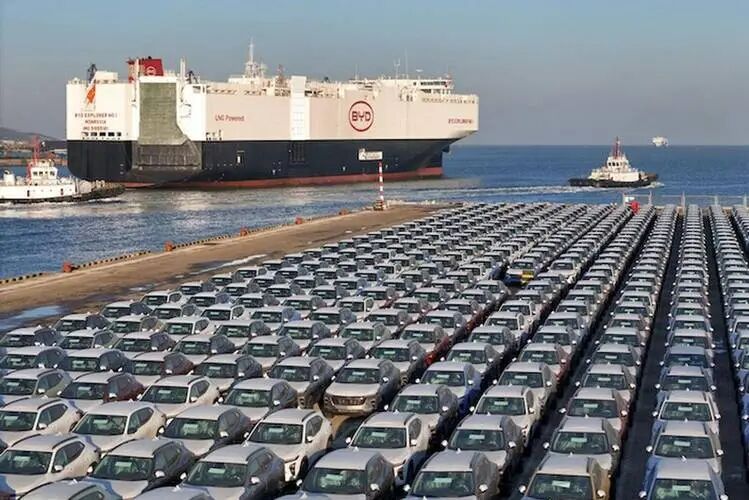
Zhou Mi, a researcher at the Chinese Academy of International Trade and Economic Cooperation under the Ministry of Commerce, estimated that if the EU's usual safeguard measures were applied, calculating based on the three-year average from 2022 to 2024, China's quota would only be 70,000 units. Even including 2025 data, the average would be around 150,000 units. The final outcome, with an annual increase based on 302,000 units in 2025, represents a relatively favorable result achieved through negotiations.
It should be noted that quota growth has agreed-upon speed limits and cannot increase indefinitely, making it impossible to fully absorb domestic excess capacity. Meanwhile, hybrid technology represents a transitional phase in the global automotive industry, with Europe's long-term carbon reduction goals ultimately pointing to the pure EV sector. The current benefits of hybrid quotas are more akin to a buffer during a transitional period rather than a long-term stable market guarantee. The final conclusion of the ongoing pure EV anti-subsidy investigation will be the core factor determining the fundamental position of Chinese automakers in the European market.
Divergence in European Automakers' Positions Stems from Differing Interests
As European automotive giants, BMW and Volkswagen have shown clear differences in their stances on this consensus.
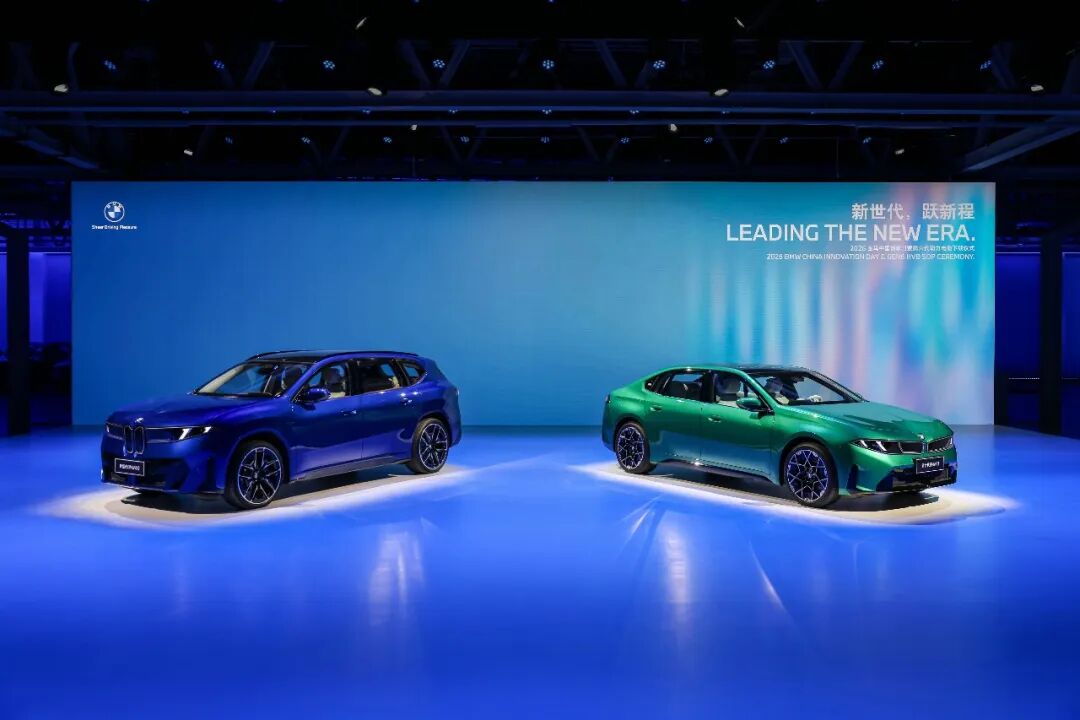
At BMW China's Innovation Day on October 15, BMW Group Chairman Oliver Zipse reiterated that China is an important base for BMW's innovation and industrialization, with the proportion of locally produced BMW models set to increase to over 95% by 2030. His overall stance leans toward open cooperation and free trade. In February this year, BMW also signed a memorandum of cooperation with CATL on power battery supply chains, indicating deep collaboration at the supply chain level.
Volkswagen's situation is markedly different. Recently, Volkswagen Group lowered its profit forecast for the 2026 fiscal year, expecting an operating profit margin of no more than 1% for the year, while announcing global layoff plans. Group CEO Oliver Blume bluntly stated that the current situation is severe. Facing market competition from Chinese new energy vehicle models, Volkswagen has repeatedly emphasized the pressures on European local manufacturing and called for EU protection measures to allow room for transformation for local automakers.
The core of these differing stances lies in their respective interest structures. BMW's product pricing is higher, with a relatively stable pace of electrification transformation. The market overlap between its main EV models and those of Chinese brands is limited, and there is still room for cooperation at the supply chain level. Volkswagen, on the other hand, has invested heavily in EV production capacity in Europe, with its affordable EV models directly overlapping with the core price segments of Chinese brands, facing more intense market competition.
The EU's approach of loosening restrictions on hybrids while tightening them on pure EVs essentially balances the differing transformation needs of local automakers. Reserving space for the hybrid sector can accommodate companies with slower transformation rhythms, while maintaining scrutiny over pure EVs aligns with the demands of companies heavily invested in electrification. European automakers do not form a unified interest bloc, and these internal divisions will continue to influence the direction of the EU's subsequent automotive trade policies, also leaving room for differentiated operations by Chinese automakers.
Automakers Going Global Face Three Invisible Risks
Beyond the benefits brought by the implementation of the consensus, the industry needs to pay more attention to the potential risks not explicitly addressed in the agreement, a point also raised by many industry experts.
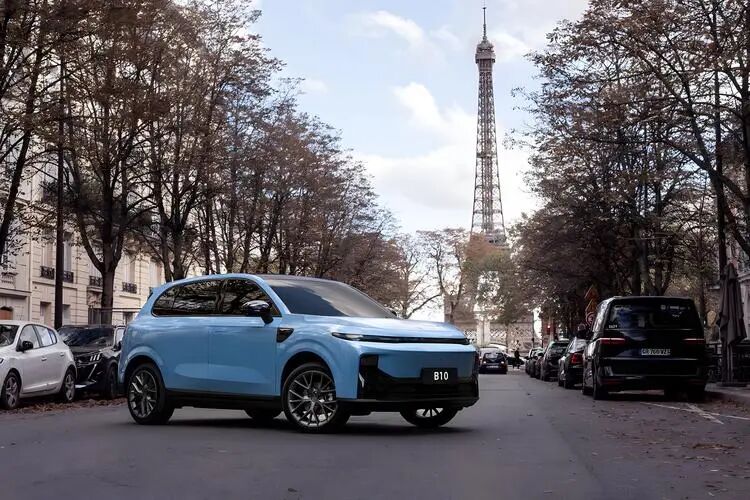
Firstly, there is still uncertainty in the detailed rules for quota implementation. Currently, both sides have only agreed on the general direction and base numbers for quotas, with details such as the criteria for identifying hybrid models, quota statistical methods, and annual verification rules requiring further clarification in subsequent rules. Shi Xiaoli, a professor at the School of International Law at China University of Political Science and Law, pointed out that some of the EU's statements on export scales are based on its own narrative framework, with the EU still holding the right to interpret the rules. If the EU subsequently adjusts the boundaries for model identification, models that originally met the criteria may be excluded from the quota range, bringing policy-level uncertainty.
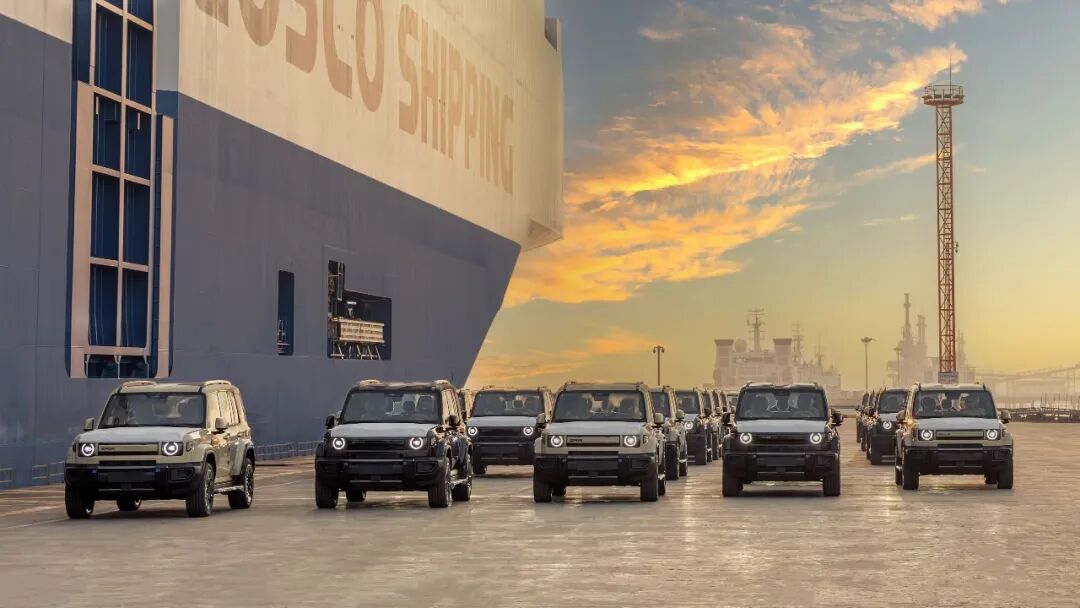
Secondly, the implicit thresholds for localized production will gradually rise. Volkswagen's lead in calling for protection of local manufacturing reflects rising resistance in the European market to the model of exporting complete vehicles. Cui Dongshu, Secretary-General of the China Passenger Car Association, mentioned that Chinese automakers' global expansion is shifting from the stage of exporting complete vehicles to local manufacturing, which is both a market choice and an inevitable path to respond to changes in the trade environment. In the long run, to stably establish a presence in the European market, localized factory construction and increasing the proportion of locally sourced components will likely become increasingly important entry conditions, with the financial thresholds for global expansion continuing to rise.
Thirdly, there is the long-term risk of technology route mismatches. The benefit period of hybrid quotas will not be long. If automakers allocate too many resources to hybrid models to enjoy short-term quota benefits, slowing down research and development and market deployment of pure EV technologies, they may fall behind in the pure EV sector after the benefit period ends.
The China Association of Automobile Manufacturers also specifically mentioned in its statement that escalating trade frictions could affect the transformation and upgrading of the automotive industry. In other words, the pace of long-term technological transformation should not be slowed down due to short-term trade conveniences. After all, Europe's carbon reduction goals are clear, with hybrids only representing a transitional stage and pure EVs being the long-term core sector.
Overall, the automotive trade consensus reached between China and the EU represents a tangible benefit for Chinese automakers' global expansion, but the magnitude of the benefit is not yet at a level where they can rest easy.
Securing quotas is only the first step. Understanding the interest divisions among European automakers, maintaining the right pace in technology routes, and responding to subsequent compliance and localization requirements are essential to truly convert quota benefits into stable market shares. Global expansion is a long-term systemic endeavor, and the current buffer period is precisely an opportunity for companies to strengthen their internal capabilities and plan for the long term.
-
Big Tech Firms Struggle with Security Concerns in AI Race
-
![]()
Apple AI is Finally Coming to China, But Siri is Not in the First Batch of Features
-
![]()
Unbelievable! TikTok Sellers Lodge Collective Complaint: AI-Generated Sales Videos Distort Product Info, Deceiving Shoppers
-
![]()
New China-EU Automobile Trade Consensus: What Do BMW and Volkswagen's Differing Positions Signal?
-
![]()
Three Departments Launch Investigation into Zunjie; DCD Seals Three Vehicles—Who Will Oversee the Retest?
-
![]()
Development Isn't Just 'Washing Away the Exposed Area': How Do Photoresist Sidewalls Take Shape?
-
![]()
Young Wartime CEO: How to Win Meta's AI Turnaround Battle
-
![]()
7 Million DAU! ByteDance's Free CEO Romance Short Dramas Are Driving Foreigners Wild