Delving into AI-Native Smartphones with the Release of STEPX Neo
 10/19 2026
 469
Welcome to Beiming's AI Teahouse
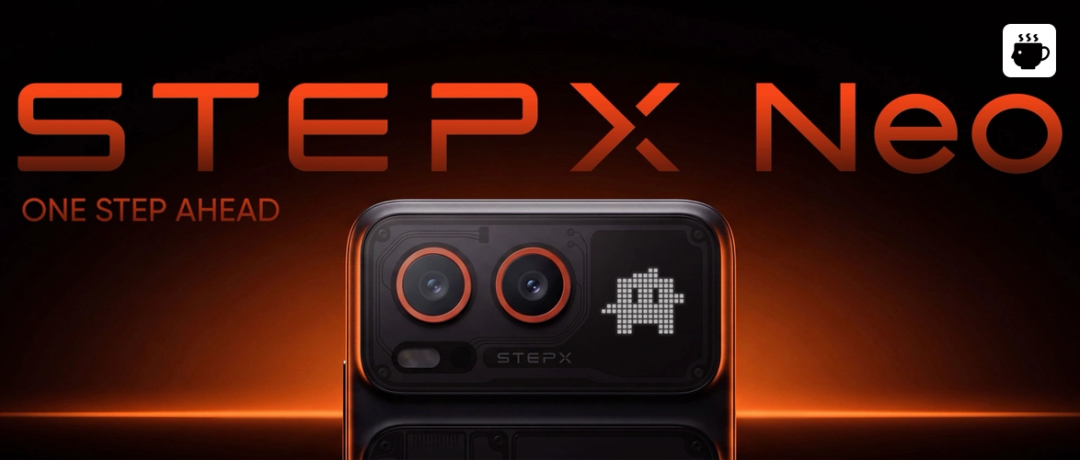
You've probably all seen JieYue's newly released AI smartphone, the「STEPX Neo」.
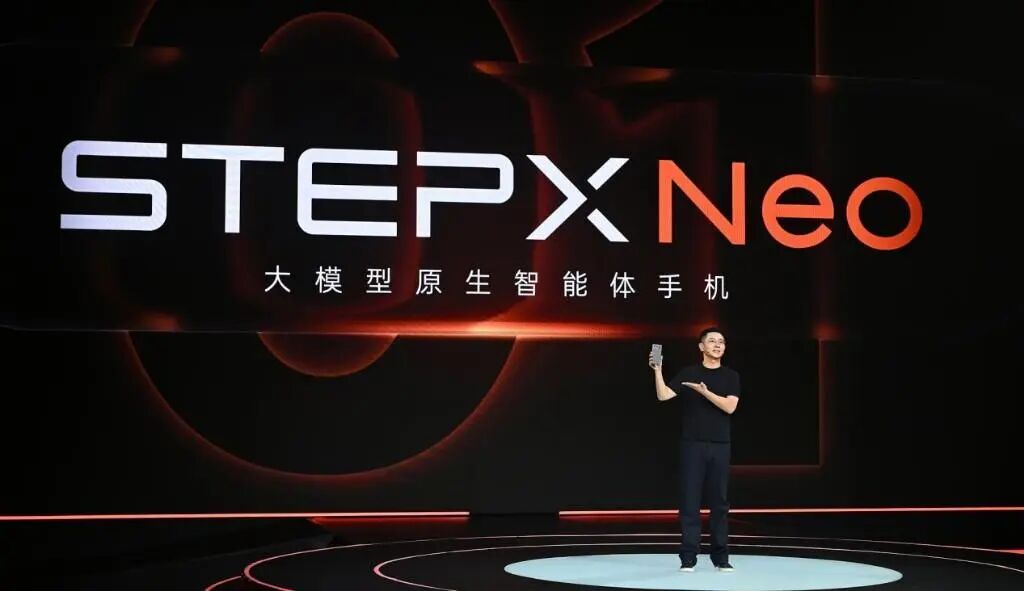
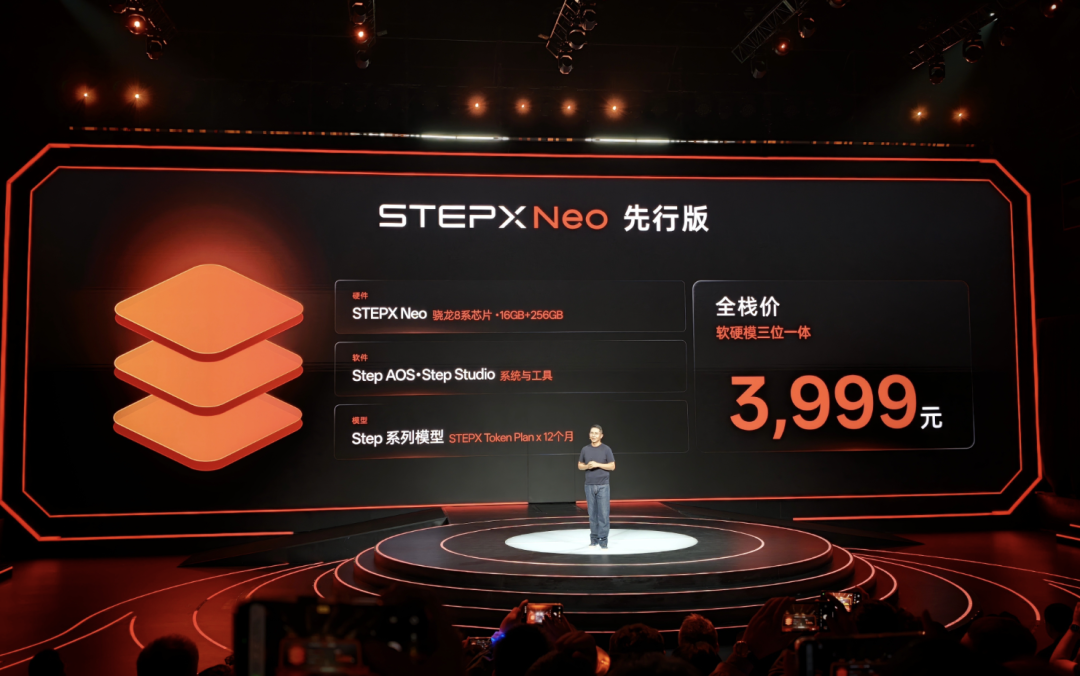
On the evening of October 13th in Shanghai, the launch event, themed "Ready Builder One," unveiled the STEPX Neo—officially dubbed the "first large model-native intelligent agent smartphone"—priced at 3,999 yuan, with pre-orders opening the same night. And no, it's not a concept phone.
Today, let's dive deep into the topic of "AI-native smartphones."
1. What is an AI-Native Smartphone?
To ensure clarity, let's first define what an AI-native smartphone is.
What's the difference between an "AI-native smartphone" and a "smartphone with AI installed"? This is likely the most common question. Here's my understanding: In an AI-native smartphone, the underlying hardware and software systems are specifically designed to optimize AI performance, making AI an integral and inseparable part. In contrast, in a "smartphone with AI installed," AI is merely an optional feature—a guest on the phone. In an AI-native smartphone, AI acts as the commander-in-chief, orchestrating the entire system's operations—it's the master of the phone.
2. Introducing the STEPX Neo
What does the STEPX Neo offer?
On the software front, it features the Step AOS system deeply integrated with AI, the Step Studio development tool that empowers users to create their own applications, the foundational Step series AI models, and a complimentary allowance of 10 billion tokens per month for 12 consecutive months.
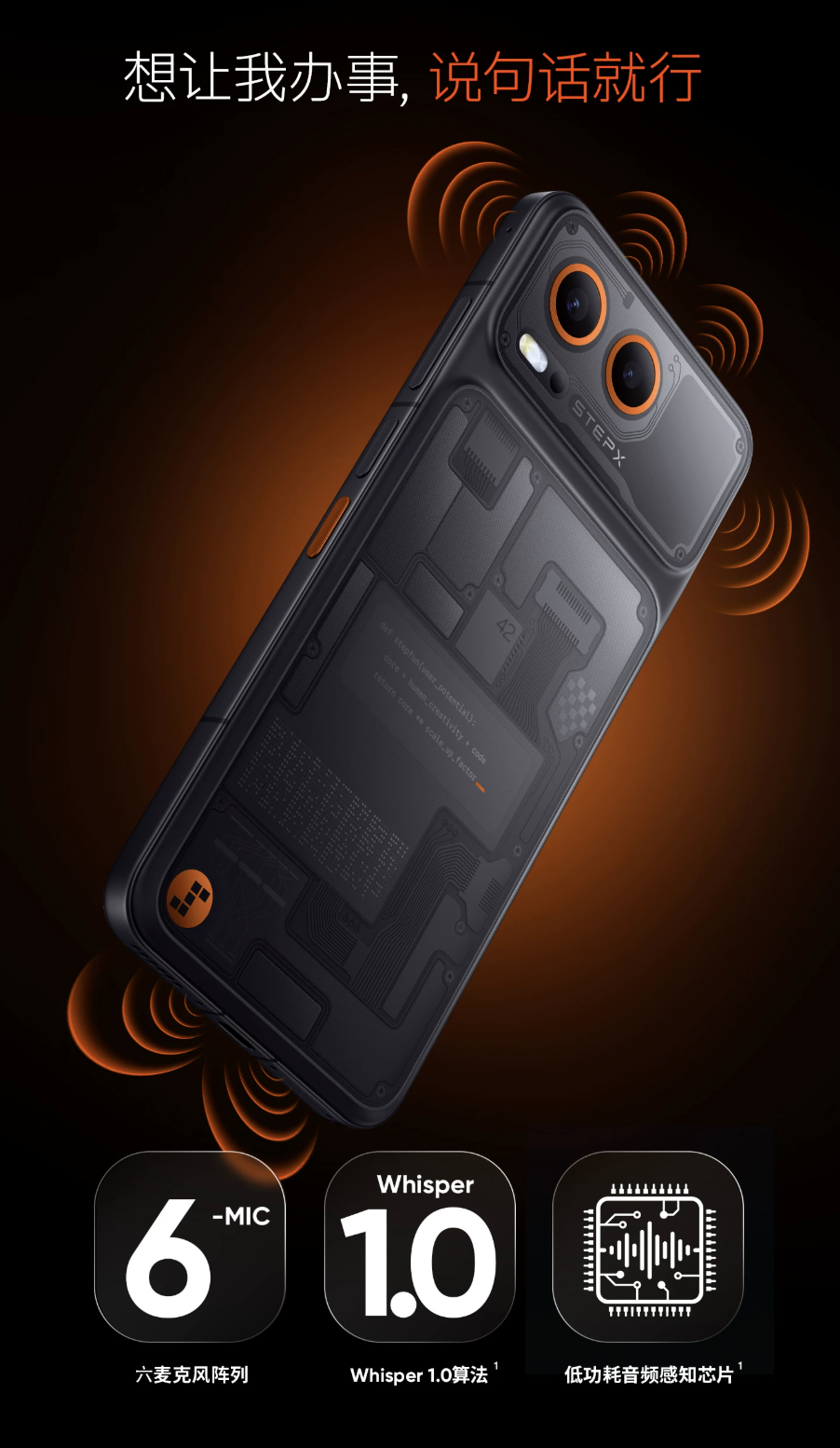
For hardware, to accurately capture your voice commands, the STEPX Neo is equipped with a six-microphone array and a low-power audio perception chip.
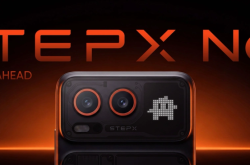
For your convenience in monitoring tasks, a MiniLED dot-matrix display is located on the back. Even when the phone is placed face down on a table, you can check the status of AI tasks.
The default home screen upon startup is an AI interaction interface; swiping to the other side returns you to the traditional desktop. An AI button is positioned on the side of the device—a short press awaken s (awakens) the intent panel, while a long press initiates direct voice interaction.
The base configuration includes a Snapdragon 8-series chip, 16GB of RAM, and 256GB of storage.
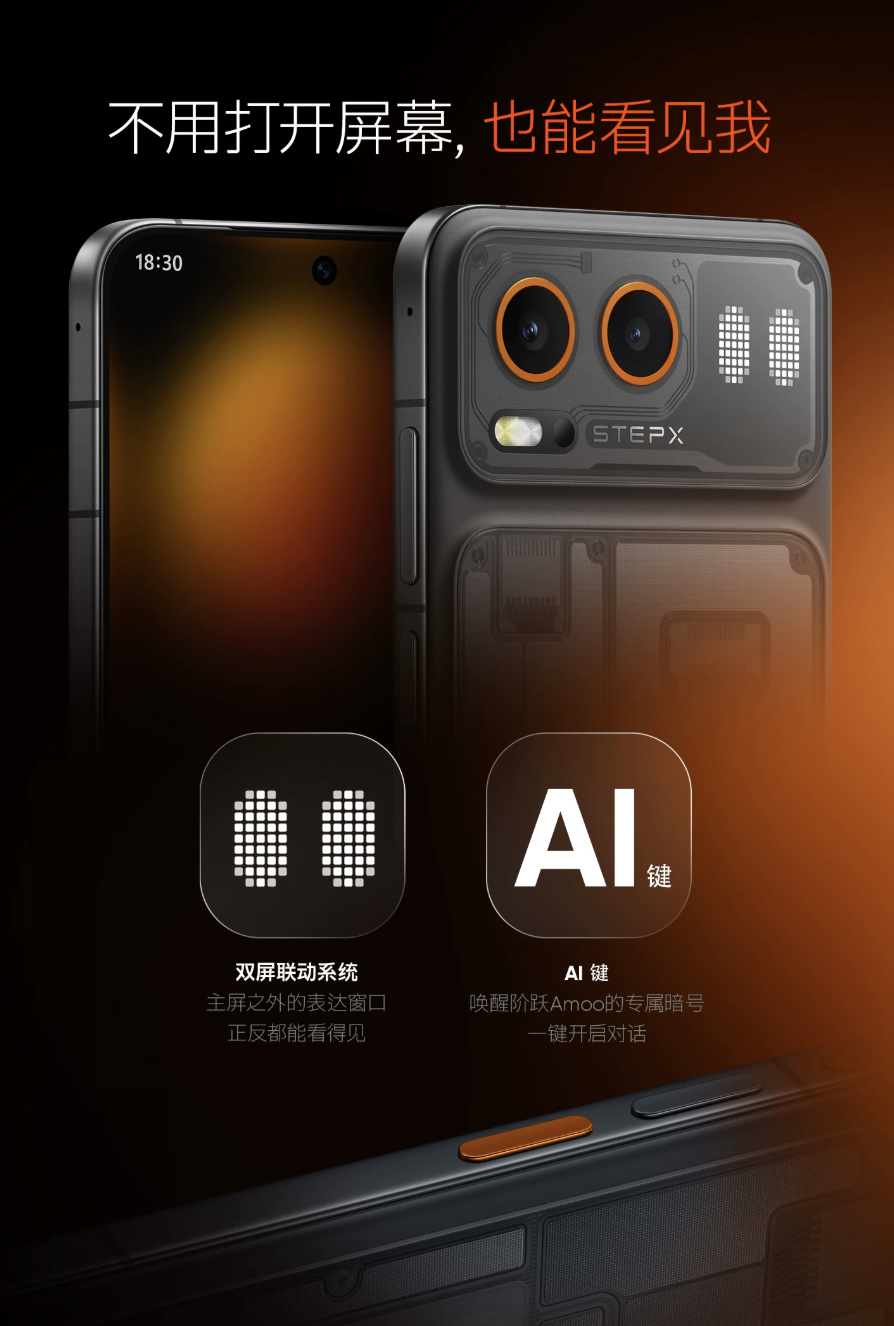
The STEPX Neo transcends the boundaries of traditional smartphones, taking a significant leap toward becoming an AI-native device.
According to JieYue's Chairman Yin Qi, traditional phone systems merely open a small door for AI, which remains a perpetual guest, dependent on the gatekeeper's whims. In contrast, the STEPX Neo Refactoring s (reconstructs) its operating system from the ground up, directly building a comprehensive "house" for AI, making it the homeowner.
Guest-style AI relies on screen recognition and simulated clicks to perform cross-app tasks. Users of such AI are all too familiar with how easily the task execution chain can break or be disrupted—a single pop-up window can render it unrecognizable. When you ask such an AI to plan a trip, it can at best redirect you to a ticket-booking app, leaving the rest to you.
Homeowner-style AI is different. It breaks down tasks like making calls, sending messages, and opening files into small interfaces, directly opening them up for AI to use. AI no longer needs to rely on screen interactions but can work directly, like a programmer calling interfaces.
This analogy effectively explains the architectural differences.
Specifically, the STEPX Neo has made efforts in seven areas.
First, AI's location. AI is not just an app on the desktop but is embedded within the reconstructed operating system. Step AOS is rebuilt from re-engineered Android, Linux, and RTOS components, with AI as a first-class citizen in the system.
Second, interaction with apps. Step AOS breaks down device capabilities into four atomic groups—communication, applications, files, and system tools—and then uses MCP to turn each into a callable endpoint. Over 300 Alipay services and a batch of mainstream apps are already pre-integrated.
Third, memory is divided into two domains. The user domain records your preferences, experiences, and habits. The agent domain records its own execution experiences, such as the best time to book a particular destination. The former helps it understand you, while the latter enables it to improve over time. During a demonstration, a journalist asked the phone to order an Americano coffee for delivery, and the AI placed an order with Starbucks directly because it remembered the account had ordered from Starbucks several times before.
Fourth, task allocation. Setting alarms and finding photos are handled by the on-device Edge model, which can operate offline, with simple command responses in the 15-millisecond range. Complex reasoning and multi-step planning are delegated to the cloud-based Pro model, which breaks them down and assigns them to the device for execution. There's also a Flash model to balance effectiveness and speed. The entire task chain is executed in a Loop, only pausing at high-risk nodes like payments, deletions, or cross-app writes to ask for your confirmation.
Fifth, functional freedom. In the past, every function on a phone was preset (preset), but the STEPX Neo directly opens up the system's atomic capabilities. Sensors, cameras, and the back screen are all available for users to utilize as they wish.
Sixth, reordering permissions and security. JieYue's framework is trustworthy, visible, controllable, and reversible. Data uploaded to the cloud is desensitized, every call is logged, and actions like payments, deletions, or cross-app writes require secondary confirmation. Authorization boundaries can be revoked with a single click, and mistakenly deleted files can be restored step by step. The system settings include an intelligent agent security module that lists operation counts and interception records. Every Skill publisher in the community must undergo real-name authentication, and if the system detects .env or key files in uploaded packages, it blocks them immediately.
Seventh, providing hardware tailored to AI's needs. The six-microphone array ensures it can hear you clearly, the back screen provides a place for it to express itself while working, and the side button allows you to awaken (awaken) it without navigating through three layers of menus.
These seven efforts have made AI the master of the phone.
3. Five Approaches, One Dilemma
Currently, the industry has at least five distinct approaches to AI smartphones.
The most aggressive is GUI simulation and clicking, as seen in the first-generation Doubao phone, which was promptly identified as a bot by apps.
The second-generation Doubao shifted to the A2A protocol, enabling mutual calls and authorizations with apps, but with full automation downgraded to step-by-step confirmation. AI transitioned from "I'll do everything for you" to "I'll coordinate apps to help you, with your confirmation at each step."
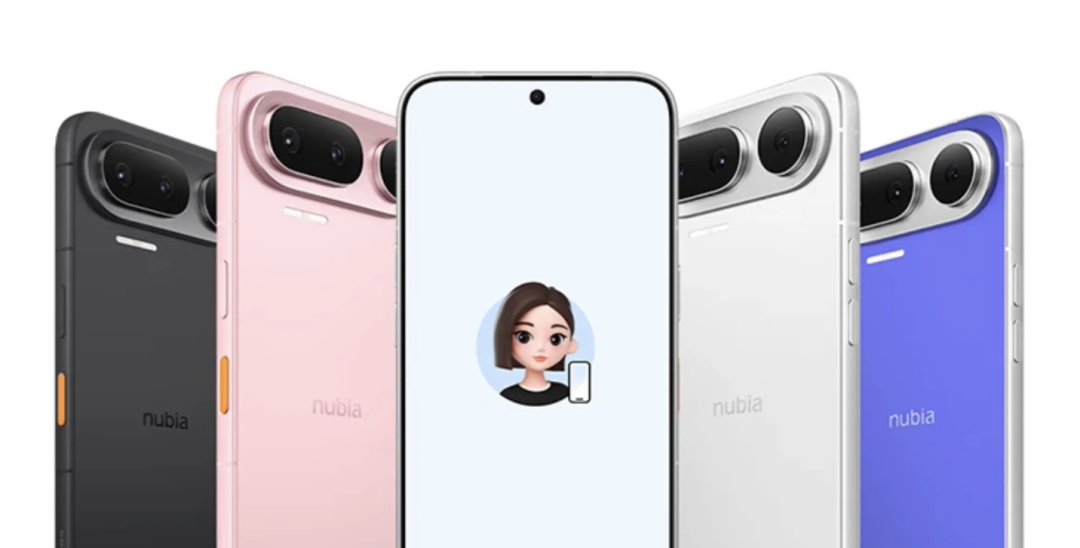
JieYue adopts a hybrid MCP+GUI approach, primarily using MCP to break down underlying capabilities into atomic interfaces for AI to freely combine, with GUI serving as a fallback.
Honor pursues Agentic OS, emphasizing intent-driven and proactive intelligence.
Huawei's HarmonyOS, with its microkernel architecture, places AI and system services on the same level, allowing direct calls to system-level interfaces.
While the approaches vary, the dilemma remains the same.
The less dependent an approach is on app cooperation, the more powerful it is—but also the higher the likelihood of being blocked. The more respectful an approach is of the existing ecosystem, the more likely it is to survive—but the harder it is to advance.
Different approaches represent different balances between AI capability intensity and ecosystem compatibility.
4. Exclusive Playstyles of AI-Native Smartphones
Now, let's talk about something fun. The most enjoyable aspect of the STEPX Neo as an AI smartphone is undoubtedly its user DIY functionality.
Someone used Step Studio to create an AI daily newspaper app called "!!Boom!!" with features like a trending list and past issues Review (reviews). A single tap installs it on the phone without waiting for app store approval. This was accomplished by describing the Demand (needs) in plain language, taking just over 20 minutes.
The community also features various quirky skills. The All-Around English Assistant schedules word memorization according to the Ebbinghaus forgetting curve; the DJ Agent turns your phone into a pocket DJ booth, becoming the center of attention at gatherings; and the Social Anxiety Icebreaker prompts you with who the person is and what you last talked about when you meet a classmate in the cafeteria at the start of the semester, then offers an opening line.
One blogger went even further, creating a "Writing Mode" for themselves. Saying, "I'm going to write now," automatically silences the phone, blocks all distractions, and then compiles missed messages for review upon completion, filtering out useless content like ads. There's also a podcast skill that transcribes an episode and extracts ten key quotes, allowing you to assess quality before deciding whether to listen to the full episode.
These Demand (needs) are not mainstream, and app stores likely don't have ready-made apps for them. However, here, a single person can create them for a small group of users.
5. What About My WeChat?
Ah, WeChat—we can't avoid discussing it.
This is the most awkward aspect of the phone. While it has partnered with over a hundred ecosystem players, including over 300 Alipay services and Tencent's office suite (WorkBuddy, Enterprise WeChat, and WeChat Reading), WeChat itself is not on the list. From Meituan, only delivery services are available, not food ordering.
This isn't just a JieYue issue—it's a structural contradiction across the entire industry.
The first-generation Doubao phone serves as a cautionary tale. In December 2025, 30,000 limited-edition units sold out on the first day, with prices soaring to over 10,000 yuan on the secondary market. Users could say, "Compare the same product on Meituan, Ele.me, and JD, and order the cheapest one," and the phone would automatically navigate, search, compare prices, collect coupons, and stop at the payment page for confirmation.
However, within five days of release, WeChat displayed an "environment anomaly" warning, while Alipay and several banking apps failed to log in or process payments. On December 5th, ByteDance was forced to suspend AI auto-operations for financial services, payments, and game score-brushing scenarios.
The phone went from release to being targeted in under five days.
This highlights the difference between MCP and GUI approaches.
GUI theoretically allows AI to operate all system functions and apps like a human, but in practice, it's often blocked by mainstream apps and has a low success rate. MCP appears more polite and respectful but requires negotiations with major apps—only functions opened up by apps can be accessed by the phone's AI.
The situation is similar overseas. Meta's recently popular personal intelligent agent, Muse, quickly topped the U.S. free app charts but was cut off by Amazon from shopping channels on the 13th day for nearly the same reasons—unauthorized access and lack of identity disclosure when browsing.

App developers' logic is understandable. If AI turns my app into a background tool while positioning itself as the gateway, why should I let it reap the benefits of my decade-plus of accumulated traffic and user mindshare? Not to mention the fact that it has to upload my data and screen content to the cloud.
6. Security Remains a Hurdle
The AI on the STEPX Neo can directly access your communication, file, and payment interfaces, granting it greater permissions than any app.
JieYue has implemented a trustworthy, visible, controllable, and reversible security system. Data uploaded to the cloud is desensitized, actions like file deletion, payments, and cross-app data writing require your approval, mistakenly deleted items can be restored, and all community skills are real-name certified.
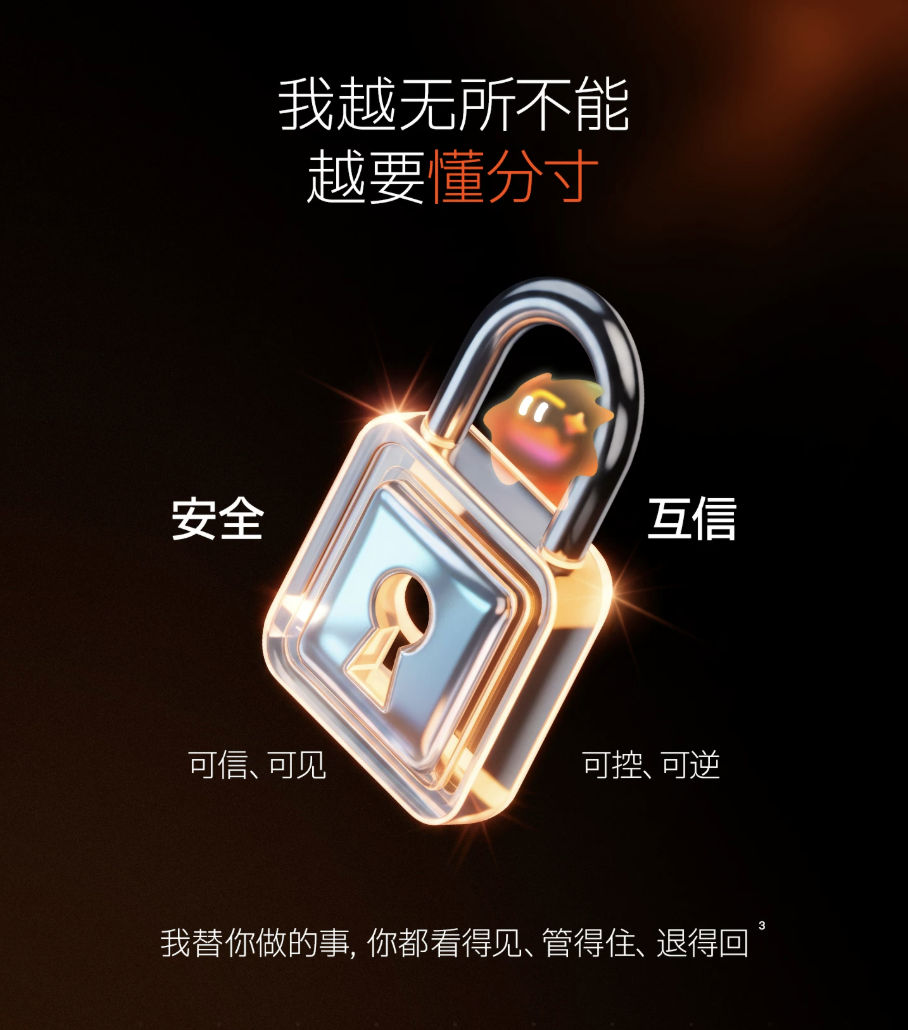
However, no matter how comprehensive the design, two realities persist.
First, community skills are written by others, and malicious instructions can be hidden in tool descriptions, making them difficult to detect at the protocol level. The earlier wave of OpenClaw intelligent agents, which exposed APIs and personal information online, serves as a stark reminder.
Second, overseas security agencies have been warning about vulnerabilities in protocols like MCP, such as tool poisoning. In 2026, both the U.S. National Security Agency's AI Security Center and the Cloud Security Alliance simultaneously flagged MCP as having critical, unresolved security flaws. The Cloud Security Alliance scanned 67,057 MCP servers, finding that 833 were facilitating agent hijacking and 18 were being poisoned with malicious tools. Yet, this phone places such protocols at the core of its system.
End-to-cloud collaboration isn't without its costs. While it may seem like the optimal solution for balancing experience and security, it's fraught with constraints.
Media calculations reveal that while flagship phones in 2026 boast NPU performance exceeding 100 TOPS, running a 7 billion-parameter model to solve a logic problem can take three minutes—and still yield incorrect answers.
Relying entirely on the cloud is financially unsustainable for maintaining profits.
Privacy presents a dilemma as well. The more AI understands you, the more data it needs. If all data remains local, AI becomes ineffective. The current common practice is layered desensitization—sensitive data stays on the device, while desensitized semantic features are uploaded to the cloud. This essentially places trust in the manufacturer, which is far from absolute security.
7. The Smartphone Industry Reaches a New Juncture
AI has now become the new way forward for the smartphone industry, with manufacturers calculating three key factors.
First, hardware profit margins have been eroded.
In Q2 2026, DRAM contract prices rose over 50% quarter-on-quarter, while NAND prices surged nearly 75%. In low-end phones, storage costs now account for 65% of the total device cost. The old model of profiting from hardware sales is no longer viable, forcing manufacturers to seek new, sustainable business models.
Second, subscription services require AI that can genuinely perform tasks.
Chatting may increase engagement but doesn't generate revenue. Only when AI takes over real transactions like ride-hailing, ticket booking, shopping, and money transfers can a viable business closed loop ( closed loop - closed loop) form. AI companions and girlfriends have already been phased out by regulators and investors alike.
The third consideration is data discourse power. In the past, mobile phone manufacturers were merely distributors of apps. They had no control over which software users used or where they made purchases. Once AI gains system-level permissions, it can execute tasks across different apps, giving mobile phone manufacturers the first opportunity to keep user behavior data in their own hands. This is far more tempting than selling hardware.
All three considerations point in the same direction: the gateway.
Meanwhile, the mobile phone industry itself is in the coldest winter.
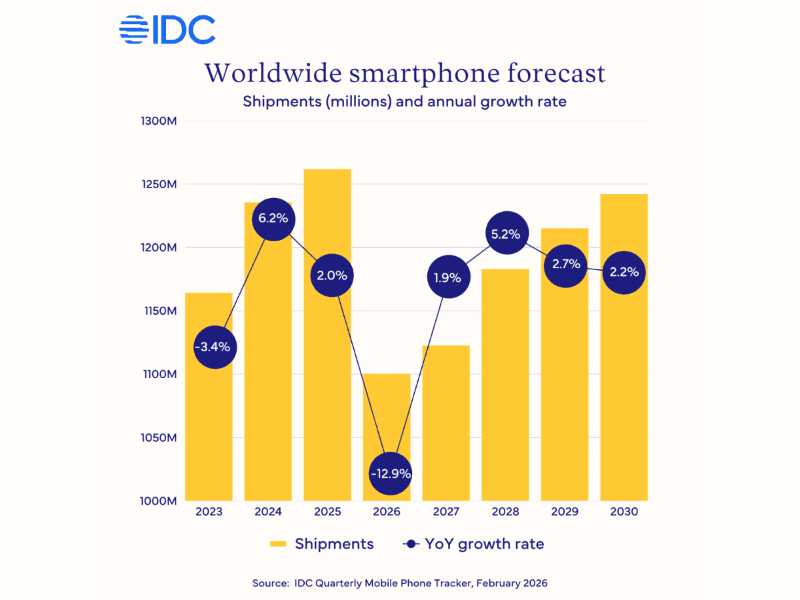
IDC predicts a 12.9% year-on-year decline in global smartphone shipments in 2026, hitting a new low in over a decade. In the third quarter of the year, China's shipments reached 57.9 million units, down 15.4% year on year, with users extending their device replacement cycles to over 40 months. Mobile phone manufacturers are truly anxious.
However, as an AI company, Step is taking a more relaxed approach. Yin Qi said that in the first phase, the focus is not on shipment volume but on achieving scale. For pure AI companies venturing into hardware, what they are actually selling is their own protocols and standards. If successful, they will become the creators of new rules. Compared to established mobile phone manufacturers, they carry fewer burdens.
8 The Game of Power in the AI Era
Delving deeper, you'll find that this matter has long surpassed the mobile phone itself.
Over the past two decades, apps have dominated user time, while platforms have controlled transaction data. Now, AI offers mobile phone manufacturers an opportunity to reclaim the gateway. If AI can understand a single sentence and handle everything for you, then the gateway is no longer individual apps but the command that awakens the AI.
This is a game of power, vying for three things: who connects with users, who allocates traffic, and who controls the data.
Consider WeChat's actions. In June of this year, WeChat announced its cooperation with Huawei, Honor, Xiaomi, OPPO, and vivo to enable A2A assistant capabilities, allowing mobile voice assistants to initiate WeChat audio and video calls and send messages to friends.
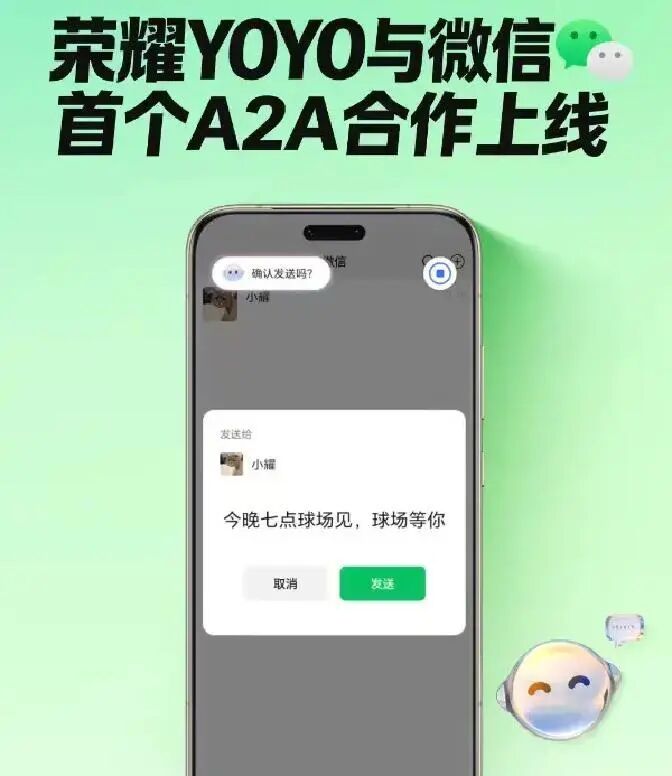
On the surface, this appears to be an ice-breaking move. In reality, app developers have realized that AI cannot be blocked. Instead of being bypassed, they prefer to define their own open boundaries. They will not be replaced but will exist in a different form.
Some are exploring even more fundamental questions. Is the concept of an AI phone itself a false proposition? The ultimate goal of intelligence should be seamless empowerment and proactive service. Why should it be confined to the form of a 'phone'? Screen size, battery life, and heat dissipation are all physical limitations.
While OpenAI explores AI operating systems, it is also investing in personal devices like earphones, glasses, and watches. Its judgment is that the ultimate gateway in the AI era may not necessarily be a screen held in hand but an all-weather, screen-independent personal intelligent agent.
However, at least until 2026, the mobile phone remains the only viable carrier. It is portable enough, has sufficient computing power, and can cover work, entertainment, and payment needs. Therefore, AI phones are not the endpoint but a necessary path.
9 Is STEPX Neo Worth Buying?
Finally, let's return to STEPX Neo.
If you are a geek who enjoys tinkering with tech products or are interested in the functional applications mentioned above, then go for it. 3,999 yuan is a reasonable price.
If you are expecting a true 'AI-native phone,' I suggest you hold off on spending your money for now. Let the dust settle and wait for two important signals.
First, the ecosystem's window should open wider, such as when WeChat and Taobao give their approval.
Second, observe the reliable completion rate of the first batch of users. Don't just look at demonstrations; see how many tasks they actually accomplish daily.
To be honest, in my eyes, STEPX Neo is not yet a true AI-native phone, but it has indeed taken a deeper step in that direction, to some extent, reconstructing the mobile phone operating system.
The day when the underlying hardware is completely reconstructed for AI, we will not be far from a true AI-native phone.
If you have any thoughts, feel free to discuss them in the comments section.
If you found this article helpful, please like, share, and recommend it. Follow 'AI Robot Teahouse.'
-
![]()
104th in Ultrafast Nonlinear Optics: Mid-Infrared Dual-Comb Spectroscopy and Compressive Sensing Sampling
-
![]()
Delving into AI-Native Smartphones with the Release of STEPX Neo
-
![]()
Major Breakthrough for Luxeed! Chery Takes a Daring Step
-
![]()
Collective Negative Growth in Metropolises: Beijing, Shanghai, Guangzhou — Who’s Behind the Slump in Car Sales?
-
![]()
TECNO’s AI Strategy: Not a Tool for Price Increases
-
![]()
Douyin Catches Up with Meituan, Then Local Life Services Begin to Compete on 'Internal Strength'
-
![]()
AI Won't Rebel, It Just Bypasses You
-
![]()
iPhone Duo: Pre-sale Sells Out in a Flash, Resale Prices Skyrocket by Up to 7,000 Yuan