A Small Step for RTX Spark, A Giant Leap for NVIDIA PCs! Lenovo YOGA Pro 15 RTX Spark Review
 10/29 2026
 425
I. Introduction: The Birth of NVIDIA's PC Empire
Rewind to the early 21st century: NVIDIA, already a dominant force in the graphics card arena, ventured into the motherboard market, launching a series of acclaimed nForce chipsets. However, due to licensing disputes, strategic shifts, and other factors, NVIDIA's platform collaborations with Intel and AMD faltered, leading to its eventual withdrawal.
"Without our own CPU, we'll always be at the mercy of others in platform control," Jensen Huang's ambition and fixation on CPUs and whole PCs were sown.
From the Denver Project's launch in 2011, through the $40 billion ARM acquisition bid in 2020, to the Grace server CPU's debut in 2021.
At GTC Taipei 2026, Huang officially unveiled the RTX Spark superchip, NVIDIA's first complete SoC for personal computers. The old obsession ended, and a new chapter in personal desktop supercomputing began.
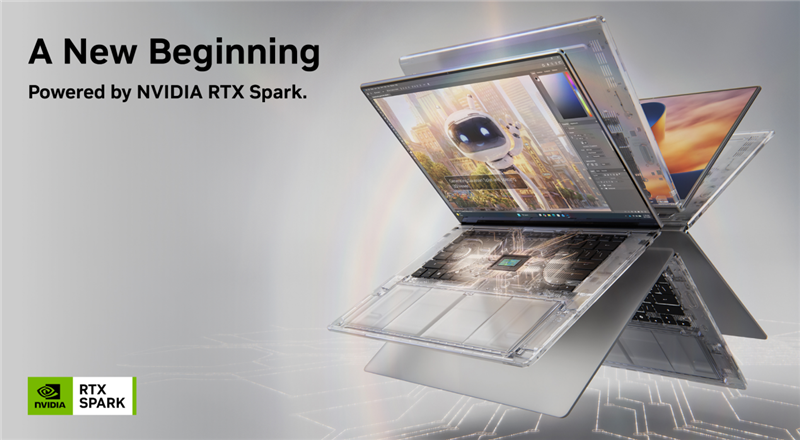
Traditional workstations emphasize a separate architecture with independent x86 CPUs and discrete graphics cards, communicating via PCIe buses, with inherent bandwidth and latency bottlenecks.
RTX Spark completely overturns this decades-old design paradigm, deeply integrating CPU, GPU, and memory into a single system-level chip.
The entire superchip is built on TSMC's 3nm process, packing 70 billion transistors. Internally, it employs NVLink-C2C high-speed interconnect technology to Encapsulation (Note: " Encapsulation " is translated as "package" in this context, meaning to integrate) a 20-core Grace Arm CPU, a Blackwell architecture RTX 5070-class GPU, and 128GB of unified memory into a single SoC.
This computational power, comparable to a compact workstation, is crammed into a slim laptop just 14mm thick and weighing around 1.4kg.
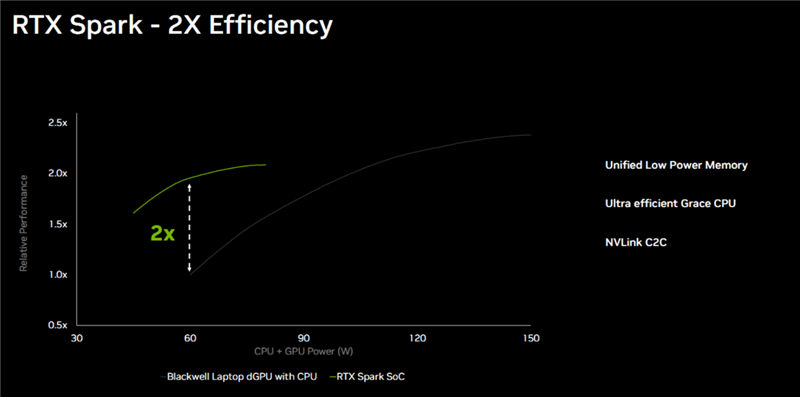
The unified memory architecture is RTX Spark's core differentiator from traditional ultrabooks and the key to running large models locally.
RTX Spark N1X features 16-channel 256-bit LPDDR5X memory, with speeds up to 9400Mbps, peak bandwidth of 300GB/s, and stable bandwidth of 273.2GB/s. Unlike traditional platforms with separate CPU memory and GPU VRAM, its Grace CPU and Blackwell GPU share a single memory pool via NVLink C2C interconnect (bidirectional bandwidth 600GB/s), forming a cache-coherent complete system.
The advantage of this design is clear: out of the total 128GB memory, up to 96GB can be allocated to the GPU as VRAM, with dynamic calling for excess. This easily accommodates model weights and KV caches spanning dozens of GBs.
The core value of this design is straightforward: the laptop's 128GB memory can be flexibly allocated to the GPU as VRAM via NVIDIA App sliders, with fixed allocations up to 96GB and dynamic calling for excess. This easily accommodates model weights and KV caches spanning dozens of GBs, unimaginable in traditional discrete-GPU laptops.
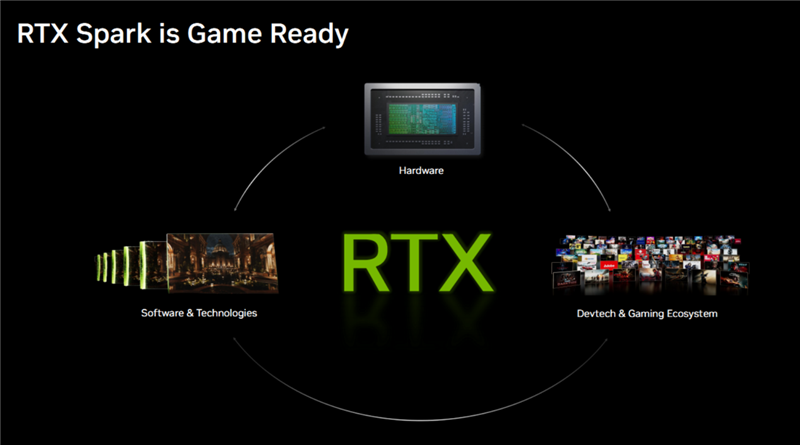
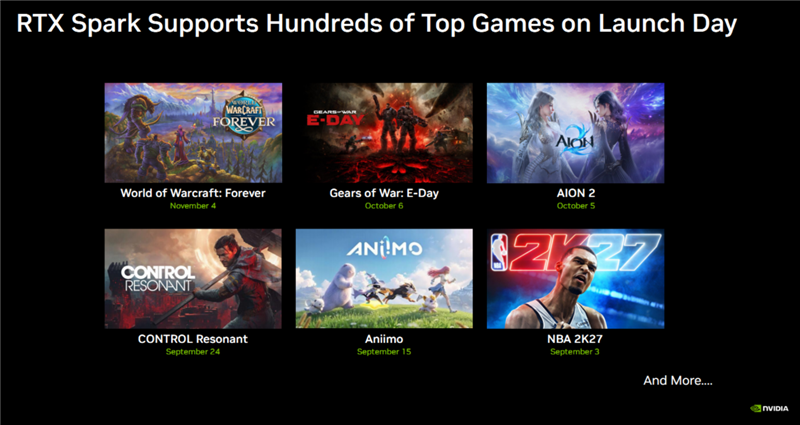
RTX Spark is no mere "productivity-only" device; it fully inherits NVIDIA's RTX gaming tech stack, supporting hundreds of mainstream games at launch, covering 3A single-player, MMO, sports, and competitive genres.
Titles like World of Warcraft: Eternity, Gears of War: E-Day, AION 2, Control: Resonance, ANiMO, and NBA 2K27 all launched simultaneously. Game adaptation rhythm (Note: " rhythm " is translated as "pace" here, referring to the speed or schedule) aligns perfectly with desktop RTX 50-series GPUs, eliminating delays for ARM versions.
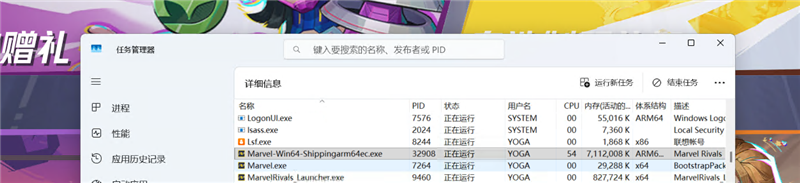
Marvel Rivals: Native ARM Windows Game
Moreover, due to game anti-cheat support issues, previous ARM Windows platforms couldn't run most online competitive games. Now, NVIDIA has collaborated with leading developers to resolve anti-cheat compatibility, with most mainstream esports titles whitelisting RTX Spark devices.
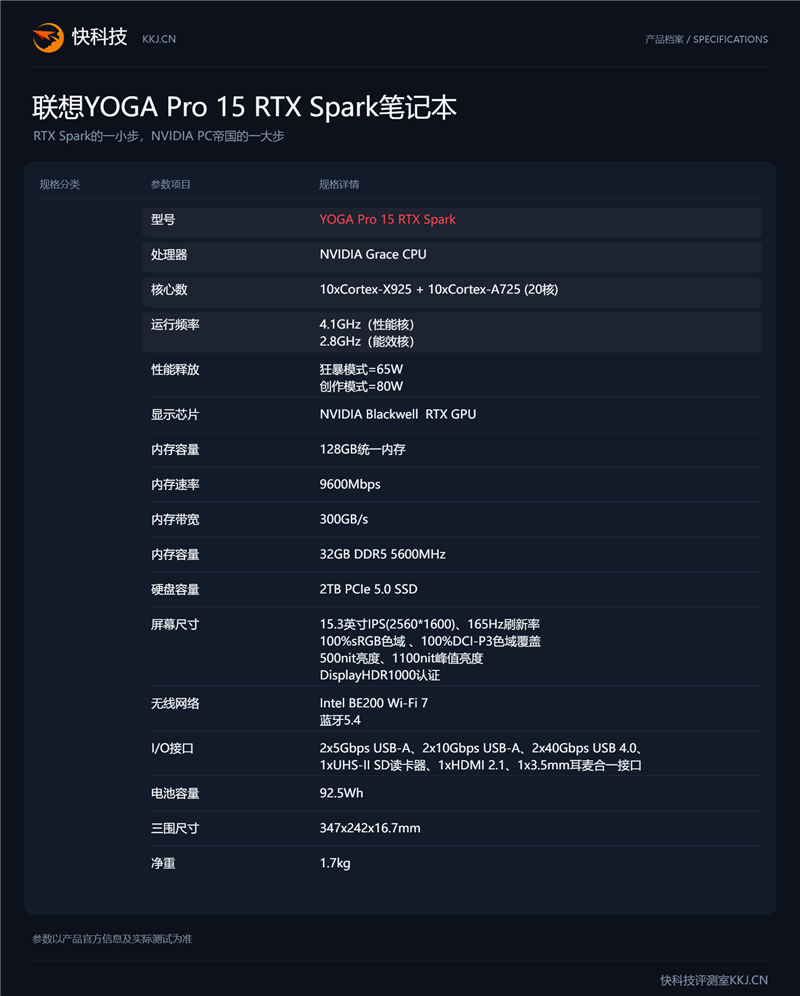
This review conducts a comprehensive evaluation using the Lenovo YOGA Pro 15 RTX Spark, available in 64GB+1TB (¥29,999) and 128GB+2TB (¥42,999) configurations.
II. Lenovo YOGA Pro 15 RTX Spark Gallery: Slim Body with OLED Screen and Essential Ports
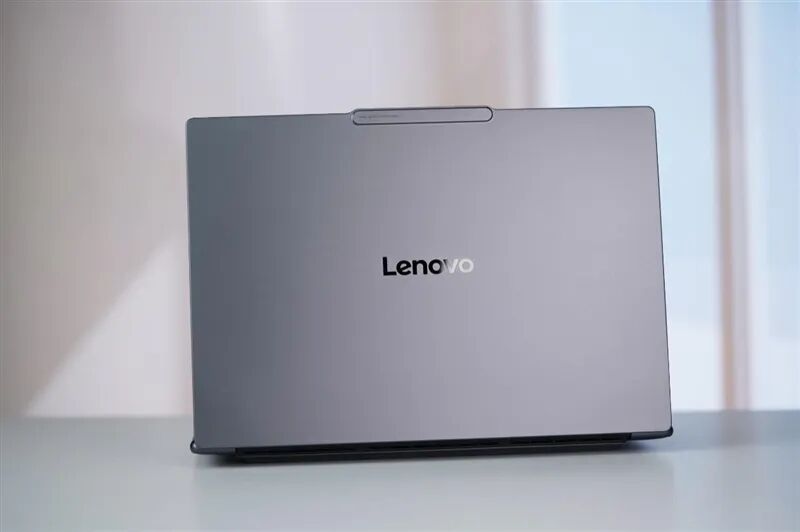
As a premium professional creative laptop, the Lenovo YOGA Pro 15 RTX Spark adopts a minimalist design, crafted from aerospace-grade aluminum alloy with a unified molding process and a fine matte sandblasted finish.
The laptop measures 347x242x16.7mm and weighs 1.7kg.
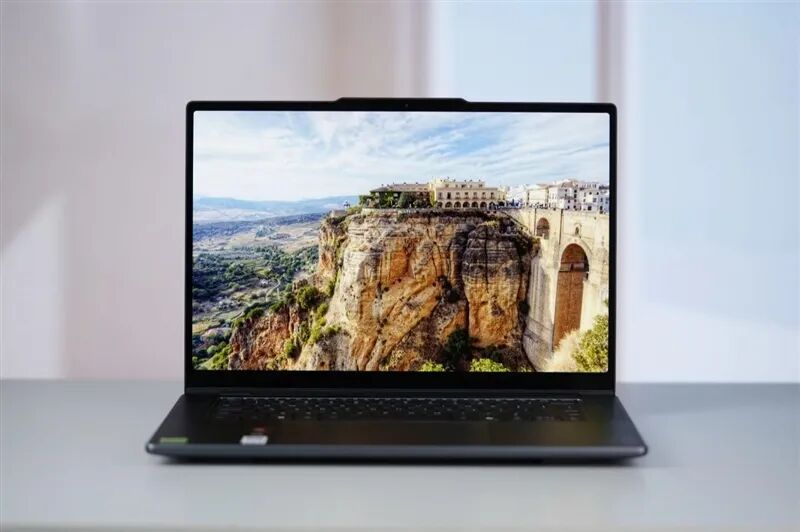
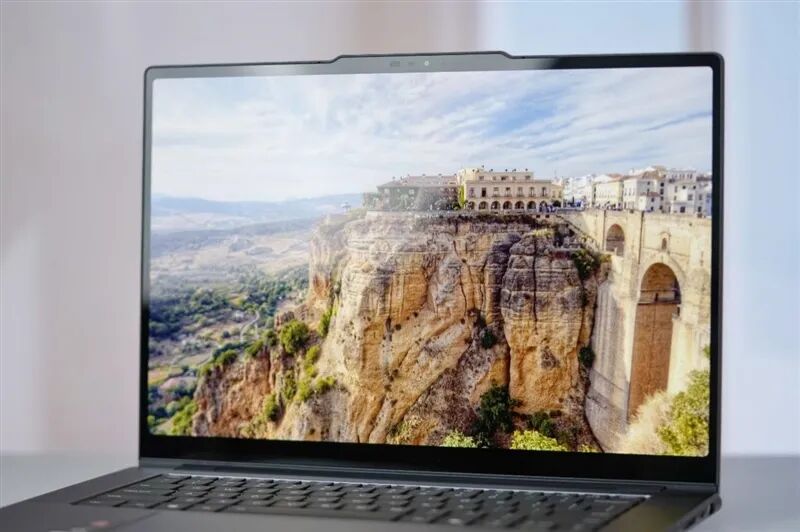
The B-side features a 15.3-inch OLED screen with 10-point touch, surrounded by narrow bezels.
It offers 2560*1600 resolution, 10-bit color depth, 100% AdobeRGB and 100% P3 color gamut coverage, 165Hz refresh rate, 0.2ms response time, 500nits peak brightness in SDR mode, DisplayHDR1000 certification, and up to 1100nits peak brightness in HDR mode for small windows (<2%).
It supports six color gamut modes, with each screen factory-calibrated for color accuracy (Delta E < 0.5).
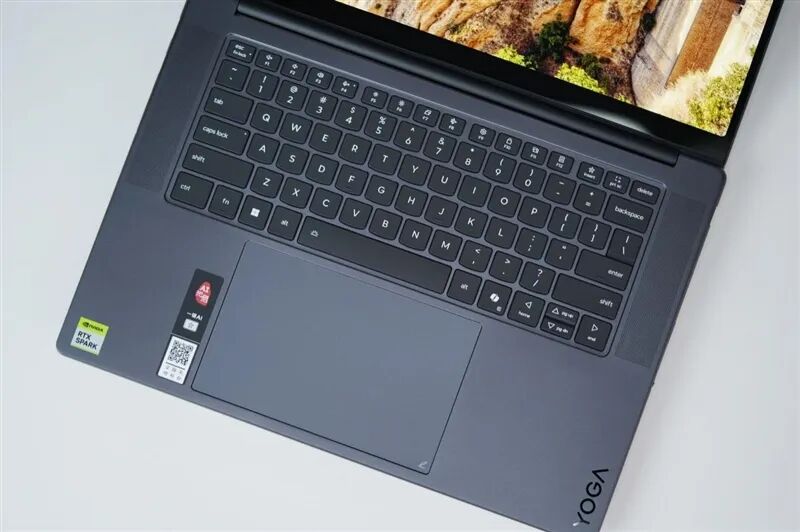
The YOGA series' exclusive Rhythm Keyboard is Lenovo's input solution for premium ultrabooks, featuring 1.5mm comfortable key travel, 0.3mm deep concave keycaps perfectly fitting fingertips, and a skin-friendly silk coating to resist oil stains.
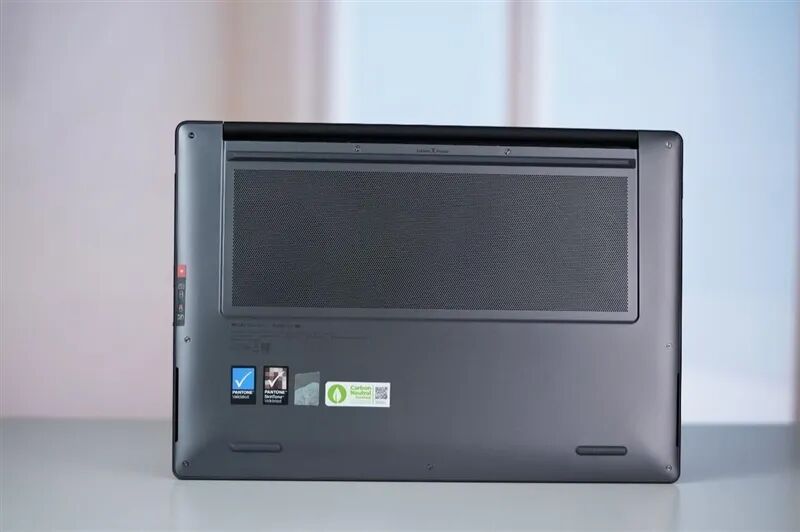
The D-side is clean, with cooling grilles occupying nearly half the area.

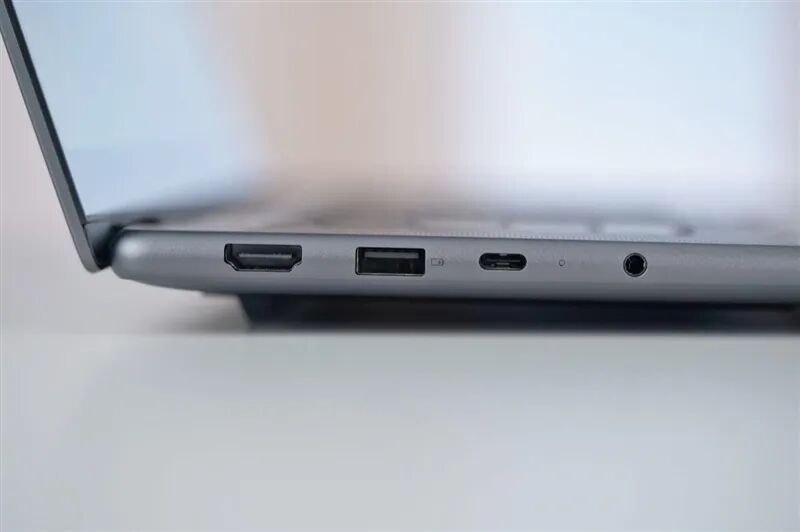
The left side houses a full-speed 48Gbps HDMI 2.1 port, a 10Gbps USB-A port, a 40Gbps USB 4.0 port, and a 3.5mm combo audio jack.
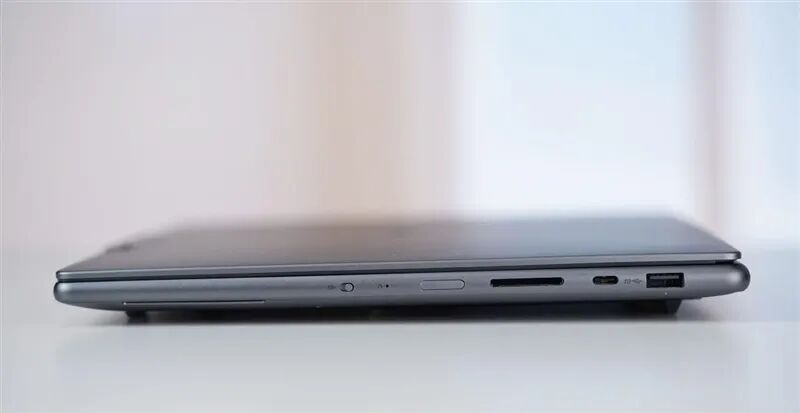
From left to right: Kensington lock, power button, UHS-II SD card reader, 40Gbps USB 4.0 port, and a 10Gbps USB-A port.
III. Processor Performance Testing: Native ARM Apps Shine, x86 Translation Mixed
1、CPU-Z
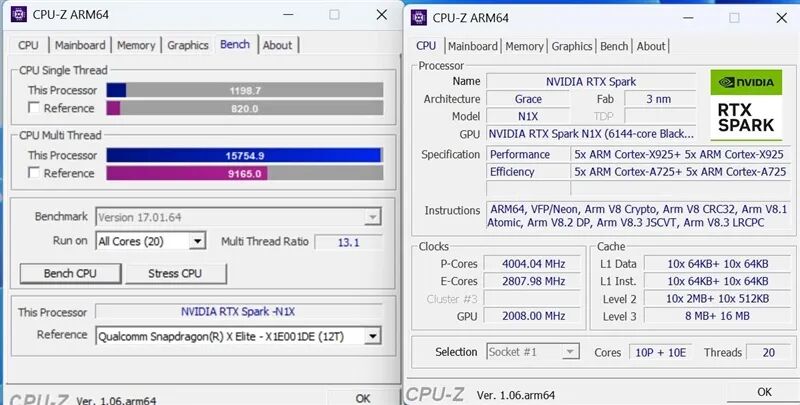
RTX Spark scores 1198 in single-thread and 15754 in multi-core tests, though ARM-based CPU-Z doesn't allow direct comparison with x86 versions.
2、CineBench R20
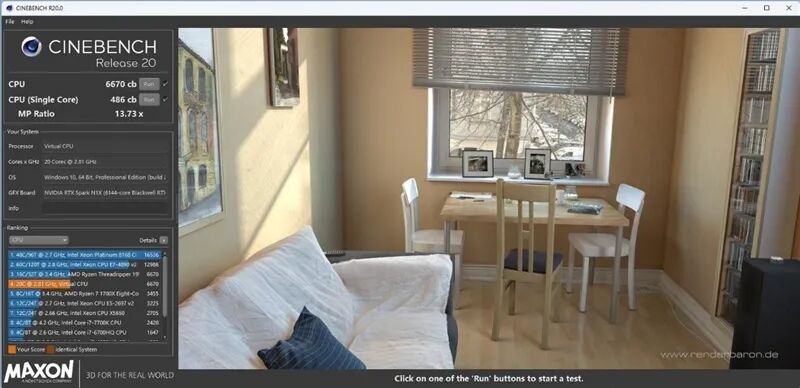
3、CineBench R23
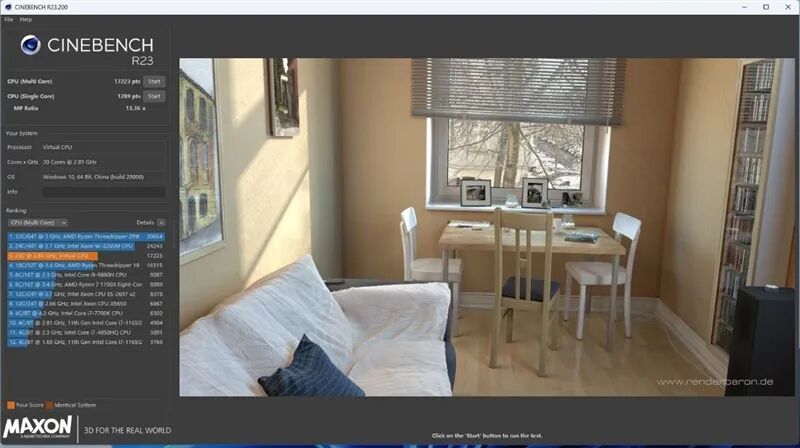
4、CineBench 2024
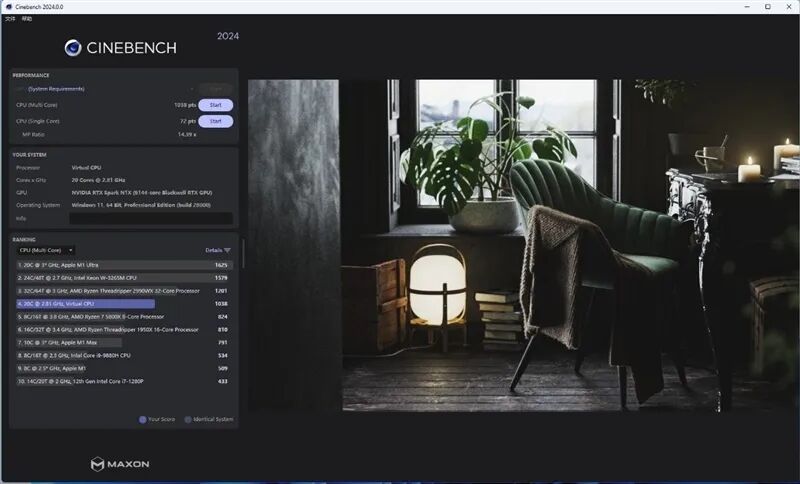
x86 version scores: 72pts single-core, 1038pts multi-core.
ARM version scores: 129pts single-core (+50% improvement), 1692pts multi-core (+60% improvement).
5、CineBench 2026
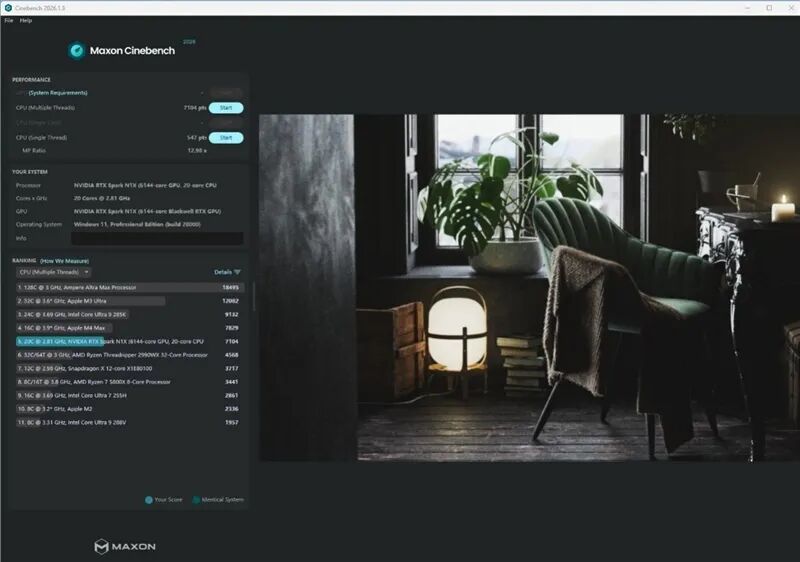
Using x86 version, RTX Spark scores 547pts single-thread, 7104pts multi-thread.
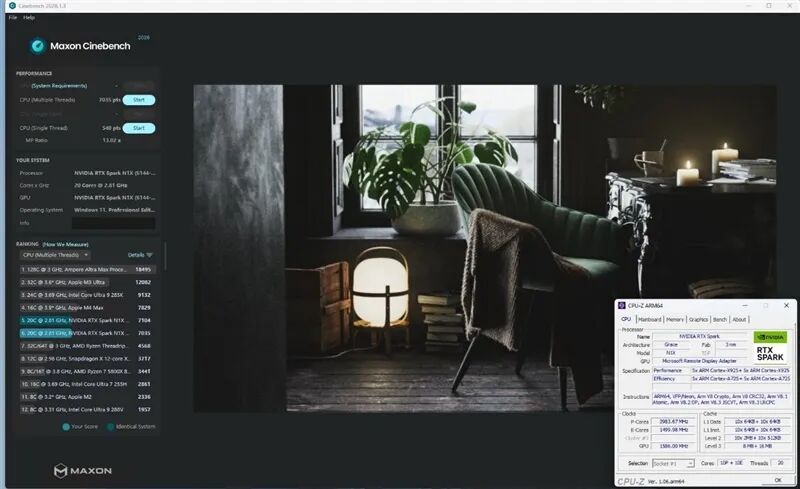
After using the ARM version, the single-core score is 540pts, and the multi-core score is 7035pts.
There is almost no difference.
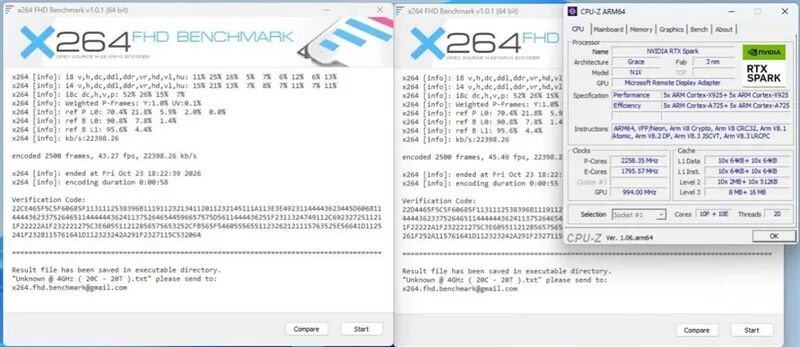
6. X264 FHD Benchmark
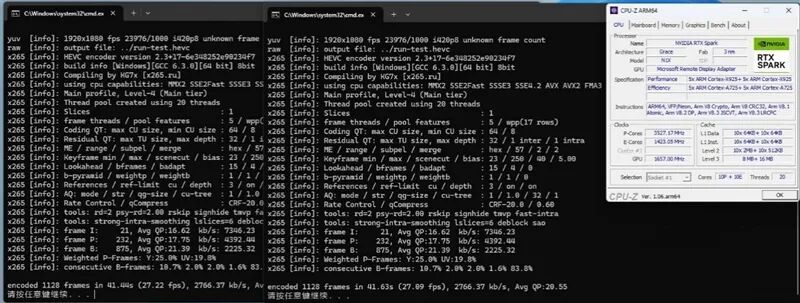
7. X265 FHD Benchmark
8. HandBrake
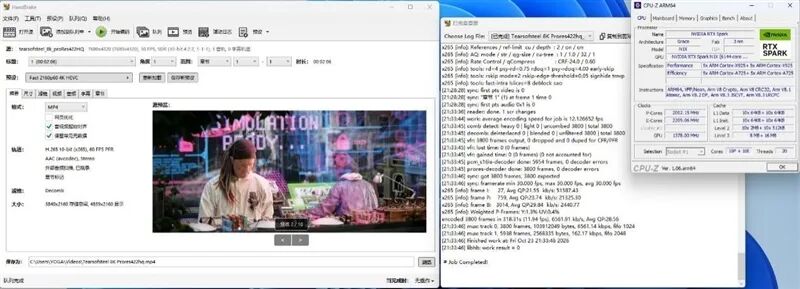
The summary of test data is as follows:
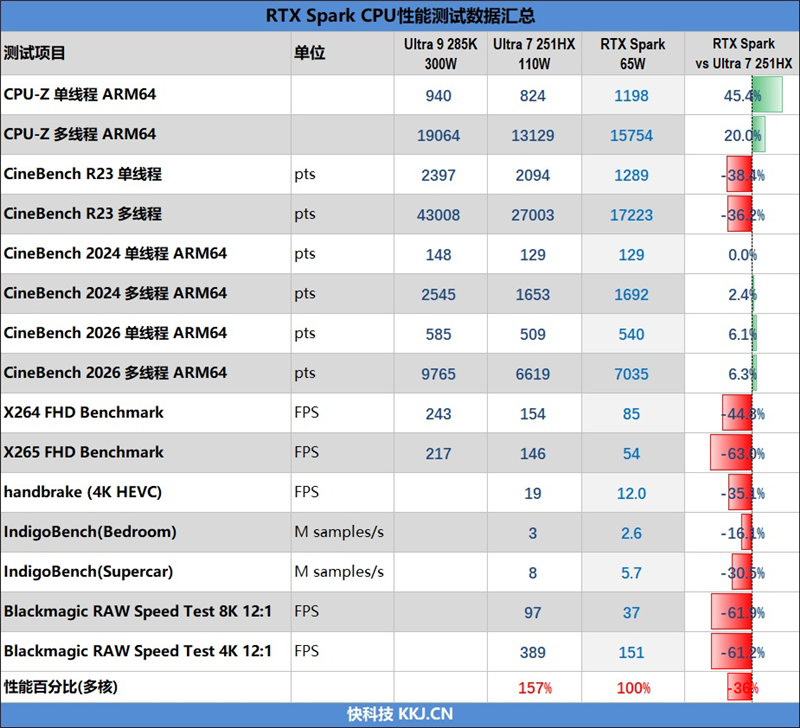
For applications that natively support ARM, RTX Spark, with only 65W power consumption, can compete with the 110W Ultra 7 251HX.
However, for some X86 applications, due to the lack of corresponding instruction sets in RTX Spark and the performance loss caused by Prism translation, there is a relatively significant performance gap.
IV. 1080P Gaming Performance Test
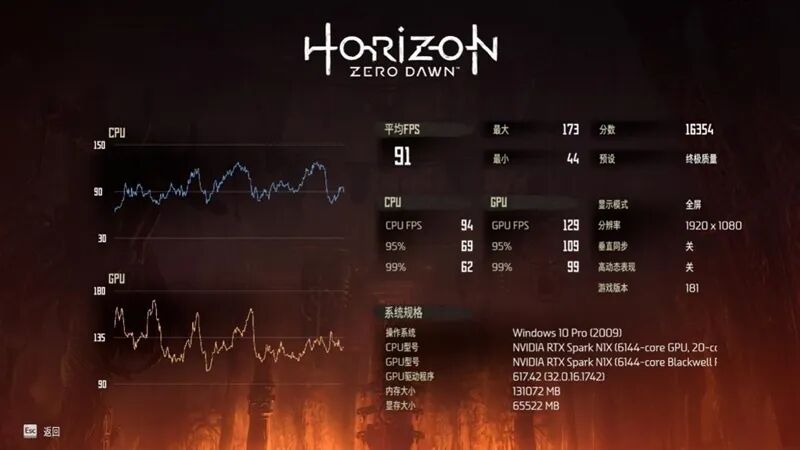
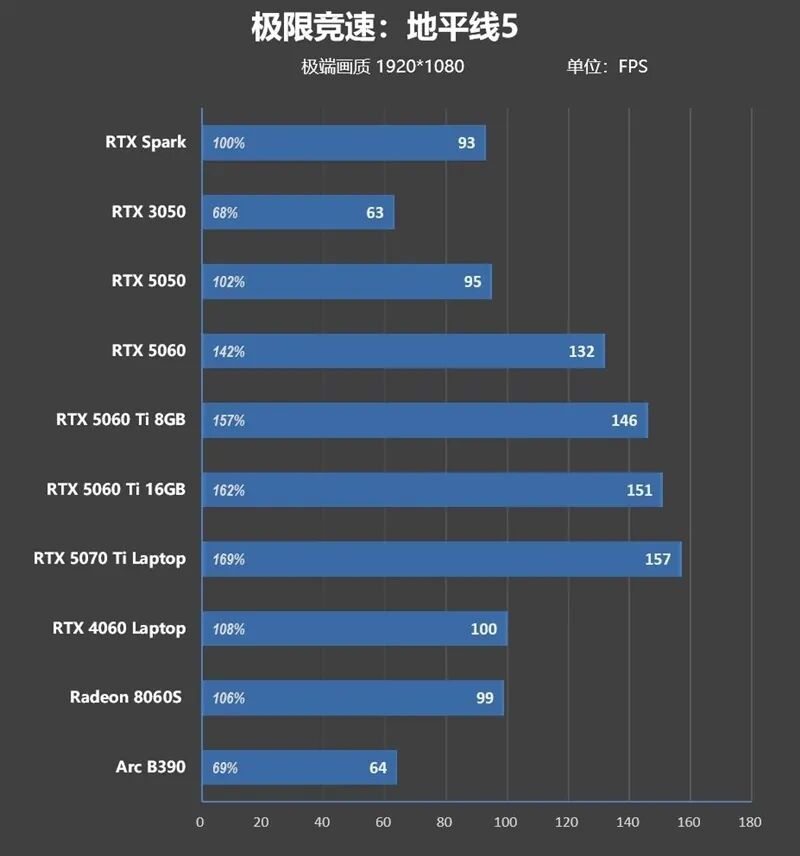
1. Horizon Zero Dawn
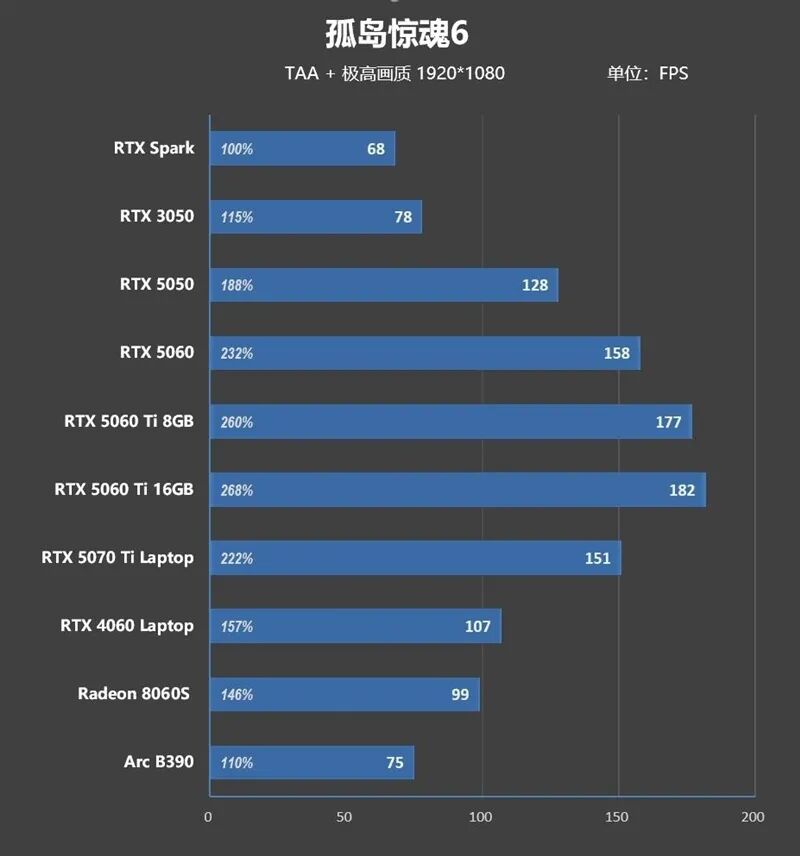
2. Far Cry 6
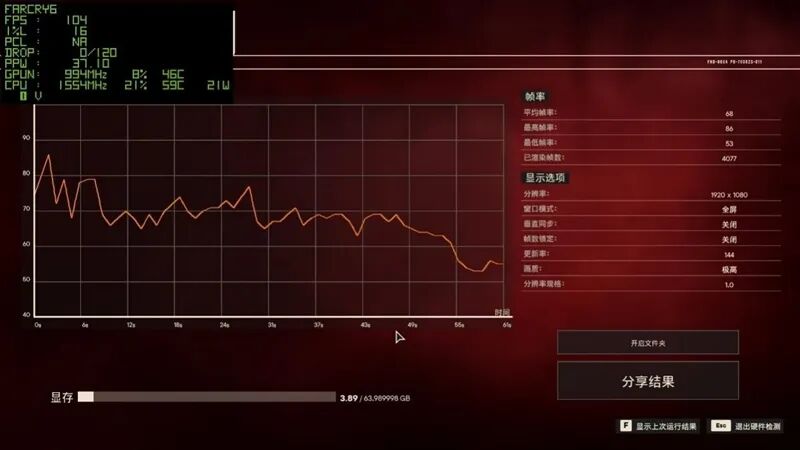
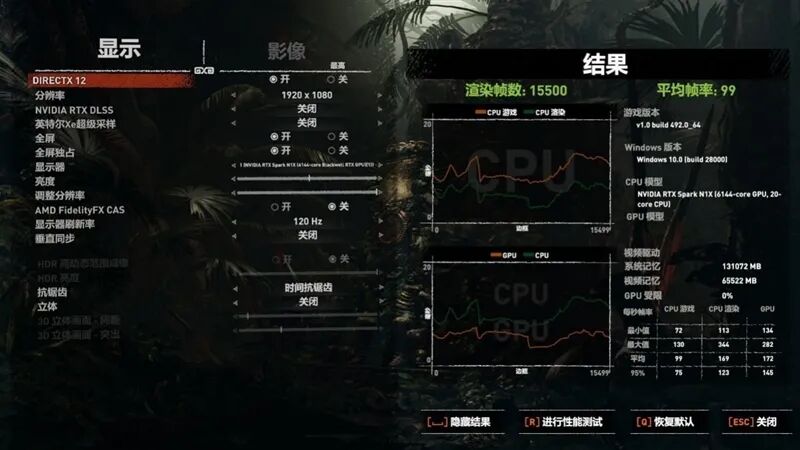
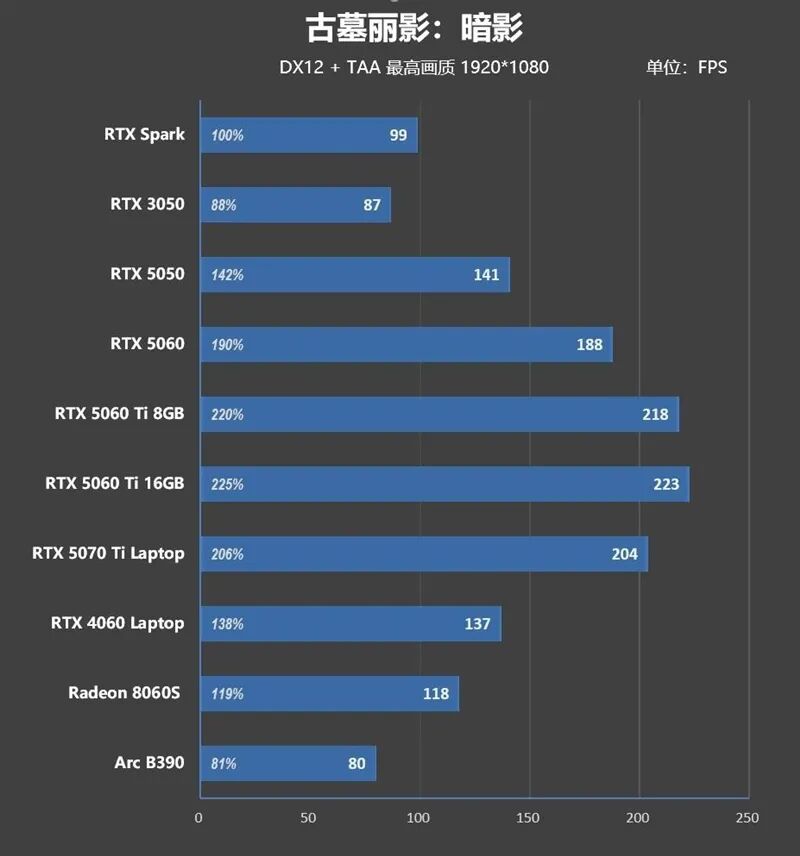
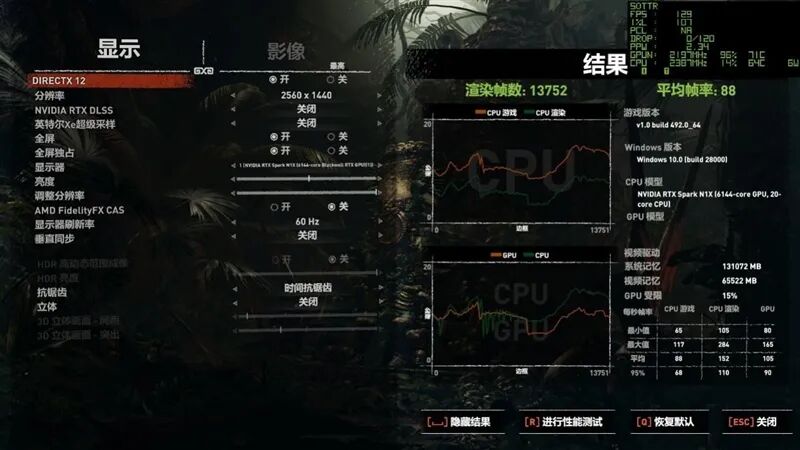
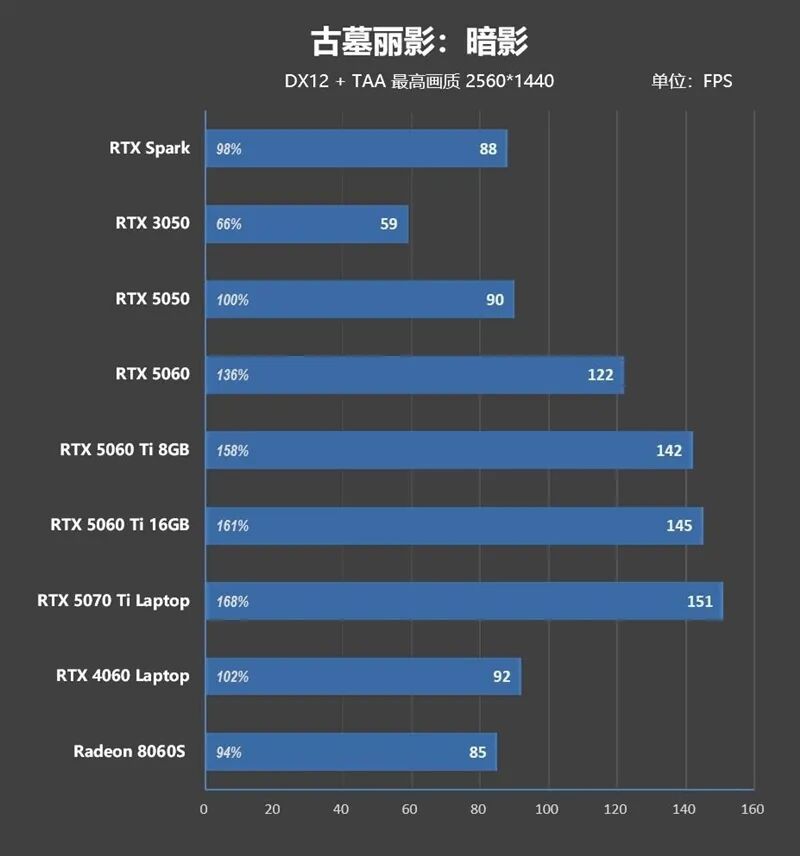
3. Shadow of the Tomb Raider
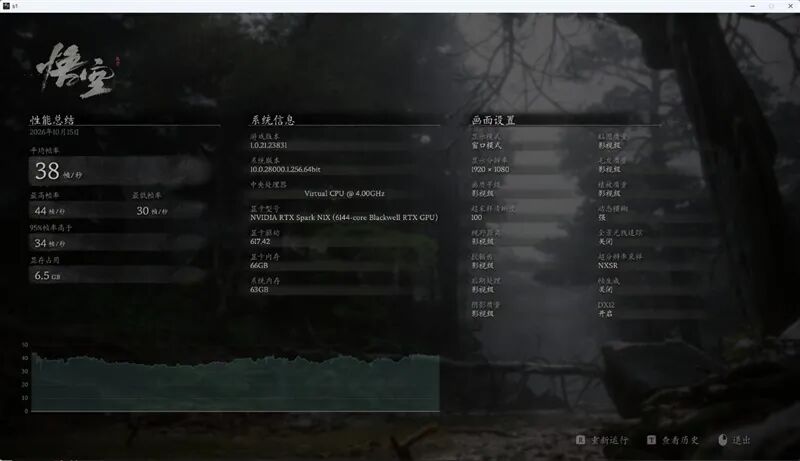
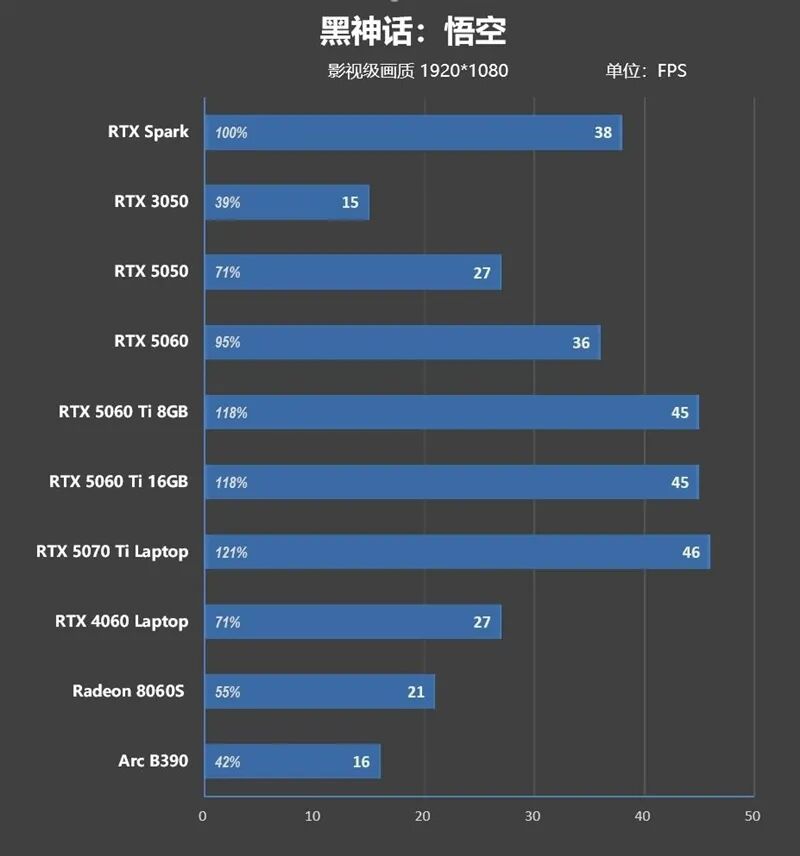
4. Black Myth: Wukong
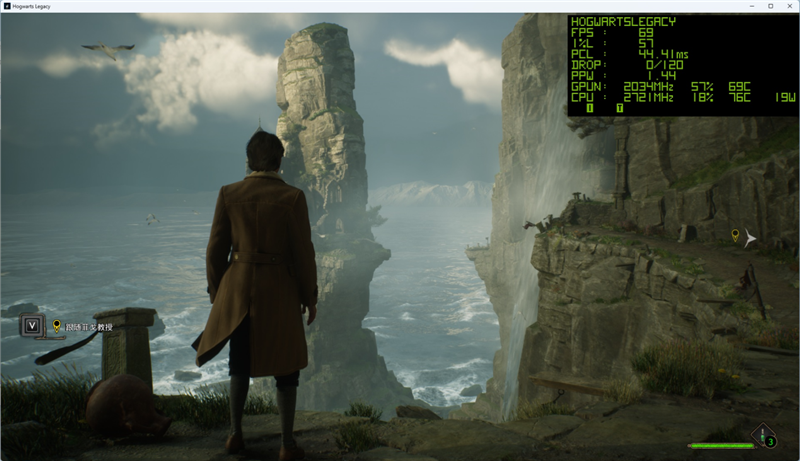
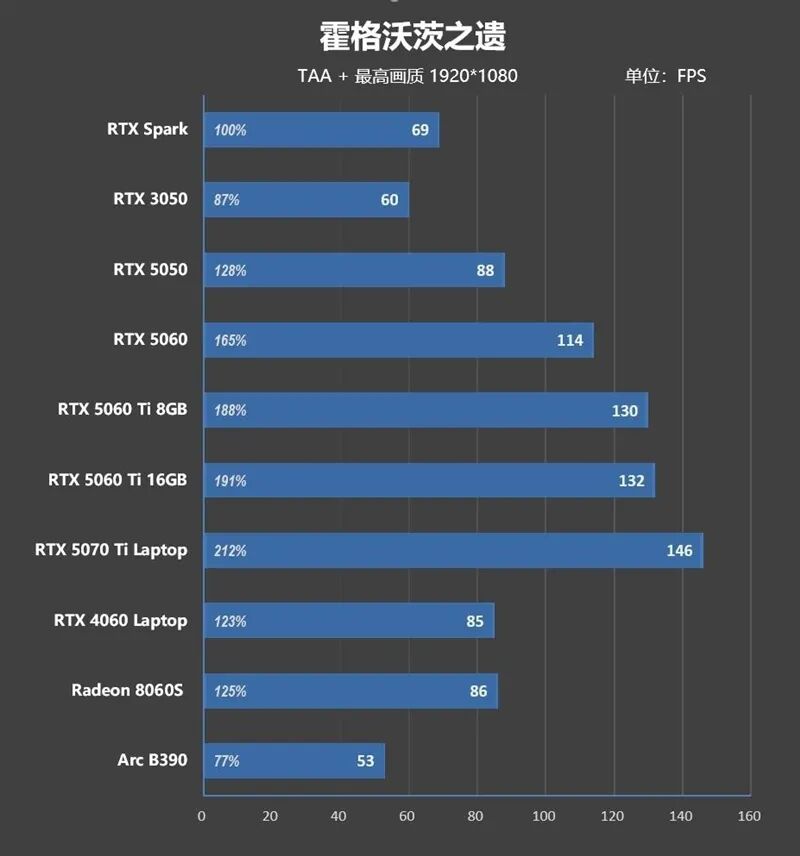
5. Hogwarts Legacy
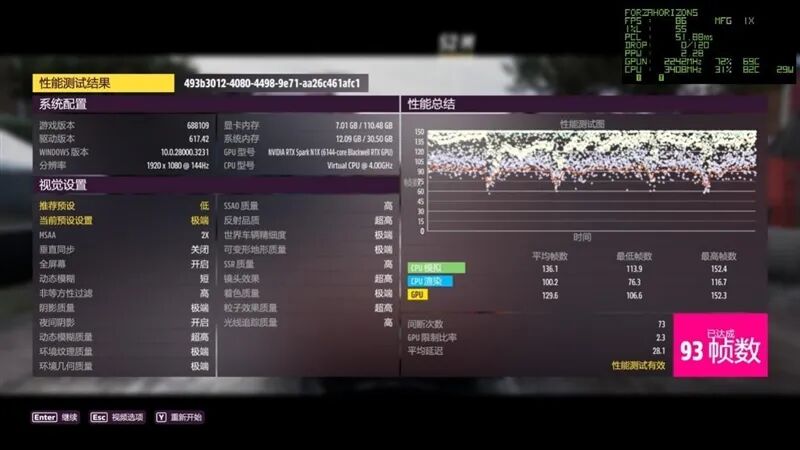
6. Forza Horizon 5
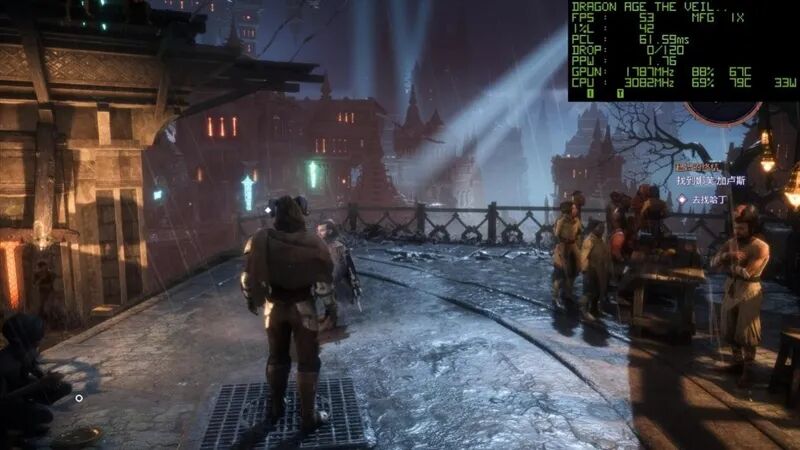
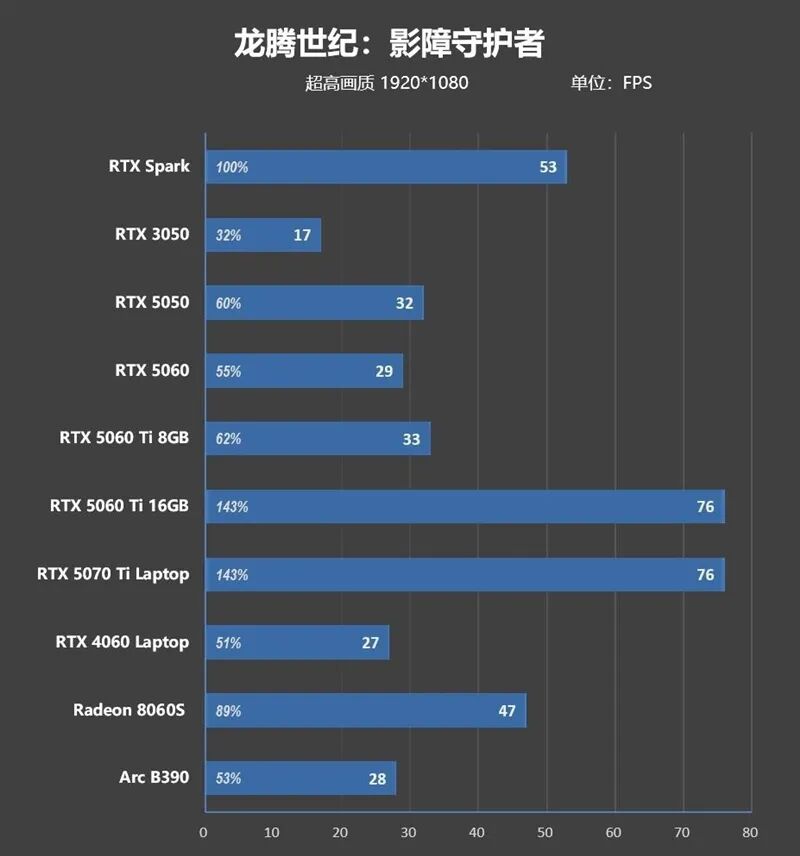
7. Dragon Age: Dreadwolf
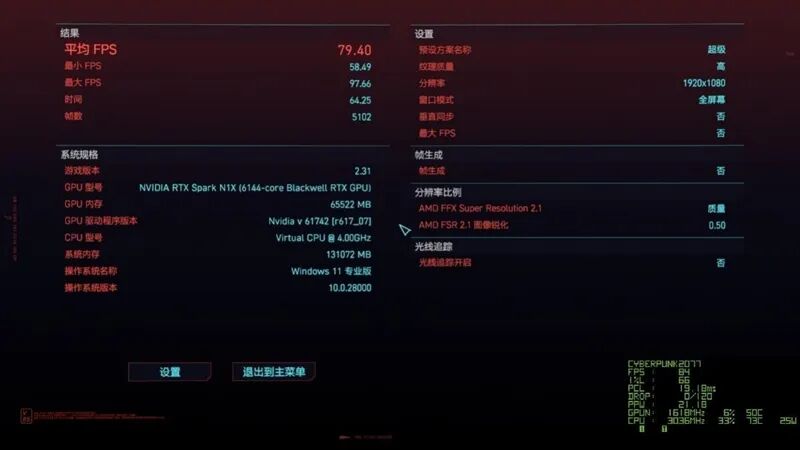
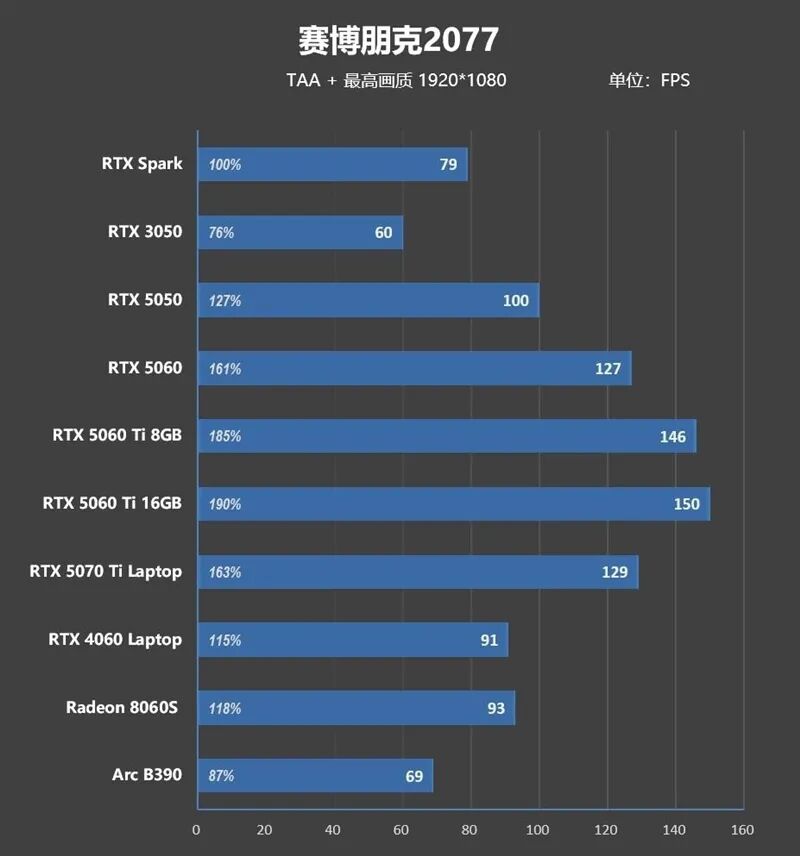
8. Cyberpunk 2077
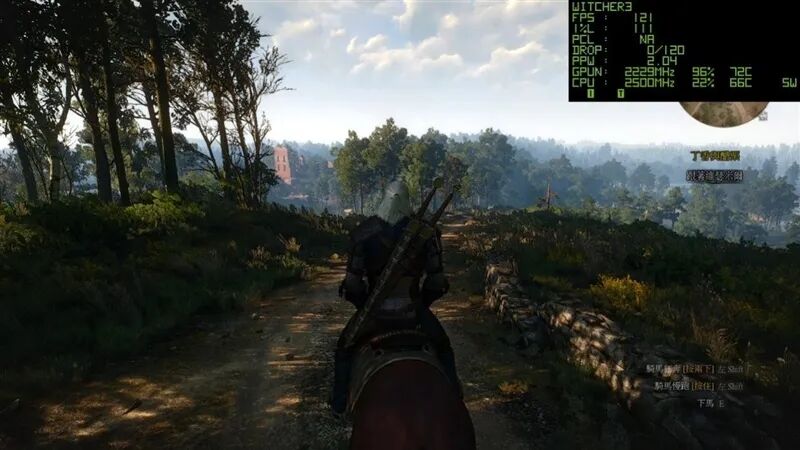
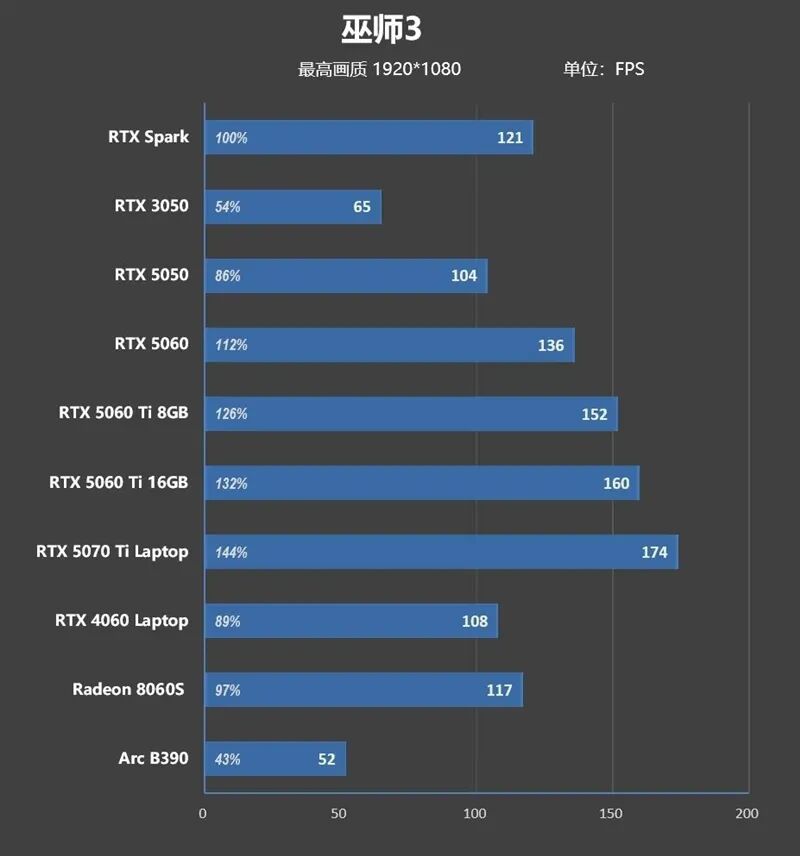
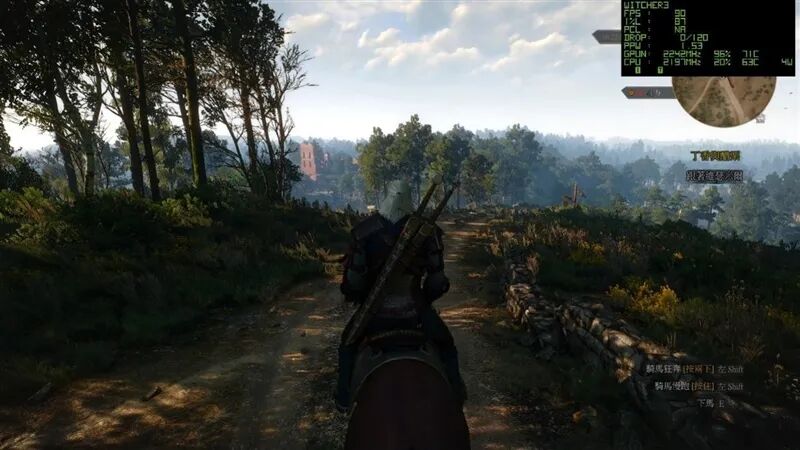
9. The Witcher 3
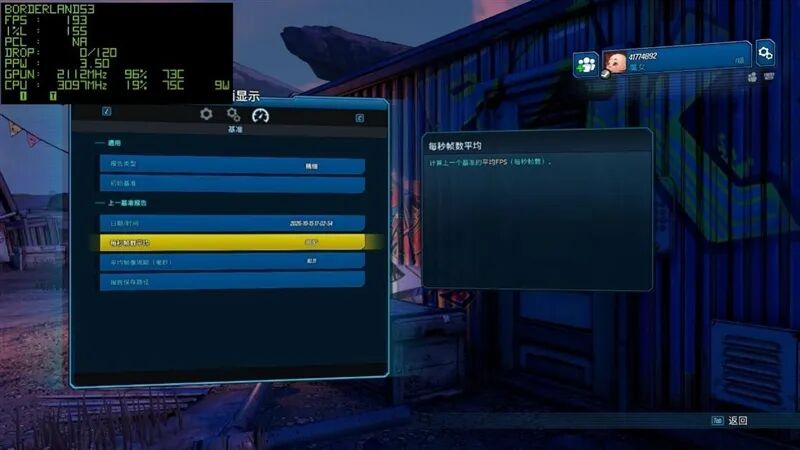
10. Borderlands 3
11. Starfield
12. Star Wars Outlaws
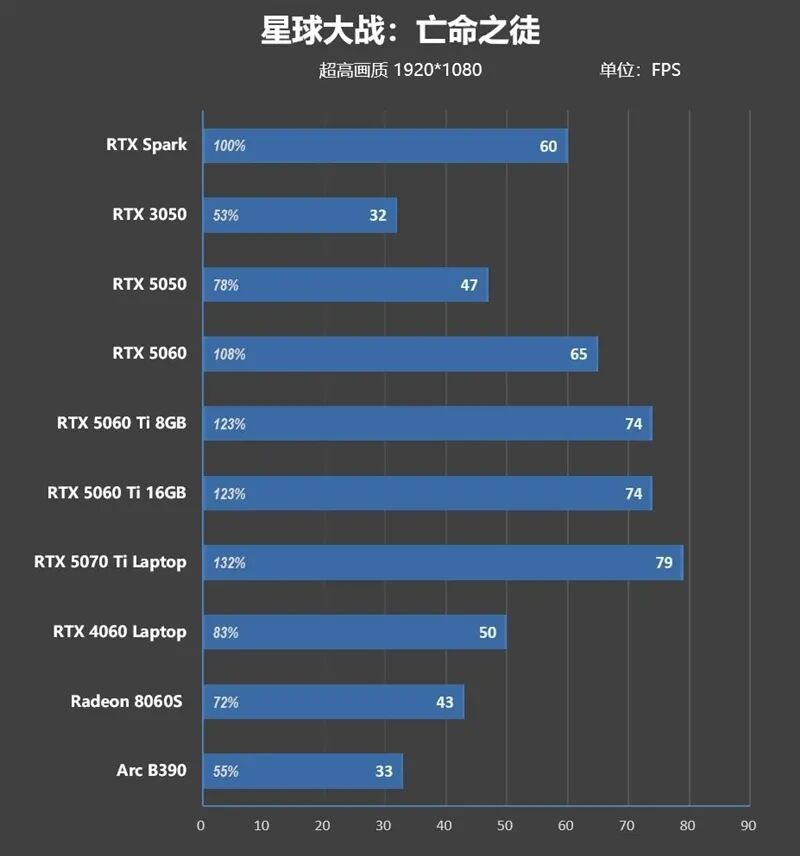
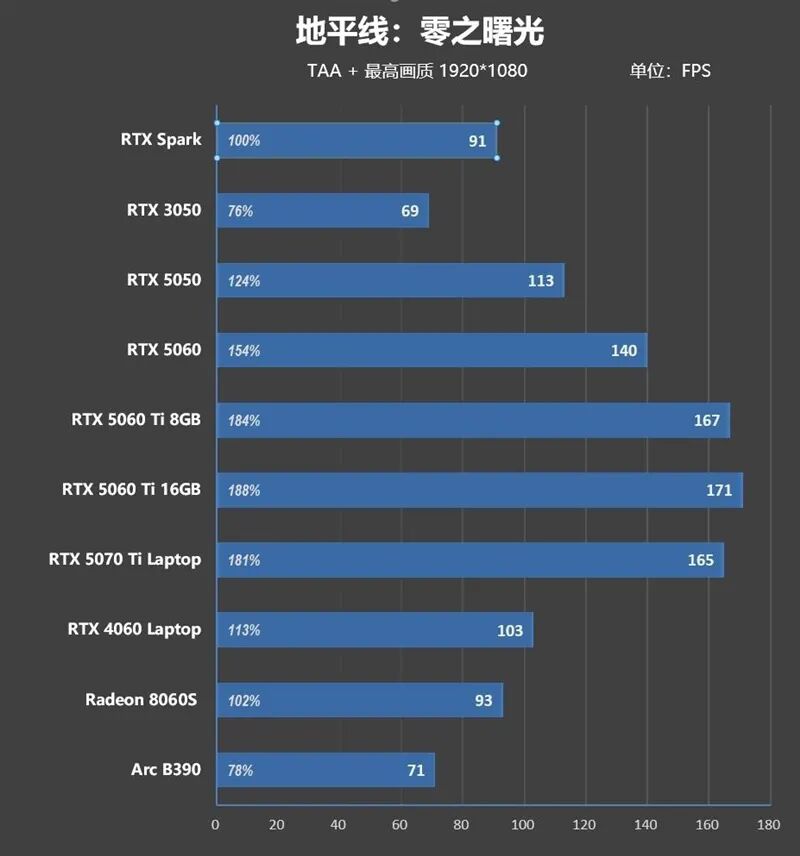
The summary of test data is as follows:
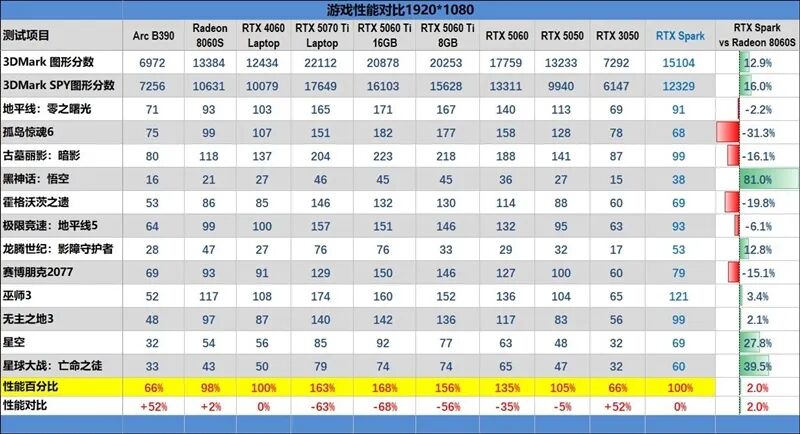
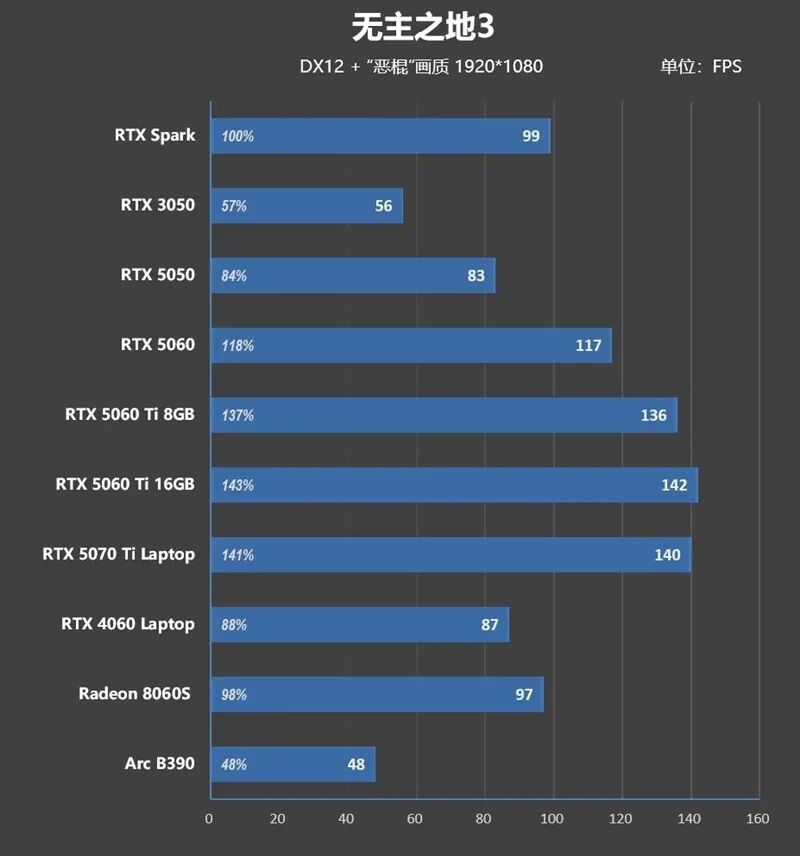
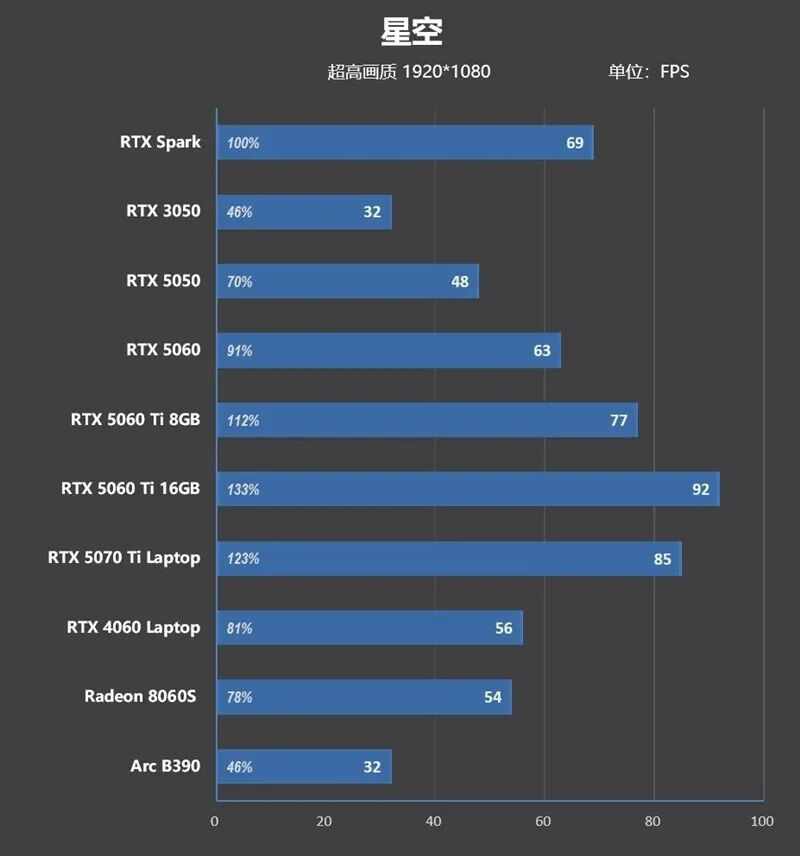
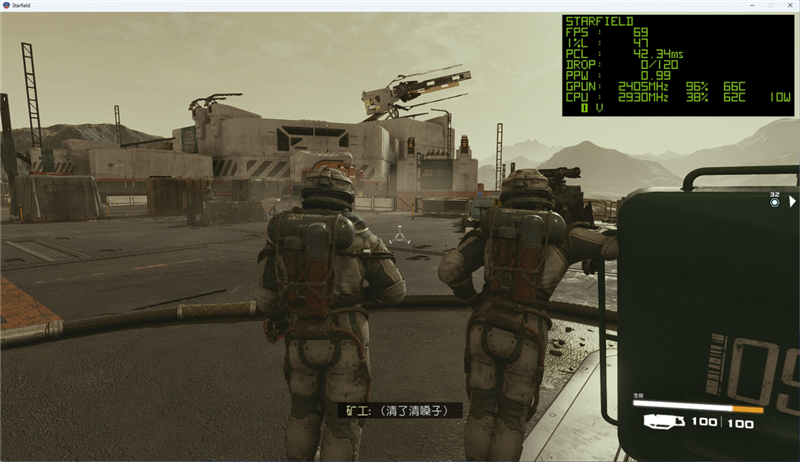
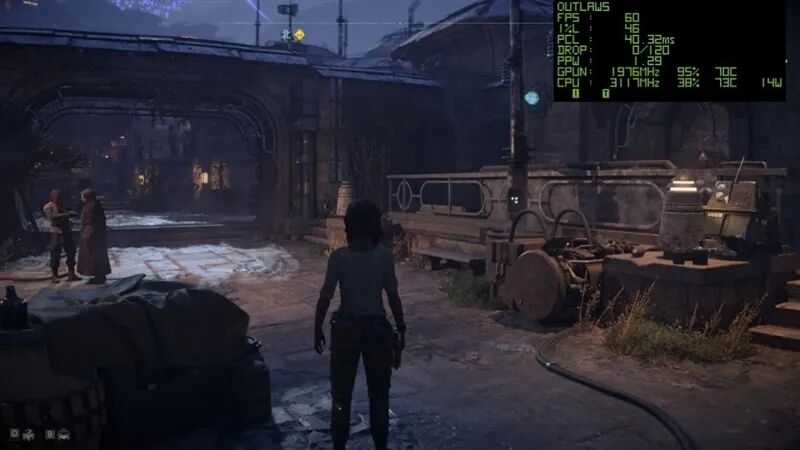
At 1080P resolution, the performance of RTX Spark is on par with RTX 4060 and AMD Radeon 8060S. However, for some games that are highly demanding on GPU performance, such as Black Myth: Wukong, RTX Spark has a significant leading advantage.
V. 2K Gaming Performance Test: Greater Overall Advantage with Increased GPU Load
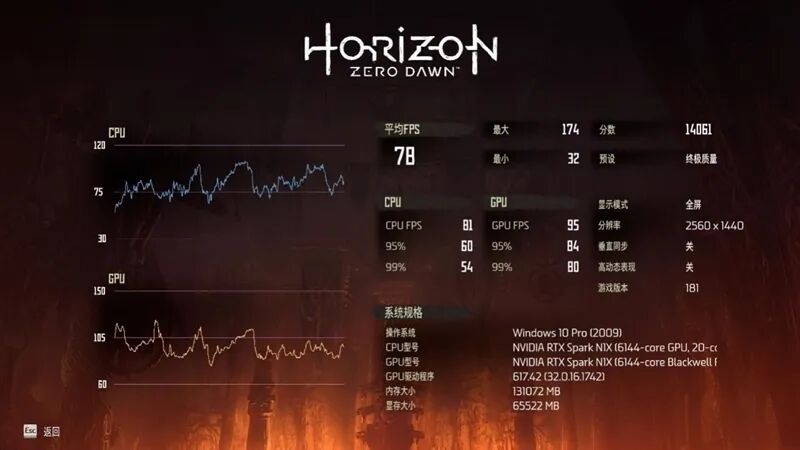
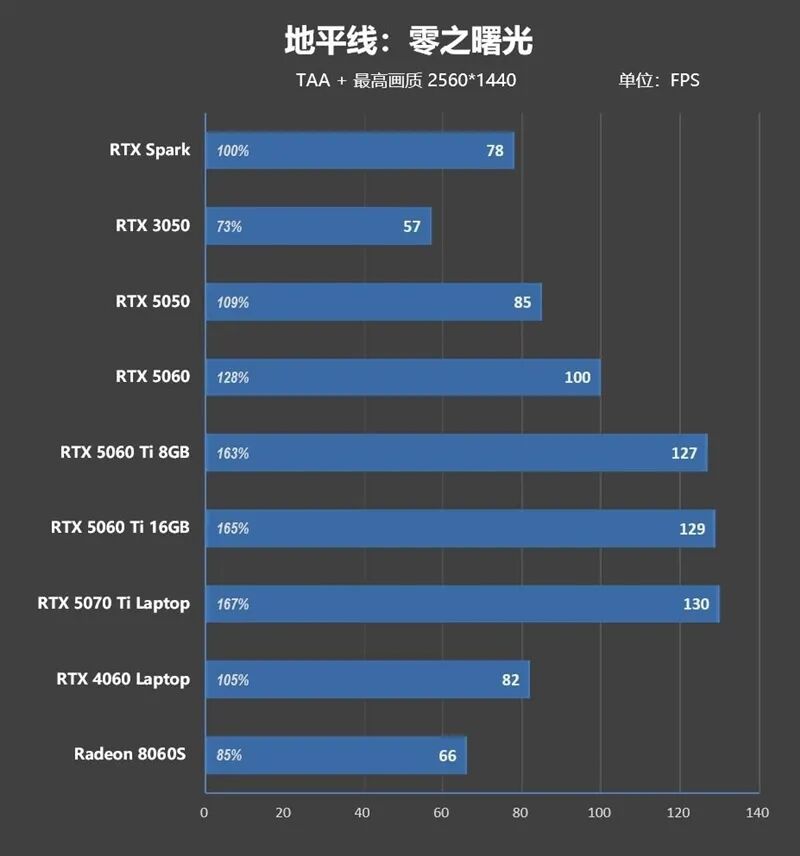
1. Horizon Zero Dawn
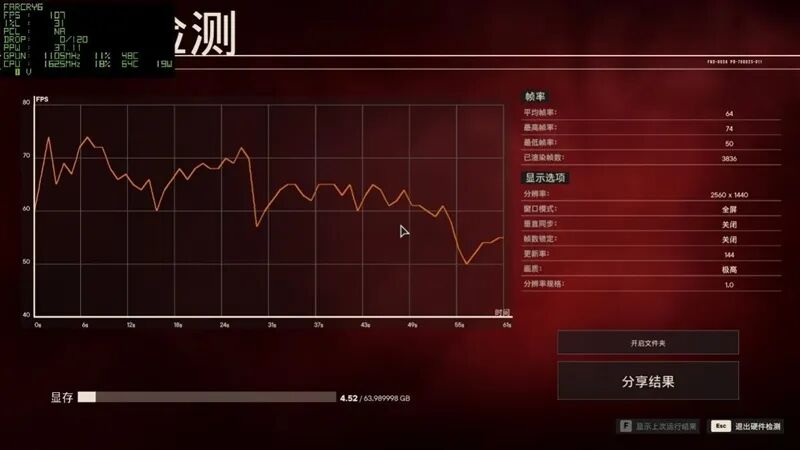
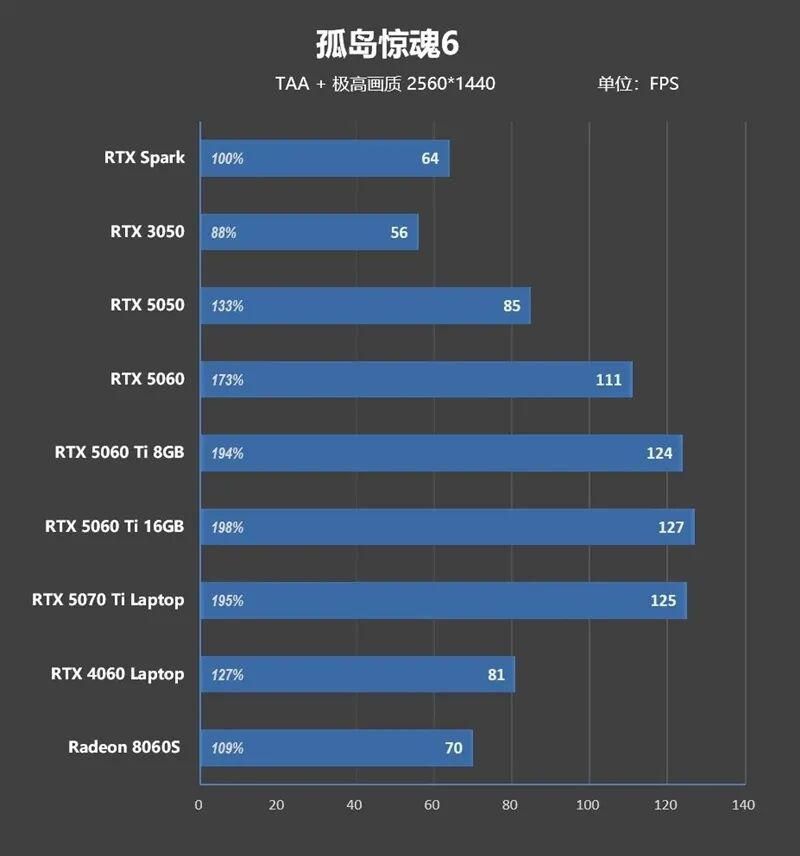
2. Far Cry 6
3. Shadow of the Tomb Raider
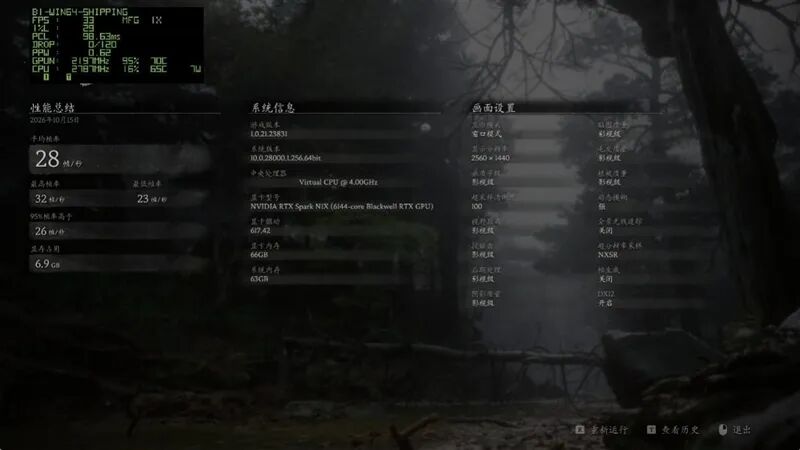
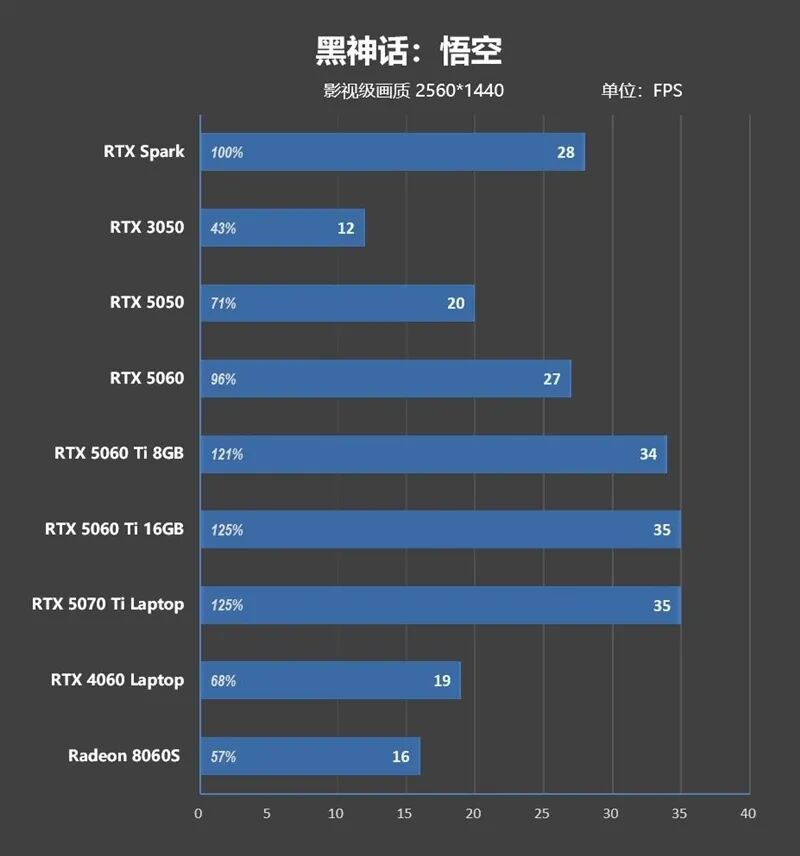
4. Black Myth: Wukong
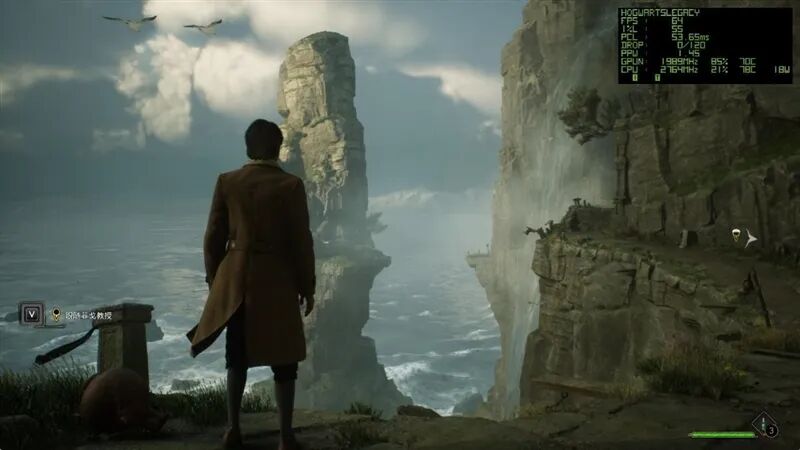
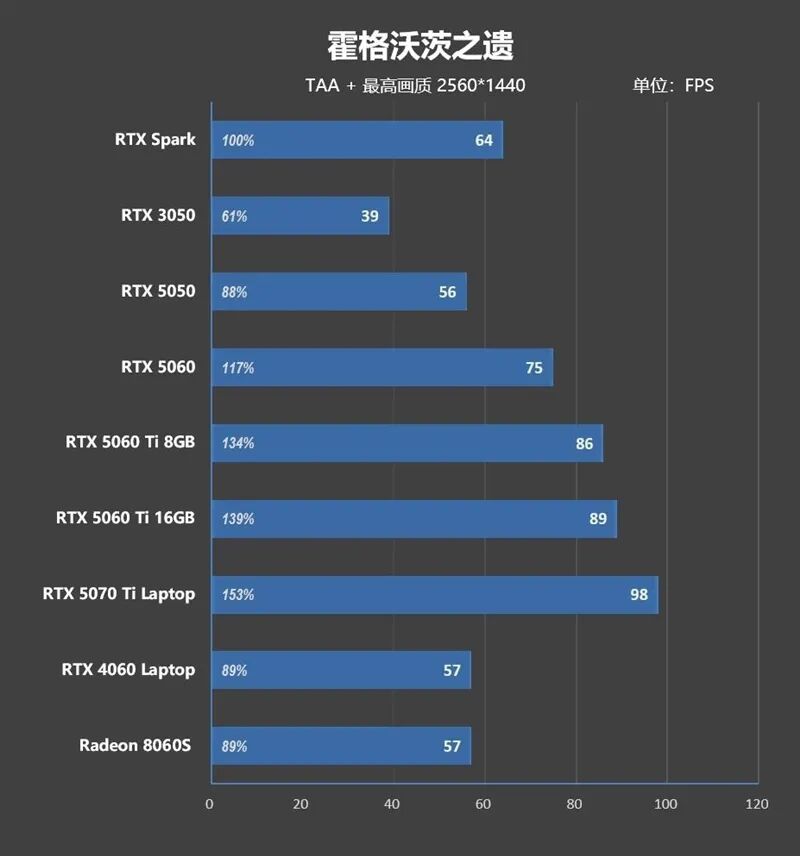
5. Hogwarts Legacy
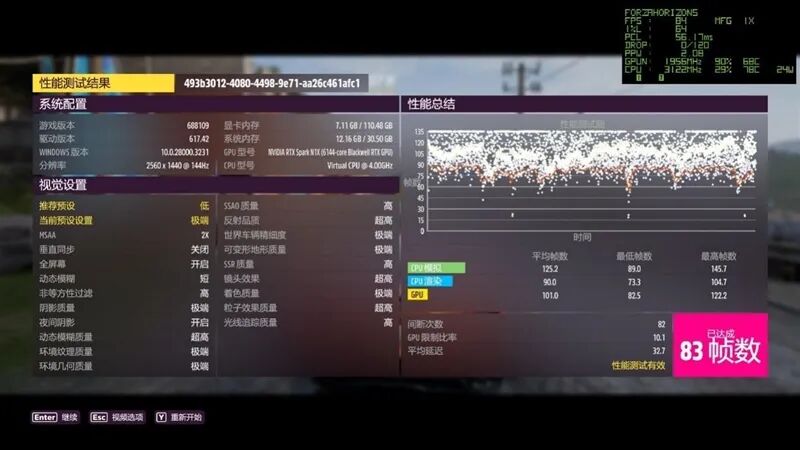
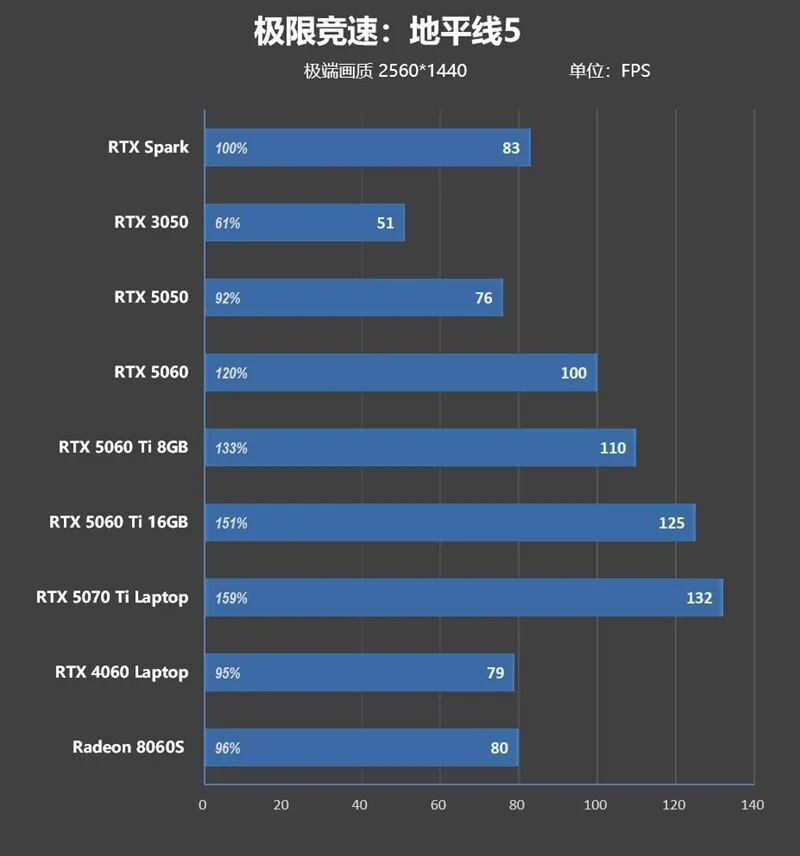
6、Forza Horizon 5
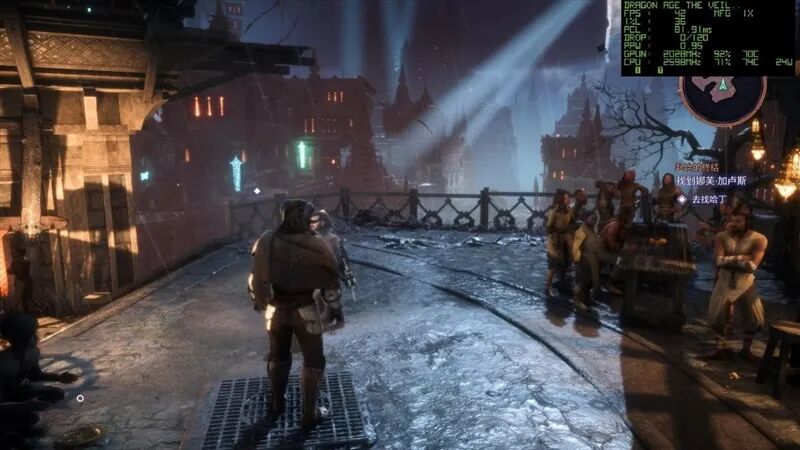
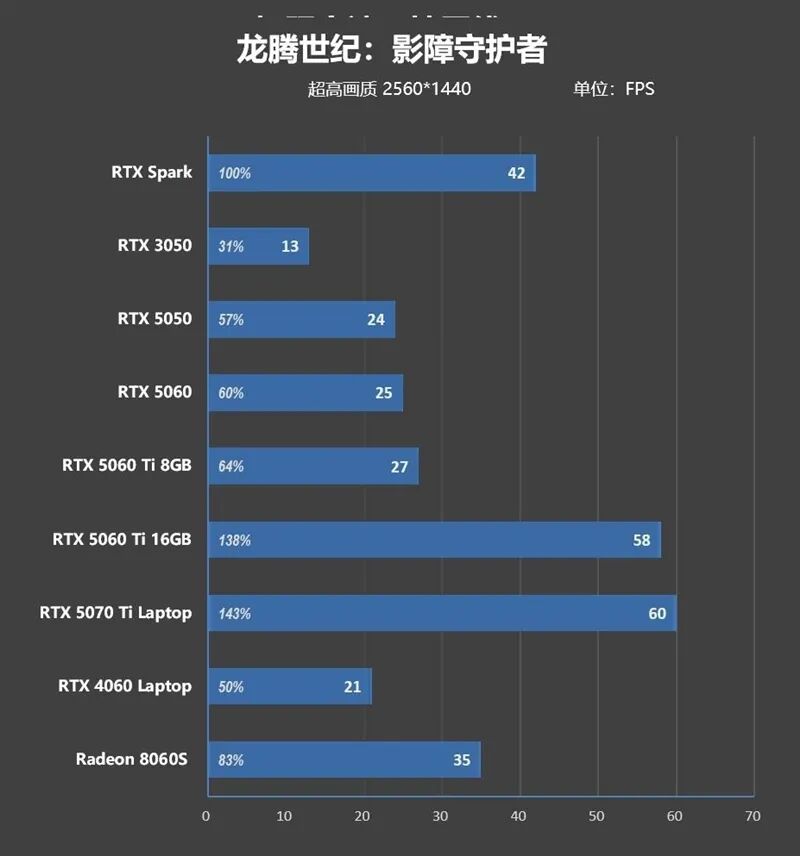
7、Dragon Age: Dreadwolf
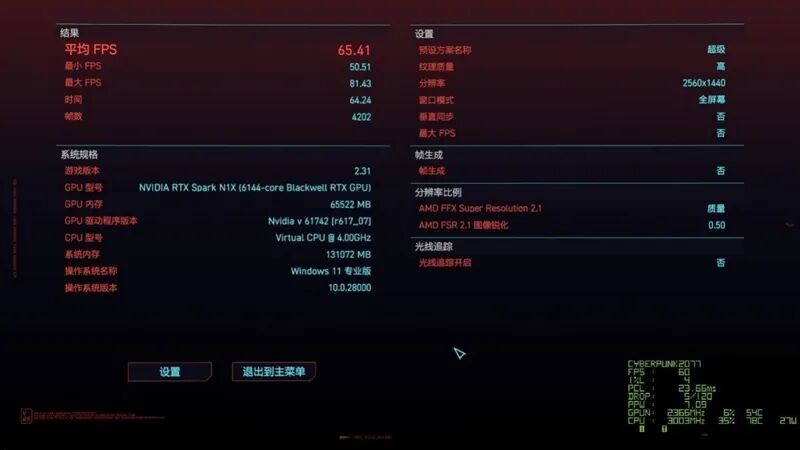
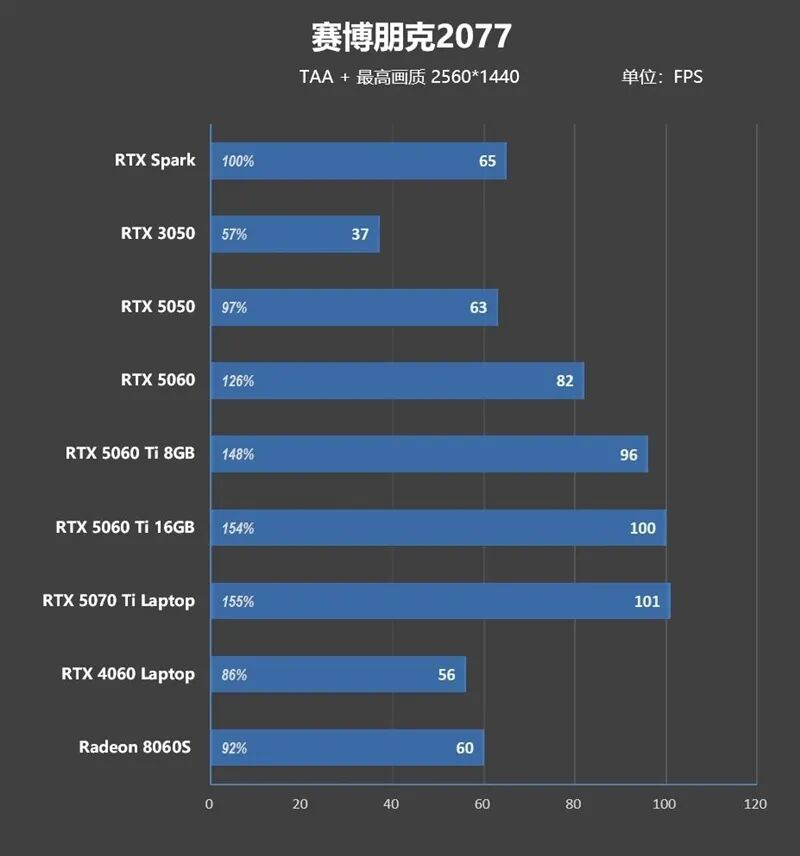
8、Cyberpunk 2077
9、The Witcher 3
10、Borderlands 3
11、Starfield
12、Star Wars Outlaws
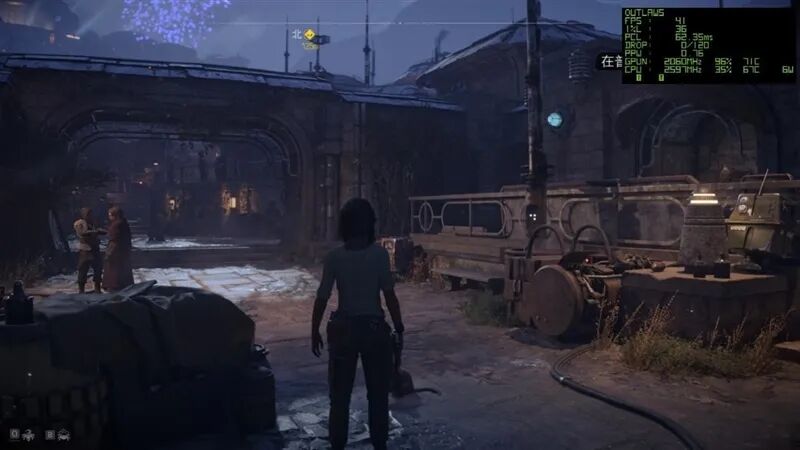
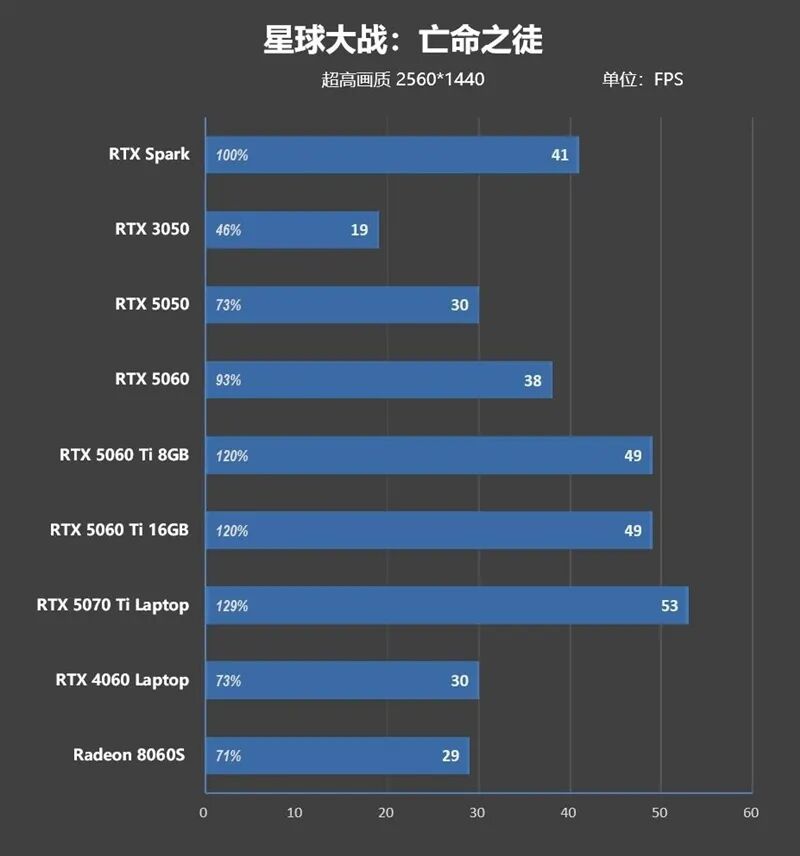
The summary of test data is as follows:
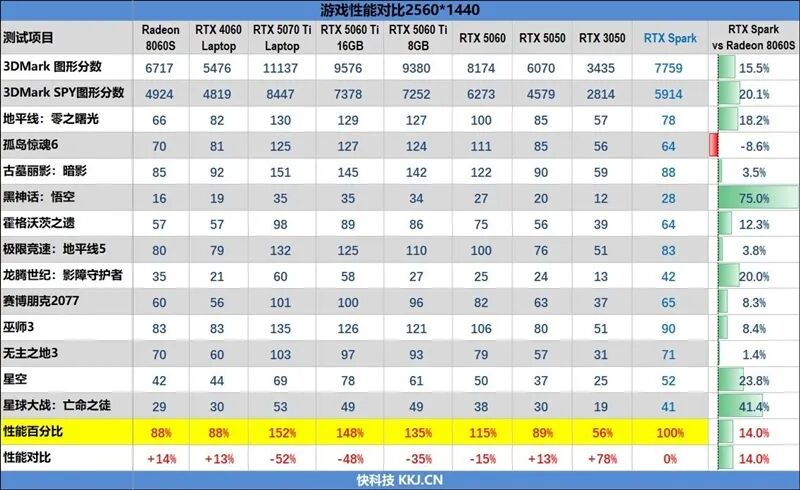
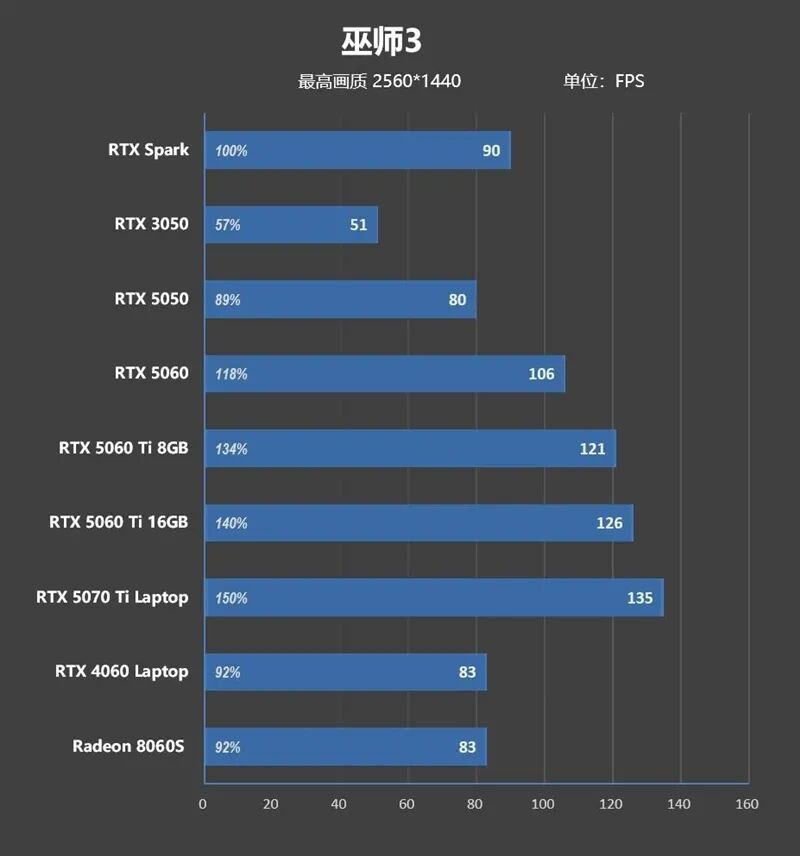
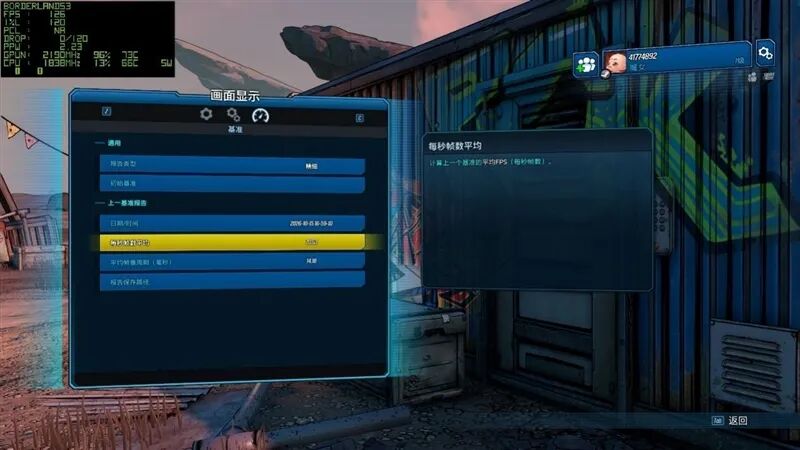
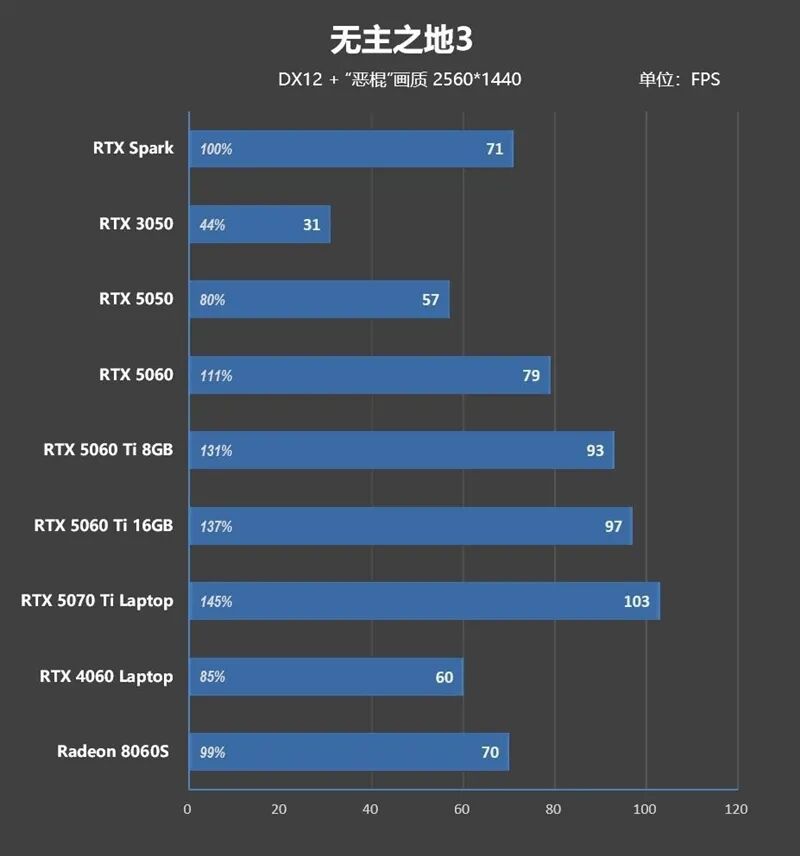
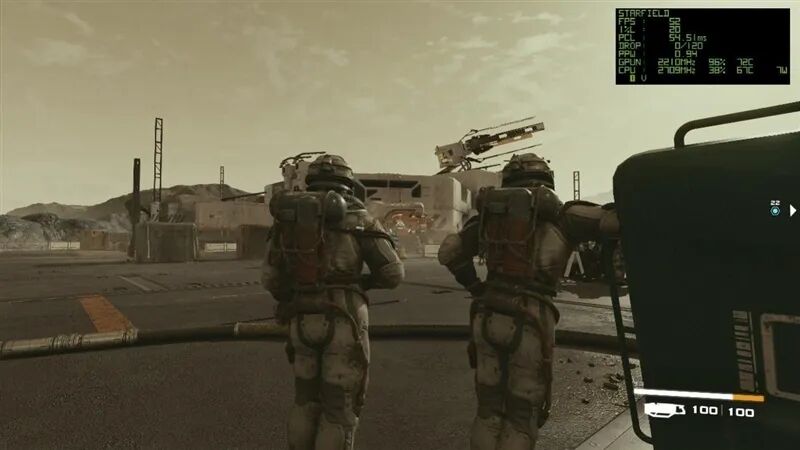
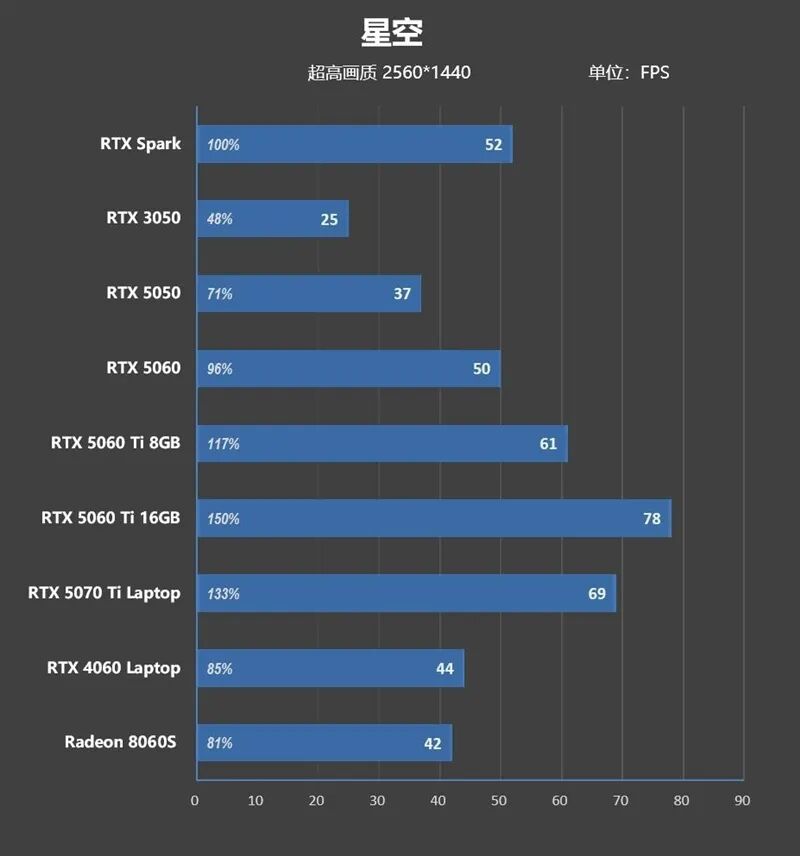
At 2K resolution, except for Far Cry 6, RTX Spark showed varying degrees of performance advantage over Radeon 8060S in the other 11 games, with an average lead of 14%.
VI. DLSS and Ray Tracing Experience
1、NBA 2K27
Like the advent of ray tracing in 2018, DLSS 5 is also a milestone in the evolution of 3D graphics.
The traditional 3D rendering pipeline, from scene construction and PBR materials to path tracing, always adheres to physical laws, shaping geometry and lighting through precise simulation of light propagation, with every pixel derived from real physical calculations. The result is that the more realistic the image, the higher the performance requirements for the GPU.
However, DLSS 5's 3D guided neural network rendering reshapes the logic of image rendering. By reading multi-buffered underlying data to understand scene semantics, it uses AI reconstruction to replace pure physical calculations, enabling the rendering of incredibly realistic images with extremely low computational overhead.
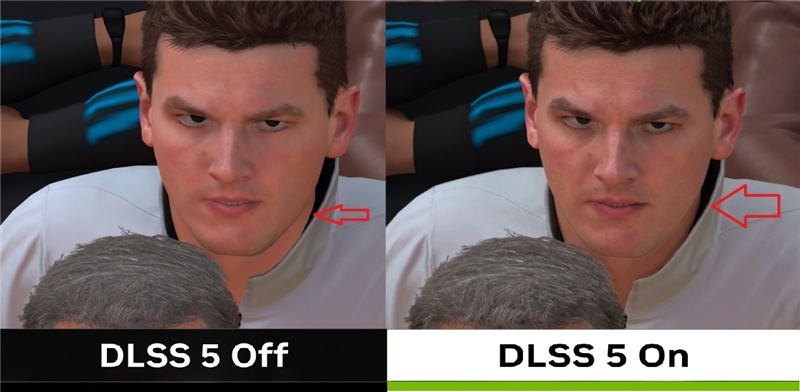
As the first game to support DLSS 5, in NBA 2K27, after enabling DLSS 5 3D guided neural network rendering, the characters' expressions, sweat droplets, and facial reflections appear very natural and realistic. The folds of the clothes naturally conform to the body's curves, complemented by appropriate shadow effects, making it look like a real jersey worn by a real person.
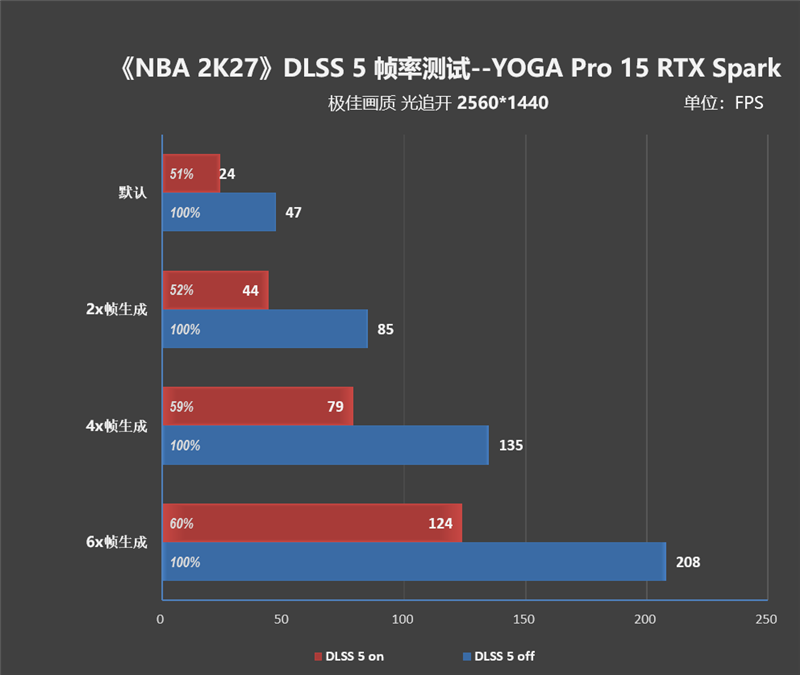
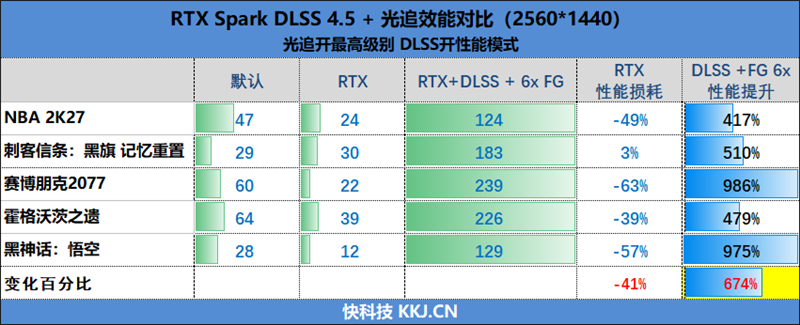
At 2K resolution with the highest graphics settings and ray tracing enabled, the RTX Spark achieves 47 FPS. After enabling DLSS 5, the frame rate drops to 24 FPS.
After enabling super resolution and 6X multi-frame generation, the frame rate reaches 124 FPS.
2、Assassin's Creed Black Flag Remake
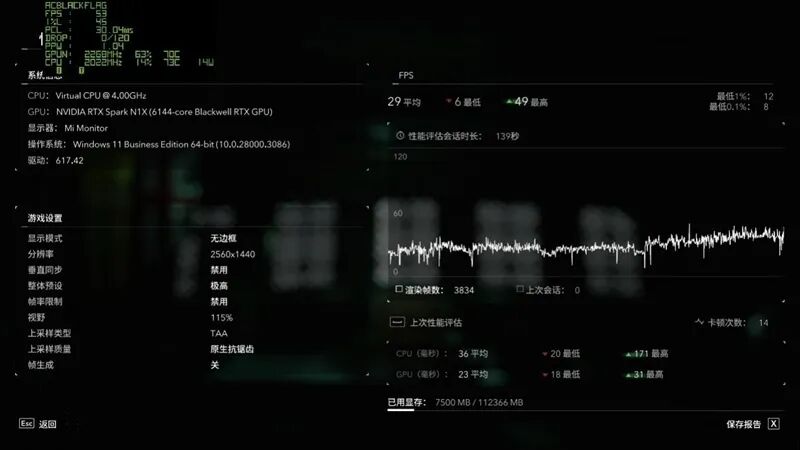
The RTX Spark achieves 29 FPS at 2K resolution with the highest graphics settings.
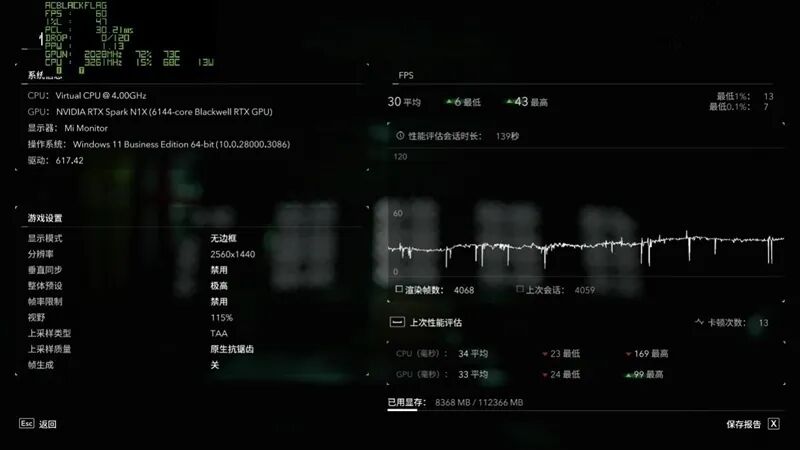
Enabling ray tracing actually increases the frame rate.
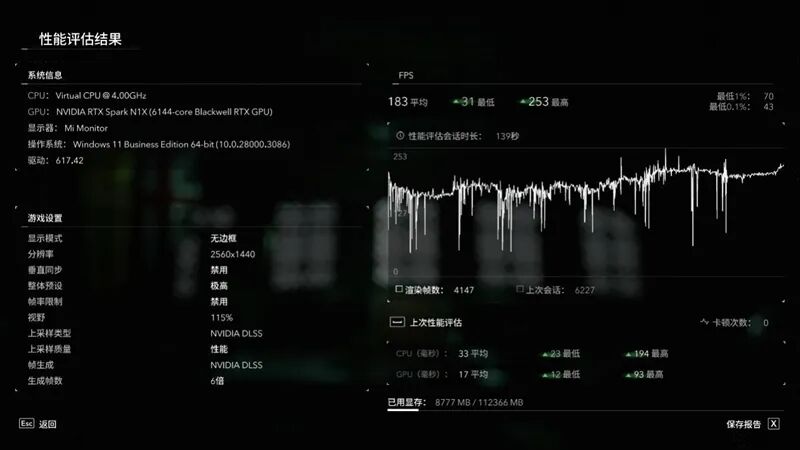
Enabling DLSS super resolution and 6X multi-frame generation, the frame rate reaches 183 FPS.
3、Cyberpunk 2077
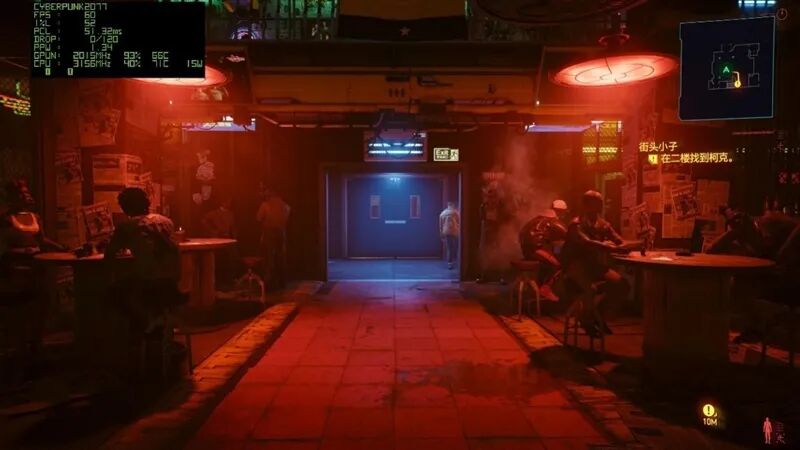
The RTX Spark achieves 60 FPS at 2K resolution with the highest graphics settings.

After enabling path tracing, the frame rate drops to 22 FPS.

Enabling DLSS and 6X multi-frame generation in the NVIDIA APP, the frame rate reaches 239 FPS.
The summary of test data is as follows:
VII. Creative Software Experience: Adobe Native Apps Available, Rendering Performance Varies by Project
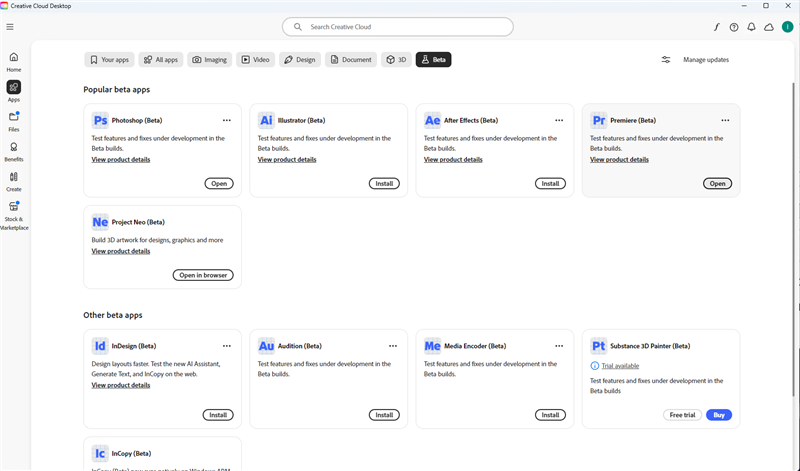
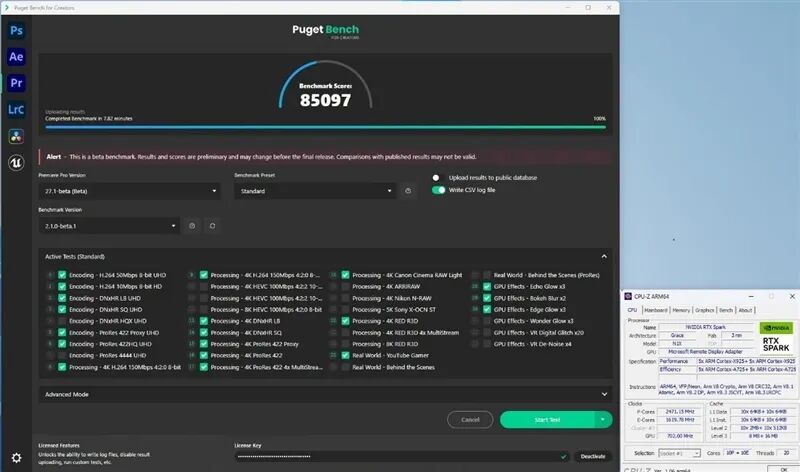
We downloaded the Beta versions of Photoshop and Premiere Pro directly from Adobe Creative Cloud, which automatically matches the system and processor. For RTX Spark, the native ARM versions were downloaded.
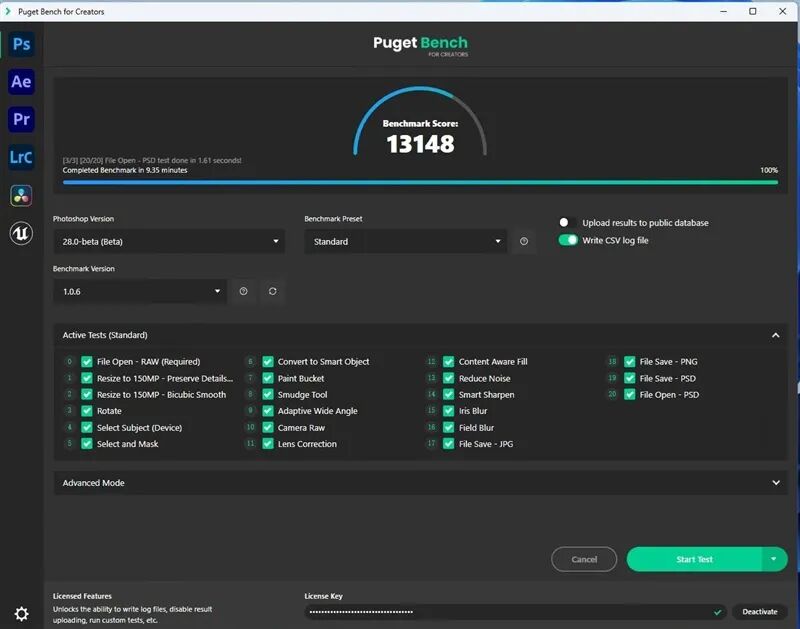
1、PugetBench for Photoshop
2、PugetBench for Premiere Pro
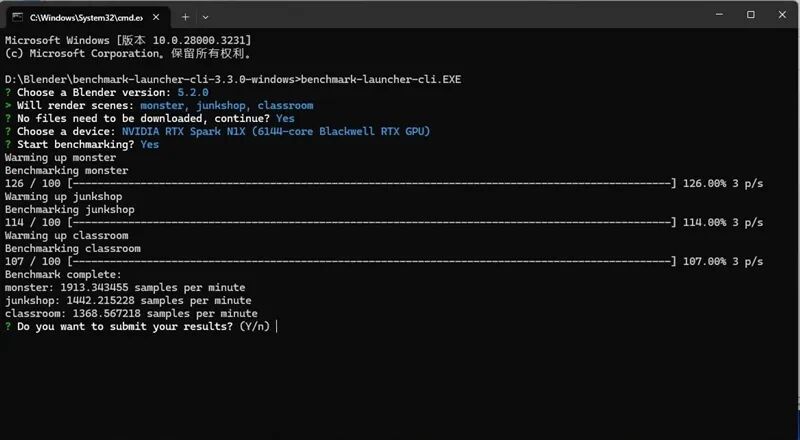
3、Blender Benchmark v5.2
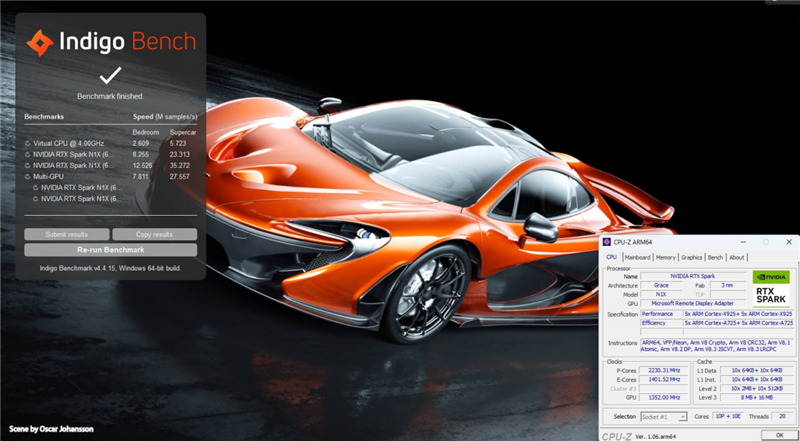
4、Indigo Benchmark v4.4.15
5、Vray-Benchmark
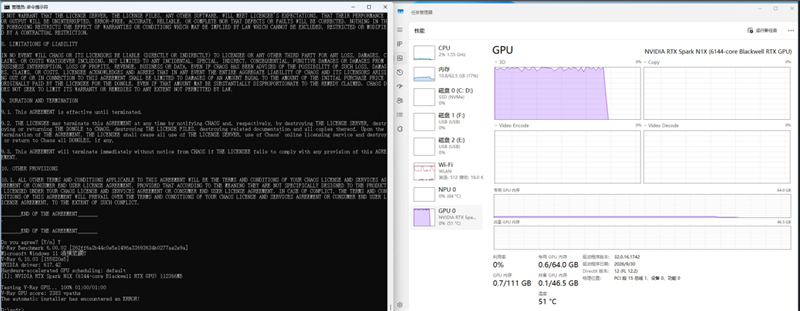
In CUDA mode, the score is 2383 vpaths.
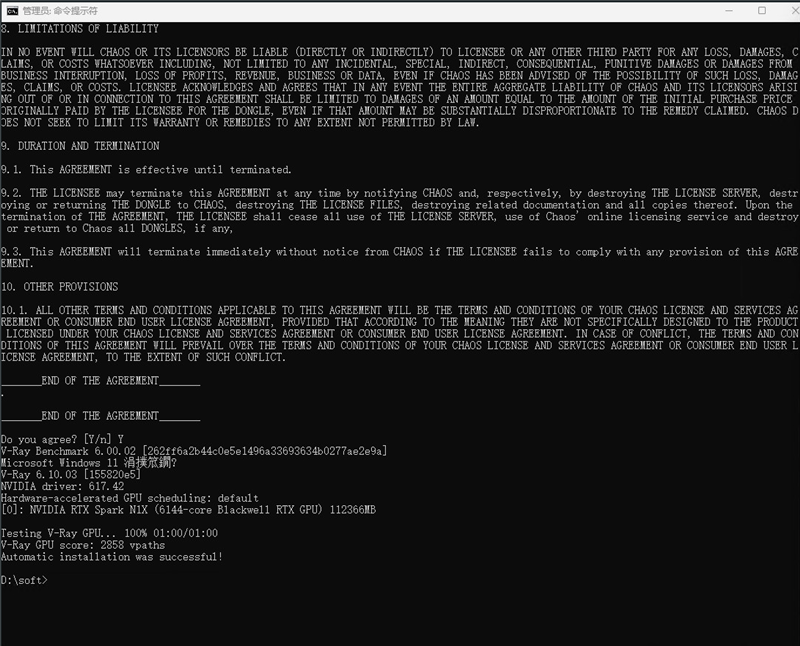
In RTX mode, the score is 2858 vpaths.
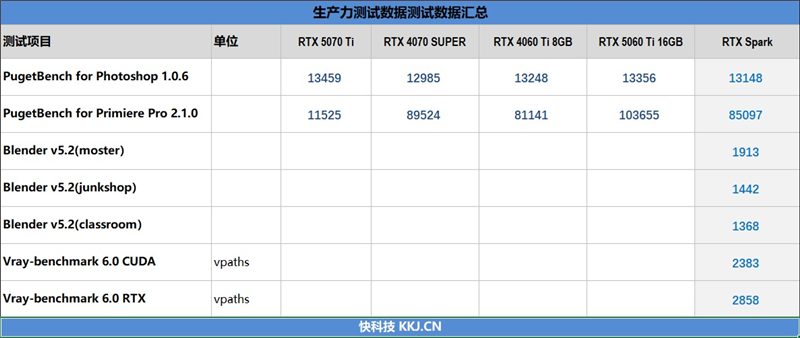
The summary of test data is as follows:
VIII. AI Benchmark Test: Beyond Large Memory, Generation Speed Also Matters
1、AI Image Generation Benchmark--Stable Diffusion 1.5 (FP16)
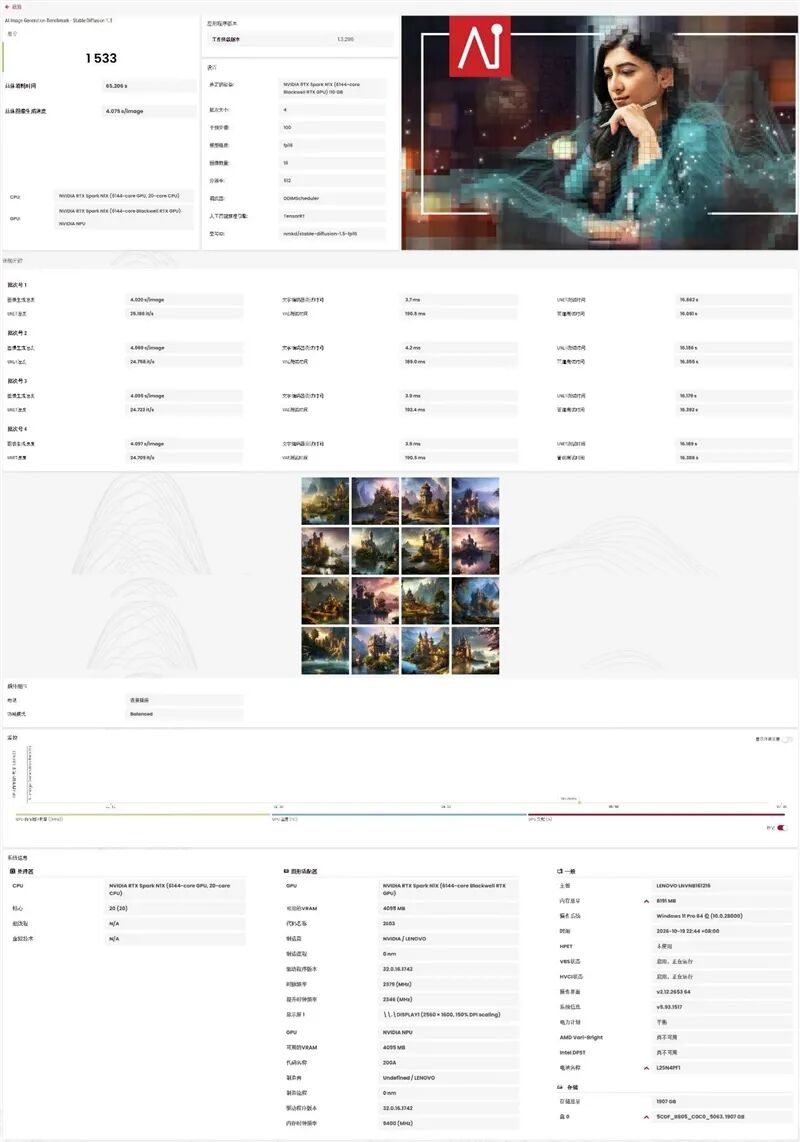
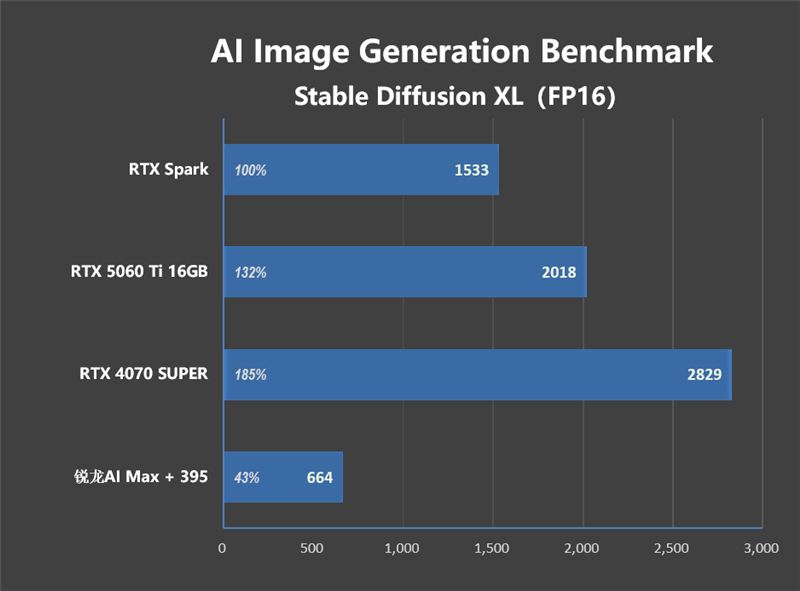
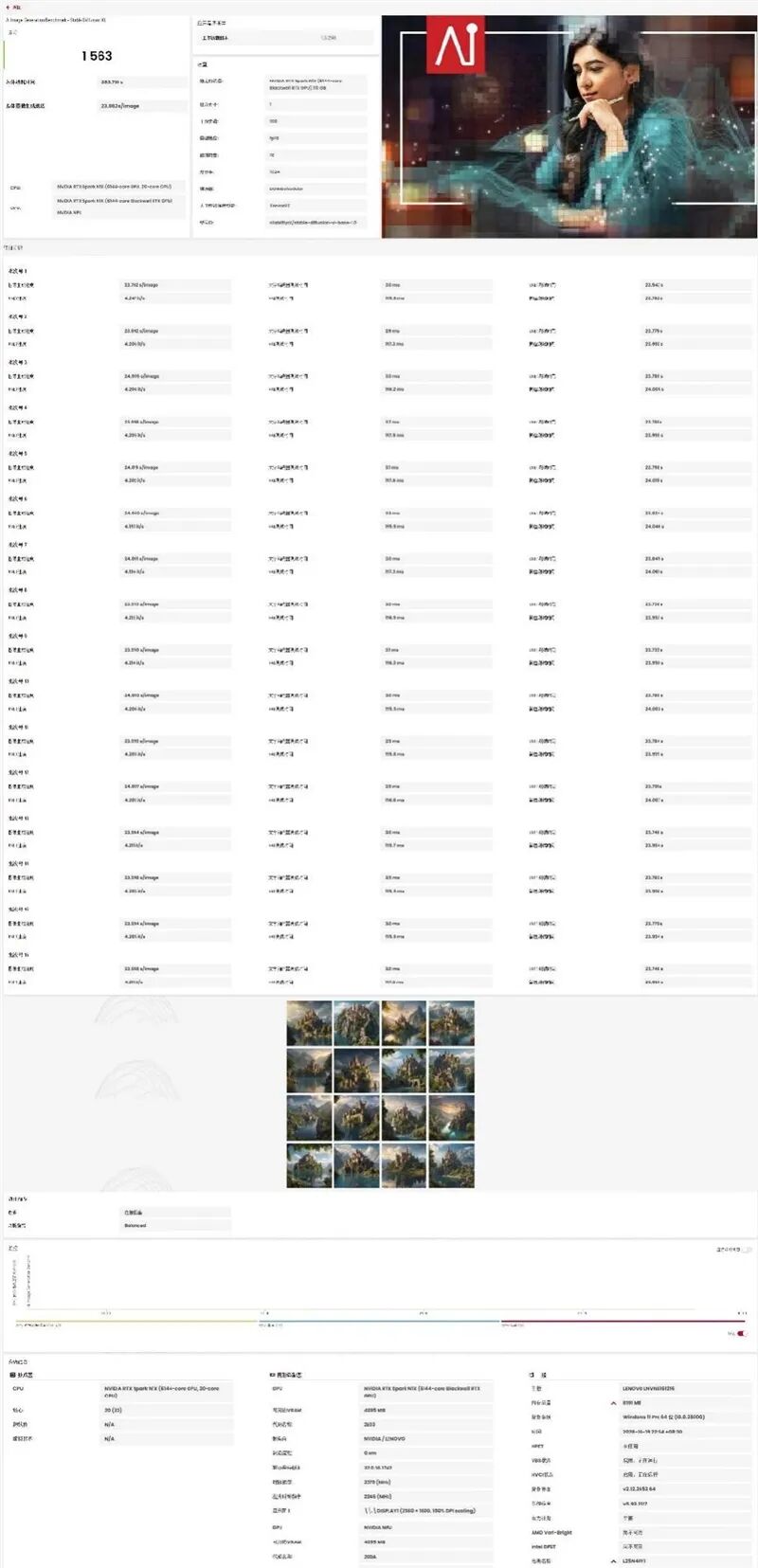
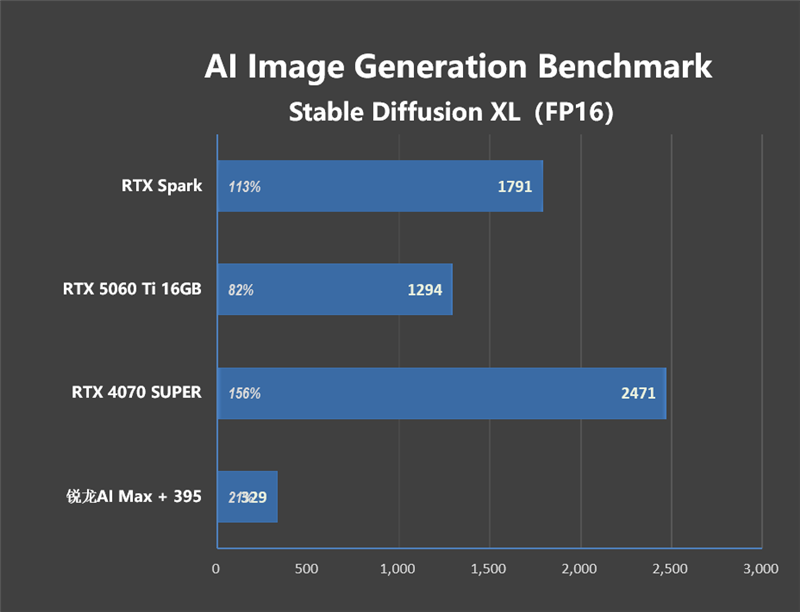
2、AI Image Generation Benchmark--Stable Diffusion XL(FP16)
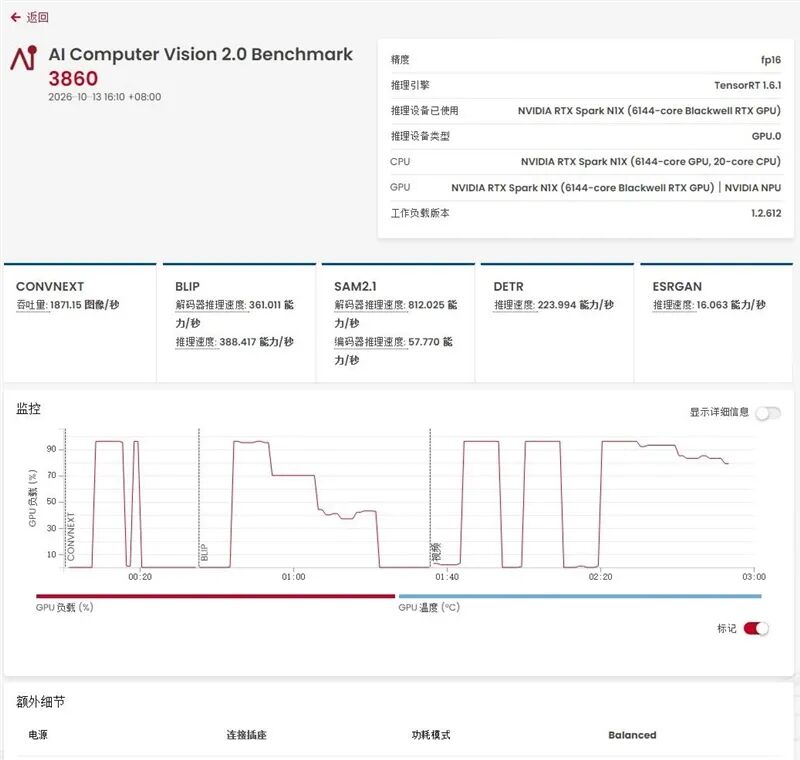
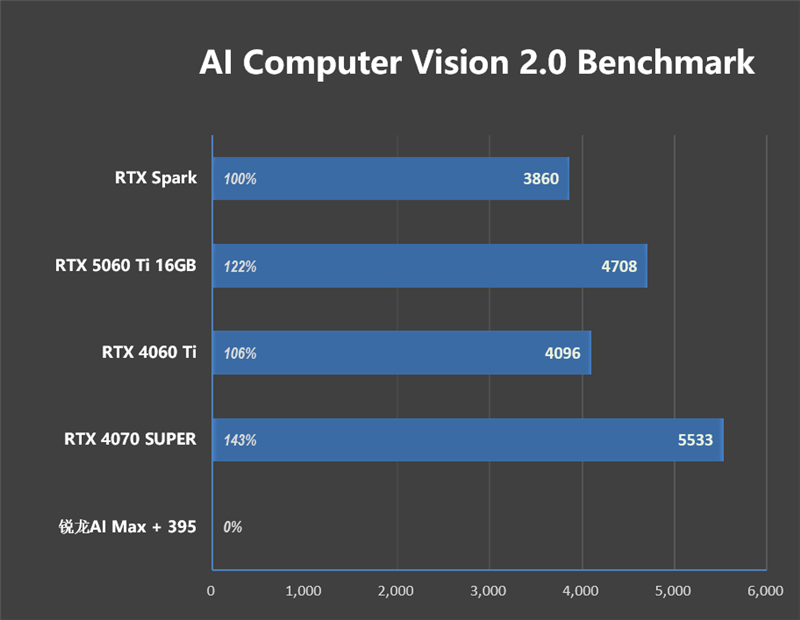
3、AI Computer Vision Benchmark
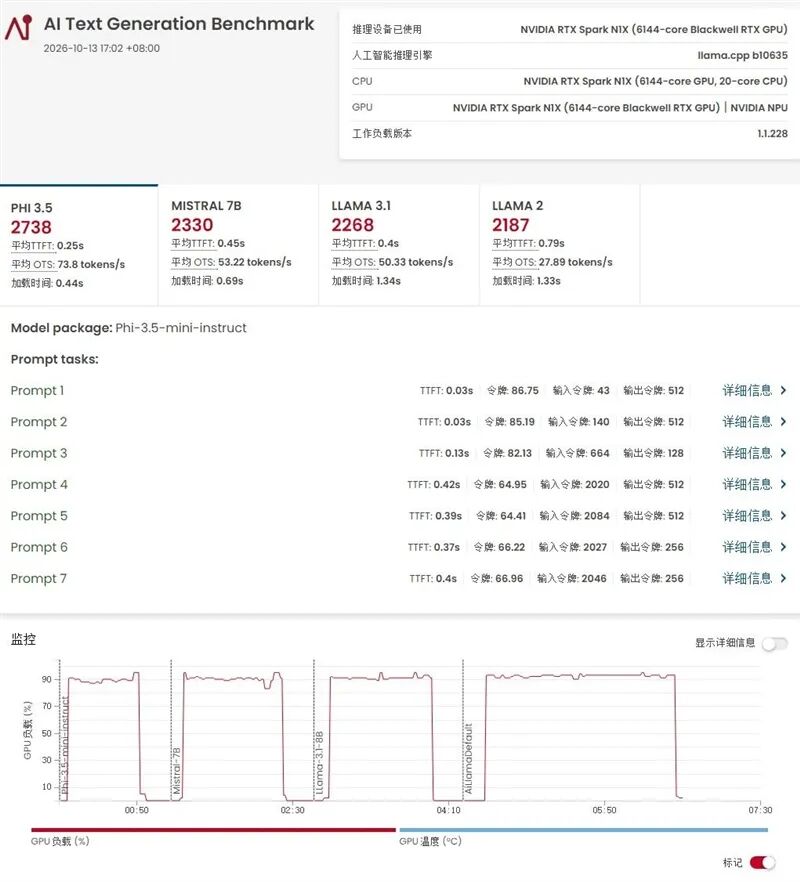
4、AI Text Generation Benchmark
5、Comfy Desktop
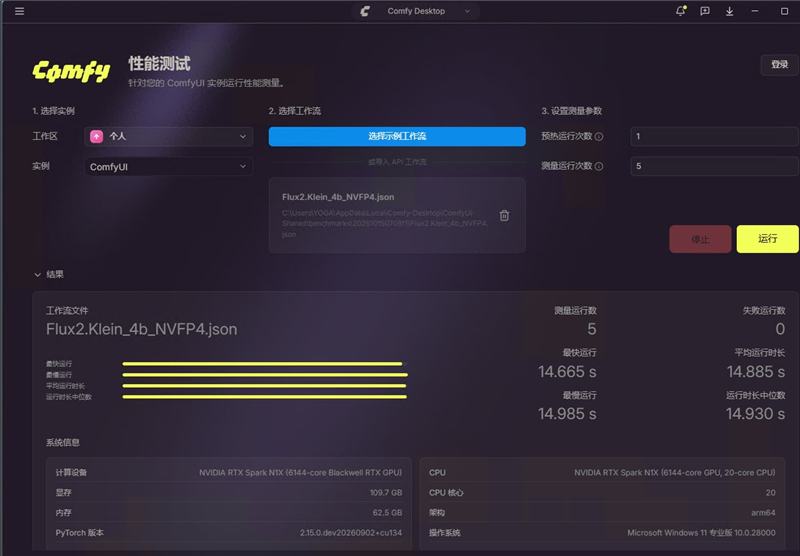
We tested the generation speed of three NVFP4 weight models using Comfy Desktop respectively.
Among them, the Flux2.Klein 4B Base NVFP4 took 14.69 seconds, completing a generation in under 15 seconds.
For the LTX 2.5 Distilled NVFP4 test, 121 frames of video took 73 seconds. This speed is roughly equivalent to 60-70% of the RTX 4090's performance. Considering that the RTX Spark is only 66W, while the RTX 4090 is 450W, the strength of the Blackwell architecture combined with NVFP4 in handling video is evident.
A summary of the AI benchmark test data is as follows:
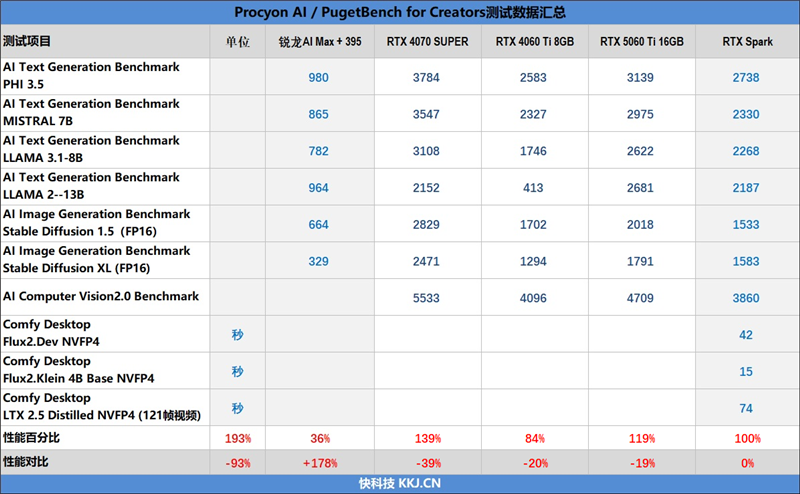
In AI benchmark tests, the RTX Spark performs 20% better than the RTX 4060 Ti and is slightly weaker than the RTX 5060 Ti 16GB. It should be noted that the other models are high-power desktop graphics cards, while the RTX Spark is used in ultrabooks, and its advantage lies in its Ultra large unified memory (super large unified memory).
IX. Screen and Disk Performance Tests: Nearly Perfect Scores Across Three Major Color Gamuts
1、Color Gamut
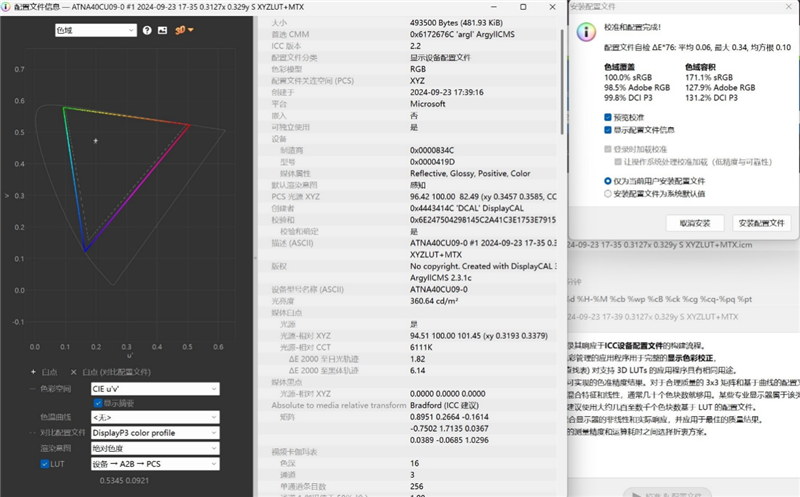
Data measured in Display P3 color gamut mode:
100% sRGB color gamut coverage, 171% sRGB color gamut volume
98.5% AdobeRGB color gamut coverage, 127% AdobeRGB volume
99.8% DCI-P3 color gamut coverage, 131% DCI-P3 color gamut volume
2、Brightness and Contrast
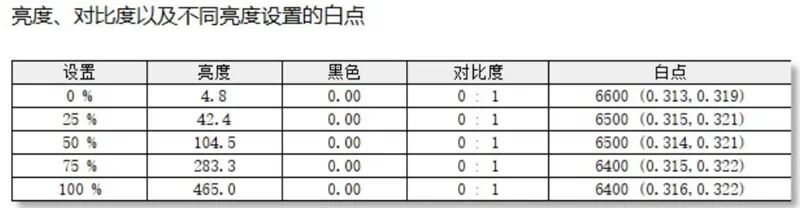
In SDR mode, the screen reaches a maximum brightness of 465 nits with infinite contrast and a white point color temperature of 6500.
3、Color Accuracy
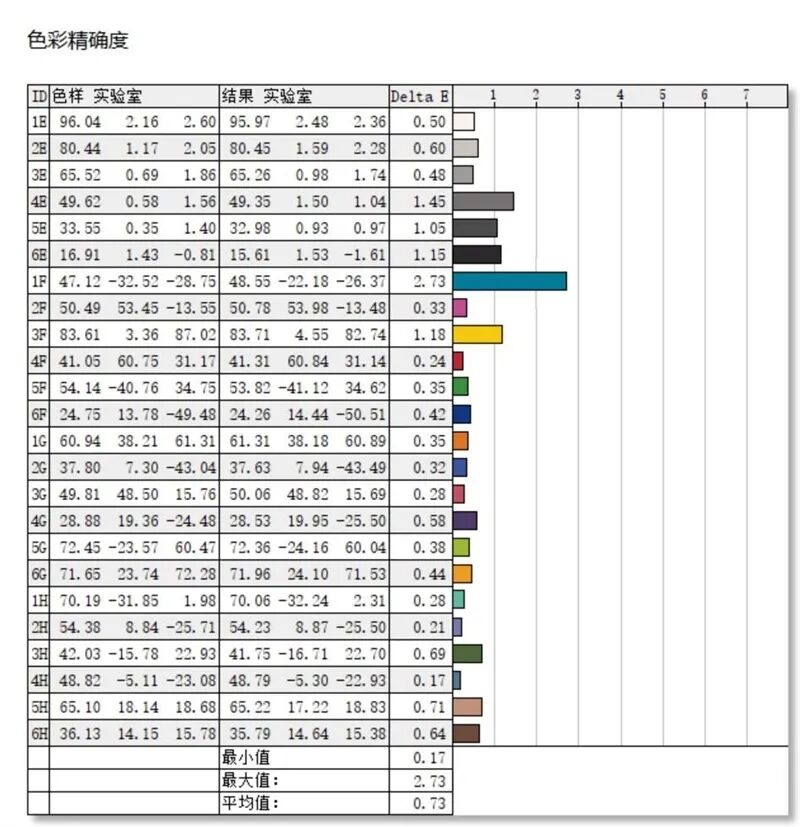
In terms of color accuracy, the maximum Delta E value is 2.73, the minimum is 0.17, and the average Delta E value is 0.73.
4、Disk Performance Test
The Lenovo YOGA Pro 15 RTX Spark uses a PCIe 5.0 2TB SSD from Union Memory.
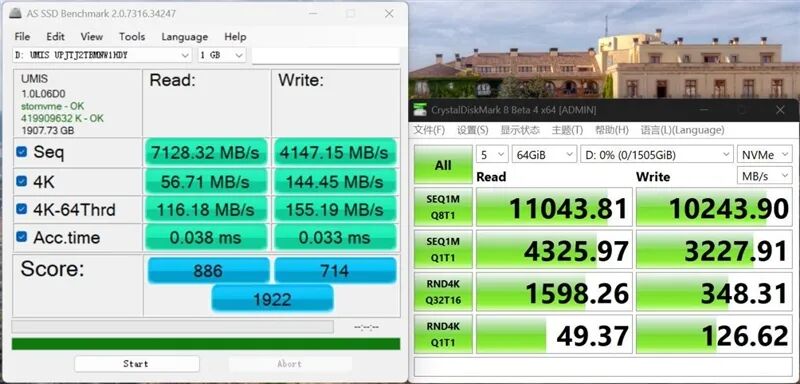
In the AS SSD BenchMark test, the SSD scored a total of 1922, with sequential read speeds reaching 7128MB/s and write speeds of 4147MB/s; 4K read and write speeds exceeded 56MB/s and 144MB/s, respectively.
During the CrystalDiskMark 64GB test, sequential read and write speeds were 11043MB/s and 10243MB/s, respectively, with 4K read speeds of 49MB/s and 4K write speeds of 126MB/s.
X. AI Experience: Beyond the Realm of "Consumer-Grade Graphics Cards for AI"
NVIDIA's leading advantage in AI extends far beyond CUDA. TensorRT-LLM and NVFP4 also play crucial roles.
Universal frameworks like vLLM, llama.cpp, and Ollama perform generic encapsulation and adaptation at the upper layers, inherently introducing a layer of efficiency loss.
In contrast, TensorRT-LLM is vertically optimized and connect through (integrated) by the official team from hardware instruction sets and architectural features to low-level operators, computation graph compilation, and scheduling logic. When paired with NVIDIA graphics cards, its performance is 20-30% higher than other frameworks.
As for NVFP4, relying on two-level microblock scaling technology, it achieves a significant reduction in memory usage and a doubling of inference throughput with minimal precision loss. Compared to generic FP4/MXFP4, NVFP4's quantization error is 88% lower; compared to INT4/NF4, its precision is an order of magnitude higher.
Therefore, for this test, we chose to deploy the Llama 3.3 70B NVFP4 and Nemotron-120B NVFP4 quantized models based on the TensorRT-LLM engine.
1、Llama 3.3 70B NVFP4
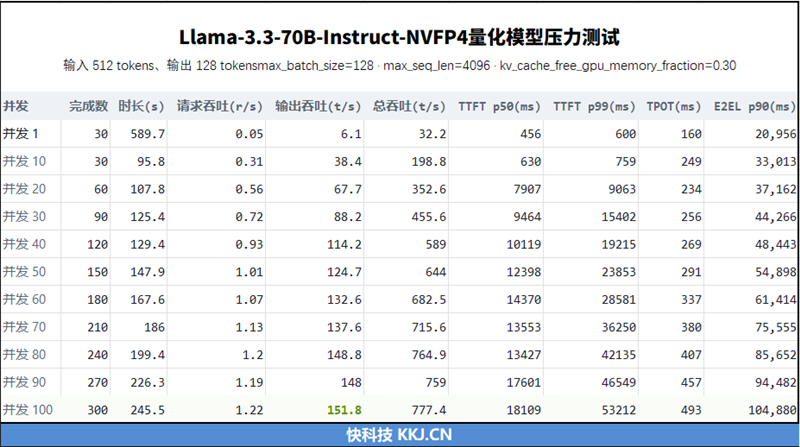
Single-stream experience: At a concurrency of 1, the output is 6.1 tok/s, TPOT 160ms, and TTFT 483ms. This aligns with the theoretical limit of the unified memory bandwidth (approximately 273 GB/s) for a 40GB weight (approximately 6.8 tok/s), indicating that decoding is constrained by memory bandwidth.
When concurrency reaches 10, the output throughput increases by about sixfold. When concurrency reaches 80, the output throughput essentially peaks at 148 tok/s, with little further increase in throughput beyond this point.
2、Nemotron-120b-nvfp4
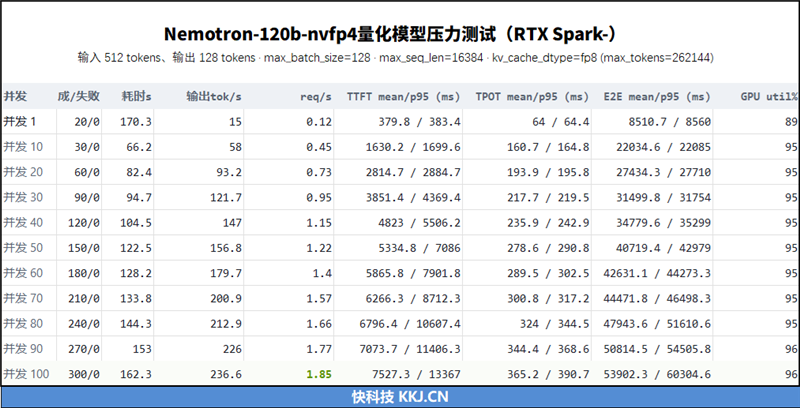
Single-stream experience: The output speed is 15 tokens/s, with a first-character delay (TTFT) of 379.8ms and an end-to-end total delay of approximately 8.5 seconds. This speed already exceeds the average human reading speed (approximately 10-12 tokens/s), providing sufficient fluency for daily conversations and single-question answers without noticeable lag.
High-concurrency throughput capability: The total throughput increases nearly linearly, gradually approaching the computational saturation point after 60 concurrent requests. At 100 concurrent requests, the total output throughput reaches 236.6 tokens/s, with a 100% success rate and zero failures.
3、Local Agent Experience
We continued to use the framework model deployed in WSL Ubuntu, deploying the Octop open-source AI assistant in WSL, and loading the two local models: Llama-3.3-70B-Instruct-NVFP4 and Nemotron-120b-nvfp4.

After successful deployment, Octop can be accessed directly at http://127.0.0.1:8088/chat, allowing direct use of the Nemotron-120b-nvfp4 quantized local agent. There is likely no more convenient or power-efficient solution than the RTX Spark.

The local agent can handle almost all daily work tasks, eliminating concerns about costs and data leaks.
XI. Conclusion: Software Adaptation Remains a Prerequisite—NVIDIA PCs Hold Promise for the Future
We have had the Lenovo YOGA Pro 15 RTX Spark for quite some time but waited until now to publish this review to provide more meaningful test data and present a Real (authentic) RTX Spark.
A summary of this test is as follows:
1、RTX Spark's CPU Performance
This needs to be viewed separately!
When running X86 applications directly, due to the lack of X86 instruction set support and the performance loss introduced by Prism translation, the RTX Spark's performance lags behind mainstream high-end X86 processors by about 30%.
However, when running native Windows ARM applications—three of which we tested—the RTX Spark's performance is on par with or slightly better than the Intel Core Ultra 7 251HX processor. This demonstrates that with proper optimization, ARM instruction sets are not inferior to X86.
2、Gaming Performance
Logically, with an integrated GPU equivalent to the RTX 5070, the RTX Spark's gaming performance should far surpass the RTX 4060 and AMD Radeon 8060S.
However, the actual results show that at 1080P resolution, the RTX Spark's gaming performance is only slightly better, with a clear advantage emerging only at 2K resolution.
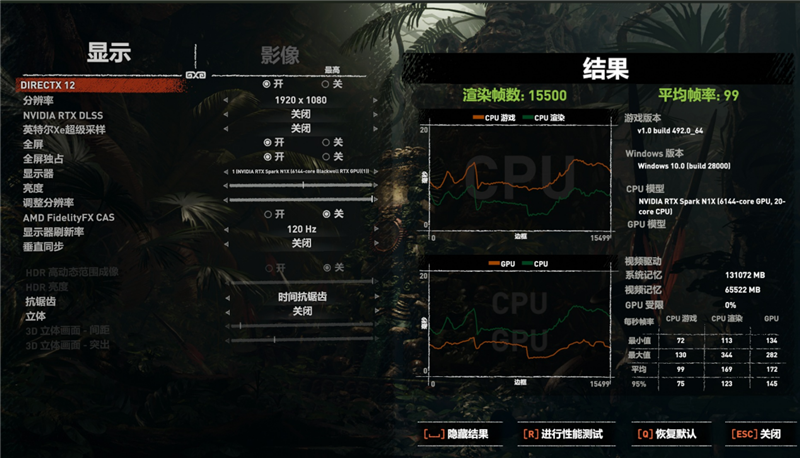
We can see clues from a test screenshot of Shadow of the Tomb Raider. Throughout the test, the RTX Spark's CPU rendering latency was almost double that of the GPU, indicating that the bottleneck lies with the CPU.
Current PC games are optimized for the X86 floating-point instruction set, preventing the ARM-based RTX Spark from unleashing its true performance in these games.
Of course, as gamers, we can shift the bottleneck to the graphics card by using higher resolutions or enabling ray tracing, allowing the Blackwell architecture-based N1X GPU to demonstrate its greater potential.
Indeed, as resolution increases, the RTX Spark's performance advantage over mid-range graphics cards gradually widens. In graphics-intensive games like Black Myth: Wukong and Star Wars Outlaws, the RTX Spark achieves a significant performance lead even at low resolutions.
If the RTX Spark can drive the success of the ARM architecture on the Windows platform, it will likely spur the development of more native Windows ARM applications and games, potentially altering the duopoly of AMD and Intel in the PC processor market.
3、AI
In fact, the RTX Spark is more accurately described as an AI workstation capable of gaming and productivity, with AI computing as its core focus.
The CUDA ecosystem, TensorRT-LLM engine, and NVFP4 quantization format have already established an insurmountable moat for NVIDIA's AI chips.
The RTX Spark equipped with 128GB unified memory has gone beyond the realm of 'consumer-grade graphics cards for AI exploration' and can fully support private large model services and local autonomous agent scheduling for small and medium-sized teams. It can also serve as a local AI workstation for professional creators.
Deploying large models and AI agents with localized links reduces deployment costs, operation and maintenance costs, and usage costs, while also fundamentally avoiding the risks of data and technology leakage.
And now, all of this can become a reality on a 1.7kg Lenovo YOGA Pro 15 RTX Spark thin and light laptop.
END
-
![]()
Starting at 349,800 Yuan, Can the Hongqi G919 Achieve a Breakthrough in the Premium Market?
-
![]()
Audi: Balancing the Dawn and the Dusk
-
![]()
A Small Step for RTX Spark, A Giant Leap for NVIDIA PCs! Lenovo YOGA Pro 15 RTX Spark Review
-
A RMB 375 Million Share Repurchase Fails to Halt Ultrapower's Stock Price Slide Amid Dual Performance and Valuation Pressures
-
![]()
From a Migrant Worker Earning 7 Yuan a Day to China's Richest Woman Worth 127 Billion at 56: The Market's Skepticism
-
![]()
Surpasses Jack Ma! 41-Year-Old Liang Wenfeng, With RMB 280 Billion Net Worth, Still Resides in a Rented Apartment
-
Relying on Liquid Cooling Component Sales to Propel IPO, Xinfu Technology Faces Registration Challenges: What Caused Its 2026 Performance Slump?
-
![]()
Who will be Volkswagen's intelligent driving supplier in Europe?